• Home
  • About Us
  • Getting Finances Done
    • Hiring Advisors
    • Debt Management
    • Spending Plan
  • Insurance
    • Life Insurance
    • Health Insurance
    • Disability Insurance
    • Homeowners/Renters Insurance
  • Contact Us
  • Our Editorial Commitment

The Free Financial Advisor

You are here: Home / Archives for retirement benefits

SSA Demands $20,000 Back: Overpayment Letters Target Relatives Years Later

May 25, 2026 by Brandon Marcus Leave a Comment

SSA Demands $20,000 Back: Overpayment Letters Target Relatives Years Later
Overpayment notices are flying out of the SSA, demanding thousands from normal Americans – Shutterstock

SSA overpayment notices continue to shock families when repayment demands land years after benefits stop. Letters from the Social Security Administration often cite balances near $20,000 and trigger immediate financial concern. These demands sometimes reach relatives who never expected to deal with government debt tied to a loved one’s past benefits.

The Social Security Administration reviews past payments and pursues recovery when records reveal discrepancies in eligibility or income reporting. Families often face strict deadlines and detailed paperwork that can affect both estates and personal finances. Clear awareness of how these claims unfold helps households respond faster and avoid costly mistakes.

Why SSA Sends Overpayment Bills to Families Years Later

SSA reviews past payments and flags overpayments when updated records reveal changes in eligibility. System corrections, income adjustments, or missing life-event updates often trigger these reviews. The agency then calculates the difference and builds a repayment claim that can stretch back years.

The Social Security Administration does not always catch these issues in real time, so delays happen frequently. Federal rules allow the agency to revisit old accounts and recover funds even long after payments stop. Families often receive these letters without warning, especially when the original beneficiary has already left the system.

How $20,000 Overpayment Claims Reach Relatives and Estates

SSA can pursue repayment from estates when a beneficiary dies with an unpaid balance. Representative payees and estate administrators often receive the first official notice of the debt. The agency calculates the full overpayment amount and includes adjustments tied to past benefit periods.

The Social Security Administration may connect the debt to estate assets before final distribution occurs. Executors often face pressure to resolve the claim before closing probate cases. This process surprises families who never handled benefit payments directly or expected financial liability.

Options Families Can Use to Challenge or Reduce the Debt

Families can request a waiver when repayment creates financial hardship or when circumstances show no fault. SSA also allows formal appeals that challenge how the agency calculated the overpayment. Strong documentation like income statements and medical records can strengthen these claims significantly.

Negotiated repayment plans often reduce monthly pressure and make large balances more manageable. Some families secure partial relief when evidence shows administrative errors contributed to the debt. Fast action increases the chance of approval before collection efforts intensify.

SSA Demands $20,000 Back: Overpayment Letters Target Relatives Years Later
The SSA is demanding returned payments up to $20,000 from some people – Shutterstock

Smart Steps to Protect Finances When SSA Letters Arrive

Families should open SSA letters immediately and track every deadline listed in the notice. Financial professionals often help organize records and build repayment or appeal strategies. Estate planning reviews also help reduce the risk of future liability surprises.

Clear communication with the Social Security Administration helps prevent delays and conflicting information. Early response often protects assets from aggressive collection actions or probate delays. Careful handling of each step reduces stress and keeps financial decisions more controlled during a difficult process.

When SSA Letters Turn Into Financial Reality Checks

SSA overpayment demands can reshape how families view inherited financial responsibility and estate obligations. Each notice carries strict timelines, detailed requirements, and potential legal consequences if ignored. Quick action, accurate records, and informed decisions help families stay ahead of escalating balances.

What would you do if a $20,000 SSA repayment letter arrived unexpectedly years after a loved one’s benefits ended? Share your thoughts and experiences in the comments below.

You May Also Like…

The 5-Minute SSA Error: Why Online Filers Are Getting Identity Mismatches

The SSA Rule That Cuts $1 for Every $2 You Earn Over the Limit

Why Some Retirees Are Claiming Social Security Early Despite Smaller Check Warnings

North Carolina Retirees Are Filing for Social Security Earlier as Insolvency Fears Grow

7 Medicare Costs Rising Faster Than the 2027 Social Security COLA Forecast

Brandon Marcus
Brandon Marcus

Brandon Marcus is a writer who has been sharing the written word since a very young age. His interests include sports, history, pop culture, and so much more. When he isn’t writing, he spends his time jogging, drinking coffee, or attempting to read a long book he may never complete.

Filed Under: social security Tagged With: debt recovery, Estate planning, financial alerts, government letters, Personal Finance, retirement benefits, Social Security, SSA overpayment

The 2027 Social Security COLA Forecast Just Jumped — Here’s What Could Still Reduce Your Check

May 23, 2026 by Brandon Marcus Leave a Comment

The 2027 Social Security COLA Forecast Just Jumped — Here’s What Could Still Reduce Your Check
The Social Security COLA in 2027 could be rising, but your checks could still be shrinking – Shutterstock

Retirees just received a fresh dose of attention-grabbing news as the 2027 Social Security COLA forecast ticks higher once again. The adjustment signals that inflation pressures continue to shape future benefits, even years ahead of payment changes. Many households feel relief at the idea of larger checks, especially after recent stretches of elevated prices. Still, that optimism deserves a closer look because several quiet forces can chip away at the final deposit amount. A bigger COLA headline does not always translate into a bigger monthly budget.

The Social Security Administration bases COLA adjustments on inflation trends measured through the Consumer Price Index for Urban Wage Earners and Clerical Workers (CPI-W). When that index rises, projections for future COLA increases also tend to climb. However, forecasts shift frequently because inflation data changes month by month. Even a small uptick in energy, housing, or healthcare costs can push expectations higher. That volatility sets the stage for both excitement and confusion among beneficiaries.

Why the 2027 COLA Forecast Is Rising Again

The latest forecast increase reflects ongoing inflation persistence in key spending categories that matter most to retirees. Housing costs continue to apply upward pressure, especially rents and property-related expenses across many regions. Healthcare services also remain sticky, with medical inflation running hotter than general inflation in several recent reporting periods. Analysts tracking these trends adjust projections to reflect that momentum, which explains the upward shift in the 2027 COLA outlook. Even modest inflation surprises can ripple forward into multi-year benefit estimates.

Energy prices and grocery costs also play a major role in shaping expectations for future COLA changes. When fuel or food prices spike, the CPI-W reacts quickly and sends signals into long-term forecasts. Economists also factor in labor market conditions because wage growth often correlates with broader inflation patterns. Together, these variables create a dynamic picture that keeps shifting rather than locking into a stable number. That constant movement explains why retirees often see forecast changes long before actual benefit adjustments arrive.

The Hidden Costs That Can Shrink a Bigger Check

Medicare premiums represent one of the most common forces that quietly reduce Social Security gains. Part B premiums typically deduct directly from monthly benefits, and those premiums often rise alongside healthcare inflation. Even when COLA increases arrive, higher Medicare costs can absorb a significant portion of that boost. Many retirees notice their net deposit barely changes even after a strong COLA year. That disconnect often surprises people who expect a direct one-to-one increase.

Taxation also plays a major role in reducing take-home Social Security income for many households. Combined income thresholds determine whether benefits face federal taxation, and inflation-driven COLA increases can push more retirees above those limits. That shift can trigger a higher tax bill, effectively offsetting part of the benefit increase. IRMAA surcharges can also increase Medicare costs for higher-income beneficiaries, adding another layer of reduction. These hidden adjustments often matter just as much as the COLA itself.

Why a Bigger COLA Doesn’t Always Equal a Bigger Budget

A rising COLA forecast often creates optimism, but real-world spending power depends on more than headline numbers. Inflation affects different categories unevenly, and retirees often feel the pressure in essentials like housing, healthcare, and utilities. When those costs rise faster than the COLA adjustment, purchasing power still declines. That mismatch creates frustration because the benefit increase looks strong on paper but weak in practice. Financial planners often describe this gap as the “inflation lag effect.”

Timing also plays a key role in how retirees experience changes in their monthly income. COLA adjustments typically arrive once per year, while inflation shifts continuously throughout all twelve months. That delay means prices can run ahead of benefits for long stretches. Some households also face rising out-of-pocket medical expenses that COLA increases cannot fully offset. The end result often feels like a race between rising costs and delayed adjustments.

How Retirees Can Prepare for a Shifting Benefit Landscape

Budget flexibility becomes one of the most effective tools for handling unpredictable COLA outcomes. Retirees often benefit from separating essential expenses from discretionary spending to create clearer financial priorities. Even small adjustments, such as reducing subscription services or renegotiating insurance plans, can offset rising costs. Planning ahead also helps reduce stress when Medicare or tax changes reduce net income. A proactive approach often creates more stability than reacting after changes occur.

Diversified income sources also help reduce reliance on Social Security alone. Savings accounts, part-time work, or retirement investments can provide buffers when benefit increases fall short of expectations. Financial advisors often recommend reviewing withdrawal strategies annually to align with inflation trends. That approach helps smooth out the impact of rising healthcare and living costs. Preparation strengthens resilience in a system that frequently shifts with economic conditions.

The 2027 Social Security COLA Forecast Just Jumped — Here’s What Could Still Reduce Your Check
Retirement budgets are key, even if the COLA goes up in 2027 – Shutterstock

The Real Story Behind the COLA Hype and What Comes Next

The 2027 COLA forecast increase highlights a simple truth: inflation continues to shape retirement income in powerful ways. Even when projections rise, net benefits depend on a mix of premiums, taxes, and real-world expenses. Retirees who focus only on headline COLA numbers often miss the bigger financial picture. The system rewards awareness and planning more than reaction and optimism alone. That balance matters more than any single forecast change.

What matters most when COLA rises but expenses rise too, and how should retirees adapt their strategy moving forward? It’s time to discuss this vital topic below in our comments.

You May Also Like…

Why More Americans Are Delaying Retirement as Medicare Premiums Approach $200 Per Month

7 Medicare Costs Rising Faster Than the 2027 Social Security COLA Forecast

Medicare’s Fast-Track Review Standard: Why Some Requests Must Be Approved or Denied Within 72 Hours

7 Ways Retirees Accidentally Trigger Higher Medicare Premiums

Social Security COLA Gains Are Being Offset by Rising Medicare Costs

Brandon Marcus
Brandon Marcus

Brandon Marcus is a writer who has been sharing the written word since a very young age. His interests include sports, history, pop culture, and so much more. When he isn’t writing, he spends his time jogging, drinking coffee, or attempting to read a long book he may never complete.

Filed Under: social security Tagged With: 2027 forecast, COLA, Inflation, Medicare premiums, retirement benefits, senior finances, Social Security

Missed Your Social-Security Check This Month? Here’s Why – And the Exact Date You’ll Get Paid

May 19, 2026 by Brandon Marcus Leave a Comment

Missed Your Social-Security Check This Month? Here’s Why – And the Exact Date You’ll Get Paid
A rolled-up Social Security check – Shutterstock

Many Americans rely on Social Security payments as a financial lifeline that covers essentials like rent, groceries, medications, and everyday bills. So when a payment does not arrive on time, stress can spike fast and confusion often follows close behind. The good news? Most missed or delayed checks follow predictable patterns tied to scheduling, banking, or simple administrative issues.

Once the system rules get broken down clearly, the mystery starts to disappear quickly. And even better, the payment usually arrives sooner than most people expect once the cause gets identified.

Why Social Security Payments Sometimes Don’t Show Up On Time

Social Security payments rarely disappear without a reason, even if it feels that way when the deposit does not land on schedule. Most delays connect to banking processing times, incorrect account details, or federal payment timing shifts that fall on weekends or holidays. The Social Security Administration distributes millions of payments every month, so even small mismatches in data can temporarily hold things up. Financial institutions also play a role because they must process deposits before funds become available to account holders. These combined systems create occasional hiccups that look worse than they actually are.

In some cases, recipients change banks or update account numbers without fully completing the verification process. That small oversight can redirect funds or stall deposits until the system catches the error. Paper checks can also slow things down if mail disruptions or address issues enter the picture. Even natural timing variations across federal holidays can push payments forward or backward by a business day. Once the cause gets identified, most delays resolve quickly without long-term impact.

The Exact Social Security Payment Schedule You Need To Know

The Social Security Administration follows a strict monthly schedule based on birth dates, and that structure helps determine exactly when payments arrive. Beneficiaries born between the 1st and 10th typically receive payments on the second Wednesday of each month. Those born between the 11th and 20th receive payments on the third Wednesday, while birthdays from the 21st to the 31st land on the fourth Wednesday. Supplemental Security Income (SSI) follows a different pattern, usually arriving on the first of each month unless that date falls on a weekend or holiday. This system keeps distribution organized but often confuses people when they expect the same date every month.

Some months feel longer because the calendar shifts payment timing slightly, especially when federal holidays interrupt normal banking schedules. Direct deposit recipients usually receive funds earlier in the day compared to paper check recipients, which can create the illusion of “missing” payments. The system also occasionally adjusts for weekends, pushing deposits to the nearest business day. Understanding this schedule removes a lot of uncertainty and helps households plan bills more effectively. Once the pattern becomes familiar, payment timing starts to feel far more predictable.

What To Do Immediately If A Social Security Payment Goes Missing

A missing Social Security payment does not always mean something went wrong permanently, but quick action helps reduce stress and speed up resolution. The first step involves checking bank accounts thoroughly, including pending transactions or delayed postings that may not appear in the main balance yet. After that, reviewing the official Social Security payment schedule helps confirm whether the date actually passed or if it still falls within the expected window. Many perceived “missing” payments turn out to be timing misunderstandings rather than real issues. Patience for one additional business day often resolves the situation without further steps.

If the payment still does not appear after the expected window, contacting the bank helps determine whether a processing delay occurred on their side. After that, reaching out to the Social Security Administration becomes the next step to confirm whether the payment issued correctly. Representatives can track payment status, verify account details, and identify any mismatches that might block deposits. Keeping personal information updated in the SSA system reduces the risk of repeated issues. Fast action ensures any legitimate problem gets corrected before it affects monthly budgeting.

Common Banking Issues That Disrupt Social Security Deposits

Banking problems represent one of the most common reasons Social Security payments fail to arrive on time. Incorrect routing numbers, closed accounts, or recently changed direct deposit information can stop funds from reaching the intended destination. Even minor errors in account setup can trigger automatic holds until verification occurs. Banks also sometimes place temporary holds on large or unusual deposits for security reasons, which can delay access even when funds arrive correctly. These safeguards protect accounts but can feel frustrating when timing matters most.

Another overlooked issue involves outdated account information after switching financial institutions. If updates do not fully process across federal systems, payments may still attempt to route through old accounts. Fraud prevention systems can also flag unexpected changes, requiring manual review before releasing funds. These delays often resolve within a few business days once verification is complete. Keeping banking details current and double-checked prevents most of these disruptions before they ever occur.

How To Prevent Future Social Security Payment Delays

Preventing future Social Security delays starts with maintaining accurate and up-to-date personal and banking information within the Social Security system. Small updates like a new address, phone number, or bank account should always get confirmed through official channels to avoid misrouting payments. Setting up alerts through the bank also helps track deposits in real time, which reduces uncertainty about timing. Many recipients find that switching to direct deposit eliminates most common delays associated with mailed checks. These simple adjustments create a smoother, more predictable payment experience each month.

Planning around the official Social Security calendar also helps reduce confusion when dates shift due to holidays or weekends. Keeping a personal record of payment dates builds familiarity with the cycle and makes irregularities easier to spot. Some retirees also align bill due dates with expected deposit timing to avoid cash flow stress. Staying proactive about account monitoring ensures small issues never turn into larger financial disruptions. Over time, these habits create a much more stable monthly financial routine.

Missed Your Social-Security Check This Month? Here’s Why – And the Exact Date You’ll Get Paid
Some money and a Social Security card – Shutterstock

What Really Matters When A Social Security Payment Seems Late

A late Social Security payment almost always comes down to timing rules, banking delays, or simple data mismatches rather than permanent loss of funds. The system follows a structured schedule that only shifts under specific calendar conditions like weekends or federal holidays. Once recipients understand the schedule and keep banking details accurate, most issues stop appearing altogether. Quick verification steps usually resolve any confusion within days, not weeks. Stability improves significantly once the payment pattern becomes familiar and predictable.

Missing payments may feel alarming at first, but the system includes safeguards that protect every dollar until it reaches the correct recipient. Knowing the rules behind the timing transforms uncertainty into a manageable checklist rather than a financial crisis. That clarity helps households stay focused on budgeting instead of worrying about system errors. And in most cases, the money arrives exactly where it should once the timing puzzle gets solved.

What steps have helped most when tracking down a delayed payment or avoiding confusion with benefit timing?

You May Also Like…

Why Some Retirees Are Getting Stuck in Social Security Payment Limbo

8 Ways Seniors Could Lose Social Security Benefits Without Realizing It

Social Security Checks Are Getting Smaller for Some Retirees—And It’s Not a Benefit Cut

Why More Seniors Are Getting Surprise Social Security Overpayment Notices

10 Financial Mistakes: What to Avoid After Receiving a Social Security Overpayment Notice

Brandon Marcus
Brandon Marcus

Brandon Marcus is a writer who has been sharing the written word since a very young age. His interests include sports, history, pop culture, and so much more. When he isn’t writing, he spends his time jogging, drinking coffee, or attempting to read a long book he may never complete.
Filed Under: social security Tagged With: benefit delay, direct deposit, Financial Tips, government benefits, missing payment, payment dates, retirees, retirement benefits, Social Security, Social Security schedule, SSA payments, SSDI, SSI

6 Costly Medicare Enrollment Mistakes Retirees Keep Making

May 16, 2026 by Brandon Marcus Leave a Comment

6 Costly Medicare Enrollment Mistakes Retirees Keep Making
A clipboard with information about Medicare Part A, Part B, Part C, And Part D

Medicare looks simple on the surface, but small mistakes during enrollment often lead to lifelong penalties, coverage gaps, and surprise medical bills. Many retirees assume the system automatically handles everything, only to discover delays and fees that could have been avoided with a few timely decisions.

These missteps don’t just cause frustration; they can drain retirement savings faster than expected. Careful planning during enrollment makes a major difference in long-term financial stability. The good news? Every one of these mistakes comes with a clear way to avoid it.

1. Missing the Initial Enrollment Window Can Trigger Lifelong Penalties

Retirees often underestimate how strict Medicare enrollment timelines can feel, especially when transitioning from employer coverage. The Initial Enrollment Period lasts seven months, and missing it often leads to delayed coverage and permanent late penalties. Many people delay signing up because they feel healthy or still carry insurance through a spouse, which creates risky gaps. Medicare does not always send reminders, so responsibility falls completely on the individual. A missed deadline can increase Part B premiums for life, which quietly adds up over decades.

A retiree in Texas once delayed enrollment by 18 months after retiring early, assuming COBRA would fill the gap. That decision led to higher monthly premiums that continued into retirement income limits. The safest move involves marking enrollment dates early and confirming eligibility rules with Social Security well before retirement begins. Planning ahead prevents rushed decisions and avoids unnecessary financial strain. Timely action protects both coverage and long-term retirement budgets.

2. Assuming Social Security Automatically Enrolls Everyone

Many retirees believe Medicare enrollment happens automatically once Social Security payments begin. That assumption leads to gaps in coverage, especially for those who delay Social Security until age 67 or 70. Automatic enrollment only applies in specific situations, and many retirees fall outside those rules. This confusion often causes late penalties or delayed access to essential healthcare services. Clear awareness of enrollment responsibility helps prevent costly surprises.

A retiree in Florida discovered this mistake after delaying Social Security for several years while still working part-time. The individual expected Medicare coverage to begin without action, only to face a coverage delay during a medical need. Enrollment requires a separate process through the Social Security Administration, regardless of retirement income timing. Setting reminders and verifying enrollment status early prevents unnecessary disruptions. A proactive approach ensures healthcare coverage starts exactly when needed.

3. Ignoring Prescription Drug Coverage Leads to Permanent Penalties

Medicare Part D often gets overlooked, especially by retirees who do not take regular medications at the time of enrollment. This decision can backfire later because penalties apply when coverage gaps exceed 63 days. Even healthy retirees often need prescriptions unexpectedly as medical needs change with age. Skipping Part D may seem harmless initially, but penalties follow long-term and increase monthly costs permanently. Drug coverage decisions require forward-thinking rather than short-term assumptions.

A retiree in Ohio skipped Part D for years due to minimal prescription needs, only to face higher premiums after developing a chronic condition. The penalty calculation depends on how long coverage remained absent, not personal health history. Signing up early, even for low-cost plans, prevents long-term financial consequences. Medicare Advantage plans may include drug coverage, but confirmation remains essential before assuming protection exists. Careful review of options avoids expensive surprises later.

6 Costly Medicare Enrollment Mistakes Retirees Keep Making
Two seniors using their prescription drugs – Shutterstock

4. Overlooking Medigap Enrollment Timing Can Limit Future Options

Medigap policies help cover out-of-pocket costs, but enrollment timing plays a major role in eligibility and pricing. The best enrollment window lasts six months after enrolling in Medicare Part B, and insurers cannot deny coverage during that time. Many retirees delay decisions, assuming they can choose later without restrictions. That delay often leads to medical underwriting, higher premiums, or outright denial of coverage. Timing directly impacts both affordability and access.

A retiree in Arizona waited two years before exploring Medigap options, only to discover limited availability and higher costs due to preexisting conditions. Early enrollment provides the widest selection of plans and the most competitive pricing. Comparing plans during the initial eligibility window creates stronger long-term financial protection. Retirees who act quickly often secure better benefits at lower monthly rates. Understanding the timeline creates real savings over time.

5. Choosing Plans Based Only on Premium Price Creates Hidden Costs

Low monthly premiums often attract retirees, but focusing only on price can lead to higher overall healthcare expenses. Some Medicare Advantage plans limit provider networks or require higher copays for specialists and hospital visits. These restrictions may not become obvious until medical care becomes necessary. A plan that looks affordable today may create significant financial strain during unexpected health events. Smart evaluation requires reviewing total cost, not just monthly payment.

A retiree in Illinois selected a low-premium plan but later faced high out-of-pocket costs after needing surgery. The limited network forced additional expenses that exceeded savings from the lower premium. Comparing deductibles, copays, and provider access helps create a more accurate picture of real costs. Reviewing annual out-of-pocket maximums offers additional financial protection insight. Careful comparison prevents unpleasant financial surprises during critical health moments.

6. Failing to Review Coverage Annually Leads to Outdated Protection

Medicare plans change every year, yet many retirees stick with the same coverage without reviewing updates. Premiums, drug formularies, and provider networks shift regularly, which can impact both cost and access. Ignoring annual notices often leads to paying more for less coverage over time. Open Enrollment provides a chance to adjust plans based on updated health needs and financial goals. Regular reviews help maintain the best balance between cost and care.

A retiree in Georgia discovered a preferred medication moved to a higher tier, significantly increasing yearly prescription costs. A simple plan switch during Open Enrollment could have prevented the increase. Annual comparisons allow retirees to adapt to changing health conditions and insurance updates. Staying proactive ensures coverage keeps pace with real-life medical needs. Consistent review protects both health and financial stability.

Smart Medicare Moves Protect Retirement Security

Medicare decisions shape healthcare costs for decades, and small mistakes can create long-term financial strain. Each enrollment step carries deadlines, coverage rules, and choices that directly affect retirement stability. Careful planning, timely enrollment, and annual reviews all work together to strengthen protection. Retirees who stay informed avoid penalties and gain more control over healthcare spending.

What Medicare enrollment mistake seems most surprising or overlooked? Share thoughts and experiences in the comments below.

You May Also Like…

The Next Medicare Premium Shock Could Hit Retirees Harder Than Expected

6 Medicare Rules That Will Hike Your Out-of-Pocket Costs in 2026

Medicare Identity Alert: 3 Steps to Take After a Data Exposure Notice

Social Security Checks Are Getting Smaller for Some Retirees—And It’s Not a Benefit Cut

Selling a Long-Term Home Can Lead to Capital Gains Taxes—Even for Retirees

Brandon Marcus
Brandon Marcus

Brandon Marcus is a writer who has been sharing the written word since a very young age. His interests include sports, history, pop culture, and so much more. When he isn’t writing, he spends his time jogging, drinking coffee, or attempting to read a long book he may never complete.
Filed Under: Retirement Tagged With: healthcare costs, insurance tips, Medicare, Medicare deadlines, Medicare enrollment, Medicare mistakes, Medicare Part B, Planning, retirement benefits, retirement planning, seniors, Social Security

Why Some Retirees Are Getting Stuck in Social Security Payment Limbo

May 16, 2026 by Brandon Marcus Leave a Comment

Why Some Retirees Are Getting Stuck in Social Security Payment Limbo
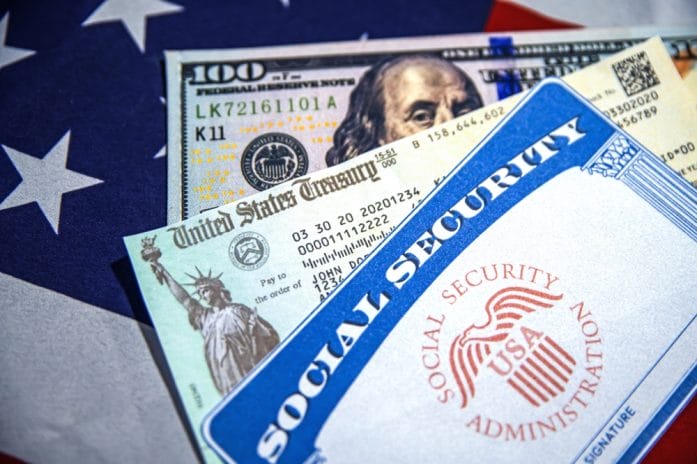
A social security card and check behind it – Shutterstock

Retirement should bring financial stability, not confusion at the mailbox or bank account. Yet across the United States, some retirees face unexpected delays, missing deposits, or frozen Social Security payments that throw carefully planned budgets into chaos. These disruptions do not just cause inconvenience—they can trigger missed rent payments, delayed prescriptions, and rising stress for people on fixed incomes. The Social Security Administration processes millions of payments each month, but even small errors in data or timing can create ripple effects. Understanding what causes these delays helps retirees protect their income and reduce financial risk.

Many of these issues come from system updates, identity verification checks, or banking mismatches that quietly stall payments. A retiree may assume everything looks fine on their end while a backend issue blocks the transfer. In some cases, retirees only discover the problem after their expected deposit fails to arrive.

Banking Errors and Direct Deposit Mismatches Can Freeze Payments

Banking issues rank among the most common reasons Social Security payments get delayed or suspended. A single incorrect account number or routing change can stop a monthly deposit without warning. Financial institutions also merge, rebrand, or update systems, which can cause old account details to become invalid. When that happens, the Social Security Administration may flag the payment and hold it until verification completes.

Even small mistakes create big delays. A retiree who switches banks without updating records may wait weeks for funds to reroute correctly. The SSA requires accurate and verified banking details before releasing funds again, which slows the process even further. Some retirees only notice the issue after their bills start stacking up, forcing urgent calls to both the bank and federal offices. This chain reaction shows how one administrative detail can disrupt an entire financial plan.

Identity Verification Holds Are Increasing for Security Reasons

Security checks now play a bigger role in Social Security payment delays than ever before. The Social Security Administration uses automated systems to confirm identity changes, address updates, or suspicious account activity. These safeguards protect against fraud, but they also create unexpected pauses for legitimate retirees. A simple mismatch between records and updated personal information can trigger a temporary hold.

Retirees often experience delays after moving, changing phone numbers, or updating legal documents. The system may flag the account until it confirms consistency across all databases. That verification process can take days or even weeks depending on the complexity of the case. During that time, payments remain suspended even if no actual fraud exists. This growing reliance on automated checks highlights the tension between security and convenience in federal benefit systems.

Processing Backlogs and Staffing Strains Slow Down Resolutions

Administrative delays inside the Social Security system also contribute to payment limbo. Offices handle high volumes of claims, updates, and corrections every month, and staffing shortages stretch processing times even further. When errors occur, workers must manually review cases, which adds additional waiting time. That backlog creates a domino effect across thousands of pending payments.

Retirees often feel the impact during peak periods, such as the beginning of the year or after major policy updates. During those times, even simple fixes take longer to resolve. A corrected file may sit in a queue for weeks before approval. This delay does not reflect a loss of benefits, but it still interrupts financial stability. The system prioritizes accuracy, but that accuracy sometimes comes at the cost of speed.

Technical Glitches and System Updates Disrupt Monthly Deposits

Technology plays a major role in Social Security payment distribution, and that creates its own risks. System upgrades, database migrations, and software patches occasionally introduce temporary errors. When those updates occur, payment files may not process correctly, leading to missing or delayed deposits. Even brief outages can affect thousands of retirees at once.

Some retirees also experience issues when automated systems fail to sync updated records across platforms. That disconnect can cause duplicate flags, incorrect holds, or rejected transfers. Although engineers usually fix these issues quickly, retirees still feel the financial strain during the downtime. These technical hiccups highlight how dependent modern retirement income has become on complex digital systems. Even a short disruption can create real-world consequences for people relying on every dollar.

How Retirees Can Protect Themselves From Payment Delays

Retirees can take proactive steps to reduce the risk of Social Security payment disruptions. Keeping banking details current with the Social Security Administration helps prevent unnecessary holds. Regularly reviewing account information also ensures that no outdated data lingers in the system. Simple updates often prevent weeks of frustration later.

Monitoring payment schedules also helps retirees catch problems early. A missed deposit should trigger immediate action through both the bank and the SSA. Keeping copies of recent benefit statements, personal identification documents, and contact records can speed up resolution times. Many retirees also benefit from setting up alerts through their banks to track incoming deposits in real time. These small habits create a stronger safety net around monthly income.

Why Some Retirees Are Getting Stuck in Social Security Payment Limbo
A senior couple about to receive a Social Security check – Shutterstock

What Retirees Should Remember About Social Security Payment Delays

Social Security payment limbo rarely happens without a reason, even if that reason stays hidden behind layers of bureaucracy or technology. Banking mismatches, identity checks, staffing delays, and system glitches all play a role in disrupting payments. Each issue carries its own fix, but resolution often takes time and patience. Retirees who stay alert to changes and maintain accurate records reduce their chances of getting caught in these delays.

What steps do you think would make Social Security payments more reliable for retirees?

You May Also Like…

Social Security Checks Are Getting Smaller for Some Retirees—And It’s Not a Benefit Cut

The Next Medicare Premium Shock Could Hit Retirees Harder Than Expected

8 Ways Seniors Could Lose Social Security Benefits Without Realizing It

Why More Seniors Are Getting Surprise Social Security Overpayment Notices

10 Financial Mistakes: What to Avoid After Receiving a Social Security Overpayment Notice

Brandon Marcus
Brandon Marcus

Brandon Marcus is a writer who has been sharing the written word since a very young age. His interests include sports, history, pop culture, and so much more. When he isn’t writing, he spends his time jogging, drinking coffee, or attempting to read a long book he may never complete.
Filed Under: social security Tagged With: benefit checks, direct deposit issues, Financial Security, government benefits, retirees, retirement benefits, retirement income, retirement planning, Social Security, social security payments, SSA delays, SSA errors

8 Ways Seniors Could Lose Social Security Benefits Without Realizing It

May 12, 2026 by Brandon Marcus Leave a Comment

8 Ways Seniors Could Lose Social Security Benefits Without Realizing It
A senior agonizing over Social Security pay – Shutterstock

Social Security often feels like one of those steady pillars retirees can count on, showing up month after month like clockwork. But that sense of security can crack fast when small mistakes, life changes, or overlooked rules slip into the picture. Across the United States, seniors run into benefit disruptions more often than expected, usually because of details that seem minor at first glance. The Social Security Administration (SSA) follows strict guidelines that don’t leave much room for guesswork. Even one missing update or misreported number can shift a stable benefit into a reduced or delayed payment.

Many retirees assume the system automatically adjusts to life events, but that assumption creates real financial surprises. Payments can shrink, pause, or trigger repayment demands when records don’t match up with reality. From income changes to identity theft, several hidden triggers can quietly impact monthly checks.

1. Missing Or Incorrect Income Reporting

The Social Security Administration calculates benefits using precise income data, and accuracy drives every decision it makes. Seniors who forget to report side gigs, freelance work, or small part-time jobs often trigger recalculations. Even modest earnings can push total income above limits that affect benefit amounts. The system flags mismatches quickly when IRS records don’t align with SSA reports. Staying consistent with income tracking keeps monthly checks stable and predictable.

2. Failing To Report Life Changes (Marriage Or Divorce)

Marriage, divorce, or changes in household status directly influence benefit eligibility and payment levels. Spousal and survivor benefits depend on updated marital records that reflect current legal status. Delays in reporting these changes often lead to overpayments that later require repayment. The SSA adjusts benefits based on dependency rules that shift with life events. Prompt updates help prevent financial headaches and unexpected reductions.

3. Working While Collecting Benefits

Early retirement often comes with a return to part-time or seasonal work, but the earnings test plays a major role here. Income above yearly limits reduces monthly Social Security payments until full retirement age arrives.

Many retirees underestimate how quickly wages stack up, especially during busy work seasons. The SSA withholds a portion of benefits rather than canceling them outright. Smart scheduling of work hours helps avoid unnecessary reductions.

8 Ways Seniors Could Lose Social Security Benefits Without Realizing It
A senior working at a bakey – Shutterstock

4. Not Updating Banking Or Address Information

Direct deposit problems often start with outdated bank accounts or old routing numbers. Seniors who move without updating their address risk missing critical SSA notices. Returned payments can trigger temporary holds until the system confirms new details. The agency relies on accurate contact information to prevent fraud and misdirected funds. Regularly reviewing personal records keeps payments flowing without interruption.

5. Taxes on Social Security Benefits

Social Security benefits can become taxable when total income crosses federal thresholds. Many retirees overlook how pensions, withdrawals, or part-time work push income higher. Tax obligations reduce net monthly income even when gross benefit amounts stay the same.

Unexpected tax bills often catch retirees off guard during filing season. Planning income streams carefully helps minimize tax-related reductions.

6. Identity Theft And Fraud

Identity theft poses a serious risk to Social Security payments, especially for older adults targeted by scams. Criminals often use stolen information to reroute direct deposits or change account details. Once fraud occurs, recovery can take time and disrupt monthly income. The SSA monitors suspicious activity, but it cannot always stop initial breaches. Strong passwords, secure accounts, and careful monitoring reduce exposure to fraud risks.

7. Government Overpayment Recovery

Overpayments happen when outdated or incorrect data causes the SSA to send extra funds. Once the agency identifies the issue, it recovers money by reducing future benefit checks. These reductions can feel sudden and place strain on fixed retirement budgets. Some retirees qualify for reduced repayment after filing appeals. Regularly reviewing benefit statements helps catch errors before repayment begins.

8. Foreign Residency Or Extended Travel Rules

Extended stays outside the United States can affect eligibility for ongoing Social Security payments. Some countries fall under restrictions that limit or suspend benefit delivery. Seniors who fail to report long-term relocation risk unexpected payment interruptions. The SSA requires updated residency information to maintain accurate benefit status. Planning international moves carefully prevents avoidable disruptions in income.

Protecting Your Social Security Income Long-Term

Social Security stability depends on accurate reporting, timely updates, and careful attention to rules that change with life events. Small mistakes often grow into larger financial setbacks that affect monthly budgets. Seniors who actively monitor income, address details, and benefit notices reduce risk significantly. The SSA enforces regulations strictly, which makes proactive management essential. Staying organized keeps retirement income steady and far more predictable.

Social Security doesn’t disappear suddenly, but it can shift in ways that catch many retirees off guard when small details slip through the cracks. Which of these surprises caught attention most, and what steps seem most important to safeguard benefits?

You May Also Like…

Why More Seniors Are Getting Surprise Social Security Overpayment Notices

5 Social Security Overpayment Traps and How to Avoid Them

10 Financial Mistakes: What to Avoid After Receiving a Social Security Overpayment Notice

New Retirees Are Waiting Weeks for Their First Social Security Check—Here’s Why

Why Seniors in Multi-Unit Buildings Are Seeing New “Facility Fees”

Brandon Marcus
Brandon Marcus

Brandon Marcus is a writer who has been sharing the written word since a very young age. His interests include sports, history, pop culture, and so much more. When he isn’t writing, he spends his time jogging, drinking coffee, or attempting to read a long book he may never complete.

Filed Under: social security Tagged With: benefit rules, earnings test, fraud prevention, identity theft, income limits, overpayments, Retirement, retirement benefits, retirement planning, seniors, Social Security, SSA, taxes

5 Social Security Overpayment Traps and How to Avoid Them

May 9, 2026 by Brandon Marcus Leave a Comment

5 Social Security Overpayment Traps and How to Avoid Them
A notice mailed from the Social Security Administration – Shutterstock

Social Security overpayments can turn into financial headaches that feel completely out of the blue. One month everything runs smoothly, and the next month a letter arrives demanding repayment for months—or even years—of benefits. These situations often catch people off guard because the rules behind benefit calculations involve constant updates, strict reporting requirements, and detailed eligibility checks. Small changes in income, household status, or work activity can quietly trigger large repayment notices later. Knowing where these traps hide helps prevent stressful surprises and protects monthly income from unexpected clawbacks.

The Social Security Administration works with complex formulas that adjust benefits based on life events and earnings history. Even honest mistakes or delays in reporting can lead to overpayments that must eventually be repaid. Many recipients assume the system automatically tracks everything in real time, but gaps in communication or documentation often create problems.

1. Unreported Income Changes That Quietly Trigger Overpayments

Changes in income often create one of the fastest paths to Social Security overpayments. Many beneficiaries forget to report small job changes, freelance work, or part-time earnings that suddenly push total income above allowed limits. The system recalculates benefits based on reported numbers, so missing updates creates a mismatch between payments and eligibility. That mismatch eventually leads to repayment demands that can cover months or even years.

Staying ahead of this trap requires consistent reporting every time income shifts, even slightly. The Social Security Administration uses annual earnings thresholds that can change benefit amounts quickly when exceeded. People who assume short-term work will not matter often face the largest repayment bills later. Keeping detailed income records and reporting changes immediately helps prevent these silent overpayment buildups.

2. Delayed Reporting of Work After Retirement Benefits Begin

Returning to work after starting benefits often creates confusion about reporting rules. Some beneficiaries delay notifying the system about new employment, assuming the information will automatically sync with tax records. That delay leads to benefit payments continuing at the full amount when reductions should already apply. Over time, those extra payments turn into repayment obligations.

Accurate timing matters because Social Security adjusts benefits based on monthly or annual earnings limits. Even temporary or seasonal work can affect eligibility calculations. Waiting until tax season to report income creates a gap that builds overpayment risk quickly. Prompt updates after starting or changing jobs keep benefit calculations aligned with real earnings.

3. Life Changes That Quietly Reshape Benefit Eligibility

Major life events often change Social Security eligibility without obvious warning signs. Marriage, divorce, disability status updates, or the death of a dependent can all impact monthly benefit amounts. Many recipients assume these changes only affect taxes or personal records, not benefit calculations. That assumption creates a gap where payments continue at outdated levels.

The Social Security system relies heavily on accurate personal data to determine ongoing eligibility. When life changes go unreported, benefits may remain higher than allowed under updated conditions. This mismatch often goes unnoticed until the agency performs a review or audit. Reporting every major life event quickly ensures benefits stay accurate and prevents sudden repayment notices.

5 Social Security Overpayment Traps and How to Avoid Them
A pair or rings symbolizing marriage – Unsplash

4. Miscalculations from Earnings Estimates and Benefit Projections

Estimated income reports often create another hidden overpayment risk. Some beneficiaries provide projected earnings instead of updated actual numbers, especially when work fluctuates throughout the year. These estimates can differ significantly from real earnings, leading to incorrect benefit amounts. Once the system reconciles the difference, overpayments often appear.

Accuracy matters more than convenience when reporting income projections. Even small discrepancies in earnings can shift benefit calculations enough to trigger repayment requirements. Many people underestimate seasonal bonuses, commissions, or irregular freelance payments that push totals higher. Updating estimates regularly throughout the year keeps benefit amounts aligned with reality and prevents financial surprises later.

5. Ignoring Social Security Notices and Missing Appeal Windows

Official notices from the Social Security Administration often contain critical information about changes, corrections, or repayment demands. Some recipients overlook these letters or delay reading them, assuming they can deal with them later. That delay can close appeal windows or limit options for reducing repayment amounts. Once deadlines pass, financial flexibility drops significantly.

Careful attention to every notice helps prevent unnecessary financial strain. These communications often include instructions for correcting errors or disputing overpayment claims. Missing a deadline can turn a small adjustment into a full repayment obligation. Reading, responding, and acting quickly keeps control in the hands of the beneficiary rather than the system.

Staying Ahead of Overpayment Surprises Before They Start

Social Security overpayments rarely happen because of one dramatic mistake. Instead, they build slowly through missed updates, delayed reports, and small inconsistencies that add up over time. Each of these traps shares a common theme: the system relies on timely, accurate information from the beneficiary. When that information lags behind real-life changes, the financial consequences grow quickly.

Taking a proactive approach creates the strongest protection. Reporting changes immediately, tracking earnings carefully, and reviewing all official notices reduces the risk of repayment demands. Many overpayments can be prevented entirely with consistent communication and attention to detail. Staying alert to these patterns helps maintain stable benefits and avoids unnecessary financial stress down the road.

What strategies help make benefit tracking easier and more reliable for you in everyday financial planning? Discuss this topic in our comments section below with other readers.

You May Also Like…

Why Social Security Is Updating Payment Information for Older Beneficiaries This Year

The Overlooked Spousal Benefit Guideline That Quietly Cuts Monthly Social Security Payments

The 4 Social Security Rules Experts Say Everyone Should Know Before Age 62

Here’s When Your May Social Security Check Will Arrive

New Retirees Are Waiting Weeks for Their First Social Security Check—Here’s Why

Brandon Marcus
Brandon Marcus

Brandon Marcus is a writer who has been sharing the written word since a very young age. His interests include sports, history, pop culture, and so much more. When he isn’t writing, he spends his time jogging, drinking coffee, or attempting to read a long book he may never complete.

Filed Under: social security Tagged With: benefit errors, budgeting, financial mistakes, fraud prevention, government benefits, income reporting, overpayment, Personal Finance, retirement benefits, retirement planning, Social Security, Social Security rules, SSA

Here’s When Your May Social Security Check Will Arrive

April 27, 2026 by Brandon Marcus Leave a Comment

Here's When Your May Social Security Check Will Arrive
Image Source: Shutterstock.com

The calendar can feel like a mystery when retirement or disability income depends on it. And although it’s looking a little different from other months, May is bringing a predictable rhythm for millions of Americans. The Social Security May payment schedule has been revealed, and it’ll help recipients plan bills, groceries, and savings with more confidence.

Timing matters because even a few days can shift how budgets stretch across the month. Let’s talk about exactly when payments land and why those dates matter so much. Clear timelines remove the guesswork and help avoid unnecessary stress. Knowing what to expect turns financial planning into a much smoother experience.

Early May Sets the First Wave of Payments

May’s Social Security payment schedule kicks off in the first week of the month for early qualifiers. Supplemental Security Income (SSI) will arrive first, landing on May 1. These early deposits will help set the tone for monthly budgeting and immediate expense coverage. Many households rely on this timing to handle rent, utilities, and essential bills right away.

Now, this is when recipients need to pay attention. The schedule shifts into mid-month territory for most retirees and disability recipients. Payments land on Wednesdays, based on birth dates. This system spreads out deposits to prevent banking congestion and system overload. It also helps recipients anticipate exactly when funds will arrive.

For May, those born between the 1st and 10th will receive payments during the second Wednesday of the month (May 13). After that, each Wednesday brings checks to more people.

Late May Brings the Final Round of Deposits

Moving into the rest of the month, people born from May 11 to 20 will get their checks on May 20. Then, those born between the 21st and 31st receive payments on the fourth Wednesday of May. This final wave completes the staggered distribution system used by the Social Security Administration. The structure keeps payment processing organized and reliable.

Late-month recipients often plan tighter budgets to stretch funds across longer gaps. The payment schedule helps them anticipate exactly when relief arrives. Knowing this date helps avoid overdrafts or unnecessary borrowing. Consistency in timing builds confidence for managing monthly expenses.

Here's When Your May Social Security Check Will Arrive
Image Source: Shutterstock.com

Smart Budgeting Helps Stretch Monthly Benefits

The payment schedule becomes even more useful when paired with smart budgeting and spending habits. So, how can retirees plan ahead and accept and then use their money wisely? It starts with tracking deposit dates, which allows recipients to plan their grocery runs, rent payments, and utilities with precision. Many households divide monthly expenses based on expected payment timing. This approach reduces financial stress and improves stability.

Budgeting around fixed income works best when timing stays predictable. The Social Security May payment schedule gives that predictability month after month. Setting reminders or calendar alerts helps avoid confusion or missed expectations. Simple planning tools can make a big difference in daily financial comfort.

What to Do If a Payment Doesn’t Show Up

The Social Security payment schedule usually runs smoothly, but occasional delays can happen. Bank processing issues or incorrect account details often cause missing deposits. Checking with the financial institution first can quickly rule out common problems. Most delays resolve within one business day.

If the issue continues, contacting the Social Security Administration becomes the next step. The Social Security May payment schedule remains reliable overall, so missed payments typically signal a fixable error. Keeping records of expected dates helps speed up resolution. Quick action prevents longer disruptions in essential income.

Why May’s Schedule Matters More Than It Seems

The May payment schedule does more than mark dates on a calendar—it shapes how millions manage essential living costs. Each wave of payments supports housing, food, healthcare, and everyday expenses. Predictable timing helps reduce financial anxiety and supports better long-term planning. Even small improvements in timing clarity can make a real difference.

Understanding the structure behind these payments empowers better decisions all month long. The payment schedule offers consistency in a world where many expenses fluctuate. Staying aware of deposit timing helps households stay one step ahead financially. May’s schedule continues to deliver stability when it matters most.

How does the Social Security payment schedule shape monthly budgeting habits for your household if you are relying on these benefits? We want to hear your thoughts in our comments.

You May Also Like…

Social Security COLA Gains Are Being Offset by Rising Medicare Costs

New Retirees Are Waiting Weeks for Their First Social Security Check—Here’s Why

Social Security Is Under Pressure — The Worker-to-Retiree Ratio Is Falling

Why Every Newly Married Woman Should Update Her Social Security Record Right Away

Massachusetts’ Millionaire Tax Is Creating Indirect Costs for Some Retirees

Brandon Marcus
Brandon Marcus

Brandon Marcus is a writer who has been sharing the written word since a very young age. His interests include sports, history, pop culture, and so much more. When he isn’t writing, he spends his time jogging, drinking coffee, or attempting to read a long book he may never complete.

Filed Under: social security Tagged With: Budgeting Tips, direct deposit, disability benefits, federal benefits, May payments, payment dates, Planning, retirement benefits, seniors, Social Security, SSA payments, SSI schedule

The SSA’s Digital Shift Is Locking Some Users Out — What You Need to Know

April 13, 2026 by Brandon Marcus Leave a Comment

The SSA’s Digital Shift Is Locking Some Users Out — What You Need to Know
Image Source: Shutterstock.com

A login screen now stands between millions of people and their Social Security benefits. That shift might sound modern and efficient, but it has created a frustrating reality for many who suddenly cannot access what they need. The Social Security Administration has pushed deeper into digital systems, aiming to streamline services and boost security, yet that transition has not landed smoothly for everyone. Instead of convenience, some people now face locked accounts, confusing identity checks, and long waits for help.

The stakes feel high because Social Security does not sit on the sidelines of everyday life. It plays a central role in retirement, disability support, and financial stability. When access breaks down, it does not just inconvenience people; it disrupts routines and creates real stress. This digital shift brings both promise and problems, and understanding both sides makes all the difference. Anyone who depends on these services or plans to in the future needs to know what changed and how to stay ahead of the curve.

When Convenience Turns Complicated

The Social Security Administration has invested heavily in online tools to replace in-person visits and phone-based processes. Officials want faster service, stronger identity protection, and fewer administrative delays. On paper, that goal sounds like a win for everyone, especially in a world that already relies on digital banking and online healthcare portals. The agency has introduced stricter login systems, including identity verification steps that often involve third-party services. These systems aim to reduce fraud, which has become a serious concern in recent years. However, the added layers of protection have also introduced friction that many users did not expect. People who once logged in easily now face multi-step authentication, document uploads, and verification checks that sometimes fail without clear explanation.

That complexity hits hardest for older adults and people without consistent access to technology. A person who feels comfortable with a simple password may struggle when asked to scan documents or verify identity through unfamiliar apps. Even those who understand the process can run into technical glitches that block progress. Some users report getting locked out after repeated attempts, which then triggers additional verification steps that feel even more confusing. Customer support channels often struggle to keep up, leaving people waiting on hold or searching for answers online. That combination of technical barriers and limited support creates a situation where convenience turns into a maze.

Identity Verification: Security vs. Accessibility

Security concerns have pushed the SSA to adopt stronger identity verification systems, and those concerns come with real justification. Fraudsters have targeted government benefits for years, and digital systems can attract even more sophisticated attacks. The agency has responded by partnering with identity verification platforms that require users to prove who they are through official documents, facial recognition, or credit history checks. These tools aim to protect accounts from unauthorized access and prevent fraudulent claims. In theory, that protection benefits everyone who relies on Social Security services. In practice, it introduces new challenges that do not affect all users equally.

Not everyone can pass these verification steps easily, even when they have legitimate access rights. Some people lack the required documents in digital format, while others encounter issues with facial recognition technology that fails to match their identity. People with limited credit history may struggle with verification questions that rely on financial data. Language barriers and disabilities can also complicate the process, especially when instructions do not feel clear or accessible. When verification fails, the system often pushes users into alternative pathways that take more time and effort. That creates a frustrating loop where security measures, while necessary, end up excluding the very people they aim to protect.

Who Gets Left Behind in a Digital-First World

The digital shift does not affect everyone equally, and that reality deserves attention. People who feel comfortable navigating apps and online systems often move through the new process without major issues. Others face a completely different experience, one filled with confusion, delays, and sometimes complete loss of access. Older adults make up a significant portion of Social Security users, and many of them did not grow up with digital tools as a daily necessity. That gap in experience can turn even simple online tasks into stressful challenges.

Rural communities also face unique obstacles, especially when reliable internet access remains inconsistent. A slow connection can interrupt verification steps or prevent uploads from completing, which leads to repeated attempts and potential lockouts. People with disabilities may encounter systems that do not fully support assistive technologies, making navigation difficult or impossible. Low-income individuals may rely on shared devices or public internet access, which adds another layer of complexity to secure logins. These barriers do not just slow people down; they can completely block access to essential services. A system designed for efficiency must account for these realities, or it risks leaving large groups behind.

The SSA’s Digital Shift Is Locking Some Users Out — What You Need to Know
Image Source: Shutterstock.com

Smart Moves to Stay Ahead of the System

Anyone who relies on Social Security services can take steps to avoid getting caught off guard by these changes. Setting up an online account before an urgent need arises can make a big difference, since it allows time to complete verification steps without pressure. Keeping important documents, such as identification and financial records, in a secure and easily accessible place can help speed up the process. Learning how multi-factor authentication works can also reduce confusion when additional security steps appear during login. These actions do not eliminate every potential issue, but they can make the experience smoother.

It also helps to stay informed about updates from the Social Security Administration. The agency regularly shares guidance on account setup, security changes, and troubleshooting tips through its official website. Visiting local offices remains an option for those who cannot complete the process online, although wait times can vary. Community organizations and advocacy groups often provide assistance for people who need help navigating digital systems. Asking for help early can prevent small issues from turning into major problems. Taking a proactive approach turns a frustrating system into something more manageable.

The Bigger Picture Behind the Digital Push

The SSA’s move toward digital services reflects a broader trend across government agencies. Technology promises efficiency, cost savings, and improved security, all of which matter in a system that serves millions of people. However, that shift requires careful balance between innovation and accessibility. A system that prioritizes speed but overlooks usability risks, creating new barriers instead of removing old ones. Policymakers and administrators must consider how each change affects real people with diverse needs and abilities.

Public feedback plays a crucial role in shaping these systems. When users report issues, agencies gain insight into where the process breaks down and how to improve it. Advocacy groups continue to push for more inclusive design, clearer instructions, and better support options. These efforts can lead to meaningful changes, but they require attention and persistence. The digital transformation of Social Security will continue, and its success depends on how well it serves everyone, not just those who adapt quickly. Watching how these systems evolve will remain important for anyone who depends on them.

Don’t Let a Password Stand Between You and Your Benefits

A digital login should not feel like a locked door, yet that has become the reality for some people navigating Social Security services today. Understanding the system, preparing for verification steps, and seeking help when needed can make a real difference in avoiding those frustrating roadblocks. The shift toward online access will not slow down, so adapting to it becomes essential for staying connected to important benefits. Taking control early can prevent last-minute stress and keep everything running smoothly when it matters most.

What has the experience been like so far? Have the new login systems felt helpful or overwhelming? Give us your thoughts, tips, or frustrations in the comments.

You May Also Like…

How Seniors Jeopardize Their Social Security Right After Retirement

​5 Warning Signs Someone Is Using Your Social Security Number

Social Security Checks Are Getting Smaller for Some Retirees — And It’s Not a Benefit Cut

8 Mistakes That Can Trigger a Social Security Overpayment Notice

Why More Seniors Are Getting Surprise Social Security Overpayment Notices

Brandon Marcus
Brandon Marcus

Brandon Marcus is a writer who has been sharing the written word since a very young age. His interests include sports, history, pop culture, and so much more. When he isn’t writing, he spends his time jogging, drinking coffee, or attempting to read a long book he may never complete.

Filed Under: social security Tagged With: accessibility, cybersecurity, digital identity, government services, identity verification, login issues, online accounts, public policy, retirement benefits, seniors, Social Security, SSA, technology access

8 Benefits Most People Don’t Know Military Retirees Get

October 6, 2025 by Catherine Reed Leave a Comment

8 Benefits Most People Don't Know Military Retirees Get
Image source: 123rf.com

Serving in the armed forces comes with sacrifices that few outside the military fully understand. Yet once service members retire, they receive a range of benefits designed to honor their commitment and provide lasting support. Many of these perks go beyond the well-known pensions or healthcare coverage. In fact, military retirees often enjoy unique advantages that most civilians don’t realize exist. Knowing about these benefits can help retirees and their families maximize opportunities and make the most of their well-earned rewards.

1. Space-Available Travel Opportunities

Military retirees have access to Space-A travel, a program allowing them to fly on Department of Defense aircraft when seats are available. While these flights aren’t as predictable as commercial airlines, they can make traveling incredibly affordable. Retirees can sometimes fly internationally for little more than the cost of taxes. The system operates on a priority basis, but retirees are still eligible to take advantage when space permits. For those with flexible schedules, this benefit is an incredible way to see the world at a fraction of the price.

2. Continued Use of Commissaries and Exchanges

Unlike many civilian workers who lose company perks at retirement, military retirees keep access to commissaries and base exchanges. These stores often offer lower prices, tax-free shopping, and exclusive deals on everything from groceries to electronics. Retirees can save significantly by continuing to shop at these locations. Additionally, commissaries and exchanges carry brands and products not always available in civilian markets. Maintaining this access ensures that military retirees continue to enjoy meaningful savings year after year.

3. Priority Access to VA Home Loans

The VA home loan program is widely recognized, but few realize that military retirees often qualify for priority consideration. These loans offer low interest rates, no down payment requirements, and fewer restrictions than traditional mortgages. Retirees can use the benefit multiple times, making it useful for downsizing, relocating, or buying a second home. Since homeownership remains a cornerstone of financial stability, this program is an incredibly valuable tool. Military retirees who fully leverage VA loans often save tens of thousands of dollars over their lifetime.

4. Free Tax Preparation Services

One lesser-known benefit is that many retirees have access to free tax preparation services through programs supported by the IRS and Department of Defense. These services help navigate complex situations like pensions, survivor benefits, and disability pay. Having experts who understand military-specific tax issues reduces errors and saves money on professional fees. Retirees can often use these services at base legal or financial offices. This assistance takes the stress out of tax season and ensures accurate returns.

5. Access to Morale, Welfare, and Recreation Programs

Military retirees are eligible for Morale, Welfare, and Recreation (MWR) programs that provide discounts on travel, leisure, and family activities. These include reduced rates on lodging, fitness centers, camping gear, and even theme park tickets. The programs are designed to support service members and their families, but retirees continue to benefit long after their service ends. Whether it’s a weekend getaway or equipment for a new hobby, MWR programs help keep costs low. This ensures military retirees can stay active and connected without overspending.

6. TRICARE for Life Health Coverage

Healthcare is one of the most valuable benefits military retirees receive, and TRICARE for Life extends that security into retirement. This program works alongside Medicare to cover medical expenses, reducing out-of-pocket costs significantly. Unlike many civilian retirees who face skyrocketing healthcare costs, military retirees enjoy a stable and affordable system. Coverage extends to dependents, providing peace of mind for families as well. TRICARE for Life is a safety net that ensures retirees don’t have to sacrifice quality healthcare.

7. Educational Benefits for Family Members

While many know about the GI Bill, fewer realize that military retirees can sometimes transfer educational benefits to spouses or children. This allows families to save on tuition, fees, and even housing costs while pursuing higher education. Educational benefits are an enormous advantage in a time when college costs continue to rise. Passing them on helps military retirees invest in their family’s future. For many, this perk creates opportunities that would otherwise be financially out of reach.

8. Access to Military Lodging Around the World

Military retirees can book stays at military-run hotels, resorts, and campgrounds, often at a fraction of civilian prices. Facilities like Armed Forces Recreation Centers are located in prime vacation destinations worldwide. These options provide safe, affordable lodging for both leisure and family trips. Many retirees enjoy resort-quality stays for a fraction of the commercial cost. This hidden perk makes vacations more affordable while still offering top-notch amenities.

The Rewards of Lifelong Service

The benefits available to military retirees go far beyond what most people realize. From affordable travel and healthcare to education and recreation, these perks make retirement not only more secure but also more enjoyable. They reflect the nation’s gratitude for years of sacrifice and service. By understanding and using these programs, retirees can stretch their dollars further and enrich their lives. In many ways, the rewards of military retirement are just beginning.

Which of these benefits surprised you most about military retirees? Share your thoughts and experiences in the comments below.

What to Read Next…

9 Expenses That Quietly Rise After Retirement

8 Shocking Costs of Delaying Retirement

9 Sneaky Costs That Appear When Kids Leave for College

6 End-of-Life Decisions That Families Always Regret Later

Could A Sudden Divorce Erase Generational Wealth

Catherine Reed
Catherine Reed

Catherine is a tech-savvy writer who has focused on the personal finance space for more than eight years. She has a Bachelor’s in Information Technology and enjoys showcasing how tech can simplify everyday personal finance tasks like budgeting, spending tracking, and planning for the future. Additionally, she’s explored the ins and outs of the world of side hustles and loves to share what she’s learned along the way. When she’s not working, you can find her relaxing at home in the Pacific Northwest with her two cats or enjoying a cup of coffee at her neighborhood cafe.

Filed Under: Military & Service Tagged With: commissary, education benefits, military family support, military retirees, retirement benefits, Space-A travel, TRICARE, VA loans

  • « Previous Page
  • 1
  • 2
  • 3
  • Next Page »

Follow Us

Search this site:

Recent Posts

  • Can My Savings Account Affect My Financial Aid? by Tamila McDonald
  • 12 Ways Gen X’s Views Clash with Millennials… by Tamila McDonald
  • What Advantages and Disadvantages Are There To… by Jacob Sensiba
  • 10 Tactics for Building an Emergency Fund from Scratch by Vanessa Bermudez
  • Call 911: Go To the Emergency Room Immediately If… by Stephen Kanaval
  • 7 Weird Things You Can Sell Online by Tamila McDonald
  • 10 Scary Facts About DriveTime by Tamila McDonald

Copyright © 2026 · News Pro Theme on Genesis Framework