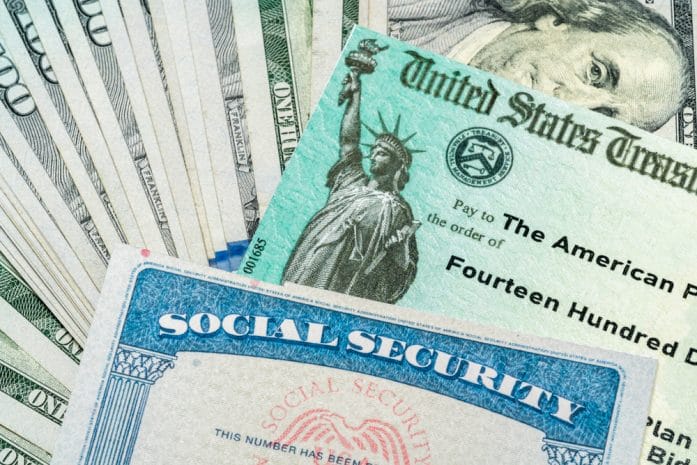
Hackers do not always need high-tech tricks to steal Social Security payments. They often rely on small mistakes that feel harmless in the moment but create big openings later. One wrong click, one reused password, or one careless phone call can expose personal data that links directly to benefits accounts. Criminals target Social Security checks because they arrive on a predictable schedule and support millions of households. Once scammers gain access, they move quickly to redirect payments, change account details, or drain linked financial accounts before anyone notices. The most frustrating part involves how often victims unknowingly help the process along by trusting fake messages or oversharing personal details.
Fraud attempts continue growing because scammers constantly refine their tactics to match real government communication styles. Fake websites now look almost identical to official portals, and phone calls often mimic real agency scripts. Many people feel rushed or confused when dealing with “urgent” messages, which gives criminals the upper hand. Social Security fraud losses reach billions globally each year, and experts consistently point to human error as the biggest factor. Awareness and small behavioral changes create the strongest defense against these attacks.
1. Phishing Emails That Pretend to Be the Social Security Administration
Phishing emails trick people into clicking links that lead to fake Social Security login pages. Hackers design these emails with urgent warnings about suspended benefits or account verification issues. Victims often react quickly because the messages create fear about missing payments. Once someone enters login details, criminals capture usernames and passwords instantly. That information allows hackers to access real accounts or sell the data on the dark web.
These emails often include logos and language that closely match official government communication. Scammers also use email addresses that look almost correct at first glance but contain small spelling changes. Clicking any link inside these messages can install tracking tools that record keystrokes or steal personal files. Real agencies never demand sensitive information through email links or attachments. Careful reading and slow decision-making stop most phishing attacks before they succeed.
2. Fake Phone Calls Claiming to Protect Benefits
Scammers often call and claim they work for the Social Security Administration. They use aggressive language and warn about frozen accounts, unpaid taxes, or suspicious activity. Many victims feel pressured to “verify identity” by sharing Social Security numbers or bank details. Hackers then use that information to reroute payments or open fraudulent accounts. These calls rely heavily on fear and urgency to push quick decisions.
Caller ID spoofing makes these scams even more convincing because numbers may appear official. Criminals often stay on the line for long periods to build trust and reduce suspicion. They may even instruct victims to withdraw money or move funds “for protection.” Real government agencies never demand immediate payments or sensitive details over the phone. Hanging up and calling official numbers directly always shuts down this type of scam.
3. Reused Passwords That Open the Door to Everything
Many Social Security accounts get compromised because people reuse the same password across multiple websites. Hackers often obtain leaked login credentials from unrelated data breaches. They then test those same passwords on government and banking portals. Once they find a match, they gain full access without needing additional hacking tools. This method works because many people underestimate how connected online accounts have become.
Strong, unique passwords for every account drastically reduce this risk. Password managers help store complex combinations without relying on memory alone. Criminals also target weak recovery questions that use easily guessed answers like birthdays or pet names. Once hackers gain access, they can change account recovery settings and lock the real user out completely. A single reused password can therefore turn a small breach into a full financial takeover.
4. Oversharing Personal Details on Social Media
Social media posts often reveal more information than people realize. Hackers collect details like birthdates, hometowns, family names, and even retirement milestones. That information helps them answer security questions or impersonate victims convincingly. Some scammers even build full identity profiles from years of public posts. Social Security fraud becomes easier when criminals already know personal background details.
Even harmless posts like celebrating benefit deposits can signal valuable information to fraudsters. Location check-ins and public profile settings make data collection even easier for attackers. Criminals often combine multiple small details to bypass verification systems. Privacy settings reduce exposure but do not eliminate risk completely. Careful posting habits significantly reduce the amount of usable data available to scammers.
5. Fake Websites and Malware That Capture Login Data
Hackers often build fake Social Security login pages that look nearly identical to official websites. They distribute these links through ads, emails, or search engine manipulation. Victims enter login credentials without realizing they have landed on a fraudulent site. Malware can also install quietly through downloads or unsafe browser extensions. Once installed, it records sensitive activity and sends it directly to criminals.
Public Wi-Fi networks increase this risk because attackers can intercept unsecured connections. Scammers sometimes create fake Wi-Fi hotspots in public areas to lure unsuspecting users. Real government websites always use secure connections, but fake versions often miss subtle security indicators. Antivirus tools and updated browsers help block many malicious attempts. Careful verification of website addresses prevents most of these attacks before they begin.
Protecting the Check That Keeps Millions Moving
Social Security scams thrive when people rush, trust too quickly, or overlook small warning signs. Hackers rarely break systems directly because human behavior provides an easier path. Each scam method relies on everyday habits like clicking links, answering calls, or reusing passwords. Strong digital hygiene, patience, and verification habits shut down most fraud attempts before they start. Small changes in daily online behavior protect long-term financial stability more than any single tool or app.
What steps feel most realistic for improving online safety when handling financial accounts? Share thoughts and experiences in the comments below.
You May Also Like…
8 YAML-Coded Password Leaks in Finance Platforms
Born Late in the Month? Seniors with Birthdays 21–31 Wait the Longest for May Social Security Checks
Why Some Retirees Are Claiming Social Security Early Despite Smaller Check Warnings
The 2027 Social Security COLA Forecast Just Jumped — Here’s What Could Still Reduce Your Check
North Carolina Retirees Are Filing for Social Security Earlier as Insolvency Fears Grow

Brandon Marcus is a writer who has been sharing the written word since a very young age. His interests include sports, history, pop culture, and so much more. When he isn’t writing, he spends his time jogging, drinking coffee, or attempting to read a long book he may never complete.
.png)
Leave a Reply