• Home
  • About Us
  • Getting Finances Done
    • Hiring Advisors
    • Debt Management
    • Spending Plan
  • Insurance
    • Life Insurance
    • Health Insurance
    • Disability Insurance
    • Homeowners/Renters Insurance
  • Contact Us
  • Our Editorial Commitment

The Free Financial Advisor

You are here: Home / Archives for retirement benefits

Why Some Retirees Are Getting Stuck in Social Security Payment Limbo

May 16, 2026 by Brandon Marcus Leave a Comment

Why Some Retirees Are Getting Stuck in Social Security Payment Limbo
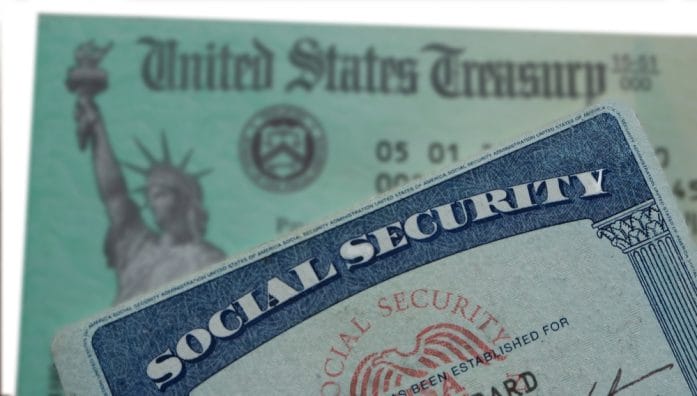
A social security card and check behind it – Shutterstock

Retirement should bring financial stability, not confusion at the mailbox or bank account. Yet across the United States, some retirees face unexpected delays, missing deposits, or frozen Social Security payments that throw carefully planned budgets into chaos. These disruptions do not just cause inconvenience—they can trigger missed rent payments, delayed prescriptions, and rising stress for people on fixed incomes. The Social Security Administration processes millions of payments each month, but even small errors in data or timing can create ripple effects. Understanding what causes these delays helps retirees protect their income and reduce financial risk.

Many of these issues come from system updates, identity verification checks, or banking mismatches that quietly stall payments. A retiree may assume everything looks fine on their end while a backend issue blocks the transfer. In some cases, retirees only discover the problem after their expected deposit fails to arrive.

Banking Errors and Direct Deposit Mismatches Can Freeze Payments

Banking issues rank among the most common reasons Social Security payments get delayed or suspended. A single incorrect account number or routing change can stop a monthly deposit without warning. Financial institutions also merge, rebrand, or update systems, which can cause old account details to become invalid. When that happens, the Social Security Administration may flag the payment and hold it until verification completes.

Even small mistakes create big delays. A retiree who switches banks without updating records may wait weeks for funds to reroute correctly. The SSA requires accurate and verified banking details before releasing funds again, which slows the process even further. Some retirees only notice the issue after their bills start stacking up, forcing urgent calls to both the bank and federal offices. This chain reaction shows how one administrative detail can disrupt an entire financial plan.

Identity Verification Holds Are Increasing for Security Reasons

Security checks now play a bigger role in Social Security payment delays than ever before. The Social Security Administration uses automated systems to confirm identity changes, address updates, or suspicious account activity. These safeguards protect against fraud, but they also create unexpected pauses for legitimate retirees. A simple mismatch between records and updated personal information can trigger a temporary hold.

Retirees often experience delays after moving, changing phone numbers, or updating legal documents. The system may flag the account until it confirms consistency across all databases. That verification process can take days or even weeks depending on the complexity of the case. During that time, payments remain suspended even if no actual fraud exists. This growing reliance on automated checks highlights the tension between security and convenience in federal benefit systems.

Processing Backlogs and Staffing Strains Slow Down Resolutions

Administrative delays inside the Social Security system also contribute to payment limbo. Offices handle high volumes of claims, updates, and corrections every month, and staffing shortages stretch processing times even further. When errors occur, workers must manually review cases, which adds additional waiting time. That backlog creates a domino effect across thousands of pending payments.

Retirees often feel the impact during peak periods, such as the beginning of the year or after major policy updates. During those times, even simple fixes take longer to resolve. A corrected file may sit in a queue for weeks before approval. This delay does not reflect a loss of benefits, but it still interrupts financial stability. The system prioritizes accuracy, but that accuracy sometimes comes at the cost of speed.

Technical Glitches and System Updates Disrupt Monthly Deposits

Technology plays a major role in Social Security payment distribution, and that creates its own risks. System upgrades, database migrations, and software patches occasionally introduce temporary errors. When those updates occur, payment files may not process correctly, leading to missing or delayed deposits. Even brief outages can affect thousands of retirees at once.

Some retirees also experience issues when automated systems fail to sync updated records across platforms. That disconnect can cause duplicate flags, incorrect holds, or rejected transfers. Although engineers usually fix these issues quickly, retirees still feel the financial strain during the downtime. These technical hiccups highlight how dependent modern retirement income has become on complex digital systems. Even a short disruption can create real-world consequences for people relying on every dollar.

How Retirees Can Protect Themselves From Payment Delays

Retirees can take proactive steps to reduce the risk of Social Security payment disruptions. Keeping banking details current with the Social Security Administration helps prevent unnecessary holds. Regularly reviewing account information also ensures that no outdated data lingers in the system. Simple updates often prevent weeks of frustration later.

Monitoring payment schedules also helps retirees catch problems early. A missed deposit should trigger immediate action through both the bank and the SSA. Keeping copies of recent benefit statements, personal identification documents, and contact records can speed up resolution times. Many retirees also benefit from setting up alerts through their banks to track incoming deposits in real time. These small habits create a stronger safety net around monthly income.

Why Some Retirees Are Getting Stuck in Social Security Payment Limbo
A senior couple about to receive a Social Security check – Shutterstock

What Retirees Should Remember About Social Security Payment Delays

Social Security payment limbo rarely happens without a reason, even if that reason stays hidden behind layers of bureaucracy or technology. Banking mismatches, identity checks, staffing delays, and system glitches all play a role in disrupting payments. Each issue carries its own fix, but resolution often takes time and patience. Retirees who stay alert to changes and maintain accurate records reduce their chances of getting caught in these delays.

What steps do you think would make Social Security payments more reliable for retirees?

You May Also Like…

Social Security Checks Are Getting Smaller for Some Retirees—And It’s Not a Benefit Cut

The Next Medicare Premium Shock Could Hit Retirees Harder Than Expected

8 Ways Seniors Could Lose Social Security Benefits Without Realizing It

Why More Seniors Are Getting Surprise Social Security Overpayment Notices

10 Financial Mistakes: What to Avoid After Receiving a Social Security Overpayment Notice

Brandon Marcus
Brandon Marcus

Brandon Marcus is a writer who has been sharing the written word since a very young age. His interests include sports, history, pop culture, and so much more. When he isn’t writing, he spends his time jogging, drinking coffee, or attempting to read a long book he may never complete.


Filed Under: social security Tagged With: benefit checks, direct deposit issues, Financial Security, government benefits, retirees, retirement benefits, retirement income, retirement planning, Social Security, social security payments, SSA delays, SSA errors

8 Ways Seniors Could Lose Social Security Benefits Without Realizing It

May 12, 2026 by Brandon Marcus Leave a Comment

8 Ways Seniors Could Lose Social Security Benefits Without Realizing It
A senior agonizing over Social Security pay – Shutterstock

Social Security often feels like one of those steady pillars retirees can count on, showing up month after month like clockwork. But that sense of security can crack fast when small mistakes, life changes, or overlooked rules slip into the picture. Across the United States, seniors run into benefit disruptions more often than expected, usually because of details that seem minor at first glance. The Social Security Administration (SSA) follows strict guidelines that don’t leave much room for guesswork. Even one missing update or misreported number can shift a stable benefit into a reduced or delayed payment.

Many retirees assume the system automatically adjusts to life events, but that assumption creates real financial surprises. Payments can shrink, pause, or trigger repayment demands when records don’t match up with reality. From income changes to identity theft, several hidden triggers can quietly impact monthly checks.

1. Missing Or Incorrect Income Reporting

The Social Security Administration calculates benefits using precise income data, and accuracy drives every decision it makes. Seniors who forget to report side gigs, freelance work, or small part-time jobs often trigger recalculations. Even modest earnings can push total income above limits that affect benefit amounts. The system flags mismatches quickly when IRS records don’t align with SSA reports. Staying consistent with income tracking keeps monthly checks stable and predictable.

2. Failing To Report Life Changes (Marriage Or Divorce)

Marriage, divorce, or changes in household status directly influence benefit eligibility and payment levels. Spousal and survivor benefits depend on updated marital records that reflect current legal status. Delays in reporting these changes often lead to overpayments that later require repayment. The SSA adjusts benefits based on dependency rules that shift with life events. Prompt updates help prevent financial headaches and unexpected reductions.

3. Working While Collecting Benefits

Early retirement often comes with a return to part-time or seasonal work, but the earnings test plays a major role here. Income above yearly limits reduces monthly Social Security payments until full retirement age arrives.

Many retirees underestimate how quickly wages stack up, especially during busy work seasons. The SSA withholds a portion of benefits rather than canceling them outright. Smart scheduling of work hours helps avoid unnecessary reductions.

8 Ways Seniors Could Lose Social Security Benefits Without Realizing It
A senior working at a bakey – Shutterstock

4. Not Updating Banking Or Address Information

Direct deposit problems often start with outdated bank accounts or old routing numbers. Seniors who move without updating their address risk missing critical SSA notices. Returned payments can trigger temporary holds until the system confirms new details. The agency relies on accurate contact information to prevent fraud and misdirected funds. Regularly reviewing personal records keeps payments flowing without interruption.

5. Taxes on Social Security Benefits

Social Security benefits can become taxable when total income crosses federal thresholds. Many retirees overlook how pensions, withdrawals, or part-time work push income higher. Tax obligations reduce net monthly income even when gross benefit amounts stay the same.

Unexpected tax bills often catch retirees off guard during filing season. Planning income streams carefully helps minimize tax-related reductions.

6. Identity Theft And Fraud

Identity theft poses a serious risk to Social Security payments, especially for older adults targeted by scams. Criminals often use stolen information to reroute direct deposits or change account details. Once fraud occurs, recovery can take time and disrupt monthly income. The SSA monitors suspicious activity, but it cannot always stop initial breaches. Strong passwords, secure accounts, and careful monitoring reduce exposure to fraud risks.

7. Government Overpayment Recovery

Overpayments happen when outdated or incorrect data causes the SSA to send extra funds. Once the agency identifies the issue, it recovers money by reducing future benefit checks. These reductions can feel sudden and place strain on fixed retirement budgets. Some retirees qualify for reduced repayment after filing appeals. Regularly reviewing benefit statements helps catch errors before repayment begins.

8. Foreign Residency Or Extended Travel Rules

Extended stays outside the United States can affect eligibility for ongoing Social Security payments. Some countries fall under restrictions that limit or suspend benefit delivery. Seniors who fail to report long-term relocation risk unexpected payment interruptions. The SSA requires updated residency information to maintain accurate benefit status. Planning international moves carefully prevents avoidable disruptions in income.

Protecting Your Social Security Income Long-Term

Social Security stability depends on accurate reporting, timely updates, and careful attention to rules that change with life events. Small mistakes often grow into larger financial setbacks that affect monthly budgets. Seniors who actively monitor income, address details, and benefit notices reduce risk significantly. The SSA enforces regulations strictly, which makes proactive management essential. Staying organized keeps retirement income steady and far more predictable.

Social Security doesn’t disappear suddenly, but it can shift in ways that catch many retirees off guard when small details slip through the cracks. Which of these surprises caught attention most, and what steps seem most important to safeguard benefits?

You May Also Like…

Why More Seniors Are Getting Surprise Social Security Overpayment Notices

5 Social Security Overpayment Traps and How to Avoid Them

10 Financial Mistakes: What to Avoid After Receiving a Social Security Overpayment Notice

New Retirees Are Waiting Weeks for Their First Social Security Check—Here’s Why

Why Seniors in Multi-Unit Buildings Are Seeing New “Facility Fees”

Brandon Marcus
Brandon Marcus

Brandon Marcus is a writer who has been sharing the written word since a very young age. His interests include sports, history, pop culture, and so much more. When he isn’t writing, he spends his time jogging, drinking coffee, or attempting to read a long book he may never complete.
Filed Under: social security Tagged With: benefit rules, earnings test, fraud prevention, identity theft, income limits, overpayments, Retirement, retirement benefits, retirement planning, seniors, Social Security, SSA, taxes

5 Social Security Overpayment Traps and How to Avoid Them

May 9, 2026 by Brandon Marcus Leave a Comment

5 Social Security Overpayment Traps and How to Avoid Them
A notice mailed from the Social Security Administration – Shutterstock

Social Security overpayments can turn into financial headaches that feel completely out of the blue. One month everything runs smoothly, and the next month a letter arrives demanding repayment for months—or even years—of benefits. These situations often catch people off guard because the rules behind benefit calculations involve constant updates, strict reporting requirements, and detailed eligibility checks. Small changes in income, household status, or work activity can quietly trigger large repayment notices later. Knowing where these traps hide helps prevent stressful surprises and protects monthly income from unexpected clawbacks.

The Social Security Administration works with complex formulas that adjust benefits based on life events and earnings history. Even honest mistakes or delays in reporting can lead to overpayments that must eventually be repaid. Many recipients assume the system automatically tracks everything in real time, but gaps in communication or documentation often create problems.

1. Unreported Income Changes That Quietly Trigger Overpayments

Changes in income often create one of the fastest paths to Social Security overpayments. Many beneficiaries forget to report small job changes, freelance work, or part-time earnings that suddenly push total income above allowed limits. The system recalculates benefits based on reported numbers, so missing updates creates a mismatch between payments and eligibility. That mismatch eventually leads to repayment demands that can cover months or even years.

Staying ahead of this trap requires consistent reporting every time income shifts, even slightly. The Social Security Administration uses annual earnings thresholds that can change benefit amounts quickly when exceeded. People who assume short-term work will not matter often face the largest repayment bills later. Keeping detailed income records and reporting changes immediately helps prevent these silent overpayment buildups.

2. Delayed Reporting of Work After Retirement Benefits Begin

Returning to work after starting benefits often creates confusion about reporting rules. Some beneficiaries delay notifying the system about new employment, assuming the information will automatically sync with tax records. That delay leads to benefit payments continuing at the full amount when reductions should already apply. Over time, those extra payments turn into repayment obligations.

Accurate timing matters because Social Security adjusts benefits based on monthly or annual earnings limits. Even temporary or seasonal work can affect eligibility calculations. Waiting until tax season to report income creates a gap that builds overpayment risk quickly. Prompt updates after starting or changing jobs keep benefit calculations aligned with real earnings.

3. Life Changes That Quietly Reshape Benefit Eligibility

Major life events often change Social Security eligibility without obvious warning signs. Marriage, divorce, disability status updates, or the death of a dependent can all impact monthly benefit amounts. Many recipients assume these changes only affect taxes or personal records, not benefit calculations. That assumption creates a gap where payments continue at outdated levels.

The Social Security system relies heavily on accurate personal data to determine ongoing eligibility. When life changes go unreported, benefits may remain higher than allowed under updated conditions. This mismatch often goes unnoticed until the agency performs a review or audit. Reporting every major life event quickly ensures benefits stay accurate and prevents sudden repayment notices.

5 Social Security Overpayment Traps and How to Avoid Them
A pair or rings symbolizing marriage – Unsplash

4. Miscalculations from Earnings Estimates and Benefit Projections

Estimated income reports often create another hidden overpayment risk. Some beneficiaries provide projected earnings instead of updated actual numbers, especially when work fluctuates throughout the year. These estimates can differ significantly from real earnings, leading to incorrect benefit amounts. Once the system reconciles the difference, overpayments often appear.

Accuracy matters more than convenience when reporting income projections. Even small discrepancies in earnings can shift benefit calculations enough to trigger repayment requirements. Many people underestimate seasonal bonuses, commissions, or irregular freelance payments that push totals higher. Updating estimates regularly throughout the year keeps benefit amounts aligned with reality and prevents financial surprises later.

5. Ignoring Social Security Notices and Missing Appeal Windows

Official notices from the Social Security Administration often contain critical information about changes, corrections, or repayment demands. Some recipients overlook these letters or delay reading them, assuming they can deal with them later. That delay can close appeal windows or limit options for reducing repayment amounts. Once deadlines pass, financial flexibility drops significantly.

Careful attention to every notice helps prevent unnecessary financial strain. These communications often include instructions for correcting errors or disputing overpayment claims. Missing a deadline can turn a small adjustment into a full repayment obligation. Reading, responding, and acting quickly keeps control in the hands of the beneficiary rather than the system.

Staying Ahead of Overpayment Surprises Before They Start

Social Security overpayments rarely happen because of one dramatic mistake. Instead, they build slowly through missed updates, delayed reports, and small inconsistencies that add up over time. Each of these traps shares a common theme: the system relies on timely, accurate information from the beneficiary. When that information lags behind real-life changes, the financial consequences grow quickly.

Taking a proactive approach creates the strongest protection. Reporting changes immediately, tracking earnings carefully, and reviewing all official notices reduces the risk of repayment demands. Many overpayments can be prevented entirely with consistent communication and attention to detail. Staying alert to these patterns helps maintain stable benefits and avoids unnecessary financial stress down the road.

What strategies help make benefit tracking easier and more reliable for you in everyday financial planning? Discuss this topic in our comments section below with other readers.

You May Also Like…

Why Social Security Is Updating Payment Information for Older Beneficiaries This Year

The Overlooked Spousal Benefit Guideline That Quietly Cuts Monthly Social Security Payments

The 4 Social Security Rules Experts Say Everyone Should Know Before Age 62

Here’s When Your May Social Security Check Will Arrive

New Retirees Are Waiting Weeks for Their First Social Security Check—Here’s Why

Brandon Marcus
Brandon Marcus

Brandon Marcus is a writer who has been sharing the written word since a very young age. His interests include sports, history, pop culture, and so much more. When he isn’t writing, he spends his time jogging, drinking coffee, or attempting to read a long book he may never complete.

Filed Under: social security Tagged With: benefit errors, budgeting, financial mistakes, fraud prevention, government benefits, income reporting, overpayment, Personal Finance, retirement benefits, retirement planning, Social Security, Social Security rules, SSA

Here’s When Your May Social Security Check Will Arrive

April 27, 2026 by Brandon Marcus Leave a Comment

Here's When Your May Social Security Check Will Arrive
Image Source: Shutterstock.com

The calendar can feel like a mystery when retirement or disability income depends on it. And although it’s looking a little different from other months, May is bringing a predictable rhythm for millions of Americans. The Social Security May payment schedule has been revealed, and it’ll help recipients plan bills, groceries, and savings with more confidence.

Timing matters because even a few days can shift how budgets stretch across the month. Let’s talk about exactly when payments land and why those dates matter so much. Clear timelines remove the guesswork and help avoid unnecessary stress. Knowing what to expect turns financial planning into a much smoother experience.

Early May Sets the First Wave of Payments

May’s Social Security payment schedule kicks off in the first week of the month for early qualifiers. Supplemental Security Income (SSI) will arrive first, landing on May 1. These early deposits will help set the tone for monthly budgeting and immediate expense coverage. Many households rely on this timing to handle rent, utilities, and essential bills right away.

Now, this is when recipients need to pay attention. The schedule shifts into mid-month territory for most retirees and disability recipients. Payments land on Wednesdays, based on birth dates. This system spreads out deposits to prevent banking congestion and system overload. It also helps recipients anticipate exactly when funds will arrive.

For May, those born between the 1st and 10th will receive payments during the second Wednesday of the month (May 13). After that, each Wednesday brings checks to more people.

Late May Brings the Final Round of Deposits

Moving into the rest of the month, people born from May 11 to 20 will get their checks on May 20. Then, those born between the 21st and 31st receive payments on the fourth Wednesday of May. This final wave completes the staggered distribution system used by the Social Security Administration. The structure keeps payment processing organized and reliable.

Late-month recipients often plan tighter budgets to stretch funds across longer gaps. The payment schedule helps them anticipate exactly when relief arrives. Knowing this date helps avoid overdrafts or unnecessary borrowing. Consistency in timing builds confidence for managing monthly expenses.

Here's When Your May Social Security Check Will Arrive
Image Source: Shutterstock.com

Smart Budgeting Helps Stretch Monthly Benefits

The payment schedule becomes even more useful when paired with smart budgeting and spending habits. So, how can retirees plan ahead and accept and then use their money wisely? It starts with tracking deposit dates, which allows recipients to plan their grocery runs, rent payments, and utilities with precision. Many households divide monthly expenses based on expected payment timing. This approach reduces financial stress and improves stability.

Budgeting around fixed income works best when timing stays predictable. The Social Security May payment schedule gives that predictability month after month. Setting reminders or calendar alerts helps avoid confusion or missed expectations. Simple planning tools can make a big difference in daily financial comfort.

What to Do If a Payment Doesn’t Show Up

The Social Security payment schedule usually runs smoothly, but occasional delays can happen. Bank processing issues or incorrect account details often cause missing deposits. Checking with the financial institution first can quickly rule out common problems. Most delays resolve within one business day.

If the issue continues, contacting the Social Security Administration becomes the next step. The Social Security May payment schedule remains reliable overall, so missed payments typically signal a fixable error. Keeping records of expected dates helps speed up resolution. Quick action prevents longer disruptions in essential income.

Why May’s Schedule Matters More Than It Seems

The May payment schedule does more than mark dates on a calendar—it shapes how millions manage essential living costs. Each wave of payments supports housing, food, healthcare, and everyday expenses. Predictable timing helps reduce financial anxiety and supports better long-term planning. Even small improvements in timing clarity can make a real difference.

Understanding the structure behind these payments empowers better decisions all month long. The payment schedule offers consistency in a world where many expenses fluctuate. Staying aware of deposit timing helps households stay one step ahead financially. May’s schedule continues to deliver stability when it matters most.

How does the Social Security payment schedule shape monthly budgeting habits for your household if you are relying on these benefits? We want to hear your thoughts in our comments.

You May Also Like…

Social Security COLA Gains Are Being Offset by Rising Medicare Costs

New Retirees Are Waiting Weeks for Their First Social Security Check—Here’s Why

Social Security Is Under Pressure — The Worker-to-Retiree Ratio Is Falling

Why Every Newly Married Woman Should Update Her Social Security Record Right Away

Massachusetts’ Millionaire Tax Is Creating Indirect Costs for Some Retirees

Brandon Marcus
Brandon Marcus

Brandon Marcus is a writer who has been sharing the written word since a very young age. His interests include sports, history, pop culture, and so much more. When he isn’t writing, he spends his time jogging, drinking coffee, or attempting to read a long book he may never complete.

Filed Under: social security Tagged With: Budgeting Tips, direct deposit, disability benefits, federal benefits, May payments, payment dates, Planning, retirement benefits, seniors, Social Security, SSA payments, SSI schedule

The SSA’s Digital Shift Is Locking Some Users Out — What You Need to Know

April 13, 2026 by Brandon Marcus Leave a Comment

The SSA’s Digital Shift Is Locking Some Users Out — What You Need to Know
Image Source: Shutterstock.com

A login screen now stands between millions of people and their Social Security benefits. That shift might sound modern and efficient, but it has created a frustrating reality for many who suddenly cannot access what they need. The Social Security Administration has pushed deeper into digital systems, aiming to streamline services and boost security, yet that transition has not landed smoothly for everyone. Instead of convenience, some people now face locked accounts, confusing identity checks, and long waits for help.

The stakes feel high because Social Security does not sit on the sidelines of everyday life. It plays a central role in retirement, disability support, and financial stability. When access breaks down, it does not just inconvenience people; it disrupts routines and creates real stress. This digital shift brings both promise and problems, and understanding both sides makes all the difference. Anyone who depends on these services or plans to in the future needs to know what changed and how to stay ahead of the curve.

When Convenience Turns Complicated

The Social Security Administration has invested heavily in online tools to replace in-person visits and phone-based processes. Officials want faster service, stronger identity protection, and fewer administrative delays. On paper, that goal sounds like a win for everyone, especially in a world that already relies on digital banking and online healthcare portals. The agency has introduced stricter login systems, including identity verification steps that often involve third-party services. These systems aim to reduce fraud, which has become a serious concern in recent years. However, the added layers of protection have also introduced friction that many users did not expect. People who once logged in easily now face multi-step authentication, document uploads, and verification checks that sometimes fail without clear explanation.

That complexity hits hardest for older adults and people without consistent access to technology. A person who feels comfortable with a simple password may struggle when asked to scan documents or verify identity through unfamiliar apps. Even those who understand the process can run into technical glitches that block progress. Some users report getting locked out after repeated attempts, which then triggers additional verification steps that feel even more confusing. Customer support channels often struggle to keep up, leaving people waiting on hold or searching for answers online. That combination of technical barriers and limited support creates a situation where convenience turns into a maze.

Identity Verification: Security vs. Accessibility

Security concerns have pushed the SSA to adopt stronger identity verification systems, and those concerns come with real justification. Fraudsters have targeted government benefits for years, and digital systems can attract even more sophisticated attacks. The agency has responded by partnering with identity verification platforms that require users to prove who they are through official documents, facial recognition, or credit history checks. These tools aim to protect accounts from unauthorized access and prevent fraudulent claims. In theory, that protection benefits everyone who relies on Social Security services. In practice, it introduces new challenges that do not affect all users equally.

Not everyone can pass these verification steps easily, even when they have legitimate access rights. Some people lack the required documents in digital format, while others encounter issues with facial recognition technology that fails to match their identity. People with limited credit history may struggle with verification questions that rely on financial data. Language barriers and disabilities can also complicate the process, especially when instructions do not feel clear or accessible. When verification fails, the system often pushes users into alternative pathways that take more time and effort. That creates a frustrating loop where security measures, while necessary, end up excluding the very people they aim to protect.

Who Gets Left Behind in a Digital-First World

The digital shift does not affect everyone equally, and that reality deserves attention. People who feel comfortable navigating apps and online systems often move through the new process without major issues. Others face a completely different experience, one filled with confusion, delays, and sometimes complete loss of access. Older adults make up a significant portion of Social Security users, and many of them did not grow up with digital tools as a daily necessity. That gap in experience can turn even simple online tasks into stressful challenges.

Rural communities also face unique obstacles, especially when reliable internet access remains inconsistent. A slow connection can interrupt verification steps or prevent uploads from completing, which leads to repeated attempts and potential lockouts. People with disabilities may encounter systems that do not fully support assistive technologies, making navigation difficult or impossible. Low-income individuals may rely on shared devices or public internet access, which adds another layer of complexity to secure logins. These barriers do not just slow people down; they can completely block access to essential services. A system designed for efficiency must account for these realities, or it risks leaving large groups behind.

The SSA’s Digital Shift Is Locking Some Users Out — What You Need to Know
Image Source: Shutterstock.com

Smart Moves to Stay Ahead of the System

Anyone who relies on Social Security services can take steps to avoid getting caught off guard by these changes. Setting up an online account before an urgent need arises can make a big difference, since it allows time to complete verification steps without pressure. Keeping important documents, such as identification and financial records, in a secure and easily accessible place can help speed up the process. Learning how multi-factor authentication works can also reduce confusion when additional security steps appear during login. These actions do not eliminate every potential issue, but they can make the experience smoother.

It also helps to stay informed about updates from the Social Security Administration. The agency regularly shares guidance on account setup, security changes, and troubleshooting tips through its official website. Visiting local offices remains an option for those who cannot complete the process online, although wait times can vary. Community organizations and advocacy groups often provide assistance for people who need help navigating digital systems. Asking for help early can prevent small issues from turning into major problems. Taking a proactive approach turns a frustrating system into something more manageable.

The Bigger Picture Behind the Digital Push

The SSA’s move toward digital services reflects a broader trend across government agencies. Technology promises efficiency, cost savings, and improved security, all of which matter in a system that serves millions of people. However, that shift requires careful balance between innovation and accessibility. A system that prioritizes speed but overlooks usability risks, creating new barriers instead of removing old ones. Policymakers and administrators must consider how each change affects real people with diverse needs and abilities.

Public feedback plays a crucial role in shaping these systems. When users report issues, agencies gain insight into where the process breaks down and how to improve it. Advocacy groups continue to push for more inclusive design, clearer instructions, and better support options. These efforts can lead to meaningful changes, but they require attention and persistence. The digital transformation of Social Security will continue, and its success depends on how well it serves everyone, not just those who adapt quickly. Watching how these systems evolve will remain important for anyone who depends on them.

Don’t Let a Password Stand Between You and Your Benefits

A digital login should not feel like a locked door, yet that has become the reality for some people navigating Social Security services today. Understanding the system, preparing for verification steps, and seeking help when needed can make a real difference in avoiding those frustrating roadblocks. The shift toward online access will not slow down, so adapting to it becomes essential for staying connected to important benefits. Taking control early can prevent last-minute stress and keep everything running smoothly when it matters most.

What has the experience been like so far? Have the new login systems felt helpful or overwhelming? Give us your thoughts, tips, or frustrations in the comments.

You May Also Like…

How Seniors Jeopardize Their Social Security Right After Retirement

​5 Warning Signs Someone Is Using Your Social Security Number

Social Security Checks Are Getting Smaller for Some Retirees — And It’s Not a Benefit Cut

8 Mistakes That Can Trigger a Social Security Overpayment Notice

Why More Seniors Are Getting Surprise Social Security Overpayment Notices

Brandon Marcus
Brandon Marcus

Brandon Marcus is a writer who has been sharing the written word since a very young age. His interests include sports, history, pop culture, and so much more. When he isn’t writing, he spends his time jogging, drinking coffee, or attempting to read a long book he may never complete.

Filed Under: social security Tagged With: accessibility, cybersecurity, digital identity, government services, identity verification, login issues, online accounts, public policy, retirement benefits, seniors, Social Security, SSA, technology access

8 Benefits Most People Don’t Know Military Retirees Get

October 6, 2025 by Catherine Reed Leave a Comment

8 Benefits Most People Don't Know Military Retirees Get
Image source: 123rf.com

Serving in the armed forces comes with sacrifices that few outside the military fully understand. Yet once service members retire, they receive a range of benefits designed to honor their commitment and provide lasting support. Many of these perks go beyond the well-known pensions or healthcare coverage. In fact, military retirees often enjoy unique advantages that most civilians don’t realize exist. Knowing about these benefits can help retirees and their families maximize opportunities and make the most of their well-earned rewards.

1. Space-Available Travel Opportunities

Military retirees have access to Space-A travel, a program allowing them to fly on Department of Defense aircraft when seats are available. While these flights aren’t as predictable as commercial airlines, they can make traveling incredibly affordable. Retirees can sometimes fly internationally for little more than the cost of taxes. The system operates on a priority basis, but retirees are still eligible to take advantage when space permits. For those with flexible schedules, this benefit is an incredible way to see the world at a fraction of the price.

2. Continued Use of Commissaries and Exchanges

Unlike many civilian workers who lose company perks at retirement, military retirees keep access to commissaries and base exchanges. These stores often offer lower prices, tax-free shopping, and exclusive deals on everything from groceries to electronics. Retirees can save significantly by continuing to shop at these locations. Additionally, commissaries and exchanges carry brands and products not always available in civilian markets. Maintaining this access ensures that military retirees continue to enjoy meaningful savings year after year.

3. Priority Access to VA Home Loans

The VA home loan program is widely recognized, but few realize that military retirees often qualify for priority consideration. These loans offer low interest rates, no down payment requirements, and fewer restrictions than traditional mortgages. Retirees can use the benefit multiple times, making it useful for downsizing, relocating, or buying a second home. Since homeownership remains a cornerstone of financial stability, this program is an incredibly valuable tool. Military retirees who fully leverage VA loans often save tens of thousands of dollars over their lifetime.

4. Free Tax Preparation Services

One lesser-known benefit is that many retirees have access to free tax preparation services through programs supported by the IRS and Department of Defense. These services help navigate complex situations like pensions, survivor benefits, and disability pay. Having experts who understand military-specific tax issues reduces errors and saves money on professional fees. Retirees can often use these services at base legal or financial offices. This assistance takes the stress out of tax season and ensures accurate returns.

5. Access to Morale, Welfare, and Recreation Programs

Military retirees are eligible for Morale, Welfare, and Recreation (MWR) programs that provide discounts on travel, leisure, and family activities. These include reduced rates on lodging, fitness centers, camping gear, and even theme park tickets. The programs are designed to support service members and their families, but retirees continue to benefit long after their service ends. Whether it’s a weekend getaway or equipment for a new hobby, MWR programs help keep costs low. This ensures military retirees can stay active and connected without overspending.

6. TRICARE for Life Health Coverage

Healthcare is one of the most valuable benefits military retirees receive, and TRICARE for Life extends that security into retirement. This program works alongside Medicare to cover medical expenses, reducing out-of-pocket costs significantly. Unlike many civilian retirees who face skyrocketing healthcare costs, military retirees enjoy a stable and affordable system. Coverage extends to dependents, providing peace of mind for families as well. TRICARE for Life is a safety net that ensures retirees don’t have to sacrifice quality healthcare.

7. Educational Benefits for Family Members

While many know about the GI Bill, fewer realize that military retirees can sometimes transfer educational benefits to spouses or children. This allows families to save on tuition, fees, and even housing costs while pursuing higher education. Educational benefits are an enormous advantage in a time when college costs continue to rise. Passing them on helps military retirees invest in their family’s future. For many, this perk creates opportunities that would otherwise be financially out of reach.

8. Access to Military Lodging Around the World

Military retirees can book stays at military-run hotels, resorts, and campgrounds, often at a fraction of civilian prices. Facilities like Armed Forces Recreation Centers are located in prime vacation destinations worldwide. These options provide safe, affordable lodging for both leisure and family trips. Many retirees enjoy resort-quality stays for a fraction of the commercial cost. This hidden perk makes vacations more affordable while still offering top-notch amenities.

The Rewards of Lifelong Service

The benefits available to military retirees go far beyond what most people realize. From affordable travel and healthcare to education and recreation, these perks make retirement not only more secure but also more enjoyable. They reflect the nation’s gratitude for years of sacrifice and service. By understanding and using these programs, retirees can stretch their dollars further and enrich their lives. In many ways, the rewards of military retirement are just beginning.

Which of these benefits surprised you most about military retirees? Share your thoughts and experiences in the comments below.

What to Read Next…

9 Expenses That Quietly Rise After Retirement

8 Shocking Costs of Delaying Retirement

9 Sneaky Costs That Appear When Kids Leave for College

6 End-of-Life Decisions That Families Always Regret Later

Could A Sudden Divorce Erase Generational Wealth

Catherine Reed
Catherine Reed

Catherine is a tech-savvy writer who has focused on the personal finance space for more than eight years. She has a Bachelor’s in Information Technology and enjoys showcasing how tech can simplify everyday personal finance tasks like budgeting, spending tracking, and planning for the future. Additionally, she’s explored the ins and outs of the world of side hustles and loves to share what she’s learned along the way. When she’s not working, you can find her relaxing at home in the Pacific Northwest with her two cats or enjoying a cup of coffee at her neighborhood cafe.

Filed Under: Military & Service Tagged With: commissary, education benefits, military family support, military retirees, retirement benefits, Space-A travel, TRICARE, VA loans

9 States Where Social Security Benefits May Be at Risk

April 2, 2025 by Latrice Perez Leave a Comment

Concept of funding for social security drying up with loss of income to trust fund after market crash
Image Source: 123rf.com

Imagine relying on your Social Security benefits to cover essential expenses, only to discover that changes in your state’s policies might reduce the amount you receive. For many Americans, this scenario is becoming a concerning reality. While Social Security is a federal program, certain state-level actions and proposals can significantly influence the benefits you depend on. In this article, we’ll explore nine states where recent developments may impact your Social Security payments and what you can do to stay informed.

1. Texas

In Texas, over 32,000 residents who still receive Social Security payments via paper checks are affected by a federal mandate transitioning to electronic payments. This shift aims to reduce costs and prevent fraud but may disrupt the financial routines of many vulnerable recipients. Texans relying on paper checks must adapt to direct deposit or prepaid cards by September 30, 2025. ​

2. Colorado

Approximately 6,300 Coloradans are impacted by the same federal order ending paper Social Security checks. The transition to digital payments poses challenges, particularly for those without easy access to banking services or the internet. Beneficiaries must make the switch by September 30, 2025, to avoid payment disruptions.

3. Iowa

In Iowa, proposed state budget reallocations could affect funding for programs supporting older adults. Governor Kim Reynolds’ initiative to fund full-time child care for 4-year-olds by diverting resources from existing early childhood programs may indirectly impact services that seniors rely on, though the direct effect on Social Security benefits remains uncertain.

4. Utah

Utah’s Governor Spencer Cox has proposed eliminating the state’s Social Security tax in the 2025 budget. While this move could save approximately 150,000 Utahns about $950 annually, it would reduce state revenue by $143.8 million each year, potentially affecting other state-funded programs.

5. Michigan

drawing of american state of michigan on chalkboard, drawn by chalk
Image Source: 123rf.com

Michigan residents have expressed concerns over potential Social Security cuts amid federal efforts to reduce spending. During town halls, constituents voiced fears about decreased access to benefits due to office closures and federal worker layoffs. Lawmakers have assured voters that Social Security will remain unaffected, but apprehensions persist. ​

6. Florida

Florida, with its significant retiree population, is closely monitoring federal discussions on Social Security reforms. Proposals to raise the retirement age or adjust benefit calculations could disproportionately affect Floridians. State officials are advocating for measures that protect their senior residents from potential benefit reductions.​

7. Nevada

Nevada’s retirees are attentive to federal policy changes that may impact Social Security. Discussions around modifying benefit formulas or taxation policies could have significant implications for the state’s senior population. Local advocacy groups are mobilizing to ensure that any changes consider the needs of retirees.​

8. South Dakota

In South Dakota, state officials are evaluating the potential impact of federal Social Security reforms on their residents. While no specific state-level changes have been proposed, the state’s seniors are encouraged to stay informed and engaged with ongoing policy discussions that could affect their benefits.​

9. Wyoming

Wyoming, known for its low tax burden, is also home to many retirees who depend on Social Security. Any federal adjustments to the program could have outsized effects here. State leaders are monitoring developments and considering strategies to support their senior residents amid potential changes,

State Level Actions and Proposals Can Influence Benefits

While Social Security is primarily a federal program, state-level actions and proposals can influence how benefits are administered and taxed. Staying informed about both federal and state developments is crucial to ensure you receive the benefits you’ve earned. Engaging with local advocacy groups and communicating with state representatives can help protect and enhance your Social Security benefits.​

Are you experiencing changes to your Social Security benefits in your state? Share your thoughts and experiences in the comments below.

Read More:

Are There Any Social Security Spousal Benefits Loopholes Left?

11 Key Changes to Your Social Security Benefits After Losing a Spouse

Latrice Perez

Latrice is a dedicated professional with a rich background in social work, complemented by an Associate Degree in the field. Her journey has been uniquely shaped by the rewarding experience of being a stay-at-home mom to her two children, aged 13 and 5. This role has not only been a testament to her commitment to family but has also provided her with invaluable life lessons and insights.

As a mother, Latrice has embraced the opportunity to educate her children on essential life skills, with a special focus on financial literacy, the nuances of life, and the importance of inner peace.

Filed Under: Finance Tagged With: Colorado, Florida, Iowa, Michigan, Nevada, retirement benefits, Social Security, South Dakota, state policies, Texas, Utah, Wyoming

Should We Expect to See a Social Security COLA Increase in 2021?

November 2, 2020 by Tamila McDonald Leave a Comment

social security cola increase

As the year begins to come to a close, many retirees start to wonder if they will see a Social Security COLA increase. When payment amounts go up, it can be a boon for retirees on tight budgets, giving them a bit more breathing room and ensuring inflation doesn’t impact them too severely. If you are wondering if a Social Security COLA increase is coming in 2021, here’s what you need to know.

What Is a Social Security COLA Increase?

Every year, the federal government examines the Consumer Price Index (CPI-W), which is tracked by the Department of Labor, to determine if the cost of living has increased. When the CPI-W rises, it’s usually a mark of inflation, meaning that the prices of goods and services have gone up, overall.

When that occurs, Social Security recipients may receive a cost of living adjustment (COLA). Usually, this means their Social Security income payments go up by a certain percentage, reflecting the change in the CPI-W.

Should We Expect a Social Security COLA Increase in 2021?

In 2021, around 70 million Americans who are receiving Social Security will see their benefits increase. Additionally, individuals who get Supplemental Security Income (SSI) payments will also see a boost.

The increase is set at 1.3 percent. That means, if a person is receiving $1,500 a month in Social Security benefits, their payment will likely go up to $1,519.50 in the new year.

How Do You Find Out If Your Social Security Benefit Is Going Up?

When there is a Social Security COLA increase, the Social Security Administration sends out notifications in the mail to every recipient. In that letter, they share how much the person’s benefits have changed based on the COLA increase.

However, for those who want to find out faster, they can log into the mySocialSecurity portal and check their message center. There, they can see the same information that will appear in the mailed notice.

Using the portal can be an ideal option. The benefit information is available online in early December, while some may not receive their notification in the mail until later in December. Since knowing how much you’ll receive in Social Security can be critical for budgeting and planning, finding out as quickly as possible is often preferred.

As an added convenience, users can log into the portal now and sign up for text or email alerts. With those, they’ll receive a notification whenever a new document is available for viewing online. When it comes to the COLA increase, the notification will let you know as soon as the information is available for viewing, ensuring you find out at the earliest possible moment.

Is Anything Else Changing with Social Security in 2021?

Yes, there are other Social Security changes going into effect in 2021. One of the most notable changes is the increase in the maximum Social Security benefit for workers who retire at full retirement age. The maximum in 2020 was $3,011 per month. In 2021, it will go up to $3,148 per month.

Additionally, the maximum earnings amount subject to Social Security payroll taxes is rising with the new year. This will impact working individuals and raises the maximum from $137,700 to $142,800.

The retirement earnings tax exemption will also shift. It’s set at $18,240 per year ($1,520 per month) for 2020 for those under full retirement age. In 2021, that will go up to $18,960 per year ($1,580 per month).

For those who’ve reached full retirement age (which varies depending on the year you were born), the exemption in 2020 was $48,600 per year ($4,050 per month). In 2021, that goes up to $50,520 per year ($4,210 per month).

A Few Other Increases

There are also a few other increases that impact certain population segments. For example, there will be changes to the Substantial Gainful Activity (SGA) maximums in 2021. The thresholds will increase for non-blind and blind Social Security Disability recipients, as well as those in a Trial Work Period (TWP).

Other changes may also be coming in 2021. If you are a Social Security recipient of any kind, it’s wise to keep an eye on your online notifications and mail notices. That way, you can see if anything on the horizon will impact your benefits in the new year.

What do you think about the Social Security COLA increase in 2021? Do you think it’s enough, or do you think it falls short? Share your thoughts in the comments below.

Read More:

  • Will Social Security Completely Disappear Before You Retire?
  • Tips for Avoiding Social Security Disability Denial
  • New Social Security Legislation


Tamila McDonald
Tamila McDonald

Tamila McDonald is a U.S. Army veteran with 20 years of service, including five years as a military financial advisor. After retiring from the Army, she spent eight years as an AFCPE-certified personal financial advisor for wounded warriors and their families. Now she writes about personal finance and benefits programs for numerous financial websites.

Filed Under: Retirement Tagged With: retirement benefits, Social Security

  • « Previous Page
  • 1
  • 2
  • 3

Follow Us

Search this site:

Recent Posts

  • Can My Savings Account Affect My Financial Aid? by Tamila McDonald
  • 12 Ways Gen X’s Views Clash with Millennials… by Tamila McDonald
  • What Advantages and Disadvantages Are There To… by Jacob Sensiba
  • 10 Tactics for Building an Emergency Fund from Scratch by Vanessa Bermudez
  • Call 911: Go To the Emergency Room Immediately If… by Stephen Kanaval
  • 7 Weird Things You Can Sell Online by Tamila McDonald
  • 10 Scary Facts About DriveTime by Tamila McDonald

Copyright © 2026 · News Pro Theme on Genesis Framework