Seniors born between the 21 and 31 of the month may wait a while for May Social Security checks – Shutterstock
Social Security payments follow a structured schedule that often surprises retirees who expect all deposits to arrive on the same day. The Social Security Administration (SSA) uses birth dates to stagger payments across the month, which means timing can vary widely depending on when someone was born. Seniors with birthdays falling between the 21st and 31st of the month usually receive their payments last in the cycle. That timing becomes especially noticeable in May, when bills, medical costs, and seasonal expenses often compete for attention. Knowing where a birthday falls in the payment lineup helps retirees plan with more confidence and fewer surprises.
This schedule does not delay benefits in a harmful way, but it does create a predictable waiting pattern that affects budgeting habits. Many retirees rely heavily on Social Security as a primary income source, so even a few extra days can feel significant. The SSA designed this system to keep payments organized and reduce strain on processing systems. Still, the “late-month group” often experiences the longest gap between paychecks. That gap makes timing awareness a powerful tool for financial planning.
Why Late-Month Birthdays Land at the End of the Payment Line
The SSA assigns payment dates based on the beneficiary’s birth date to distribute deposits evenly throughout the month. This structure prevents banking congestion and helps ensure smooth processing for millions of recipients. People born between the 21st and 31st fall into the final group of the schedule, which naturally places them at the end of the cycle. That placement does not change based on income level or benefit size, so the rule applies universally. In May, this means these retirees often wait longer than peers born earlier in the month.
This system creates a predictable rhythm that repeats every month, not just in May. Seniors in the late-month group can expect their payments after the middle and early groups receive theirs. The consistency helps the SSA manage large-scale distribution efficiently across the country. However, it also means these retirees often experience the longest gap between their Social Security deposit and other income sources. That timing difference makes planning ahead especially important for households relying heavily on fixed income.
The May Social Security Payment Schedule Explained Clearly
May follows the same general SSA schedule used throughout the year, which organizes payments into three main Wednesday groups. The first group typically receives payments on the second Wednesday of the month, followed by the second group on the third Wednesday, and the final group on the fourth Wednesday. Seniors born between the 21st and 31st fall into that last Wednesday category, which often lands near the end of the month. This structure creates a clear but staggered flow of deposits across May. The system keeps operations efficient, but it also creates noticeable timing differences between groups.
The schedule becomes even more important when bills cluster at the beginning of the month. Rent, utilities, and medical costs often do not align with SSA timing, which can create short-term cash flow pressure. Seniors in the late-month group often need to stretch funds longer than others before the next deposit arrives. That gap can feel tighter in May due to seasonal expenses like travel, home maintenance, or healthcare appointments. Knowing the exact payment week helps reduce stress and improves financial stability.
Why SSA Uses Birth Dates Instead of a Single Payment Day
The SSA uses birth dates to spread out payments and avoid overwhelming financial systems with a single massive deposit day. Millions of transactions processed at once could slow down banking systems and increase the risk of errors. By dividing recipients into groups, the SSA ensures smoother and more reliable payment distribution. This method also helps banks manage incoming deposits without delays or system strain. The structure reflects a long-standing approach designed for efficiency and stability.
The birth-date grouping also helps beneficiaries receive payments in a more predictable pattern over time. Instead of one universal payday, retirees can anticipate their specific week each month. That predictability allows for better planning of recurring expenses like rent, prescriptions, and groceries. However, it also creates variation in waiting time between groups, especially for those in the final bracket. Seniors born late in the month consistently experience the longest wait, even though the system treats all groups equally.
Smart Budget Moves for Those Waiting Longer in May
Seniors in the 21st–31st birthday group often benefit from planning budgets around the latest possible payment date. That strategy prevents shortfalls during the final stretch before deposits arrive. Setting aside a small emergency buffer from earlier months can help smooth out timing gaps. Even a modest cushion reduces stress when bills come due before the SSA payment lands. This approach strengthens financial stability without requiring major lifestyle changes.
Another helpful strategy involves aligning bill due dates with known payment timing whenever possible. Some utility companies and service providers allow due date adjustments upon request. Organizing expenses around the SSA schedule can help reduce end-of-month pressure. Seniors may also benefit from tracking spending more closely during the final week before payment arrives. Small adjustments like these can make the waiting period far more manageable.
Seniors budget around their Social Security checks, so they don’t want to wait – Shutterstock
What the Late-Month Wait Really Means for May Payments
The late-month payment group does not receive reduced benefits or delayed processing errors, even though the wait feels longer. The timing difference simply reflects how the SSA distributes payments across the calendar. Seniors born between the 21st and 31st consistently receive their deposits in the final Wednesday group each month. That pattern remains stable in May and throughout the year. Predictability, not variation, defines this system.
The real impact shows up in how retirees plan their monthly cash flow around that timing. Those who prepare for the later deposit date often avoid unnecessary stress and last-minute financial strain. Awareness of the schedule turns uncertainty into routine planning. May becomes easier to navigate when expectations match the SSA structure. That clarity helps retirees stay financially steady even during longer wait periods.
Late-Month Birthdays, Longer Waits, and Smarter Planning Ahead
The SSA payment system rewards awareness more than speed, especially for seniors born between the 21st and 31st. Those retirees consistently land in the final payment wave, which creates a longer gap between deposits. May highlights that timing pattern clearly, especially when expenses stack up early in the month. Planning around the schedule helps transform that delay into a manageable routine instead of a financial stress point. Understanding the structure gives retirees a stronger sense of control over their monthly income flow.
What strategies help make the Social Security wait easier to manage each month? Share thoughts and experiences in the comments below.
Brandon Marcus is a writer who has been sharing the written word since a very young age. His interests include sports, history, pop culture, and so much more. When he isn’t writing, he spends his time jogging, drinking coffee, or attempting to read a long book he may never complete.

Many Americans rely on Social Security payments as a financial lifeline that covers essentials like rent, groceries, medications, and everyday bills. So when a payment does not arrive on time, stress can spike fast and confusion often follows close behind. The good news? Most missed or delayed checks follow predictable patterns tied to scheduling, banking, or simple administrative issues.
Once the system rules get broken down clearly, the mystery starts to disappear quickly. And even better, the payment usually arrives sooner than most people expect once the cause gets identified.
Why Social Security Payments Sometimes Don’t Show Up On Time
Social Security payments rarely disappear without a reason, even if it feels that way when the deposit does not land on schedule. Most delays connect to banking processing times, incorrect account details, or federal payment timing shifts that fall on weekends or holidays. The Social Security Administration distributes millions of payments every month, so even small mismatches in data can temporarily hold things up. Financial institutions also play a role because they must process deposits before funds become available to account holders. These combined systems create occasional hiccups that look worse than they actually are.
In some cases, recipients change banks or update account numbers without fully completing the verification process. That small oversight can redirect funds or stall deposits until the system catches the error. Paper checks can also slow things down if mail disruptions or address issues enter the picture. Even natural timing variations across federal holidays can push payments forward or backward by a business day. Once the cause gets identified, most delays resolve quickly without long-term impact.
The Exact Social Security Payment Schedule You Need To Know
The Social Security Administration follows a strict monthly schedule based on birth dates, and that structure helps determine exactly when payments arrive. Beneficiaries born between the 1st and 10th typically receive payments on the second Wednesday of each month. Those born between the 11th and 20th receive payments on the third Wednesday, while birthdays from the 21st to the 31st land on the fourth Wednesday. Supplemental Security Income (SSI) follows a different pattern, usually arriving on the first of each month unless that date falls on a weekend or holiday. This system keeps distribution organized but often confuses people when they expect the same date every month.
Some months feel longer because the calendar shifts payment timing slightly, especially when federal holidays interrupt normal banking schedules. Direct deposit recipients usually receive funds earlier in the day compared to paper check recipients, which can create the illusion of “missing” payments. The system also occasionally adjusts for weekends, pushing deposits to the nearest business day. Understanding this schedule removes a lot of uncertainty and helps households plan bills more effectively. Once the pattern becomes familiar, payment timing starts to feel far more predictable.
What To Do Immediately If A Social Security Payment Goes Missing
A missing Social Security payment does not always mean something went wrong permanently, but quick action helps reduce stress and speed up resolution. The first step involves checking bank accounts thoroughly, including pending transactions or delayed postings that may not appear in the main balance yet. After that, reviewing the official Social Security payment schedule helps confirm whether the date actually passed or if it still falls within the expected window. Many perceived “missing” payments turn out to be timing misunderstandings rather than real issues. Patience for one additional business day often resolves the situation without further steps.
If the payment still does not appear after the expected window, contacting the bank helps determine whether a processing delay occurred on their side. After that, reaching out to the Social Security Administration becomes the next step to confirm whether the payment issued correctly. Representatives can track payment status, verify account details, and identify any mismatches that might block deposits. Keeping personal information updated in the SSA system reduces the risk of repeated issues. Fast action ensures any legitimate problem gets corrected before it affects monthly budgeting.
Common Banking Issues That Disrupt Social Security Deposits
Banking problems represent one of the most common reasons Social Security payments fail to arrive on time. Incorrect routing numbers, closed accounts, or recently changed direct deposit information can stop funds from reaching the intended destination. Even minor errors in account setup can trigger automatic holds until verification occurs. Banks also sometimes place temporary holds on large or unusual deposits for security reasons, which can delay access even when funds arrive correctly. These safeguards protect accounts but can feel frustrating when timing matters most.
Another overlooked issue involves outdated account information after switching financial institutions. If updates do not fully process across federal systems, payments may still attempt to route through old accounts. Fraud prevention systems can also flag unexpected changes, requiring manual review before releasing funds. These delays often resolve within a few business days once verification is complete. Keeping banking details current and double-checked prevents most of these disruptions before they ever occur.
How To Prevent Future Social Security Payment Delays
Preventing future Social Security delays starts with maintaining accurate and up-to-date personal and banking information within the Social Security system. Small updates like a new address, phone number, or bank account should always get confirmed through official channels to avoid misrouting payments. Setting up alerts through the bank also helps track deposits in real time, which reduces uncertainty about timing. Many recipients find that switching to direct deposit eliminates most common delays associated with mailed checks. These simple adjustments create a smoother, more predictable payment experience each month.
Planning around the official Social Security calendar also helps reduce confusion when dates shift due to holidays or weekends. Keeping a personal record of payment dates builds familiarity with the cycle and makes irregularities easier to spot. Some retirees also align bill due dates with expected deposit timing to avoid cash flow stress. Staying proactive about account monitoring ensures small issues never turn into larger financial disruptions. Over time, these habits create a much more stable monthly financial routine.
Some money and a Social Security card – Shutterstock
What Really Matters When A Social Security Payment Seems Late
A late Social Security payment almost always comes down to timing rules, banking delays, or simple data mismatches rather than permanent loss of funds. The system follows a structured schedule that only shifts under specific calendar conditions like weekends or federal holidays. Once recipients understand the schedule and keep banking details accurate, most issues stop appearing altogether. Quick verification steps usually resolve any confusion within days, not weeks. Stability improves significantly once the payment pattern becomes familiar and predictable.
Missing payments may feel alarming at first, but the system includes safeguards that protect every dollar until it reaches the correct recipient. Knowing the rules behind the timing transforms uncertainty into a manageable checklist rather than a financial crisis. That clarity helps households stay focused on budgeting instead of worrying about system errors. And in most cases, the money arrives exactly where it should once the timing puzzle gets solved.
What steps have helped most when tracking down a delayed payment or avoiding confusion with benefit timing?
Brandon Marcus is a writer who has been sharing the written word since a very young age. His interests include sports, history, pop culture, and so much more. When he isn’t writing, he spends his time jogging, drinking coffee, or attempting to read a long book he may never complete.
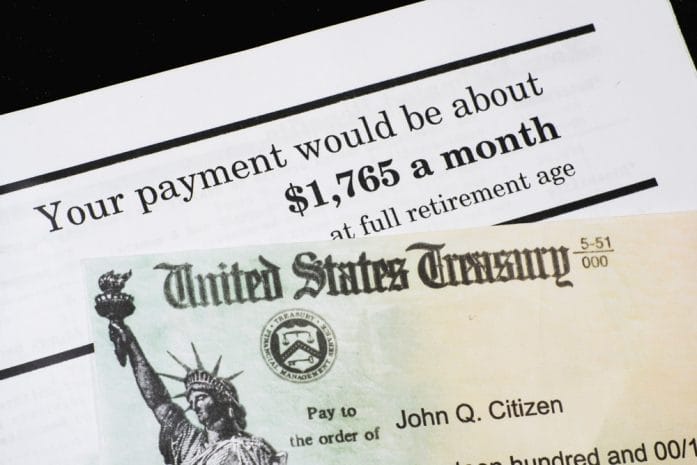
The calendar can feel like a mystery when retirement or disability income depends on it. And although it’s looking a little different from other months, May is bringing a predictable rhythm for millions of Americans. The Social Security May payment schedule has been revealed, and it’ll help recipients plan bills, groceries, and savings with more confidence.
Timing matters because even a few days can shift how budgets stretch across the month. Let’s talk about exactly when payments land and why those dates matter so much. Clear timelines remove the guesswork and help avoid unnecessary stress. Knowing what to expect turns financial planning into a much smoother experience.
Early May Sets the First Wave of Payments
May’s Social Security payment schedule kicks off in the first week of the month for early qualifiers. Supplemental Security Income (SSI) will arrive first, landing on May 1. These early deposits will help set the tone for monthly budgeting and immediate expense coverage. Many households rely on this timing to handle rent, utilities, and essential bills right away.
Now, this is when recipients need to pay attention. The schedule shifts into mid-month territory for most retirees and disability recipients. Payments land on Wednesdays, based on birth dates. This system spreads out deposits to prevent banking congestion and system overload. It also helps recipients anticipate exactly when funds will arrive.
For May, those born between the 1st and 10th will receive payments during the second Wednesday of the month (May 13). After that, each Wednesday brings checks to more people.
Late May Brings the Final Round of Deposits
Moving into the rest of the month, people born from May 11 to 20 will get their checks on May 20. Then, those born between the 21st and 31st receive payments on the fourth Wednesday of May. This final wave completes the staggered distribution system used by the Social Security Administration. The structure keeps payment processing organized and reliable.
Late-month recipients often plan tighter budgets to stretch funds across longer gaps. The payment schedule helps them anticipate exactly when relief arrives. Knowing this date helps avoid overdrafts or unnecessary borrowing. Consistency in timing builds confidence for managing monthly expenses.
Image Source: Shutterstock.com
Smart Budgeting Helps Stretch Monthly Benefits
The payment schedule becomes even more useful when paired with smart budgeting and spending habits. So, how can retirees plan ahead and accept and then use their money wisely? It starts with tracking deposit dates, which allows recipients to plan their grocery runs, rent payments, and utilities with precision. Many households divide monthly expenses based on expected payment timing. This approach reduces financial stress and improves stability.
Budgeting around fixed income works best when timing stays predictable. The Social Security May payment schedule gives that predictability month after month. Setting reminders or calendar alerts helps avoid confusion or missed expectations. Simple planning tools can make a big difference in daily financial comfort.
What to Do If a Payment Doesn’t Show Up
The Social Security payment schedule usually runs smoothly, but occasional delays can happen. Bank processing issues or incorrect account details often cause missing deposits. Checking with the financial institution first can quickly rule out common problems. Most delays resolve within one business day.
If the issue continues, contacting the Social Security Administration becomes the next step. The Social Security May payment schedule remains reliable overall, so missed payments typically signal a fixable error. Keeping records of expected dates helps speed up resolution. Quick action prevents longer disruptions in essential income.
Why May’s Schedule Matters More Than It Seems
The May payment schedule does more than mark dates on a calendar—it shapes how millions manage essential living costs. Each wave of payments supports housing, food, healthcare, and everyday expenses. Predictable timing helps reduce financial anxiety and supports better long-term planning. Even small improvements in timing clarity can make a real difference.
Understanding the structure behind these payments empowers better decisions all month long. The payment schedule offers consistency in a world where many expenses fluctuate. Staying aware of deposit timing helps households stay one step ahead financially. May’s schedule continues to deliver stability when it matters most.
How does the Social Security payment schedule shape monthly budgeting habits for your household if you are relying on these benefits? We want to hear your thoughts in our comments.
Brandon Marcus is a writer who has been sharing the written word since a very young age. His interests include sports, history, pop culture, and so much more. When he isn’t writing, he spends his time jogging, drinking coffee, or attempting to read a long book he may never complete.