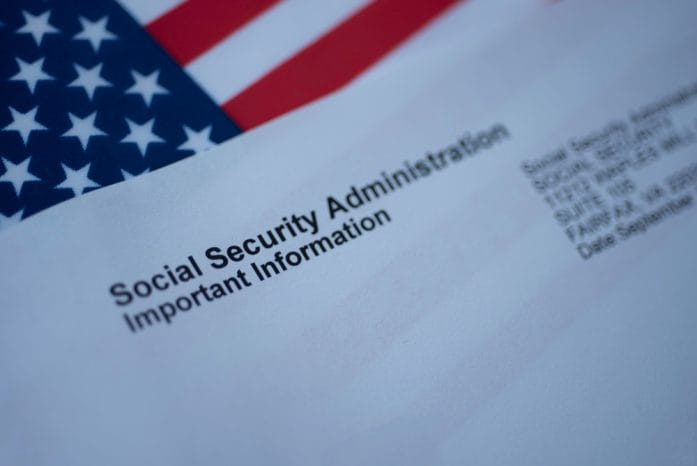
Retirement should feel calm, predictable, and steady, yet thousands of seniors across America now open letters that demand massive repayments to the Social Security Administration. Some notices claim retirees owe several thousand dollars because the government allegedly paid too much money years earlier. Those letters often arrive without warning, and many seniors scramble to figure out what went wrong before monthly benefits suddenly shrink.
Families frequently discover the issue after a spouse dies, after part-time work changes income records, or after the SSA updates old files. The growing flood of overpayment notices now sparks fear, confusion, and frustration in communities that already battle rising grocery prices, medical bills, and housing costs.
Why The SSA Suddenly Wants Money Back
The Social Security Administration sends overpayment notices when agency records show a beneficiary received more money than allowed under program rules. In many cases, the SSA uncovers the issue years after the original payments went out, which leaves seniors stunned by huge repayment demands. The agency often links these overpayments to reporting delays, outdated earnings information, or changes involving disability status, survivor benefits, or supplemental income. A retiree might earn extra money from a part-time job and accidentally cross an income limit without realizing the consequences months later. Many seniors also blame confusing paperwork and long wait times on SSA phone lines for creating mistakes that spiral into expensive problems.
Recent staffing shortages inside the SSA have intensified the problem across the country. Fewer workers now handle millions of accounts, appeals, corrections, and payment reviews, so backlogs continue to grow at alarming speed. Some retirees receive notices tied to errors that first appeared five or even ten years ago, which makes accurate record gathering extremely difficult. Consumer advocates regularly criticize the agency for aggressive repayment tactics that can slash monthly benefits before seniors fully understand their rights.
Seniors Often Discover The Problem Too Late
Many seniors discover an overpayment only after the SSA starts withholding part of a monthly check. That situation creates immediate panic because retirees often rely on Social Security for rent, utilities, prescriptions, and groceries. A sudden reduction of several hundred dollars can derail a carefully balanced household budget within weeks. Widows and widowers face especially complicated situations because survivor benefits frequently involve multiple calculations and eligibility rules. Some families spend months untangling paperwork after the government claims an elderly parent received incorrect payments during a spouse’s lifetime.

Advocates for older Americans say the notices often contain dense language that overwhelms seniors during already stressful moments. Retirees with memory challenges or limited internet access struggle even more because many SSA processes now push people toward online systems. Local legal aid offices across the country report growing demand from seniors who need help filing appeals or waiver requests. Many retirees feel embarrassed after receiving an overpayment notice even when the mistake started inside the agency’s own recordkeeping system.
What Seniors Can Do After Receiving A Notice
A frightening letter from the SSA does not automatically mean a retiree must immediately pay the entire amount. Seniors can request a reconsideration if they believe the agency made an error in the calculation or misunderstood earnings records. The SSA also allows waiver requests when repayment would create severe financial hardship or when the recipient reasonably believed the payments were correct. Experts strongly recommend quick action because deadlines often arrive within 30 days after the notice date. Retirees who ignore the paperwork risk automatic benefit reductions that create even bigger financial headaches later.
Many consumer advocates urge seniors to contact local aging agencies, legal aid organizations, or financial counselors before agreeing to repayment terms. A trained advocate can review earnings records, benefit histories, and correspondence to identify mistakes or missing information. Some retirees successfully reduce repayment amounts after proving the SSA relied on outdated records or failed to process submitted documents correctly. Others negotiate smaller monthly deductions that protect enough income for rent, food, and medication costs. Patience matters during the process because SSA case reviews often move slowly due to staffing shortages and growing national demand.
Why This Problem Keeps Growing Across America
America’s aging population now places enormous pressure on Social Security systems that already struggle with staffing and technology challenges. Millions of baby boomers continue entering retirement while agency workers manage aging databases and expanding workloads. Fraud prevention efforts also trigger more account reviews, which increases the likelihood of delayed corrections and overpayment discoveries. Congress regularly debates Social Security funding issues, yet retirees still face the daily consequences of slow processing and confusing communication. Every new backlog creates another opportunity for errors to linger unnoticed until repayment notices suddenly appear years later.
Financial experts expect overpayment disputes to remain a major issue unless lawmakers modernize SSA technology and improve customer service resources. Seniors often need clearer instructions, faster reporting systems, and easier access to live representatives who can fix errors before they explode into major debts. Advocacy groups continue pushing for reforms that would limit aggressive clawbacks against elderly Americans living on fixed incomes. Many retirees simply want transparency, fairness, and enough time to challenge questionable claims without losing essential monthly income. The controversy surrounding these surprise notices now highlights a deeper national conversation about trust, accountability, and financial security during retirement.
The Bigger Retirement Wake-Up Call
These overpayment notices reveal how quickly financial stability can crack during retirement, even for seniors who followed the rules for decades. Rising living costs already stretch Social Security benefits thin, so unexpected repayment demands create enormous emotional and financial pressure. Careful recordkeeping, annual benefit reviews, and fast responses to SSA letters now play a crucial role in protecting retirement income. Families should also talk openly about benefit paperwork because adult children often help aging parents navigate complicated government systems. A little preparation today can prevent a terrifying financial surprise tomorrow.
What do you think about these surprise Social Security repayment notices, and should the government limit how far back the SSA can demand money?
You May Also Like…
The 5-Minute SSA Error: Why Online Filers Are Getting Identity Mismatches
New Jersey State Update: Why Seniors Are Receiving Paper Checks Under the Relief Program
New York’s Rent-Audit Increase: Why More Seniors Are Getting Verification Letters
SSA Overpayment Letters Are Demanding Fast Repayment From Seniors
Here’s When Your May Social Security Check Will Arrive

Brandon Marcus is a writer who has been sharing the written word since a very young age. His interests include sports, history, pop culture, and so much more. When he isn’t writing, he spends his time jogging, drinking coffee, or attempting to read a long book he may never complete.
.png)
Leave a Reply