• Home
  • About Us
  • Getting Finances Done
    • Hiring Advisors
    • Debt Management
    • Spending Plan
  • Insurance
    • Life Insurance
    • Health Insurance
    • Disability Insurance
    • Homeowners/Renters Insurance
  • Contact Us
  • Our Editorial Commitment

The Free Financial Advisor

You are here: Home / Archives for direct deposit issues

8 Tax Filing Habits That Are Quietly Triggering Refund Delays

May 17, 2026 by Brandon Marcus Leave a Comment

8 Tax Filing Habits That Are Quietly Triggering Refund Delays
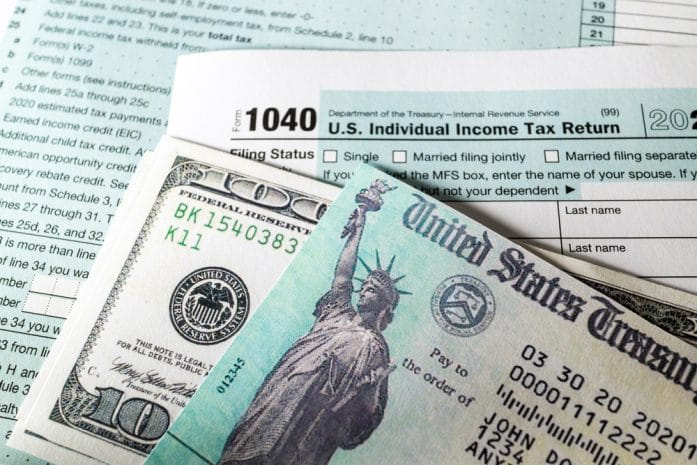
A tax refund on top of a 1040 form – Shutterstock

Tax season often feels like a race against the clock, but rushing through it can quietly cost time instead of saving it. Many Americans expect their refunds to land quickly, yet small mistakes frequently push those payments into long delays. The IRS processes millions of returns, and even minor errors can bump a file into the “needs review” pile. That delay can stretch from days into weeks, especially during peak filing season. Smart filing habits can make the difference between a smooth refund and a frustrating wait.

Understanding what slows down refunds gives taxpayers a real advantage. Most delays don’t come from audits or major issues but from simple, preventable missteps. These habits often repeat year after year, creating unnecessary stress for households counting on their refund. Fixing them early helps ensure the IRS processes returns without interruptions.

1. Rushing Through Early Filing Without Double-Checking Details

Filing early can speed up refunds, but rushing through forms creates costly mistakes that slow everything down. Many taxpayers enter incorrect numbers, skip sections, or forget to review auto-filled data from tax software. The IRS system flags inconsistencies quickly, which forces manual review and delays processing. A careful second look before submitting reduces these risks significantly. Accuracy always beats speed when it comes to tax filing.

Taking a few extra minutes to review Social Security numbers, income entries, and spelling prevents major setbacks. Simple errors in these areas often trigger rejection or adjustment notices. A calm, deliberate filing approach keeps refunds moving through the system without interruption.

2. Entering Incorrect Personal Information

Small identity errors often create surprisingly long refund delays. A mismatched name, wrong Social Security number, or outdated address can stop processing instantly. The IRS must verify identity before releasing any funds, and mismatches slow that verification process. Even a missing middle initial can create unnecessary complications. Precision matters more than most taxpayers realize.

Taxpayers should always compare their return details with official documents before submitting. W-2 forms, Social Security cards, and government IDs should match exactly. Consistency across all records helps the IRS approve refunds without additional review steps.

3. Miscalculating Income or Forgetting Tax Forms

Income reporting errors rank among the most common causes of refund delays. Missing a W-2, 1099, or side income entry creates mismatches in IRS systems. The agency cross-checks employer submissions, and discrepancies trigger automatic holds. Even small underreporting mistakes can slow down refund approval. Accuracy in income reporting keeps the process smooth.

Taxpayers should gather all income documents before starting their return. Double-checking totals against employer statements helps prevent mismatches. Organized records reduce confusion and help filings move through quickly.

4. Providing Incorrect Bank Account Information

Direct deposit speeds up refunds, but incorrect banking details can completely derail them. A wrong digit in an account or routing number sends refunds into processing limbo. The IRS may reject the deposit or send a paper check instead, which takes much longer. These errors often go unnoticed until the refund fails to arrive. Precision in banking information protects refund timing.

Reviewing account numbers carefully before submitting prevents unnecessary delays. Taxpayers should avoid copying outdated information from previous years. Updated banking details ensure refunds land in the correct account without interruption.

5. Ignoring IRS Letters or Requests for Verification

IRS notices often require quick action, yet many taxpayers delay responding or overlook them entirely. These letters usually request identity confirmation or missing documentation. Ignoring them freezes refund processing until the issue gets resolved. The longer the delay in response, the longer the refund sits on hold. Fast replies keep the process moving.

Reading all IRS mail carefully helps avoid unnecessary setbacks. Responding with the correct documents ensures faster resolution. Staying alert to these notices prevents refunds from getting stuck in review cycles.
8 Tax Filing Habits That Are Quietly Triggering Refund Delays
A letter from the IRS – Shutterstock

6. Choosing the Wrong Filing Status

Filing status mistakes can change refund calculations and trigger processing delays. Selecting the wrong category, such as single instead of head of household, often creates mismatches with IRS records. These errors may require manual correction before the refund gets released. Even small misunderstandings of eligibility rules can slow everything down. Correct filing status ensures smoother processing.

Taxpayers should review IRS guidelines before selecting their status. Life changes like marriage, divorce, or dependents can affect eligibility. Accurate selection helps avoid unnecessary corrections later.

7. Missing Out on Supporting Documents for Deductions

Claiming deductions without proper documentation often leads to refund delays. The IRS may request proof for charitable donations, education expenses, or business costs. Without records, the agency pauses processing until verification arrives. This step can stretch refunds out for weeks. Organized documentation speeds up approval.

Keeping receipts and records throughout the year simplifies filing. Taxpayers who prepare early reduce the risk of missing important proof. Strong documentation supports faster and cleaner processing.

8. Using Outdated or Incompatible Tax Software

Old or unreliable tax software can create hidden filing errors that delay refunds. Software updates often include new tax law changes, and outdated versions may miscalculate returns. Submission errors from technical glitches also trigger IRS rejections. These issues often confuse taxpayers who assume everything submitted correctly. Reliable software reduces these risks.

Updating software before filing ensures accurate calculations and smooth submission. Choosing trusted platforms helps prevent technical interruptions. A stable digital filing process leads to faster refund approval.

A Smarter Filing Mindset That Keeps Refunds Moving

Tax refund delays rarely come from one major issue; they usually come from a pattern of small, avoidable habits. Careful attention to details like personal information, income accuracy, and documentation dramatically improves processing speed. The IRS system works efficiently when returns arrive clean and complete. Taxpayers who slow down slightly during filing often get paid faster in the end. Smart preparation consistently beats rushed submission every time.

What tax filing habit has caused the most frustration for you in past seasons, and what strategies help prevent it now?

You May Also Like…

The IRS Is Sending More “Math Error” Notices—Here’s What They Really Mean

7 “Trigger Words” the IRS Uses to Flag Returns Faster

6 Mistakes People Make When Appealing an IRS Identity Check

Waiting on a Refund? New IRS Identity Flags Are Pulling More Returns

Refunds Are Being Frozen Over Missing Bank Details—And Some Filers Won’t Get Paid for Weeks

Brandon Marcus
Brandon Marcus

Brandon Marcus is a writer who has been sharing the written word since a very young age. His interests include sports, history, pop culture, and so much more. When he isn’t writing, he spends his time jogging, drinking coffee, or attempting to read a long book he may never complete.

Filed Under: tax tips Tagged With: American taxpayers, direct deposit issues, filing taxes, Financial Tips, IRS, IRS processing, money management, refund delays, tax credits, tax filing mistakes, tax refunds, tax season

Why Some Retirees Are Getting Stuck in Social Security Payment Limbo

May 16, 2026 by Brandon Marcus Leave a Comment

Why Some Retirees Are Getting Stuck in Social Security Payment Limbo
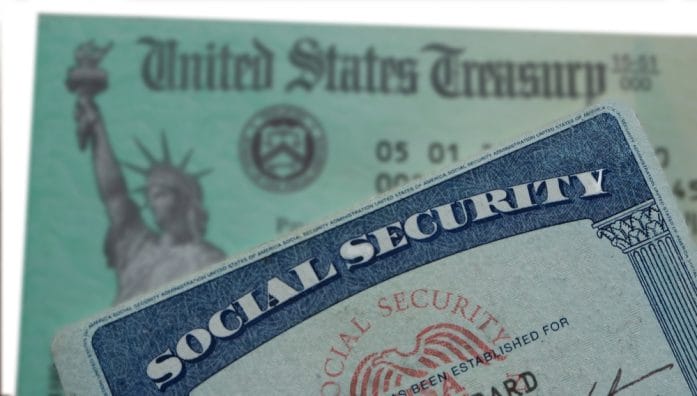
A social security card and check behind it – Shutterstock

Retirement should bring financial stability, not confusion at the mailbox or bank account. Yet across the United States, some retirees face unexpected delays, missing deposits, or frozen Social Security payments that throw carefully planned budgets into chaos. These disruptions do not just cause inconvenience—they can trigger missed rent payments, delayed prescriptions, and rising stress for people on fixed incomes. The Social Security Administration processes millions of payments each month, but even small errors in data or timing can create ripple effects. Understanding what causes these delays helps retirees protect their income and reduce financial risk.

Many of these issues come from system updates, identity verification checks, or banking mismatches that quietly stall payments. A retiree may assume everything looks fine on their end while a backend issue blocks the transfer. In some cases, retirees only discover the problem after their expected deposit fails to arrive.

Banking Errors and Direct Deposit Mismatches Can Freeze Payments

Banking issues rank among the most common reasons Social Security payments get delayed or suspended. A single incorrect account number or routing change can stop a monthly deposit without warning. Financial institutions also merge, rebrand, or update systems, which can cause old account details to become invalid. When that happens, the Social Security Administration may flag the payment and hold it until verification completes.

Even small mistakes create big delays. A retiree who switches banks without updating records may wait weeks for funds to reroute correctly. The SSA requires accurate and verified banking details before releasing funds again, which slows the process even further. Some retirees only notice the issue after their bills start stacking up, forcing urgent calls to both the bank and federal offices. This chain reaction shows how one administrative detail can disrupt an entire financial plan.

Identity Verification Holds Are Increasing for Security Reasons

Security checks now play a bigger role in Social Security payment delays than ever before. The Social Security Administration uses automated systems to confirm identity changes, address updates, or suspicious account activity. These safeguards protect against fraud, but they also create unexpected pauses for legitimate retirees. A simple mismatch between records and updated personal information can trigger a temporary hold.

Retirees often experience delays after moving, changing phone numbers, or updating legal documents. The system may flag the account until it confirms consistency across all databases. That verification process can take days or even weeks depending on the complexity of the case. During that time, payments remain suspended even if no actual fraud exists. This growing reliance on automated checks highlights the tension between security and convenience in federal benefit systems.

Processing Backlogs and Staffing Strains Slow Down Resolutions

Administrative delays inside the Social Security system also contribute to payment limbo. Offices handle high volumes of claims, updates, and corrections every month, and staffing shortages stretch processing times even further. When errors occur, workers must manually review cases, which adds additional waiting time. That backlog creates a domino effect across thousands of pending payments.

Retirees often feel the impact during peak periods, such as the beginning of the year or after major policy updates. During those times, even simple fixes take longer to resolve. A corrected file may sit in a queue for weeks before approval. This delay does not reflect a loss of benefits, but it still interrupts financial stability. The system prioritizes accuracy, but that accuracy sometimes comes at the cost of speed.

Technical Glitches and System Updates Disrupt Monthly Deposits

Technology plays a major role in Social Security payment distribution, and that creates its own risks. System upgrades, database migrations, and software patches occasionally introduce temporary errors. When those updates occur, payment files may not process correctly, leading to missing or delayed deposits. Even brief outages can affect thousands of retirees at once.

Some retirees also experience issues when automated systems fail to sync updated records across platforms. That disconnect can cause duplicate flags, incorrect holds, or rejected transfers. Although engineers usually fix these issues quickly, retirees still feel the financial strain during the downtime. These technical hiccups highlight how dependent modern retirement income has become on complex digital systems. Even a short disruption can create real-world consequences for people relying on every dollar.

How Retirees Can Protect Themselves From Payment Delays

Retirees can take proactive steps to reduce the risk of Social Security payment disruptions. Keeping banking details current with the Social Security Administration helps prevent unnecessary holds. Regularly reviewing account information also ensures that no outdated data lingers in the system. Simple updates often prevent weeks of frustration later.

Monitoring payment schedules also helps retirees catch problems early. A missed deposit should trigger immediate action through both the bank and the SSA. Keeping copies of recent benefit statements, personal identification documents, and contact records can speed up resolution times. Many retirees also benefit from setting up alerts through their banks to track incoming deposits in real time. These small habits create a stronger safety net around monthly income.

Why Some Retirees Are Getting Stuck in Social Security Payment Limbo
A senior couple about to receive a Social Security check – Shutterstock

What Retirees Should Remember About Social Security Payment Delays

Social Security payment limbo rarely happens without a reason, even if that reason stays hidden behind layers of bureaucracy or technology. Banking mismatches, identity checks, staffing delays, and system glitches all play a role in disrupting payments. Each issue carries its own fix, but resolution often takes time and patience. Retirees who stay alert to changes and maintain accurate records reduce their chances of getting caught in these delays.

What steps do you think would make Social Security payments more reliable for retirees?

You May Also Like…

Social Security Checks Are Getting Smaller for Some Retirees—And It’s Not a Benefit Cut

The Next Medicare Premium Shock Could Hit Retirees Harder Than Expected

8 Ways Seniors Could Lose Social Security Benefits Without Realizing It

Why More Seniors Are Getting Surprise Social Security Overpayment Notices

10 Financial Mistakes: What to Avoid After Receiving a Social Security Overpayment Notice

Brandon Marcus
Brandon Marcus

Brandon Marcus is a writer who has been sharing the written word since a very young age. His interests include sports, history, pop culture, and so much more. When he isn’t writing, he spends his time jogging, drinking coffee, or attempting to read a long book he may never complete.

Filed Under: social security Tagged With: benefit checks, direct deposit issues, Financial Security, government benefits, retirees, retirement benefits, retirement income, retirement planning, Social Security, social security payments, SSA delays, SSA errors

Refunds Are Being Frozen Over Missing Bank Details—And Some Filers Won’t Get Paid for Weeks

May 12, 2026 by Brandon Marcus Leave a Comment

Refunds Are Being Frozen Over Missing Bank Details—And Some Filers Won’t Get Paid for Weeks
Tax Returns under a 1040 tax form – Pexels

Tax refund season usually brings a wave of anticipation, but this year, a growing number of payments are stalling before they ever hit bank accounts. Financial institutions and federal processors are flagging missing or mismatched banking details, which immediately triggers an automatic hold on refunds. That hold does not disappear quickly, and it often locks funds for days or even weeks while systems verify account ownership. Many taxpayers assume everything looks fine on their end, only to discover a silent error has paused their money. This slowdown creates frustration at a time when households rely heavily on refund cash for bills, rent, and debt payments.

The issue does not come from one single system failure, but from strict verification rules tied to fraud prevention. Refund processors now prioritize accuracy over speed, which means even a small typo in routing or account numbers can freeze a payout instantly. Banks also reject deposits when names do not perfectly match account records, adding another layer of delay. Once a refund gets flagged, the IRS or payer typically switches the method to a paper check, which extends the wait even further. The result turns a simple tax refund into a waiting game that can stretch far beyond expected timelines.

Why Missing Bank Details Shut Down Refund Processing Instantly

Refund systems rely on automated banking networks that require exact data to move money safely and quickly. When account details fail verification, the system halts the transaction immediately to prevent funds from landing in the wrong place. That safeguard protects consumers from fraud, but it also punishes simple mistakes like transposed numbers or outdated accounts. Many filers do not realize how sensitive these systems have become until their refund disappears into processing limbo. Even minor inconsistencies can trigger full payment reversals without warning.

Banks also play a significant role in the delay chain because they reject deposits that fail identity matching checks. Some financial institutions enforce stricter standards than others, especially when accounts have recently changed ownership or remain inactive. When a deposit bounces back, the refund does not simply retry—it often resets the entire issuance process. That reset forces government or payroll systems to reissue funds through slower channels, usually paper checks. The combination of automation and strict compliance rules creates a system where small errors cause outsized delays.

Who Feels the Pinch When Refunds Get Frozen

Taxpayers expecting IRS refunds feel the impact most directly, especially those relying on direct deposit timelines to manage monthly expenses. Families waiting on earned income credits or child tax credits face some of the longest processing interruptions when banking details fail verification. Gig workers and freelancers also encounter delays when refund systems struggle to match irregular income profiles with outdated banking records. In many cases, people only learn about the issue after checking refund trackers that show vague “processing” or “pending verification” statuses.

Employers and payroll providers also see ripple effects when tax-related banking errors overlap with benefit adjustments or corrections. Stimulus-related payments and state tax refunds can experience similar holds when systems detect inconsistencies across federal and state databases. Financial stress increases quickly when expected money fails to arrive on schedule, especially for households living close to their monthly budget limits. Many consumers then turn to banks for clarification, only to find that the delay originated outside the banking system entirely. That disconnect often adds confusion on top of already frustrating wait times.

How Long Refund Holds Last and Why Timelines Stretch Without Warning

Refund delays tied to banking errors rarely resolve within a few days, even when corrections happen quickly. Processing systems often require full re-verification before releasing funds, which can take one to three weeks depending on the agency involved. Paper checks extend that timeline further because mail delivery adds additional processing and transit days. During peak tax season, backlogs push timelines even longer, especially when multiple verification failures occur across large batches of returns. That unpredictability leaves many taxpayers guessing when money will actually arrive.

Government agencies do not always provide precise timelines for corrected refunds, which adds another layer of uncertainty. Once a refund enters manual review, automated tracking systems lose visibility, and updates slow down significantly. Banks also cannot speed up the process because they only respond after funds clear the issuing authority. That gap between systems creates a delay window where no party fully controls the outcome. As a result, taxpayers often face extended waits without clear communication about progress.

Refunds Are Being Frozen Over Missing Bank Details—And Some Filers Won’t Get Paid for Weeks
Someone filling out their tax returns – Pexels

How to Avoid Refund Freezes and Speed Up Payment Delivery

Careful review of banking details before filing prevents most refund holds from happening in the first place. Taxpayers who double-check routing numbers, account numbers, and account ownership details reduce the risk of automatic rejection. Filing systems also allow updates before submission, which gives users a chance to correct small errors that could trigger major delays later. Many professionals recommend avoiding last-minute changes to bank accounts during tax season to reduce mismatches. That small step often prevents weeks of waiting.

Taxpayers also benefit from monitoring refund status tools regularly to catch issues early. When systems flag a problem, quick response times help switch delivery methods before delays grow longer. Choosing a stable and active bank account instead of recently opened or frequently changed accounts also improves verification success rates. Some filers even opt for split deposits only when they fully confirm all account details across institutions. These precautions may feel simple, but they often determine whether refunds arrive in days or disappear into processing limbo.

The Cost of Small Banking Errors in Refund Processing

Refund freezes tied to missing bank details highlight how tightly modern payment systems depend on perfect data accuracy. One incorrect digit can push a refund from a fast direct deposit into a slow paper check cycle that stretches for weeks. That delay affects household budgets, bill payments, and financial planning in ways that feel much larger than the original mistake. Financial systems continue tightening verification rules to reduce fraud, but those safeguards also increase the consequences of human error. Awareness and careful filing remain the strongest defenses against unexpected refund delays.

What steps should taxpayers take to avoid refund delays, and have banking errors ever slowed down an important payment for months instead of weeks?

You May Also Like…

The Next Government Shutdown Threat Could Delay Refunds Again

6 Mistakes People Make When Appealing an IRS Identity Check

7 New IRS Changes That Could Delay Your 2026 Tax Refund

Colorado TABOR Refunds Are Reduced When Residents Owe State Debts

Why Do Families Rely Too Much on Tax Refunds

Brandon Marcus
Brandon Marcus

Brandon Marcus is a writer who has been sharing the written word since a very young age. His interests include sports, history, pop culture, and so much more. When he isn’t writing, he spends his time jogging, drinking coffee, or attempting to read a long book he may never complete.

Filed Under: tax tips Tagged With: ACH payments, banking errors, direct deposit issues, frozen refunds, IRS delays, missing bank details, Personal Finance, refund processing, refund status, stimulus delays, tax refunds, tax season problems

New Jersey State Update: Why Seniors Are Receiving Paper Checks Under the Relief Program

May 7, 2026 by Brandon Marcus Leave a Comment

New Jersey State Update: Why Seniors Are Receiving Paper Checks Under the Relief Program
A confused senior holding up paper checks – Shutterstock

A surprising envelope has been landing in mailboxes across New Jersey, and it’s not junk mail or a late birthday card—it’s a paper check from the state. For many seniors, that moment brings both relief and confusion, especially in an era where direct deposit dominates almost every financial transaction. The shift back to physical checks under certain relief programs has raised eyebrows and sparked questions about security, timing, and reliability.

Behind the scenes, a mix of administrative decisions, system limitations, and eligibility factors has shaped how these payments reach residents. Let’s discuss why paper checks have made a comeback and what seniors need to know to stay ahead of the curve.

The Real Reason Paper Checks Are Showing Up Again

New Jersey’s relief programs, including the widely known ANCHOR property tax relief initiative, aim to get money into the hands of residents quickly and efficiently. However, not every recipient has active or verified banking information on file with the state, which forces officials to rely on paper checks as a fallback option. Administrative systems prioritize accuracy over speed, and when direct deposit details don’t match records or fail verification, the system automatically shifts to mailing a check instead. This approach reduces the risk of funds going to the wrong account, which could create far bigger problems than a delayed payment. While digital payments remain the preferred method, paper checks ensure that eligible seniors still receive their funds without unnecessary complications.

Many seniors who previously received direct deposits have noticed this change and wondered what triggered it. In many cases, even small discrepancies—like a closed account, a bank merger, or outdated routing information—can cause the system to default to a physical check. State agencies have also tightened fraud prevention measures, especially after a rise in identity theft and payment redirection scams targeting benefit programs. Mailing a check, while slower, adds an extra layer of security when something doesn’t look right in the system. That shift reflects a broader effort to protect funds, even if it feels like a step backward in convenience.

Why Seniors Are More Likely To Receive Checks Than Other Groups

Older residents often experience more frequent changes in banking arrangements, which can disrupt direct deposit setups. Some seniors switch banks to access better services, while others close accounts after consolidating finances or transitioning into retirement. These changes don’t always get updated immediately with state systems, especially if applications were submitted months earlier. As a result, seniors face a higher likelihood of triggering the fallback payment method: a paper check. The system doesn’t assume intent; it simply responds to mismatched or missing data.

Another factor involves accessibility and preference, which play a larger role than many people realize. Some seniors still prefer paper-based financial transactions and may have originally opted out of direct deposit entirely. Others rely on caregivers or family members to manage finances, which can complicate account verification and authorization. State programs must balance modern efficiency with inclusivity, ensuring that every eligible resident can access funds regardless of their banking situation. Paper checks, while old-fashioned, remain one of the most universally accessible methods available.

Delays, Delivery Times, And What To Expect

Paper checks don’t move at the speed of a digital transfer, and that reality has frustrated many recipients waiting for relief funds. Once the state processes a payment, printing, handling, and mailing can add several days—or even weeks—before the check arrives. Weather delays, postal backlogs, and address errors can stretch that timeline further. Seniors expecting immediate deposits may feel anxious when nothing appears in their accounts, especially if neighbors already received payments through direct deposit. Knowing the delivery process helps set realistic expectations and reduces unnecessary stress.

Tracking a mailed payment requires a bit more patience than checking a bank balance online. While the state doesn’t always provide real-time tracking for individual checks, it does publish general timelines for when payments are issued and mailed. Seniors should keep an eye on official updates and avoid assuming something went wrong too quickly. If a check doesn’t arrive within the expected window, contacting the program’s support line can help clarify next steps. Staying proactive without panicking makes a big difference in navigating these delays smoothly.

New Jersey State Update: Why Seniors Are Receiving Paper Checks Under the Relief Program
A “Welcome to New Jersey sign” – Shutterstock

Security Concerns: Are Paper Checks Safe?

Paper checks may feel less secure than digital payments, but they come with their own built-in protections. Each check includes security features such as watermarks, specialized paper, and verification codes that reduce the risk of counterfeiting. However, physical mail introduces different risks, including theft from mailboxes or misdelivery. Seniors should retrieve mail promptly and avoid leaving checks unattended for long periods. Taking simple precautions can significantly reduce exposure to these risks.

Fraud prevention remains a top priority for state agencies, which explains why some payments shift away from direct deposit when something looks suspicious. A mismatched name, an unfamiliar bank account, or unusual activity can trigger safeguards that reroute payments into a more controlled format. While that might delay access to funds, it prevents potentially devastating financial losses. Seniors who feel uncertain about their payment method should contact official program representatives rather than relying on third-party advice. Clear communication always beats guesswork when money is involved.

How To Switch Back To Direct Deposit

Seniors who prefer direct deposit can take steps to ensure future payments arrive electronically. Updating banking information through the official state portal or submitting corrected details directly to the program helps prevent future issues. Accuracy matters here, so double-checking routing numbers, account numbers, and personal details avoids repeat delays. Once verified, the system typically restores direct deposit for upcoming payments. Taking a few minutes to confirm information now can save weeks of waiting later.

Keeping records organized also plays a crucial role in maintaining smooth payments. Saving confirmation emails, screenshots, or submission receipts provides proof if questions arise later. Seniors who work with caregivers or family members should ensure everyone involved understands where and how updates get submitted. Communication gaps can lead to repeated errors, which trigger more paper checks. A little coordination goes a long way in keeping payments consistent and predictable.

What This Means For Future Relief Programs

The return of paper checks highlights a broader truth about government payments: flexibility often outweighs speed. Programs must account for millions of unique situations, and no single payment method works for everyone. While digital systems continue to improve, paper checks remain an essential backup that ensures no one gets left behind. Seniors, in particular, benefit from having multiple ways to receive funds based on their needs and circumstances. This hybrid approach will likely remain part of future relief efforts.

As technology evolves, states will continue refining how they distribute payments, but security and accessibility will always drive those decisions. Seniors who stay informed and keep their information updated will navigate these changes with far less frustration. Understanding how the system works puts control back in the hands of recipients rather than leaving them guessing. That knowledge turns confusion into confidence, even when payment methods shift unexpectedly.

When A Check In The Mail Says More Than You Think

That unexpected paper check tells a bigger story than just “payment received.” It reflects a system balancing speed, safety, and accessibility while trying to serve millions of people with different needs. Seniors who understand why these checks arrive can respond with clarity instead of concern. Staying proactive, verifying information, and knowing what to expect transforms a confusing situation into a manageable one. Relief programs aim to help, but informed recipients make that help far more effective. When the system changes, awareness becomes your strongest advantage.

Have you received a paper check instead of direct deposit recently, and did it catch you off guard or change how you manage your finances? We want to hear your take on this topic below, in our comments.

You May Also Like…

States Are Rechecking SNAP Files After An Error Rate Increase

Why Seniors Are Seeing More “Account Access” Text Scams

Why Seniors in Multi-Unit Buildings Are Seeing New “Facility Fees”

A $400,000 Home in New Jersey Costs $6,876 More Per Year Than in South Carolina

Banks Are Holding Cash Transfers Over $2,000 for Verification—What Seniors Need to Know

Brandon Marcus
Brandon Marcus

Brandon Marcus is a writer who has been sharing the written word since a very young age. His interests include sports, history, pop culture, and so much more. When he isn’t writing, he spends his time jogging, drinking coffee, or attempting to read a long book he may never complete.

Filed Under: Personal Finance Tagged With: ANCHOR program, direct deposit issues, financial assistance, government payments, New Jersey relief program, NJ seniors, paper checks, property tax relief, retirement income, Senior Benefits, state payments, tax rebates

Follow Us

Search this site:

Recent Posts

  • Can My Savings Account Affect My Financial Aid? by Tamila McDonald
  • 12 Ways Gen X’s Views Clash with Millennials… by Tamila McDonald
  • What Advantages and Disadvantages Are There To… by Jacob Sensiba
  • 10 Tactics for Building an Emergency Fund from Scratch by Vanessa Bermudez
  • Call 911: Go To the Emergency Room Immediately If… by Stephen Kanaval
  • 7 Weird Things You Can Sell Online by Tamila McDonald
  • 10 Scary Facts About DriveTime by Tamila McDonald

Copyright © 2026 · News Pro Theme on Genesis Framework