• Home
  • About Us
  • Getting Finances Done
    • Hiring Advisors
    • Debt Management
    • Spending Plan
  • Insurance
    • Life Insurance
    • Health Insurance
    • Disability Insurance
    • Homeowners/Renters Insurance
  • Contact Us
  • Our Editorial Commitment

The Free Financial Advisor

You are here: Home / Archives for overpayment

Some Retirees Are Being Reviewed for Benefits Received More Than a Decade Ago

June 13, 2026 by Brandon Marcus Leave a Comment

Some Retirees Are Being Reviewed for Benefits Received More Than a Decade Ago
Retirees may face benefit reviews stretching back more than a decade, often triggered by income changes or data mismatches. Staying organized with financial records and responding quickly to notices can help reduce stress and protect long-term benefits. Shutterstock

Retirement often feels like a long-awaited moment of financial stability, but recent developments are catching many retirees off guard. Some individuals now face reviews of benefits they received more than a decade ago, creating confusion and concern across households that believed everything had already been settled. These reviews often focus on past payments tied to government retirement programs, including situations where income changes or reporting errors may have gone unnoticed for years.

As agencies revisit older records, retirees find themselves pulled back into paperwork they assumed was long behind them. The situation raises serious questions about how far back benefit systems can go and what triggers these unexpected checks.

Why Benefit Reviews Are Suddenly Reaching Back Years

Benefit reviews do not appear out of nowhere, even if they feel sudden to recipients. Government agencies often run periodic audits to verify that payments match eligibility rules at the time they were issued. These audits can surface discrepancies tied to income reporting, marital status changes, or unreported earnings that may have affected benefit amounts. In some cases, automated systems now cross-check older records with newer tax data, which can trigger a review of past decades. As technology improves, agencies gain more tools to revisit records that once stayed untouched for years.

These reviews often aim to identify overpayments rather than punish retirees. An overpayment happens when a recipient receives more money than rules allowed at the time. Agencies typically notify individuals once they detect a potential mismatch, even if the original payment occurred many years ago. That long timeline surprises many retirees, especially those who assumed past payments were permanently settled. The process reflects a growing effort to tighten accuracy in public benefit systems, even when it reaches far into the past.

How Far Back Reviews Can Go and What Triggers Them

Benefit reviews can stretch back more than a decade when records show possible inconsistencies. Agencies usually operate under rules that allow them to correct past payments if evidence supports a mistake, regardless of how much time has passed. Triggers often include late-reported income, employer corrections to tax records, or discrepancies between different government databases. Even small reporting errors can compound over time, prompting a full review of earlier benefit years. Once a potential issue appears, agencies may reopen old files to calculate what should have been paid.

Certain life events also increase the chances of a review reaching back several years. Retirement income changes, remarriage, or returning to work after retirement can all affect eligibility calculations. If those updates never reached the system at the right time, the agency may reassess older payments to determine accuracy. Some retirees also face reviews after routine audits flag patterns across large groups of beneficiaries. These patterns do not always signal wrongdoing, but they often trigger deeper investigations into historical records.

What Retirees Should Do After Receiving a Review Notice

Retirees who receive a review notice should respond quickly and avoid ignoring the request. Agencies typically set deadlines for submitting documentation, and delays can limit options for appealing decisions. Records such as tax returns, pay stubs, and benefit statements often play a key role in clarifying past eligibility. Organizing paperwork from the relevant years helps create a clearer picture of income and benefit accuracy. Clear communication with the agency can also reduce misunderstandings that might increase repayment demands.

Many retirees feel overwhelmed when asked to revisit financial details from more than ten years ago. That reaction makes sense, especially when records feel incomplete or difficult to locate. Financial counselors or legal aid services often help individuals sort through older documentation and understand repayment options. Some agencies also offer repayment plans when overpayments are confirmed, which can reduce immediate financial strain. Taking proactive steps early often improves outcomes and prevents further complications.

How Retirees Can Reduce Risk of Future Benefit Issues

Retirees can reduce future review risks by keeping income records updated and accurate at all times. Reporting changes in employment, marital status, or additional income helps agencies maintain correct payment levels. Many systems rely on timely updates, and delays can create mismatches that surface years later. Regularly checking benefit statements also helps catch errors before they grow into larger issues. Staying organized with annual tax documents builds a strong personal record that supports long-term financial stability.

Communication plays a major role in preventing future surprises. Retirees who maintain contact with benefit agencies and respond quickly to notices often avoid escalated reviews. Digital portals now allow many individuals to track changes and submit updates more efficiently than in the past. These tools reduce the chance of outdated information sitting in the system for years. A consistent habit of reviewing financial details helps keep benefits aligned with real-life circumstances.

What This Means for the Future of Retirement Benefits

The growing trend of long-range benefit reviews signals a shift toward tighter oversight in retirement systems. Agencies increasingly rely on data matching and automated checks to ensure payment accuracy across decades of records. That shift improves precision but also increases the likelihood that older records come back into focus. Retirees now operate in a system where past payments remain open to review longer than many expect. This change highlights the importance of long-term financial recordkeeping in retirement planning.

How should retirees balance peace of mind with the need to stay alert to these long-term reviews?

You May Also Like…

Working While Collecting Before Full Retirement Age Reduces Your Check More Than You Think

The 2027 Social Security COLA Is Surging—But Seniors May Not Be Better Off

A Simple Earnings Rule Is Cutting Checks for Retirees Who Return to Work

Congress Is Considering a $200 Social Security Boost—What It Could Mean for Retirees

Why More Americans Are Delaying Retirement as Medicare Premiums Approach $200 Per Month

Brandon Marcus
Brandon Marcus

Brandon Marcus is a writer who has been sharing the written word since a very young age. His interests include sports, history, pop culture, and so much more. When he isn’t writing, he spends his time jogging, drinking coffee, or attempting to read a long book he may never complete.

Filed Under: Retirement Tagged With: benefits review, government benefits, overpayment, Personal Finance, Planning, retirees, Retirement, Social Security

5 Social Security Overpayment Traps and How to Avoid Them

May 9, 2026 by Brandon Marcus Leave a Comment

5 Social Security Overpayment Traps and How to Avoid Them
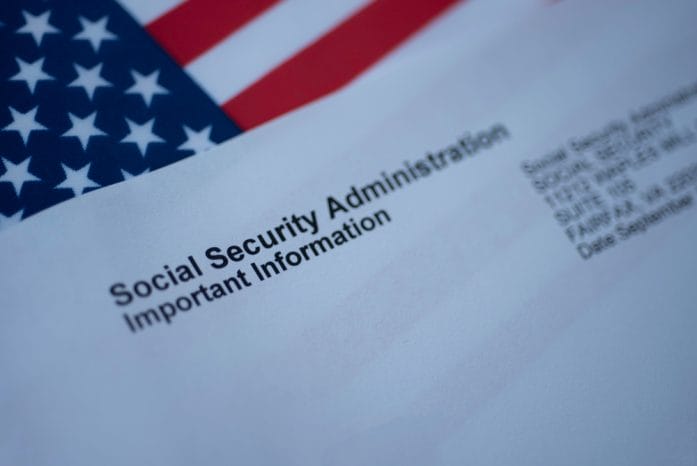
A notice mailed from the Social Security Administration – Shutterstock

Social Security overpayments can turn into financial headaches that feel completely out of the blue. One month everything runs smoothly, and the next month a letter arrives demanding repayment for months—or even years—of benefits. These situations often catch people off guard because the rules behind benefit calculations involve constant updates, strict reporting requirements, and detailed eligibility checks. Small changes in income, household status, or work activity can quietly trigger large repayment notices later. Knowing where these traps hide helps prevent stressful surprises and protects monthly income from unexpected clawbacks.

The Social Security Administration works with complex formulas that adjust benefits based on life events and earnings history. Even honest mistakes or delays in reporting can lead to overpayments that must eventually be repaid. Many recipients assume the system automatically tracks everything in real time, but gaps in communication or documentation often create problems.

1. Unreported Income Changes That Quietly Trigger Overpayments

Changes in income often create one of the fastest paths to Social Security overpayments. Many beneficiaries forget to report small job changes, freelance work, or part-time earnings that suddenly push total income above allowed limits. The system recalculates benefits based on reported numbers, so missing updates creates a mismatch between payments and eligibility. That mismatch eventually leads to repayment demands that can cover months or even years.

Staying ahead of this trap requires consistent reporting every time income shifts, even slightly. The Social Security Administration uses annual earnings thresholds that can change benefit amounts quickly when exceeded. People who assume short-term work will not matter often face the largest repayment bills later. Keeping detailed income records and reporting changes immediately helps prevent these silent overpayment buildups.

2. Delayed Reporting of Work After Retirement Benefits Begin

Returning to work after starting benefits often creates confusion about reporting rules. Some beneficiaries delay notifying the system about new employment, assuming the information will automatically sync with tax records. That delay leads to benefit payments continuing at the full amount when reductions should already apply. Over time, those extra payments turn into repayment obligations.

Accurate timing matters because Social Security adjusts benefits based on monthly or annual earnings limits. Even temporary or seasonal work can affect eligibility calculations. Waiting until tax season to report income creates a gap that builds overpayment risk quickly. Prompt updates after starting or changing jobs keep benefit calculations aligned with real earnings.

3. Life Changes That Quietly Reshape Benefit Eligibility

Major life events often change Social Security eligibility without obvious warning signs. Marriage, divorce, disability status updates, or the death of a dependent can all impact monthly benefit amounts. Many recipients assume these changes only affect taxes or personal records, not benefit calculations. That assumption creates a gap where payments continue at outdated levels.

The Social Security system relies heavily on accurate personal data to determine ongoing eligibility. When life changes go unreported, benefits may remain higher than allowed under updated conditions. This mismatch often goes unnoticed until the agency performs a review or audit. Reporting every major life event quickly ensures benefits stay accurate and prevents sudden repayment notices.

5 Social Security Overpayment Traps and How to Avoid Them
A pair or rings symbolizing marriage – Unsplash

4. Miscalculations from Earnings Estimates and Benefit Projections

Estimated income reports often create another hidden overpayment risk. Some beneficiaries provide projected earnings instead of updated actual numbers, especially when work fluctuates throughout the year. These estimates can differ significantly from real earnings, leading to incorrect benefit amounts. Once the system reconciles the difference, overpayments often appear.

Accuracy matters more than convenience when reporting income projections. Even small discrepancies in earnings can shift benefit calculations enough to trigger repayment requirements. Many people underestimate seasonal bonuses, commissions, or irregular freelance payments that push totals higher. Updating estimates regularly throughout the year keeps benefit amounts aligned with reality and prevents financial surprises later.

5. Ignoring Social Security Notices and Missing Appeal Windows

Official notices from the Social Security Administration often contain critical information about changes, corrections, or repayment demands. Some recipients overlook these letters or delay reading them, assuming they can deal with them later. That delay can close appeal windows or limit options for reducing repayment amounts. Once deadlines pass, financial flexibility drops significantly.

Careful attention to every notice helps prevent unnecessary financial strain. These communications often include instructions for correcting errors or disputing overpayment claims. Missing a deadline can turn a small adjustment into a full repayment obligation. Reading, responding, and acting quickly keeps control in the hands of the beneficiary rather than the system.

Staying Ahead of Overpayment Surprises Before They Start

Social Security overpayments rarely happen because of one dramatic mistake. Instead, they build slowly through missed updates, delayed reports, and small inconsistencies that add up over time. Each of these traps shares a common theme: the system relies on timely, accurate information from the beneficiary. When that information lags behind real-life changes, the financial consequences grow quickly.

Taking a proactive approach creates the strongest protection. Reporting changes immediately, tracking earnings carefully, and reviewing all official notices reduces the risk of repayment demands. Many overpayments can be prevented entirely with consistent communication and attention to detail. Staying alert to these patterns helps maintain stable benefits and avoids unnecessary financial stress down the road.

What strategies help make benefit tracking easier and more reliable for you in everyday financial planning? Discuss this topic in our comments section below with other readers.

You May Also Like…

Why Social Security Is Updating Payment Information for Older Beneficiaries This Year

The Overlooked Spousal Benefit Guideline That Quietly Cuts Monthly Social Security Payments

The 4 Social Security Rules Experts Say Everyone Should Know Before Age 62

Here’s When Your May Social Security Check Will Arrive

New Retirees Are Waiting Weeks for Their First Social Security Check—Here’s Why

Brandon Marcus
Brandon Marcus

Brandon Marcus is a writer who has been sharing the written word since a very young age. His interests include sports, history, pop culture, and so much more. When he isn’t writing, he spends his time jogging, drinking coffee, or attempting to read a long book he may never complete.

Filed Under: social security Tagged With: benefit errors, budgeting, financial mistakes, fraud prevention, government benefits, income reporting, overpayment, Personal Finance, retirement benefits, retirement planning, Social Security, Social Security rules, SSA

Follow Us

Search this site:

Recent Posts

  • Can My Savings Account Affect My Financial Aid? by Tamila McDonald
  • 12 Ways Gen X’s Views Clash with Millennials… by Tamila McDonald
  • What Advantages and Disadvantages Are There To… by Jacob Sensiba
  • 10 Tactics for Building an Emergency Fund from Scratch by Vanessa Bermudez
  • Call 911: Go To the Emergency Room Immediately If… by Stephen Kanaval
  • 7 Weird Things You Can Sell Online by Tamila McDonald
  • 10 Scary Facts About DriveTime by Tamila McDonald

Copyright © 2026 · News Pro Theme on Genesis Framework