
Retirement once felt like a clean break after decades of work, but rising healthcare costs now rewrite that story for millions of Americans. Medicare premiums continue climbing toward the $200-per-month mark for many enrollees, especially higher-income beneficiaries, and that shift changes how people plan their exit from the workforce. Every monthly dollar matters more when income becomes fixed and savings must stretch further than ever before. Workers across industries now revisit retirement timelines because healthcare costs no longer sit in the background of financial planning. Instead, they sit front and center, shaping decisions with long-term consequences.
The pressure doesn’t stop with premiums alone, because everyday expenses continue to climb alongside medical costs. Inflation hits groceries, housing, and utilities at the same time, and Medicare takes a larger bite from retirement income. That combination creates a financial squeeze that forces many households to rethink earlier retirement goals. For a growing number of people, retirement no longer feels like a date on a calendar but a moving target tied to economic reality.
Rising Medicare Costs Are Reshaping Retirement Timelines
Medicare Part B premiums have climbed steadily over the years, and projections show them edging close to $200 per month for many beneficiaries, depending on income levels. That steady rise reshapes retirement math because healthcare now claims a larger share of fixed monthly income. Many workers run the numbers and discover that stopping work too early creates a gap they cannot comfortably fill. Retirement savings that once looked sufficient start shrinking faster when paired with rising medical expenses.
This shift forces many people to reconsider when they can realistically afford to stop working full-time. Financial plans that once assumed stable healthcare costs now require constant updates and adjustments. As a result, retirement planning feels less predictable and far more sensitive to policy changes and inflation trends.
Why More Americans Choose to Delay Retirement Instead of Absorbing Costs
Many Americans delay retirement because healthcare expenses can quickly overwhelm early retirement budgets without employer coverage. Medicare eligibility typically begins at 65, which creates a costly gap for anyone retiring earlier and relying on private insurance. That gap often pushes workers to remain in their jobs longer simply to retain affordable coverage. Employers offering health benefits effectively become a financial anchor that keeps many people in the workforce.
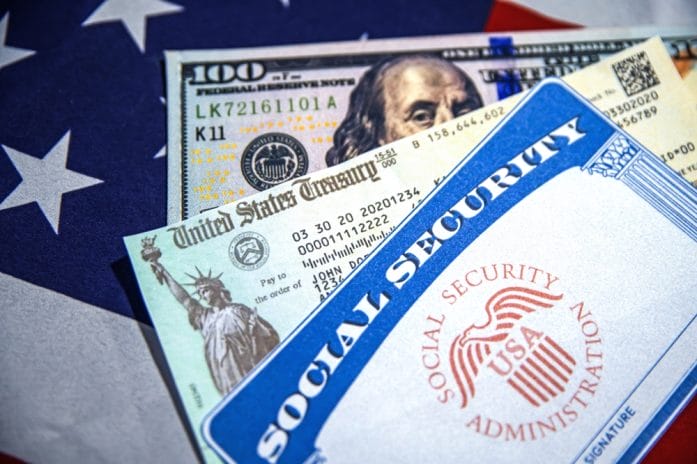
Social Security timing also plays a major role in this decision-making process. Delaying benefits increases monthly payouts, which can significantly improve long-term financial stability. When combined with rising Medicare costs, this incentive encourages many households to extend their working years rather than risk early withdrawal from the labor force.
The Hidden Financial Pressures Behind Retirement Hesitation
Longer life expectancy adds another layer of pressure because retirement savings must last more years than previous generations expected. Medical inflation rises faster than general inflation, especially in areas like prescription drugs, specialist visits, and ongoing treatments. These costs accumulate quickly, and many retirees underestimate how often they will need care once employer coverage ends. Unexpected medical bills can disrupt even carefully built retirement plans.
Housing expenses also intensify the strain, especially for retirees still paying mortgages or facing rising rent. Property taxes and maintenance costs continue regardless of employment status, which reduces flexibility in retirement budgets. Together, these financial pressures make retirement income feel tighter and less predictable than many workers anticipate.
Strategies Workers Use to Manage Rising Healthcare and Retirement Costs
Some workers extend their careers through part-time roles that preserve income while reducing workload stress. This approach allows them to maintain financial stability without committing to full-time employment. Others rely heavily on Health Savings Accounts to prepare for future medical expenses and reduce tax burdens. These accounts give workers a structured way to set aside funds specifically for healthcare needs.
Financial planners often recommend delaying Social Security benefits to maximize lifetime income potential. That strategy pairs well with careful plan selection when comparing Medicare Advantage and Medigap options. Many households also build diversified income streams to reduce reliance on a single source of retirement funding. These combined strategies help people regain control over long-term financial planning despite rising healthcare costs.
Retirement Today Depends on Strategy, Not Just Savings
Rising Medicare premiums highlight how healthcare now plays a central role in shaping retirement decisions across the country. Workers balance longevity, inflation, and benefit timing more carefully than ever before when planning their exit from the workforce. Even small monthly premium increases can shift retirement timelines by several years when budgets run tight. Financial flexibility becomes just as important as total savings in determining retirement readiness.
How should rising healthcare costs shape retirement planning in today’s economy? We want to get your advice and thoughts and experience in our comments section.
You May Also Like…
The 5 Most Expensive Retirement Mistakes Americans Over 60 Are Making During This Inflation Spike
Medicare’s Fast-Track Review Standard: Why Some Requests Must Be Approved or Denied Within 72 Hours
7 Ways Retirees Accidentally Trigger Higher Medicare Premiums
The Next Medicare Premium Shock Could Hit Retirees Harder Than Expected
5 Ways to Review Your Retirement Plan 5 Years Before Leaving Work

Brandon Marcus is a writer who has been sharing the written word since a very young age. His interests include sports, history, pop culture, and so much more. When he isn’t writing, he spends his time jogging, drinking coffee, or attempting to read a long book he may never complete.
.png)
Leave a Reply