• Home
  • About Us
  • Getting Finances Done
    • Hiring Advisors
    • Debt Management
    • Spending Plan
  • Insurance
    • Life Insurance
    • Health Insurance
    • Disability Insurance
    • Homeowners/Renters Insurance
  • Contact Us
  • Our Editorial Commitment

The Free Financial Advisor

You are here: Home / Archives for SSA errors

Survivor Benefits Are Being Miscalculated — And Widows Are Paying the Price

June 9, 2026 by Brandon Marcus Leave a Comment

Survivor Benefits Are Being Miscalculated — And Widows Are Paying the Price
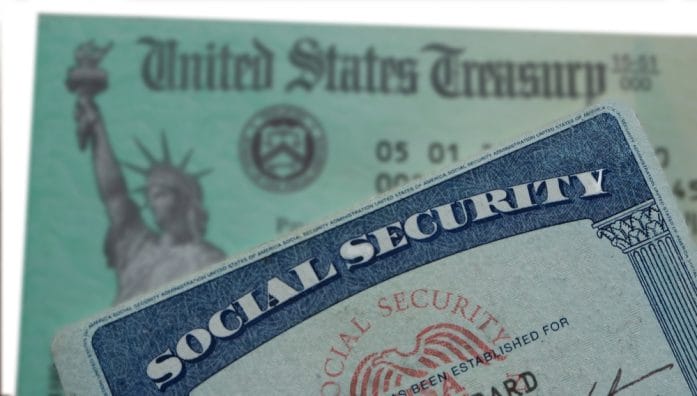
Survivor benefit miscalculations can quietly reduce monthly income for widows, making it essential to review earnings records and payment statements carefully to protect long-term financial stability. Shutterstock

For many households, survivor benefits act like a financial lifeline after the loss of a spouse. These payments should provide stability, predictability, and a sense of security during an already difficult transition. However, recent concerns have highlighted a troubling issue: calculation errors inside survivor benefit systems can quietly reduce monthly payments. Even small mistakes can add up to thousands of dollars lost over time. Widows and surviving spouses often discover the problem only after years of underpayment. That delay creates financial strain that feels both sudden and overwhelming.

These miscalculations don’t always come from obvious mistakes. They often stem from outdated earnings records, incorrect benefit formula inputs, or overlooked eligibility adjustments. In some cases, the issue begins the moment the original retirement benefit gets calculated, which then carries forward into survivor benefits. Because most recipients trust the system to be accurate, they rarely double-check the math. That trust, while understandable, can leave major gaps unnoticed for years.

How Small Calculation Errors Snowball Into Big Financial Losses

Survivor benefits rely on a complex formula tied to the deceased spouse’s lifetime earnings. A single missing year of income or incorrectly recorded salary can shrink the final benefit amount significantly. Even minor data entry issues inside government records can reduce monthly payments without any obvious warning. Over time, these reduced payments stack up into a serious financial shortfall. Many widows only realize something is wrong when comparing their benefits to a friend’s or reviewing an annual statement closely.

The system also adjusts benefits based on age, claiming timing, and household status, which introduces even more room for mistakes. A widow who claims benefits at 60 instead of full retirement age may already receive a reduced amount, but an additional calculation error can deepen the loss. In some cases, remarriage history or dependent status gets recorded incorrectly, which further distorts payment levels. These issues rarely trigger automatic corrections. Instead, they require manual review, which many recipients never request.

Why Widows Often Miss the Warning Signs

Most widows trust official benefit letters and deposit amounts without questioning the math behind them. That trust creates a gap where errors can continue unchecked for years. The benefit system does not always clearly flag discrepancies in a way that stands out to recipients. A slightly lower monthly payment might look like a standard adjustment instead of a calculation problem. Over time, that “small difference” turns into a major financial gap that affects rent, groceries, and medical costs.

Another challenge comes from emotional and administrative overload after losing a spouse. Paperwork, legal documents, and financial accounts already demand attention during a stressful period. Benefit verification often falls low on the priority list. Many people also assume corrections require complicated legal steps or lengthy appeals, so they avoid challenging the system. This hesitation allows errors to persist far longer than they should. In reality, reviewing earnings records and benefit statements can reveal issues much earlier.

The Real-World Impact on Household Stability

Miscalculated survivor benefits don’t just affect monthly income—they reshape long-term financial security. A reduction of even a few hundred dollars per month can force difficult lifestyle changes. Some widows delay medical care, reduce essential spending, or take on unexpected debt to compensate for missing funds. These adjustments ripple through every part of household budgeting. Over time, financial stress compounds the emotional strain already tied to loss.

Retirement planning also takes a hit when survivor benefits fall short. Many households rely on these payments as a foundation for fixed-income stability. When that foundation weakens, savings accounts and emergency funds get depleted faster. Inflation makes the problem even worse, since reduced benefits don’t always keep pace with rising costs. Financial advisors often stress the importance of verifying benefit accuracy early to prevent long-term instability. Even a small correction can restore thousands of dollars over a lifetime.

Protecting Survivor Benefits Before Errors Drain Income

Careful record-keeping plays a major role in preventing or correcting benefit miscalculations. Reviewing the deceased spouse’s earnings history through official statements can reveal missing or incorrect data. Cross-checking benefit letters against expected calculations can also highlight inconsistencies. If something feels off, requesting a formal review can trigger a correction process. While the system may seem intimidating, persistence often leads to adjustments and back payments when errors exist.

Financial professionals also encourage widows to reassess benefits after major life changes. Changes in income, age milestones, or updated eligibility rules can all impact payment accuracy. Keeping detailed records of correspondence with benefit offices helps build a stronger case if disputes arise. Many corrections do not happen automatically, so proactive monitoring becomes essential. Staying informed turns confusion into control and reduces the risk of long-term underpayment.

The Bottom Line on Survivor Benefit Accuracy

Survivor benefits should provide steady financial support, but calculation errors can quietly undermine that promise. Widows and surviving spouses often lose money simply because they trust the system without verifying the details. Small inaccuracies grow into major financial gaps over time, affecting everyday stability and long-term planning. Careful review, timely corrections, and awareness of potential issues can prevent unnecessary losses. Financial security after loss depends not just on eligibility, but also on accuracy.

As more people examine these concerns, the importance of benefit transparency continues to grow. Families deserve clarity when it comes to the income they rely on for daily living. Even small corrections can restore stability and confidence in long-term planning.

Have benefit calculations ever surprised you or someone you know? Share your thoughts in the comments below.

You May Also Like…

SNAP Alert: Why Some Seniors Are Seeing Lower Food Benefits This Month — and What to Check Before June Deposits Arrive

Congress Is Considering a $200 Social Security Boost—What It Could Mean for Retirees

Why Some Retirees Are Claiming Social Security Early Despite Smaller Check Warnings

Born Late in the Month? Seniors with Birthdays 21–31 Wait the Longest for May Social Security Checks

The 2027 Social Security COLA Forecast Just Jumped — Here’s What Could Still Reduce Your Check

Brandon Marcus
Brandon Marcus

Brandon Marcus is a writer who has been sharing the written word since a very young age. His interests include sports, history, pop culture, and so much more. When he isn’t writing, he spends his time jogging, drinking coffee, or attempting to read a long book he may never complete.

Filed Under: social security Tagged With: pensions, Planning, Retirement, retirement income, Social Security, SSA errors, survivor benefits, widows

Why Some Retirees Are Getting Stuck in Social Security Payment Limbo

May 16, 2026 by Brandon Marcus Leave a Comment

Why Some Retirees Are Getting Stuck in Social Security Payment Limbo
A social security card and check behind it – Shutterstock

Retirement should bring financial stability, not confusion at the mailbox or bank account. Yet across the United States, some retirees face unexpected delays, missing deposits, or frozen Social Security payments that throw carefully planned budgets into chaos. These disruptions do not just cause inconvenience—they can trigger missed rent payments, delayed prescriptions, and rising stress for people on fixed incomes. The Social Security Administration processes millions of payments each month, but even small errors in data or timing can create ripple effects. Understanding what causes these delays helps retirees protect their income and reduce financial risk.

Many of these issues come from system updates, identity verification checks, or banking mismatches that quietly stall payments. A retiree may assume everything looks fine on their end while a backend issue blocks the transfer. In some cases, retirees only discover the problem after their expected deposit fails to arrive.

Banking Errors and Direct Deposit Mismatches Can Freeze Payments

Banking issues rank among the most common reasons Social Security payments get delayed or suspended. A single incorrect account number or routing change can stop a monthly deposit without warning. Financial institutions also merge, rebrand, or update systems, which can cause old account details to become invalid. When that happens, the Social Security Administration may flag the payment and hold it until verification completes.

Even small mistakes create big delays. A retiree who switches banks without updating records may wait weeks for funds to reroute correctly. The SSA requires accurate and verified banking details before releasing funds again, which slows the process even further. Some retirees only notice the issue after their bills start stacking up, forcing urgent calls to both the bank and federal offices. This chain reaction shows how one administrative detail can disrupt an entire financial plan.

Identity Verification Holds Are Increasing for Security Reasons

Security checks now play a bigger role in Social Security payment delays than ever before. The Social Security Administration uses automated systems to confirm identity changes, address updates, or suspicious account activity. These safeguards protect against fraud, but they also create unexpected pauses for legitimate retirees. A simple mismatch between records and updated personal information can trigger a temporary hold.

Retirees often experience delays after moving, changing phone numbers, or updating legal documents. The system may flag the account until it confirms consistency across all databases. That verification process can take days or even weeks depending on the complexity of the case. During that time, payments remain suspended even if no actual fraud exists. This growing reliance on automated checks highlights the tension between security and convenience in federal benefit systems.

Processing Backlogs and Staffing Strains Slow Down Resolutions

Administrative delays inside the Social Security system also contribute to payment limbo. Offices handle high volumes of claims, updates, and corrections every month, and staffing shortages stretch processing times even further. When errors occur, workers must manually review cases, which adds additional waiting time. That backlog creates a domino effect across thousands of pending payments.

Retirees often feel the impact during peak periods, such as the beginning of the year or after major policy updates. During those times, even simple fixes take longer to resolve. A corrected file may sit in a queue for weeks before approval. This delay does not reflect a loss of benefits, but it still interrupts financial stability. The system prioritizes accuracy, but that accuracy sometimes comes at the cost of speed.

Technical Glitches and System Updates Disrupt Monthly Deposits

Technology plays a major role in Social Security payment distribution, and that creates its own risks. System upgrades, database migrations, and software patches occasionally introduce temporary errors. When those updates occur, payment files may not process correctly, leading to missing or delayed deposits. Even brief outages can affect thousands of retirees at once.

Some retirees also experience issues when automated systems fail to sync updated records across platforms. That disconnect can cause duplicate flags, incorrect holds, or rejected transfers. Although engineers usually fix these issues quickly, retirees still feel the financial strain during the downtime. These technical hiccups highlight how dependent modern retirement income has become on complex digital systems. Even a short disruption can create real-world consequences for people relying on every dollar.

How Retirees Can Protect Themselves From Payment Delays

Retirees can take proactive steps to reduce the risk of Social Security payment disruptions. Keeping banking details current with the Social Security Administration helps prevent unnecessary holds. Regularly reviewing account information also ensures that no outdated data lingers in the system. Simple updates often prevent weeks of frustration later.

Monitoring payment schedules also helps retirees catch problems early. A missed deposit should trigger immediate action through both the bank and the SSA. Keeping copies of recent benefit statements, personal identification documents, and contact records can speed up resolution times. Many retirees also benefit from setting up alerts through their banks to track incoming deposits in real time. These small habits create a stronger safety net around monthly income.

Why Some Retirees Are Getting Stuck in Social Security Payment Limbo
A senior couple about to receive a Social Security check – Shutterstock

What Retirees Should Remember About Social Security Payment Delays

Social Security payment limbo rarely happens without a reason, even if that reason stays hidden behind layers of bureaucracy or technology. Banking mismatches, identity checks, staffing delays, and system glitches all play a role in disrupting payments. Each issue carries its own fix, but resolution often takes time and patience. Retirees who stay alert to changes and maintain accurate records reduce their chances of getting caught in these delays.

What steps do you think would make Social Security payments more reliable for retirees?

You May Also Like…

Social Security Checks Are Getting Smaller for Some Retirees—And It’s Not a Benefit Cut

The Next Medicare Premium Shock Could Hit Retirees Harder Than Expected

8 Ways Seniors Could Lose Social Security Benefits Without Realizing It

Why More Seniors Are Getting Surprise Social Security Overpayment Notices

10 Financial Mistakes: What to Avoid After Receiving a Social Security Overpayment Notice

Brandon Marcus
Brandon Marcus

Brandon Marcus is a writer who has been sharing the written word since a very young age. His interests include sports, history, pop culture, and so much more. When he isn’t writing, he spends his time jogging, drinking coffee, or attempting to read a long book he may never complete.
Filed Under: social security Tagged With: benefit checks, direct deposit issues, Financial Security, government benefits, retirees, retirement benefits, retirement income, retirement planning, Social Security, social security payments, SSA delays, SSA errors

The 5-Minute SSA Error: Why Online Filers Are Getting Identity Mismatches

May 1, 2026 by Brandon Marcus Leave a Comment

The 5-Minute SSA Error: Why Online Filers Are Getting Identity Mismatches
Image Source: Shutterstock.com

Filing anything online should feel fast, smooth, and satisfying—but lately, many Social Security Administration (SSA) users hit a frustrating wall within minutes. An identity mismatch error pops up, blocks access, and leaves filers staring at their screens wondering what went wrong. This isn’t some rare glitch buried deep in the system—it’s happening often enough to raise eyebrows and slow down applications.

Even worse, the error usually appears after only a few minutes of input, which makes it feel like a trap rather than a mistake. So, what’s the good news? Well, these mismatches rarely come out of nowhere, and most of them trace back to surprisingly simple issues.

Why That “Identity Mismatch” Message Shows Up So Fast

The SSA system checks personal information in real time, and it does not show much patience for even tiny inconsistencies. One small mismatch—like a missing middle initial or a slightly outdated address—can trigger an immediate rejection. Many users assume the system will “figure it out,” but SSA databases require near-perfect alignment with official records. Speed also plays a role here, because the system flags entries quickly to prevent fraud rather than allowing questionable submissions to proceed. That means even a five-minute filing attempt can hit a dead end if anything looks even slightly off.

Plenty of people run into this problem after life changes that never made it into SSA records. A recent move, name change, or even a corrected birthdate can create discrepancies between what users enter and what the system expects. For example, someone who updated their name with the DMV but not with Social Security could trigger an instant mismatch. The same applies to married individuals who use a new last name in some places but not others. These tiny details pile up fast, and the system refuses to guess which version counts as correct.

The Most Common Data Entry Mistakes Filers Make

Typos may sound harmless, but SSA systems treat them like major red flags. A single incorrect digit in a Social Security number immediately stops the process, even if everything else looks perfect. Names also cause trouble, especially when users switch between full legal names and shortened versions without realizing it. Entering “Mike” instead of “Michael” or skipping a suffix like “Jr.” can create a mismatch that shuts everything down instantly. The system doesn’t “autocorrect” identity—it verifies it exactly as stored.

Addresses create another surprisingly common headache for online filers. The SSA database may store addresses in a very specific format, and even small formatting differences can trigger issues. For example, writing “Street” instead of “St.” or leaving out an apartment number can throw off verification. Some users also rely on autofill tools, which sometimes insert outdated or incorrect details without warning. That combination of human error and automated shortcuts creates a perfect storm for identity mismatches.

How Timing and System Updates Complicate Things

SSA databases update regularly, but not always instantly, and that timing gap causes confusion. Someone who recently updated their information might assume everything synced across systems right away. In reality, those updates can take days or even weeks to reflect everywhere they need to. Filing too soon after a change increases the chances of hitting a mismatch error. The system simply hasn’t caught up yet.

System maintenance and security updates also play a role in these errors. When the SSA strengthens fraud detection tools, it tightens verification rules at the same time. That means entries that once passed easily might now fail under stricter standards. These updates don’t always come with clear warnings, so users experience them as sudden roadblocks. It feels random, but the system actually enforces higher accuracy behind the scenes.

Simple Fixes That Solve Most Identity Mismatches

The fastest way to fix an identity mismatch starts with double-checking every single entry before submitting again. Users should match their information exactly to official SSA records, including full names, correct spellings, and proper formatting. Pulling up a Social Security card or official document helps eliminate guesswork. It may feel tedious, but precision beats speed every time in this situation. Taking an extra two minutes often saves hours of frustration.

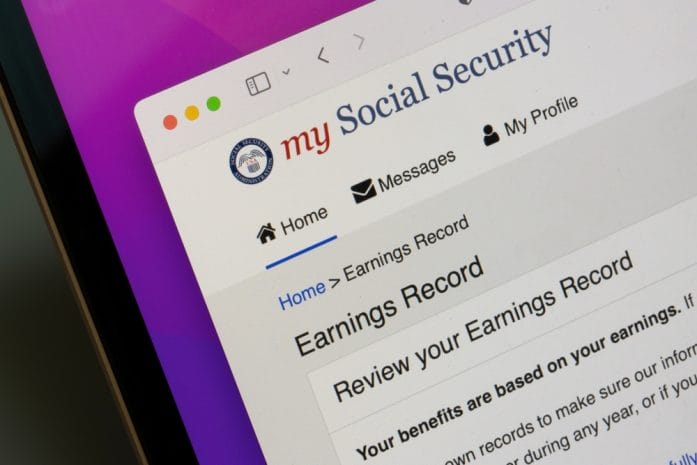
Another smart move involves verifying account details directly through the SSA before attempting another filing. Logging into an SSA account and reviewing stored information can reveal discrepancies immediately. If anything looks outdated, updating it first prevents repeated errors during filing. In some cases, contacting SSA support or visiting an office resolves deeper mismatches tied to records that need manual correction. These steps might slow things down temporarily, but they clear the path for a successful submission.

The 5-Minute SSA Error: Why Online Filers Are Getting Identity Mismatches
Image Source: Shutterstock.com

When the Error Signals Something More Serious

Not every mismatch stems from a simple typo, and ignoring repeated errors can create bigger problems. In some cases, identity mismatches hint at potential fraud or unauthorized use of personal information. If the system repeatedly rejects correct details, users should take that as a signal to investigate further. Checking credit reports and monitoring financial accounts helps identify suspicious activity early. Acting quickly reduces the risk of long-term damage.

The SSA also flags accounts when it detects unusual patterns or repeated failed attempts. That security measure protects users, but it can temporarily lock legitimate filers out of their accounts. Anyone facing multiple mismatches should avoid rapid retries and instead pause to verify all details carefully. If concerns about identity theft arise, contacting SSA directly becomes essential. A short delay beats dealing with a compromised identity later.

How To Avoid the 5-Minute Error

That quick identity mismatch message might feel like an annoying glitch, but it actually reveals how strict modern verification systems have become. The SSA prioritizes accuracy and fraud prevention over convenience, and that approach shows up in every online interaction. Filers who slow down, verify their identity, and stay consistent across records avoid most of these issues entirely. Treating personal data like a precise code rather than flexible information makes all the difference. A few extra minutes of attention up front can turn a frustrating experience into a smooth, successful filing.

So the next time an identity mismatch appears, don’t rush to blame the system—dig into the details and fix the root cause. What’s the strangest error message that’s ever stopped an online form in its tracks for you?

You May Also Like…

The Overlooked Spousal Benefit Guideline That Quietly Cuts Monthly Social Security Payments

The 4 Social Security Rules Experts Say Everyone Should Know Before Age 62

New Retirees Are Waiting Weeks for Their First Social Security Check—Here’s Why

Why Every Newly Married Woman Should Update Her Social Security Record Right Away

The Financial Review Process Most People Skip That Exposes Them to Identity and Account Abuse

Brandon Marcus
Brandon Marcus

Brandon Marcus is a writer who has been sharing the written word since a very young age. His interests include sports, history, pop culture, and so much more. When he isn’t writing, he spends his time jogging, drinking coffee, or attempting to read a long book he may never complete.
Filed Under: social security Tagged With: filing tips, financial mistakes, fraud prevention, government benefits, identity mismatch, identity verification, online filing, Personal Finance, Social Security, SSA errors, SSA login issues, tax filing issues

Follow Us

Search this site:

Recent Posts

  • Can My Savings Account Affect My Financial Aid? by Tamila McDonald
  • 12 Ways Gen X’s Views Clash with Millennials… by Tamila McDonald
  • What Advantages and Disadvantages Are There To… by Jacob Sensiba
  • 10 Tactics for Building an Emergency Fund from Scratch by Vanessa Bermudez
  • Call 911: Go To the Emergency Room Immediately If… by Stephen Kanaval
  • 7 Weird Things You Can Sell Online by Tamila McDonald
  • 10 Scary Facts About DriveTime by Tamila McDonald

Copyright © 2026 · News Pro Theme on Genesis Framework