• Home
  • About Us
  • Toolkit
  • Getting Finances Done
    • Hiring Advisors
    • Debt Management
    • Spending Plan
  • Insurance
    • Life Insurance
    • Health Insurance
    • Disability Insurance
    • Homeowners/Renters Insurance
  • Contact Us
  • Risk Tolerance Quiz
  • Our Editorial Commitment

The Free Financial Advisor

You are here: Home / Archives for Real estate

Escrow Shock: Why Some Mortgage Payments Suddenly Jumped $300 or More

February 18, 2026 by Brandon Marcus Leave a Comment

Escrow Shock: Why Some Mortgage Payments Suddenly Jumped $300 or More
Image source: shutterstock.com

Your mortgage payment didn’t “creep” up. It lunged. One month you paid what you always pay. The next month your statement shows a number that looks like it belongs to someone else’s house. Three hundred dollars more. Sometimes four. Sometimes worse. Nothing changed about your loan rate, nothing changed about your home, and yet your bank now expects a whole lot more from you every single month.

This isn’t a mystery. It’s escrow shock. And once you understand how escrow works, why lenders require it, and how taxes and insurance have surged in recent years, the jump starts to make sense—even if it still stings.

The Escrow Account: The Quiet Middleman That Packs a Punch

Most homeowners with conventional loans backed by Fannie Mae or Freddie Mac, along with borrowers who use loans insured by Federal Housing Administration or guaranteed by the Department of Veterans Affairs, carry an escrow account as part of their mortgage. Lenders set up escrow accounts to collect property taxes and homeowners insurance payments on your behalf. Instead of trusting you to pay those large annual bills yourself, they divide those costs into monthly chunks and collect them alongside your principal and interest.

Here’s where it gets real: your lender estimates what your property taxes and insurance will cost for the year, divides that total by 12, and adds it to your mortgage payment. If those estimates fall short of reality, your account runs into a shortage. Your lender then recalculates your payment to cover both the new, higher projected costs and the shortage from the previous year.

Property Taxes: When Your Home’s Value Turns Against You

Cities and counties reassess property values regularly. When home values rise, local governments often increase assessed values to match market trends. Higher assessed value usually leads to higher property taxes, especially if local tax rates stay the same or increase.

In many parts of the country, home prices surged between 2020 and 2023. When assessors caught up with those market gains, tax bills followed. Some homeowners saw annual property tax bills rise by hundreds or even thousands of dollars. Escrow accounts had to absorb those increases.

Local governments don’t consult your monthly budget before they issue a tax bill. They fund schools, police departments, road repairs, and other services through those tax revenues. When inflation drives up the cost of public services, local officials sometimes adjust tax rates or valuations accordingly.

Homeowners Insurance: Climate Risk Has a Price Tag

Insurance costs have surged across many states. Insurers point to higher rebuilding costs due to inflation, supply chain disruptions, and labor shortages. Severe weather events, including hurricanes, wildfires, hailstorms, and floods, have also driven up claims. When insurers pay out more in claims, they often raise premiums to balance risk.

Some states have experienced particularly steep increases. In certain markets, insurers have pulled out entirely or reduced coverage options. That reduced competition leaves homeowners with fewer choices and often higher prices.

If your homeowner’s insurance premium jumped by thousands a year, your escrow payment would need to increase to cover that difference.

You don’t have to accept your renewal quote without shopping around. Compare policies from multiple carriers. Work with an independent insurance agent who can check rates across several companies. Make sure you maintain adequate coverage but look closely at deductibles and optional add-ons. A slightly higher deductible can lower your premium, though you need to feel comfortable covering that amount if you file a claim.

The Escrow Shortage Double Hit

Lenders don’t just adjust your payment for future higher costs. They also collect the shortage from the past year. Let’s say your escrow account fell $1,800 short because taxes and insurance exceeded projections. Your lender typically spreads that shortage over 12 months. That alone adds $150 per month. On top of that, they increase your base escrow amount to match the new projected annual total.

So you might see $150 added for the shortage plus another $120 added for higher future costs. That’s $270 per month right there, without touching your interest rate or principal. The increase feels sudden, but the underlying costs built up gradually over time.

Lenders send an annual escrow analysis statement that breaks down these numbers. It shows what they projected, what they actually paid, and how they calculated the new payment. Don’t ignore that statement. Read it line by line. If something looks off, call your servicer and ask for clarification.

What You Can Do Right Now

First, review your escrow analysis carefully. Confirm that your lender used the correct property tax and insurance amounts. Errors do happen, and you have every right to question discrepancies.

Second, consider paying the shortage in a lump sum if your budget allows. Many lenders give you that option. If you pay the shortage upfront, your monthly payment will reflect only the higher projected costs, not the extra amount to cover last year’s gap.

Third, shop for insurance before your next renewal. Start early. Give yourself at least 30 days to compare quotes and make changes. Keep your coverage solid, but look for savings where you can.

Finally, check whether you can remove escrow altogether. Some lenders allow borrowers with sufficient equity, typically 20 percent or more, to cancel escrow and pay taxes and insurance directly. That move gives you more control, but it also requires discipline. If you miss a tax or insurance payment, serious consequences follow, including potential default. Only take that step if you feel confident in your budgeting skills.

Escrow Shock: Why Some Mortgage Payments Suddenly Jumped $300 or More
Image source: shutterstock.com

Fixed Rates Don’t Mean Fixed Costs

Many homeowners locked in historically low mortgage rates in recent years. That fixed rate protects your principal and interest payment from interest rate swings. It does not freeze property taxes or insurance premiums.

Homeownership includes variable costs. Maintenance, utilities, taxes, insurance, and association fees can all change over time. Escrow shock reminds you that the total monthly cost of owning a home extends beyond the interest rate on your loan.

When you budget for a home, look at the full picture. Run scenarios where taxes increase by 10 percent or insurance premiums rise sharply. Stress-test your numbers before you buy, not after your payment jumps.

Stay Proactive or Stay Surprised

Escrow shock doesn’t appear out of nowhere. It grows from rising tax assessments, climbing insurance premiums, and past underestimates that lenders must correct. You can’t control every external factor, but you can control how closely you monitor your costs and how quickly you respond.

Stay on top of your property tax assessments. Shop your insurance regularly. Read every escrow analysis. Build a financial buffer that gives you breathing room. When you treat your housing costs as an active part of your financial life rather than a static bill, you reduce the odds of a nasty surprise.

A $300 jump feels overwhelming in the moment, but clarity and action can shrink that stress down to size. Have you checked your latest escrow statement, and did anything surprise you? Let’s talk about it in our comments below.

You May Also Like…

The Little-Known Escrow Rule Causing Surprise Payment Spikes

Escrow Shortages Are Adding $100–$300 to Monthly Mortgage Payments

Insurance Now Accounts for 9% of Typical Monthly Mortgage Payment

Why a Mortgage & Protection Network Matters in Today’s Advice Market

7 Hidden Signs You Should Refinance Your Mortgage Right Now

Brandon Marcus
Brandon Marcus

Brandon Marcus is a writer who has been sharing the written word since a very young age. His interests include sports, history, pop culture, and so much more. When he isn’t writing, he spends his time jogging, drinking coffee, or attempting to read a long book he may never complete.

Filed Under: Lifestyle Tagged With: budgeting, escrow account, homeowners insurance, homeownership, Housing Market, Inflation, Life, Lifestyle, monthly payments, mortgage, Personal Finance, Planning, property taxes, Real estate

The Property Tax Appeal That Can Cut $100–$500 From Monthly Payments

February 16, 2026 by Brandon Marcus Leave a Comment

The Property Tax Appeal That Can Cut $100–$500 From Monthly Payments
Image source: shutterstock.com

You don’t need a raise to lower your housing payment. You need a pencil, a little nerve, and the willingness to challenge a number that your local government assigns to your home.

Property taxes often make up a significant chunk of a monthly mortgage payment, especially if a lender rolls taxes into escrow. When the county increases your assessed value, your tax bill climbs right along with it. Many homeowners assume that number comes down from the heavens, fixed and untouchable. It does not. Every year, thousands of people file property tax appeals and win reductions that shave $100 to $500 off their monthly payments. That kind of savings changes budgets, breathing room, and long-term plans.

The key lies in understanding how property tax assessments work and how to push back in a smart, evidence-based way.

The Assessment Isn’t a Verdict, It’s an Opinion

Your local tax assessor assigns a value to your property, and that value drives your annual tax bill. Assessors rely on mass appraisal techniques, which means they analyze large groups of properties at once using recent sales data, neighborhood trends, and property characteristics like square footage, lot size, and features. They do not walk through every kitchen or measure every cracked driveway. They work with data, formulas, and assumptions.

That system keeps the process efficient, but it also leaves room for error. Assessors may record incorrect square footage, list a finished basement that does not exist, or compare your modest ranch to a renovated showpiece down the street. Even small discrepancies can inflate the assessed value, and that inflated value increases your tax bill year after year.

An appeal does not accuse anyone of wrongdoing. It simply argues that the assessed value exceeds the property’s fair market value as of the valuation date.

Why a Lower Assessment Can Cut $100–$500 From Monthly Payments

Property taxes often get folded into mortgage escrow accounts. Each month, you pay principal, interest, insurance, and taxes in one bundled amount. When property taxes rise, your lender adjusts your monthly payment to cover the higher annual tax bill. When taxes fall, that monthly payment drops as well.

Imagine a home with an annual property tax bill of $6,000. If a successful appeal reduces the assessed value enough to cut the bill by $2,400 per year, that translates to $200 less per month in escrow. In higher-tax areas, reductions can reach $3,000 to $6,000 annually, which means $250 to $500 back in your pocket each month. Those numbers do not require wild market swings; they reflect realistic outcomes in jurisdictions where assessments overshoot market value.

The math feels straightforward, but the impact feels profound. A few hundred dollars each month can cover a car payment, fund retirement contributions, or create a real emergency cushion. Over several years, those savings compound, especially if you secure a lower baseline assessment that future increases build from.

Step One: Audit Your Property Record Like a Detective

Before you gather comparable sales or draft arguments, start with the basics. Pull your property record card from the assessor’s website or office and review every line. Check the square footage, number of bedrooms and bathrooms, lot size, construction quality, and listed improvements. If the record shows a finished attic that you never finished or counts a three-season porch as heated living space, that mistake gives you a powerful starting point.

Next, compare your assessed value to recent sales in your neighborhood. Look for homes with similar size, age, and condition that sold close to the assessment date. Real estate listing sites, county records, and local multiple listing service data provide this information. Focus on actual sale prices, not listing prices, since tax assessors base values on closed transactions.

When you spot properties that sold for less than your assessed value, document them carefully. Print the sale details, note square footage, and highlight similarities. You want to show that the market values comparable homes at lower prices than the assessor assigned to yours. Solid evidence always carries more weight than frustration.

Step Two: Build a Case That Feels Professional and Precise

An effective property tax appeal reads like a focused argument, not a rant. State the assessed value, state the value you believe reflects fair market value, and explain why the evidence supports your conclusion. Attach comparable sales, photographs of any condition issues, and documentation of errors in the property record.

If your home needs significant repairs, include contractor estimates or inspection reports. A roof at the end of its life, foundation cracks, outdated electrical systems, or water damage all affect market value. Buyers factor those issues into offers, so assessors should factor them into valuations. Make sure the evidence ties directly to market impact rather than personal preference.

When Hiring an Expert Makes Sense

Some homeowners handle appeals on their own and win. Others prefer to hire a property tax consultant or a real estate appraiser. An independent appraisal can carry significant weight because it reflects a detailed analysis by a licensed professional. However, appraisals cost money, and you should weigh that cost against potential savings.

Property tax appeal firms often work on contingency, which means they collect a percentage of the tax savings if you win. That arrangement reduces upfront risk, but it also trims your net benefit. Before signing any agreement, ask about fees, timelines, and experience in your specific county. Local knowledge matters because each jurisdiction follows its own procedures and valuation standards.

If your potential savings reach several thousand dollars per year or your property presents complex valuation issues, professional help can make sense. If the difference looks modest and your property record shows clear errors, you may feel comfortable handling the process yourself.

The Property Tax Appeal That Can Cut $100–$500 From Monthly Payments
Image source: shutterstock.com

The Hidden Bonus: Long-Term Savings and Fairness

A successful appeal does more than lower one year’s bill. It resets the assessed value, which future increases often build upon. Even if the assessor raises values again next year, that increase starts from a lower base, which can slow the pace of tax growth over time. That dynamic creates a compounding effect that many homeowners overlook.

Appeals also promote fairness. Property taxes fund schools, roads, emergency services, and local programs. Those services matter. But fairness demands that each property owner pays taxes based on accurate valuations. When assessments overshoot market reality, they shift the tax burden unevenly. By appealing, you protect your finances and support a more balanced system.

Keep in mind that some states limit annual assessment increases through homestead exemptions or caps, while others allow larger swings. Understanding your state’s rules helps you evaluate both the risks and rewards of appealing.

What It Takes to Actually Win

Winning a property tax appeal requires organization, patience, and a willingness to engage with a bureaucratic process. It does not require a law degree. Start early, meet every deadline, and keep copies of everything you submit. Mark hearing dates on your calendar and prepare as if you plan to defend a thesis.

Approach the process with calm confidence. Focus on market value, comparable sales, and factual errors. Avoid arguments about your personal financial situation or general complaints about taxes. Appeal boards respond to evidence, not emotion.

Many homeowners skip appeals because they assume the effort will not pay off. Yet year after year, counties adjust assessments downward after reviewing strong cases. You do not need to storm city hall; you need to present a well-documented argument that aligns with market reality.

The Monthly Payment You Can Redesign

A property tax appeal offers one of the few legal, practical ways to reshape your housing costs without refinancing or moving. You challenge a number, back up your position with data, and potentially unlock $100 to $500 in monthly savings that continue year after year. That kind of leverage deserves attention.

How much could you save if you took a hard look at your property tax bill this year? Let’s talk about it in our comments section below.

You May Also Like…

The Property Tax Increases Hitting 13 Disaster-Prone States in 2026

9 Georgia Counties Where Property Taxes Are Set to Rise the Fastest

Income Threshold: 4 Hidden Taxes That Hit Once You Cross Certain Limits

Florida Homeowners See First Rate Decrease in 10 Years — Citizens Property Insurance Dropping Premiums 2.6%

7 Lesser-Known Costs of Selling Inherited Property

Brandon Marcus
Brandon Marcus

Brandon Marcus is a writer who has been sharing the written word since a very young age. His interests include sports, history, pop culture, and so much more. When he isn’t writing, he spends his time jogging, drinking coffee, or attempting to read a long book he may never complete.

Filed Under: Lifestyle Tagged With: appraisal, assessed value, home equity, homeownership, Housing Costs, Life, Lifestyle, local government, mortgage payments, Planning, property tax appeal, property taxes, Real estate, tax savings

State Farm Files for 10% Rate Reduction in Florida After Years of Increases

February 10, 2026 by Brandon Marcus Leave a Comment

State Farm Files for 10% Rate Reduction in Florida After Years of Increases
Image source: shutterstock.com

Florida’s insurance market has spent years feeling like one of those rides that climbs slowly, drops suddenly, and leaves you wondering why you ever got on in the first place. But for once, the latest twist is actually good news.

State Farm, one of the largest insurers in the country, has filed for a 10% rate reduction for Florida homeowners. Yes, you read that correctly: a reduction, not another increase. After years of rising premiums, shrinking options, and policyholders bracing for the next round of bad news, this filing feels like someone finally cracked open a window in a very stuffy room.

Why a Rate Reduction Is Even on the Table

For years, Florida’s insurance market has been defined by rising costs, insurer exits, and a steady stream of premium hikes. So why would State Farm suddenly decide it’s time to lower rates? The answer lies in a combination of improving financial conditions and recent legislative reforms aimed at stabilizing the market.

Over the past few years, Florida has implemented changes designed to reduce litigation, curb fraudulent claims, and create a more predictable environment for insurers. These reforms are starting to show results, and some companies—State Farm included—are seeing fewer losses and more stability. When an insurer’s financial outlook improves, rate reductions become possible. It’s a sign that the market may finally be inching toward balance after a long stretch of turbulence.

What a 10% Reduction Really Means for Homeowners

A 10% reduction may not sound dramatic at first glance, but in a state where premiums have climbed faster than almost anywhere else, even a modest decrease can feel like a breath of fresh air. For many homeowners, insurance costs have become one of the most unpredictable parts of their budget.

A reduction signals not just lower bills, but a potential shift in momentum. State Farm’s change could encourage other insurers to reevaluate their own rates, especially if they’re experiencing similar improvements in their financial performance. While no one should expect a sudden wave of dramatic cuts, even incremental relief can help homeowners regain a sense of control.

State Farm Files for 10% Rate Reduction in Florida After Years of Increases
Image source: shutterstock.com

The Role of Legislative Reforms in Shaping the Market

Florida’s insurance challenges didn’t appear overnight, and neither did the solutions. Over the past several years, lawmakers have passed reforms aimed at reducing excessive litigation, limiting assignment‑of‑benefits abuses, and encouraging insurers to remain in the state. These changes were designed to address long‑standing issues that contributed to rising premiums and insurer instability.

While the full impact of these reforms will take time to unfold, early indicators suggest they’re helping reduce losses and create a more sustainable environment. State Farm’s rate filing is one of the first major signs that the reforms may be working. For homeowners, this is a reminder that policy changes can have real, tangible effects on their monthly expenses.

Why State Farm’s Move Matters Beyond Its Own Customers

Even if you’re not insured with State Farm, this filing could still affect you. When a major insurer signals confidence in the market by lowering rates, it sends a message to competitors and regulators alike. Other companies may feel pressure to reassess their pricing, especially if they’ve been holding onto higher rates as a precaution.

A healthier market also attracts new insurers, which increases competition and gives homeowners more options. While no one should expect an overnight transformation, State Farm’s decision could be the first domino in a slow but meaningful shift toward a more stable and affordable insurance landscape.

What Homeowners Should Do While Waiting for Approval

Rate filings don’t take effect immediately. While the process unfolds, homeowners can take steps to position themselves for potential savings. Start by reviewing your current policy and checking whether you’re receiving all available discounts, such as wind mitigation credits or home safety upgrades.

It’s also a good time to compare quotes from multiple insurers, especially if you haven’t shopped around in a while. Even if State Farm’s reduction is approved, the best deal for your home may come from another company. Staying proactive ensures you’re ready to take advantage of any positive changes in the market.

A Glimpse of Relief in a Long Journey

A 10% rate reduction won’t solve every problem, but it represents something Florida homeowners haven’t seen in a long time: movement in the right direction. It’s a reminder that markets can recover, reforms can work, and insurers can shift from survival mode to stability. Whether you’re a State Farm customer or simply watching the market from the sidelines, this filing is worth keeping on your radar. It may be the first sign of a more balanced future—one where homeowners can breathe a little easier when renewal season rolls around.

What do you think this rate reduction signals for Florida’s insurance future? How are you feeling about your home insurance options in the Sunshine State?

You May Also Like…

Florida Homeowners Are Seeing Insurance Rates Decreasing In 2026

The Roof Age That Automatically Disqualifies Florida Homes From Coverage

Florida Homeowners See First Rate Decrease in 10 Years — Citizens Property Insurance Dropping Premiums 2.6%

The Home Insurance Review Clause That’s Triggering Surprise Policy Cancellations in 2026

Home Insurance: The Smart Way to Protect Your Home and Finances

Insurance Just Stopped Paying for These Routine Health Supplies — Check Your Plan Immediately

Brandon Marcus
Brandon Marcus

Brandon Marcus is a writer who has been sharing the written word since a very young age. His interests include sports, history, pop culture, and so much more. When he isn’t writing, he spends his time jogging, drinking coffee, or attempting to read a long book he may never complete.

Filed Under: Insurance Industry Tagged With: consumer finance, financial relief, Florida insurance, homeowners insurance, insurance market, insurance trends, property coverage, rate reduction, Real estate, State Farm, storm risk

Florida’s 3.35% Non-Renewal Rate: Why Hundreds of Thousands Lost Home Insurance Last Year

February 10, 2026 by Brandon Marcus Leave a Comment

Florida's 3.35% Non-Renewal Rate: Why Hundreds of Thousands Lost Home Insurance Last Year
Image source: shutterstock.com

Florida has never been a quiet place when it comes to insurance, but last year’s numbers felt like a jolt even by Florida standards. A 3.35% non-renewal rate may look small on paper, but in a state with millions of policies, that percentage translates into hundreds of thousands of homeowners suddenly left without coverage. It’s the kind of statistic that makes you stop mid-scroll and wonder how a market can change so dramatically in such a short time.

The reality is that Florida’s insurance landscape has been under pressure for years, and this latest wave of non-renewals is the clearest sign yet that the system is straining under the weight of rising risks and rising costs.

When Storm Damage Becomes a Financial Breaking Point

Florida’s weather has always been a character in its own story, but recent years have brought storms that leave insurers with staggering claim totals. According to an analysis of official NAIC data, Florida had the highest non-renewal rate in the nation, with 3.35% of homeowners dropped by their carriers, often after suffering severe storm damage.

Insurers don’t make these decisions lightly, but repeated large-scale losses can push companies to reassess their risk exposure. When storms become more frequent or more destructive, insurers face higher payouts, and some respond by tightening their underwriting standards. That means homeowners in high-risk areas may find themselves without coverage even if they’ve never filed a claim. For residents, this creates a frustrating cycle: the very storms that make insurance essential are the same storms making it harder to keep.

The Rising Cost of Rebuilding and Repairing

Insurance isn’t just about weather—it’s also about the cost of putting things back together. Construction prices have climbed sharply in recent years, driven by labor shortages, supply chain issues, and higher material costs. When the price of rebuilding a home rises, insurers must adjust their risk calculations to match the new reality. A claim that once cost tens of thousands can now cost significantly more, and that financial pressure trickles down into premiums, underwriting decisions, and ultimately non-renewals.

Homeowners may not see the behind-the-scenes math, but they feel the impact when their insurer decides the risk is no longer worth taking. If you’re a homeowner, reviewing your home’s replacement cost estimate each year can help you stay ahead of potential coverage gaps.

Florida's 3.35% Non-Renewal Rate: Why Hundreds of Thousands Lost Home Insurance Last Year
Image source: shutterstock.com

Fraud, Litigation, and the Legal Landscape

Florida’s insurance market has long been shaped by legal challenges, including high rates of litigation and fraud. While not every claim is problematic, the volume of lawsuits in the state has historically been far higher than the national average. This legal environment increases costs for insurers, who must account for the possibility of lengthy disputes even when claims are legitimate.

Over time, these added expenses contribute to higher premiums and more aggressive non-renewal strategies. Recent legislative reforms aim to reduce frivolous lawsuits and stabilize the market, but the effects will take time to fully materialize. Homeowners can help protect themselves by keeping detailed records of repairs, inspections, and communications with contractors.

Insurers Leaving or Shrinking Their Footprint

Another major factor behind the non-renewal wave is the number of insurers reducing their presence in Florida or exiting the state entirely. When companies decide the market is too risky, they stop writing new policies or decline to renew existing ones. This creates a domino effect: fewer insurers mean less competition, which leads to higher prices and fewer options for homeowners.

Some residents end up turning to Citizens Property Insurance Corporation, the state-backed insurer of last resort, which has seen its policy count grow significantly. While Citizens provides essential coverage, it’s not designed to be the primary insurer for such a large portion of the state. If you’re shopping for coverage, comparing quotes early and exploring multiple carriers can help you avoid last-minute scrambles.

The Impact on Everyday Homeowners

For the average homeowner, losing insurance isn’t just an inconvenience—it can jeopardize mortgages, delay repairs, and create financial uncertainty. Lenders require continuous coverage, so a non-renewal notice often triggers a frantic search for a new policy.

In some cases, homeowners may face premiums that are dramatically higher than what they previously paid, stretching budgets already under pressure. Others may struggle to find any insurer willing to take on their property, especially if it’s older or located in a high-risk zone. Staying proactive—by maintaining your home, updating your roof, and documenting improvements—can make you more appealing to insurers and reduce the likelihood of being dropped.

What Homeowners Can Do Moving Forward

While homeowners can’t control the weather or the broader insurance market, they can take steps to strengthen their position. Regular home maintenance, wind mitigation upgrades, and roof inspections can make a meaningful difference in how insurers view your property. Shopping around well before your renewal date gives you time to compare options and avoid rushed decisions.

Staying informed about legislative changes and market trends can also help you anticipate shifts before they hit your mailbox. And if you do receive a non-renewal notice, don’t panic—start gathering quotes immediately and consider speaking with an insurance agent who understands the nuances of Florida’s market.

A Market in Motion, and Homeowners Caught in the Middle

Florida’s 3.35% non-renewal rate is more than a statistic—it’s a snapshot of a market undergoing rapid transformation. Homeowners are navigating a landscape shaped by storms, rising costs, legal complexities, and shifting insurer strategies. While the challenges are real, understanding the forces at play can help you make smarter decisions and stay ahead of potential disruptions. The insurance market may continue to evolve, but informed homeowners can adapt right along with it.

What changes have you noticed in your home insurance situation over the past year? Give us your thoughts below.

You May Also Like…

Florida Homeowners Are Seeing Insurance Rates Decreasing In 2026

The Roof Age That Automatically Disqualifies Florida Homes From Coverage

Insurance Just Stopped Paying for These Routine Health Supplies — Check Your Plan Immediately

The Credit Score That Adds $2,000/Year to Florida Homeowner’s Insurance Premiums

Why South Carolina is Beating Florida in Retirement Relocation


Brandon Marcus
Brandon Marcus

Brandon Marcus is a writer who has been sharing the written word since a very young age. His interests include sports, history, pop culture, and so much more. When he isn’t writing, he spends his time jogging, drinking coffee, or attempting to read a long book he may never complete.

Filed Under: Insurance Tagged With: climate risk, Consumer Protection, Florida insurance crisis, Home insurance, homeowners, insurance market, insurance non-renewal, Planning, property coverage, Real estate, storm damage

The 60-Day Window to Contest Homeowner Cancellation Based on Satellite Images

February 9, 2026 by Brandon Marcus Leave a Comment

The 60-Day Window to Contest Homeowner Cancellation Based on Satellite Images
Image source: shutterstock.com

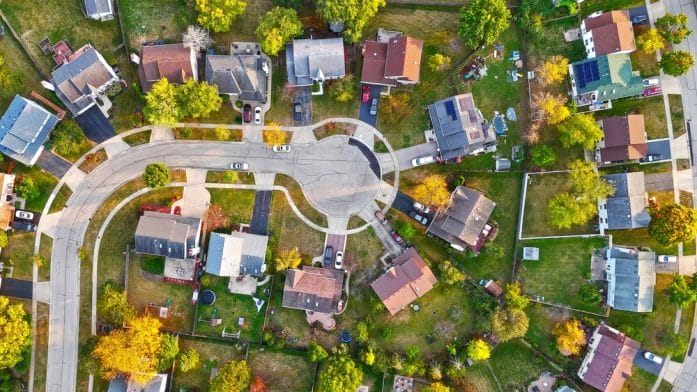
Homeowners insurance has always been a world of fine print, renewal notices, and the occasional surprise premium increase. But in recent years, a new twist has entered the picture — literally. Insurers are increasingly using satellite and aerial imagery to evaluate properties, sometimes without ever stepping foot on the ground.

These images can reveal roof wear, overgrown vegetation, debris, or structural concerns, and insurers are acting on them quickly. For many homeowners, the first sign of trouble is a cancellation or nonrenewal notice that seems to come out of nowhere. What most people don’t realize is that they have a powerful but time‑sensitive tool at their disposal: a 60‑day window to contest the decision. This is your tool, and weapon, to fight back.

When the Sky Becomes the Inspector

Satellite imagery has become one of the insurance industry’s favorite tools because it’s fast, inexpensive, and incredibly detailed. Instead of scheduling an in‑person inspection, insurers can review a property from above and flag anything that looks like a potential risk. This includes roof discoloration, missing shingles, moss growth, tree limbs hanging over the house, or even debris that suggests poor maintenance.

While the technology is impressive, it’s far from perfect. Shadows, seasonal changes, and image quality can all distort what’s actually happening on the ground. That’s why cancellation notices based on aerial photos often feel so shocking — homeowners may have no idea that something on their roof or property was flagged as a hazard. The good news is that insurers are required to give advance notice, and that notice triggers your opportunity to push back.

The 60-Day Countdown Starts With the Notice

There are many reasons why insurers may cancel a plan, but whenever they do so based on property condition, they must send a written notice explaining the reason. This notice typically arrives 30 to 60 days before the policy ends, depending on state regulations. The moment you receive it, the clock starts ticking.

Most states give homeowners a 60‑day window to contest the decision, provide evidence, or complete repairs that address the insurer’s concerns. This window is crucial because once it closes, the cancellation becomes final, and reinstating coverage becomes significantly harder. Acting quickly is essential. The sooner you gather information, schedule inspections, or document the true condition of your property, the stronger your case will be. Waiting until the last week rarely ends well, especially if repairs or professional evaluations are needed.

Understanding What the Insurer Saw

Before contesting a cancellation, you need to know exactly what triggered it. Insurers must provide a reason, but the explanation is often vague — something like “roof condition” or “vegetation hazard.”

You have the right to request the specific images or reports used to make the decision. This step is important because aerial photos can be misleading. Moss may look like structural damage, shadows may resemble missing shingles, and tree branches may appear closer to the roof than they actually are.

Once you have the images, compare them to the real‑world condition of your property. If the photos are outdated, unclear, or simply inaccurate, you have a strong basis for contesting the cancellation. Even if the issue is legitimate, understanding the insurer’s perspective helps you address it effectively.

The 60-Day Window to Contest Homeowner Cancellation Based on Satellite Images
Image source: shutterstock.com

How to Build a Strong Case Within the Window

Contesting a cancellation isn’t just about disagreeing with the insurer — it’s about presenting clear, credible evidence. Start by taking your own photos from multiple angles, including close‑ups of the areas in question. If the issue involves the roof, consider hiring a licensed roofer to perform an inspection and provide a written report. Professional documentation carries significant weight and can counteract assumptions made from aerial images.

If repairs are needed, schedule them immediately and keep receipts, invoices, and before‑and‑after photos. Many insurers will reinstate coverage if the homeowner demonstrates prompt action and provides proof that the issue has been resolved. The key is to communicate clearly, respond quickly, and provide organized documentation. Insurers are far more likely to reconsider when homeowners show initiative and evidence.

When the Insurer Won’t Budge

Even with strong evidence, some insurers may refuse to reverse a cancellation. In these cases, homeowners still have options. Many states allow consumers to file complaints with their insurance department, which can trigger a review of the insurer’s decision. Regulators may request additional information, evaluate whether the cancellation was justified, or require the insurer to reconsider if the decision violated state rules.

While this process doesn’t guarantee reinstatement, it can slow down the cancellation timeline and give homeowners more time to secure alternative coverage. If you must switch insurers, acting early gives you a better chance of finding a standard policy rather than relying on a last‑resort plan.

Staying Ahead of Future Aerial Reviews

The rise of satellite‑based inspections means homeowners need to think differently about property maintenance. Issues that once went unnoticed until an in‑person inspection may now be flagged months earlier from the sky. Regular roof cleaning, trimming overhanging branches, clearing debris, and documenting repairs can help you stay ahead of potential problems.

It’s also wise to keep records of any professional work done on your home, as this documentation can be invaluable if an insurer questions your property’s condition. While you can’t control when or how insurers use aerial imagery, you can control how prepared you are when they do.

Your Window of Opportunity Matters More Than Ever

The 60‑day window to contest a cancellation isn’t just a bureaucratic formality — it’s your chance to correct errors, provide evidence, and keep your insurance intact. As insurers rely more heavily on satellite images, misunderstandings and misinterpretations are becoming more common. Acting quickly, gathering documentation, and understanding your rights can make all the difference. Homeowners who respond promptly often succeed in reversing cancellations or securing better coverage. Those who wait risk losing their policy and facing higher costs or limited options.

What steps would you take if your insurer tried to cancel your policy based on aerial photos? Make sure that you share your tales and successes in the comments below.

You May Also Like…

Heritage Insurance Approved: 9.6% Premium Drop for Seminole County Homeowners

Top 3 Water Damage Claims Home Insurance Actually Covers

Florida Homeowners Are Seeing Insurance Rates Decreasing In 2026

The $2,000 Average National Homeowner Premium — Highest Share of Mortgage Payment Ever

Citizens Property Insurance Sees Sharp Drop in Policies — What It Means for Homeowners in 2026

Brandon Marcus
Brandon Marcus

Brandon Marcus is a writer who has been sharing the written word since a very young age. His interests include sports, history, pop culture, and so much more. When he isn’t writing, he spends his time jogging, drinking coffee, or attempting to read a long book he may never complete.


Filed Under: Insurance Tagged With: aerial imagery, Consumer Protection, home maintenance, homeowners insurance, insurance appeals, insurance cancellation, insurance rights, policy nonrenewal, property inspections, Real estate, satellite photos

8 Homeowner Insurance Denials Based on Aerial Photos

February 9, 2026 by Brandon Marcus Leave a Comment

These Are 8 Homeowner Insurance Denials Based on Aerial Photos
Image source: shutterstock.com

Homeowners have always known that insurance companies keep a close eye on risk, but the definition of “close” has changed dramatically in recent years. Instead of sending inspectors to climb ladders or walk roofs, many insurers now rely on aerial imagery to evaluate properties — sometimes without the homeowner ever knowing their house was being examined.

These high‑resolution photos can spot everything from missing shingles to overgrown trees, but they’ve also led to a wave of surprising coverage denials. One of the most common culprits? Moss. Yes, the green fuzz that grows on damp shingles has become a trigger for non‑renewals and policy cancellations across the country. But there are far more, and it’s becoming clear that aerial photos may be homeowners’ new worst enemy.

1. Moss Has Launched a Thousand Letters

Moss may look harmless, but insurers see it as a sign of moisture retention, shingle deterioration, and potential roof failure. Aerial photos can easily detect patches of moss, especially on north‑facing slopes where sunlight is limited. When insurers spot it, they often flag the roof as “poor condition,” even if the homeowner hasn’t noticed any issues.

This can lead to a warning letter, a demand for roof-cleaning, or a flat‑out non‑renewal. The frustrating part for homeowners is that moss doesn’t always indicate structural damage — sometimes it’s just cosmetic. But insurers aren’t taking chances, and aerial imagery gives them a fast, inexpensive way to identify anything that might increase risk. If you live in a damp or shaded area, regular roof cleaning can help you avoid being caught off guard by a photo you never knew was taken.

2. The “Dark Streaks” That Look Worse From Above

Many homeowners are surprised to learn that dark streaks on shingles — often caused by algae — can be mistaken for roof deterioration in aerial images. From the ground, these streaks may look minor, but from above, they can appear as large discolored patches that insurers interpret as aging or damaged roofing. This can trigger a demand for replacement even when the roof is structurally sound.

The challenge is that aerial photos don’t always capture texture or depth, so insurers rely on color patterns to make decisions. If your roof has algae streaks, a professional cleaning can make a big difference in how it appears in aerial assessments. It’s a small step that can prevent a big headache.

3. The Overhanging Tree Limbs That Signal Risk

Aerial imagery makes it easy for insurers to spot tree limbs hanging over roofs, and this has become a major reason for coverage denials. Overhanging branches increase the risk of roof damage, clogged gutters, and debris buildup, all of which can lead to costly claims.

Even if the trees are healthy and well‑maintained, insurers may still classify them as hazards. Homeowners often don’t realize how dramatic these branches look from above, where shadows and angles can exaggerate their reach. Trimming trees regularly is one of the simplest ways to avoid being flagged by aerial inspections.

These Are 8 Homeowner Insurance Denials Based on Aerial Photos
Image source: shutterstock.com

4. The Patchwork Roof Repairs That Raise Red Flags

Aerial photos can reveal mismatched shingles or patchwork repairs that aren’t visible from the street. Insurers sometimes interpret these repairs as signs of underlying structural issues or past damage that wasn’t fully addressed.

It often doesn’t matter if the repairs were done professionally; the visual inconsistency can trigger concerns about the roof’s overall condition. This is especially common with older homes where repairs have been made over time. If you’ve had roof work done, keeping documentation and photos can help you dispute any inaccurate assumptions made by insurers.

5. The Debris That Suggests Neglect

Leaves, branches, and other debris may seem harmless, but insurers often view them as indicators of poor maintenance. Aerial images can capture debris accumulation on roofs, in gutters, or around chimneys, and insurers may interpret this as a sign that the homeowner isn’t keeping up with necessary upkeep.

This can lead to warnings or non‑renewals, even if the debris is seasonal or temporary. Regular cleaning — especially after storms — can help ensure your home looks well‑maintained from every angle, including the sky.

6. The Ponding Water That Signals Roof Trouble

Flat or low‑slope roofs are particularly vulnerable to ponding water, which aerial photos can detect with surprising accuracy. Standing water is a major red flag for insurers because it can lead to leaks, mold, and structural damage.

Even small puddles can trigger concerns if they appear consistently in aerial images. Homeowners with flat roofs should ensure proper drainage and consider periodic inspections to prevent water accumulation. Addressing ponding early can save you from both roof damage and insurance complications.

7. The Missing Shingles You Didn’t Know Were Missing

Aerial imagery can reveal missing or lifted shingles that homeowners may not notice from the ground. These small issues can be interpreted as signs of wind damage or aging, prompting insurers to demand repairs or deny coverage.

Sometimes the shingles aren’t actually missing — they may simply appear that way due to shadows or lighting in the photo. Still, insurers often err on the side of caution. Regular roof inspections can help you catch and document these issues before they become grounds for denial.

8. The Chimney and Flashing Issues That Stand Out From Above

Aerial photos can highlight gaps, cracks, or discoloration around chimneys and flashing, which insurers may interpret as potential leak points. Even minor wear can look significant from above, especially if the photo captures shadows or debris.

Insurers often flag these areas as high‑risk, leading to repair demands or non‑renewals. Having a professional inspect and maintain your chimney and flashing can help prevent misunderstandings and ensure your home passes aerial scrutiny.

The Sky Isn’t Falling — But Your Coverage Might Be

Aerial imagery has transformed the way insurers evaluate homes, and while it offers efficiency and accuracy, it also introduces new challenges for homeowners. Moss on shingles, overhanging branches, algae streaks, and other seemingly minor issues can now be detected instantly and used as grounds for denial. The key to staying protected is staying proactive. Regular maintenance, documentation, and awareness of how your home appears from above can help you avoid unpleasant surprises. Insurance companies may be watching from the sky, but with the right preparation, you can stay one step ahead.

What surprising issues have you encountered with homeowners’ insurance inspections? Have you seen drones flying around your home and reporting on you? Tell us everything you know about this new insurance phenomenon in the comments section.

You May Also Like…

The Drone Inspection Finding That’s Triggering Homeowner Policy Cancellations

The Roof Age That Automatically Disqualifies Florida Homes From Coverage

Crisis Proof: 10 Buffer Strategies Advisors Use to Protect Clients From Market Shock

The $2,000 Average National Homeowner Premium — Highest Share of Mortgage Payment Ever

Heritage Insurance Approved: 9.6% Premium Drop for Seminole County Homeowners

Brandon Marcus
Brandon Marcus

Brandon Marcus is a writer who has been sharing the written word since a very young age. His interests include sports, history, pop culture, and so much more. When he isn’t writing, he spends his time jogging, drinking coffee, or attempting to read a long book he may never complete.

Filed Under: Insurance Tagged With: aerial imagery, home maintenance, homeowners insurance, homeownership, insurance denials, insurance industry, moss on shingles, property insurance, Real estate, risk assessment, roof inspections

The $2,000 Average National Homeowner Premium — Highest Share of Mortgage Payment Ever

February 6, 2026 by Brandon Marcus Leave a Comment

The $2,000 Average National Homeowner Premium — Highest Share of Mortgage Payment Ever
Image source: shutterstock.com

Homeownership has always come with a few predictable expenses: the mortgage, the taxes, the insurance, and the occasional “why is the water heater making that noise?” moment.

But in 2026, one of those expenses is stealing the spotlight—and not in a good way. The average national homeowner insurance premium has climbed to around $2,000 a year, and it’s now taking up the largest share of the typical mortgage payment ever recorded. That means homeowners aren’t just paying more for their houses—they’re paying more to protect them, too. And while the number itself is attention‑grabbing, the story behind it is even more surprising.

Why Home Insurance Is Taking a Bigger Bite Out of Monthly Budgets

Home insurance premiums have been rising for years, but the pace has accelerated as insurers adjust to higher claim costs, more frequent severe weather, and increased rebuilding expenses. When the cost of repairing or replacing a home rises, insurance companies must raise premiums to keep up.

This isn’t about luxury homes or high‑risk properties—it’s happening across the board. As a result, the average homeowner is now paying more for insurance than ever before, and that cost is showing up directly in monthly mortgage payments. Because most homeowners pay insurance through escrow, the increase blends into the mortgage bill, making the jump feel even more dramatic.

The $2,000 Premium: What’s Behind the National Average

While the exact number varies depending on the source, national analyses consistently show homeowner premiums hovering around $2,000 to $2,500 annually for a standard policy. That figure reflects a combination of factors, including rising construction costs, inflation, and updated risk assessments.

Even homeowners who haven’t filed claims are seeing increases because insurers base premiums on the cost of future repairs—not past behavior. The $2,000 average isn’t a fluke; it’s the result of nationwide trends that have been building for years. And because premiums are rising faster than wages or home values, they’re taking up a larger share of household budgets than ever before.

How Rebuilding Costs Are Driving Premiums Higher

One of the biggest contributors to rising premiums is the cost of rebuilding. Construction materials, skilled labor, and supply‑chain challenges have all pushed replacement costs higher. Insurance companies calculate premiums based on what it would cost to rebuild a home today—not what the homeowner originally paid. When lumber, roofing materials, electrical components, and labor all cost more, premiums must rise to match those expenses.

This means even modest homes in stable areas are seeing higher premiums. It’s not about luxury upgrades or risky locations; it’s about the basic math of what it takes to repair or replace a home in the current market.

The $2,000 Average National Homeowner Premium — Highest Share of Mortgage Payment Ever
Image source: shutterstock.com

Why Location Still Matters—But Not Always the Way You Think

Location has always influenced insurance rates, but in recent years, the impact has become more pronounced. Areas experiencing more frequent storms, wildfires, or flooding often see higher premiums because insurers adjust rates based on risk. But even regions without dramatic weather events are feeling the effects of national trends. When insurers face higher claim costs in one part of the country, those expenses can influence premiums elsewhere.

This means homeowners in relatively calm areas may still see increases, even if their own risk hasn’t changed. The $2,000 national average reflects a blend of high‑risk and low‑risk regions, showing how widespread the trend has become.

Escrow Shock: The Moment Homeowners Realize Costs Have Jumped

For many homeowners, the biggest surprise comes when their lender recalculates escrow payments. Because insurance is often bundled with taxes and paid automatically, increases can go unnoticed until the annual escrow review. Suddenly, the monthly mortgage payment jumps—not because of the loan itself, but because insurance premiums have risen. This can feel especially frustrating for homeowners who haven’t changed coverage or filed claims.

The adjustment isn’t a penalty; it’s simply the lender ensuring there’s enough money in escrow to cover the new premium. Still, it’s a jarring moment that leaves many people wondering how insurance became such a significant part of their monthly housing cost.

What Homeowners Can Do to Keep Premiums Manageable

While homeowners can’t control national insurance trends, there are practical steps to help manage costs. Reviewing your policy annually is a smart starting point. Sometimes coverage levels creep higher than necessary, especially if your home’s replacement cost estimate has changed. Shopping around can also make a difference, as insurers vary in how they assess risk and price policies.

These strategies don’t eliminate rising costs, but they can help soften the impact and keep your mortgage payment more predictable.

Why Cutting Coverage Isn’t the Right Solution

When premiums rise, it’s tempting to reduce coverage to save money. But underinsuring your home can create bigger problems down the road. If a major repair or rebuild is needed, inadequate coverage can leave homeowners responsible for significant out‑of‑pocket expenses. Insurance is designed to protect your investment, and reducing coverage too aggressively can undermine that protection.

Instead of cutting essential coverage, homeowners can focus on adjusting deductibles, comparing policies, or exploring discounts. These approaches help manage costs without sacrificing the financial safety net that insurance provides.

A New Era of Homeownership—and What It Means for You

The rise of the $2,000 average premium marks a shift in the housing landscape. Homeownership now requires more awareness of how insurance costs evolve and how they affect long‑term budgeting. While rising premiums can feel discouraging, understanding the factors behind them helps homeowners make informed decisions.

What part of your homeowner insurance bill surprised you the most this year? Hop down into the comments and share your experiences with others.

You May Also Like…

The Drone Inspection Finding That’s Triggering Homeowner Policy Cancellations

California’s Insurance Cancellation Crisis: 3.18% of Homeowners Lost Coverage in 2024

The Credit Score That Adds $2,000/Year to Florida Homeowner’s Insurance Premiums

The Home Insurance Review Clause That’s Triggering Surprise Policy Cancellations in 2026

7 Fine-Print Exclusions in Your Homeowner’s Policy That Could Cost You Everything


Brandon Marcus
Brandon Marcus

Brandon Marcus is a writer who has been sharing the written word since a very young age. His interests include sports, history, pop culture, and so much more. When he isn’t writing, he spends his time jogging, drinking coffee, or attempting to read a long book he may never complete.

Filed Under: Insurance Tagged With: budgeting, Home insurance, homeowner tips, Housing Costs, Housing Market, insurance trends, mortgage payments, Planning, property insurance, Real estate, rising premiums

6 States Where Homeownership Is Getting More Expensive in 2026 — Here’s Why

February 5, 2026 by Brandon Marcus Leave a Comment

These Are 6 States Where Homeownership Is Getting More Expensive in 2026 — Here’s Why
Image source: shutterstock.com

Buying a home in 2026 isn’t just about finding the right kitchen island or a backyard big enough for a grill and a dog — it’s about navigating a maze of rising costs that go way beyond the mortgage payment.

Between higher insurance premiums, climbing property taxes, infrastructure growth, population surges, and ongoing housing shortages, homeownership is becoming more expensive in places that used to feel like financial safe havens.

Many of these states are still incredibly desirable, which means demand isn’t slowing down. In fact, it’s accelerating. If you’re planning to buy, relocate, or invest, understanding where costs are rising (and why) can help you avoid financial shock later.

1. Florida — Paradise Comes With a Price Tag

Florida continues to attract new residents thanks to warm weather, no state income tax, and lifestyle appeal, but those same perks are fueling higher housing demand and ownership costs. Insurance premiums have been rising sharply due to hurricane risk, flooding exposure, and increasing rebuilding costs, which directly impacts homeowners’ monthly budgets.

Property taxes are also trending upward in fast-growing counties as infrastructure expands to support population growth. Add in increased maintenance costs tied to climate wear-and-tear, and Florida ownership becomes far more expensive than the listing price suggests. For buyers, budgeting for long-term ownership costs is now just as important as securing a good mortgage rate.

2. Texas — Growth Isn’t Cheap Anymore

Texas still markets itself as affordable, but that reputation is rapidly changing. Major metros like Austin, Dallas, Houston, and San Antonio continue to see population growth, corporate relocations, and housing demand that puts pressure on inventory. Property taxes in Texas are among the highest in the country, and as home values rise, those taxes follow.

Insurance premiums are also climbing due to storm risks, heat-related damage, and construction costs. Even new developments, once seen as affordable alternatives, are seeing rising HOA fees and infrastructure costs that quietly raise the true cost of ownership.

3. Arizona — Desert Demand Drives Prices Up

Arizona’s housing market has been fueled by remote work, retiree migration, and population growth, especially in cities like Phoenix, Scottsdale, and Tucson. Rising demand has pushed home values higher, but the hidden costs are just as impactful. Water infrastructure investments, insurance increases, and property tax adjustments are adding to the cost of staying in a home long-term.

Utility costs also rise with climate extremes, making ownership more expensive beyond the mortgage payment. The result is a state that still attracts buyers — but at a growing premium.

4. Tennessee — The Boom State Effect

Tennessee has seen explosive growth in cities like Nashville, Knoxville, and Chattanooga, driven by business expansion, job growth, and quality-of-life appeal. As demand rises, so do home prices, property taxes, and development-related fees. Infrastructure expansion, road projects, and public services all get funded through local taxes that impact homeowners directly.

Insurance costs are also increasing due to severe weather risks and construction inflation. What once felt like an affordable Southern market is quickly transforming into a competitive, high-demand housing environment with rising ownership expenses.

5. Colorado — Lifestyle Demand Meets Limited Supply

Colorado’s combination of outdoor lifestyle, strong job markets, and limited housing supply continues to push prices higher. Cities like Denver, Boulder, and Colorado Springs face zoning limitations, land scarcity, and development restrictions that limit new housing supply.

As a result, home values rise — and so do taxes, insurance premiums, and maintenance costs. Wildfire risk has also driven insurance price increases in many areas. Homeownership in Colorado increasingly reflects premium living, not budget-friendly opportunity.

These Are 6 States Where Homeownership Is Getting More Expensive in 2026 — Here’s Why
Image source: shutterstock.com

6. North Carolina — Growth Corridors Get Costly

North Carolina’s major metros — including Charlotte, Raleigh, and Durham — are seeing sustained population growth driven by tech jobs, universities, and business relocation. Housing demand is outpacing supply in many areas, leading to rising home prices and development pressure.

Property taxes increase as communities expand infrastructure, schools, and public services. Insurance costs are also trending upward due to storm exposure and rebuilding costs. The state still offers value compared to some coastal markets, but the cost of ownership is steadily climbing.

What Buyers Need to Hear in 2026

Homeownership in 2026 isn’t just about affordability at purchase — it’s about sustainability over time. Insurance, taxes, utilities, maintenance, infrastructure fees, and community development costs are becoming just as important as mortgage rates when evaluating a home. The smartest buyers are looking beyond sticker price and asking deeper questions about long-term ownership expenses, climate risk, tax structures, and growth patterns.

Are rising homeownership costs changing how you think about where you want to live or invest? Share your thoughts in the comments, because we’d love to hear how you’re navigating the 2026 housing market.

You May Also Like…

The Drone Inspection Finding That’s Triggering Homeowner Policy Cancellations

California’s Insurance Cancellation Crisis: 3.18% of Homeowners Lost Coverage in 2024

The Credit Score That Adds $2,000/Year to Florida Homeowner’s Insurance Premiums

13 Eye-Opening Truths About Real Estate Crowdfunding Ventures

The $140,000 Oversight: The Missing Texas Tax Paperwork That Is Costing Homeowners Thousands This Week


Brandon Marcus
Brandon Marcus

Brandon Marcus is a writer who has been sharing the written word since a very young age. His interests include sports, history, pop culture, and so much more. When he isn’t writing, he spends his time jogging, drinking coffee, or attempting to read a long book he may never complete.

Filed Under: Lifestyle Tagged With: 2026 housing, buying a home, Cost of living, Home, homeowners, homeownership, Housing Market, housing trends, mortgage rates, property taxes, Real estate, real estate investing, relocation trends

The 15-Minute Will Update That Prevents the State From Taking 40% of Your Home

January 18, 2026 by Brandon Marcus Leave a Comment

The 15-Minute Will Update That Prevents the State From Taking 40% of Your Home
Image source: shutterstock.com

Imagine sitting on your porch, sipping a cold drink, and realizing that without a tiny tweak to your will, the state could claim nearly half of your hard-earned home. It’s a startling thought, and one that most homeowners overlook until it’s too late. But here’s the exciting part: you don’t need weeks of paperwork, a team of lawyers, or a labyrinth of legal jargon to safeguard your property.

In just 15 minutes, you can make a critical update that changes everything. This isn’t legal fluff—this is real, actionable, and surprisingly simple advice that could save your family a fortune.

Understanding Why The State Can Take A Portion Of Your Home

Most people assume that their home automatically passes to their loved ones when they pass away. The reality is far more complicated. If your will is outdated or incomplete, the state may step in to manage your estate under probate laws. This process can be lengthy, costly, and often results in a percentage of your home’s value being absorbed by taxes, legal fees, and administrative costs.

The scary part? Even if you think everything is in order, small technicalities can trigger this outcome. Understanding how the system works is crucial. Probate isn’t a punishment—it’s a legal mechanism—but it can be a very expensive one. A quick review of your will can prevent these unnecessary losses and ensure that your home stays exactly where you want it.

The 15-Minute Update That Makes A Big Difference

Here’s the game-changer: the 15-minute update. It sounds almost too simple, but that’s the beauty of it. By updating key clauses in your will and confirming beneficiary designations, you can immediately protect your home from a massive financial hit. The process includes verifying that your assets are clearly defined, ensuring that your heirs are explicitly named, and checking that your will reflects your current circumstances. Life changes—marriage, divorce, children, property purchases—and your will should keep up. This short, targeted session with your will can prevent the state from stepping in unnecessarily. And it doesn’t take legal expertise to implement. Just a careful review and a few clear updates can be enough to save tens of thousands of dollars.

Common Mistakes That Lead To Costly Probate

Many homeowners unintentionally make mistakes that leave their estates vulnerable. One of the biggest errors is failing to update your will after major life events. Another is assuming that joint ownership or beneficiary designations automatically override an outdated will. These missteps can result in the state having a legal claim to your property, forcing a lengthy probate process. In addition, vague language or missing signatures can invalidate critical parts of your will.

Each of these small oversights compounds the risk of losing a substantial portion of your home’s value. The silver lining? These mistakes are almost always preventable. A focused 15-minute session with your will can plug the gaps before they become expensive problems.

Why Reviewing Your Will Is A Financial Power Move

Updating your will isn’t just a legal precaution—it’s a smart financial strategy. By protecting your home, you’re safeguarding one of your largest investments and ensuring that your loved ones benefit directly from your hard work. Avoiding unnecessary probate fees and taxes means more money stays in your family’s hands. It also reduces stress during a difficult time, giving your heirs a clear path forward without disputes or delays. Think of it as a simple investment in peace of mind. In essence, the small time commitment now translates to long-term financial security. That’s a payoff you can’t ignore.

How To Make Sure Your Update Sticks

After you’ve completed your 15-minute update, the next step is ensuring it’s legally recognized. This often involves signing your updated will in front of witnesses or a notary, depending on your state’s requirements. Store the updated document securely, and let your family or executor know where to find it. Periodically review your will—ideally every few years or after major life changes—to confirm it remains accurate and effective. Keeping it current means that the protections you put in place will continue to hold up over time. With these steps, your home and other assets are shielded from unexpected claims or excessive state fees.

Planning Ahead For Additional Protection

While the 15-minute update is crucial, there are additional measures to consider for robust estate planning. Trusts, for example, can offer enhanced protection and avoid probate entirely. Life insurance policies can also play a role in covering potential taxes or fees. Consulting a qualified estate planning professional can help you coordinate these tools effectively. Even if you only implement the quick will update, you’re already significantly reducing risk. Combining it with other strategies can create a comprehensive safety net for your property and your family’s financial future.

The 15-Minute Will Update That Prevents the State From Taking 40% of Your Home
Image source: shutterstock.com

Keep Your Home In Your Family

Updating your will may seem like a small step, but it can be one of the most impactful decisions you make as a homeowner. A brief 15-minute review today can prevent the state from claiming a hefty portion of your property tomorrow. The simplicity of this action is part of its power—it doesn’t require legal wizardry, just attention to detail and a clear plan.

If you’ve recently updated your will, have had a close call, or learned something important along the way, leave your thoughts and experiences in the comments section.

You May Also Like…

Estate Awakening: 6 Questions That Determine Whether Your Will Is Really Enough

Why Young People Don’t Think About Estate Planning

Am I the Only One Who Thinks Estate Planning Is Deeply Terrifying?

Legacy Risk: 6 Estate Myths That Put Families in Financial Danger

Legacy Insider: 4 Estate Secrets Wealthy Families Use

Brandon Marcus
Brandon Marcus

Brandon Marcus is a writer who has been sharing the written word since a very young age. His interests include sports, history, pop culture, and so much more. When he isn’t writing, he spends his time jogging, drinking coffee, or attempting to read a long book he may never complete.

Filed Under: Estate Planning Tagged With: end-of-life planning, Estate plan, Estate planning, families, Family, family issues, financial decisions, financial moves, homeowner, homeownership, probate, Property, Real estate, senior citizens, seniors, updating your will, Will, will and testament

The Texas Mortgage Shock: Why Your Monthly Payment Just Jumped $400 Without Warning

January 17, 2026 by Brandon Marcus Leave a Comment

The Texas Mortgage Shock: Why Your Monthly Payment Just Jumped $400 Without Warning
Image source: shutterstock.com

You open your mailbox, shuffle through the usual stack of bills, and suddenly your eyes lock on one number: your mortgage payment. It’s $400 higher than last month. You blink, rub your eyes, maybe even double-check the envelope.

Nope. That’s not a typo. That’s real.

Welcome to the wild world of Texas mortgages in 2026, where nearly half of homeowners are facing an “escrow burden” that’s turning calm financial waters into choppy seas. How did we get here, and why is your once-predictable monthly payment now looking like a heart-stopping rollercoaster?

Understanding The Escrow Burden And Its Hidden Weight

An escrow account is supposed to be your safety net. Lenders collect extra money each month to cover property taxes and homeowners insurance, so you don’t have a giant bill once or twice a year.

Sounds reasonable, right? But in Texas, this safety net is starting to feel more like a trap. About 44% of mortgages in the state are currently “escrow burdened,” meaning homeowners are sending far more money than they expected toward taxes and insurance.

Why? Property taxes are soaring in many counties, and insurance premiums have spiked thanks to extreme weather events and rising construction costs. The result: your once-manageable mortgage is now inflated, not because your principal or interest changed, but because your lender is trying to stay ahead of the mounting bills.

It’s worth noting that escrow burdens aren’t just numbers on a statement—they’re real dollars leaving your bank account each month. And they often come as a surprise because lenders typically review escrow accounts once a year. If taxes or insurance went up dramatically in the past year, your monthly payment could suddenly jump without any warning. That $400 spike? That could be a combination of both tax reassessments and insurance hikes, landing all at once.

Why Texas Homeowners Are Feeling The Heat

Texas has long been known for affordable housing compared to other states, but affordability is starting to erode. Property values have risen steadily, which in theory is great for homeowners…until your property taxes rise with them. Counties are under pressure to fund schools, roads, and emergency services, and the easiest solution is often to raise taxes. Combine that with insurance rates climbing after hurricanes, hailstorms, and wildfires, and suddenly the “extra” in your escrow account is anything but extra.

For many homeowners, these jumps are shocking because they weren’t budgeting for them. Monthly payments that were once $1,800 or $2,000 can quickly climb to $2,200 or $2,300, forcing families to adjust their spending. That latte habit? Gone. Weekend trips? On hold. Even bills that seem fixed—utilities, groceries—start to feel like tightrope walking when your mortgage swells overnight. The stress is real, and it’s hitting a large portion of the Texas population right in the wallet.

How Lenders Calculate Your Escrow And Why It Changes

Lenders have a methodical way of figuring out escrow: they estimate annual taxes and insurance premiums, divide that total by 12, and add it to your monthly mortgage payment. Sounds simple, but it’s only as accurate as the numbers they have. When property taxes are reassessed or insurance premiums spike mid-year, the lender adjusts your escrow contribution to keep up. Those adjustments are legal, routine, and often automatic—but they rarely come with a drumroll announcement.

What’s tricky is that homeowners don’t always get a clear explanation. You might see “escrow adjustment” on your statement without context. Did your county raise your taxes? Did your insurer hike rates? Or maybe both? That’s why reading the breakdown of your mortgage statement is more important than ever. Understanding where every dollar is going can turn confusion into clarity and prevent future shocks.

Steps You Can Take To Avoid Future Escrow Surprises

Even if you’re already facing a $400 jump, there are ways to manage the situation and protect yourself from more surprises. Start by reviewing your escrow account annually. Check property tax assessments, compare insurance premiums, and ask your lender for a detailed breakdown of your monthly contribution.

Another strategy is to consider paying taxes and insurance directly, instead of rolling them into your mortgage. This approach gives you more control over timing and budgeting, though it requires discipline. Refinancing your mortgage could also help, especially if interest rates have dropped since you first bought your home. Finally, local homeowner associations or county tax offices can sometimes provide payment plans for taxes, helping spread the cost over time rather than letting it hit all at once. Knowledge and proactive management are your best defenses against the unexpected.

The Texas Mortgage Shock: Why Your Monthly Payment Just Jumped $400 Without Warning
Image source: shutterstock.com

The Human Side Of The Mortgage Shock

Numbers tell one story, but the human side tells another. Homeowners are juggling skyrocketing monthly bills, family budgets, and the emotional strain of feeling blindsided. Some are cutting back on daily comforts, others are working overtime, and some are even questioning whether they can stay in their homes long-term. Financial stress can ripple into every corner of life, from sleep patterns to personal relationships, making a $400 spike more than just a math problem—it becomes a lived reality that affects health and happiness.

It’s also fueling conversations around financial literacy and transparency. People are asking questions they never thought they’d need to: How exactly does escrow work? What triggers these sudden jumps? Can I appeal my property tax assessment? These discussions are crucial because they put power back into homeowners’ hands and reduce the sense of helplessness that comes with a sudden payment increase.

Join The Talk About Texas

The Texas mortgage shock is real, it’s stressful, and it’s affecting nearly half of homeowners in the state. Understanding the escrow burden and its causes is the first step toward taking control of your finances and reducing surprise increases. Whether you’re navigating a $400 jump or just curious about why payments are rising statewide, talking about it helps.

We want to hear your thoughts and experiences with mortgage surprises—what’s your story? How are you handling these unexpected changes in your budget? Comment below and let’s get the conversation started.

You May Also Like…

Texas Property Alert: The New 2026 Law That Allows Police to Remove Squatters in 24 Hours

Power to Choose: Exploring Wind Energy Options in Texas Electricity Market

Why a Mortgage & Protection Network Matters in Today’s Advice Market

7 Hidden Signs You Should Refinance Your Mortgage Right Now

7 Home Mortgage Loopholes Older Homeowners Should Know Before Refinancing


Brandon Marcus
Brandon Marcus

Brandon Marcus is a writer who has been sharing the written word since a very young age. His interests include sports, history, pop culture, and so much more. When he isn’t writing, he spends his time jogging, drinking coffee, or attempting to read a long book he may never complete.
Filed Under: Lifestyle Tagged With: buying a home, buying a house, escrow, Home, homeowner, homeownership, lenders, Life, Lifestyle, mortgage, Mortgage payment, mortgage shock, Real estate, Texas, Texas mortgage, Texas property, Texas real estate

  • « Previous Page
  • 1
  • 2
  • 3
  • 4
  • …
  • 15
  • Next Page »

FOLLOW US

Search this site:

Recent Posts

  • Can My Savings Account Affect My Financial Aid? by Tamila McDonald
  • 12 Ways Gen X’s Views Clash with Millennials… by Tamila McDonald
  • What Advantages and Disadvantages Are There To… by Jacob Sensiba
  • 10 Tactics for Building an Emergency Fund from Scratch by Vanessa Bermudez
  • Call 911: Go To the Emergency Room Immediately If… by Stephen Kanaval
  • 7 Weird Things You Can Sell Online by Tamila McDonald
  • 10 Scary Facts About DriveTime by Tamila McDonald

Copyright © 2026 · News Pro Theme on Genesis Framework