• Home
  • About Us
  • Toolkit
  • Getting Finances Done
    • Hiring Advisors
    • Debt Management
    • Spending Plan
  • Insurance
    • Life Insurance
    • Health Insurance
    • Disability Insurance
    • Homeowners/Renters Insurance
  • Contact Us
  • Privacy Policy
  • Risk Tolerance Quiz

The Free Financial Advisor

You are here: Home / Archives for property tax appeal

New Jersey’s 2.23% Property Tax — How to Appeal and Save

March 8, 2026 by Brandon Marcus Leave a Comment

New Jersey’s 2.23% Property Tax — How to Appeal and Save

Image Source: Pexels.com

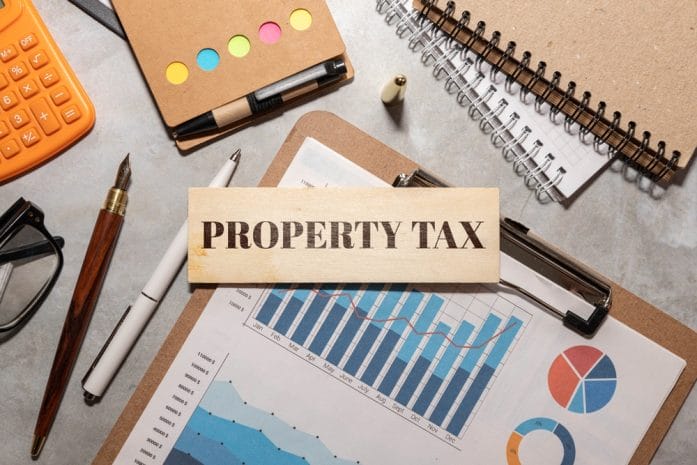
A 2.23% property tax rate commands attention. That number places New Jersey at the top of the national property tax ladder, and it forces homeowners to keep a sharp eye on every assessment notice that arrives in the mail. When a municipality places a value on a home that overshoots reality, that inflated number quietly pushes tax bills higher year after year.

Many people accept the number without question, yet the state gives every property owner a clear path to challenge an unfair assessment. Anyone who understands how the appeal process works can turn frustration into real savings.

The Reality Behind New Jersey’s Property Tax Rate

New Jersey consistently ranks among the states with the highest property taxes in the country. The average effective property tax rate hovers around 2.23%, according to national housing data, and that percentage carries serious weight when it applies to home values that often climb well into the hundreds of thousands of dollars. A home valued at $500,000 can easily generate a tax bill above $11,000 per year depending on the municipality.

Local governments rely heavily on property taxes to fund schools, emergency services, infrastructure, and community programs. Towns calculate tax bills by combining the assessed property value with the local tax rate. When the assessed value rises above the actual market value, the homeowner shoulders a tax burden that does not reflect reality.

Assessors review properties periodically and assign values based on market data, property characteristics, and comparable home sales. That system works reasonably well in theory, yet mistakes and outdated information can slip into the process. A home improvement next door or a surge in local sales prices can also push assessments higher even when a specific property lacks the same features or upgrades.

Spotting an Assessment That Deserves a Challenge

Every property owner in New Jersey receives an annual assessment notice that lists the taxable value of the property. That number deserves careful attention because it drives the entire tax bill. A quick comparison with recent home sales in the neighborhood often reveals whether the assessment sits within a realistic range. Homeowners should examine comparable properties that share similar square footage, age, location, and features. A house with an older roof, fewer bathrooms, or a smaller lot should not carry the same value as a fully renovated home around the corner. Online real estate listings and recent sales records often reveal useful clues.

Another important comparison involves the assessment ratio within the municipality. New Jersey towns use an equalization ratio to align assessed values with actual market values. When a property assessment rises far above the typical ratio in the town, that difference may signal a strong case for an appeal.

Physical problems with the property can also strengthen an argument. Foundation cracks, outdated electrical systems, water damage, or structural issues directly affect market value. An assessor may not see those problems during routine reviews, yet those flaws matter when determining a fair price.

New Jersey’s 2.23% Property Tax — How to Appeal and Save

Image Source: Pexels.com

The Timeline That Homeowners Cannot Miss

Timing plays a critical role in the New Jersey property tax appeal process. The state sets strict deadlines, and anyone who misses the filing window must wait until the following year to challenge the assessment. Most municipalities require appeals by April 1. Some towns use a slightly different deadline that falls 45 days after the municipality mails the assessment notice, particularly in communities that recently completed a reassessment. That date appears on the notice, and anyone considering an appeal should circle it immediately.

The appeal typically goes to the county tax board. Each county maintains its own office that handles property tax disputes and schedules hearings when necessary. The filing requires a completed appeal form along with supporting evidence that proves the property value sits too high.

Filing early allows time to gather documents, analyze comparable sales, and organize a clear argument. Waiting until the final week creates unnecessary stress and increases the chance of missing important details.

Building a Strong Case With Solid Evidence

A successful appeal depends on evidence. A simple claim that a tax bill feels too high will not convince a county tax board. A homeowner must show that the market value of the property falls below the assessed value. Comparable home sales often form the backbone of the argument. Ideally, those sales should come from the same neighborhood and close within the previous year. Properties should share similar features such as lot size, number of bedrooms, age, and condition. Real estate records, municipal sales data, and property listing services often provide that information.

Photographs can also strengthen the case. Images that document structural problems, aging interiors, or needed repairs help illustrate why a property cannot command the same value as newer homes nearby. Repair estimates from contractors can add even more credibility.

Some homeowners also hire licensed appraisers who produce professional valuation reports. An appraisal adds authority to the argument, especially when the difference between assessed value and market value reaches tens of thousands of dollars.

What Happens During the Appeal Hearing

Many appeals move through the county tax board without drama, yet the process still requires preparation. The hearing gives both sides an opportunity to present their evidence and explain their valuation.

The homeowner presents comparable sales, photographs, appraisals, and any additional documentation that supports a lower market value. The municipal assessor may present data that supports the original assessment. The board members review both sides and determine which valuation carries stronger support.

Confidence and clarity help tremendously. A straightforward explanation of why the property value sits too high often resonates more effectively than a complicated argument filled with technical jargon.

If the board agrees with the appeal, it lowers the assessed value. That adjustment immediately reduces the property tax bill and may also apply retroactively for that tax year. When the board rejects the appeal, the process does not necessarily end. New Jersey allows further appeals through the state tax court for cases that involve larger valuation disputes.

Small Adjustments Can Create Big Savings

A successful property tax appeal does not require a massive valuation change to produce meaningful savings. Even a modest reduction in assessed value can lower the annual tax bill for many years. Many homeowners overlook the appeal process because it seems complicated or intimidating. In reality, the system exists specifically to correct inaccurate assessments and protect property owners from unfair tax burdens.

A careful review of the assessment notice, a few hours of research on comparable sales, and a properly filed appeal can deliver long-term financial relief.

A Tax Bill Should Reflect Reality

New Jersey’s 2.23% average property tax rate leaves little room for inflated home values. Every dollar added to an assessment multiplies into a larger annual bill, which means homeowners benefit from verifying that the number reflects the true market value of the property. The state provides a clear appeal system that allows anyone to challenge an inaccurate assessment with evidence and careful preparation. A single successful appeal can reduce tax costs for years while restoring fairness to the process.

Could a closer look at your recent assessment reveal an opportunity to lower your next property tax bill? Let’s discuss this in our comments.

You May Also Like…

The $3,000 Property Tax Reality Facing the Average U.S. Household

Why Nashville Property Tax Bills Keep Rising Even With Tennessee’s Rate Cap Proposal

Property Tax Exemptions Expiring Automatically in Multiple States

9 Georgia Counties Where Property Taxes Are Set to Rise the Fastest

The Truth About Property Taxes That Real Estate Agents Avoid Telling You

Brandon Marcus
Brandon Marcus

Brandon Marcus is a writer who has been sharing the written word since a very young age. His interests include sports, history, pop culture, and so much more. When he isn’t writing, he spends his time jogging, drinking coffee, or attempting to read a long book he may never complete.

Filed Under: Lifestyle Tagged With: county tax board, home value appeal, homeowner advice, lowering property taxes, New Jersey homeowners, New Jersey property tax, NJ tax tips, property assessment challenge, property tax appeal, real estate costs, real estate taxes, tax assessment

The Property Tax Appeal That Can Cut $100–$500 From Monthly Payments

February 16, 2026 by Brandon Marcus Leave a Comment

The Property Tax Appeal That Can Cut $100–$500 From Monthly Payments

Image source: shutterstock.com

You don’t need a raise to lower your housing payment. You need a pencil, a little nerve, and the willingness to challenge a number that your local government assigns to your home.

Property taxes often make up a significant chunk of a monthly mortgage payment, especially if a lender rolls taxes into escrow. When the county increases your assessed value, your tax bill climbs right along with it. Many homeowners assume that number comes down from the heavens, fixed and untouchable. It does not. Every year, thousands of people file property tax appeals and win reductions that shave $100 to $500 off their monthly payments. That kind of savings changes budgets, breathing room, and long-term plans.

The key lies in understanding how property tax assessments work and how to push back in a smart, evidence-based way.

The Assessment Isn’t a Verdict, It’s an Opinion

Your local tax assessor assigns a value to your property, and that value drives your annual tax bill. Assessors rely on mass appraisal techniques, which means they analyze large groups of properties at once using recent sales data, neighborhood trends, and property characteristics like square footage, lot size, and features. They do not walk through every kitchen or measure every cracked driveway. They work with data, formulas, and assumptions.

That system keeps the process efficient, but it also leaves room for error. Assessors may record incorrect square footage, list a finished basement that does not exist, or compare your modest ranch to a renovated showpiece down the street. Even small discrepancies can inflate the assessed value, and that inflated value increases your tax bill year after year.

An appeal does not accuse anyone of wrongdoing. It simply argues that the assessed value exceeds the property’s fair market value as of the valuation date.

Why a Lower Assessment Can Cut $100–$500 From Monthly Payments

Property taxes often get folded into mortgage escrow accounts. Each month, you pay principal, interest, insurance, and taxes in one bundled amount. When property taxes rise, your lender adjusts your monthly payment to cover the higher annual tax bill. When taxes fall, that monthly payment drops as well.

Imagine a home with an annual property tax bill of $6,000. If a successful appeal reduces the assessed value enough to cut the bill by $2,400 per year, that translates to $200 less per month in escrow. In higher-tax areas, reductions can reach $3,000 to $6,000 annually, which means $250 to $500 back in your pocket each month. Those numbers do not require wild market swings; they reflect realistic outcomes in jurisdictions where assessments overshoot market value.

The math feels straightforward, but the impact feels profound. A few hundred dollars each month can cover a car payment, fund retirement contributions, or create a real emergency cushion. Over several years, those savings compound, especially if you secure a lower baseline assessment that future increases build from.

Step One: Audit Your Property Record Like a Detective

Before you gather comparable sales or draft arguments, start with the basics. Pull your property record card from the assessor’s website or office and review every line. Check the square footage, number of bedrooms and bathrooms, lot size, construction quality, and listed improvements. If the record shows a finished attic that you never finished or counts a three-season porch as heated living space, that mistake gives you a powerful starting point.

Next, compare your assessed value to recent sales in your neighborhood. Look for homes with similar size, age, and condition that sold close to the assessment date. Real estate listing sites, county records, and local multiple listing service data provide this information. Focus on actual sale prices, not listing prices, since tax assessors base values on closed transactions.

When you spot properties that sold for less than your assessed value, document them carefully. Print the sale details, note square footage, and highlight similarities. You want to show that the market values comparable homes at lower prices than the assessor assigned to yours. Solid evidence always carries more weight than frustration.

Step Two: Build a Case That Feels Professional and Precise

An effective property tax appeal reads like a focused argument, not a rant. State the assessed value, state the value you believe reflects fair market value, and explain why the evidence supports your conclusion. Attach comparable sales, photographs of any condition issues, and documentation of errors in the property record.

If your home needs significant repairs, include contractor estimates or inspection reports. A roof at the end of its life, foundation cracks, outdated electrical systems, or water damage all affect market value. Buyers factor those issues into offers, so assessors should factor them into valuations. Make sure the evidence ties directly to market impact rather than personal preference.

When Hiring an Expert Makes Sense

Some homeowners handle appeals on their own and win. Others prefer to hire a property tax consultant or a real estate appraiser. An independent appraisal can carry significant weight because it reflects a detailed analysis by a licensed professional. However, appraisals cost money, and you should weigh that cost against potential savings.

Property tax appeal firms often work on contingency, which means they collect a percentage of the tax savings if you win. That arrangement reduces upfront risk, but it also trims your net benefit. Before signing any agreement, ask about fees, timelines, and experience in your specific county. Local knowledge matters because each jurisdiction follows its own procedures and valuation standards.

If your potential savings reach several thousand dollars per year or your property presents complex valuation issues, professional help can make sense. If the difference looks modest and your property record shows clear errors, you may feel comfortable handling the process yourself.

The Property Tax Appeal That Can Cut $100–$500 From Monthly Payments

Image source: shutterstock.com

The Hidden Bonus: Long-Term Savings and Fairness

A successful appeal does more than lower one year’s bill. It resets the assessed value, which future increases often build upon. Even if the assessor raises values again next year, that increase starts from a lower base, which can slow the pace of tax growth over time. That dynamic creates a compounding effect that many homeowners overlook.

Appeals also promote fairness. Property taxes fund schools, roads, emergency services, and local programs. Those services matter. But fairness demands that each property owner pays taxes based on accurate valuations. When assessments overshoot market reality, they shift the tax burden unevenly. By appealing, you protect your finances and support a more balanced system.

Keep in mind that some states limit annual assessment increases through homestead exemptions or caps, while others allow larger swings. Understanding your state’s rules helps you evaluate both the risks and rewards of appealing.

What It Takes to Actually Win

Winning a property tax appeal requires organization, patience, and a willingness to engage with a bureaucratic process. It does not require a law degree. Start early, meet every deadline, and keep copies of everything you submit. Mark hearing dates on your calendar and prepare as if you plan to defend a thesis.

Approach the process with calm confidence. Focus on market value, comparable sales, and factual errors. Avoid arguments about your personal financial situation or general complaints about taxes. Appeal boards respond to evidence, not emotion.

Many homeowners skip appeals because they assume the effort will not pay off. Yet year after year, counties adjust assessments downward after reviewing strong cases. You do not need to storm city hall; you need to present a well-documented argument that aligns with market reality.

The Monthly Payment You Can Redesign

A property tax appeal offers one of the few legal, practical ways to reshape your housing costs without refinancing or moving. You challenge a number, back up your position with data, and potentially unlock $100 to $500 in monthly savings that continue year after year. That kind of leverage deserves attention.

How much could you save if you took a hard look at your property tax bill this year? Let’s talk about it in our comments section below.

You May Also Like…

The Property Tax Increases Hitting 13 Disaster-Prone States in 2026

9 Georgia Counties Where Property Taxes Are Set to Rise the Fastest

Income Threshold: 4 Hidden Taxes That Hit Once You Cross Certain Limits

Florida Homeowners See First Rate Decrease in 10 Years — Citizens Property Insurance Dropping Premiums 2.6%

7 Lesser-Known Costs of Selling Inherited Property

Brandon Marcus
Brandon Marcus

Brandon Marcus is a writer who has been sharing the written word since a very young age. His interests include sports, history, pop culture, and so much more. When he isn’t writing, he spends his time jogging, drinking coffee, or attempting to read a long book he may never complete.

Filed Under: Lifestyle Tagged With: appraisal, assessed value, home equity, homeownership, Housing Costs, Life, Lifestyle, local government, mortgage payments, Planning, property tax appeal, property taxes, Real estate, tax savings

FOLLOW US

Search this site:

Recent Posts

  • Can My Savings Account Affect My Financial Aid? by Tamila McDonald
  • 12 Ways Gen X’s Views Clash with Millennials… by Tamila McDonald
  • What Advantages and Disadvantages Are There To… by Jacob Sensiba
  • Call 911: Go To the Emergency Room Immediately If… by Stephen Kanaval
  • 10 Tactics for Building an Emergency Fund from Scratch by Vanessa Bermudez
  • 7 Weird Things You Can Sell Online by Tamila McDonald
  • 10 Scary Facts About DriveTime by Tamila McDonald

Copyright © 2026 · News Pro Theme on Genesis Framework