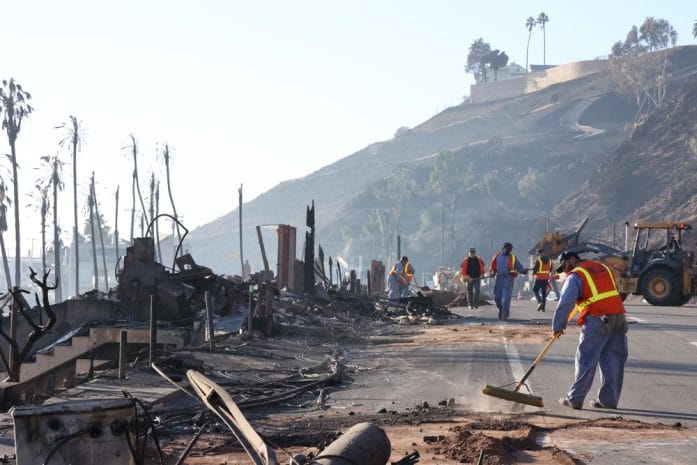
If you live in a state where hurricanes, wildfires, floods, tornadoes, or earthquakes are part of the seasonal forecast, 2026 may bring more than just another storm season—it may also bring a bigger property tax bill. Across the U.S., disaster-prone states are quietly setting the stage for higher property taxes, driven by rebuilding costs, rising property values, infrastructure repairs, and the long-term price of climate risk.
This isn’t just a budget issue for governments—it’s a personal finance reality for homeowners, renters, and buyers trying to plan their future. And while the changes won’t hit every neighborhood equally, the trend is becoming hard to ignore.
Why Disaster Recovery Is Reshaping Property Taxes
When disasters hit, the damage doesn’t stop at roofs and roads—it ripples straight into city budgets, county assessments, and long-term tax planning. Rebuilding infrastructure like bridges, utilities, drainage systems, and emergency services costs billions, and local governments often rely on property tax revenue to help fund those projects.
Rebuilding is becoming increasingly more expensive, and property values frequently rise due to new construction, stricter building codes, and modernized homes, which naturally increase assessed values over time. Higher assessments don’t always mean higher tax rates, but they often lead to larger tax bills anyway.
Another factor is resilience spending. Flood barriers, wildfire mitigation zones, hurricane-resistant infrastructure, and stormwater systems are becoming permanent budget items in disaster-prone regions. These aren’t one-time projects—they’re long-term investments, and they require consistent funding. That funding usually comes from a mix of bonds, state aid, and local taxes, with property taxes playing a central role.
The 13 Disaster-Prone States Feeling the Pressure
While disaster risk exists nationwide, some states face repeated, compounding events that strain local budgets year after year. Coastal hurricane states like Florida, Louisiana, North Carolina, South Carolina, and Texas regularly deal with storm damage and flooding. Western states such as California, Colorado, Arizona, and New Mexico face wildfires, drought, and infrastructure stress tied to extreme heat.
Central states like Oklahoma, Kansas, Missouri, and Tennessee deal with tornadoes, flooding, and storm-related infrastructure damage.

What links these states isn’t just geography—it’s frequency. Repeated disasters mean repeated rebuilding, repeated emergency spending, and repeated strain on public services. This creates upward pressure on property tax systems, especially in fast-growing areas where demand for housing stays strong even as risk increases.
Insurance Costs, Home Values, and the Hidden Tax Effect
Property taxes don’t rise in isolation. Insurance premiums in disaster-prone states are already climbing, which affects home prices, buyer demand, and rebuilding decisions. When homes are rebuilt to stronger standards, they often appraise higher. Higher appraisals lead to higher assessments, which then translate into higher property taxes.
There’s also a migration effect. Some high-risk areas are still attracting new residents, pushing demand and prices upward. Others are losing residents, which forces local governments to spread infrastructure costs across a smaller tax base. In both cases, the math can push taxes higher for remaining homeowners.
What Homeowners and Buyers Can Do Right Now
Preparation beats panic every time. If you own a home in a disaster-prone state, it’s smart to track your local assessment schedule, understand how reassessments work, and review how your property is classified. Many homeowners overpay simply because they never challenge incorrect assessments. Knowing your rights and appeal processes matters.
Buyers should factor long-term tax risk into affordability calculations. That dream home near the coast or in the mountains might look affordable today, but future taxes and insurance costs could change that math fast. Talking to local real estate professionals and tax offices can give clearer insight into long-term trends.
How Local Governments Are Framing These Increases
Most cities and counties aren’t calling these changes “tax hikes.” They’re framing them as resilience funding, infrastructure investment, and disaster preparedness. And in many ways, that’s accurate. The reality is that stronger communities cost more to build and maintain, especially in high-risk environments.
Public officials are increasingly focused on long-term sustainability rather than short-term fixes. That means smarter building codes, better emergency systems, and more resilient infrastructure—but it also means stable revenue streams to support them. Property taxes are one of the most reliable tools local governments have, which is why they’re central to this conversation.
Resilience Has a Price Tag
Living in a disaster-prone state in 2026 will increasingly mean paying for safety, stability, and long-term resilience through everyday costs like property taxes. These increases aren’t random, and they aren’t short-term—they’re part of a broader transition toward communities that are built to survive repeated shocks. For homeowners, buyers, renters, and investors alike, understanding this shift is no longer optional—it’s essential for smart financial planning.
What’s your take—are higher property taxes worth stronger, safer communities, or do you think the financial burden is getting too heavy for everyday homeowners? Share your thoughts in the comments.
You May Also Like…
9 Georgia Counties Where Property Taxes Are Set to Rise the Fastest
Texas Property Alert: The New 2026 Law That Allows Police to Remove Squatters in 24 Hours
14 Costly Disasters That Happen When You Renovate Without a Permit
5 Reasons To Talk To Your Kids About Taxes
5 Reasons Why Homeowners Should Increase Their Property’s ROI

Brandon Marcus is a writer who has been sharing the written word since a very young age. His interests include sports, history, pop culture, and so much more. When he isn’t writing, he spends his time jogging, drinking coffee, or attempting to read a long book he may never complete.
.png)
Leave a Reply