• Home
  • About Us
  • Toolkit
  • Getting Finances Done
    • Hiring Advisors
    • Debt Management
    • Spending Plan
  • Insurance
    • Life Insurance
    • Health Insurance
    • Disability Insurance
    • Homeowners/Renters Insurance
  • Contact Us
  • Privacy Policy
  • Risk Tolerance Quiz

The Free Financial Advisor

You are here: Home / Archives for Personal Finance

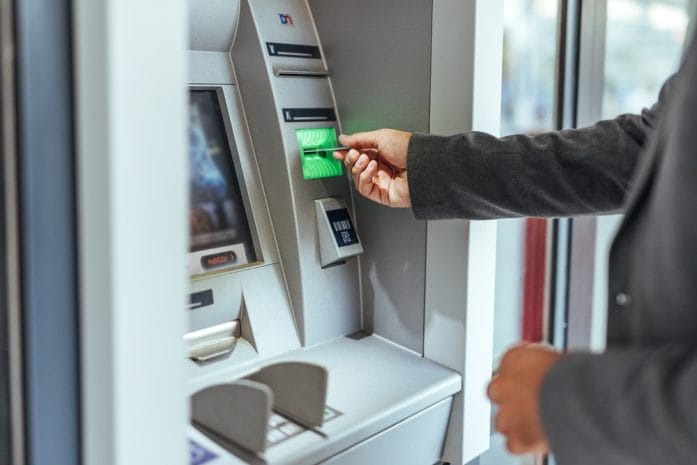
6 Outrageous Truths About Hidden Bank Fees

September 28, 2025 by Catherine Reed Leave a Comment

6 Outrageous Truths About Hidden Bank Fees

Image source: 123rf.com

Banks often present themselves as helpful partners in managing money, but the reality is that their fee structures are designed to maximize profit. Many consumers are shocked when small, unexpected charges quietly drain their accounts. These hidden bank fees don’t always make headlines, but they can add up to hundreds of dollars a year. Worse, they often punish everyday customers for simple mistakes or ordinary financial activity. Here are six outrageous truths about hidden bank fees you need to know.

1. Overdraft Fees Are a Profit Machine

One of the most notorious hidden bank fees is the overdraft charge. While overdraft protection is marketed as a safety net, it’s really a costly trap. Banks earn billions each year from customers who accidentally spend a little more than they have. Even a small $5 purchase can trigger an overdraft fee of $35 or more. The outrageous truth is that this system disproportionately affects people living paycheck to paycheck.

2. Maintenance Fees Punish Low Balances

Another shocking reality of hidden bank fees is the monthly maintenance charges. Many accounts require a minimum balance or certain activity to waive the fee. If you fall short, the bank charges between $10 and $25 each month. This means the customers who can least afford extra costs end up paying the most. It’s a frustrating system that rewards wealthier customers while punishing those with smaller accounts.

3. ATM Fees Multiply Quickly

Using an ATM outside your bank’s network often comes with multiple hidden bank fees. First, the machine itself charges you, then your bank tacks on its own fee. Together, these can easily cost $5 or more per withdrawal. Over time, these fees quietly eat into savings, especially for people in areas with limited bank branches. What seems like a convenient option quickly becomes an expensive habit.

4. Paper Statement Charges Feel Like a Penalty

Many banks now charge for paper statements, making them one of the more surprising hidden bank fees. Customers who prefer or need physical records may be penalized $2 to $5 per statement. While digital delivery saves banks money, they pass the cost of paper onto consumers. This fee targets older customers and those who are less comfortable with technology. It’s less about environmental impact and more about squeezing extra revenue.

5. Wire Transfers Come with Shocking Costs

Sending or receiving money through wire transfers is another area where hidden bank fees thrive. Banks may charge $15 to $50 for each transaction, even when the process is automated. International transfers incur even higher costs, with additional conversion fees often hidden in the exchange rate. For customers, it feels like paying premium prices for a basic service. The high cost of convenience makes wire transfers one of the most outrageous fees of all.

6. Early Account Closure Fees Trap Customers

One of the lesser-known hidden bank fees is the charge for closing an account too soon. Some banks require accounts to remain open for 90 to 180 days, or they charge customers fees of $25 or more. This discourages people from switching to better options and locks them into accounts they may not want to use. It’s a tactic that limits consumer choice while boosting bank profits. The fee feels unfair because it penalizes customers for exercising financial freedom.

Awareness Is the Best Defense Against Fees

The truth about hidden bank fees is that they are everywhere, and they’re designed to catch customers off guard. From overdrafts to ATM charges and wire transfer costs, these fees quietly add up and make banking far more expensive than it should be. The good news is that awareness allows you to fight back. By choosing fee-free accounts, monitoring balances closely, and avoiding unnecessary services, you can protect your hard-earned money. Banks may rely on hidden charges, but smart consumers don’t have to play along.

Which hidden bank fees have surprised you the most? Share your stories and tips in the comments below!

What to Read Next…

  • 9 Hidden Costs of Switching Banks Nobody Warns You About
  • 5 Outrageous Fees Hidden in Everyday Banking Services
  • 8 New Tools That Collect Bank Info Through Pop-Ups
  • 5 Surprising Risks of Keeping Large Savings at Home
  • 7 Surprising Risks of Keeping Too Much Cash at Home
Catherine Reed
Catherine Reed

Catherine is a tech-savvy writer who has focused on the personal finance space for more than eight years. She has a Bachelor’s in Information Technology and enjoys showcasing how tech can simplify everyday personal finance tasks like budgeting, spending tracking, and planning for the future. Additionally, she’s explored the ins and outs of the world of side hustles and loves to share what she’s learned along the way. When she’s not working, you can find her relaxing at home in the Pacific Northwest with her two cats or enjoying a cup of coffee at her neighborhood cafe.

Filed Under: Banking Tagged With: ATM Fees, banking costs, financial traps, hidden bank fees, money management, overdraft charges, Personal Finance

Why Do People Chase Get-Rich-Quick Schemes

September 28, 2025 by Catherine Reed Leave a Comment

Why Do People Chase Get-Rich-Quick Schemes

Image source: 123rf.com

The allure of fast money has always been strong, and in today’s world, it feels more tempting than ever. From flashy social media ads to bold promises of financial freedom, get-rich-quick schemes are everywhere. People often know deep down that most of these opportunities are too good to be true, yet they still dive in. The emotional pull of instant wealth can outweigh rational judgment, leading many to lose money instead of making it. Here are some of the biggest reasons why people chase get-rich-quick schemes despite the risks.

1. The Desire for Instant Gratification

One of the main reasons people fall for get-rich-quick schemes is the promise of immediate results. In a culture that values convenience and speed, waiting for wealth through slow, steady growth feels frustrating. People want shortcuts, and these schemes market themselves as the fastest path to success. The excitement of quick rewards blinds them to the potential pitfalls. Unfortunately, instant gratification often leads to long-term disappointment.

2. Fear of Missing Out

The fear of missing out, often called FOMO, is a powerful motivator in chasing get-rich-quick schemes. Seeing others supposedly making fast money creates pressure to join in before the opportunity disappears. Social media amplifies this by showcasing flashy lifestyles tied to “easy money.” The worry of being left behind can override skepticism. This fear pushes people into risky decisions they might otherwise avoid.

3. Overconfidence in Beating the Odds

Many people believe they are smart enough to avoid being scammed or skilled enough to outsmart the system. This overconfidence fuels the attraction to get-rich-quick schemes. They assume failure happens to others, not to them. This mindset makes them overlook warning signs and underestimate the risks involved. In reality, the odds are stacked heavily against individual success in these schemes.

4. Struggles with Financial Stress

Financial hardship is another reason people chase get-rich-quick schemes. When bills are piling up or debt feels overwhelming, the promise of fast relief is hard to resist. People in financial distress may feel they have nothing to lose, making them more vulnerable. The desperation for a quick fix clouds judgment and encourages risky behavior. Sadly, these schemes often worsen financial problems instead of solving them.

5. Persuasive Marketing Tactics

Get-rich-quick schemes are often marketed with professional, polished strategies that make them look legitimate. From testimonials to staged success stories, the presentation is designed to build trust quickly. The creators know how to tap into emotions and create urgency. People often underestimate the effectiveness of these tactics in influencing their decisions. Once hooked, it’s hard to step back and view the opportunity objectively.

6. The Appeal of Easy Work

Another big draw of get-rich-quick schemes is the promise of making money with little effort. The idea of earning a fortune without years of hard work or specialized skills is extremely attractive. People dream of financial independence without the grind of traditional careers. This vision of an easier life can overpower practical thinking. In reality, lasting wealth almost always requires effort, discipline, and time.

7. Social Proof from Others

People often chase get-rich-quick schemes because they see others buying in. Whether it’s friends, family, or online influencers, social proof makes opportunities look more credible. If enough people seem to be on board, skepticism fades. The herd mentality convinces individuals that they should join in too. Unfortunately, the crowd is often misled, and everyone suffers together.

8. Hope for a Better Life

At the heart of it all, people chase get-rich-quick schemes because they represent hope. Hope for freedom from financial stress, more time with family, or the ability to live life on their own terms. Even when logic says it’s a bad idea, the emotional appeal of hope can be irresistible. This is why scams and schemes continue to thrive across generations. Hope is powerful, but when misplaced, it comes with devastating consequences.

Real Wealth Rarely Comes Overnight

The truth is, chasing get-rich-quick schemes rarely leads to lasting success. While they may offer exciting promises, they usually deliver financial loss and regret. Real wealth takes time, effort, and consistency to build. By recognizing why these schemes are so tempting, people can avoid falling into the trap. The best path forward is patience, education, and a commitment to long-term financial growth.

Have you ever been tempted by get-rich-quick schemes or seen someone fall for one? Share your experiences in the comments below!

What to Read Next…

  • 10 Investments That Are Rarely Talked About That Could Make You Rich
  • What Happens When You Trust the Wrong People With Money
  • 9 Strange Assets That Rarely Pay Off (Unless You’re Extremely Lucky)
  • Why Do High Earners Still Struggle With Emergency Savings
  • 10 Powerful Books That Will Change Your Mindset Forever
Catherine Reed
Catherine Reed

Catherine is a tech-savvy writer who has focused on the personal finance space for more than eight years. She has a Bachelor’s in Information Technology and enjoys showcasing how tech can simplify everyday personal finance tasks like budgeting, spending tracking, and planning for the future. Additionally, she’s explored the ins and outs of the world of side hustles and loves to share what she’s learned along the way. When she’s not working, you can find her relaxing at home in the Pacific Northwest with her two cats or enjoying a cup of coffee at her neighborhood cafe.

Filed Under: Wealth Building Tagged With: financial psychology, financial scams, get-rich-quick schemes, investing mistakes, money traps, Personal Finance, Wealth Building

8 Shocking Costs That Appear in Bankruptcy Court

September 28, 2025 by Catherine Reed Leave a Comment

8 Shocking Costs That Appear in Bankruptcy Court

Image source: 123rf.com

Many people turn to bankruptcy as a last resort to escape overwhelming debt, expecting it to provide immediate relief. What most don’t realize is that bankruptcy court comes with its own set of expenses that can be both surprising and overwhelming. Filing isn’t free, and the process involves more than just wiping debts away. Between legal fees, hidden charges, and ongoing obligations, the costs of bankruptcy can catch even the most prepared individuals off guard. Here are eight shocking costs that often appear in bankruptcy court and why understanding them ahead of time matters.

1. Filing Fees Add Up Quickly

One of the first shocking costs in bankruptcy court is the mandatory filing fee. Depending on whether you file Chapter 7 or Chapter 13, the fee typically ranges from $300 to $400. While this may not seem huge compared to overall debts, it’s a significant expense for people already strapped for cash. Courts usually require payment up front, although installment plans are sometimes available. For many, the cost of filing is an unexpected barrier to starting the process.

2. Attorney Fees Can Be Steep

Another major cost in bankruptcy court is hiring an attorney. While it’s possible to file without legal help, most cases are too complex to handle alone. Attorney fees can range from $1,000 to $3,500 or more, depending on the type of bankruptcy. These fees must often be paid before filing, putting even more strain on already struggling families. The reality is that bankruptcy relief comes at a steep price.

3. Credit Counseling and Debtor Education Courses

Before a bankruptcy case can move forward, filers are required to complete credit counseling and debtor education courses. These classes aren’t free, and costs usually range from $20 to $100 each. While the price might not seem overwhelming, it’s one more expense added to the process. Courts won’t approve the bankruptcy without proof of completion. For many, this requirement feels like just another hurdle when money is already tight.

4. Trustee and Administrative Fees

Bankruptcy court also includes trustee and administrative fees that filers don’t always anticipate. Trustees oversee cases, distribute payments, and ensure the process follows legal guidelines. Their work is compensated with fees, often based on a percentage of the debtor’s payments or assets. These charges reduce what’s available to repay creditors and extend the overall financial burden. It’s one of the less obvious costs that quietly eats into any relief.

5. Asset Liquidation Losses

For those filing Chapter 7, liquidation of non-exempt assets is one of the most shocking costs in bankruptcy court. Cars, property, or valuables may be sold to repay creditors. Even if the item is worth more than the debt, the filer won’t recover the difference. Losing assets often carries both financial and emotional weight, making bankruptcy feel more punishing than freeing. This hidden cost is one of the hardest realities for many people.

6. Higher Interest Rates After Filing

Bankruptcy doesn’t eliminate future borrowing needs, but it makes them much more expensive. Once the filing is complete, lenders see filers as high-risk borrowers. This translates into higher interest rates on credit cards, auto loans, and even mortgages. Over time, the added cost of borrowing becomes one of the most expensive consequences of bankruptcy. The court case may end, but the financial impact lingers for years.

7. Wage Garnishment in Chapter 13 Cases

For Chapter 13 filers, repayment plans often involve wage garnishment, which is directly deducted from paychecks. While this ensures payments are made, it also significantly reduces take-home pay. Families may struggle to cover daily expenses with less income available. The garnishment serves as a constant reminder of the financial strain, even as one tries to rebuild. This ongoing cost is one of the most shocking aspects of the Chapter 13 bankruptcy court.

8. Long-Term Credit Damage

Perhaps the most underestimated cost of bankruptcy court is the long-term credit damage. A bankruptcy filing can stay on credit reports for up to 10 years. This lowers credit scores, making it harder to qualify for loans, rent housing, or even land certain jobs. The inability to access affordable credit becomes a hidden financial burden. While it’s not a direct out-of-pocket cost, the long-term impact on opportunities is massive.

Bankruptcy Relief Comes at a Price

Bankruptcy court may provide a path out of crushing debt, but it doesn’t come without shocking costs. From attorney fees and credit counseling to asset losses and long-term credit consequences, the financial burden doesn’t end with filing. Understanding these expenses upfront helps families make more informed decisions and prepare for the road ahead. Bankruptcy is not a free reset button—it’s a process that requires careful planning and realistic expectations.

Have you or someone you know faced surprising costs in bankruptcy court? Share your experiences and insights in the comments below!

What to Read Next…

  • 7 Outrageous Truths About Medical Debt
  • These Debts First: 5 Debts You Should Always Pay Off First
  • Why Do Couples Hide Debt From Each Other Until It’s Too Late
  • Could A Pet’s Surgery Push You Into Debt
  • 6 Times Helping Family Financially Ends in Regret
Catherine Reed
Catherine Reed

Catherine is a tech-savvy writer who has focused on the personal finance space for more than eight years. She has a Bachelor’s in Information Technology and enjoys showcasing how tech can simplify everyday personal finance tasks like budgeting, spending tracking, and planning for the future. Additionally, she’s explored the ins and outs of the world of side hustles and loves to share what she’s learned along the way. When she’s not working, you can find her relaxing at home in the Pacific Northwest with her two cats or enjoying a cup of coffee at her neighborhood cafe.

Filed Under: Law Tagged With: bankruptcy costs, bankruptcy court, credit damage, Debt Management, debt relief, Personal Finance, Planning

What Happens When Small Debts Spiral Out of Control

September 28, 2025 by Catherine Reed Leave a Comment

What Happens When Small Debts Spiral Out of Control

Image source: 123rf.com

It’s easy to brush off small debts as harmless. A $50 credit card balance, a forgotten medical bill, or a store card payment might not feel like a big deal. The problem is that these small debts often snowball into major financial problems if left unaddressed. Late fees, interest charges, and collection activity can quickly turn manageable balances into overwhelming burdens. Here’s what really happens when small debts spiral out of control and why it’s so important to take them seriously.

1. Interest Charges Grow Faster Than Expected

One of the first things that happens when small debts spiral out of control is the buildup of interest. What starts as a tiny balance grows quickly as interest compounds month after month. Credit cards, in particular, often carry rates above 20 percent, making it nearly impossible to catch up with minimum payments. Even a small purchase can double in cost if left unpaid long enough. This snowball effect turns something minor into a major stressor.

2. Late Fees Add to the Problem

Another hidden danger of small debts is the addition of late fees. Missing even a single payment can trigger penalties that increase the debt’s cost. For example, a $25 late fee on a $50 balance immediately increases the total amount owed by half. Repeated late payments keep stacking fees on top of the balance, creating a vicious cycle. Suddenly, the original debt looks insignificant compared to the added charges.

3. Credit Scores Start to Drop

When small debts spiral out of control, your credit score is one of the first casualties. Even a minor account reported as late can drag down your score for years. This can impact your ability to secure approval for larger loans, such as mortgages or auto financing. A lower score also means higher interest rates on future borrowing. Ignoring small debts can have long-term consequences that extend far beyond the original balance.

4. Collection Agencies Step In

If small debts remain unpaid for a long enough period, creditors often turn them over to collection agencies. This step exacerbates the situation, making it more stressful and damaging. Collection agencies are persistent, frequently contacting you and sometimes employing aggressive tactics. Once in collections, debts can also appear as separate negative marks on your credit report. What once seemed like a minor nuisance now becomes a constant source of financial anxiety.

5. Legal Action Becomes a Risk

In some cases, creditors or collection agencies may pursue legal action for unpaid small debts. Court judgments can lead to wage garnishment or bank account levies, further complicating your financial situation. While this may seem extreme for a small balance, it occurs more frequently than people expect. Once a judgment is issued, the debt becomes even harder to escape. Taking early action can prevent it from ever reaching this stage.

6. Stress and Anxiety Increase

Beyond the financial consequences, small debts that spiral out of control create significant emotional strain. Constant reminders, collection calls, and fear of legal action can weigh heavily on your mental health. Stress about money often spills into other areas of life, including relationships and work performance. The psychological toll is one of the most overlooked costs of ignoring small debts. Addressing them quickly helps restore peace of mind.

7. Opportunities Get Limited

When small debts spiral out of control, they don’t just affect your current finances—they limit future opportunities too. Poor credit may prevent you from renting certain apartments, landing specific jobs, or securing affordable insurance rates. What began as a $100 bill can ultimately block you from major life milestones. The opportunity cost of ignoring small debts is far greater than the debt itself. Thinking long-term highlights why these balances deserve attention.

Taking Small Debts Seriously Protects Your Future

Small debts may not seem urgent, but letting them spiral out of control can lead to financial and emotional challenges that persist for years. Interest, late fees, and credit damage all exacerbate the problem, while stress and lost opportunities exacerbate it further. Treating every debt seriously, regardless of its size, is crucial to maintaining financial stability. By tackling them early, you protect not only your wallet but also your future freedom.

Have you ever seen small debts spiral out of control in your own life? Share your experiences and lessons learned in the comments below!

What to Read Next…

  • 7 Strange Truths About Middle-Class Spending Habits
  • 6 Silent Money Leaks in the Average Household
  • 9 Financial Mistakes People Make in Their 30s That Haunt Them in Their 60s
  • Why Do People Get Trapped by “Buy Now Pay Later” Schemes
  • 5 Unsettling Truths About Payday Loan Companies
Catherine Reed
Catherine Reed

Catherine is a tech-savvy writer who has focused on the personal finance space for more than eight years. She has a Bachelor’s in Information Technology and enjoys showcasing how tech can simplify everyday personal finance tasks like budgeting, spending tracking, and planning for the future. Additionally, she’s explored the ins and outs of the world of side hustles and loves to share what she’s learned along the way. When she’s not working, you can find her relaxing at home in the Pacific Northwest with her two cats or enjoying a cup of coffee at her neighborhood cafe.

Filed Under: Debt Management Tagged With: credit score, debt collections, Debt Management, financial stress, late fees, Personal Finance, small debts

10 Weird Money Habits That Quietly Destroy Savings

September 28, 2025 by Catherine Reed Leave a Comment

10 Weird Money Habits That Quietly Destroy Savings

Image source: 123rf.com

Everyone wants to save more money, yet many people unknowingly sabotage themselves with everyday choices. It’s not always the big expenses that ruin financial plans—it’s often the little quirks and routines we never think twice about. Strange as it sounds, certain money habits can drain your bank account without you realizing it. These subtle mistakes add up month after month, leaving you wondering where your savings went. Here are ten common money habits that quietly erode savings, along with tips on how to break free from them.

1. Always Buying the Latest Tech

One of the most expensive money habits is constantly upgrading to the newest gadgets. Whether it’s smartphones, tablets, or smartwatches, the pressure to stay current can be overwhelming. Even when your current device works perfectly, you may convince yourself you “need” the latest version. The costs of frequent upgrades quietly add up, pulling money away from long-term savings goals. Waiting a few years between purchases can save thousands over time.

2. Paying for Unused Subscriptions

Subscriptions can be sneaky because they seem affordable individually, but collectively, they become one of the worst money habits. Many people sign up for streaming services, apps, or monthly boxes they hardly ever use. Since the charges are automatic, they often go unnoticed on bank statements. Over time, those forgotten subscriptions erode your savings little by little. Reviewing your accounts regularly helps eliminate wasteful spending.

3. Chasing Every Sale

Sales are supposed to save money, but one of the most common money habits is overspending during them. Shoppers often buy items they don’t really need simply because they’re discounted. This behavior leads to clutter at home and less money in the bank. The illusion of saving makes people ignore the fact that they’re still spending. Being selective about sales prevents financial drain disguised as a bargain.

4. Dining Out on “Small” Occasions

Grabbing a quick lunch, coffee, or takeout may not seem like a big deal. But repeated often, this money habit becomes a massive drain. Spending $10 here and $15 there adds up to hundreds each month. Many people underestimate how much of their income is spent on casual dining. Cooking more meals at home is one of the simplest ways to boost savings.

5. Keeping Too Much Cash at Home

Some people feel safer holding large amounts of cash instead of keeping it in the bank. While this might provide peace of mind, it’s actually a dangerous money habit. Cash stored at home doesn’t earn interest, can be easily lost, and is vulnerable to theft. Over time, this choice robs you of the chance to grow your savings. Depositing extra cash in a high-yield account is far smarter.

6. Ignoring Loose Change

It may seem insignificant, but ignoring coins or small bills is a subtle money habit that can eat into your savings. Tossing change aside or leaving it scattered around means you’re constantly dismissing value. Over the course of a year, these little amounts could add up to hundreds of dollars. Treating every cent as meaningful builds stronger financial discipline. Rolling change or using savings apps can turn forgotten money into real progress.

7. Shopping Without a List

Impulse buying is one of the oldest money habits that drains wallets, especially at the grocery store. Without a list, it’s easy to grab extras you don’t need or duplicate items already at home. These “just in case” purchases inflate bills and waste food. The small overages add up quickly, destroying savings goals. A simple shopping list keeps spending under control and prevents waste.

8. Paying Only the Minimum on Credit Cards

Many people fall into the trap of making only the minimum payments on their credit cards. This money habit helps balances grow while interest accumulates. Even small purchases can take years to pay off when only the minimum is met. The long-term cost of interest quietly drains money you could be saving. Prioritizing higher payments is key to avoiding this silent financial killer.

9. Overusing Rewards Programs

Rewards programs can seem like a great way to save, but they often encourage unnecessary spending. Many people develop money habits where they buy items just to earn points, cash back, or perks. The truth is, these benefits rarely outweigh the cost of overspending. What feels like free money is really just an incentive to shop more. Using rewards responsibly prevents them from becoming a trap.

10. Ignoring Budget Tracking

Perhaps the most damaging of all money habits is failing to track your spending. Without awareness, it’s easy to underestimate how much you spend on food, entertainment, or small luxuries. This lack of clarity allows savings to slip away unnoticed. Many people don’t realize they’re overspending until they see the numbers in front of them. Regularly reviewing budgets keeps savings goals on track.

Awareness Is the First Step to Change

Weird money habits often feel harmless in the moment, but their quiet impact can be devastating over time. From chasing sales to ignoring small expenses, these behaviors chip away at financial security. The good news is that identifying them gives you the power to stop the leaks and rebuild your savings. Small changes made consistently can transform your financial future. The key is replacing destructive routines with habits that grow your wealth instead of draining it.

Which money habits have you noticed affecting your savings the most? Share your thoughts and stories in the comments below!

What to Read Next…

  • 7 Strange Truths About Middle-Class Spending Habits
  • 6 Silent Money Drains in Everyday Shopping
  • 5 Surprising Risks of Keeping Large Savings at Home
  • 10 Weird Ways Rich People Waste Money Without Thinking Twice
  • Why Do People Get Trapped by “Buy Now Pay Later” Schemes
Catherine Reed
Catherine Reed

Catherine is a tech-savvy writer who has focused on the personal finance space for more than eight years. She has a Bachelor’s in Information Technology and enjoys showcasing how tech can simplify everyday personal finance tasks like budgeting, spending tracking, and planning for the future. Additionally, she’s explored the ins and outs of the world of side hustles and loves to share what she’s learned along the way. When she’s not working, you can find her relaxing at home in the Pacific Northwest with her two cats or enjoying a cup of coffee at her neighborhood cafe.

Filed Under: money management Tagged With: budgeting, Debt Management, financial mistakes, hidden expenses, money habits, Personal Finance, saving tips

7 Surprising Expenses Nobody Expects After Retirement

September 28, 2025 by Catherine Reed Leave a Comment

7 Surprising Expenses Nobody Expects After Retirement

Image source: 123rf.com

Many retirees look forward to the golden years as a time of financial freedom and relaxation. Yet what often catches people off guard are the surprising expenses that creep in once regular paychecks stop. Even with careful planning, unexpected costs can disrupt budgets and force retirees to dip deeper into their savings than intended. From healthcare to lifestyle changes, these surprises can pile up quickly. Here are seven surprising expenses nobody expects after retirement but should absolutely prepare for.

1. Rising Healthcare Needs

One of the most surprising expenses retirees face is the growing cost of healthcare. Medicare covers a lot but not everything, leaving retirees to pay for premiums, deductibles, prescriptions, and out-of-pocket treatments. Specialized care, such as vision, hearing aids, or dental work, often comes with hefty price tags. On top of that, medical inflation tends to outpace regular inflation, making future costs even harder to predict. Preparing for these expenses early can prevent healthcare from draining retirement savings too quickly.

2. Home Maintenance That Doesn’t Slow Down

Many people believe downsizing or paying off a mortgage means lower housing costs, but home upkeep often becomes one of the most surprising expenses in retirement. Roof repairs, plumbing issues, and appliance replacements don’t stop just because you’re retired. In fact, an older home may require even more attention as time goes on. Ignoring these problems only makes them more expensive down the road. Budgeting for yearly maintenance is essential to avoid financial stress later.

3. Supporting Adult Children or Grandchildren

Another surprising expense that sneaks into retirement plans is helping adult children or grandchildren financially. Whether it’s covering tuition, assisting with a down payment, or bailing someone out of a financial setback, retirees often feel compelled to step in. While it comes from a place of love, this generosity can erode retirement funds faster than expected. Many don’t anticipate just how often these requests may arise. Setting boundaries helps balance financial security with family support.

4. Travel That Costs More Than Planned

Retirement is the perfect time to travel, but it’s also one of the most underestimated and surprising expenses. Airfare, lodging, and meals can add up quickly, especially for extended trips or international travel. Even road trips come with costs like gas, accommodations, and car maintenance. Retirees often underestimate how much they’ll want to get away once they finally have free time. Planning a realistic travel budget ensures these adventures don’t create financial headaches later.

5. Inflation Eating Away at Savings

While inflation is expected, its impact often shows up as one of the most surprising expenses during retirement. The rising cost of groceries, utilities, and daily necessities can quietly chip away at a fixed income. Over the span of decades, this makes a significant difference in how long savings will last. Retirees may find their money doesn’t stretch as far as it once did. Building inflation into financial planning is crucial to avoid running out of funds too soon.

6. Long-Term Care and Assisted Living

One of the largest and most unexpected expenses for retirees is the cost of long-term care. Assisted living facilities, nursing homes, or in-home care can easily reach thousands of dollars per month. These services are often needed suddenly after illness or injury, giving families little time to prepare. Medicare does not cover most long-term care expenses, leaving retirees with few options other than relying on their savings or purchasing insurance. Ignoring this risk can leave both retirees and their loved ones financially vulnerable.

7. Taxes That Don’t Disappear

Many people assume taxes won’t be an issue once they retire, but this is another one of those surprising expenses that catches them off guard. Withdrawals from retirement accounts, Social Security benefits, and even part-time income may all be taxable. Without proper planning, retirees can end up paying more in taxes than they anticipated. These unexpected obligations can shrink retirement funds faster than expected. Understanding tax rules ahead of time helps minimize the surprise.

Preparing for the Unexpected Keeps Retirement Secure

Retirement should be a time of peace, but surprising expenses can quickly shake that sense of stability. Healthcare, home maintenance, family support, and long-term care are just a few of the costs that sneak up on retirees who aren’t prepared. By anticipating these challenges and building them into your financial plan, you can protect your savings and keep your golden years stress-free. Planning for surprises today means fewer financial worries tomorrow.

What surprising expenses have you or someone you know faced in retirement? Share your experiences in the comments below!

What to Read Next…

  • 8 Shocking Costs of Delaying Retirement
  • 9 Expenses That Quietly Rise After Retirement
  • The Retirement Rule That Sounds Smart—But Could Leave You Broke at 75
  • 7 Retirement Accounts With Fees So High They Cancel Out the Growth
  • Are Retirement Calculators Exaggerating Safe Withdrawal Rates?
Catherine Reed
Catherine Reed

Catherine is a tech-savvy writer who has focused on the personal finance space for more than eight years. She has a Bachelor’s in Information Technology and enjoys showcasing how tech can simplify everyday personal finance tasks like budgeting, spending tracking, and planning for the future. Additionally, she’s explored the ins and outs of the world of side hustles and loves to share what she’s learned along the way. When she’s not working, you can find her relaxing at home in the Pacific Northwest with her two cats or enjoying a cup of coffee at her neighborhood cafe.

Filed Under: Retirement Tagged With: hidden costs, Long-term care, Personal Finance, Planning, retirement planning, retirement savings, surprising expenses

Could Being Too Trusting With Roommates Destroy Your Credit

September 28, 2025 by Travis Campbell Leave a Comment

credit

Image source: pexels.com

Sharing a living space with roommates can be a smart way to save money, especially in expensive cities. But have you ever wondered if being too trusting of roommates could destroy your credit? Many people dive into roommate situations without considering the financial risks. If you take on bills or leases together, your credit score may be at risk. It’s easy to assume everyone will pay their share, but that’s not always how things go. Understanding the risks can help you avoid a major credit headache down the road.

1. Joint Leases Mean Shared Responsibility

One of the biggest ways being too trusting of roommates could destroy your credit is through joint leases. When you and your roommates sign a lease together, you’re all equally responsible for paying the rent. If one person falls behind or skips out, the landlord can come after any or all of you for the full amount. This can quickly spiral out of control if you’re not careful.

Missed rent payments can show up on your credit report as late or unpaid, especially if the landlord sends the debt to collections. Even if you paid your share, the whole group is on the hook. If you’re not monitoring what everyone is doing, your credit could take a hit because of someone else’s mistake or poor planning.

2. Utility Bills in Your Name

It’s common for one roommate to set up utility accounts in their own name, with the expectation that everyone else will pay their portion. This arrangement seems simple, but it can backfire. If your roommates don’t pay you back on time, you’re responsible for the entire bill.

Unpaid utility bills can be sent to collection agencies, resulting in negative marks on your credit report. Even worse, you might not find out until it’s too late. Being too trusting with roommates in this situation puts your credit at risk, especially if you’re not tracking payments or setting clear expectations.

One way to protect yourself is to use payment apps or shared expense trackers. That way, you can see who has paid and who hasn’t. Don’t be afraid to remind your roommates if they’re late—your credit score is at stake.

3. Co-Signing or Lending Money

Sometimes, roommates might ask you to co-sign for a loan, credit card, or even a car. It’s tempting to help out, especially if you’re close. However, co-signing means you’re legally responsible for the debt if the borrower is unable to make payments. If your roommate falls behind, your credit score will suffer.

Lending money to roommates can also be a risky endeavor. If a roommate doesn’t pay you back, you may be left covering bills or rent yourself. This could result in missed payments or additional debt on your part. Always think carefully before mixing friendship and finances.

4. Not Setting Clear Financial Boundaries

Many roommate problems start with a lack of clear financial boundaries. Maybe you trust your roommates to pay on time, but you’ve never actually discussed how bills will be split, when payments are due, or what happens if someone is short.

Without written agreements or regular check-ins, misunderstandings can quickly turn into missed payments. If you’ve put your name on the lease or utility accounts, being too trusting of roommates can destroy your credit if things go wrong. Make sure to set up a system for tracking expenses and create a written agreement if possible. This doesn’t mean you don’t trust your roommates—it just protects everyone involved.

5. Ignoring Red Flags or Warning Signs

Sometimes, your gut tells you something is off. Perhaps a roommate is consistently late with payments, avoids discussing finances, or lacks a steady income. Ignoring these red flags can put your credit at major risk.

If you notice patterns of irresponsibility, address them early. It’s better to have an awkward conversation than to see your credit score drop because you were too trusting.

Protecting Your Credit in Shared Living Situations

Being overly trusting of roommates can damage your credit, but you can take steps to protect yourself. Start by communicating openly about finances before you move in together. Put agreements in writing, even if it’s just a shared spreadsheet or a group message outlining who pays what and when. Monitor all shared bills and rent, and don’t hesitate to follow up if something seems off.

Your credit score is an important part of your financial future. By staying proactive and setting clear expectations, you can enjoy the benefits of shared living without compromising your credit. Have you ever had a roommate situation affect your credit? Share your experiences and tips in the comments below!

What to Read Next…

  • What Happens To Your Credit Score If Your Cell Provider Changes Ownership
  • The Benefits Of Taking Personal Loans And Their Impact On Credit Scores
  • 5 Things That Instantly Decrease Your Credit Score By 50 Points
  • Why Are More Seniors Ditching Their Credit Cards Completely
  • Why Credit Limits Are Being Lowered Without Consent
Travis Campbell
Travis Campbell

Travis Campbell is a digital marketer/developer with over 10 years of experience and a writer for over 6 years. He holds a degree in E-commerce and likes to share life advice he’s learned over the years. Travis loves spending time on the golf course or at the gym when he’s not working.

Filed Under: credit cards Tagged With: credit score, financial boundaries, Personal Finance, Renting, roommates, shared living, utilities

6 Financial Dangers of Keeping Too Much Cash in Checking

September 28, 2025 by Travis Campbell Leave a Comment

check cashing

Image source: pexels.com

Many people see a large bank balance as a sign of financial stability. It’s reassuring to know you have money set aside for bills and emergencies. But keeping too much cash in checking can quietly undermine your financial health. You may not realize it, but this habit can result in lost growth, missed opportunities, and even increased risk. Understanding the financial risks of keeping too much cash in a checking account is the first step to making smarter financial choices.

Let’s look at why this matters. Checking accounts are designed for easy access, not for building wealth. With inflation and low interest rates, your extra cash could actually lose value over time. Plus, banks have their own limits and risks. If you want to make your money work harder, it’s important to learn about the pitfalls of parking too much in checking.

1. Missed Investment Opportunities

The most significant financial danger of keeping too much cash in checking is missing out on investment growth. Money that sits idle in your checking account isn’t working for you. While it’s important to have enough for bills and emergencies, anything above that could be earning a return elsewhere. Stocks, bonds, or even high-yield savings accounts offer better potential for growth.

Over time, the difference adds up. If you leave $10,000 in checking instead of investing it, you could miss out on thousands in compound interest. The opportunity cost grows every year you delay. By moving excess funds into investment accounts, you give your money a chance to grow and help secure your financial future.

2. Low or No Interest Earnings

Most checking accounts pay little to no interest. Even the best ones offer rates that barely keep up with inflation. This means your money’s real value goes down over time, even if the number stays the same. The financial dangers of keeping too much cash in checking are clear here: you’re losing purchasing power every month.

Compare that to a high-yield savings account, which pays noticeably more. Moving extra cash into higher-yield options is a simple way to earn more without much effort. Don’t let your hard-earned money stagnate in a low-interest checking account.

3. Increased Risk of Overspending

Large balances in your checking account can make it tempting to spend more. When you see extra cash, it’s easy to justify splurges or unnecessary purchases. This is one of the sneakiest financial dangers of keeping too much cash in checking—your spending habits can slowly creep up without you noticing.

Setting a reasonable limit for your checking balance helps you stay disciplined. Move extra funds out automatically, and you’ll be less likely to fall into the trap of lifestyle inflation. Good habits start with knowing exactly how much you need for regular expenses and keeping only that amount handy.

4. Greater Exposure to Fraud or Theft

Checking accounts are more vulnerable to fraud than you might think. Debit cards, checks, and online transactions all create opportunities for theft. If someone gains access to your account, a large balance means more money at risk. The financial dangers of keeping too much cash in checking extend to your personal security.

While banks do offer fraud protection, recovering lost funds can be stressful and time-consuming. By keeping only what you need in your checking account, you limit potential losses and give yourself more peace of mind.

5. Exceeding FDIC Insurance Limits

The Federal Deposit Insurance Corporation (FDIC) insures checking accounts up to $250,000 per depositor, per bank. If your balance goes above this limit, any extra cash isn’t protected if the bank fails. For most people, this isn’t a daily worry, but it’s still one of the financial dangers of keeping too much cash in checking—especially after a major windfall or business sale.

If you routinely keep high balances, consider spreading your funds across multiple banks or account types. This simple step ensures all your money stays fully insured and protected.

6. Neglecting Your Financial Goals

When you let money pile up in a checking account, you may lose sight of your bigger financial goals. Whether it’s saving for a home, investing for retirement, or building an emergency fund, your cash should have a job. The financial dangers of keeping too much cash in checking include missing the chance to align your money with your priorities.

By moving excess funds into dedicated accounts or investments, you create a plan for every dollar. This keeps you motivated and helps you reach your goals faster. Don’t let inertia hold you back from making progress.

How to Make Your Checking Account Work for You

Being aware of the financial dangers of keeping too much cash in checking is a smart first step. The key is to balance convenience with growth. Keep enough in checking to cover your monthly bills and a small buffer for unexpected expenses. Move the rest into savings, investments, or other targeted accounts.

Automating transfers can help you stay on track with this plan. If you’re unsure how much to save, start by tracking your expenses for a few months. Then, set up regular moves to higher-yield accounts.

How do you decide how much cash to keep in your checking account? Share your strategies and questions in the comments below!

What to Read Next…

  • 5 Invisible Service Charges Eating Into Your Bank Balance
  • Could a Bank Freeze Your Account Without Telling You?
  • 6 Times Banks Quietly Close Your Account Without Warning
  • What Are Banks Really Doing With Your Personal Spending Data?
  • 7 Bank Terms That Let Institutions Freeze Funds Without Warning
Travis Campbell
Travis Campbell

Travis Campbell is a digital marketer/developer with over 10 years of experience and a writer for over 6 years. He holds a degree in E-commerce and likes to share life advice he’s learned over the years. Travis loves spending time on the golf course or at the gym when he’s not working.

Filed Under: Finance Tagged With: banking risks, cash management, checking accounts, investing, money habits, Personal Finance

9 Lesser-Known Risks of Buying Vacation Homes

September 28, 2025 by Travis Campbell Leave a Comment

vacation home

Image source: pexels.com

Owning a vacation home sounds like a dream. The idea of escaping to your own place, whenever you want, is tempting. But before you jump in, it’s important to understand the full picture. Buying vacation homes comes with risks that aren’t always obvious. These can affect your finances, stress levels, and even your ability to enjoy your new getaway. If you’re considering this big purchase, here are nine lesser-known risks you should keep in mind.

1. Hidden Maintenance Surprises

Vacation homes often sit empty for weeks or months. This makes them more vulnerable to issues like water leaks, pest infestations, or weather damage. Small problems can snowball when you’re not around to catch them early. You might come back to find costly repairs waiting for you. Regular upkeep, even from a distance, is essential—and it can become expensive quickly.

2. Local Tax and Regulation Changes

Property taxes and regulations can shift, especially in popular vacation areas. Some towns increase taxes on second homes or impose new restrictions on rentals. These changes can impact your budget and your ability to rent out the property. Always research the area’s track record for tax hikes and regulatory shifts before buying vacation homes.

3. Unpredictable Rental Income

If you plan to offset costs by renting out your vacation home, prepare for uncertainty. Rental demand can be seasonal or drop unexpectedly due to bad weather, local events, or even pandemics. Platforms like Airbnb and VRBO can change their rules. You may also face unexpected vacancies or difficult guests. Don’t count on a steady income to cover your mortgage or costs.

4. Insurance Complications

Insuring a second home is often more complex and expensive than insuring your primary residence. Some insurers view vacation homes as higher risk because they’re empty much of the time. You may need special policies for things like floods, hurricanes, or wildfires. In some regions, insurance might be difficult or extremely costly to obtain.

5. Limited Financing Options

Getting a mortgage for vacation homes isn’t as straightforward as for your main house. Lenders often require larger down payments and charge higher interest rates. Some banks have stricter requirements for second homes, like higher credit scores or lower debt-to-income ratios. This can make buying vacation homes more challenging and expensive than you expect.

6. Community and HOA Restrictions

Many vacation properties are part of homeowners’ associations (HOAs) or resort communities. These groups may limit what you can do with your property, especially when it comes to short-term rentals or renovations. If you want to make changes or rent out your home, you could face fines or legal trouble if you don’t follow the rules. Always read the HOA documents carefully before you buy.

7. Risk of Natural Disasters

Vacation homes are often situated in scenic yet vulnerable areas—such as beaches, mountains, or forests. These spots are prone to floods, hurricanes, wildfires, or earthquakes. A single disaster can cause significant damage or make your property unlivable for months. Ensure you understand the local risks and costs associated with preparing for or recovering from such events.

8. Resale Challenges

When it’s time to sell, vacation homes can take longer to move than primary residences. The buyer pool is smaller, and demand can drop during economic downturns. If you need to sell quickly, you might have to accept a lower price. Local market trends can be unpredictable, so don’t assume your property will appreciate over time.

9. Emotional Attachment and Decision Fatigue

It’s easy to fall in love with a vacation home. But that attachment can cloud your judgment, especially if problems arise. You might spend more than you should on upgrades or overlook serious issues. Managing a property from afar also adds to your mental load. If you’re not careful, owning a vacation home can become more stressful than relaxing.

Smart Steps Before You Buy

Buying vacation homes can be rewarding, but it’s not without pitfalls. Take your time to research, budget for the unexpected, and talk to local experts. Visit the area in different seasons to experience a sense of year-round life. Consider talking to current owners about their experiences. If you plan to rent, thoroughly check local laws and market trends.

What’s your biggest concern about buying vacation homes? Share your thoughts in the comments below!

What to Read Next…

  • Why Buying a Second Property Could Jeopardize Your Heirs Inheritance
  • 8 Real Estate Mistakes That Erode Wealth Before Retirement Ever Starts
  • How a Rental Property in the Wrong State Can Wreck Your Tax Bracket
  • How Many of These 8 Retirement Mistakes Are You Already Making
  • What Are Banks Really Doing With Your Personal Spending Data
Travis Campbell
Travis Campbell

Travis Campbell is a digital marketer/developer with over 10 years of experience and a writer for over 6 years. He holds a degree in E-commerce and likes to share life advice he’s learned over the years. Travis loves spending time on the golf course or at the gym when he’s not working.

Filed Under: Real Estate Tagged With: home buying, Personal Finance, property risks, Real estate, second home, vacation homes

What Happens When You Sell a Car Before It’s Paid Off

September 28, 2025 by Travis Campbell 1 Comment

car sell

Image source: pexels.com

If you’re thinking about selling your car before it’s paid off, you’re not alone. Many people find themselves in this situation, whether due to changing needs, financial pressures, or simply wanting a new ride. But selling a car with an outstanding loan isn’t as straightforward as selling one you own outright. The process involves extra steps, potential risks, and some paperwork. Understanding what happens when you sell a car before it’s paid off can help you avoid surprises and make the best financial decision for your situation.

In this guide, we’ll break down everything you need to know about selling a car that still has a loan balance. We’ll cover how the process works, what to watch out for, and how to protect yourself financially. If you’re not sure where to start, read on to learn what to expect.

1. You’ll Need to Pay Off the Loan Balance

The most important thing to understand when you sell a car before it’s paid off is that you can’t transfer ownership until the loan is settled. Your lender holds the title and will not release it until the loan is paid in full. This means you’ll need to pay off the remaining balance—either with your own funds or with the proceeds from the sale.

If your car is worth more than what you owe, the process is usually straightforward. The buyer pays your lender the outstanding amount, and you receive the difference. However, if you owe more than the car’s value, you’ll need to pay the difference out of pocket to clear the loan and transfer the title.

2. The Lender Is Involved in the Sale

Since the lender holds the title on a financed car, they play a crucial role in the transaction. Most lenders have established procedures for selling a car with an outstanding loan. Typically, they’ll require payment of the full loan amount before releasing the title to the new owner. This step is essential to finalize the sale and ensure the buyer gets a clean title.

If you’re selling to a private party, you’ll need to coordinate with your lender and the buyer. This may involve meeting at the lender’s office to complete the paperwork and transfer funds. For dealer trade-ins, the dealership usually handles the payoff process directly with your lender, making things a bit easier for you.

3. You Might Have Negative Equity

One of the biggest challenges when you sell a car before it’s paid off is dealing with negative equity. Negative equity means you owe more on the loan than the car is currently worth. This situation is common with new cars, which depreciate quickly in the first few years.

If you have negative equity, selling the car won’t cover your loan balance. You’ll need to pay the difference to your lender to clear the title. Some sellers roll this remaining balance into a new auto loan when buying another car, but this can increase your monthly payments and total interest costs.

Before selling, it’s wise to check your car’s value and your loan payoff amount.

4. Private Sale vs. Dealer Trade-In

When selling a car before it’s paid off, you’ll need to decide whether to sell it privately or trade it in at a dealership. Both options have pros and cons, especially when a loan is involved.

Selling privately can often net you more money, but it requires more effort and coordination with your lender. You and the buyer will likely need to arrange to pay off the loan together so that the title can be transferred. On the other hand, trading in your car at a dealership is a convenient option. The dealer will handle the loan payoff and title transfer, but you may get a lower price for your vehicle.

Whichever route you choose, make sure you understand the payoff process and have all necessary documents ready. Being prepared can make selling a car before it’s paid off much smoother.

5. Watch Out for Potential Fees and Taxes

When you sell a car before it’s paid off, there may be additional costs beyond the loan payoff. Some lenders charge early repayment penalties, especially for certain types of loans. It’s important to review your loan agreement and ask your lender about any potential fees.

Additionally, depending on your state, you might be responsible for sales tax or transfer fees. Ensure you research your local regulations to avoid unexpected costs.

Making a Smart Move When Selling a Car Before It’s Paid Off

Selling a car before it’s paid off isn’t impossible, but it does require careful planning and consideration. Know your loan payoff amount, research your car’s value, and understand your equity situation. Communicate with your lender early in the process, and keep all parties informed to avoid delays.

Whether you’re selling to a private buyer or trading in at a dealership, being prepared will help you navigate the process with confidence. Taking the time to understand what happens when you sell a car before it’s paid off can save you money and stress in the long run.

Have you ever sold a car with a loan balance? What was your experience? Share your thoughts and tips in the comments below!

What to Read Next…

  • What That New Car Smell Might Be Hiding Legally
  • Why Your Adult Children Might Fight Over the Family Car
  • 9 Cities Where Car Theft Is Becoming a Daily Occurrence
  • 9 Common Products That May Be Illegal to Resell Online
  • The Benefits of Taking Personal Loans and Their Impact on Credit Scores
Travis Campbell
Travis Campbell

Travis Campbell is a digital marketer/developer with over 10 years of experience and a writer for over 6 years. He holds a degree in E-commerce and likes to share life advice he’s learned over the years. Travis loves spending time on the golf course or at the gym when he’s not working.

Filed Under: Car Tagged With: auto loans, car selling, car trade-in, Debt Management, negative equity, Personal Finance

  • « Previous Page
  • 1
  • …
  • 52
  • 53
  • 54
  • 55
  • 56
  • …
  • 151
  • Next Page »

FOLLOW US

Search this site:

Recent Posts

  • Can My Savings Account Affect My Financial Aid? by Tamila McDonald
  • 12 Ways Gen X’s Views Clash with Millennials… by Tamila McDonald
  • What Advantages and Disadvantages Are There To… by Jacob Sensiba
  • Call 911: Go To the Emergency Room Immediately If… by Stephen Kanaval
  • 10 Tactics for Building an Emergency Fund from Scratch by Vanessa Bermudez
  • 7 Weird Things You Can Sell Online by Tamila McDonald
  • 10 Scary Facts About DriveTime by Tamila McDonald

Copyright © 2026 · News Pro Theme on Genesis Framework