• Home
  • About Us
  • Toolkit
  • Getting Finances Done
    • Hiring Advisors
    • Debt Management
    • Spending Plan
  • Insurance
    • Life Insurance
    • Health Insurance
    • Disability Insurance
    • Homeowners/Renters Insurance
  • Contact Us
  • Privacy Policy
  • Risk Tolerance Quiz

The Free Financial Advisor

You are here: Home / Archives for hidden bank fees

6 Outrageous Truths About Hidden Bank Fees

September 28, 2025 by Catherine Reed Leave a Comment

6 Outrageous Truths About Hidden Bank Fees

Image source: 123rf.com

Banks often present themselves as helpful partners in managing money, but the reality is that their fee structures are designed to maximize profit. Many consumers are shocked when small, unexpected charges quietly drain their accounts. These hidden bank fees don’t always make headlines, but they can add up to hundreds of dollars a year. Worse, they often punish everyday customers for simple mistakes or ordinary financial activity. Here are six outrageous truths about hidden bank fees you need to know.

1. Overdraft Fees Are a Profit Machine

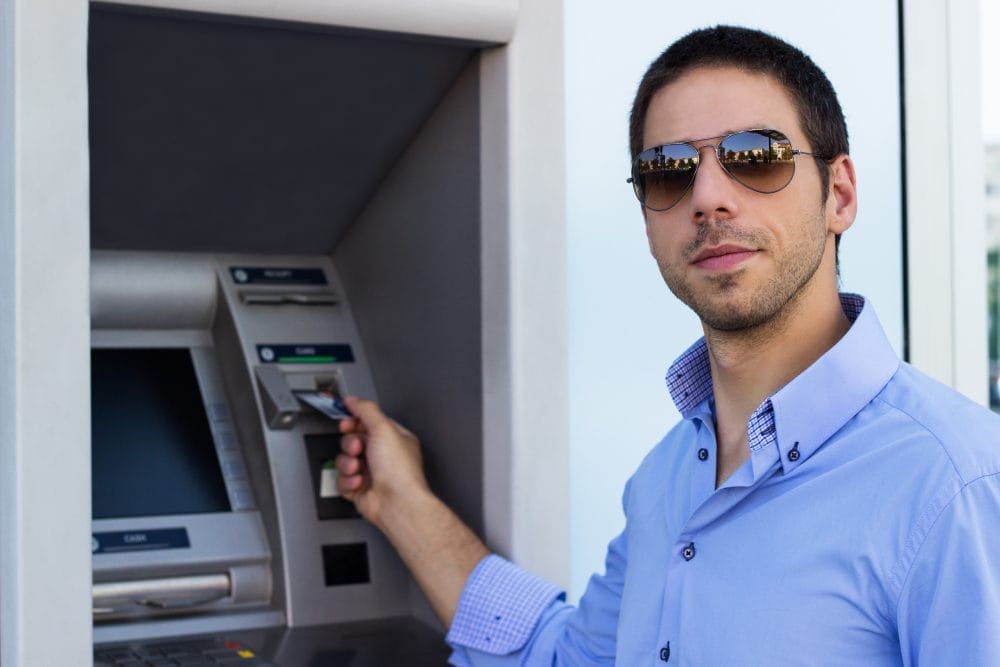
One of the most notorious hidden bank fees is the overdraft charge. While overdraft protection is marketed as a safety net, it’s really a costly trap. Banks earn billions each year from customers who accidentally spend a little more than they have. Even a small $5 purchase can trigger an overdraft fee of $35 or more. The outrageous truth is that this system disproportionately affects people living paycheck to paycheck.

2. Maintenance Fees Punish Low Balances

Another shocking reality of hidden bank fees is the monthly maintenance charges. Many accounts require a minimum balance or certain activity to waive the fee. If you fall short, the bank charges between $10 and $25 each month. This means the customers who can least afford extra costs end up paying the most. It’s a frustrating system that rewards wealthier customers while punishing those with smaller accounts.

3. ATM Fees Multiply Quickly

Using an ATM outside your bank’s network often comes with multiple hidden bank fees. First, the machine itself charges you, then your bank tacks on its own fee. Together, these can easily cost $5 or more per withdrawal. Over time, these fees quietly eat into savings, especially for people in areas with limited bank branches. What seems like a convenient option quickly becomes an expensive habit.

4. Paper Statement Charges Feel Like a Penalty

Many banks now charge for paper statements, making them one of the more surprising hidden bank fees. Customers who prefer or need physical records may be penalized $2 to $5 per statement. While digital delivery saves banks money, they pass the cost of paper onto consumers. This fee targets older customers and those who are less comfortable with technology. It’s less about environmental impact and more about squeezing extra revenue.

5. Wire Transfers Come with Shocking Costs

Sending or receiving money through wire transfers is another area where hidden bank fees thrive. Banks may charge $15 to $50 for each transaction, even when the process is automated. International transfers incur even higher costs, with additional conversion fees often hidden in the exchange rate. For customers, it feels like paying premium prices for a basic service. The high cost of convenience makes wire transfers one of the most outrageous fees of all.

6. Early Account Closure Fees Trap Customers

One of the lesser-known hidden bank fees is the charge for closing an account too soon. Some banks require accounts to remain open for 90 to 180 days, or they charge customers fees of $25 or more. This discourages people from switching to better options and locks them into accounts they may not want to use. It’s a tactic that limits consumer choice while boosting bank profits. The fee feels unfair because it penalizes customers for exercising financial freedom.

Awareness Is the Best Defense Against Fees

The truth about hidden bank fees is that they are everywhere, and they’re designed to catch customers off guard. From overdrafts to ATM charges and wire transfer costs, these fees quietly add up and make banking far more expensive than it should be. The good news is that awareness allows you to fight back. By choosing fee-free accounts, monitoring balances closely, and avoiding unnecessary services, you can protect your hard-earned money. Banks may rely on hidden charges, but smart consumers don’t have to play along.

Which hidden bank fees have surprised you the most? Share your stories and tips in the comments below!

What to Read Next…

  • 9 Hidden Costs of Switching Banks Nobody Warns You About
  • 5 Outrageous Fees Hidden in Everyday Banking Services
  • 8 New Tools That Collect Bank Info Through Pop-Ups
  • 5 Surprising Risks of Keeping Large Savings at Home
  • 7 Surprising Risks of Keeping Too Much Cash at Home
Catherine Reed
Catherine Reed

Catherine is a tech-savvy writer who has focused on the personal finance space for more than eight years. She has a Bachelor’s in Information Technology and enjoys showcasing how tech can simplify everyday personal finance tasks like budgeting, spending tracking, and planning for the future. Additionally, she’s explored the ins and outs of the world of side hustles and loves to share what she’s learned along the way. When she’s not working, you can find her relaxing at home in the Pacific Northwest with her two cats or enjoying a cup of coffee at her neighborhood cafe.


Filed Under: Banking Tagged With: ATM Fees, banking costs, financial traps, hidden bank fees, money management, overdraft charges, Personal Finance

8 Ways Hidden Bank Fees Keep Growing Without Notice

September 1, 2025 by Catherine Reed Leave a Comment

8 Ways Hidden Bank Fees Keep Growing Without Notice

Image source: 123rf.com

Most people expect to pay some fees when using financial services, but few realize just how many hidden charges banks slip into everyday transactions. From small “maintenance” costs to penalties that feel unfair, these fees often fly under the radar until they add up to hundreds of dollars a year. For households already watching their budgets closely, hidden bank fees quietly erode savings and make it harder to get ahead. The tricky part is that many of these charges don’t show up until after the fact. Learning the ways hidden bank fees keep growing without notice helps you spot them early and protect your money.

1. Monthly Maintenance Fees

One of the most common hidden bank fees is the so-called “maintenance” charge. These are monthly costs for simply having an account open. Banks sometimes waive them if you keep a certain balance or set up direct deposit, but not everyone qualifies. Over time, these small fees can drain your account, especially if you’re unaware of the requirements to avoid them. What looks like a few dollars here and there can add up to more than $100 annually.

2. Overdraft Protection Isn’t Free

Many banks advertise overdraft protection as a safeguard, but it comes at a cost. Hidden bank fees often appear when you spend more than your balance, triggering an automatic transfer or loan to cover the shortfall. The bank then charges for the “protection” itself, sometimes multiple times in a single day. This means you’re paying for spending money you didn’t have, plus interest if linked to a credit line. What feels like a safety net quickly turns into a costly trap.

3. ATM Usage Outside Your Network

Another way hidden bank fees keep growing without notice is through ATM usage. Banks charge when you use machines outside their network, and the ATM owner often charges as well. The average ATM fee is $4.77 for a single withdrawal. Frequent travelers or people in areas without convenient branch access get hit hardest. Before long, you might spend more on fees than the cash you’re withdrawing.

4. Paper Statement Fees

In today’s digital age, some banks actually charge you for receiving paper statements. While the cost per month seems minor, it’s one more example of hidden bank fees adding up over time. Many customers don’t even realize they’re being charged simply for wanting a physical record of their transactions. By the end of the year, that “convenience” can cost $12 to $30 or more unnecessarily. Going paperless is often the only way to avoid this subtle charge.

5. Inactivity Penalties

Believe it or not, banks sometimes penalize you for not using your account. If your balance sits untouched for too long, you may face inactivity fees. This is another way hidden bank fees punish customers without them noticing until later. Accounts intended for savings or emergencies often get hit hardest. It’s frustrating to lose money simply for leaving funds where you thought they were safe.

6. Foreign Transaction Costs

When traveling abroad or making online purchases from international retailers, hidden bank fees often strike in the form of foreign transaction charges. Typically, around 1% to 3% of the purchase, these fees add up quickly during vacations or holiday shopping. Many people don’t notice until they see their statements. Even if your card offers perks like airline miles, these charges can offset the value. Choosing a no-foreign-fee card is key to avoiding this unnecessary expense.

7. Excessive Withdrawal Charges on Savings Accounts

Savings accounts are designed to encourage saving, but some banks penalize you for accessing your money too often. Hidden bank fees show up when you exceed a set number of monthly withdrawals, leading to extra charges. Customers often don’t realize these restrictions exist until they’re surprised by the fee. This discourages flexibility and makes emergency access more costly. Knowing your account’s withdrawal limits is critical to avoiding this pitfall.

8. Closing an Account Too Soon

Finally, one of the sneakier hidden bank fees comes when you try to close an account. Some banks charge if the account hasn’t been open long enough, often within 90 or 180 days. This penalizes customers who change their mind or switch banks too quickly. It’s especially frustrating because it feels like you’re being charged for moving your money elsewhere. Reading the fine print before opening an account can save you from this last surprise.

Taking Back Control from Hidden Fees

The reality is that hidden bank fees grow because they’re small, subtle, and often unnoticed until too late. By keeping a close eye on statements, understanding account requirements, and asking questions upfront, you can avoid most of these unnecessary costs. Banks rely on customer inattention to profit from these charges. Staying informed gives you the power to protect your hard-earned money. The more you know, the less you’ll pay for convenience that should be free.

Have you ever been caught off guard by hidden bank fees? Which ones frustrate you the most? Share your experiences in the comments below!

What to Read Next…

Could Too Much Cash in the Bank Actually Hurt Your Financial Future

10 Surprise Transfers in Your Account You Didn’t Authorize

6 Times You Might Unknowingly Sign Away Financial Control

7 ATM Withdrawal Behaviors That Raise Government Surveillance Flags

10 Shocking Fees That Advisors Say Clients Never Notice

Catherine Reed
Catherine Reed

Catherine is a tech-savvy writer who has focused on the personal finance space for more than eight years. She has a Bachelor’s in Information Technology and enjoys showcasing how tech can simplify everyday personal finance tasks like budgeting, spending tracking, and planning for the future. Additionally, she’s explored the ins and outs of the world of side hustles and loves to share what she’s learned along the way. When she’s not working, you can find her relaxing at home in the Pacific Northwest with her two cats or enjoying a cup of coffee at her neighborhood cafe.

Filed Under: Banking Tagged With: banking costs, financial awareness, hidden bank fees, money management, overdraft protection, Personal Finance

The Hidden Loophole That Lets Banks Take More of Your Money

March 24, 2025 by Latrice Perez Leave a Comment

Banking

Image Source: 123rf.com

In today’s banking landscape, consumers often encounter a myriad of fees that, while seemingly minor individually, collectively contribute significantly to banks’ revenues. These hidden charges, often termed “junk fees,” can erode personal savings and complicate financial planning. Understanding these fees is crucial for consumers aiming to protect their financial well-being.​

The Prevalence of Hidden Bank Fees

Banks employ various fees that may not be immediately apparent to account holders. These can include overdraft fees, maintenance charges, ATM usage fees, and more. Such fees often catch consumers off guard, especially when they are not clearly disclosed or are buried within lengthy terms and conditions. This lack of transparency can lead to unexpected financial burdens, particularly for those who are already financially vulnerable.

The Financial Impact on Consumers

The cumulative effect of these hidden fees is substantial. For instance, in 2023, banks charged consumers over $8 billion in overdraft fees alone, averaging about $60 per household. These fees disproportionately affect lower-income individuals and communities of color, exacerbating existing financial inequalities. Moreover, the unpredictability of such charges can hinder effective budgeting and savings efforts, making it challenging for consumers to achieve financial stability.​

Banks’ Revenue from Fees

Banking Fees

Image Source: 123rf.com

Fee income constitutes a significant portion of banks’ revenues. In the third quarter of 2024, U.S. banks reported a more than 5% year-over-year growth in non-interest income, which includes fees. This reliance on fee-based income underscores the importance for consumers to be vigilant about the potential charges associated with their banking activities.

Regulatory Actions and Consumer Advocacy

Recognizing the burden of hidden fees on consumers, regulatory bodies have initiated measures to address these practices. The Consumer Financial Protection Bureau (CFPB) launched an initiative to reduce exploitative junk fees charged by banks and financial companies. Similarly, the Federal Trade Commission (FTC) proposed a rule to ban junk fees, highlighting how these charges make it harder for consumers to shop for the best products or services and punish businesses that are honest upfront. These efforts aim to promote transparency and protect consumers from unfair financial practices.​

Steps Consumers Can Take

To mitigate the impact of hidden bank fees, consumers can take proactive steps:

  1. Review Account Statements Regularly: Regularly monitoring account statements can help identify unexpected charges promptly.​

  2. Understand Fee Structures: Familiarize yourself with your bank’s fee schedule to anticipate potential charges.​

  3. Maintain Minimum Balances: Keeping the required minimum balance can help avoid maintenance fees.​

  4. Opt for Overdraft Protection: Enrolling in overdraft protection can prevent costly overdraft fees.​

  5. Utilize In-Network ATMs: Using ATMs within your bank’s network can help avoid additional withdrawal fees.​

By staying informed and vigilant, consumers can better navigate the banking system and protect their financial interests.​

Potential Hidden Fees

While banks play a crucial role in the financial system, it’s essential for consumers to be aware of the potential hidden fees that can erode their savings. By understanding these charges and taking proactive measures, individuals can safeguard their financial well-being and contribute to a more transparent banking environment.​

Have you found yourself paying hidden fees and wondering why? What measures did you take to reduce or get rid of the fees? Let us know in the comments below.

Read More:

How to Make Banks Pay You Instead of the Other Way Around

Think You’re Helping? The Risky Truth About Giving Money to the Homeless at Stoplights

Latrice Perez

Latrice is a dedicated professional with a rich background in social work, complemented by an Associate Degree in the field. Her journey has been uniquely shaped by the rewarding experience of being a stay-at-home mom to her two children, aged 13 and 5. This role has not only been a testament to her commitment to family but has also provided her with invaluable life lessons and insights.

As a mother, Latrice has embraced the opportunity to educate her children on essential life skills, with a special focus on financial literacy, the nuances of life, and the importance of inner peace.

Filed Under: Banking Tagged With: bank revenue from fees, consumer financial protection, financial literacy, hidden bank fees, junk fees

FOLLOW US

Search this site:

Recent Posts

  • Can My Savings Account Affect My Financial Aid? by Tamila McDonald
  • 12 Ways Gen X’s Views Clash with Millennials… by Tamila McDonald
  • What Advantages and Disadvantages Are There To… by Jacob Sensiba
  • Call 911: Go To the Emergency Room Immediately If… by Stephen Kanaval
  • 10 Tactics for Building an Emergency Fund from Scratch by Vanessa Bermudez
  • 7 Weird Things You Can Sell Online by Tamila McDonald
  • 10 Scary Facts About DriveTime by Tamila McDonald

Copyright © 2026 · News Pro Theme on Genesis Framework