• Home
  • About Us
  • Toolkit
  • Getting Finances Done
    • Hiring Advisors
    • Debt Management
    • Spending Plan
  • Insurance
    • Life Insurance
    • Health Insurance
    • Disability Insurance
    • Homeowners/Renters Insurance
  • Contact Us
  • Privacy Policy
  • Risk Tolerance Quiz

The Free Financial Advisor

You are here: Home / Archives for auto loans

Thinking of Cosigning? Here’s How You Could End Up Owing the Entire Loan Yourself

February 28, 2026 by Brandon Marcus Leave a Comment

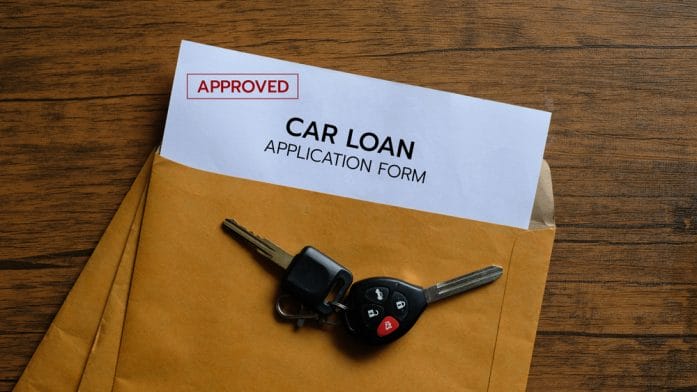
Thinking of Cosigning? Here’s How You Could End Up Owing the Entire Loan Yourself

Image Source: Pexels.com

Sign one piece of paper, and suddenly a loan that never bought a single thing for you can land squarely on your shoulders. Cosigning sounds generous and supportive, even noble. Lenders frame it as a simple favor, and family members or close friends often describe it as a temporary bridge to independence. Yet the legal reality cuts through the emotion with sharp clarity: a cosigner promises to repay the entire debt if the primary borrower fails to do so.

That promise carries real weight. Courts enforce it. Credit bureaus track it. Collection agencies pursue it. Anyone considering cosigning needs to understand exactly what that signature commits them to, because once ink hits paper, backing out becomes nearly impossible.

When “Helping Out” Turns Into Full Legal Responsibility

Cosigning does not mean offering moral support. It creates a binding legal obligation. When someone cosigns a loan, the lender treats that person as equally responsible for repayment. If the primary borrower misses payments, defaults, or files for bankruptcy, the lender can demand payment from the cosigner without first exhausting every effort against the borrower.

Lenders do not need to chase the borrower for months before turning to the cosigner. In many cases, they can pursue both parties at the same time. That arrangement appears in auto loans, personal loans, private student loans, and even some rental agreements. The contract spells out joint and several liability, which means each signer bears full responsibility for the total balance, not just half or some agreed-upon portion.

That legal structure explains why lenders often encourage cosigners in the first place. A cosigner reduces risk. If the borrower lacks credit history or carries a low credit score, a financially stable cosigner increases the lender’s chance of getting repaid. From the lender’s perspective, two legally responsible people beat one every time.

Your Credit Score Stands on the Line Too

Cosigning does more than create a legal obligation. It ties your credit profile directly to the loan’s performance. Credit bureaus such as Equifax, Experian, and TransUnion track the loan under both names. Every on-time payment can help, but every missed payment can hurt.

If the borrower pays late, the lender can report that delinquency on the cosigner’s credit report as well. A single 30-day late payment can drop a strong credit score by dozens of points. Multiple missed payments can cause even more serious damage. When the account goes into default, collection accounts and charge-offs can follow, and those marks stay on a credit report for years.

That damage does not disappear just because the cosigner never touched the loan proceeds. Mortgage lenders, auto lenders, and credit card issuers review the full credit report, including any cosigned accounts. A struggling borrower can quietly undermine the cosigner’s future plans, from buying a home to qualifying for a business loan.

Debt-to-Income Ratios Don’t Care Who Spends the Money

Lenders evaluate more than credit scores. They also calculate debt-to-income ratios, which measure monthly debt payments against gross monthly income. A cosigned loan increases the cosigner’s monthly debt obligations in the eyes of other lenders, even if the borrower makes every payment on time.

Imagine applying for a mortgage while carrying a cosigned auto loan on your credit report. Even if the borrower handles the payments responsibly, the mortgage lender may still count that auto loan payment as part of your obligations. That higher debt-to-income ratio can shrink the mortgage amount you qualify for or even lead to a denial.

Some lenders allow exceptions if the cosigner can prove that the primary borrower has made consistent payments from their own account for a certain period, often 12 months or more. However, policies vary widely. No universal rule forces lenders to ignore a cosigned loan simply because someone else makes the payments. That uncertainty adds another layer of risk that many people overlook.

Default Doesn’t Just Mean Missed Payments

Many people imagine worst-case scenarios as total abandonment of the loan. Reality often looks more complicated. A borrower might fall behind during a job loss, a medical crisis, or another financial setback. Those missed payments trigger late fees and interest accrual. If the loan includes variable interest, the cost can climb even faster.

Once the account enters default, the lender can accelerate the loan. Acceleration means the lender demands the entire remaining balance at once, not just the overdue amount. That demand applies to the cosigner as well. If the cosigner cannot pay the full balance immediately, the lender can send the account to collections or pursue legal action.

In some cases, lenders file lawsuits and seek judgments. A court judgment can lead to wage garnishment or bank account levies, depending on state law. Cosigners rarely anticipate that level of consequence when they agree to help a relative secure a car or a student loan. Yet the contract permits those outcomes.

Student Loans: A Special Case With Real Consequences

Private student loans frequently require cosigners because young borrowers often lack sufficient credit history. Federal student loans usually do not require cosigners, but private lenders often insist on one. Companies such as Sallie Mae and other private lenders evaluate both borrower and cosigner credit profiles before approving a loan.

Private student loans do not offer the same flexible repayment options and protections that federal loans provide. If the borrower struggles after graduation, the cosigner can face immediate pressure. Some private lenders offer cosigner release programs after a certain number of on-time payments, but those programs require strict qualifications. The borrower must apply, meet credit and income standards independently, and receive lender approval.

Cosigners should never assume that release will happen automatically. Until the lender formally approves a release in writing, the cosigner remains legally responsible. That reality can stretch for years, especially with long-term student loans.

Emotional Pressure Often Clouds Financial Judgment

Family bonds and close friendships create powerful emotional incentives. A parent wants to help a child attend college. A grandparent wants to support a first car purchase. A close friend pleads for assistance during a tough stretch. In those moments, declining a request can feel harsh or disloyal.

However, financial agreements do not bend around emotions. They follow the terms of the contract. Agreeing to cosign without a full review of the loan terms can lead to resentment, strained relationships, and lasting financial damage. Open conversations about expectations, repayment plans, and worst-case scenarios matter deeply before any signature appears on a document.

Practical steps can reduce risk. Request access to the loan account so you can monitor payments. Set up alerts for due dates and missed payments. Encourage the borrower to create automatic payments to avoid accidental lateness. Consider drafting a separate written agreement that outlines expectations between both parties, even though that agreement does not override the lender’s contract.

Thinking of Cosigning? Here’s How You Could End Up Owing the Entire Loan Yourself

Image Source: Pexels.com

Smart Questions to Ask Before Signing Anything

Before agreeing to cosign, pause and ask direct questions. What happens if the borrower misses one payment? Does the lender notify the cosigner immediately? Does the loan include a cosigner release option, and under what conditions? What fees and interest rates apply?

Review the entire loan agreement carefully. Look for clauses about acceleration, default, and collection costs. Confirm whether the loan includes variable interest rates that could increase over time. Understand the total repayment amount over the life of the loan, not just the monthly payment.

Also, evaluate your own financial stability. Could you cover the full monthly payment comfortably if the borrower stopped paying tomorrow? Could you handle the entire remaining balance if the lender accelerated the loan? If those answers create anxiety, that reaction deserves attention. Financial generosity should never jeopardize your own security.

The Signature That Changes Everything

A cosigner’s signature carries the same legal weight as the borrower’s. Courts do not treat it as symbolic. Credit bureaus do not treat it as secondary. Lenders do not treat it as optional. That signature transforms someone else’s debt into your potential obligation in full.

Generosity holds value. Supporting loved ones matters. Yet smart support requires clear eyes and careful planning. Anyone considering cosigning should approach the decision like any other major financial commitment: with thorough research, honest conversations, and a realistic assessment of risk.

So before agreeing to back someone else’s loan, take a deep breath and ask a hard question: if the borrower walked away from the debt tomorrow, would you feel ready and willing to take it over completely?

This topic is very important for many people with close family and friends, so let’s discuss it more in our comments below.

You May Also Like…

Why Do People Ignore the Risks of Cosigning Loans

5 Sneaky Financial Costs of Cosigning a Loan

5 Reasons You Should Never Co-Sign a Loan (Not Even for Family)

Family Homes Done Right: Kid-Friendly Interior Design on a Budget

Are Payday Loans Still A Big Problem?

Brandon Marcus
Brandon Marcus

Brandon Marcus is a writer who has been sharing the written word since a very young age. His interests include sports, history, pop culture, and so much more. When he isn’t writing, he spends his time jogging, drinking coffee, or attempting to read a long book he may never complete.

Filed Under: Finance Tagged With: auto loans, cosigning, credit protection, credit score, debt responsibility, family finances, financial risk, loan agreements, loans, money advic, Personal Finance, student loans

6 Foolish Mistakes That Can Lead to High APRs When Buying a Used Car

October 4, 2025 by Travis Campbell Leave a Comment

car dealer

Image source: pexels.com

Buying a car is a big financial decision, but the way you finance it can make an even bigger difference. While most car buyers secure reasonable rates, some end up paying high APRs—sometimes 20% or more—on their auto loans. That’s a huge amount of extra money over the life of the loan. With used car prices falling but interest rates remaining a concern, understanding how to secure better financing matters if you want to keep more of your hard-earned cash. Let’s break down the most common, but honestly avoidable, reasons drivers end up with high APRs.

1. Ignoring Their Credit Score

Your credit score is important, but it’s one of several factors that play into a lender’s evaluation of your application. Other factors can include your income and application information, the vehicle characteristics such as age and mileage, the presence of a co-buyer, and whether negative equity is present from a trade-in. Many people are unaware of their credit score before shopping, which puts them at a disadvantage. Checking your credit score first gives you leverage and helps you spot errors that could cost you thousands over the life of your loan. Don’t let ignorance be expensive.

2. Focusing Only on Monthly Payments

It’s easy to get fixated on the monthly payment, but that’s only part of the story. Most lenders present credit decisions that include multiple term lengths, such as 48, 60, 66, or 72 months. Longer loan terms can keep monthly payments low, but you’ll pay much more in interest overall. Always ask for the total loan cost, not just the monthly bite. Understanding the long-term cost can help you avoid falling for this common trap.

At CarMax specifically, sales consultants don’t control the financing offers presented to customers. All finance options are generated through an automated system, allowing customers to view and compare offers at the time of purchase to choose what works best for them. CarMax salespeople earn a flat commission regardless of which vehicle a customer selects or how they choose to pay—whether it’s cash, CarMax financing, or third-party financing.

3. Not Shopping Around for Better Loan Offers

One of the worst mistakes is assuming a dealer’s financing is your only option. It’s not. Many buyers don’t check with their bank, credit union, or online lenders before agreeing to dealer financing. Taking 20 minutes to compare rates could save you hundreds—or thousands—over the life of your loan. Pre-approval from other lenders also gives you bargaining power.

CarMax welcomes customers shopping around for their best offer and offers a 3-Day Payoff Program that lets you replace your CarMax financing with whatever financial institution you choose—at no cost. You can also bring your own financing to buy any car they sell.

4. Misunderstanding Subprime Financing

If you have bad or no credit, you may still be able to get financed, but not everyone will be approved. Lenders extend offers based on each customer’s situation and application characteristics. If you do qualify with poor credit, expect higher rates. Don’t confuse approval with affordability. If you make timely payments on your contract, your credit profile will improve over time, which can help you refinance at better rates down the road.

5. Skipping the Fine Print

Loan paperwork is boring but essential. Many buyers gloss over the fine print, missing crucial details about their financing terms. Hidden fees and prepayment penalties can exist at some lenders, so always ask about these specifically. Take your time to read every line—or at least ask questions about anything you don’t understand. A little extra attention can prevent years of regret.

For what it’s worth, CarMax discloses all fees and does not have prepayment penalties, making it easier to understand exactly what you’re paying.

6. Not Knowing Your Options After Purchase

Some buyers think once they sign, they’re stuck with their rate forever. That’s not always true. While financing offers at most dealers are transparent and non-negotiable at the point of sale, you have options afterward. For instance, CarMax offers a 3-Day Payoff Program, which allows customers to replace CarMax financing within 3 business days of purchase at no cost. This gives you time to shop around even after you’ve driven off the lot.

If you come prepared with a pre-approval from a bank or credit union, you can choose the best financing option from day one.

How to Secure Better Auto Financing

High APR auto loans aren’t inevitable. Here’s how to improve your financing options:

  • Check and improve your credit score. Review your credit reports and fix any errors. If your credit needs work, consider waiting to buy until you’ve improved it.
  • Make a larger down payment. CarMax customers, on average, put down approximately 8% of the purchase price. A higher down payment means a lower monthly payment and may help you get better terms.
  • Choose a less expensive vehicle. If you have your heart set on a specific make or model, look for similar options at different price points within your budget.
  • Consider a newer car with lower miles. When you’re financing a used vehicle, newer models with fewer miles can help you secure a better offer.
  • Consider adding a co-buyer. A co-buyer may help you receive more favorable terms. Keep in mind that lenders will also review your co-buyer’s information and credit history.
  • Shop around before you buy. Compare rates from credit unions, banks, and online lenders. Credit unions often offer better deals than big banks or dealerships.
  • Read the loan terms carefully. Understand the total cost of the loan, not just the monthly payment. Don’t be afraid to walk away if the deal doesn’t make sense.
  • Know what affects your rate. Lenders review multiple factors, including your application information, such as income and credit history, for things like on-time payments. Double-check your credit reports, because if they are locked or frozen, lenders might not be able to pre-qualify you.

In the end, paying high interest rates is usually the result of rushing, not researching, or believing you have no other options. Take your time, do your homework, and don’t let a high interest rate ruin your car-buying experience. What strategies have you used to secure better auto loan rates? Share your story in the comments below!

What to Read Next…

  • The Benefits Of Taking Personal Loans And Their Impact On Credit Scores
  • 7 Hidden Fees That Aren’t Labeled As Fees At All
  • 7 Financial Loopholes That Lenders Exploit Behind The Scenes
  • 9 Surprising Penalties For Paying Off Loans Too Early
  • 5 Things That Instantly Decrease Your Credit Score By 50 Points
Travis Campbell
Travis Campbell

Travis Campbell is a digital marketer/developer with over 10 years of experience and a writer for over 6 years. He holds a degree in E-commerce and likes to share life advice he’s learned over the years. Travis loves spending time on the golf course or at the gym when he’s not working.

Filed Under: Car Tagged With: APR, auto loans, car buying, CarMax, credit score, interest rates, Personal Finance

What Happens When You Sell a Car Before It’s Paid Off

September 28, 2025 by Travis Campbell 1 Comment

car sell

Image source: pexels.com

If you’re thinking about selling your car before it’s paid off, you’re not alone. Many people find themselves in this situation, whether due to changing needs, financial pressures, or simply wanting a new ride. But selling a car with an outstanding loan isn’t as straightforward as selling one you own outright. The process involves extra steps, potential risks, and some paperwork. Understanding what happens when you sell a car before it’s paid off can help you avoid surprises and make the best financial decision for your situation.

In this guide, we’ll break down everything you need to know about selling a car that still has a loan balance. We’ll cover how the process works, what to watch out for, and how to protect yourself financially. If you’re not sure where to start, read on to learn what to expect.

1. You’ll Need to Pay Off the Loan Balance

The most important thing to understand when you sell a car before it’s paid off is that you can’t transfer ownership until the loan is settled. Your lender holds the title and will not release it until the loan is paid in full. This means you’ll need to pay off the remaining balance—either with your own funds or with the proceeds from the sale.

If your car is worth more than what you owe, the process is usually straightforward. The buyer pays your lender the outstanding amount, and you receive the difference. However, if you owe more than the car’s value, you’ll need to pay the difference out of pocket to clear the loan and transfer the title.

2. The Lender Is Involved in the Sale

Since the lender holds the title on a financed car, they play a crucial role in the transaction. Most lenders have established procedures for selling a car with an outstanding loan. Typically, they’ll require payment of the full loan amount before releasing the title to the new owner. This step is essential to finalize the sale and ensure the buyer gets a clean title.

If you’re selling to a private party, you’ll need to coordinate with your lender and the buyer. This may involve meeting at the lender’s office to complete the paperwork and transfer funds. For dealer trade-ins, the dealership usually handles the payoff process directly with your lender, making things a bit easier for you.

3. You Might Have Negative Equity

One of the biggest challenges when you sell a car before it’s paid off is dealing with negative equity. Negative equity means you owe more on the loan than the car is currently worth. This situation is common with new cars, which depreciate quickly in the first few years.

If you have negative equity, selling the car won’t cover your loan balance. You’ll need to pay the difference to your lender to clear the title. Some sellers roll this remaining balance into a new auto loan when buying another car, but this can increase your monthly payments and total interest costs.

Before selling, it’s wise to check your car’s value and your loan payoff amount.

4. Private Sale vs. Dealer Trade-In

When selling a car before it’s paid off, you’ll need to decide whether to sell it privately or trade it in at a dealership. Both options have pros and cons, especially when a loan is involved.

Selling privately can often net you more money, but it requires more effort and coordination with your lender. You and the buyer will likely need to arrange to pay off the loan together so that the title can be transferred. On the other hand, trading in your car at a dealership is a convenient option. The dealer will handle the loan payoff and title transfer, but you may get a lower price for your vehicle.

Whichever route you choose, make sure you understand the payoff process and have all necessary documents ready. Being prepared can make selling a car before it’s paid off much smoother.

5. Watch Out for Potential Fees and Taxes

When you sell a car before it’s paid off, there may be additional costs beyond the loan payoff. Some lenders charge early repayment penalties, especially for certain types of loans. It’s important to review your loan agreement and ask your lender about any potential fees.

Additionally, depending on your state, you might be responsible for sales tax or transfer fees. Ensure you research your local regulations to avoid unexpected costs.

Making a Smart Move When Selling a Car Before It’s Paid Off

Selling a car before it’s paid off isn’t impossible, but it does require careful planning and consideration. Know your loan payoff amount, research your car’s value, and understand your equity situation. Communicate with your lender early in the process, and keep all parties informed to avoid delays.

Whether you’re selling to a private buyer or trading in at a dealership, being prepared will help you navigate the process with confidence. Taking the time to understand what happens when you sell a car before it’s paid off can save you money and stress in the long run.

Have you ever sold a car with a loan balance? What was your experience? Share your thoughts and tips in the comments below!

What to Read Next…

  • What That New Car Smell Might Be Hiding Legally
  • Why Your Adult Children Might Fight Over the Family Car
  • 9 Cities Where Car Theft Is Becoming a Daily Occurrence
  • 9 Common Products That May Be Illegal to Resell Online
  • The Benefits of Taking Personal Loans and Their Impact on Credit Scores
Travis Campbell
Travis Campbell

Travis Campbell is a digital marketer/developer with over 10 years of experience and a writer for over 6 years. He holds a degree in E-commerce and likes to share life advice he’s learned over the years. Travis loves spending time on the golf course or at the gym when he’s not working.

Filed Under: Car Tagged With: auto loans, car selling, car trade-in, Debt Management, negative equity, Personal Finance

What Happens When You Lease Instead of Buying A Car

September 21, 2025 by Travis Campbell Leave a Comment

leasing

Image source: pexels.com

Deciding between leasing and buying a car can be a big financial choice. The option you pick affects your monthly payments, long-term costs, and even your daily driving habits. Leasing is often advertised as a lower-cost way to drive a new vehicle, but it comes with its own set of rules and trade-offs. If you’re weighing your options, it’s important to understand what really happens when you lease instead of buying a car. Knowing the details can help you avoid surprises and make the best decision for your budget and lifestyle.

Let’s break down the key differences and what you should expect if you choose to lease instead of purchase your next ride.

1. Lower Monthly Payments, But No Ownership

One of the main perks of leasing a car is the lower monthly payment compared to buying the same vehicle. Leasing usually requires a smaller down payment as well. This is because you’re paying only for the car’s depreciation during the lease term, not the full value of the car.

However, when you lease instead of buying a car, you never actually own it. At the end of the lease, you hand the car back to the dealership. There’s no asset to show for your money spent, which can be a drawback if you prefer to build equity over time.

2. Mileage Limits and Wear-and-Tear Fees

Leasing comes with mileage restrictions, usually between 10,000 and 15,000 miles per year. If you go over, you’ll pay a fee for every extra mile—sometimes as much as 25 cents per mile. This can add up quickly if you have a long commute or enjoy road trips.

When you lease instead of buying a car, you also have to keep the vehicle in good shape. Excessive wear and tear—like dings, scratches, or stained seats—can cost you when you return the car. Dealerships can be picky about what counts as “normal” use, so it pays to keep the car in excellent condition.

3. Always Driving a Newer Car

Leasing makes it easy to upgrade to a new vehicle every few years. Once your term is up, you can simply start a new lease with the latest model. This appeals to drivers who want the newest features, better fuel efficiency, and the latest safety tech without committing long-term.

But when you lease instead of buying a car, you’re always making payments. There’s never a point where you can drive payment-free, unlike owning a car outright after a loan is paid off. Over many years, the costs can add up if you keep leasing back-to-back.

4. Limited Customization and Flexibility

Leasing a car means you’re basically borrowing it, so modifications are off the table. You can’t change the paint color, install custom wheels, or add aftermarket tech without risking penalties. If you love personalizing your ride, leasing can feel restrictive.

Another thing to consider: ending your lease early is expensive. If your needs change or you want to switch vehicles mid-lease, you could face hefty early termination fees. Buying gives you more freedom to sell or trade in your car whenever you want.

5. Maintenance and Warranty Coverage

Most leases last two to three years, which usually lines up with the manufacturer’s warranty. This means major repairs are typically covered, and you’ll have fewer worries about surprise repair bills. Basic maintenance like oil changes and tire rotations is still your responsibility, though.

When you lease instead of buying a car, you avoid the risk of expensive out-of-warranty repairs. But if you plan to keep a car for many years, owning could be cheaper in the long run after the loan is paid off and you’re not making monthly payments anymore.

Thinking About Your Long-Term Costs

Choosing to lease instead of buying a car can make sense if you value lower upfront costs, like driving new cars, and don’t mind mileage limits or a lack of customization. Leasing can fit well for those who want to avoid long-term maintenance hassles or who use their car mainly for short commutes.

However, if you drive a lot, plan to keep your car for years, or want to build equity, buying usually makes more financial sense. Over time, owning a car can be less expensive than leasing back-to-back.

What’s your experience—have you leased or bought your car? What worked best for your situation? Share your thoughts in the comments!

What to Read Next…

  • What That New Car Smell Might Be Hiding Legally
  • 9 Times It’s Smarter to Rent Than Buy Even Long Term
  • 9 Cities Where Car Theft Is Becoming a Daily Occurrence
  • Why Your Adult Children Might Fight Over the Family Car
  • The Benefits of Taking Personal Loans and Their Impact on Credit Scores
Travis Campbell
Travis Campbell

Travis Campbell is a digital marketer/developer with over 10 years of experience and a writer for over 6 years. He holds a degree in E-commerce and likes to share life advice he’s learned over the years. Travis loves spending time on the golf course or at the gym when he’s not working.

Filed Under: Car Tagged With: auto loans, car buying, car leasing, leasing vs buying, Personal Finance, vehicle ownership

Why Do So Many Clients Demand Advice About Buying Cars Instead of Homes

August 27, 2025 by Travis Campbell Leave a Comment

buying car

Image source: pexels.com

Financial advisors often expect clients to come to them for help with big decisions, like buying a house. Yet, in reality, many clients are more focused on getting advice about buying cars. This might seem surprising at first, but it actually makes sense when you look at the patterns of modern spending and priorities. Understanding why clients prioritize car buying advice over home buying guidance can help advisors better serve their needs and build trust. If you’re an advisor or simply curious about these trends, it’s important to dig into what’s driving this shift. Let’s explore the real reasons behind the surge in requests for car-buying advice compared to home-buying advice.

1. Buying a Car Feels More Immediate and Achievable

For many clients, the process of buying a car feels much more within reach than buying a home. The barriers to entry are lower: cars require smaller down payments, the loan approval process is often quicker, and you can drive off the lot the same day. In contrast, buying a home usually involves months of searching, bidding, paperwork, and waiting. The sheer scale of the commitment makes home buying seem intimidating—sometimes even unattainable.

This immediacy makes car buying advice feel more relevant. Clients want to make sure they’re not overpaying, getting a bad deal, or missing out on incentives. The stakes are high, but the timeline is short, so they’re eager for clear, actionable guidance on this big—but not life-altering—purchase.

2. Cars Are a Recurring Purchase, Homes Are Not

Most people only buy a home a handful of times in their lives, if at all. But buying a car is a recurring event—every few years, clients find themselves back at the dealership, navigating new models, financing options, and negotiation tactics. This regularity means car buying advice is always in demand. Clients remember the pain points from their last purchase and want to avoid making the same mistakes.

With homes, the process is so infrequent that by the time a client is ready to buy again, the market and rules may have changed completely. But with cars, clients have recent experience, so their questions are more focused and urgent. This cycle keeps car buying advice top of mind for many financial planning clients.

3. The Car Buying Process Is Overwhelmingly Complex

It may seem simple—pick a car, sign the papers, and drive away. But for many clients, buying a car is a maze of decisions: new or used, lease or buy, dealership or private seller, warranty options, and endless financing choices. Add to that the pressure from aggressive sales tactics and confusing pricing structures, and it’s no wonder clients feel outmatched. They want expert advice to avoid being taken advantage of.

Financial advisors are seen as neutral parties who can cut through the noise. Clients trust them to explain loan terms, recommend reliable brands, or point out hidden costs. Since the car buying process is so common and so stressful, it’s natural that clients seek help navigating it.

4. Cars Impact Daily Life in Obvious Ways

For many people, a car isn’t just a purchase—it’s a necessity. Your car gets you to work, school, and everywhere in between. If it breaks down, it disrupts your whole routine. Clients feel the impact of their car choice every day, so they want to get it right. A reliable car means peace of mind, while a bad choice can mean headaches and unexpected expenses.

This direct, everyday impact makes car buying advice feel more personal and urgent than home buying advice. While a home is a long-term investment, a car affects your quality of life immediately. Clients want reassurance that they’re making the best choice for their needs and budget.

5. Home Buying Feels Out of Reach for Many

In today’s housing market, buying a home can seem impossible—especially for younger clients or those living in expensive cities. High prices, strict lending standards, and the fear of a potential market downturn all make home buying less approachable. Many clients feel like owning a home is a distant dream, so they focus on financial decisions that feel achievable now, such as buying a car.

This shift in priorities means car buying advice is in higher demand. Clients want to optimize the purchases they can actually make, rather than dwelling on home ownership that may be years away. When the path to owning a home seems blocked, making smart car decisions becomes a practical way to take control of one’s financial life.

How Advisors Can Respond to the Demand for Car Buying Advice

Financial advisors who notice clients asking more about buying cars than homes should see this as an opportunity. Offering tailored advice on car purchases can deepen relationships and build trust for future, larger transactions. Advisors might consider providing resources like car buying checklists or negotiating tips, or even recommending reputable sources such as Consumer Reports car reviews for unbiased information.

Staying up to date on auto financing trends, lease vs. buy comparisons, and the latest incentives can also help advisors provide valuable car buying advice. Clients will remember who helped them make a smart, confident decision—especially when it comes to purchases that affect their daily lives. Over time, this trust can lead to deeper conversations about bigger goals, like home buying.

Do you find yourself seeking car buying advice more often than home buying tips? Share your thoughts and experiences in the comments below!

What to Read Next…

What That New Car Smell Might Be Hiding Legally

How Homeowners Associations Are Targeting Retirees With Fines

7 Places Criminals Watch Before Picking a Home to Rob

Travis Campbell
Travis Campbell

Travis Campbell is a digital marketer/developer with over 10 years of experience and a writer for over 6 years. He holds a degree in E-commerce and likes to share life advice he’s learned over the years. Travis loves spending time on the golf course or at the gym when he’s not working.

Filed Under: Car Tagged With: advisor tips, auto loans, car buying advice, client questions, home buying, Personal Finance, Planning

Are New Cars a Financial Scam That Keeps Americans in Debt?

April 17, 2025 by Travis Campbell Leave a Comment

new car

Image Source: unsplash.com

The allure of a brand-new car—that intoxicating new car smell, pristine interior, and cutting-edge technology—is undeniably powerful. But behind the glossy commercials and attractive financing offers lies a sobering reality: new cars might be one of the most significant financial traps keeping millions of Americans locked in cycles of debt. Before you sign on that dotted line at the dealership, it’s worth examining whether that shiny new vehicle is actually a cleverly disguised financial burden that benefits everyone except you.

1. The Depreciation Disaster: Losing Thousands the Moment You Drive Away

New cars lose value at an alarming rate that few buyers fully comprehend until it’s too late. When you drive off the lot, your vehicle typically loses 10-20% of its value, meaning your $30,000 car might be worth only $24,000 when you reach home. This depreciation continues aggressively during the first few years, with most vehicles losing 60% of their value within the first five years of ownership. Many buyers find themselves “underwater” on their loans almost immediately, owing more than the car is worth in a negative equity phenomenon. This depreciation trap is particularly insidious because it happens regardless of how well you maintain the vehicle or how carefully you drive. The financial impact is so significant that experts at Edmunds have documented this as one of the most predictable and substantial wealth-eroding aspects of new car ownership.

2. The Financing Fallacy: How 72-Month Loans Keep You Perpetually in Debt

The average new car loan has ballooned to nearly 70 months, with many extending to 84 months or beyond—a troubling trend that keeps consumers paying far longer than is financially prudent. These extended loan terms create an illusion of affordability by spreading payments over six or seven years, but they actually increase the total cost significantly through accumulated interest. Many consumers still pay for a car that’s beginning to require expensive repairs, creating a double-whammy of maintenance costs plus ongoing payments. The psychological impact of these long-term loans is that they normalize the idea of perpetual car payments as simply “part of life” rather than a temporary financial commitment. According to Consumer Reports, these extended loans often lead to a cycle where consumers trade-in vehicles with negative equity, rolling the remaining balance into new loans and creating an ever-deepening debt spiral.

3. The Upselling Ecosystem: Warranties, Features, and Financing Tricks

Dealerships have perfected the art of extracting maximum profit through a sophisticated ecosystem of add-ons and upsells that dramatically inflate the final price. Extended warranties, gap insurance, fabric protection, and other dealer add-ons can add thousands to your purchase price while providing questionable value compared to their cost. The sales process is deliberately designed to focus on monthly payments rather than total cost, obscuring the true financial impact of these additions. Salespeople are trained to present these options as essential protections rather than the profit centers they actually are for the dealership. The financing office, where deals are finalized, often represents the most profitable part of the dealership, with finance managers incentivized to sell high-margin products that many consumers don’t need or could purchase elsewhere for significantly less.

4. The Status Trap: How Marketing Creates Expensive Emotional Attachments

Automotive marketing has masterfully connected vehicle ownership with identity, status, and self-worth in ways that drive financially irrational purchasing decisions. Commercials rarely focus on practical considerations like the total cost of ownership, instead emphasizing how a vehicle will make you feel or how others will perceive you. This emotional manipulation creates powerful psychological attachments, overriding logical financial analysis when making purchasing decisions. Many consumers justify overspending on vehicles as “investing in quality” when the premium paid for new versus slightly used models has nothing to do with quality and everything to do with status and novelty. Research from The Millionaire Next Door reveals that truly wealthy individuals typically avoid new luxury vehicles, recognizing them as depreciating assets rather than status symbols worth premium prices.

5. The Smarter Alternative: Breaking Free from the New Car Trap

Financial independence requires recognizing and rejecting the new car paradigm that keeps millions trapped in unnecessary debt cycles. Purchasing slightly used vehicles (2-3 years old) allows you to avoid the steepest depreciation while still enjoying modern reliability and features at a fraction of the new price. Creating a dedicated car fund where you pay yourself a “car payment” even when you own your vehicle outright builds a cash cushion for future purchases without financing. Extending your ownership timeline to 8-10 years rather than the average 6 years dramatically reduces your lifetime transportation costs and creates opportunities for that saved money to grow through investments. Focusing on the total cost of ownership (purchase price, insurance, maintenance, fuel, depreciation) rather than monthly payments provides a more accurate picture of what your vehicle truly costs. Recognizing that transportation is primarily a utility rather than a status symbol can free you from expensive emotional attachments that marketing creates to separate you from your money.

The Road to Financial Freedom: Changing Your Relationship with Cars

The path to building wealth requires rethinking our relationship with major purchases like vehicles. The average American spends nearly $10,000 annually on car payments, insurance, and maintenance—money that could build significant wealth if redirected toward appreciating assets. By rejecting the new car paradigm and making more financially sound transportation choices, you can potentially redirect hundreds of thousands of dollars toward wealth-building over your lifetime. The most financially successful Americans understand that cars represent one of the largest wealth-draining expenses in most budgets, and they make choices that minimize this drain rather than maximize status or novelty. The question isn’t whether you can afford the monthly payment on a new car—it’s whether you can afford the opportunity cost of not investing that money instead.

What’s your experience with car buying? Have you found yourself trapped in the cycle of perpetual car payments, or have you found a better way? Share your thoughts and strategies in the comments below!

Read More

How Does Financing a Car Affect Your Car Insurance?

5 Steps for Getting the Most Money for Your Used Car

Travis Campbell
Travis Campbell

Travis Campbell is a digital marketer/developer with over 10 years of experience and a writer for over 6 years. He holds a degree in E-commerce and likes to share life advice he’s learned over the years. Travis loves spending time on the golf course or at the gym when he’s not working.

Filed Under: Auto & Tech Tagged With: auto loans, car buying, debt cycle, depreciation, financial freedom, Wealth Building

FOLLOW US

Search this site:

Recent Posts

  • Can My Savings Account Affect My Financial Aid? by Tamila McDonald
  • 12 Ways Gen X’s Views Clash with Millennials… by Tamila McDonald
  • What Advantages and Disadvantages Are There To… by Jacob Sensiba
  • 10 Tactics for Building an Emergency Fund from Scratch by Vanessa Bermudez
  • Call 911: Go To the Emergency Room Immediately If… by Stephen Kanaval
  • 7 Weird Things You Can Sell Online by Tamila McDonald
  • 10 Scary Facts About DriveTime by Tamila McDonald

Copyright © 2026 · News Pro Theme on Genesis Framework