• Home
  • About Us
  • Getting Finances Done
    • Hiring Advisors
    • Debt Management
    • Spending Plan
  • Insurance
    • Life Insurance
    • Health Insurance
    • Disability Insurance
    • Homeowners/Renters Insurance
  • Contact Us
  • Our Editorial Commitment

The Free Financial Advisor

You are here: Home / Archives for credit damage

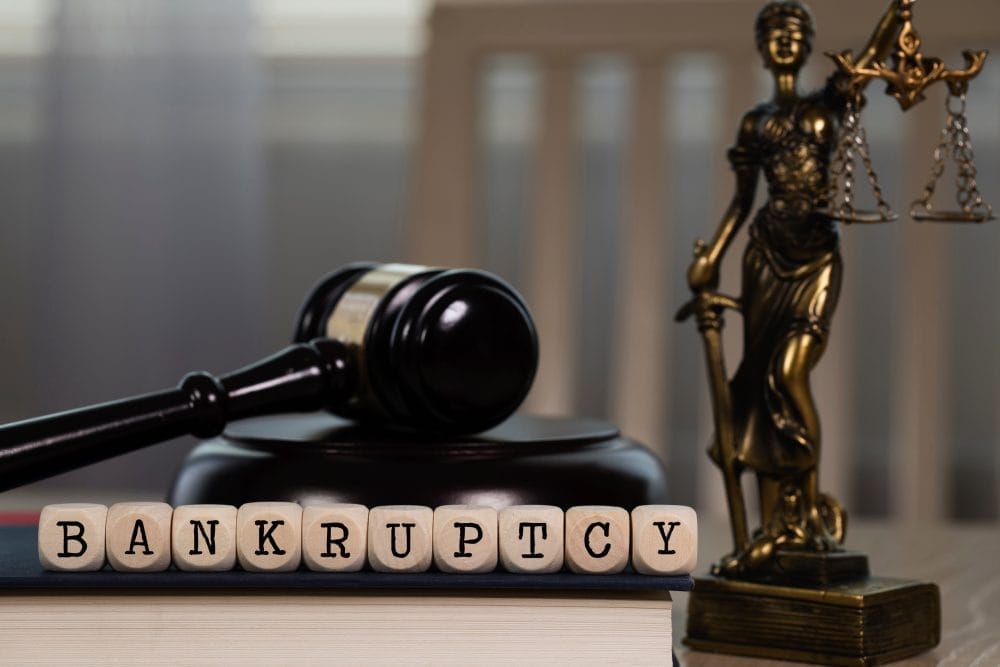
8 Shocking Costs That Appear in Bankruptcy Court

September 28, 2025 by Catherine Reed Leave a Comment

8 Shocking Costs That Appear in Bankruptcy Court
Image source: 123rf.com

Many people turn to bankruptcy as a last resort to escape overwhelming debt, expecting it to provide immediate relief. What most don’t realize is that bankruptcy court comes with its own set of expenses that can be both surprising and overwhelming. Filing isn’t free, and the process involves more than just wiping debts away. Between legal fees, hidden charges, and ongoing obligations, the costs of bankruptcy can catch even the most prepared individuals off guard. Here are eight shocking costs that often appear in bankruptcy court and why understanding them ahead of time matters.

1. Filing Fees Add Up Quickly

One of the first shocking costs in bankruptcy court is the mandatory filing fee. Depending on whether you file Chapter 7 or Chapter 13, the fee typically ranges from $300 to $400. While this may not seem huge compared to overall debts, it’s a significant expense for people already strapped for cash. Courts usually require payment up front, although installment plans are sometimes available. For many, the cost of filing is an unexpected barrier to starting the process.

2. Attorney Fees Can Be Steep

Another major cost in bankruptcy court is hiring an attorney. While it’s possible to file without legal help, most cases are too complex to handle alone. Attorney fees can range from $1,000 to $3,500 or more, depending on the type of bankruptcy. These fees must often be paid before filing, putting even more strain on already struggling families. The reality is that bankruptcy relief comes at a steep price.

3. Credit Counseling and Debtor Education Courses

Before a bankruptcy case can move forward, filers are required to complete credit counseling and debtor education courses. These classes aren’t free, and costs usually range from $20 to $100 each. While the price might not seem overwhelming, it’s one more expense added to the process. Courts won’t approve the bankruptcy without proof of completion. For many, this requirement feels like just another hurdle when money is already tight.

4. Trustee and Administrative Fees

Bankruptcy court also includes trustee and administrative fees that filers don’t always anticipate. Trustees oversee cases, distribute payments, and ensure the process follows legal guidelines. Their work is compensated with fees, often based on a percentage of the debtor’s payments or assets. These charges reduce what’s available to repay creditors and extend the overall financial burden. It’s one of the less obvious costs that quietly eats into any relief.

5. Asset Liquidation Losses

For those filing Chapter 7, liquidation of non-exempt assets is one of the most shocking costs in bankruptcy court. Cars, property, or valuables may be sold to repay creditors. Even if the item is worth more than the debt, the filer won’t recover the difference. Losing assets often carries both financial and emotional weight, making bankruptcy feel more punishing than freeing. This hidden cost is one of the hardest realities for many people.

6. Higher Interest Rates After Filing

Bankruptcy doesn’t eliminate future borrowing needs, but it makes them much more expensive. Once the filing is complete, lenders see filers as high-risk borrowers. This translates into higher interest rates on credit cards, auto loans, and even mortgages. Over time, the added cost of borrowing becomes one of the most expensive consequences of bankruptcy. The court case may end, but the financial impact lingers for years.

7. Wage Garnishment in Chapter 13 Cases

For Chapter 13 filers, repayment plans often involve wage garnishment, which is directly deducted from paychecks. While this ensures payments are made, it also significantly reduces take-home pay. Families may struggle to cover daily expenses with less income available. The garnishment serves as a constant reminder of the financial strain, even as one tries to rebuild. This ongoing cost is one of the most shocking aspects of the Chapter 13 bankruptcy court.

8. Long-Term Credit Damage

Perhaps the most underestimated cost of bankruptcy court is the long-term credit damage. A bankruptcy filing can stay on credit reports for up to 10 years. This lowers credit scores, making it harder to qualify for loans, rent housing, or even land certain jobs. The inability to access affordable credit becomes a hidden financial burden. While it’s not a direct out-of-pocket cost, the long-term impact on opportunities is massive.

Bankruptcy Relief Comes at a Price

Bankruptcy court may provide a path out of crushing debt, but it doesn’t come without shocking costs. From attorney fees and credit counseling to asset losses and long-term credit consequences, the financial burden doesn’t end with filing. Understanding these expenses upfront helps families make more informed decisions and prepare for the road ahead. Bankruptcy is not a free reset button—it’s a process that requires careful planning and realistic expectations.

Have you or someone you know faced surprising costs in bankruptcy court? Share your experiences and insights in the comments below!

What to Read Next…

  • 7 Outrageous Truths About Medical Debt
  • These Debts First: 5 Debts You Should Always Pay Off First
  • Why Do Couples Hide Debt From Each Other Until It’s Too Late
  • Could A Pet’s Surgery Push You Into Debt
  • 6 Times Helping Family Financially Ends in Regret
Catherine Reed
Catherine Reed

Catherine is a tech-savvy writer who has focused on the personal finance space for more than eight years. She has a Bachelor’s in Information Technology and enjoys showcasing how tech can simplify everyday personal finance tasks like budgeting, spending tracking, and planning for the future. Additionally, she’s explored the ins and outs of the world of side hustles and loves to share what she’s learned along the way. When she’s not working, you can find her relaxing at home in the Pacific Northwest with her two cats or enjoying a cup of coffee at her neighborhood cafe.

Filed Under: Law Tagged With: bankruptcy costs, bankruptcy court, credit damage, Debt Management, debt relief, Personal Finance, Planning

Why Your “Buy Now Pay Later” Purchases Could Tank Your Credit for Years

May 9, 2025 by Travis Campbell Leave a Comment

klarna
Image Source: pexels.com

The convenience of clicking “Buy Now Pay Later” (BNPL) at checkout has revolutionized how we shop online. These seemingly innocent installment plans promise financial flexibility without the sting of credit card interest. Yet beneath this appealing surface lurks a potential credit catastrophe waiting to happen. As BNPL services like Affirm, Klarna, and Afterpay continue their explosive growth, many consumers remain unaware that these “harmless” payment options can severely damage their credit scores for years to come. Understanding these risks isn’t just financial housekeeping—it’s essential protection for your future borrowing power when needed.

1. BNPL Payments Can Appear as High-Utilization Debt

When you use BNPL services, these arrangements often get reported to credit bureaus as revolving credit accounts similar to credit cards. The problem? They typically report the entire purchase amount immediately, even though you’re paying it off gradually. This creates the appearance of high credit utilization—one of the most influential factors in your credit score calculation.

Credit scoring models view high utilization (typically above 30% of available credit) as a red flag indicating potential financial distress. A single large BNPL purchase can suddenly make it look like you’re maxing out your available credit, causing an immediate drop in your score.

What makes this particularly damaging is that utilization has no “memory” in credit scoring, meaning high utilization continues hurting your score until the balance decreases, potentially affecting loan applications or credit card approvals during that period.

2. Missed Payments Create Lasting Damage

BNPL services market themselves on flexibility, but they’re surprisingly unforgiving when payments are missed. According to a 2022 Consumer Financial Protection Bureau report, late payment reporting practices vary widely across BNPL providers, creating confusion for consumers.

When you miss a BNPL payment, credit bureaus can report it as delinquent. These negative marks remain on your credit report for up to seven years, long after you’ve forgotten about that impulse purchase. Even a single 30-day late payment can drop a good credit score by 50-100 points, with recovery taking months or years.

The automated payment systems used by most BNPL services create additional risk. If your linked payment method has insufficient funds, you could face cascading penalties: late fees from the BNPL provider, overdraft fees from your bank, and credit score damage from the reported delinquency.

3. Multiple BNPL Accounts Trigger Hard Inquiries

While some BNPL services advertise “no credit check” options, many perform hard credit inquiries when you open an account. Unlike soft inquiries, hard inquiries appear on your credit report and typically reduce your score by 5-10 points each.

The real danger comes from opening multiple BNPL accounts across different services. Research found that 34% of BNPL users have accounts with at least two different providers. Each new account can trigger another hard inquiry, creating a compounding negative effect.

These inquiries remain on your credit report for two years. Lenders viewing multiple recent inquiries may conclude you’re desperately seeking credit, a major red flag when evaluating loan applications.

4. BNPL Creates Credit Mix Imbalances

Credit scoring models reward consumers for maintaining a healthy mix of credit types—installment loans (like mortgages or auto loans) and revolving credit (like credit cards). BNPL arrangements often fall into a confusing middle ground that can disrupt this balance.

Some BNPL services report as installment loans, while others report as revolving credit. Too many of either type can negatively impact your credit mix score component. This is particularly problematic for consumers with limited credit history, where BNPL accounts might represent a disproportionate percentage of their overall credit profile.

Additionally, BNPL accounts typically have short terms (often weeks or months), which reduces your average account age—another factor in credit scoring. A lower average account age suggests a higher risk to potential lenders.

5. The “Invisible Debt” Problem

Perhaps the most insidious aspect of BNPL services is their ability to facilitate “invisible debt” accumulation. The psychological ease of spreading payments makes purchases feel more affordable than they actually are.

A 2023 LendingTree survey found that 42% of BNPL users admitted to making purchases they couldn’t otherwise afford. This invisible debt accumulation can lead to overextension, where consumers take on more financial obligations than their income can support.

When this debt burden becomes unsustainable, consumers may resort to additional borrowing or miss payments across multiple accounts, creating a domino effect of credit damage that can take years to repair.

The Hidden Cost of Convenience

The true price of BNPL convenience extends far beyond the purchase itself. While these services offer legitimate benefits for disciplined consumers, they represent a modern credit trap for the unwary. The immediate gratification of splitting payments comes with potential long-term consequences for your financial health.

Before clicking that BNPL button, consider whether the purchase is essential and if you could save up for it instead. If you must use BNPL, treat these arrangements with the same seriousness as traditional loans—budget for payments, set calendar reminders, and maintain sufficient funds in your payment account.

Your future self—whether applying for a mortgage, financing a car, or seeking a competitive interest rate—will thank you for protecting your credit score today.

Have you ever used a Buy Now Pay Later service and experienced unexpected consequences? Share your story in the comments below to help others avoid similar pitfalls.

Read More

How to Boost Your Credit Score and Avoid Loan Rejection

How Long Does Bankruptcy Stay on Credit Report?

Travis Campbell
Travis Campbell

Travis Campbell is a digital marketer/developer with over 10 years of experience and a writer for over 6 years. He holds a degree in E-commerce and likes to share life advice he’s learned over the years. Travis loves spending time on the golf course or at the gym when he’s not working.

Filed Under: credit score Tagged With: Affirm, Afterpay, BNPL risks, buy now pay later, credit damage, credit score, Klarna, Personal Finance

Follow Us

Search this site:

Recent Posts

  • Can My Savings Account Affect My Financial Aid? by Tamila McDonald
  • 12 Ways Gen X’s Views Clash with Millennials… by Tamila McDonald
  • What Advantages and Disadvantages Are There To… by Jacob Sensiba
  • 10 Tactics for Building an Emergency Fund from Scratch by Vanessa Bermudez
  • Call 911: Go To the Emergency Room Immediately If… by Stephen Kanaval
  • 7 Weird Things You Can Sell Online by Tamila McDonald
  • 10 Scary Facts About DriveTime by Tamila McDonald

Copyright © 2026 · News Pro Theme on Genesis Framework