• Home
  • About Us
  • Toolkit
  • Getting Finances Done
    • Hiring Advisors
    • Debt Management
    • Spending Plan
  • Insurance
    • Life Insurance
    • Health Insurance
    • Disability Insurance
    • Homeowners/Renters Insurance
  • Contact Us
  • Privacy Policy
  • Risk Tolerance Quiz

The Free Financial Advisor

You are here: Home / Archives for Personal Finance

Why Do People Ignore the Risks of Cosigning Loans

September 27, 2025 by Catherine Reed Leave a Comment

Why Do People Ignore the Risks of Cosigning Loans

Image source: 123rf.com

Cosigning a loan often feels like an act of love or friendship, a way to help someone get approved when their credit history isn’t strong enough. Yet what many people fail to realize is that cosigning ties their financial future directly to someone else’s decisions. The risks of cosigning loans are real, and they can cause lasting damage to your credit, savings, and peace of mind. Despite this, countless individuals agree without fully considering the consequences. So why do people ignore the risks of cosigning loans, and what happens when they do?

1. Emotional Pressure Clouds Judgment

One of the biggest reasons people overlook the risks of cosigning loans is emotional obligation. Parents want to help their children, friends want to support each other, and partners want to build trust. In these moments, the emotional connection outweighs logical financial thinking. Saying “no” feels selfish or uncaring, even if it’s the wisest move. This emotional pressure blinds people to the serious responsibilities they’re taking on.

2. A False Sense of Security in Trust

Trust is a wonderful quality, but it can cause people to underestimate the risks of cosigning loans. Many assume their loved one will make every payment on time because they’re responsible or because they promised. Unfortunately, life happens—job loss, emergencies, or poor money management can derail even the best intentions. Once payments are missed, the cosigner is legally responsible. Trust may be important, but it doesn’t pay the bills when things go wrong.

3. Misunderstanding the Legal Responsibility

Another reason people ignore the risks of cosigning loans is that they don’t fully understand the legal implications. Cosigners often think they’re just vouching for the borrower without realizing they’re equally responsible for the debt. Lenders treat the cosigner and borrower as one and the same when it comes to repayment. This means missed payments hurt both parties’ credit scores, and debt collection efforts target both. Without grasping this reality, cosigners put themselves at unnecessary risk.

4. Optimism Bias Leads to Overconfidence

Many people suffer from optimism bias, believing bad things won’t happen to them. This mindset makes it easy to dismiss the risks of cosigning loans. They convince themselves that the borrower will succeed, the loan will be repaid, and there won’t be any problems. Overconfidence blinds them to warning signs or potential obstacles. Unfortunately, this misplaced optimism often ends in financial disappointment.

5. Lack of Awareness About Credit Impact

People frequently ignore how the risks of cosigning loans extend beyond repayment. The loan appears on the cosigner’s credit report as if it were their own. This increases their debt-to-income ratio, which can hurt their ability to qualify for mortgages, car loans, or even credit cards. Even if the borrower makes every payment, the cosigner’s borrowing power is limited. The subtle but significant impact on credit is often overlooked until it’s too late.

6. Belief That Saying Yes Is Harmless

Cosigning is often treated casually, like signing a recommendation letter instead of a legally binding agreement. This misunderstanding causes people to downplay the risks of cosigning loans. Borrowers may even assure cosigners they’ll “never have to pay a dime.” The problem is that this assumption ignores the very reason lenders require a cosigner in the first place—because the borrower is considered a risk. What feels like a harmless favor can quickly turn into a major financial burden.

7. Overlooking Long-Term Consequences

The risks of cosigning loans extend well beyond the life of the loan. If payments are missed, collections and lawsuits can follow, damaging both finances and relationships. Even if the borrower does repay, the cosigner may be tied up in the loan for years, affecting future financial choices. Long-term consequences are often ignored in favor of short-term thinking. This lack of foresight is one of the most dangerous traps of cosigning.

Helping Without Putting Yourself at Risk

People ignore the risks of cosigning loans because emotions, trust, and misunderstandings cloud their judgment. But saying “yes” isn’t the only way to help someone. Alternatives like offering financial advice, helping improve credit, or lending a smaller sum directly can provide support without risking your entire financial future. Protecting yourself doesn’t mean you don’t care—it means you’re making smart choices that keep everyone safer in the long run.

Have you ever faced the risks of cosigning loans firsthand? Share your experiences and lessons learned in the comments below!

What to Read Next…

  • What Happens When You Trust the Wrong People With Money
  • 6 Times Helping Family Financially Ends in Regret
  • 9 Financial Mistakes People Make in Their 30s That Haunt Them in Their 60s
  • 5 Silent Costs of Ignoring Credit Monitoring
  • Could A Credit Freeze Save You From Financial Ruin
Catherine Reed
Catherine Reed

Catherine is a tech-savvy writer who has focused on the personal finance space for more than eight years. She has a Bachelor’s in Information Technology and enjoys showcasing how tech can simplify everyday personal finance tasks like budgeting, spending tracking, and planning for the future. Additionally, she’s explored the ins and outs of the world of side hustles and loves to share what she’s learned along the way. When she’s not working, you can find her relaxing at home in the Pacific Northwest with her two cats or enjoying a cup of coffee at her neighborhood cafe.

Filed Under: Debt Management Tagged With: borrowing money, credit score, Debt Management, financial advice, loan mistakes, Personal Finance, risks of cosigning loans

Why Do People Believe Paying Minimums Builds Credit

September 27, 2025 by Travis Campbell Leave a Comment

credit card

Image source: pexels.com

Many people believe that paying only the minimum on their credit cards is sufficient to establish credit. This belief is common, particularly among new cardholders and those just beginning to manage their debt. But why does this idea persist? Credit scores affect everything from loan approvals to interest rates, so understanding how payments influence your credit is essential. If you’re aiming to improve your financial health, it’s critical to know what actions really help your credit score. Let’s explore why so many believe that paying minimums builds credit and what’s actually true.

1. Confusion About Credit Card Statements

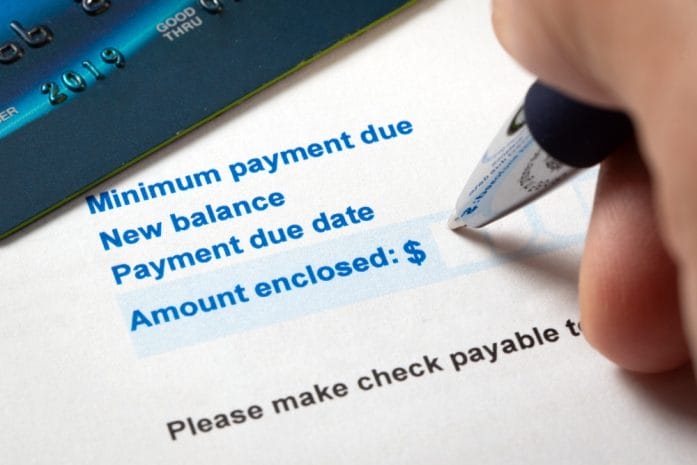
When your monthly credit card bill arrives, the statement highlights the minimum payment due. This can give the impression that paying this amount is both necessary and sufficient for maintaining good standing. Many card issuers even bold or box in the minimum due, making it stand out more than the total balance or payment options.

This focus on the minimum payment can make it seem like that’s all you need to worry about for your credit score. Since paying at least the minimum does keep your account from falling overdue, people often believe it’s the key to building credit. But while avoiding late payments is crucial, paying only the minimum does not maximize your credit-building potential.

2. Misunderstanding Credit Score Factors

Credit scores are calculated using several factors, but not everyone knows how these elements work together. Payment history is the most significant factor, accounting for approximately 35% of most scoring models. This is where the belief that paying minimums builds credit comes from—on-time payments are reported positively, even if they’re just the minimum.

However, another major factor is credit utilization, or the ratio of your balances to your credit limits. Paying only the minimum means your balance remains high, which can negatively impact your utilization rate. This can drag down your credit score, even if you never miss a payment. So while paying the minimum helps, it’s far from the whole story when it comes to building credit.

3. Focus on Avoiding Penalties

No one likes late fees or penalty interest rates. Credit card companies stress the importance of making at least the minimum payment to avoid these charges. As a result, many people think that as long as they’re avoiding penalties, they’re also building credit.

This mindset leads to the belief that paying minimums builds credit, since it keeps accounts in good standing and avoids negative marks. But credit-building is more than just avoiding bad outcomes. To truly strengthen your credit, you need to closely monitor your total balance and work to pay it down over time.

4. Advice Passed Down or Shared Online

Financial advice often comes from family, friends, or online sources. Sometimes, well-meaning people simplify advice to “just pay your minimums and you’ll be fine.” This can lead to confusion about what helps your credit score grow.

While paying on time is necessary, it’s not the only factor. Relying on this partial advice can keep people stuck with high balances and slow credit improvement.

5. Lack of Education on Credit Utilization

Many people have never been taught about credit utilization, despite its significant impact on credit scores. Credit utilization refers to how much of your available credit you’re using at any given time. Maintaining this ratio at a low level—ideally under 30%—is crucial for establishing a strong credit history.

If you only pay the minimum, your balance can remain high, which in turn raises your utilization rate. This is why the idea that paying minimums builds credit is misleading. Without understanding utilization, it’s easy to assume that on-time payments are the only factor that matters.

6. Marketing by Credit Card Companies

Credit card issuers often highlight the ease and convenience of making minimum payments. Their marketing materials may imply that this is an acceptable way to manage your card. While they do mention paying in full, the emphasis on the minimum can reinforce the belief that paying minimums builds credit.

This benefits the companies, since carrying a balance means more interest for them. For consumers, though, it can lead to long-term debt and slower credit score growth.

How to Actually Build Credit

Building credit is about more than just making the minimum payment. While paying on time is essential, you should also aim to pay down your balances to lower your credit utilization. This combination—on-time payments and low balances—is what really moves your credit score in the right direction. If you’re only paying the minimum, you may be missing out on faster credit growth and paying more in interest over time.

Remember, the idea that paying minimums builds credit is only half true. It keeps your account in good standing, but it doesn’t maximize your score. By paying more than the minimum and keeping your credit utilization low, you’ll build a stronger credit profile and save money in the long run.

Have you ever believed that paying only the minimum would boost your credit? What made you change your mind—or has it worked differently for you? Share your thoughts in the comments below!

What to Read Next…

  • The Benefits Of Taking Personal Loans And Their Impact On Credit Scores
  • 5 Things That Instantly Decrease Your Credit Score By 50 Points
  • Why Are More Seniors Ditching Their Credit Cards Completely?
  • 7 Credit Card Features Disappearing Without Any Notice
  • Why Credit Limits Are Being Lowered Without Consent
Travis Campbell
Travis Campbell

Travis Campbell is a digital marketer/developer with over 10 years of experience and a writer for over 6 years. He holds a degree in E-commerce and likes to share life advice he’s learned over the years. Travis loves spending time on the golf course or at the gym when he’s not working.

Filed Under: credit score Tagged With: credit cards, credit scores, credit utilization, Debt Management, minimum payments, Personal Finance

8 Shocking Expenses That Come With Retirement Communities

September 27, 2025 by Travis Campbell Leave a Comment

retirement community

Image source: pexels.com

Thinking about moving into a retirement community? You’re not alone. Many people see these communities as a way to enjoy a vibrant lifestyle, new friends, and peace of mind in their later years. But there’s more to the story. Retirement communities can come with a range of expenses that aren’t always obvious at first glance. Understanding these costs is crucial to making a confident, informed decision. If you’re planning for your future or helping someone you love, here’s what you need to keep in mind about retirement community expenses.

1. Entrance Fees That Can Break the Bank

One of the most surprising expenses in retirement communities is the entrance fee. Many communities require a large upfront payment just to move in. These fees can range from tens of thousands to hundreds of thousands of dollars, depending on location and amenities. Some contracts offer partial refunds if you move out or pass away, but others don’t. It’s essential to read the fine print and ask whether your entrance fee is refundable or not.

2. Monthly Maintenance Fees

Once inside, monthly maintenance fees are a staple of retirement communities. These fees typically cover things like landscaping, building upkeep, and shared amenities. However, they can rise each year, sometimes outpacing inflation. It’s not uncommon for residents to feel surprised by how much these fees eat into their retirement savings over time. Be sure to ask about the community’s history of fee increases before signing a contract.

3. Healthcare and Assisted Living Add-Ons

While many retirement communities offer independent living, additional healthcare or assisted living services can cost extra. These services might include medication management, help with daily activities, or skilled nursing care. Even in communities that advertise a “continuum of care,” you’ll likely pay more as your needs increase.

4. Meal Plans and Dining Fees

Food is another area where retirement community expenses can quickly add up. Some communities include a basic meal plan in their monthly fees, while others charge an additional fee for meals. You may also incur additional costs if you require special dietary options or prefer access to additional dining venues within the community. If you don’t use all your meal credits, you may not get a refund. Look closely at the meal policy and ask about its flexibility.

5. Transportation and Parking Charges

Don’t assume transportation is always free. Many retirement communities charge for scheduled shuttle services, off-site trips, or even simple parking spots. Some offer transportation as part of the base fee, but with limits on frequency or distance. If you plan to keep your own car, parking fees can be another unexpected expense in a retirement community. Request a detailed breakdown of transportation costs before making a decision.

6. Social Activities and Club Memberships

Retirement communities often promote a packed calendar of social events, classes, and clubs. While many activities are included in your monthly fee, others require extra payment or membership dues. Golf courses, fitness centers, or special interest clubs may have their own fees. These charges can add up quickly, especially if you want to stay active and engaged.

7. Guest Accommodations and Visitor Fees

Planning for family visits? Overnight guest suites and extended visitor stays often come with additional charges. Some communities limit the frequency of guest stays or require reservations for guest accommodations to be made well in advance. If you expect frequent visitors, factor these retirement community expenses into your budget.

8. Move-Out and Renovation Costs

Few people consider the costs associated with leaving a retirement community. Some contracts include move-out fees or require you to pay for cleaning and repairs. If you want to update your unit before moving in, renovation costs can be significant and are usually not included in the entrance fee. Always ask how much you’ll owe if you leave and what, if any, renovations are allowed or required.

How to Prepare for Retirement Community Expenses

Retirement community expenses can be much higher than they first appear. Planning ahead is key. Take the time to get a detailed breakdown of all potential fees and ask tough questions about what’s covered. Don’t forget to consider how these expenses might change as you age or as your needs evolve. Comparing several communities and their contracts can help you avoid unwelcome surprises.

Have you or a loved one encountered unexpected retirement community expenses? Share your experience or questions in the comments below!

What to Read Next…

  • What Retirement Communities Don’t Disclose Up Front
  • Are Retirement Homes Quietly Charging Hidden Admission Fees?
  • What’s the Real Cost of Living in a 55+ Retirement Community?
  • 7 Retirement Perks That Come With Shocking Hidden Costs
  • Are These 6 Budget Friendly Retirement Communities a Financial Trap?
Travis Campbell
Travis Campbell

Travis Campbell is a digital marketer/developer with over 10 years of experience and a writer for over 6 years. He holds a degree in E-commerce and likes to share life advice he’s learned over the years. Travis loves spending time on the golf course or at the gym when he’s not working.

Filed Under: Retirement Tagged With: Cost of living, Personal Finance, Retirement, retirement expenses, retirement planning, senior housing, senior living

9 Sneaky Ways Credit Card Companies Profit Off You

September 27, 2025 by Travis Campbell Leave a Comment

credit card

Image source: pexels.com

Credit cards are everywhere, and most of us use them for everything from groceries to online shopping. But have you ever wondered just how credit card companies make their money? Understanding the sneaky ways credit card companies profit from you is crucial if you want to keep more of your hard-earned cash. With fees, interest, and rewards programs, it’s easy to lose track of where your money is going. Knowing these tricks can help you avoid unnecessary costs and make smarter financial decisions. Let’s break down the most common ways these companies make money from everyday consumers like you.

1. Interest Charges on Unpaid Balances

The primary way credit card companies profit from you is through interest charges. If you don’t pay your balance in full each month, you’ll be charged interest on the remaining amount. These rates are often much higher than other types of loans, sometimes reaching 20% or more. Even a small balance can grow quickly if you only make minimum payments, leading to a cycle of debt that’s hard to escape. By carrying a balance, you’re essentially paying the company to borrow your own money.

2. Late Payment Fees

Miss your payment date by even one day, and you could face a hefty late fee. These fees can add up fast, especially if you’re juggling multiple cards. Some companies also increase your interest rate after a late payment, making it even more expensive to pay off your debt. It’s a double whammy that helps credit card companies profit off you each time you slip up.

3. Cash Advance Fees

Need quick cash? Using your credit card for a cash advance might seem convenient, but it comes with a price. Cash advances usually have higher interest rates and start accruing interest immediately—no grace period. On top of that, you’ll often pay a fee of 3% to 5% of the amount withdrawn. This sneaky method can turn a small emergency into a big expense for cardholders.

4. Balance Transfer Fees

Transferring a balance from one card to another can save you money if you get a lower interest rate. However, most credit card companies charge a balance transfer fee, often around 3% to 5% of the amount moved. While it might seem like a good deal, these fees eat into your savings and are another way companies profit from your need to manage debt.

5. Foreign Transaction Fees

Traveling abroad? Many credit cards charge foreign transaction fees, usually around 3% of each purchase made outside the U.S. This fee often goes unnoticed until you check your statement. While some cards waive these charges, many do not. It’s an easy way for credit card companies to profit off you while you’re on vacation or shopping online from international retailers.

6. Annual Fees

Some credit cards come with annual fees, especially those with rewards programs or premium perks. These fees can range from $30 to several hundred dollars a year. While rewards might seem attractive, you need to spend enough to justify the cost. Often, the annual fee offsets any potential benefits unless you’re a heavy user of the card’s features.

7. Penalty Interest Rates

If you miss payments or go over your credit limit, you might trigger a penalty interest rate. This rate is much higher than your normal rate—sometimes up to 30%. Once applied, it can take months of on-time payments to get back to your original rate. This is one of the most expensive ways credit card companies profit from you, and it can make getting out of debt much harder.

8. Reward Program Gotchas

Rewards programs sound like a great deal, but they often come with hidden catches. Points may expire, categories can change without notice, and redemption options might not offer real value. Some cards even require you to spend a certain amount before you can claim rewards. These limitations help credit card companies profit off you by encouraging spending but limiting actual payouts.

9. Minimum Payment Traps

Credit card statements highlight the minimum payment required each month. Paying only the minimum seems manageable, but it’s a trap. Doing so keeps you in debt longer and racks up more interest for the issuer. The minimum payment is often just enough to cover interest and a small portion of the principal, which maximizes profits for the company over time.

How to Outsmart Credit Card Companies

Now that you know the sneaky ways credit card companies profit from you, you can take steps to avoid falling into these traps. Always pay your balance in full when possible, avoid cash advances, and be wary of annual fees. Set up automatic payments to dodge late fees and look for cards with no foreign transaction fees if you travel often.

It also helps to read the fine print and compare card offers before applying. Staying informed is the best way to keep your money in your pocket, not lining the pockets of credit card companies.

Which of these sneaky methods surprised you the most? Share your thoughts or experiences in the comments below!

What to Read Next…

  • 7 Credit Card Features Disappearing Without Any Notice
  • 6 Credit Card Perks That Come With Under The Radar Stringent Conditions
  • 7 Hidden Fees That Aren’t Labeled As Fees At All
  • 7 Financial Loopholes That Lenders Exploit Behind The Scenes
  • What Are Banks Really Doing With Your Personal Spending Data?
Travis Campbell
Travis Campbell

Travis Campbell is a digital marketer/developer with over 10 years of experience and a writer for over 6 years. He holds a degree in E-commerce and likes to share life advice he’s learned over the years. Travis loves spending time on the golf course or at the gym when he’s not working.

Filed Under: credit cards Tagged With: credit cards, Debt, fees, interest rates, money tips, Personal Finance

Why Do Some People Treat Home Equity Like Cash

September 27, 2025 by Travis Campbell Leave a Comment

cash

Image source: pexels.com

Home equity can feel like a hidden treasure chest for homeowners. When the value of your home rises or your mortgage balance drops, that equity grows. But many people treat home equity like cash—ready to spend or tap into for almost anything. Why does this mindset persist, and is it really the best approach for your finances? Understanding the reasons behind this behavior can help you decide how to manage your own home equity. Let’s explore why some folks view their home’s value as instant money in the bank and what you should consider before doing the same.

1. Home Equity Lines of Credit Make Access Easy

One reason people treat home equity like cash is the widespread availability of home equity lines of credit (HELOCs). These loans let you borrow against your home’s equity, often with a checkbook or debit card. That convenience blurs the line between borrowing and spending your own money. When it’s so easy to tap your home equity, it can start to feel like just another bank account.

Lenders market HELOCs as flexible financial tools. You can use the funds for home improvements, debt consolidation, or even vacations. With few restrictions, it’s tempting to dip into your home equity for everyday needs. This ease of access encourages the mindset that home equity is as liquid and spendable as cash in your wallet.

2. Rising Home Values Create a Sense of Wealth

When real estate markets are hot, homeowners watch their property values climb. This “paper wealth” can feel like money in the bank, even though it’s not realized unless you sell or refinance. The psychological effect of a rising home value is powerful—it can boost confidence and make people more likely to spend.

This sense of wealth encourages some to view home equity like cash. They may take on new loans or make large purchases, thinking their growing equity will cover it. But home equity isn’t guaranteed. Market downturns or unexpected repairs can reduce it quickly. Still, the perception of a valuable asset often overrides these risks.

3. Financial Advice and Marketing Influence Behavior

From TV commercials to online articles, there’s no shortage of advice suggesting homeowners use home equity to solve financial problems. Some financial experts even encourage using home equity for investments or to pay off high-interest debt. This advice can reinforce the idea that home equity is a safe, smart source of cash.

Marketing efforts from lenders and banks also play a significant role. They highlight the low interest rates and flexibility of home equity products. This makes it easy to overlook the risks of borrowing against your house. When everyone from your favorite financial podcast to your local bank is touting the benefits, it’s no wonder many treat home equity like cash.

4. Lack of Understanding About Home Equity

Many homeowners simply don’t understand what home equity really is. It’s not a stack of cash sitting in your house—it’s the difference between your home’s value and what you owe on your mortgage. Treating home equity like cash can lead to misunderstandings about what happens when you borrow against it.

For example, using a HELOC or home equity loan increases your total debt. If home values drop, you might owe more than your home is worth. Some people don’t realize that their home is at risk if they can’t repay a loan secured by equity. Without a clear understanding, it’s easy to treat equity as if it’s just another checking account.

5. Desire for Flexibility in Financial Planning

People often see home equity as a backup plan. If an emergency strikes or an opportunity arises, it’s comforting to know you have a financial cushion. This belief encourages treating home equity like cash, ready to be used at a moment’s notice.

In some cases, people prefer to borrow against their home equity rather than deplete their savings or sell investments. The potential for low interest rates and flexible repayment plans makes this option appealing. However, this approach can create long-term risks if home values fall or personal finances change unexpectedly.

What to Consider Before Treating Home Equity Like Cash

Before you start viewing your home equity as a cash reserve, pause and think about the long-term implications. Remember, home equity is not the same as money in your bank account. Borrowing against it puts your home at risk if you can’t repay, and it may limit your options if you want to move or refinance later.

Instead of seeing home equity like cash, consider it a part of your overall financial picture. It can be a valuable resource, but it’s not always the best first choice for funding purchases or covering emergencies.

Have you ever used your home equity like a cash reserve? What made you decide to do it—or not? Share your experience in the comments below!

What to Read Next…

  • How a Reverse Mortgage Can Derail a Family’s Entire Financial Plan
  • 6 Reasons Real Estate Wealth Disappears Within One Generation
  • 8 Real Estate Mistakes That Erode Wealth Before Retirement Ever Starts
  • How Heirs Can Lose Property When Titles Aren’t Reviewed Carefully
  • What Are Banks Really Doing With Your Personal Spending Data?
Travis Campbell
Travis Campbell

Travis Campbell is a digital marketer/developer with over 10 years of experience and a writer for over 6 years. He holds a degree in E-commerce and likes to share life advice he’s learned over the years. Travis loves spending time on the golf course or at the gym when he’s not working.

Filed Under: Personal Finance Tagged With: Debt Management, HELOC, home equity, mortgage, Personal Finance, Planning, Real estate

Could Owning a Second Car Drain Your Wealth

September 27, 2025 by Travis Campbell Leave a Comment

car

Image source: pexels.com

For many families, the idea of owning a second car sounds like a ticket to convenience. With busy schedules, kids’ activities, and work commutes, a backup vehicle can seem essential. But before you sign the paperwork on that extra set of wheels, it’s worth asking: could owning a second car drain your wealth? The costs aren’t just about a monthly payment. Insurance, maintenance, and other hidden expenses add up fast. Let’s examine the actual financial impact of owning a second car and determine if it’s truly worthwhile for your situation.

1. The True Cost of Ownership

The sticker price is just the beginning. When you buy a second car, you’re taking on a package of ongoing expenses. These include registration, taxes, insurance, fuel, and regular upkeep. Even if you opt for a used vehicle, these costs can quickly add up. The average annual cost of owning a car in the U.S. is over $10,000. Doubling that for a second car means a significant hit to your annual budget.

If you finance the purchase, you’ll pay interest over time, making the car even more expensive. Even for those who pay in cash, the money spent could have been invested elsewhere for a potential return. In short, the true cost of ownership can quietly drain your wealth, especially when multiplied by two.

2. Insurance and Registration Expenses

Insurance rates can jump when you add a second car to your policy. Even with multi-car discounts, you’re still paying another premium. Depending on your driving record, location, and vehicle type, this can easily run into hundreds or even thousands of dollars each year. Registration and inspection fees are another recurring expense that is often overlooked.

There’s also the risk of higher deductibles and out-of-pocket expenses if both cars are ever involved in accidents or need repairs at the same time. When you consider these extra insurance and registration expenses, it’s clear how owning a second car can drain your wealth through small but steady leaks.

3. Maintenance and Depreciation

Every car requires regular maintenance—oil changes, tire rotations, brake checks, and more. With two cars, you’re doubling those costs. Even if you drive each car less, time-based maintenance (like battery replacements or fluid flushes) doesn’t stop.

Depreciation is another silent killer. Cars lose value the moment they leave the lot, and this loss accelerates in the first few years. If your second car sits unused for long periods, it still loses value. When you eventually sell, you’ll likely get less than you expect, especially if the car has aged or market demand has shifted.

4. Parking, Storage, and Opportunity Costs

Where will you keep your second car? Many homeowners find themselves paying for extra parking permits or even renting a storage space. If you live in a city, street parking may be limited or require costly permits. Garages and driveways can quickly become overcrowded, leading to more headaches than convenience.

There’s also the opportunity cost to consider. The money spent on a second vehicle could be used for other goals—paying down debt, investing, or saving for a vacation. When you add up all the extras, owning a second car can drain your wealth not just directly, but through what you give up elsewhere.

5. Environmental and Lifestyle Impacts

Owning a second car doesn’t just affect your wallet. It also impacts your lifestyle and the environment. More vehicles mean more emissions, higher fuel consumption, and a larger carbon footprint. If your second car encourages you to drive more, you might find yourself spending less time walking, biking, or using public transportation—all of which save money and improve health.

Before committing, consider whether a car-sharing service or short-term rental option could meet your occasional needs. These alternatives can reduce your costs and environmental impact, helping you avoid the financial drain of a second car.

Smart Alternatives to a Second Car

If you’re starting to see how owning a second car can drain your wealth, it’s worth exploring other options. Carpooling, ride-sharing, and public transit can fill transportation gaps at a fraction of the cost. Many cities now offer bike-sharing programs or electric scooter rentals for short trips. Even renting a car for weekend getaways might be cheaper than maintaining a second vehicle year-round.

You can also look into peer-to-peer car rental services, which let you borrow a car only when you truly need it. These solutions offer flexibility and can help you keep more money in your pocket—money that can go toward building real wealth over time. Before you buy, take a close look at your actual needs and run the numbers. The freedom of a second car may not be worth the long-term financial drain.

What are your thoughts on owning a second car? Have you weighed the costs against the benefits? Share your experiences and opinions in the comments below!

What to Read Next…

  • Why Your Adult Children Might Fight Over The Family Car
  • 9 Cities Where Car Theft Is Becoming A Daily Occurrence
  • What That New Car Smell Might Be Hiding Legally
  • Are These 7 Little Expenses Quietly Costing You Thousands A Year
  • 10 Ways You’re Wasting Money Just Trying To Keep Up Appearances
Travis Campbell
Travis Campbell

Travis Campbell is a digital marketer/developer with over 10 years of experience and a writer for over 6 years. He holds a degree in E-commerce and likes to share life advice he’s learned over the years. Travis loves spending time on the golf course or at the gym when he’s not working.

Filed Under: Car Tagged With: auto expenses, budgeting, car ownership, Personal Finance, Planning, transportation, Wealth management

6 Financial Risks of Delaying Insurance Coverage

September 27, 2025 by Travis Campbell Leave a Comment

health insurance

Image source: pexels.com

Insurance is one of those financial tools that many people put off, thinking they’ll get to it “someday.” But waiting too long can create serious problems. The truth is that life is unpredictable, and unexpected events can occur at any time. When you delay insurance coverage, you put your finances, your family, and your future at risk. Understanding the financial risks of delaying insurance coverage is crucial if you want to protect what matters most. In this article, we’ll break down the real costs and consequences of waiting, so you can make informed decisions about your financial security.

1. Higher Premiums as You Age

One of the most immediate financial risks of delaying insurance coverage is the potential for higher premiums later on. Insurance companies base their rates on age and health. The older you are when you apply, the more you’ll likely pay. If you wait until your 40s or 50s to get life or health insurance, you may find that premiums are significantly higher than if you had signed up in your 20s or 30s.

Health changes over time, too. Even minor medical issues can make you a higher-risk applicant, which means the insurance company may charge you more or even deny coverage altogether. Locking in a policy when you’re younger and healthier can save you thousands over the life of the policy.

2. Limited Access to Coverage

Insurance isn’t always guaranteed. If you delay insurance coverage and then develop a medical condition or become disabled, you might not qualify for the coverage you need. Some policies, like life or disability insurance, require medical underwriting. If your health changes, you could face exclusions, higher costs, or outright denial.

Even for products like auto or home insurance, waiting until after an incident or claim can make it more challenging to obtain affordable coverage. Insurers may view you as a higher risk, which can limit your options. Acting sooner gives you more choices and better rates.

3. Financial Burden on Loved Ones

Delaying insurance coverage can leave your family vulnerable. If something happens to you before you have adequate coverage in place, your loved ones may struggle to cover expenses like mortgage payments, medical bills, or funeral costs. Life insurance and disability insurance are designed to provide a financial safety net. Without them, the people who depend on you could face financial hardship at the worst possible time.

This risk is particularly high for parents, homeowners, and individuals with outstanding debts or dependents. The sooner you put coverage in place, the sooner your family will be protected.

4. Out-of-Pocket Costs for Emergencies

Another key financial risk of delaying insurance coverage is the potential for incurring substantial out-of-pocket expenses if an issue arises. Health emergencies, car accidents, or property damage can result in significant bills. Without insurance, you’re on the hook for everything. Even a short delay can be costly if an unexpected event happens before you’re covered.

For example, a single hospital stay can cost tens of thousands of dollars. A car accident without insurance can result in repair bills and potential lawsuits. Insurance is designed to absorb these financial shocks, so you don’t have to drain your savings or go into debt.

5. Missing Out on Employer Benefits

Many employers offer group insurance benefits, including life, health, and disability coverage. If you delay enrolling in these plans, you could lose out on affordable, comprehensive coverage. Some employers only allow sign-ups during specific enrollment periods. If you miss the window, you might have to wait a year or more, leaving you exposed in the meantime.

Even if you have individual insurance, employer-sponsored plans often provide extra coverage at little or no cost to you. Don’t wait to take advantage of these benefits. Review your options as soon as you’re eligible, so you don’t miss out.

6. Greater Financial Uncertainty

Perhaps the biggest financial risk of delaying insurance coverage is living with uncertainty. Without proper coverage, you don’t know if you’re prepared for life’s curveballs. This uncertainty can make it hard to plan for the future, save for retirement, or invest confidently.

Financial security isn’t just about building wealth—it’s also about protecting what you have. Insurance gives you peace of mind, knowing you have a safety net in place. Delaying coverage leaves you exposed to risks that could derail your financial goals.

How to Make Smart Choices About Insurance

Understanding the financial risks of delaying insurance coverage is the first step to protecting your future. The best time to get insurance is before you need it. Review your situation, consider your family’s needs, and shop around for policies that fit your budget and lifestyle. Don’t be afraid to ask questions or seek advice from a financial advisor.

Taking action now can save you money, provide security, and give you peace of mind. Don’t let procrastination put your finances at risk—making a decision today could make all the difference tomorrow.

Have you ever experienced the consequences of waiting too long for insurance? Share your thoughts or questions in the comments below.

What to Read Next…

  • The Insurance You Bought For Legacy Planning Might Expire Before You Do
  • 8 Insurance Riders That Sound Helpful But Add No Value
  • What Insurance Fine Print Could Void Your Entire Claim
  • 7 Homeowner Insurance Exclusions That Void Entire Policies
  • Top 3 Water Damage Claims Home Insurance Actually Covers
Travis Campbell
Travis Campbell

Travis Campbell is a digital marketer/developer with over 10 years of experience and a writer for over 6 years. He holds a degree in E-commerce and likes to share life advice he’s learned over the years. Travis loves spending time on the golf course or at the gym when he’s not working.

Filed Under: Insurance Tagged With: family protection, Insurance, life insurance, Personal Finance, Planning, Risk management

What Happens When You Don’t Read Loan Fine Print

September 26, 2025 by Travis Campbell Leave a Comment

loan agreement

Image source: pexels.com

Taking out a loan can feel like a relief, whether you’re buying a car, paying for college, or covering emergency expenses. But many people skip over the loan fine print, eager to get funds quickly. That’s a risky move. The details buried in those pages can dramatically impact your finances. Ignoring the fine print might lead to unexpected fees, higher payments, or even legal trouble. Understanding what happens when you don’t read loan fine print can save you money, stress, and regret.

1. Hidden Fees and Costs

Loan agreements often include fees that aren’t obvious at first glance. If you don’t read the loan fine print, you might be surprised by origination fees, late payment penalties, or prepayment charges. These extra costs can add up quickly, making your loan more expensive than you planned. Some lenders even charge for things like paper statements or payment processing. Always check the fee schedule before you sign. It’s not just about the interest rate—you need to know the total cost of borrowing.

2. Changing Interest Rates

Many loans come with variable interest rates, but this detail is sometimes buried in the fine print. If you skip reading, you might think your rate is fixed, only to see your payments jump later. That can wreck your budget. When you don’t read the loan fine print, you might miss how and when your rate can change. Look for sections about rate adjustments, index rates, and how often your lender can revise the terms. Even a small increase in your rate can mean hundreds or thousands more over the life of the loan.

3. Unfavorable Repayment Terms

Repayment rules can be tricky. Some loans have short grace periods, while others require large balloon payments at the end. If you don’t read the loan fine print, you might not realize how soon you need to start paying or how much your payments will be. Missing these details can lead to late payments, penalties, or even default. Be clear about your repayment schedule, the amount due each month, and what happens if you pay late. Understanding these terms ahead of time gives you more control over your finances.

4. Tricky Clauses and Traps

Loan documents sometimes include clauses that protect the lender more than you. For example, there might be mandatory arbitration agreements, which limit your ability to sue if there’s a problem. Or there could be cross-default clauses, meaning if you default on one loan, you automatically default on others with the same lender. When you don’t read loan fine print, you may agree to terms you’d never accept if you understood them. Take the time to look for legal jargon, and don’t be afraid to ask for clarification before signing.

5. Credit Score Surprises

Your loan agreement may explain how your payments (or missed payments) are reported to credit bureaus. If you don’t read the loan fine print, you might not realize that even a single late payment could hurt your credit score. Some lenders report late payments after just a few days, while others give you a longer grace period. Understanding this can help you protect your credit and avoid long-term financial consequences. If you’re unsure, ask the lender how they report to credit agencies before you commit.

6. Prepayment Penalties

Paying off a loan early seems like a good thing, but not always. Some lenders charge prepayment penalties if you pay off your balance ahead of schedule. If you don’t read the loan fine print, you might end up paying extra just for being financially responsible. These penalties can eat into any interest savings you hoped to gain by paying off your loan faster. Always check if your loan has a prepayment penalty and how it’s calculated. This is especially important for mortgages and auto loans, where the amounts can be significant.

7. Loss of Collateral

Many loans are secured by collateral, such as your car or home. The fine print spells out what happens if you default. If you don’t read the loan fine print, you might not understand how quickly you could lose your property. Some contracts allow lenders to repossess assets after just one missed payment, with little warning. Protect yourself by knowing exactly what’s at risk and what your rights are if you fall behind.

8. Legal and Collection Risks

Loan agreements usually detail what happens if you break the contract. If you don’t read the loan fine print, you may not see clauses about collections, court costs, or wage garnishment. Some lenders move quickly to collect unpaid debts, hiring collection agencies or taking legal action. This can add major stress and cost to your life. Understanding these consequences before you sign helps you make informed choices and avoid future hassles.

How to Protect Yourself When Borrowing

It’s tempting to rush through paperwork, but reading the loan fine print is essential. Take your time, and don’t hesitate to ask questions if something isn’t clear. Get a copy of the agreement and review it at home, away from pressure. Consider consulting with a trusted advisor or a lawyer if the terms are complex.

Remember, lenders count on borrowers skipping the fine print. Knowing what happens when you don’t read loan fine print gives you the power to avoid surprises and protect your money.

Have you ever been caught off guard by a loan’s fine print? Share your experience or questions in the comments below!

What to Read Next…

  • The Benefits of Taking Personal Loans and Their Impact on Credit Scores
  • 9 Surprising Penalties for Paying Off Loans Too Early
  • 7 Hidden Fees That Aren’t Labeled as Fees at All
  • What Happens When You Co-Sign a Friend’s Loan by Accident
  • What Happens When Your Bank Changes the Terms Without Warning
Travis Campbell
Travis Campbell

Travis Campbell is a digital marketer/developer with over 10 years of experience and a writer for over 6 years. He holds a degree in E-commerce and likes to share life advice he’s learned over the years. Travis loves spending time on the golf course or at the gym when he’s not working.

Filed Under: Debt Management Tagged With: borrowing, credit, Debt, fine print, interest rates, loans, Personal Finance

Could Being Too Generous With Gifts Destroy Your Budget

September 26, 2025 by Travis Campbell Leave a Comment

gifts

Image source: pexels.com

Gift giving can be one of life’s greatest joys. It’s a way to show appreciation, celebrate milestones, and make memories with loved ones. But have you ever stopped to consider if your generosity is quietly undermining your financial stability? For many, the urge to give can spiral into overspending, especially around holidays or special occasions. If you find yourself stretching your wallet to make others happy, you’re not alone. Let’s explore how being too generous with gifts could destroy your budget, and what you can do to keep both your relationships and your finances healthy.

1. Emotional Spending Can Spiral Out of Control

It’s easy to get caught up in the excitement of picking out the perfect gift. Sometimes, the desire to make someone feel special overshadows your financial reality. When emotional spending takes over, you might buy gifts that are far more expensive than you can reasonably afford. This pattern can quickly put a dent in your monthly budget, especially if you’re not tracking your expenses closely.

Being too generous with gifts often means ignoring your budget boundaries. Before you know it, you’re dipping into savings or using credit cards to cover the difference. Over time, emotional spending habits can create a cycle of debt and regret, making it harder to meet your financial goals.

2. The Hidden Costs Add Up Fast

Buying gifts is rarely just about the price tag on the box. Wrapping paper, cards, shipping fees, and even the cost of attending events can sneak up on you. These hidden costs often go unnoticed, especially if you’re focused on the joy of giving. But when you add them up, you may be spending much more than you realize.

For those who are regularly generous with gifts, these extra expenses can eat away at your budget without warning. A $50 gift might actually cost $70 or more by the time you’ve wrapped and delivered it. If you’re giving gifts to several people, these costs multiply quickly, making it easy to lose track of your spending.

3. Social Pressure Can Lead to Overspending

It’s natural to want to keep up with friends and family, especially during the holidays. Sometimes, being too generous with gifts isn’t just about your own preferences—it’s about meeting expectations or avoiding disappointment. Social media can make this even harder, with people sharing extravagant presents and celebrations online.

Feeling pressured to match or exceed others’ generosity can push you to spend more than you planned. This is a common way budgets get derailed, especially if you’re not comfortable setting boundaries. Learning to say “no” or giving within your means is key to protecting your finances from social pressure.

4. Sacrificing Essentials for Generosity

When you prioritize gift giving over your essential expenses, you risk putting your financial security in jeopardy. Maybe you skip a bill payment or cut back on groceries so you can buy a nicer present. While your intentions are good, these sacrifices can create bigger problems down the road.

Being too generous with gifts shouldn’t mean neglecting your own needs. If you find yourself making trade-offs that affect your health, housing, or savings, it’s time to reassess. Generosity should never come at the expense of your own well-being.

5. The Debt Trap of Gift Giving

One of the most dangerous ways being too generous with gifts can destroy your budget is by leading you into debt. Using credit cards or loans to fund your generosity might feel manageable at first, but interest charges and minimum payments add up quickly.

Over time, this debt can become overwhelming, making it harder to recover. If you’re struggling with this, consider resources like Consumer Financial Protection Bureau tips on managing debt and budgeting. Remember, true generosity doesn’t require you to put your financial future at risk.

6. Long-Term Financial Goals Take a Backseat

Every dollar you spend on gifts is a dollar you can’t put toward your long-term goals. Whether you’re saving for a home, building an emergency fund, or planning for retirement, frequent overspending on gifts can slow your progress. In the moment, it’s easy to justify a splurge, but repeated over time, these decisions can seriously impact your financial trajectory.

Being too generous with gifts may seem harmless now, but it could mean postponing important milestones later. Balancing generosity with discipline is crucial for maintaining a budget on track and keeping your dreams within reach.

Healthy Generosity: Setting Boundaries and Sticking to Your Budget

Generosity is a beautiful quality, but like anything, it’s best in moderation. Being too generous with gifts can destroy your budget if you’re not careful. The key is to give thoughtfully and within your means. Set a realistic gift budget for the year and stick to it, even if it means scaling back or getting creative with your presents. Homemade gifts, shared experiences, or heartfelt notes can mean just as much as expensive items.

If you need help staying disciplined, there are plenty of apps and resources to help you track spending and set limits. Remember, your loved ones care more about your presence and well-being than the price of your gifts. By keeping your budget in check, you’re not just protecting your finances—you’re setting a healthy example for others.

How do you balance generosity with your budget? Share your experiences and tips in the comments below!

What to Read Next…

  • 7 Times Generosity Has Legal Consequences For Seniors
  • Are These 7 Little Expenses Quietly Costing You Thousands A Year?
  • Are These 6 Helpful Budget Tips Actually Ruining Your Finances?
  • 10 Signs You’re Living Above Your Means Without Realizing
  • 10 Ways You’re Wasting Money Just Trying To Keep Up Appearances
Travis Campbell
Travis Campbell

Travis Campbell is a digital marketer/developer with over 10 years of experience and a writer for over 6 years. He holds a degree in E-commerce and likes to share life advice he’s learned over the years. Travis loves spending time on the golf course or at the gym when he’s not working.

Filed Under: Budgeting Tagged With: budgeting, Debt, Financial Health, gift-giving, money management, overspending, Personal Finance

Unaffordable Vacations: 4 Reasons Families Spend Thousands on Vacations They Can’t Afford

September 26, 2025 by Travis Campbell Leave a Comment

vacation

Image source: pexels.com

Each year, more families are booking expensive trips, even when their budgets can’t handle it. Unaffordable vacations are becoming a common issue, leaving many households with lingering debt long after the suitcases are unpacked. The urge to create memories and keep up with others is strong, but the financial impact can be lasting. Overspending on travel doesn’t just affect your wallet—it can also lead to stress and regret. Understanding why families spend thousands on vacations they can’t afford is the first step toward making better choices and avoiding unnecessary financial strain.

1. The Pressure to Keep Up with Others

Social media is full of vacation photos. Instagram and Facebook feeds are packed with beach sunsets, theme park smiles, and luxury hotel rooms. It’s easy to feel left out when everyone else seems to be traveling to exciting places. This pressure to keep up can push families to book unaffordable vacations just to feel included or maintain appearances.

Even if you know your finances are tight, seeing friends and family post about their trips can spark a fear of missing out. This fear can override practical thinking, making it easy to justify spending thousands on a getaway you can’t afford. The desire not to appear “less than” can be powerful, especially for parents who want their children to have similar experiences to those of their peers. Unfortunately, this cycle often leads to credit card debt and financial stress once the vacation is over.

2. Underestimating the Real Cost

Many families don’t realize how quickly vacation expenses add up. It’s easy to focus on the cost of flights or hotel rooms and forget about meals, transportation, entrance fees, souvenirs, and unexpected expenses. When you’re caught up in planning, small extras can seem harmless, but they can double or triple your original budget.

This underestimation is a key reason why unaffordable vacations happen. Families may start with a reasonable plan but end up overspending as they try to make the trip special. Even “all-inclusive” deals can come with hidden costs. Without a clear, realistic budget, it’s easy to swipe a credit card for each new expense, only to be surprised by the total bill later.

3. Belief That Vacations Are a “Necessary” Investment

There’s a common idea that family vacations are essential for happiness and well-being. Many parents feel that if they don’t take their kids on a big trip every year, they’re missing out on important family bonding. This belief can make unaffordable vacations seem not only justified but required, even when the financial reality says otherwise.

Of course, travel can be valuable, and new experiences are great for families. But the pressure to treat vacations as a non-negotiable investment can lead to spending thousands you don’t have. This mindset often overlooks low-cost ways to bond, such as local day trips or simple staycations. When vacations become a “must-have” rather than a “nice-to-have,” it’s easy to ignore your budget and take on debt for experiences you can’t afford.

4. Easy Credit and Flexible Payment Options

Credit cards and “buy now, pay later” plans make it simple to book trips you can’t afford upfront. Travel companies now offer payment plans for flights, hotels, and even theme park tickets. These options lower the barrier to entry, making unaffordable vacations feel within reach—at least in the moment.

The problem is, paying later often means paying more. Interest charges and fees can add hundreds of dollars to your trip. Many families underestimate how much debt they’re taking on or how long it will take to pay off. Easy credit can turn a dream vacation into a long-term financial burden. It’s tempting to think, “We’ll pay it off after the trip,” but unexpected expenses or emergencies can make repayment difficult.

How to Avoid the Trap of Unaffordable Vacations

Unaffordable vacations don’t have to be the norm. Being honest about your financial situation is the first step. Before booking, take the time to create a detailed budget that includes every possible expense. Resist the urge to compare your plans to others—remember, social media often only shows a partial view, especially the financial side. Focusing on what your family truly values can help you avoid overspending for the sake of appearances.

It’s also important to consider affordable alternatives. Local adventures, camping trips, or even a well-planned staycation can offer quality time together without breaking the bank. If a big trip is your goal, start a dedicated savings fund and wait until you can afford it comfortably. This approach not only helps you avoid debt but also makes the experience more enjoyable and stress-free. Unaffordable vacations may seem tempting, but with a little planning and honesty, you can create lasting memories without sacrificing your financial health.

Have you ever found yourself spending more than you planned on a family vacation? What strategies have helped you avoid unaffordable vacations? Share your thoughts in the comments below!

What to Read Next…

  • 10 Signs You’re Living Above Your Means Without Realizing
  • Are These 7 Little Expenses Quietly Costing You Thousands a Year?
  • 7 Tactics Grocery Stores Use to Keep You From Thinking About Price
  • Why Some People Feel Rich But Can’t Afford a $400 Emergency
  • Are These 6 Helpful Budget Tips Actually Ruining Your Finances?
Travis Campbell
Travis Campbell

Travis Campbell is a digital marketer/developer with over 10 years of experience and a writer for over 6 years. He holds a degree in E-commerce and likes to share life advice he’s learned over the years. Travis loves spending time on the golf course or at the gym when he’s not working.

Filed Under: Spending Habits Tagged With: credit cards, Debt, family finance, Personal Finance, social pressure, travel budget, vacation spending

  • « Previous Page
  • 1
  • …
  • 54
  • 55
  • 56
  • 57
  • 58
  • …
  • 151
  • Next Page »

FOLLOW US

Search this site:

Recent Posts

  • Can My Savings Account Affect My Financial Aid? by Tamila McDonald
  • 12 Ways Gen X’s Views Clash with Millennials… by Tamila McDonald
  • What Advantages and Disadvantages Are There To… by Jacob Sensiba
  • Call 911: Go To the Emergency Room Immediately If… by Stephen Kanaval
  • 10 Tactics for Building an Emergency Fund from Scratch by Vanessa Bermudez
  • 7 Weird Things You Can Sell Online by Tamila McDonald
  • 10 Scary Facts About DriveTime by Tamila McDonald

Copyright © 2026 · News Pro Theme on Genesis Framework