• Home
  • About Us
  • Toolkit
  • Getting Finances Done
    • Hiring Advisors
    • Debt Management
    • Spending Plan
  • Insurance
    • Life Insurance
    • Health Insurance
    • Disability Insurance
    • Homeowners/Renters Insurance
  • Contact Us
  • Privacy Policy
  • Risk Tolerance Quiz

The Free Financial Advisor

You are here: Home / Archives for Renting

Renting Long Term as a Financial Strategy

March 17, 2026 by Brandon Marcus Leave a Comment

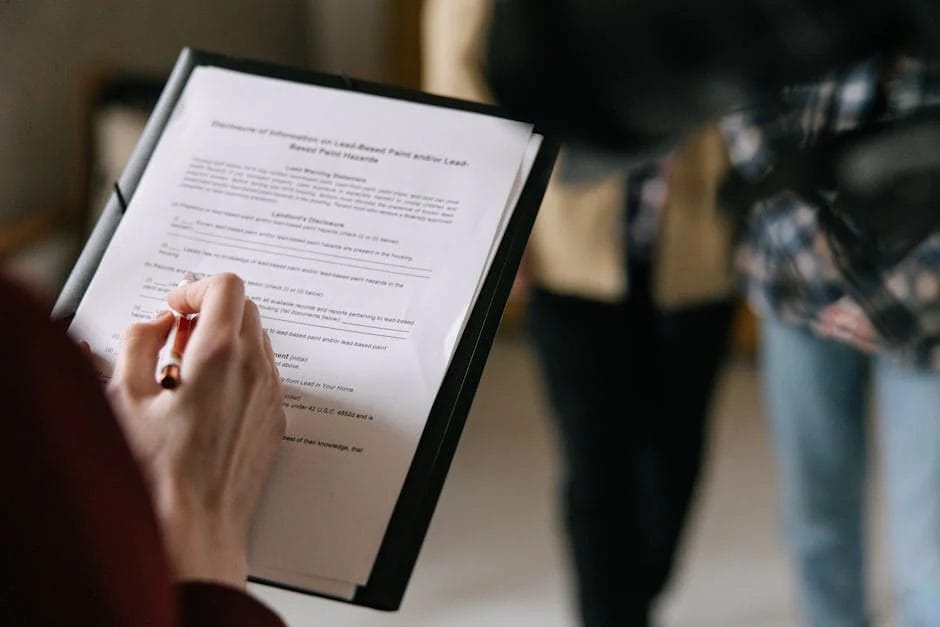
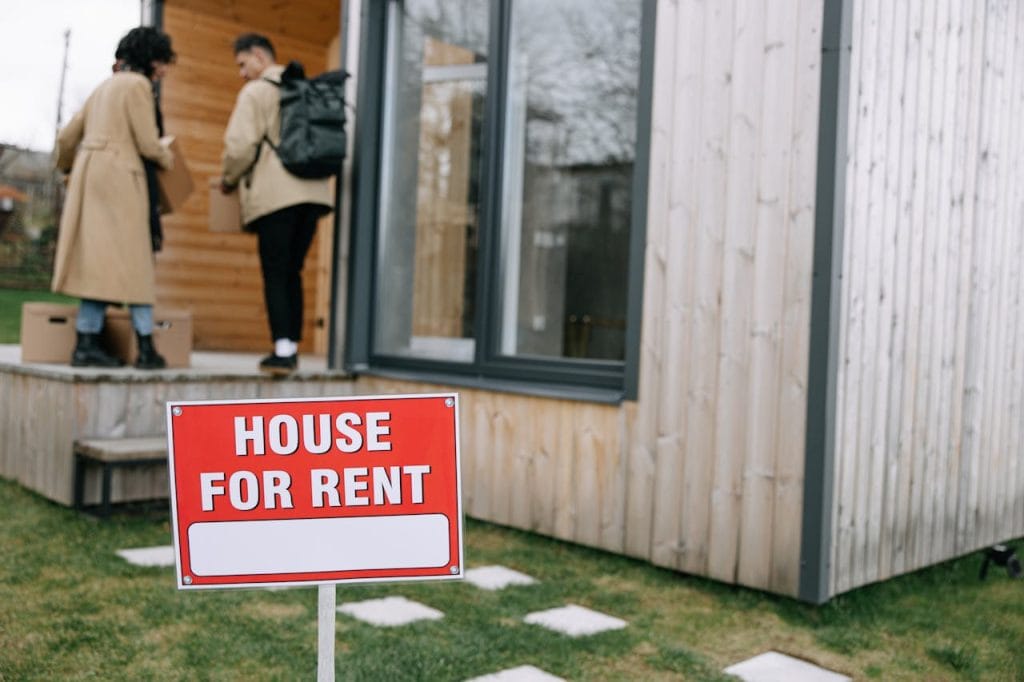
Renting Long Term as a Financial Strategy

Image Source: Shutterstock.com

Homeownership appears to be the ultimate goal for millions, but renting long term could actually become a surprisingly smart financial move. While owning a house certainly carries prestige, stability, and the promise of building equity, it also brings property taxes, maintenance headaches, and enormous upfront costs that can crush flexibility and freedom. Renting, on the other hand, allows a family or individual to redirect money toward investments, savings, or other financial goals while keeping the freedom to move when life changes.

Long-term renting transforms what many consider a temporary situation into a deliberate strategy. Those who embrace renting strategically often discover a combination of financial control and lifestyle mobility that homeownership cannot match. While monthly rent payments do not create direct equity in a home, they do create predictable expenses that can free up cash flow for smarter moves elsewhere. This approach also allows households to avoid exposure to market fluctuations, steep home repairs, or sudden drops in property value.

Cash Flow Freedom: The Rent Advantage

Long-term renting often provides a predictable and manageable monthly expense, which can open opportunities for cash flow that many homeowners overlook. Mortgage payments can fluctuate, insurance premiums can rise, and property taxes can catch families off guard. Rent payments, by contrast, are usually fixed for a lease term, making budgeting simpler and less stressful. This predictability allows households to plan larger investments or build savings without constantly adjusting to new financial demands.

Beyond predictability, long-term renting allows households to redirect funds that would otherwise go toward maintenance, renovations, or property taxes into other financial strategies. Emergency funds can grow faster, investment accounts can accumulate more interest, and discretionary spending can remain flexible. In essence, renting turns money that would be tied up in a home into liquid assets that can work more dynamically. Over time, these decisions can create a substantial financial buffer that supports both short-term stability and long-term wealth building.

Avoiding the Maintenance Minefield

Owning a home brings control and pride, but it also brings responsibility. Leaky roofs, aging HVAC systems, plumbing disasters, and landscaping costs can pop up at the most inconvenient times. Even minor repairs can drain hundreds of dollars, while major repairs can wipe out a year’s worth of careful budgeting. Long-term renters, in contrast, hand those headaches over to landlords, allowing the household to preserve both time and money.

Avoiding maintenance costs does not just reduce stress—it increases financial predictability. Without unexpected repair bills, a household can allocate funds toward retirement accounts, emergency savings, or other investments that compound over time. Additionally, renting provides the freedom to relocate without concern for selling a property in a declining market or negotiating costly repairs before moving. This combination of lower risk and increased flexibility makes renting a strategic alternative, especially for households looking to maximize financial efficiency without sacrificing lifestyle quality.

Renting Long Term as a Financial Strategy

Image Source: Shutterstock.com

Strategic Mobility: Follow Opportunities, Not Mortgages

One of the most underappreciated advantages of long-term renting is mobility. Career shifts, new job opportunities, lifestyle changes, and even family dynamics can make geographic flexibility highly valuable. Homeownership, while stable, can lock people into locations with market-dependent exit costs that often reduce the financial gain of selling a property. Renting allows households to pivot quickly without enduring the uncertainty and cost of a housing transaction.

Mobility also opens doors for financial optimization. Renters can chase lower-cost markets, capitalize on emerging job hubs, or adjust their living situation as their financial goals evolve. For example, moving from a high-rent area to a more affordable city could free up thousands of dollars annually, which can be redirected into investments, student loans, or retirement planning. Renting long term, when treated strategically, offers households a way to align their living situation directly with evolving financial objectives.

Opportunity Cost: Money Working Harder

Homeownership often diverts funds into an illiquid asset that grows slowly over time. While homes historically appreciate, that growth is inconsistent and tied to unpredictable market factors. Long-term renting allows households to take funds that would be tied up in down payments, property taxes, and maintenance and redirect them toward higher-performing investments. A diversified portfolio of stocks, bonds, or retirement accounts can provide compounded growth that outpaces typical home appreciation over the same period.

Moreover, renting frees cash to pursue opportunities that might otherwise remain out of reach. Travel, education, side businesses, or personal development can all benefit from liquidity that homeowners may not enjoy. Households that embrace renting strategically recognize that money’s potential goes beyond walls and roofs; when money moves, it can grow, create options, and support a dynamic lifestyle in ways that a fixed asset often cannot.

Psychological Benefits: Less Stress, More Control

Renting long term also offers intangible yet powerful psychological benefits. Without the constant worry over rising property taxes, mortgage fluctuations, or unexpected repairs, households can enjoy a sense of financial control that reduces stress and fosters confidence. Stability emerges from predictability, not ownership, and knowing that monthly payments remain manageable provides a sense of security often overlooked in the traditional homeownership narrative.

This mental clarity allows households to focus on broader financial goals rather than micromanaging home-related contingencies. Stress reduction can also improve decision-making and support better long-term planning. By removing some of the emotional weight of homeownership, renting creates room for households to act strategically, capitalize on opportunities, and maintain financial flexibility while still enjoying the comfort of a stable living situation.

Renting Long Term as a Strategic Choice

When approached thoughtfully, long-term renting can be more than a temporary solution—it can be a deliberate financial strategy. Predictable expenses, avoidance of maintenance costs, mobility, opportunity cost advantages, and psychological benefits all combine to create a compelling case for households considering the best use of their financial resources. Renting allows money to flow where it can perform, rather than being locked into a single, illiquid asset.

Treating renting as a strategy requires intentional planning. Households should calculate annual costs, compare investment alternatives, and examine how mobility could create financial leverage. With this approach, renting transforms into a tool, not a limitation, offering freedom and flexibility while actively supporting wealth-building goals.

Could renting long term be the smartest move your household makes in the next decade? How might reallocating funds from ownership into investments, savings, or flexible living reshape your finances? If you have some ideas, share them below in our comments.

You May Also Like…

7 Outrageous Costs Hidden in Apartment Leases

The 10 Best Animals for Apartment and Tiny House Living

The Surprising Costs Of Renting Apartments In Atlanta

5 Ways To Ensure Your Safety If You Live In A Street Level Apartment

Avoid These Pitfalls: First-Time Homeownership Mistakes That Can Cost You

Brandon Marcus
Brandon Marcus

Brandon Marcus is a writer who has been sharing the written word since a very young age. His interests include sports, history, pop culture, and so much more. When he isn’t writing, he spends his time jogging, drinking coffee, or attempting to read a long book he may never complete.

Filed Under: Finance Tagged With: Cost of living, housing flexibility, housing strategy, investment alternatives, lifestyle choices, long term planning, money management, Personal Finance, Planning, rent vs buy, Renting, Wealth Building

10 Reasons Boomers Were Right About Buying Homes (and Millennials Hate to Admit It)

November 4, 2025 by Travis Campbell Leave a Comment

buying home

Image source: shutterstock.com

The decision to buy a home remains a topic of discussion among millennials, who have been debating its worth for several years. Students must take out large loans because housing prices remain high, while renting stands as their only affordable option in the current market. However, the truth is that boomers had some things figured out when it comes to homeownership. Many of their reasons for buying homes still matter today, even if millennials aren’t eager to admit it. The financial wisdom of Baby Boomers about home buying enables people of all ages to create better investment choices. Here are ten reasons their approach remains relevant in today’s world.

1. Building Long-Term Wealth

Homeownership remains one of the most reliable ways to build long-term wealth. Boomers knew that paying a mortgage was like forced savings. Every month, part of the payment goes toward equity. Over decades, that adds up. Millennials may prefer flexibility, but renting doesn’t offer the same wealth-building opportunity. With each payment, homeowners own a little more of a valuable asset. This is a key reason why boomers were right about buying homes.

2. Stability and Predictability

Owning a home locks in your monthly payment, especially with a fixed-rate mortgage. Rent can go up year after year, but mortgage payments stay the same. Boomers valued this predictability, and it made budgeting easier. Millennials who buy homes can also benefit from stable housing costs, which provide a sense of security in uncertain economic times.

3. Tax Benefits

For decades, homeowners have received tax breaks. Mortgage interest and property taxes are often deductible. While the rules have changed a bit, the benefits are still there. Boomers took advantage of these savings, reducing their tax bills each year. Millennials may not realize how much these deductions can add up over time.

4. Pride of Ownership

There’s something satisfying about owning your own place. Boomers took pride in homeownership. They could decorate, renovate, and make their homes their own. Millennials sometimes overlook this, focusing on the hassle or cost. But having a place that’s truly yours has emotional value, not just financial.

5. Protection from Inflation

Homeownership is a classic hedge against inflation. As the cost of living rises, so do rents. But with a fixed mortgage, your payment stays the same. Boomers knew that buying a home protected them from unpredictable rent hikes. Millennials who buy now can lock in their biggest expense for decades, protecting their finances in the long run.

6. Community Connections

Staying in one place helps build relationships. Boomers often lived in the same home for decades, connecting with neighbors and getting involved locally. Homeownership encourages people to settle in and invest in their community. Millennials who move often miss out on these deeper connections, which can improve quality of life and even mental health.

7. Forced Savings Plan

Paying a mortgage each month is like putting money into a savings account. You’re building equity, not just paying for shelter. This forced savings approach helped boomers retire with more assets. Millennials who rent may struggle to save consistently, but homeowners have no choice—they’re saving with every payment. This is another reason boomers were right about buying homes.

8. Potential for Appreciation

Homes can go up in value over time. While the market has its ups and downs, the long-term trend is usually upward. Baby Boomers saw their home values rise, creating wealth they could use for retirement or pass down to their children. Millennials sometimes fear another economic downturn, but history shows that real estate tends to appreciate over time. Even modest growth can make a big difference over decades.

9. Control Over Living Space

Homeowners call the shots. Want to paint the walls, plant a garden, or get a dog? No landlord’s permission needed. Boomers enjoyed this freedom, and it’s something millennials often overlook. Renting can mean strict rules and little control. Buying a home puts you in charge of your environment and lifestyle.

10. Legacy and Inheritance

Many Baby Boomers wanted to leave something behind for their children. A home is a valuable asset to pass along. Millennials may not be thinking about inheritance yet, but real estate can be a powerful way to help the next generation. This long-term perspective is part of why boomers were right about buying homes, even if millennials don’t always agree.

Looking Ahead: Lessons for Today’s Buyers

The debate between renting and buying isn’t going away. But the reasons boomers were right about buying homes still hold up. Homeownership enables people to accumulate wealth while offering financial protection and emotional advantages that rental properties do not provide. People need to assess all the future benefits of this option before deciding if it is suitable.

What are your thoughts about this situation? The Baby Boomer generation supports homeownership, whereas Millennials often follow alternative financial paths. Share your thoughts in the comments below!

What to Read Next…

  • 8 Real Estate Mistakes That Erode Wealth Before Retirement Ever Starts
  • 6 Reasons Real Estate Wealth Disappears Within One Generation
  • 9 Reasons Boomers Are Now Facing Eviction At Record Levels
  • 7 Places Criminals Watch Before Picking A Home To Rob
  • The Subtle Home Smells That Real Estate Agents Say Ruin Sales
Travis Campbell
Travis Campbell

Travis Campbell is a digital marketer/developer with over 10 years of experience and a writer for over 6 years. He holds a degree in E-commerce and likes to share life advice he’s learned over the years. Travis loves spending time on the golf course or at the gym when he’s not working.

Filed Under: Personal Finance Tagged With: Boomers, homeownership, Millennials, Personal Finance, Real estate, Renting, Wealth Building

6 Reasons Renting Is Now Smarter Than Buying in Many US Cities

October 14, 2025 by Travis Campbell Leave a Comment

renting

Image source: pexels.com

For decades, homeownership was considered a cornerstone of the American dream. But in today’s market, the equation has changed. Rapidly rising home prices, higher mortgage rates, and shifting priorities are making many people rethink whether buying is really the best move. In fact, renting vs buying is now a hot topic, especially in major US cities where affordability has become a real challenge. If you’re wondering whether you should keep renting or dive into homeownership, you’re not alone. Here are six reasons why renting is often the smarter choice in many urban areas right now.

1. Skyrocketing Home Prices

Home prices in many US cities have soared to record highs over the past few years. For many would-be buyers, this means saving for a down payment can take years, and even then, they may end up with a mortgage that stretches their budget to the limit. Renting, on the other hand, lets you avoid the pressure of a massive upfront cost and the risk of buying at the top of the market. The flexibility to move without worrying about selling at a loss is a big plus for renters, especially in volatile markets.

2. Rising Interest Rates

Mortgage rates have climbed significantly, making monthly payments much higher than they were just a few years ago. This shift has made the renting vs buying decision even tougher for many families. Higher interest rates mean you’ll pay much more over the life of a loan, sometimes turning what looked like an affordable home into a financial burden. Renting lets you sidestep this issue entirely, keeping your monthly housing costs more predictable.

3. Flexibility to Move

Life changes quickly. Jobs, relationships, and family needs can all shift, sometimes with little warning. Renting gives you the flexibility to relocate without being tied down by a mortgage or the hassle of selling a home. In fast-paced cities, this mobility can be a huge advantage. Whether you want to chase a new job opportunity or just try out a different neighborhood, renting makes it easy to adapt.

4. Lower Upfront and Maintenance Costs

Buying a home isn’t just about the down payment. Closing costs, property taxes, insurance, and regular maintenance can add up fast. When you rent, most of these expenses fall on the landlord, not you. If the furnace breaks or the roof leaks, you’re not the one footing the bill. This can free up cash for other goals, like investing or travel, and make budgeting easier month to month.

5. No Exposure to Housing Market Risk

Real estate markets can be unpredictable. While homes often appreciate over time, there are no guarantees. Economic downturns, neighborhood changes, or shifts in demand can all push prices down, leaving owners with less equity than expected. Renters avoid these risks entirely. If the market dips or the area becomes less desirable, you can simply move on when your lease ends. For those focused on financial stability, this can make renting vs buying a much safer bet, especially in overheated markets.

6. Access to Urban Amenities and Lifestyle

In many cities, renting gives you access to neighborhoods that might be out of reach if you tried to buy. Urban centers often have high property values, putting homeownership out of range for most people. Renting lets you live closer to work, entertainment, and public transit. You can enjoy a vibrant urban lifestyle without the huge financial commitment of buying. For many, the chance to live in the heart of the city is worth more than building home equity.

Making the Right Choice for Your Situation

The renting vs buying debate isn’t one-size-fits-all. Your personal finances, career plans, and life goals all play a role in what makes sense for you. In today’s real estate market, renting can offer flexibility, lower risk, and access to neighborhoods that would otherwise be out of reach. It’s not just about avoiding big expenses—it’s about giving yourself options.

Have you recently chosen to rent or buy in your city? What tipped the scales for you? Share your thoughts in the comments below!

What to Read Next…

  • 9 Times It’s Smarter to Rent Than Buy Even Long Term
  • 6 Trends That Suggest the Middle Class Is Dying in Suburbia
  • How a Rental Property in the Wrong State Can Wreck Your Tax Bracket
  • 8 Real Estate Mistakes That Erode Wealth Before Retirement Ever Starts
  • 6 Reasons Real Estate Wealth Disappears Within One Generation
Travis Campbell
Travis Campbell

Travis Campbell is a digital marketer/developer with over 10 years of experience and a writer for over 6 years. He holds a degree in E-commerce and likes to share life advice he’s learned over the years. Travis loves spending time on the golf course or at the gym when he’s not working.

Filed Under: Real Estate Tagged With: homeownership, Housing Market, Personal Finance, Real estate, Renting, urban living

Could Being Too Trusting With Roommates Destroy Your Credit

September 28, 2025 by Travis Campbell Leave a Comment

credit

Image source: pexels.com

Sharing a living space with roommates can be a smart way to save money, especially in expensive cities. But have you ever wondered if being too trusting of roommates could destroy your credit? Many people dive into roommate situations without considering the financial risks. If you take on bills or leases together, your credit score may be at risk. It’s easy to assume everyone will pay their share, but that’s not always how things go. Understanding the risks can help you avoid a major credit headache down the road.

1. Joint Leases Mean Shared Responsibility

One of the biggest ways being too trusting of roommates could destroy your credit is through joint leases. When you and your roommates sign a lease together, you’re all equally responsible for paying the rent. If one person falls behind or skips out, the landlord can come after any or all of you for the full amount. This can quickly spiral out of control if you’re not careful.

Missed rent payments can show up on your credit report as late or unpaid, especially if the landlord sends the debt to collections. Even if you paid your share, the whole group is on the hook. If you’re not monitoring what everyone is doing, your credit could take a hit because of someone else’s mistake or poor planning.

2. Utility Bills in Your Name

It’s common for one roommate to set up utility accounts in their own name, with the expectation that everyone else will pay their portion. This arrangement seems simple, but it can backfire. If your roommates don’t pay you back on time, you’re responsible for the entire bill.

Unpaid utility bills can be sent to collection agencies, resulting in negative marks on your credit report. Even worse, you might not find out until it’s too late. Being too trusting with roommates in this situation puts your credit at risk, especially if you’re not tracking payments or setting clear expectations.

One way to protect yourself is to use payment apps or shared expense trackers. That way, you can see who has paid and who hasn’t. Don’t be afraid to remind your roommates if they’re late—your credit score is at stake.

3. Co-Signing or Lending Money

Sometimes, roommates might ask you to co-sign for a loan, credit card, or even a car. It’s tempting to help out, especially if you’re close. However, co-signing means you’re legally responsible for the debt if the borrower is unable to make payments. If your roommate falls behind, your credit score will suffer.

Lending money to roommates can also be a risky endeavor. If a roommate doesn’t pay you back, you may be left covering bills or rent yourself. This could result in missed payments or additional debt on your part. Always think carefully before mixing friendship and finances.

4. Not Setting Clear Financial Boundaries

Many roommate problems start with a lack of clear financial boundaries. Maybe you trust your roommates to pay on time, but you’ve never actually discussed how bills will be split, when payments are due, or what happens if someone is short.

Without written agreements or regular check-ins, misunderstandings can quickly turn into missed payments. If you’ve put your name on the lease or utility accounts, being too trusting of roommates can destroy your credit if things go wrong. Make sure to set up a system for tracking expenses and create a written agreement if possible. This doesn’t mean you don’t trust your roommates—it just protects everyone involved.

5. Ignoring Red Flags or Warning Signs

Sometimes, your gut tells you something is off. Perhaps a roommate is consistently late with payments, avoids discussing finances, or lacks a steady income. Ignoring these red flags can put your credit at major risk.

If you notice patterns of irresponsibility, address them early. It’s better to have an awkward conversation than to see your credit score drop because you were too trusting.

Protecting Your Credit in Shared Living Situations

Being overly trusting of roommates can damage your credit, but you can take steps to protect yourself. Start by communicating openly about finances before you move in together. Put agreements in writing, even if it’s just a shared spreadsheet or a group message outlining who pays what and when. Monitor all shared bills and rent, and don’t hesitate to follow up if something seems off.

Your credit score is an important part of your financial future. By staying proactive and setting clear expectations, you can enjoy the benefits of shared living without compromising your credit. Have you ever had a roommate situation affect your credit? Share your experiences and tips in the comments below!

What to Read Next…

  • What Happens To Your Credit Score If Your Cell Provider Changes Ownership
  • The Benefits Of Taking Personal Loans And Their Impact On Credit Scores
  • 5 Things That Instantly Decrease Your Credit Score By 50 Points
  • Why Are More Seniors Ditching Their Credit Cards Completely
  • Why Credit Limits Are Being Lowered Without Consent
Travis Campbell
Travis Campbell

Travis Campbell is a digital marketer/developer with over 10 years of experience and a writer for over 6 years. He holds a degree in E-commerce and likes to share life advice he’s learned over the years. Travis loves spending time on the golf course or at the gym when he’s not working.

Filed Under: credit cards Tagged With: credit score, financial boundaries, Personal Finance, Renting, roommates, shared living, utilities

What Happens When Someone Lives Without Any Credit History

September 2, 2025 by Travis Campbell Leave a Comment

credit

Image source: pexels.com

In today’s world, credit history is a key part of financial life. From renting an apartment to getting a phone plan, your credit report can affect everyday decisions. But what actually happens when someone lives without any credit history? It’s more common than you might think, especially for young adults or recent immigrants. Living “credit invisible” comes with its own set of challenges and unique situations. Understanding the effects can help you make better choices for your financial future.

1. Limited Access to Loans and Credit Cards

The most obvious impact of living without any credit history is finding it tough to borrow money. Lenders use your credit history to decide if you’re a good risk. Without it, they have no information about how you handle debt. This makes banks and credit card companies less likely to approve you for loans or credit cards. If you do get approved, you’ll probably face higher interest rates and lower credit limits.

Even getting a basic starter credit card can be a hurdle. Many people are surprised to learn that some lenders won’t work with applicants who have no credit history at all. This creates a frustrating cycle: you need credit to build credit, but you can’t get credit without a history.

2. Difficulty Renting an Apartment

Landlords often check credit reports before renting out a property. A strong credit history shows you pay bills on time and manage money well. Without any credit history, landlords may see you as a risk. Some might require a larger deposit or ask for a co-signer. In competitive rental markets, applicants with no credit history can get passed over for those with established records.

If you’re living without any credit history, it helps to provide proof of income, references, or even bank statements. Still, the process can be more stressful and uncertain.

3. Higher Insurance Premiums

Many insurance companies use credit-based insurance scores to set rates for auto, renters, or homeowners’ insurance. No credit history often means you’ll pay higher premiums. Insurers see people without credit as unpredictable, so they hedge their bets with pricier policies.

While some states limit how much credit can affect insurance rates, it’s still a common practice. Living without any credit history can mean paying more, even if you’ve never had a claim.

4. Trouble Getting Utilities and Cell Phones

Setting up utilities like electricity, water, or internet often involves a credit check. Providers want to know you’ll pay your bills. No credit history can lead to requests for hefty security deposits. The same goes for cell phone contracts—carriers may require you to pay in advance or stick to prepaid plans.

This doesn’t mean you can’t get these services, but it can be more expensive and less convenient. For young adults just starting out, this adds to the challenge of living independently.

5. Challenges with Employment Background Checks

Some employers, especially in finance or government, check credit reports as part of the hiring process. While they don’t see your credit score, they do see your history of managing debt. No credit history might not disqualify you, but it stands out. Employers may worry about financial responsibility or stability.

If you’re applying for jobs that require handling money or sensitive information, living without any credit history could make the process longer or more complicated.

6. Limited Rewards and Perks

Many of the best credit cards offer rewards like cash back, travel points, or purchase protection. These cards usually require good or excellent credit. Without a credit history, you’re limited to basic or secured cards, which rarely offer perks. Over time, this means missing out on valuable benefits that can make everyday spending more rewarding.

Building a credit history opens the door to better offers and more financial flexibility.

7. More Reliance on Cash or Alternative Options

Living without any credit history often means relying more on cash, debit cards, or alternative financial products. While this can help you avoid debt, it also limits your options. You can’t easily rent a car, book a hotel room, or shop online with the same ease as someone with a credit card.

Some people turn to payday lenders or other high-cost services when emergencies arise, which can be risky and expensive. Lacking a credit history can make it harder to handle unexpected expenses.

Building Credit Takes Time

If you’re living without any credit history, it’s not the end of the world. Many people start out this way. The key is to take small steps. Consider opening a secured credit card, becoming an authorized user on someone else’s card, or taking out a credit-builder loan. These actions can help you start building a positive record.

Living without any credit history has real consequences, but it’s possible to move forward. Over time, building credit opens up more financial opportunities and makes life a bit easier. Have you ever lived without any credit history? What challenges did you face? Share your experience in the comments below.

What to Read Next…

  • The Benefits Of Taking Personal Loans And Their Impact On Credit Scores
  • 5 Things That Instantly Decrease Your Credit Score By 50 Points
  • Why Are More Seniors Ditching Their Credit Cards Completely?
  • Why Credit Limits Are Being Lowered Without Consent
  • 7 Credit Card Features Disappearing Without Any Notice
Travis Campbell
Travis Campbell

Travis Campbell is a digital marketer/developer with over 10 years of experience and a writer for over 6 years. He holds a degree in E-commerce and likes to share life advice he’s learned over the years. Travis loves spending time on the golf course or at the gym when he’s not working.

Filed Under: credit score Tagged With: credit cards, Credit history, Insurance, Personal Finance, Planning, Renting

10 Financial Dangers That Hide in Lease Agreements

September 1, 2025 by Travis Campbell Leave a Comment

agreement

Image source: pexels.com

Lease agreements often seem straightforward, but the details can hide traps that cost you money and peace of mind. Whether you’re renting an apartment, leasing a car, or signing for office space, it’s easy to miss hidden costs and unfavorable terms. Many people skip reading the fine print or don’t fully understand what they’re signing. That can lead to unpleasant surprises down the road. Knowing the financial dangers in lease agreements helps you avoid costly mistakes and make smarter decisions.

1. Automatic Renewal Clauses

One of the most common financial dangers in lease agreements is the automatic renewal clause. These terms can lock you into another lease period if you don’t give proper notice before your current lease ends. Missing the deadline, even by a day, may mean you’re responsible for months of extra rent or payments. Always check how much notice you need to give and set reminders well before the deadline.

2. Early Termination Penalties

Ending a lease early can be expensive. Many agreements include stiff penalties if you break the contract before the term is up. Sometimes, you’ll have to pay the remaining balance or a set fee. Understand exactly what those penalties are. If your situation might change, look for leases with flexible exit options or negotiate these terms before signing.

3. Hidden Fees and Charges

Lease agreements often contain hidden fees that aren’t obvious at first glance. These can include administrative fees, maintenance charges, or even charges for routine repairs. Over time, these small costs add up. Read every section and ask questions about any fee you don’t understand. Getting clarity up front can save you from budget surprises.

4. Maintenance and Repair Responsibilities

Who covers the cost of repairs? Lease agreements sometimes make tenants responsible for things you’d expect the owner or landlord to handle. For example, you might be on the hook for appliance repairs or even structural issues. Make sure the lease spells out who pays for what. If it’s vague, ask for more detailed language.

5. Security Deposit Deductions

Security deposits are meant to cover damage, but some leases allow landlords to deduct for “wear and tear” or minor issues. The definition of “damage” can be subjective. Before signing, find out what counts as normal use and what could cost you. Take photos when you move in and out. This protects your deposit and helps avoid disputes.

6. Rent Increase Clauses

Some lease agreements include terms that let landlords raise the rent during your lease. These rent increase clauses can seriously impact your budget, especially if you’re not expecting them. Understand when and how much the rent can go up. If the lease is unclear, ask for specifics or request a fixed-rate term. This financial danger can sneak up on you if you’re not careful.

7. Insurance Requirements

Many leases require tenants to carry renters’ or liability insurance. If you don’t, you could be in breach of contract. Sometimes, landlords mandate specific coverage amounts that cost more than a standard policy. Ensure you understand the requirements and compare rates to find the best deal. Include the cost of insurance in your budgeting from the start.

8. Use Restrictions and Subleasing

Some agreements limit how you can use the property or whether you can sublet. Violating these terms can result in fines or even eviction. For example, you might be barred from running a business from home or having roommates. If you think your situation might change, look for flexible terms or permission to sublease. Always get any agreement in writing.

9. Ambiguous Language and Legal Jargon

Lease agreements are full of legal terms that can be confusing. Ambiguous language hides financial dangers that may only become clear after a dispute. If you’re unsure about any section, ask for clarification. Don’t rely on verbal explanations—get all changes in writing.

10. Personal Guarantees and Joint Liability

Some leases require a personal guarantee, especially for commercial leases or if your credit is limited. This means you’re personally responsible for the payments, even if your business or roommate defaults. Joint liability clauses can also make you responsible for the full amount if another tenant skips out. Understand your obligations before agreeing to these terms—they can have long-term financial consequences.

How to Protect Yourself from Lease Agreement Risks

Financial dangers in lease agreements can be easy to overlook, but a careful review makes a big difference. Always read the entire document and don’t be afraid to negotiate terms that seem unfair. If anything is unclear, ask questions or seek advice from a professional.

Taking the time to understand your lease agreement protects you from unexpected costs and stress. What’s the most surprising lease agreement clause you’ve ever seen? Share your story in the comments!

What to Read Next…

  • 9 Times It’s Smarter to Rent Than Buy Even Long Term
  • How a Rental Property in the Wrong State Can Wreck Your Tax Bracket
  • How Homeowners Associations Are Targeting Retirees With Fines
  • 9 Reasons Boomers Are Now Facing Eviction at Record Levels
  • Can You Really Lose Your House Over One Missed HOA Payment?
Travis Campbell
Travis Campbell

Travis Campbell is a digital marketer/developer with over 10 years of experience and a writer for over 6 years. He holds a degree in E-commerce and likes to share life advice he’s learned over the years. Travis loves spending time on the golf course or at the gym when he’s not working.

Filed Under: Finance Tagged With: contracts, financial risks, Hidden Fees, lease agreements, Personal Finance, Real estate, Renting

Are Co-Signed Leases Causing Untold Financial Damage?

August 19, 2025 by Travis Campbell Leave a Comment

agreement

Image source: pexels.com

Co-signing a lease is often seen as a favor for a friend or family member. Someone you trust needs a place to live, but their credit or income isn’t enough to qualify on their own. You step in, sign your name, and help them secure the apartment. It sounds simple, but the reality can be far more complicated. Co-signed leases have the potential to cause financial headaches that last for years. Many people underestimate the risks, assuming that nothing will go wrong. But when things do go sideways, the impact can be serious. If you’re considering co-signing, it’s worth understanding the financial damage that may quietly follow.

1. The Hidden Dangers of Co-Signed Leases

When you become a co-signer, you take on the legal responsibility for the entire lease. If the main tenant fails to pay rent, the landlord can demand payment from you. Most people don’t read the fine print, but co-signed leases make you just as accountable as the person living in the unit. This means your credit score and financial security are on the line, even if you’re not living there.

The financial damage isn’t always obvious at first. If the tenant pays late or skips out, you might not find out until debt collectors start calling or you see a drop in your credit score. The landlord isn’t required to let you know about missed payments right away. By the time you learn there’s a problem, the financial consequences may already be severe.

2. Credit Score Impacts That Linger

One of the biggest risks of co-signed leases is the potential damage to your credit score. If the tenant misses’ payments or breaks the lease, those negative marks will appear on your credit report. Even a single late payment can drop your score by dozens of points. This can make it harder for you to get approved for loans, credit cards, or even another rental in the future.

Repairing your credit after damage from a co-signed lease can take years. Lenders and landlords look at your entire credit history, and missed payments tied to co-signed leases can linger for up to seven years. The emotional toll of seeing your score drop for something you didn’t directly control shouldn’t be underestimated.

3. Unexpected Legal and Financial Obligations

Co-signed leases can also expose you to unexpected legal trouble. If the tenant breaks the lease early, causes damage, or fails to pay utilities, you might be held liable for those costs. Some landlords will pursue legal action against both the primary tenant and the co-signer. This could mean court fees, attorney costs, and wage garnishments if you lose the case.

Even if you trust the person you’re co-signing for, life happens. Job loss, illness, or relationship changes can leave your friend or family member unable to pay the rent. When that happens, the financial burden becomes yours, sometimes with little warning. It’s not just about the rent; unpaid utilities, cleaning fees, and repairs can all be added to your bill. These costs add up quickly, turning a simple favor into a long-term financial setback.

4. Relationship Strain and Emotional Stress

While the financial damage from co-signed leases is serious, the emotional fallout can be just as challenging. Money issues often strain relationships, especially when one person feels betrayed or burdened. If problems arise, you may find yourself in conflict with someone you care about. This can lead to resentment, guilt, or even the end of the relationship.

The stress doesn’t end there. Being pursued by debt collectors or facing legal threats is emotionally draining. Many people underestimate how much anxiety and frustration can come from a situation that started with good intentions. The emotional cost is real and should be part of your decision-making process.

5. Limited Control Over the Situation

When you co-sign a lease, you give up control over how the property is managed. You don’t get to decide when rent is paid, how the apartment is treated, or if the lease is renewed. Yet, you’re still responsible for any problems that arise. This lack of control can be frustrating, especially if you’re left cleaning up someone else’s mess.

Some co-signers try to stay involved, but most landlords only communicate with the primary tenant. If issues arise, you may be the last to know. By the time you’re looped in, the financial damage may already be done. It’s a risky position to be in, especially when your own finances are at stake.

Weighing the Risks of Co-Signed Leases

Before agreeing to co-sign a lease, take time to assess the risks. Ask yourself if you can truly afford to pay the rent if things go wrong. Consider how it might impact your credit, your savings, and your relationships. There are alternatives, such as helping with a security deposit or offering a loan, that may carry less risk. If you do decide to co-sign, set clear boundaries and maintain open communication with the tenant.

Co-signed leases have the potential to cause untold financial damage that isn’t always obvious upfront. The risks can linger long after the lease has ended. Protecting your financial health is worth a careful decision.

Have you ever co-signed a lease and experienced unexpected problems? Share your story or questions in the comments below.

Read More

Why Some Elder Care Homes Are Requiring Adult Children to Cosign

What Happens When You Co-Sign a Friend’s Loan by Accident

Travis Campbell
Travis Campbell

Travis Campbell is a digital marketer/developer with over 10 years of experience and a writer for over 6 years. He holds a degree in E-commerce and likes to share life advice he’s learned over the years. Travis loves spending time on the golf course or at the gym when he’s not working.

Filed Under: Debt Management Tagged With: co-signed leases, credit score, financial risks, legal obligations, Personal Finance, relationships, Renting

9 Times It’s Smarter to Rent Than Buy—Even Long-Term

July 25, 2025 by Travis Campbell Leave a Comment

for rent

Image Source: pexels.com

Owning things feels good. It’s a sign of stability. But sometimes, renting is the smarter move—even for the long haul. The idea that buying is always better doesn’t hold up in every situation. Life changes, markets shift, and sometimes flexibility wins. If you’re weighing your options, it’s worth knowing when renting makes more sense. Here’s when you should think twice before signing on the dotted line to buy.

1. Housing in Overheated Markets

Buying a home is a big step. But in cities where prices have soared, renting can save you money and stress. When home values are out of reach or rising faster than wages, renting keeps your costs predictable. You avoid property taxes, maintenance, and the risk of a market crash. In places like San Francisco or New York, it can take decades for a buyer to pay off. Renting lets you live where you want without tying up your savings.

2. Uncertain Job or Life Plans

If you’re not sure where you’ll be in a few years, renting is safer. Buying ties you down. Selling a home takes time and money. If you need to move for work, family, or just a change of scenery, renting gives you freedom. You can pack up and go with little hassle. This flexibility is valuable, especially if your career or personal life is in flux.

3. Expensive Maintenance and Upkeep

Owning means you’re on the hook for repairs. Roof leaks, broken appliances, and yard work all add up. Renters call the landlord when things break. Homeowners pay out of pocket. If you don’t want to deal with surprise expenses or spend weekends fixing things, renting is easier. It’s also easier to budget when you know your costs won’t spike because of a busted water heater.

4. Short-Term or Unpredictable Needs

Sometimes you only need something for a while. Maybe you’re in a city for a year-long project. Maybe you want to try out a neighborhood before settling down. Renting lets you test the waters. You can walk away when your lease is up. Buying for a short stay rarely makes sense. Transaction costs and market swings can wipe out any gains.

5. High-Depreciation Items

Some things lose value fast. Cars, electronics, and even some furniture drop in price the moment you buy them. Renting or leasing these items can be smarter. You get the use without the loss. For example, leasing a car means you don’t worry about resale value or big repairs as it ages. The same goes for tech—renting lets you upgrade without being stuck with outdated gear.

6. Vacation Homes and Timeshares

A second home sounds nice, but it comes with extra costs. Property taxes, insurance, and upkeep don’t stop when you’re not there. Renting a vacation place when you need it is often cheaper. You avoid the hassle of managing a property from afar. Plus, you can try new locations each year. Timeshares can be even worse fees add up, and selling is tough. Renting gives you more options and less stress.

7. Expensive Equipment or Tools

Need a chainsaw for a weekend project? Or a camera for a special event? Buying these things for one-time or rare use doesn’t make sense. Renting lets you get what you need, when you need it, without the storage or maintenance headaches. Many hardware stores and specialty shops offer rentals for everything from power tools to party supplies. This approach saves money and space.

8. Uncertain or Volatile Markets

Some markets are just too risky. Real estate, collectibles, and certain business assets can fluctuate significantly in value. If you’re not sure where prices are headed, renting protects you from big losses. You get the benefit of use without betting your savings on the market. This is especially true in times of economic uncertainty, when prices can drop fast and take years to recover.

9. When You Value Flexibility Over Ownership

Sometimes, it’s not about money. It’s about freedom. Renting means you can change your mind. You can move, upgrade, or downsize without selling or storing stuff. This is true for homes, cars, and even furniture. If you like to keep your options open, renting is the way to go. Long-term commitments or big investments do not tie you down.

Flexibility Is a Smart Investment

Renting isn’t just for people who can’t afford to buy. It’s a smart choice in many situations, especially when life is unpredictable or markets are unstable. The key is to weigh your needs, your plans, and your finances. Sometimes, the best investment is in your own flexibility. Think about what matters most to you—stability, freedom, or something in between. Renting can be the right answer, even for the long term.

What’s your experience? Have you found renting to be smarter than buying in your own life? Share your thoughts in the comments.

Read More

Why Renting Might Actually Make You Richer Than Buying in 2025

10 Gen X Parenting Styles That Millennials Are Rejecting

Travis Campbell
Travis Campbell

Travis Campbell is a digital marketer/developer with over 10 years of experience and a writer for over 6 years. He holds a degree in E-commerce and likes to share life advice he’s learned over the years. Travis loves spending time on the golf course or at the gym when he’s not working.

Filed Under: Real Estate Tagged With: buying, flexibility, housing, long-term renting, Personal Finance, Planning, Real estate, Renting

Why Renting Might Actually Make You Richer Than Buying in 2025

May 30, 2025 by Travis Campbell Leave a Comment

renting a house

Image Source: pexels.com

For years, the idea that “renting is throwing money away” has echoed through financial advice circles. But in 2025, the landscape has shifted, and more people are questioning whether buying a home is really the golden ticket to wealth. With rising interest rates, unpredictable housing markets, and new investment opportunities, the old rules don’t always apply. If you’ve ever felt pressured to buy a home just because it’s “the smart thing to do,” you’re not alone. The truth is, renting might actually make you richer than buying—if you play your cards right. Let’s break down why renting could be the savvy financial move this year.

1. Flexibility Means More Financial Freedom

Renting gives you the kind of flexibility that homeownership just can’t match. If your job changes, your family grows, or you want to try living in a new city, you can move without the hassle of selling a house. This flexibility can save you thousands in moving costs, real estate commissions, and the stress of being tied down. In 2025, with remote work and career pivots more common than ever, being able to adapt quickly is a real financial advantage. Renting lets you seize new opportunities without being anchored by a mortgage or the unpredictable local housing market.

2. Lower Upfront and Ongoing Costs

Buying a home comes with a mountain of upfront expenses—think down payments, closing costs, inspections, and moving fees. Even after you move in, you’re on the hook for property taxes, homeowners’ insurance, and maintenance. On the other hand, renters typically pay a security deposit and first month’s rent, then enjoy predictable monthly payments. In many markets, the total cost of renting is still lower than owning, especially when you factor in the hidden costs of homeownership.

3. Invest the Difference and Watch It Grow

Here’s where renting can really make you richer: by investing the money you save. Instead of tying up tens of thousands in a down payment, renters can put that cash to work in the stock market, retirement accounts, or other investments. Over time, the returns from these investments can outpace the equity you’d build in a home, especially if the housing market cools or stagnates. With the S&P 500 delivering strong long-term returns, renters who invest wisely can build wealth faster than many homeowners.

4. No Surprise Repairs or Maintenance Headaches

Homeownership comes with a never-ending list of repairs and maintenance tasks, from leaky roofs to broken appliances. These costs can add up quickly and often strike when you least expect them. As a renter, you’re usually off the hook for these expenses—your landlord handles repairs, and you can budget with confidence. This peace of mind saves you money and frees up your time and energy for things that matter more. In 2025, with the cost of materials and labor still high, avoiding surprise expenses is a big win for renters.

5. Protection from Market Volatility

The housing market in 2025 is anything but predictable. Prices in some areas are soaring, while others are seeing declines or stagnation. If you buy at the wrong time, you could end up with negative equity or a home that’s hard to sell. Renting shields you from these risks. You’re not exposed to market downturns, and you can move on if the neighborhood changes or your needs shift. This protection from volatility can help you build wealth steadily, without the rollercoaster ride of home values.

6. More Cash Flow for Life’s Priorities

Renting often means lower monthly payments compared to owning, especially when you factor in all the hidden costs of homeownership. This extra cash flow can be used for travel, education, starting a business, or simply enjoying life. In 2025, with inflation impacting everyday expenses, having more disposable income is a real advantage. Renting gives you the freedom to allocate your money where it matters most, rather than sinking it all into a mortgage.

7. Access to Amenities Without the Price Tag

Many rental communities offer amenities like pools, gyms, security, and maintenance—perks that would cost homeowners thousands to install and maintain. As a renter, you can enjoy these benefits without the hefty price tag or the hassle of upkeep. This not only saves you money but also enhances your quality of life. In 2025, with lifestyle inflation on the rise, getting more for your money is a smart move.

Rethinking Wealth: Renting as a Path to Financial Growth

The idea that renting is a waste of money is outdated, especially in 2025. Renting can actually make you richer than buying by freeing up your cash, reducing your risks, and giving you the flexibility to invest in your future. The key is to be intentional: invest the money you save, make smart financial choices, and focus on what truly matters to you. Whether you’re saving for retirement, building an emergency fund, or chasing your dreams, renting can be a powerful tool for financial growth.

Have you found renting to be a better financial move than buying? Share your story or thoughts in the comments below!

Read More

Is Selling Your Home the Best Choice?

How Much Should You Be Paying for Rent?

Travis Campbell
Travis Campbell

Travis Campbell is a digital marketer/developer with over 10 years of experience and a writer for over 6 years. He holds a degree in E-commerce and likes to share life advice he’s learned over the years. Travis loves spending time on the golf course or at the gym when he’s not working.

Filed Under: Real Estate Tagged With: financial freedom, homeownership, investing, Personal Finance, Real estate, Renting, Wealth Building

Renting Forever? Why That Might Be Smarter Than You Think

May 25, 2025 by Travis Campbell Leave a Comment

renting

Image Source: pexels.com

For decades, the “American Dream” has been synonymous with homeownership. We’re told that buying a house is the ultimate sign of financial success and stability. But what if that dream doesn’t fit your reality—or your goals? In today’s fast-changing world, more people are asking whether renting forever might actually be the smarter move. If you’ve ever felt pressured to buy a home or wondered if you’re missing out by renting, you’re not alone. Let’s dig into why renting forever could be a savvy, strategic choice for your finances and your lifestyle.

1. Flexibility to Move When Life Changes

One of the biggest perks of renting forever is the freedom it gives you to adapt to life’s twists and turns. Whether you land a new job in another city, want to be closer to family, or simply crave a change of scenery, renting makes it easy to pack up and go. On the other hand, homeowners often face the stress and expense of selling a property before they can move. This flexibility is especially valuable in today’s job market, where remote work and career pivots are more common than ever. Renting means you’re never tied down by a mortgage or the unpredictability of the housing market.

2. Lower Upfront and Ongoing Costs

Buying a home isn’t just about the down payment. There are closing costs, property taxes, homeowners’ insurance, maintenance, and sometimes HOA fees. According to Bankrate, closing costs alone can run 2% to 5% of the home’s purchase price. Renters, by contrast, typically pay a security deposit and first month’s rent, much less upfront. Plus, renters aren’t on the hook for surprise repairs or big-ticket replacements like a new roof or HVAC system. This can free up cash for investing, travel, or other priorities.

3. No Maintenance Headaches

Let’s be honest: homeownership comes with a never-ending to-do list. From mowing the lawn to fixing leaky faucets, the responsibility for upkeep falls squarely on your shoulders. Renters, however, can simply call the landlord or property manager when something breaks. This not only saves money but also time and stress. If you value your weekends and want to avoid the hassle of home repairs, renting forever can be a huge relief.

4. More Predictable Monthly Expenses

When you rent, your monthly housing costs are usually fixed for the length of your lease. On the other hand, homeowners can be hit with unexpected expenses—emergency repairs, rising property taxes, or fluctuating insurance premiums. This predictability makes budgeting easier and can help you avoid financial surprises. For those who prefer stability and control over their finances, renting offers peace of mind.

5. Opportunity to Invest Elsewhere

One of the most compelling arguments for renting forever is the ability to invest your money elsewhere. Instead of tying up a large chunk of your net worth in a single asset (your home), you can diversify by putting your savings into stocks, bonds, or other investments. Historically, the stock market has outperformed real estate over the long term, according to NerdWallet. By renting, you can take advantage of compound growth and potentially build more wealth than you would through home appreciation alone.

6. Avoiding Market Risk and Housing Bubbles

Real estate markets can be unpredictable. Home values don’t always go up; buying at the wrong time can leave you underwater on your mortgage. The 2008 housing crisis is a stark reminder that homeownership isn’t a guaranteed path to wealth. Renters are insulated from these market swings. If rents rise, you can always move to a more affordable place. If home values drop, you’re not stuck with a depreciating asset. Renting forever means you can sidestep the risks of housing bubbles and market downturns.

7. Access to Amenities and Prime Locations

Many rental communities offer amenities that would be costly or impossible to replicate as a homeowner—think pools, gyms, security, and maintenance staff. Renting can also give you access to prime locations, like city centers or waterfronts, that might be out of reach if you were buying. This can enhance your quality of life and even shorten your commute, saving you time and money.

8. Less Pressure to “Keep Up with the Joneses”

Homeownership often comes with social pressure to upgrade, renovate, or keep up appearances. This can lead to overspending and financial stress. On the other hand, renters are less likely to feel compelled to remodel the kitchen or landscape the yard just to fit in. By renting forever, you can focus on what truly matters to you, rather than chasing someone else’s idea of success.

9. Freedom from Long-Term Debt

A mortgage is a long-term commitment—often 30 years or more. That’s decades of debt hanging over your head. Renting forever means you’re not locked into a massive loan, and you have the freedom to adjust your housing situation as your needs and finances change. This can be especially appealing if you value financial independence and want to avoid the stress of long-term debt.

Rethinking the “Forever Renter” Stigma

It’s time to challenge the outdated notion that renting forever is a sign of failure or financial weakness. It can be a smart, strategic choice that offers flexibility, freedom, and financial advantages. The key is to make intentional decisions based on your goals, not societal pressure. Whether saving for retirement, building wealth through investments, or simply enjoying a low-maintenance lifestyle, renting forever might be the smarter path.

Have you chosen to rent instead of buy? What benefits—or challenges—have you experienced? Share your story in the comments below!

Read More

How to Manage Your Finances with Peace of Mind and Being Happy

When Are Manufactured Homes a Good Investment?

Travis Campbell
Travis Campbell

Travis Campbell is a digital marketer/developer with over 10 years of experience and a writer for over 6 years. He holds a degree in E-commerce and likes to share life advice he’s learned over the years. Travis loves spending time on the golf course or at the gym when he’s not working.

Filed Under: Real Estate Tagged With: homeownership, housing, investing, Lifestyle, Personal Finance, Planning, Real estate, Renting

  • 1
  • 2
  • Next Page »

FOLLOW US

Search this site:

Recent Posts

  • Can My Savings Account Affect My Financial Aid? by Tamila McDonald
  • 12 Ways Gen X’s Views Clash with Millennials… by Tamila McDonald
  • What Advantages and Disadvantages Are There To… by Jacob Sensiba
  • Call 911: Go To the Emergency Room Immediately If… by Stephen Kanaval
  • 10 Tactics for Building an Emergency Fund from Scratch by Vanessa Bermudez
  • 7 Weird Things You Can Sell Online by Tamila McDonald
  • 10 Scary Facts About DriveTime by Tamila McDonald

Copyright © 2026 · News Pro Theme on Genesis Framework