• Home
  • About Us
  • Toolkit
  • Getting Finances Done
    • Hiring Advisors
    • Debt Management
    • Spending Plan
  • Insurance
    • Life Insurance
    • Health Insurance
    • Disability Insurance
    • Homeowners/Renters Insurance
  • Contact Us
  • Risk Tolerance Quiz
  • Our Editorial Commitment

The Free Financial Advisor

You are here: Home / Archives for portfolio analysis

Risk Reboot: 5 Portfolio Tweaks If You Believe a Rate Hike Surprise Is Coming

December 13, 2025 by Brandon Marcus Leave a Comment

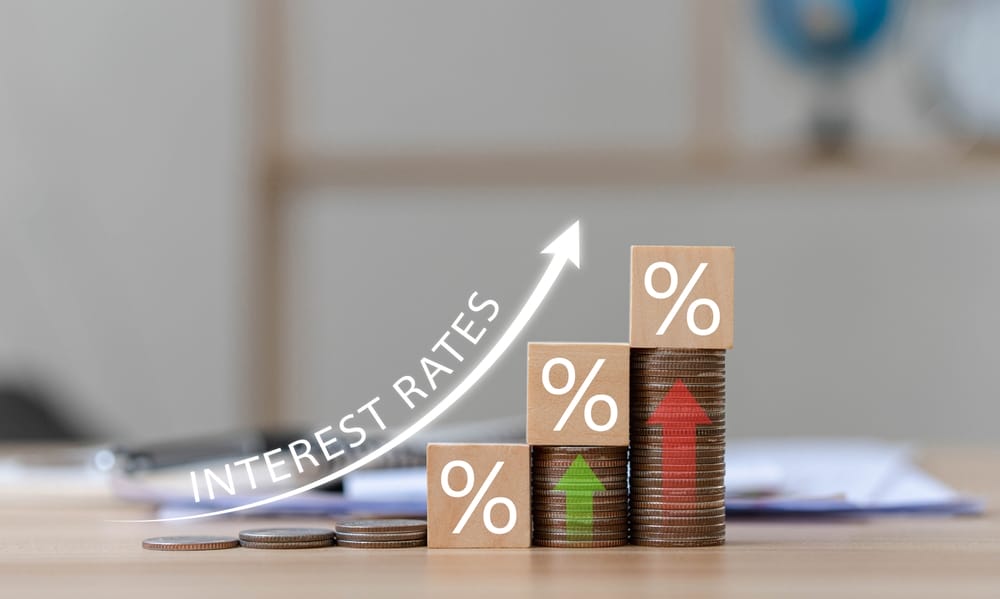
Here Are 5 Portfolio Tweaks If You Believe a Rate Hike Surprise Is Coming
Image Source: Shutterstock.com

Markets have a way of throwing curveballs just when you think you’ve got a handle on them, and an unexpected rate hike is about as sudden and disruptive as it gets. Investors who ignore the possibility of higher rates can wake up to portfolio losses that feel more like a slap than a gentle nudge. On the flip side, a nimble strategy can transform fear into opportunity, turning a surprise rate increase into a chance to reposition, hedge, and thrive.

If you’re mentally bracing for central bank action, it’s time to consider tweaks that protect your gains and exploit the new landscape. From bonds to equities and alternative assets, small adjustments now could save headaches later—and maybe even unlock unexpected growth.

1. Adjust Your Bond Duration

Interest rate hikes are the arch-nemesis of long-duration bonds, which tend to fall in value when yields rise. Shortening the duration of your fixed-income holdings can reduce sensitivity to rate shocks and stabilize your portfolio.

Think of it as trading in a long, wobbly bridge for a series of shorter, sturdier spans. Inflation-protected securities, floating-rate notes, and shorter-term bonds can also help cushion the impact of sudden hikes. By strategically managing duration, you’re not avoiding bonds altogether—you’re just making them more resilient to surprises.

2. Tilt Towards Financial Sector Equities

Financial institutions, particularly banks and insurers, often thrive in rising rate environments because higher rates improve interest margins. A rate hike surprise could boost earnings expectations for this sector faster than for more rate-sensitive industries like utilities or real estate. Investors might consider rebalancing a small portion of their equity allocation toward these beneficiaries to capture upside potential. Timing matters, of course, and overexposure could backfire if the hike triggers broader market volatility. Even a modest tilt can provide both defensive ballast and opportunistic growth during turbulent rate shifts.

3. Reevaluate Your Dividend Strategy

High-dividend stocks are popular for income-focused investors, but they’re also among the most sensitive to interest rate changes. When rates climb unexpectedly, some investors may flee dividend-paying equities in favor of safer fixed-income alternatives. Reassessing your holdings can help avoid surprise losses while still maintaining income objectives. Consider companies with strong earnings growth and a sustainable dividend track record rather than chasing yield alone. The goal is to maintain steady income without compromising resilience against rate-driven volatility.

Here Are 5 Portfolio Tweaks If You Believe a Rate Hike Surprise Is Coming
Image Source: Shutterstock.com

4. Increase Exposure To Inflation Hedges

Unexpected rate hikes often coincide with inflationary pressure or expectations, and inflation can erode portfolio value if left unchecked. Allocating part of your portfolio to real assets such as commodities, real estate, or inflation-linked securities can provide a buffer. Gold, energy commodities, and Treasury Inflation-Protected Securities (TIPS) have historically helped preserve wealth during rate spikes. Diversifying in this way doesn’t eliminate risk, but it adds a layer of protection against both rising rates and rising prices. Investors who embrace inflation hedges position themselves to survive turbulence and potentially capitalize on dislocations.

5. Keep Liquidity On Standby

In periods of rate uncertainty, liquidity can become your secret weapon. Having cash or cash-equivalents ready allows you to seize opportunities when volatility spikes and markets overreact. Short-term instruments like money market funds, ultra-short-term bonds, or high-yield savings accounts can provide flexibility without locking you into poor yields. Liquidity also grants psychological freedom—knowing you can act fast reduces the temptation to panic-sell under pressure. Essentially, cash isn’t just a safe harbor; it’s a tool that lets you maneuver when the market throws an unexpected curveball.

Stay Nimble And Reflect

Adjusting your portfolio in anticipation of a surprise rate hike isn’t about predicting the future—it’s about positioning for resilience and opportunity. By shortening bond duration, tilting toward financials, reassessing dividends, embracing inflation hedges, and keeping liquidity ready, you’re creating a strategy that’s adaptable and thoughtful. Markets may surprise, but preparation softens the blow and opens doors for upside potential. Investors who reflect on their allocations regularly and remain proactive are far better equipped to navigate turbulence than those who react after the fact.

Have you ever repositioned your portfolio for a rate hike or felt the sting of an unexpected rate move? Give us all of your strategies, experiences, and lessons in the comments.

You May Also Like…

10 Shocking Facts About Index Funds Versus Actively Managed Portfolios

6 Honest Discussions About The Role of Gold in Modern Portfolios

5 Smart Strategies for Managing Your Portfolio Without Them

Beat the Hike: Take This One Step Before Your Mortgage Payment Jumps

Could Ignoring Rising Interest Rates Destroy Your Budget


Brandon Marcus
Brandon Marcus

Brandon Marcus is a writer who has been sharing the written word since a very young age. His interests include sports, history, pop culture, and so much more. When he isn’t writing, he spends his time jogging, drinking coffee, or attempting to read a long book he may never complete.

Filed Under: Lifestyle Tagged With: bonds, bull market, dividend, Inflation, interest rate, interest rate hikes, interest rates, Life, Lifestyle, portfolio, portfolio analysis, portfolio management, portfolio mistakes, portfolio risk, portfolio strategy, rate hikes

7 “Annualized” Account Models Designed to Obfuscate Reality

August 21, 2025 by Travis Campbell Leave a Comment

finance
Image source: pexels.com

When evaluating financial performance, many investors rely on annualized account models. But these models can sometimes hide the real story behind your returns. Financial institutions often present data in ways that look straightforward but actually obscure important details. Understanding the tricks behind these annualized models is key to making smart decisions. If you want a clear picture of your investments, you need to look beyond the surface. Let’s break down how some annualized account models are designed to obfuscate reality, so you can spot these tactics and protect your financial interests.

1. Time-Weighted Returns

Time-weighted returns are a common annualized account model used by fund managers. This calculation method aims to eliminate the impact of cash flows, such as deposits and withdrawals, to show how the investment itself performed. While this seems fair on paper, it can hide the actual experience of the investor. If you added money at a bad time or withdrew funds before a rebound, your personal results could be quite different from the reported annualized return. This disconnect often causes confusion for those who don’t dig into the details.

2. Dollar-Weighted (Internal Rate of Return) Models

Dollar-weighted returns, also known as the internal rate of return (IRR), factor in the timing and amount of cash flows. While seemingly more accurate, this annualized account model can still mislead. If there are large inflows or outflows at just the right (or wrong) times, the IRR can swing dramatically. This makes it easy for managers to present a favorable annualized return by highlighting specific time periods. For investors comparing different accounts, this can make apples-to-apples comparisons nearly impossible.

3. Rolling Period Averages

Another way to obfuscate reality is by using rolling period averages. Instead of showing returns for a fixed calendar year, some reports use overlapping periods—like three-year or five-year rolling returns—annualized for effect. This method can smooth out market volatility and make performance appear more consistent than it actually is. If a particularly bad year is averaged in with two good years, the poor result gets buried. For those relying on annualized account models, this tactic can mask real risk and variability.

4. Projected Versus Actual Returns

Sometimes, annualized account models use projected returns based on historical averages or hypothetical scenarios. These projections often assume steady market growth and ignore real-life bumps in the road. The problem is that investors may believe these numbers reflect guaranteed outcomes. In reality, actual returns can be far more volatile and lower than the annualized projections suggest. This gap between projected and actual performance is a classic way to obfuscate reality and inflate expectations.

5. Excluding Fees and Expenses

One of the most common tricks is reporting annualized returns without accounting for fees, commissions, or other expenses. Gross returns may look impressive, but after subtracting management fees and transaction costs, your net return could be much lower. Some annualized account models conveniently omit these details, making performance seem better than it truly is. Always check whether returns are reported gross or net of fees before making any decisions.

6. Survivorship Bias in Performance Reporting

Survivorship bias is another sneaky tactic embedded in some annualized account models. When performance reports only include existing funds or accounts and ignore those that have closed or failed, the results get skewed upward. This selective reporting makes it look like investments performed better than they actually did for the average investor. If you want a realistic view, insist on seeing performance data that includes all accounts, even the ones that didn’t survive.

7. Cherrypicked Start and End Dates

Changing the start or end date of a performance period can dramatically alter the reported annualized return. By choosing favorable dates, managers can highlight periods of strong growth while ignoring downturns. This cherry-picking presents a distorted view of reality and can lure investors into thinking the account is more stable or profitable than it really is. When comparing annualized account models, always ask why a specific timeframe was chosen and look at multiple periods for context.

How to Cut Through the Noise

Annualized account models are everywhere in the investment world, but their design can easily obfuscate reality. To get a true sense of how your money is performing, you need to look past the headline numbers. Ask for both time-weighted and dollar-weighted returns and always clarify whether results include fees and expenses. Compare rolling averages with fixed period returns to spot inconsistencies.

By understanding how annualized account models can be manipulated, you’ll make better decisions and avoid falling for misleading statistics. What annualized reporting tricks have you seen? Share your experience in the comments below!

Read More

7 Financial Assumptions That Collapse After One Health Emergency

7 Investment Loopholes That Can Be Closed Without Warning

Travis Campbell
Travis Campbell

Travis Campbell is a digital marketer/developer with over 10 years of experience and a writer for over 6 years. He holds a degree in E-commerce and likes to share life advice he’s learned over the years. Travis loves spending time on the golf course or at the gym when he’s not working.

Filed Under: Finance Tagged With: accounting tricks, annualized returns, financial literacy, investment performance, portfolio analysis

FOLLOW US

Search this site:

Recent Posts

  • Can My Savings Account Affect My Financial Aid? by Tamila McDonald
  • 12 Ways Gen X’s Views Clash with Millennials… by Tamila McDonald
  • What Advantages and Disadvantages Are There To… by Jacob Sensiba
  • 10 Tactics for Building an Emergency Fund from Scratch by Vanessa Bermudez
  • Call 911: Go To the Emergency Room Immediately If… by Stephen Kanaval
  • 7 Weird Things You Can Sell Online by Tamila McDonald
  • 10 Scary Facts About DriveTime by Tamila McDonald

Copyright © 2026 · News Pro Theme on Genesis Framework