• Home
  • About Us
  • Toolkit
  • Getting Finances Done
    • Hiring Advisors
    • Debt Management
    • Spending Plan
  • Insurance
    • Life Insurance
    • Health Insurance
    • Disability Insurance
    • Homeowners/Renters Insurance
  • Contact Us
  • Risk Tolerance Quiz
  • Our Editorial Commitment

The Free Financial Advisor

You are here: Home / Archives for portfolio risk

Risk Reboot: 5 Portfolio Tweaks If You Believe a Rate Hike Surprise Is Coming

December 13, 2025 by Brandon Marcus Leave a Comment

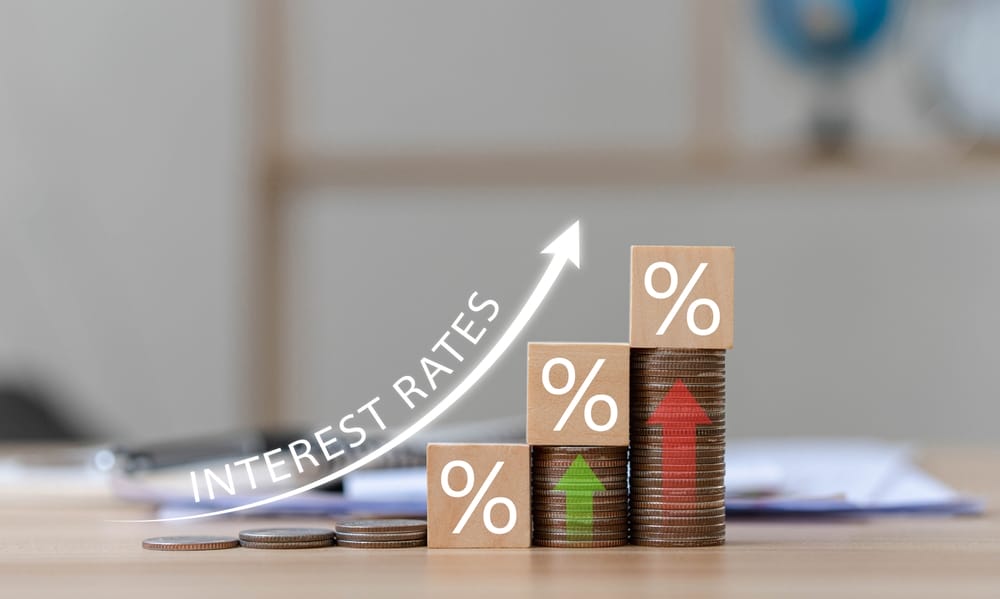
Here Are 5 Portfolio Tweaks If You Believe a Rate Hike Surprise Is Coming
Image Source: Shutterstock.com

Markets have a way of throwing curveballs just when you think you’ve got a handle on them, and an unexpected rate hike is about as sudden and disruptive as it gets. Investors who ignore the possibility of higher rates can wake up to portfolio losses that feel more like a slap than a gentle nudge. On the flip side, a nimble strategy can transform fear into opportunity, turning a surprise rate increase into a chance to reposition, hedge, and thrive.

If you’re mentally bracing for central bank action, it’s time to consider tweaks that protect your gains and exploit the new landscape. From bonds to equities and alternative assets, small adjustments now could save headaches later—and maybe even unlock unexpected growth.

1. Adjust Your Bond Duration

Interest rate hikes are the arch-nemesis of long-duration bonds, which tend to fall in value when yields rise. Shortening the duration of your fixed-income holdings can reduce sensitivity to rate shocks and stabilize your portfolio.

Think of it as trading in a long, wobbly bridge for a series of shorter, sturdier spans. Inflation-protected securities, floating-rate notes, and shorter-term bonds can also help cushion the impact of sudden hikes. By strategically managing duration, you’re not avoiding bonds altogether—you’re just making them more resilient to surprises.

2. Tilt Towards Financial Sector Equities

Financial institutions, particularly banks and insurers, often thrive in rising rate environments because higher rates improve interest margins. A rate hike surprise could boost earnings expectations for this sector faster than for more rate-sensitive industries like utilities or real estate. Investors might consider rebalancing a small portion of their equity allocation toward these beneficiaries to capture upside potential. Timing matters, of course, and overexposure could backfire if the hike triggers broader market volatility. Even a modest tilt can provide both defensive ballast and opportunistic growth during turbulent rate shifts.

3. Reevaluate Your Dividend Strategy

High-dividend stocks are popular for income-focused investors, but they’re also among the most sensitive to interest rate changes. When rates climb unexpectedly, some investors may flee dividend-paying equities in favor of safer fixed-income alternatives. Reassessing your holdings can help avoid surprise losses while still maintaining income objectives. Consider companies with strong earnings growth and a sustainable dividend track record rather than chasing yield alone. The goal is to maintain steady income without compromising resilience against rate-driven volatility.

Here Are 5 Portfolio Tweaks If You Believe a Rate Hike Surprise Is Coming
Image Source: Shutterstock.com

4. Increase Exposure To Inflation Hedges

Unexpected rate hikes often coincide with inflationary pressure or expectations, and inflation can erode portfolio value if left unchecked. Allocating part of your portfolio to real assets such as commodities, real estate, or inflation-linked securities can provide a buffer. Gold, energy commodities, and Treasury Inflation-Protected Securities (TIPS) have historically helped preserve wealth during rate spikes. Diversifying in this way doesn’t eliminate risk, but it adds a layer of protection against both rising rates and rising prices. Investors who embrace inflation hedges position themselves to survive turbulence and potentially capitalize on dislocations.

5. Keep Liquidity On Standby

In periods of rate uncertainty, liquidity can become your secret weapon. Having cash or cash-equivalents ready allows you to seize opportunities when volatility spikes and markets overreact. Short-term instruments like money market funds, ultra-short-term bonds, or high-yield savings accounts can provide flexibility without locking you into poor yields. Liquidity also grants psychological freedom—knowing you can act fast reduces the temptation to panic-sell under pressure. Essentially, cash isn’t just a safe harbor; it’s a tool that lets you maneuver when the market throws an unexpected curveball.

Stay Nimble And Reflect

Adjusting your portfolio in anticipation of a surprise rate hike isn’t about predicting the future—it’s about positioning for resilience and opportunity. By shortening bond duration, tilting toward financials, reassessing dividends, embracing inflation hedges, and keeping liquidity ready, you’re creating a strategy that’s adaptable and thoughtful. Markets may surprise, but preparation softens the blow and opens doors for upside potential. Investors who reflect on their allocations regularly and remain proactive are far better equipped to navigate turbulence than those who react after the fact.

Have you ever repositioned your portfolio for a rate hike or felt the sting of an unexpected rate move? Give us all of your strategies, experiences, and lessons in the comments.

You May Also Like…

10 Shocking Facts About Index Funds Versus Actively Managed Portfolios

6 Honest Discussions About The Role of Gold in Modern Portfolios

5 Smart Strategies for Managing Your Portfolio Without Them

Beat the Hike: Take This One Step Before Your Mortgage Payment Jumps

Could Ignoring Rising Interest Rates Destroy Your Budget


Brandon Marcus
Brandon Marcus

Brandon Marcus is a writer who has been sharing the written word since a very young age. His interests include sports, history, pop culture, and so much more. When he isn’t writing, he spends his time jogging, drinking coffee, or attempting to read a long book he may never complete.
Filed Under: Lifestyle Tagged With: bonds, bull market, dividend, Inflation, interest rate, interest rate hikes, interest rates, Life, Lifestyle, portfolio, portfolio analysis, portfolio management, portfolio mistakes, portfolio risk, portfolio strategy, rate hikes

Could Your Advisor’s Optimism Be the Biggest Risk to Your Portfolio

August 28, 2025 by Travis Campbell Leave a Comment

investment risk
Image source: pexels.com

When it comes to investing, we all want to believe that our financial advisor has our best interests in mind. Their confidence can be reassuring during market turbulence and help us stay the course. But what if your advisor’s optimism is actually putting your investments in danger? Excessive positivity can lead to overlooking risks, ignoring warning signs, or failing to prepare for downturns. Understanding how optimism bias can influence your portfolio is critical for protecting your financial future. This article explores why your advisor’s optimism might be the biggest risk to your portfolio and what you can do about it.

1. Optimism Bias Clouds Judgment

The primary SEO keyword for this article is “portfolio risk.” Optimism bias is a well-known behavioral finance concept. It causes people—including financial professionals—to overestimate the likelihood of positive outcomes and underestimate potential losses. If your advisor always expects the best-case scenario, they might recommend aggressive investments or downplay the need for diversification.

This can leave you exposed to portfolio risk that you may not even realize. For example, if your advisor insists the market will keep climbing, you might not have enough downside protection when things turn south. It’s important to recognize that even the best advisors can fall prey to optimism bias, especially during bull markets.

2. Overlooking the Importance of Diversification

Another way optimism can increase portfolio risk is by leading advisors to concentrate investments in a few sectors or asset classes. If your advisor is convinced that technology stocks will always outperform, they might steer your portfolio heavily in that direction. The problem? No sector is immune to downturns.

Diversification is one of the most effective ways to manage risk. It spreads your investments across different types of assets, reducing the impact if one area suffers. If optimism blinds your advisor to the need for a balanced portfolio, your investments could suffer significant losses when markets shift.

3. Ignoring Warning Signs and Red Flags

It’s easy to see the positive side when markets are going up. But ignoring warning signs—like rising interest rates, inflation, or geopolitical risks—can lead to trouble. Advisors who focus only on the upside may dismiss these red flags as temporary or unimportant.

This attitude increases your portfolio risk because it means you’re not prepared for potential downturns. A good advisor should help you anticipate challenges, not just hope for the best. If you notice your advisor brushing off legitimate concerns, it’s time to ask tougher questions about their investment approach.

4. Failing to Adjust Strategies for Changing Conditions

Markets change, and your investment strategy should adapt to them. Advisors who are overly optimistic may stick to the same plan, even when conditions suggest a shift is needed. For example, an advisor who believes a bull market will last forever may not recommend rebalancing your portfolio or taking profits from appreciated assets.

This rigidity can increase your portfolio risk, leaving you vulnerable if the market reverses. An adaptable advisor should be willing to review your strategy regularly and make adjustments based on new information. If your advisor always says “stay the course” without considering current conditions, your portfolio may be at risk.

5. Underestimating the Emotional Impact of Losses

Optimistic advisors may assume you can handle market swings without trouble. But research shows that losses hurt more than gains feel good. If your portfolio risk is higher than you realize, a downturn could cause you to panic and sell at the worst time.

A good advisor will help you understand your true risk tolerance and build a portfolio that matches it. If your advisor’s optimism leads them to dismiss your concerns or gloss over potential losses, you might be taking on more risk than you’re comfortable with. Honest conversations about risk and emotions are crucial for achieving long-term investment success.

What You Can Do to Protect Your Portfolio

So, how can you make sure your advisor’s optimism isn’t the biggest risk to your portfolio? Start by asking direct questions about portfolio risk and how they manage it. Don’t be afraid to challenge their assumptions or ask for backup when they make predictions. Request data and historical context for their recommendations.

It’s also a good idea to educate yourself. Remember, it’s your money on the line. Staying informed and engaged is the best way to ensure your advisor’s optimism doesn’t put your financial future at risk.

Have you ever felt your advisor was too optimistic about your investments? How do you balance hope with caution in your own portfolio? Share your thoughts in the comments below!

What to Read Next…

  • How Financial Planners Are Recommending Riskier Portfolios in 2025
  • 8 Signs Your Financial Advisor Is Not Acting in Your Best Interest
  • 10 Financial Questions That Could Reveal You’re Being Advised Poorly
  • 9 Things You Should Never Tell a Financial Planner
  • 7 Ill-Advised Advisor Tips That Trigger IRS Audits
Travis Campbell
Travis Campbell

Travis Campbell is a digital marketer/developer with over 10 years of experience and a writer for over 6 years. He holds a degree in E-commerce and likes to share life advice he’s learned over the years. Travis loves spending time on the golf course or at the gym when he’s not working.

Filed Under: Fashion advice Tagged With: behavioral finance, diversification, financial advisor, investing, portfolio risk, Risk management

7 Areas of Your Portfolio Exposed to Sudden Market Shocks

August 12, 2025 by Travis Campbell Leave a Comment

stocks
Image source: pexels.com

When the market takes a sharp turn, your portfolio can feel the impact fast. Sudden market shocks don’t just hit the headlines—they hit your wallet. You might think you’re prepared, but even a well-diversified portfolio can have weak spots. These shocks can come from anywhere: economic news, political events, or even a single company’s bad day. If you want to protect your investments, you need to know where you’re most exposed. Here’s what you should watch for and how to handle it.

1. Stocks in a Single Sector

Putting too much money into one sector is risky. If you own a lot of tech stocks, for example, a tech downturn can drag your whole portfolio down. Sectors move in cycles. Sometimes energy is up, sometimes it’s down. The same goes for healthcare, finance, or consumer goods. When a sector faces trouble—like new regulations or a sudden drop in demand—stocks in that group can fall together. To lower your risk, spread your investments across different sectors. This way, if one area gets hit, the rest of your portfolio can help balance things out.

2. High-Yield Bonds

High-yield bonds, also called junk bonds, promise bigger returns. But they come with bigger risks. When the market is calm, these bonds can look attractive. But in a crisis, investors often rush to safer assets. This can cause high-yield bonds to lose value quickly. Companies that issue these bonds are usually less stable. If the economy slows down, they might default. If you hold high-yield bonds, keep an eye on their share of your portfolio. Don’t let them take up too much space, and be ready to adjust if the market gets shaky.

3. International Investments

Investing outside your home country can help you grow your money. But it also brings new risks. Currency swings, political changes, and different rules can all affect your returns. For example, a strong dollar can make your foreign stocks worth less when you convert them back. Political unrest or trade disputes can also cause sudden drops. If you invest internationally, pay attention to global news. Use funds or ETFs that spread your money across many countries, not just one or two. This can help soften the blow if one country faces trouble.

4. Illiquid Assets

Some investments are hard to sell in a hurry. Real estate, private equity, or collectibles can take weeks or months to turn into cash. If the market drops and you need money fast, you might have to sell at a loss—or not be able to sell at all. Illiquid assets can also be hard to value. Their prices might not reflect real market conditions until someone actually tries to sell. If you own illiquid assets, make sure you have enough cash or easy-to-sell investments to cover emergencies. Don’t tie up more money than you can afford to leave untouched for a long time.

5. Leveraged ETFs

Leveraged ETFs promise to double or triple the daily moves of an index. That sounds exciting when the market is rising. But when things go south, losses can pile up fast. These funds use complex financial tools to boost returns, but they also boost risk. Leveraged ETFs are designed for short-term trading, not long-term holding. If you keep them in your portfolio during a market shock, you could lose much more than you expect. If you use leveraged ETFs, understand how they work and limit how much you invest.

6. Concentrated Positions

Owning a lot of one stock—maybe from your employer or a favorite company—can be tempting. But it’s risky. If that company faces bad news, your portfolio can take a big hit. Even strong companies can stumble. Think about what happened to big names during the past market crashes. If you have a concentrated position, look for ways to reduce it over time. You can sell shares gradually or use options to protect against losses. Don’t let loyalty or habit put your financial future at risk.

7. Dividend Stocks

Dividend stocks are popular for steady income. But they’re not immune to shocks. In a downturn, companies may cut or suspend dividends to save cash. This can cause their stock prices to fall even more. Some sectors, like utilities or real estate, are known for dividends but can be hit hard if interest rates rise or the economy slows. If you rely on dividends, make sure you’re not too dependent on a few companies or sectors. Mix in other sources of income and keep an eye on payout ratios. If a company is paying out more than it earns, that dividend may not last.

Protecting Your Portfolio from the Unexpected

Market shocks are part of investing. You can’t avoid them, but you can prepare. Spread your money across different assets, sectors, and countries. Keep some cash on hand for emergencies. Review your portfolio often and make changes when needed. Don’t chase high returns without understanding the risks. And remember, even the safest investments can lose value. The key is to know where you’re exposed and take steps to limit the damage. That’s how you build a portfolio that can weather any storm.

What areas of your portfolio worry you most during market shocks? Share your thoughts in the comments.

Read More

How Financial Planners Are Recommending Riskier Portfolios in 2025

Is It Time to Sell All of The Stocks In My Portfolio?

Travis Campbell
Travis Campbell

Travis Campbell is a digital marketer/developer with over 10 years of experience and a writer for over 6 years. He holds a degree in E-commerce and likes to share life advice he’s learned over the years. Travis loves spending time on the golf course or at the gym when he’s not working.

Filed Under: Investing Tagged With: bonds, diversification, etfs, international investing, investing, market shocks, Planning, portfolio risk

FOLLOW US

Search this site:

Recent Posts

  • Can My Savings Account Affect My Financial Aid? by Tamila McDonald
  • 12 Ways Gen X’s Views Clash with Millennials… by Tamila McDonald
  • What Advantages and Disadvantages Are There To… by Jacob Sensiba
  • 10 Tactics for Building an Emergency Fund from Scratch by Vanessa Bermudez
  • Call 911: Go To the Emergency Room Immediately If… by Stephen Kanaval
  • 7 Weird Things You Can Sell Online by Tamila McDonald
  • 10 Scary Facts About DriveTime by Tamila McDonald

Copyright © 2026 · News Pro Theme on Genesis Framework