• Home
  • About Us
  • Toolkit
  • Getting Finances Done
    • Hiring Advisors
    • Debt Management
    • Spending Plan
  • Insurance
    • Life Insurance
    • Health Insurance
    • Disability Insurance
    • Homeowners/Renters Insurance
  • Contact Us
  • Privacy Policy
  • Risk Tolerance Quiz

The Free Financial Advisor

You are here: Home / Archives for bull market

Market Turn: 4 Signals That the Next Bull Cycle Could Look Different

December 24, 2025 by Brandon Marcus Leave a Comment

Market Turn: 4 Signals That the Next Bull Cycle Could Look Different

Image Source: Shutterstock.com

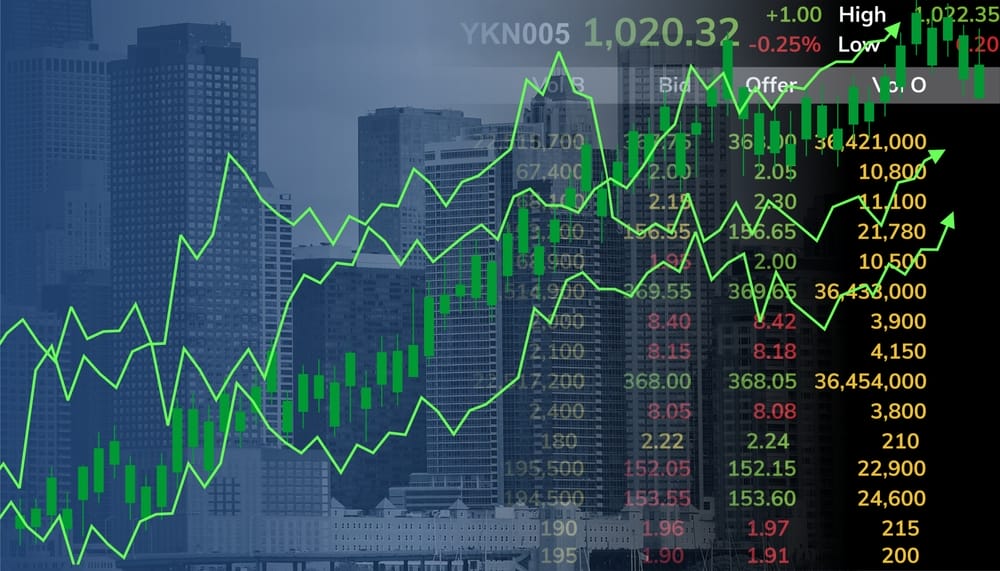
The stock market has always been a stage for drama, spectacle, and surprises, but right now, the excitement is dialed up to eleven. Investors are buzzing with curiosity, strategists are sharpening their pencils, and the financial world is bracing itself for the next big bull cycle. Unlike past rallies that followed predictable patterns, this one seems poised to rewrite the rulebook. From tech innovations reshaping industries to global economic shifts challenging old assumptions, the next surge could feel completely unfamiliar.

For anyone with skin in the game, knowing the signs early might mean the difference between riding the wave and getting caught in the undertow.

1. Tech Disruption Is Accelerating Market Dynamics

Technology has always been a market mover, but today it’s almost like the rules themselves are being rewritten in real-time. Artificial intelligence, blockchain applications, and quantum computing aren’t just buzzwords—they’re becoming integral drivers of market behavior. Companies that adapt quickly are seeing unprecedented growth, while laggards face rapid obsolescence. This acceleration makes predicting traditional market cycles trickier, as old patterns may no longer hold. Investors need to pay attention to innovation pipelines, not just quarterly earnings, to spot where real momentum is forming.

2. Global Capital Flows Are Shifting

Money doesn’t stay put for long, and the paths it takes are signaling change. Emerging markets are attracting attention in sectors that were previously dominated by developed economies. Sovereign wealth funds and institutional investors are diversifying aggressively, spreading capital in ways that challenge historical norms. Currency fluctuations, geopolitical tensions, and trade realignments all create unexpected ripples that affect stock valuations. Understanding where money is moving, and why, will be critical for anticipating which sectors will lead the next bull cycle.

3. Retail Investors Are Changing the Game

Forget the old image of Wall Street as a closed club; retail investors now wield more influence than ever. Social media platforms, trading apps, and real-time analytics have given everyday traders access to information that used to be reserved for professionals. This democratization of market participation creates volatility, but also opportunity, as coordinated moves by retail investors can send formerly overlooked stocks soaring. Analysts now have to factor in behavior patterns and sentiment indicators alongside traditional fundamentals. Ignoring the impact of retail energy could leave investors flat-footed in the next rally.

Market Turn: 4 Signals That the Next Bull Cycle Could Look Different

Image Source: Shutterstock.com

4. ESG and Sustainability Are Driving Investment Decisions

Environmental, social, and governance considerations aren’t just ethical talking points—they’re shaping real investment flows. Corporations that excel in ESG metrics are attracting long-term capital, while those lagging behind are facing higher scrutiny and risk premiums. The rise of green finance, sustainable bonds, and socially responsible ETFs is creating new winners and losers in unexpected places. Investors who factor ESG into their strategies are likely to see advantages in sectors that previously wouldn’t have been in focus. The next bull market could be as much about values-driven performance as it is about profits and earnings growth.

What This Means For Investors

The next bull cycle is likely to look different from what many are used to, blending technology, global capital movements, retail influence, and ESG factors in ways that make old playbooks less reliable. For savvy investors, that means staying agile, curious, and ready to adapt at a moment’s notice. Market signals are subtle but powerful, offering clues for those willing to read between the lines. Everyone’s experience and approach will vary, and your insights could provide valuable perspective for others navigating this evolving landscape.

Leave your thoughts, experiences, or perspectives in the comments section below—we’d love to hear how you’re preparing for the next wave.

You May Also Like…

Asset Migration: 5 Emerging Market Trends Retirees Should Know Before January

Why Young People Should Invest In The Stock Market

These 5 Stocks Only Perform Well When The Entire Stock Market Does

4 Bold Predictions Regarding the Future of the Stock Market

7 Stock Market Myths That Cost Beginner Investors Their Life Savings


Brandon Marcus
Brandon Marcus

Brandon Marcus is a writer who has been sharing the written word since a very young age. His interests include sports, history, pop culture, and so much more. When he isn’t writing, he spends his time jogging, drinking coffee, or attempting to read a long book he may never complete.
Filed Under: Investing Tagged With: bull market, capital flows, invest, investing, investing news, Investing Tips, retail, retail industry, retail investing, stock market, stock market strategy, stock market traps

Risk Reboot: 5 Portfolio Tweaks If You Believe a Rate Hike Surprise Is Coming

December 13, 2025 by Brandon Marcus Leave a Comment

Here Are 5 Portfolio Tweaks If You Believe a Rate Hike Surprise Is Coming

Image Source: Shutterstock.com

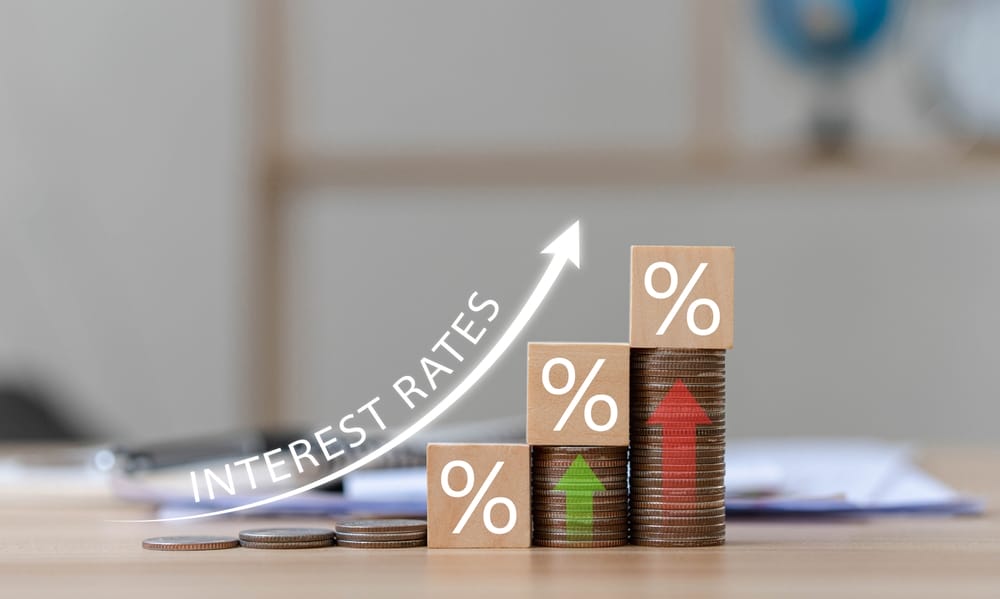
Markets have a way of throwing curveballs just when you think you’ve got a handle on them, and an unexpected rate hike is about as sudden and disruptive as it gets. Investors who ignore the possibility of higher rates can wake up to portfolio losses that feel more like a slap than a gentle nudge. On the flip side, a nimble strategy can transform fear into opportunity, turning a surprise rate increase into a chance to reposition, hedge, and thrive.

If you’re mentally bracing for central bank action, it’s time to consider tweaks that protect your gains and exploit the new landscape. From bonds to equities and alternative assets, small adjustments now could save headaches later—and maybe even unlock unexpected growth.

1. Adjust Your Bond Duration

Interest rate hikes are the arch-nemesis of long-duration bonds, which tend to fall in value when yields rise. Shortening the duration of your fixed-income holdings can reduce sensitivity to rate shocks and stabilize your portfolio.

Think of it as trading in a long, wobbly bridge for a series of shorter, sturdier spans. Inflation-protected securities, floating-rate notes, and shorter-term bonds can also help cushion the impact of sudden hikes. By strategically managing duration, you’re not avoiding bonds altogether—you’re just making them more resilient to surprises.

2. Tilt Towards Financial Sector Equities

Financial institutions, particularly banks and insurers, often thrive in rising rate environments because higher rates improve interest margins. A rate hike surprise could boost earnings expectations for this sector faster than for more rate-sensitive industries like utilities or real estate. Investors might consider rebalancing a small portion of their equity allocation toward these beneficiaries to capture upside potential. Timing matters, of course, and overexposure could backfire if the hike triggers broader market volatility. Even a modest tilt can provide both defensive ballast and opportunistic growth during turbulent rate shifts.

3. Reevaluate Your Dividend Strategy

High-dividend stocks are popular for income-focused investors, but they’re also among the most sensitive to interest rate changes. When rates climb unexpectedly, some investors may flee dividend-paying equities in favor of safer fixed-income alternatives. Reassessing your holdings can help avoid surprise losses while still maintaining income objectives. Consider companies with strong earnings growth and a sustainable dividend track record rather than chasing yield alone. The goal is to maintain steady income without compromising resilience against rate-driven volatility.

Here Are 5 Portfolio Tweaks If You Believe a Rate Hike Surprise Is Coming

Image Source: Shutterstock.com

4. Increase Exposure To Inflation Hedges

Unexpected rate hikes often coincide with inflationary pressure or expectations, and inflation can erode portfolio value if left unchecked. Allocating part of your portfolio to real assets such as commodities, real estate, or inflation-linked securities can provide a buffer. Gold, energy commodities, and Treasury Inflation-Protected Securities (TIPS) have historically helped preserve wealth during rate spikes. Diversifying in this way doesn’t eliminate risk, but it adds a layer of protection against both rising rates and rising prices. Investors who embrace inflation hedges position themselves to survive turbulence and potentially capitalize on dislocations.

5. Keep Liquidity On Standby

In periods of rate uncertainty, liquidity can become your secret weapon. Having cash or cash-equivalents ready allows you to seize opportunities when volatility spikes and markets overreact. Short-term instruments like money market funds, ultra-short-term bonds, or high-yield savings accounts can provide flexibility without locking you into poor yields. Liquidity also grants psychological freedom—knowing you can act fast reduces the temptation to panic-sell under pressure. Essentially, cash isn’t just a safe harbor; it’s a tool that lets you maneuver when the market throws an unexpected curveball.

Stay Nimble And Reflect

Adjusting your portfolio in anticipation of a surprise rate hike isn’t about predicting the future—it’s about positioning for resilience and opportunity. By shortening bond duration, tilting toward financials, reassessing dividends, embracing inflation hedges, and keeping liquidity ready, you’re creating a strategy that’s adaptable and thoughtful. Markets may surprise, but preparation softens the blow and opens doors for upside potential. Investors who reflect on their allocations regularly and remain proactive are far better equipped to navigate turbulence than those who react after the fact.

Have you ever repositioned your portfolio for a rate hike or felt the sting of an unexpected rate move? Give us all of your strategies, experiences, and lessons in the comments.

You May Also Like…

10 Shocking Facts About Index Funds Versus Actively Managed Portfolios

6 Honest Discussions About The Role of Gold in Modern Portfolios

5 Smart Strategies for Managing Your Portfolio Without Them

Beat the Hike: Take This One Step Before Your Mortgage Payment Jumps

Could Ignoring Rising Interest Rates Destroy Your Budget


Brandon Marcus
Brandon Marcus

Brandon Marcus is a writer who has been sharing the written word since a very young age. His interests include sports, history, pop culture, and so much more. When he isn’t writing, he spends his time jogging, drinking coffee, or attempting to read a long book he may never complete.

Filed Under: Lifestyle Tagged With: bonds, bull market, dividend, Inflation, interest rate, interest rate hikes, interest rates, Life, Lifestyle, portfolio, portfolio analysis, portfolio management, portfolio mistakes, portfolio risk, portfolio strategy, rate hikes

These 5 Stocks Only Perform Well When The Entire Stock Market Does

October 21, 2025 by Travis Campbell Leave a Comment

investing

Image source: shutterstock.com

Investors often look for stocks that can weather any storm, but not every company fits that bill. Some stocks rely heavily on the overall direction of the market to perform well. When the entire stock market is on the rise, these stocks can soar. But if the market turns, they often fall just as fast. Understanding which stocks depend on broad market strength is key for anyone building a portfolio. If you’re chasing gains during good times, these stocks can be tempting. But knowing their limits helps you manage risk and set realistic expectations.

This article highlights five stocks that typically only do well when the entire stock market does. We’ll explain why their fortunes are so closely tied to market-wide optimism. If you’re considering adding these to your portfolio, it’s smart to know what you’re getting into.

1. Tesla (TSLA)

Tesla is a classic example of a stock that thrives when the stock market as a whole is bullish. The company’s growth story and high valuation depend heavily on investor confidence. When markets are rising and risk appetite is high, Tesla’s share price often surges. Investors are willing to pay a premium for future growth, even if the company isn’t always profitable by traditional standards.

However, when the stock market sours, Tesla’s shares tend to drop more than average. Its volatility is often higher than the S&P 500. That’s because investors quickly shift away from high-growth, high-expectation stocks when fear sets in. So, Tesla’s performance is closely tied to the overall health of the market, making it a stock that only performs well when the entire stock market does.

2. Meta Platforms (META)

Meta Platforms, the company behind Facebook, Instagram, and WhatsApp, is another stock that’s highly sensitive to broad market trends. Meta’s advertising-driven business model depends on companies having the confidence (and budgets) to spend big. When the economy—and the stock market—are booming, Meta’s revenue and stock price often follow suit.

But when market sentiment shifts and companies tighten their belts, Meta’s ad revenue can take a hit. Investors tend to pull back from large-cap tech stocks like Meta during downturns. The company’s fortunes are tied to both market optimism and the health of the digital advertising industry. If the market is strong, Meta usually is too, but it rarely bucks a negative trend on its own.

3. Carnival Corporation (CCL)

Carnival Corporation, a leader in the cruise industry, is very much a market-dependent stock. When the stock market is strong and consumer confidence is high, people are more likely to book cruises. This boosts Carnival’s earnings and often sends its stock price higher. The company benefits from discretionary spending, which tends to increase when people feel wealthier—often thanks to rising investment portfolios.

However, Carnival’s business is one of the first to feel the pinch when the market dips. Economic uncertainty usually means fewer people splurging on vacations. During broad market downturns, Carnival’s shares can fall sharply. Its performance is a reminder that some stocks only perform well when the entire stock market does, especially those in the travel and leisure sectors.

4. Goldman Sachs (GS)

Goldman Sachs is a major player in the financial sector, but its profits are tightly linked to the health of the stock market. When markets rise, Goldman earns more from investment banking, trading, and asset management. The firm thrives when dealmaking is brisk and clients are optimistic about raising money or investing in new ventures.

But during market slumps, business dries up. Companies avoid IPOs, mergers slow, and trading revenue falls. As a result, Goldman’s earnings and share price often mirror the broader market’s direction. It’s a great example of a stock that only performs well when the entire stock market does. Investors seeking stability might want to look elsewhere during volatile periods.

5. Chipotle Mexican Grill (CMG)

Chipotle might seem like a surprising pick, but its performance is more tied to the overall stock market than you might think. When markets are strong and investor confidence is high, consumers are more willing to spend on dining out. Chipotle benefits from this trend, posting strong same-store sales and earnings growth.

However, Chipotle’s premium pricing and focus on discretionary spending make it vulnerable during market downturns. If the stock market dips and consumer sentiment turns negative, people often cut back on eating out. Chipotle’s stock, which trades at a high valuation, tends to fall quickly when the market does. It’s another case of a stock that only performs well when the entire stock market does.

Balancing Your Portfolio When Market-Dependent Stocks Dominate

It’s tempting to chase the hottest names, especially when the entire stock market does well and these stocks are leading the charge. But relying too heavily on market-dependent stocks can leave your portfolio exposed during downturns. Diversification matters. Mixing in defensive stocks, bonds, or other assets can cushion your investments when broad market optimism fades.

If you’re interested in learning more about portfolio balance, check out this guide to diversification. Remember, even the strongest stocks can stumble if the market does. Knowing which stocks only perform well when the entire stock market does helps you make smarter, more resilient choices for your financial future.

Do you hold any of these market-dependent stocks? How do you manage the ups and downs? Share your thoughts in the comments below!

What to Read Next…

  • Identifying Underpriced Stocks Using The Graham Formula
  • How Financial Planners Are Recommending Riskier Portfolios In 2025
  • 7 Areas Of Your Portfolio Exposed To Sudden Market Shocks
  • 10 Guaranteed Return Investments That Usually Disappoint
  • Why So Many Investors Are Losing Assets In Plain Sight
Travis Campbell
Travis Campbell

Travis Campbell is a digital marketer/developer with over 10 years of experience and a writer for over 6 years. He holds a degree in E-commerce and likes to share life advice he’s learned over the years. Travis loves spending time on the golf course or at the gym when he’s not working.

Filed Under: Investing Tagged With: bull market, investing, market-dependent stocks, portfolio management, Risk management, stock market, stock performance

FOLLOW US

Search this site:

Recent Posts

  • Can My Savings Account Affect My Financial Aid? by Tamila McDonald
  • 12 Ways Gen X’s Views Clash with Millennials… by Tamila McDonald
  • What Advantages and Disadvantages Are There To… by Jacob Sensiba
  • Call 911: Go To the Emergency Room Immediately If… by Stephen Kanaval
  • 10 Tactics for Building an Emergency Fund from Scratch by Vanessa Bermudez
  • 7 Weird Things You Can Sell Online by Tamila McDonald
  • 10 Scary Facts About DriveTime by Tamila McDonald

Copyright © 2026 · News Pro Theme on Genesis Framework