• Home
  • About Us
  • Toolkit
  • Getting Finances Done
    • Hiring Advisors
    • Debt Management
    • Spending Plan
  • Insurance
    • Life Insurance
    • Health Insurance
    • Disability Insurance
    • Homeowners/Renters Insurance
  • Contact Us
  • Privacy Policy
  • Risk Tolerance Quiz

The Free Financial Advisor

You are here: Home / Archives for traditions

7 Dining Rules From the Past That No One Follows Anymore

November 24, 2025 by Travis Campbell Leave a Comment

dining

Image source: shutterstock.com

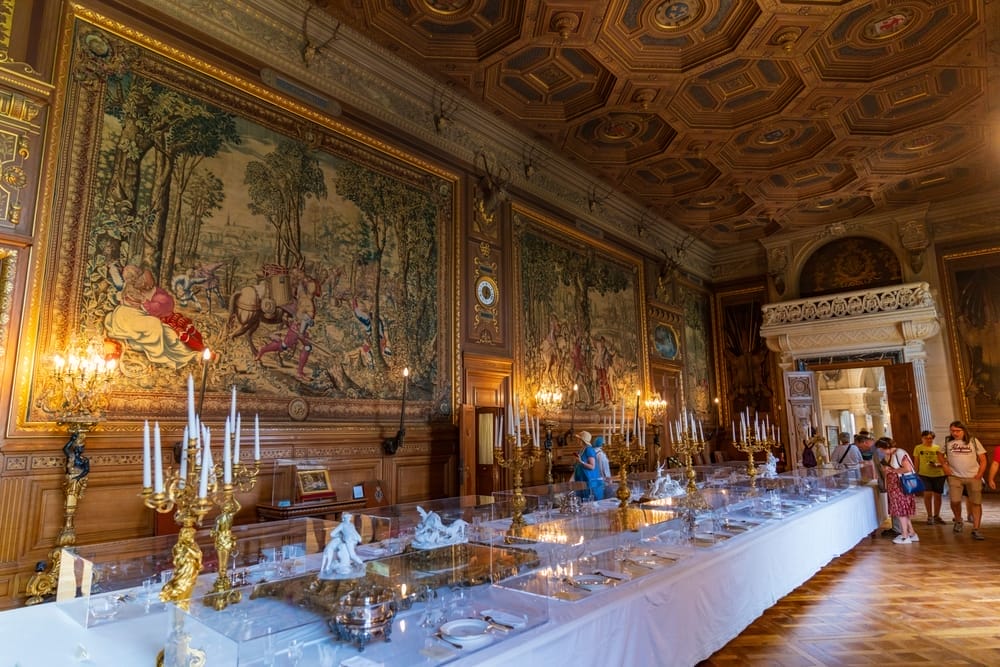
Every dining experience used to follow traditional dining rules, which established the overall mood of the meal. The rules of dining emerged from social conventions and both social position and traditional notions of proper conduct. The fast pace of life, together with family transformations, made these established rules no longer applicable. Modern society views most dining rules as outdated remnants that serve no useful purpose. Modern society has moved away from strict formal dining rules because people now prefer dining in its natural state.

1. Waiting for the Head of the Table to Start Eating

This rule anchored older households that revolved around hierarchy. No one lifted a fork until the head of the table signaled it was time. In many homes, that figure was the breadwinner or the eldest, and the rule reinforced authority more than manners. The practice faded as families changed shape and as meals became more casual. Modern schedules rarely line up perfectly, and people often eat in shifts. The old protocol no longer fits how people gather or how power works in the home. The structure behind this dining rule simply collapsed.

2. Sitting Through Multi-Course Meals on Weeknights

Decades ago, sitting for a drawn-out series of courses felt normal, even routine. Soup, salad, meat, dessert—the sequence implied order and refinement. But daily life no longer supports this level of ceremony. Households juggle work, childcare, and uneven schedules, and attention spans stretch thin. The multi-course format also clashed with modern eating habits, which prioritize speed, flexibility, and lighter meals. As tastes changed, the dining rule of long, structured courses lost its foothold. A simple plate serves the moment better.

3. No Speaking Unless Spoken To

This rule once shaped behavior at formal dinners. Children were expected to sit quietly, speak only when addressed, and blend into the background. The idea came from an era that valued obedience over participation. Over time, it became clear how stifling that environment felt. Modern families often encourage kids to join the conversation, share ideas, or simply be themselves at the table. The shift mirrors a wider move toward openness and emotional connection. The old dining rule ended because silence no longer signals respect; it signals distance.

4. Formal Carving at the Table

Carving once served as a performance. The person wielding the knife displayed skill and control, slicing meat with measured precision. Guests watched. The moment reinforced tradition, hierarchy, and ceremony. But the rise of pre-cut, pre-prepared foods changed expectations. Efficient kitchens replaced theatrical moments. Busy households want speed, not spectacle. Even when roasts are served on special occasions, carving is often done in the kitchen. The dining rule that once turned meals into events faded in favor of convenience and practicality.

5. Mandatory Clean Plates

The pressure to finish every bite has deep roots in frugality and scarcity. Empty plates symbolized gratitude and discipline. But forcing people to ignore hunger cues introduced problems. The rule conflicted with healthier understandings of appetite, portion size, and autonomy. People began valuing intuitive eating over rigid expectations. Leaving a bit behind carries no moral weight anymore. The dining rule gave way because it ignored individual needs and rewarded overeating rather than awareness.

6. Dressing Up for Every Meal

Dressing formally at the table marked respect for the setting and the people present. Even daily meals demanded effort. But the rise of casual culture made such standards feel out of place. Work-from-home norms, relaxed clothing trends, and the simplicity of everyday meals changed the environment. Formal attire now signals a specific occasion rather than a standing requirement. The dining rule fell away because comfort matters more in ordinary life, and people no longer tie clothing to courtesy.

7. Strict Fork-and-Knife Etiquette

For years, the way someone held a fork revealed social background. Every angle, motion, and hand position carried meaning. That precision mattered in circles where etiquette served as a form of gatekeeping. But modern meals include foods that ignore those boundaries—tacos, sushi, wraps, or anything eaten on the go. Strict formality around utensils feels disconnected from reality. People value ease over perfection. The dining rule of rigid utensil protocol lost relevance because meals no longer revolved around formality.

Why These Rules Matter Today

People in modern society choose their food based on their personal lifestyle choices, leading to diverse eating habits. The strength of tradition depends on its ability to remain relevant, because age alone does not automatically grant power. The changes show that contemporary society chooses flexible systems over rigid social rules. People develop daily routines that make essential rules unnecessary.

We need to evaluate which practices bring actual value while we determine which habits persist because of our established routines during the habit change process. A dining rule loses its value when it fails to achieve its original function. People continue to value showing respect, listening to others, and spending time together because these customs add value to society, even though other social customs have evolved.

Which dining rules from your past now seem outdated to you?

What to Read Next…

  • 7 Tactics Grocery Stores Use to Keep You From Thinking About Price
  • 9 Expensive Traditions That Are Quietly Dying Off in American Families
  • Why Even Wealthy Families Are Now Fighting Over Heirlooms
  • 7 Times Generosity Has Legal Consequences for Seniors
  • 10 Money Mistakes People Make After Losing a Spouse
Travis Campbell
Travis Campbell

Travis Campbell is a digital marketer/developer with over 10 years of experience and a writer for over 6 years. He holds a degree in E-commerce and likes to share life advice he’s learned over the years. Travis loves spending time on the golf course or at the gym when he’s not working.

Filed Under: Lifestyle Tagged With: dining, Etiquette, family habits, Lifestyle, traditions

7 Funny Signs You Grew Up in an Old-School Italian Family

November 11, 2025 by Travis Campbell Leave a Comment

family

Image source: shutterstock.com

Growing up in an Italian family leaves its mark on the jokes you tell, the habits you pick up, and even the size of your appetite. The food, of course, is a part of it, but the real heart of the experience lies in the loud, unrestrained love, the time‑tested traditions, and the endless stream of stories that swirl around the table. You end up speaking with your hands, learning to honor the elders (and their guarded sauce recipes). You never, under any circumstances, walk out of a house feeling hungry. For many, those tiny idiosyncrasies latch onto you like a skin, becoming woven into your identity long after you’ve packed up and left the family house. If Sunday dinner ever rose to the level of a ritual, you’ll instantly spot the quirky, unmistakable signs that reveal an upbringing in an old‑school Italian household.

1. Sunday Dinner Was Non-Negotiable

No matter what else was going on—sports, school, or even a date—Sunday dinner always won. The table was set for a small army, and the smell of simmering sauce filled the house from morning until night. You didn’t just eat; you celebrated. Missing it wasn’t an option unless you wanted a week of guilt calls from your mother.

This weekly gathering taught you the meaning of family time and how to stretch a conversation (and a meal) over several hours. In an old-school Italian family, Sunday dinner wasn’t a meal—it was a ritual of love and leftovers.

2. Every Argument Sounded Like a Fight

Volume was never a sign of anger—it was just how people talked. Outsiders might have thought the family was constantly fighting, but you knew better. That was just a passionate conversation. Voices got loud, hands flew through the air, and everyone talked at once. Somehow, everyone still understood each other perfectly.

In an old-school Italian family, silence was suspicious. If it was quiet, someone was probably mad. Otherwise, the noise was just another sign of affection.

3. Food Was the Love Language

Food wasn’t just nourishment; it was a form of communication. If your grandmother thought you were too thin, she’d feed you until you could barely move. If you were sad, she made lasagna. If you were celebrating, she made even more lasagna. Saying “no” to food was considered an insult.

In every old-school Italian family, recipes were a form of oral history. Everyone claimed their sauce was the best, and every generation had its own secret ingredient. The kitchen was both a battleground and a place of peace, depending on who was in charge of the wooden spoon.

4. Plastic Couch Covers Were a Thing

Visiting your grandparents meant sitting on furniture that squeaked and stuck to your legs. Those plastic covers were supposed to “keep it nice,” even though no one ever sat in the living room anyway. You could tell how special a guest was based on whether they were allowed to sit on the uncovered part of the couch.

It was an odd mix of pride and practicality—protecting the furniture for occasions that never came. In an old-school Italian family, preserving the nice things was a sign of respect, even if those “nice things” were from 1973.

5. You Grew Up Surrounded by Saints and Garlic

Every wall had at least one religious icon, and every doorway had the faint scent of garlic. The kitchen counter might hold a statue of the Virgin Mary next to a bowl of tomatoes. Faith and food lived side by side, and both were essential. You learned early that a little prayer and a little olive oil could fix almost anything.

To this day, walking into a home that smells like garlic feels like a hug from the past. It’s one of those comforting reminders that you came from an old-school Italian family that valued both flavor and faith.

6. Everyone Was Somehow Related

Family trees were more like family forests. You had cousins who weren’t really cousins, uncles who were just close family friends, and people who called your grandmother “Ma” even though she wasn’t theirs. Everyone knew everyone, and gossip traveled faster than text messages.

This web of connections meant you could never misbehave without someone telling your parents. But it also meant you always had a place to go, a meal waiting, and someone who cared. That’s the beauty of an old-school Italian family—it’s big, messy, and full of love.

7. Money Talk Was Always Practical

While food and family took center stage, money was never ignored. You were taught early to work hard, save your cash, and never waste. Maybe your grandparents kept money in coffee cans, or your parents insisted on paying cash for everything. Either way, financial prudence was part of the culture.

In many households, the lessons of thrift and generosity went hand in hand. You’d hear stories about how your ancestors built a life from nothing, how they saved every penny, and how they helped neighbors when times were tough. The old-school Italian family mindset still influences how many people handle money today, striking a balance between frugality and generosity.

Why These Memories Still Matter

Being born into an old‑school clan etches an indelible identity that follows you everywhere. It impresses the notion that bonds outweigh convenience and that a chuckle can surface amidst mayhem. The clamorous dinner gatherings and the ceaseless supply of leftovers were more than traditions—they functioned as a practical curriculum, in love, tenacity, and thankfulness.

Even if the extended family now lives in memory rather than next door, their influence stays powerful. It shows up in the way you stir a sauce, the way you argue, the way you mark celebrations, and even the way you set aside savings. That mix of affection and down‑to‑earth sense continues to shape lives today, proving that a classic Italian family never truly leaves; you simply carry it as part of who you are.

What’s the most side‑splitting, or simply unforgettable, Italian family moment you’ve got? Drop your tale into the comments below!

What to Read Next…

  • Why Even Wealthy Families Are Now Fighting Over Heirlooms
  • Why Do Adult Children Fight More Over Jewelry Than Homes
  • 9 Expensive Traditions That Are Quietly Dying Off In American Families
  • 7 Times Generosity Has Legal Consequences For Seniors
  • 7 Ways Your Neighbor Could Be Spying On You Without Breaking The Law
Travis Campbell
Travis Campbell

Travis Campbell is a digital marketer/developer with over 10 years of experience and a writer for over 6 years. He holds a degree in E-commerce and likes to share life advice he’s learned over the years. Travis loves spending time on the golf course or at the gym when he’s not working.

Filed Under: Lifestyle Tagged With: Family Humor, financial values, heritage, Italian Culture, nostalgia, traditions

FOLLOW US

Search this site:

Recent Posts

  • Can My Savings Account Affect My Financial Aid? by Tamila McDonald
  • 12 Ways Gen X’s Views Clash with Millennials… by Tamila McDonald
  • What Advantages and Disadvantages Are There To… by Jacob Sensiba
  • Call 911: Go To the Emergency Room Immediately If… by Stephen Kanaval
  • 10 Tactics for Building an Emergency Fund from Scratch by Vanessa Bermudez
  • 7 Weird Things You Can Sell Online by Tamila McDonald
  • 10 Scary Facts About DriveTime by Tamila McDonald

Copyright © 2026 · News Pro Theme on Genesis Framework