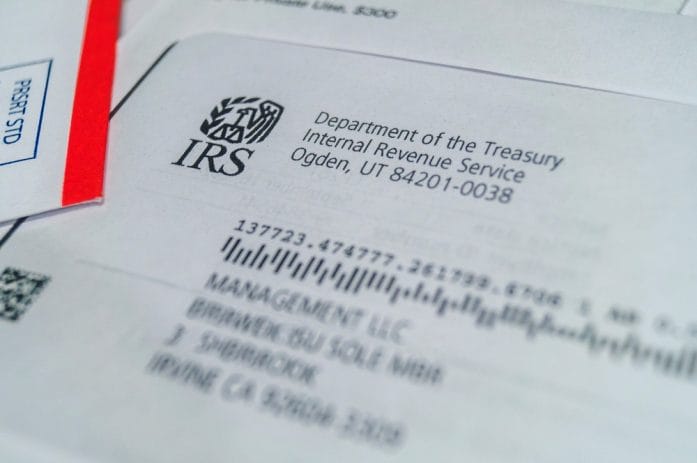
An IRS notice can turn an ordinary Tuesday into a frantic hunt for old tax returns, bank statements, W-2s, and that one folder mysteriously labeled “Important Stuff.” The good news: a tax notice does not automatically mean the IRS has the final word, and a mistake in a notice does not magically become a tax debt just because the letter looks official.
That does not mean taxpayers should toss the envelope onto a growing pile of mail and hope the problem wanders away. IRS notices can involve proposed changes, payment requests, missing information, penalties, or other issues, and the details matter. Tax rules also depend heavily on individual facts, so the smartest approach involves checking the notice carefully, comparing it with tax records, watching deadlines, and getting qualified tax help when the situation calls for it.
The Number on the Notice Deserves a Second Look
Start with the basics, because tax paperwork loves tiny details that can cause surprisingly large headaches. Check the taxpayer name, address, tax year, notice number, amounts listed, and the reason the IRS gives for contacting you. Then compare those details with the actual return and supporting documents instead of relying on memory, especially when the notice concerns income, deductions, credits, or payments. The IRS says its 2026 tax-year adjustments cover more than 60 tax provisions, and those changes generally apply to returns filed in 2027, which makes using the correct tax year particularly important.
A number can look perfectly reasonable and still belong to the wrong tax year or calculation. For example, the standard deduction for tax year 2026 rises to $16,100 for single filers, $24,150 for heads of household, and $32,200 for married couples filing jointly, while 2025 amounts differ. That difference illustrates why a taxpayer should never assume a notice uses the rules that applied to the return being questioned.
A Small Error Can Pick Up Extra Baggage
A notice that starts with a modest discrepancy can become more expensive if a taxpayer ignores it and misses an important response or payment deadline. Depending on the circumstances, additional interest or penalties can affect an amount owed, so procrastination rarely improves the situation. A taxpayer who spots an apparent mistake should gather the relevant return, forms, receipts, payment records, and correspondence before deciding what response makes sense. The goal involves creating a clean paper trail that shows exactly where the numbers came from, rather than firing off an angry letter fueled by three cups of coffee and righteous indignation.
That paper trail also helps when the issue involves a tax preparer, financial institution, employer, or another company that supplied information to the IRS. If the notice appears to rely on incorrect information, compare the IRS notice against the original documents and identify the specific discrepancy. Do not assume that a mistake automatically disappears because someone else caused it. Likewise, do not assume the IRS made a mistake simply because the amount looks surprising, since tax calculations can involve several moving parts.
Do Not Confuse an IRS Problem With a Financial Complaint
The Consumer Financial Protection Bureau offers a complaint system for problems involving financial products and services such as checking accounts, credit cards, credit reporting, debt collection, mortgages, personal loans, and student loans. That makes the CFPB useful when a separate financial-services problem enters the picture, but it does not turn the agency into an appeal desk for an IRS tax notice. A taxpayer who receives an IRS notice should use the IRS instructions on that notice and official IRS resources to determine the appropriate response rather than automatically sending the complaint to another federal agency. If a tax-related situation also involves a bank, lender, credit-reporting company, or another covered financial company, the CFPB complaint process may provide a separate avenue for that financial-services issue.
The CFPB itself recommends contacting the company involved before filing a complaint and asks consumers to include important dates, amounts, communications, and supporting documents. That documentation habit works well as a general financial-planning principle, even when the IRS handles the underlying tax matter. Keeping copies of notices, letters, payment confirmations, tax returns, and other records can make a complicated situation much easier to explain. Just remember that each agency has its own jurisdiction and procedures.
Turn the Notice Into a Checklist, Not a Panic Button
A useful response plan starts with reading the entire notice, including the fine print that seems determined to ruin an otherwise pleasant afternoon. Next, mark every deadline, identify the tax year involved, and write down exactly what the IRS says went wrong or what action it requests. Then gather the documents that support the taxpayer’s position and compare every important number against the filed return and original records. If the notice appears correct, determine what payment or other response the notice requires and whether the taxpayer should seek professional guidance before acting.
If something looks wrong, do not simply write “this is incorrect” and hope the tax bureaucracy appreciates the minimalist aesthetic. Follow the notice’s instructions for disputing or correcting the issue, provide relevant documentation, and keep copies of everything submitted. An IRS account can also provide access to tax information and records, which can help taxpayers verify details without relying entirely on old paperwork. When the amount, legal issue, or potential consequences become difficult to evaluate, a qualified tax professional can help determine the appropriate next step.
The Best Tax-Notice Strategy Starts Before the Envelope Arrives
The smartest defense against an IRS notice mistake involves maintaining organized records throughout the year, not scrambling through a desk drawer after receiving a scary-looking envelope. Save tax returns and supporting documents in a system that makes specific years and transactions easy to locate. Review major changes in income, employment, investments, deductions, credits, and other tax-sensitive events carefully when preparing a return. Keep payment confirmations and correspondence where they can be retrieved quickly if questions arise later.
The 2026 tax rules add another reason to pay attention to tax years rather than treating every tax season as one giant blur. The IRS lists changes for 2026 involving items such as standard deductions, marginal tax brackets, the Earned Income Tax Credit, health flexible spending arrangements, and other provisions. None of those changes automatically determines how a particular taxpayer should respond to a notice, because eligibility and tax treatment depend on individual facts. Think of the process as a checklist: verify the notice, verify the records, verify the deadline, document the response, and get professional help when the issue exceeds a comfortable level of DIY tax detective work.
When the Envelope Arrives, Check Before You Pay
An IRS notice deserves attention, but it does not deserve blind obedience or immediate panic. A careful review can uncover mismatched tax years, incorrect information, missing payments, or other details that require clarification before a taxpayer takes the nesxt step. At the same time, an apparently small issue can become more expensive when someone ignores deadlines or assumes the problem will resolve itself. Treat every notice as a prompt to verify facts, preserve records, and follow the appropriate official process rather than as an automatic bill carved into stone.
What is the most confusing IRS notice or tax-letter issue you have encountered?
You May Also Like…
Government Imposter Scams: How to Verify an IRS, SSA, or Medicare Contact
Many Social Security Recipients Pay Taxes on Their Benefits — Most Are Surprised
What Most Users Still Don’t Know About Venmo, PayPal, and Their Taxes
7 Financial Documents Widows and Widowers Should Gather in the First 90 Days
A Practical Guide to IRS Notice Mistakes That Can Turn a Small Tax Issue Into a Bigger Bill

Brandon Marcus is a writer who has been sharing the written word since a very young age. His interests include sports, history, pop culture, and so much more. When he isn’t writing, he spends his time jogging, drinking coffee, or attempting to read a long book he may never complete.