• Home
  • About Us
  • Toolkit
  • Getting Finances Done
    • Hiring Advisors
    • Debt Management
    • Spending Plan
  • Insurance
    • Life Insurance
    • Health Insurance
    • Disability Insurance
    • Homeowners/Renters Insurance
  • Contact Us
  • Risk Tolerance Quiz
  • Our Editorial Commitment

The Free Financial Advisor

You are here: Home / Archives for refund freeze

IRS Will Freeze Your Refund Without Correct Bank Info—And Won’t Send a Paper Check Until You Fix It

May 19, 2026 by Brandon Marcus Leave a Comment

IRS Will Freeze Your Refund Without Correct Bank Info—And Won’t Send a Paper Check Until You Fix It
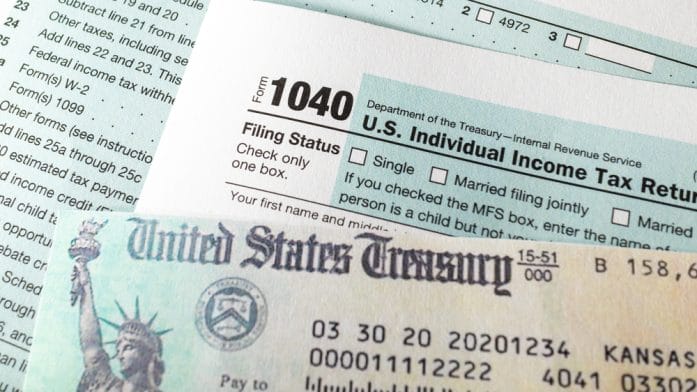
1040 tax forms can lead to heary refunds from the IRS – Shutterstock

Tax season already comes packed with enough stress to power an entire coffee chain, but one simple banking mistake can turn a smooth refund into a financial nightmare. Millions of Americans rely on direct deposit because refunds usually arrive faster than paper checks, often within 21 days when everything lines up correctly. The problem starts when taxpayers enter the wrong routing number, use a closed bank account, or accidentally swap digits while filing online late at night. The IRS does not simply shrug and mail out a backup check the moment something goes wrong with the deposit.

Instead, the agency often freezes the refund until taxpayers update or resolve the banking issue directly with the IRS or the receiving bank. That delay can stretch for weeks and sometimes much longer depending on the situation and how quickly the taxpayer notices the problem. Many filers expect the government to automatically correct the error, but the IRS generally pushes responsibility back onto the taxpayer. A simple typo can suddenly derail rent payments, vacation plans, emergency savings goals, or overdue bills that depended on that refund arriving on time.

Direct Deposit Errors Create Bigger Problems Than Most People Expect

Direct deposit sounds foolproof until someone accidentally enters account information for an old checking account from three apartments ago. Banks process millions of transactions electronically every day, and many institutions automatically reject deposits tied to closed or mismatched accounts. When that happens, the money bounces back to the IRS, but the process rarely moves quickly. Taxpayers often wait anxiously while their “Where’s My Refund?” status sits unchanged for days or even weeks.

Some situations get even messier because banks sometimes accept deposits into incorrect accounts if the routing and account numbers technically exist. That creates a nightmare scenario where the refund lands in another person’s account instead of returning to the IRS immediately. Federal law protects consumers in some banking disputes, but recovering tax refunds from incorrect accounts can take substantial time and paperwork. The IRS generally tells taxpayers to first contact the bank, which leaves many people stuck navigating customer service departments while their refund disappears into financial limbo.

The IRS Won’t Automatically Rescue the Situation

Many taxpayers assume the IRS will quickly switch gears and mail a paper check after a failed direct deposit attempt, but the agency does not move that fast. IRS procedures usually require verification and additional processing before issuing a replacement payment. During peak tax season, that delay grows even longer because the agency already struggles with massive workloads and staffing challenges. The IRS also prioritizes fraud prevention, which means suspicious banking issues often trigger extra scrutiny.

That extra scrutiny makes sense because criminals constantly target tax refunds through identity theft and fraudulent filings. The IRS flags unusual banking changes or repeated deposit failures to stop scammers from redirecting taxpayer money. Unfortunately, honest taxpayers often get tangled in the same security net. Someone who accidentally enters one wrong digit can suddenly face identity verification letters, delayed processing notices, or requests for additional documentation before the refund moves again.

Filing Software Does Not Guarantee Error-Free Refunds

Tax software companies advertise convenience, speed, and accuracy, but software cannot stop every human mistake. A filer rushing through forms on a smartphone after midnight can still enter incorrect numbers without noticing the error. Many people also copy banking information from old checks that belong to closed accounts or outdated banks after mergers. Even experienced taxpayers sometimes overlook mistakes because they focus heavily on income figures and deductions rather than payment details.

The danger increases when taxpayers split refunds between multiple accounts using IRS Form 8888. One incorrect account number among several deposit destinations can complicate the entire refund process. Some taxpayers also accidentally select savings accounts that block certain electronic deposits depending on the institution’s rules. Those small filing errors may look harmless on a tax return, but they can create weeks of frustrating delays once the IRS processes the refund payment.
IRS Will Freeze Your Refund Without Correct Bank Info—And Won’t Send a Paper Check Until You Fix It
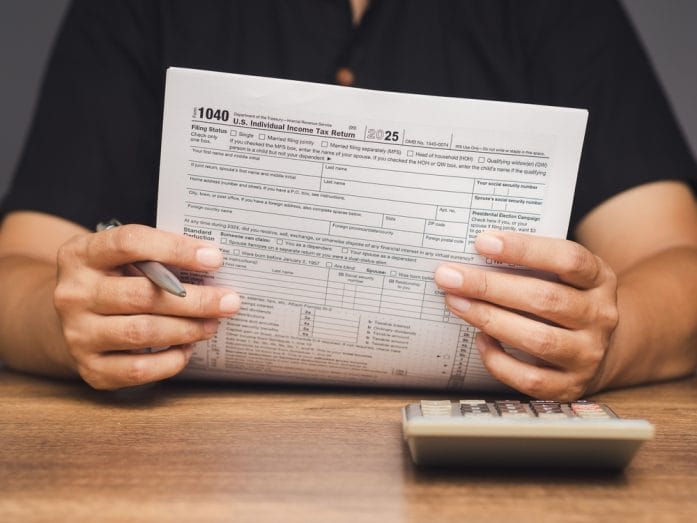
Tax filers can get their refunds stuck in limbo if they make a single, tiny mistake – Shutterstock

Fixing the Problem Requires Fast Action and Patience

Taxpayers who realize they entered incorrect banking information should move quickly because timing matters enormously. If the IRS has not yet sent the refund, filers may still have time to update information through their tax preparer or filing software. Once the IRS sends the payment, however, options become more limited and the process slows considerably. The agency generally cannot cancel a completed direct deposit after transmission begins.

Banks sometimes reject deposits within a few business days, which sends the refund back to the IRS automatically. After that return occurs, the IRS may issue a paper check to the address listed on the tax return, but processing often takes several additional weeks. Taxpayers should monitor the IRS “Where’s My Refund?” tool regularly and respond immediately to any mailed notices requesting identity verification or corrected information. Ignoring IRS letters almost always stretches the delay longer and increases frustration.

Scammers Love Refund Confusion Season

Refund delays create perfect conditions for scammers who prey on stressed taxpayers waiting for money. Fraudsters frequently send fake texts, emails, or phone calls claiming they can “release” frozen IRS refunds after taxpayers provide personal information. The IRS generally does not initiate contact through text messages or social media direct messages about refund problems. Criminals know worried taxpayers feel vulnerable when refunds disappear, so they ramp up scams heavily during tax season.

Some scammers even impersonate banks and claim they need account verification to process rejected deposits. Others send links to fake IRS portals designed to steal Social Security numbers and banking credentials. Taxpayers should only use official IRS websites and verified banking contacts when handling refund issues. A delayed refund already creates enough stress without adding identity theft or drained bank accounts into the mix.

The Refund Clock Keeps Ticking Even After Filing Ends

Many Americans treat tax filing like a finish line, but refund processing often turns into an entirely separate marathon. Filing accurately matters just as much as filing on time, especially when direct deposit details enter the picture. One tiny banking typo can freeze thousands of dollars right when families count on that money most. The IRS eventually resolves most refund issues, but the wait can test anyone’s patience and financial stability.

Taxpayers can reduce risk dramatically by double-checking routing numbers, confirming active accounts, and reviewing every deposit detail before submitting returns electronically. That extra two-minute review may save weeks of stress, endless phone calls, and painful delays later. Tax season already delivers enough surprises without adding a missing refund into the chaos.

What’s the longest delay you’ve ever faced waiting for a tax refund, and did you ever discover what caused it?

You May Also Like…

The IRS Is Cracking Down on Side Hustle Income Again in 2026

9 Everyday Money Mistakes That Quietly Lead to IRS Penalties

Stop Celebrating Your Tax Refund: You Just Gave the Government a Interest-Free Loan

Why Do Families Rely Too Much on Tax Refunds

Tennessee Residents Still Pay Federal Taxes on Investment Income Despite State Changes

Brandon Marcus
Brandon Marcus

Brandon Marcus is a writer who has been sharing the written word since a very young age. His interests include sports, history, pop culture, and so much more. When he isn’t writing, he spends his time jogging, drinking coffee, or attempting to read a long book he may never complete.

Filed Under: tax tips Tagged With: direct deposit errors, federal taxes, IRS bank information, IRS direct deposit, IRS refund, paper check delays, Personal Finance, refund freeze, saving money, tax filing mistakes, tax refund delays, tax refund tips, tax season

Refunds Are Being Frozen Over Missing Bank Details — And Some Filers Won’t Get Paid for Weeks

March 27, 2026 by Brandon Marcus Leave a Comment

Refunds Are Being Frozen Over Missing Bank Details — And Some Filers Won’t Get Paid for Weeks
Image Source: Pexels.com

Imagine this: you’ve filed your taxes, you’re expecting that sweet refund you’ve been dreaming about, and then… crickets. No deposit, no email, no update — just silence. It turns out that one tiny step many people skip (or mess up) — putting correct bank account details on their tax return — can now freeze your refund faster than ice cream on a winter sidewalk. Worse, some folks might wait weeks before that money finally shows up, if it shows up at all.

This isn’t just a minor hiccup in the IRS machinery; it’s a major policy shift that’s leaving a ton of taxpayers spinning in limbo. The IRS is phasing out paper checks and pushing electronic refunds, which generally save everyone time and trouble, but if the bank info isn’t there or gets rejected, the refund gets paused until you fix it — and fixing it isn’t always as simple as clicking a button. Some people are staring at blank accounts while their cash waits in the digital wings.

When Missing Numbers Turn Your Refund Into a Waiting Game

One of the biggest reasons refunds are freezing this tax season is missing or incorrect direct deposit information. The IRS now leans heavily on electronic payments and has significantly reduced reliance on paper checks, which means that if your routing number or account number is blank, incomplete, or wrong, your refund just hits the pause button. The IRS will still process your tax return, but the refund sits in a holding pattern until you fix the issue.

Here’s the kicker: the IRS doesn’t automatically resend your refund as a mailed check if the bank details fail. Instead, they send you a letter (officially called a CP53E notice) telling you there’s a problem and you have up to 30 days to update your banking details online. If you miss that window, then they’ll send a paper check. But it could be six weeks or more before it arrives. That’s weeks added to an already anxious wait.

This shift aims to streamline refund delivery and reduce lost or stolen mail issues, but for people who didn’t expect to use direct deposit — or who simply typed a number wrong — the result feels like a bureaucratic roadblock. It’s not just paper checks going away; it’s about forcing direct deposit as the default, with serious consequences if you overlook it.

Why This Isn’t Just a Small Glitch With a Simple Fix

You might think, “Okay, I just update my bank info, and I’m good.” In many cases, that’s true. But the reality is messier. Some taxpayers don’t have easy access to the IRS online account system, or they don’t know how to navigate it. Others don’t have immediate access to a computer or reliable internet connection. For folks already on tight budgets — relying on that refund for bills, rent, or essentials — waiting for another mail-out or struggling to update online can be wildly stressful.

There’s also the weird situation where people who did put in details still get rejected because of a tiny typo or a bank validation issue. Refunds bounce back, and suddenly the IRS treats it as though you never submitted the info in the first place.

And it’s not just one isolated group. Roughly 830,000 taxpayers have received notices about missing bank info so far this season alone. Many of these individuals used to rely on paper refunds — and now they’re finding that the old safety net of a mailed check has been pulled away.

How to Break the Freeze and Get Paid Faster

There has to be a solution, right? Yes! Here’s how to actually fix it and get that refund moving again. First: when you receive a CP53E notice, don’t toss it like junk mail. That piece of paper holds the key to unlocking your refund. The IRS gives you a limited window — usually 30 days — to log into your IRS Online Account and update your bank information. Once you do, they’ll reissue the payment via direct deposit.

If you’re unsure whether your refund was frozen because of bank details or something else, use the IRS “Where’s My Refund?” tool. It updates daily and can give you specific status info so you’re not guessing in the dark. That way, you can tell whether you’re in the “frozen” queue, waiting for processing, or good to go.

If you absolutely don’t have a bank account — and that’s a real situation for some people — you can ask for a paper check, but prepare for the snail mail pace. Getting that check can take six weeks or more, and you’ll want to watch your mailbox like a hawk until it arrives.  And here’s something a lot of people overlook: making sure the initial bank info is accurate before you file saves a ton of hassle. Double-check every number. Nobody enjoys typing in a 12-digit routing combo, but spending three extra minutes verifying it now could save weeks of drama later.

Refunds Are Being Frozen Over Missing Bank Details — And Some Filers Won’t Get Paid for Weeks
Image Source: Shutterstock.com

Cash Flow Interruptions That Rock People’s Plans

Imagine budgeting based on a refund only to have it frozen for weeks because some digits weren’t just right. For people who rely on refunds to pay down debt, cover emergency expenses, or even make rent, weeks of delay can cause real disruptions. And since the IRS workforce is still rebuilding after staffing shortages and shakeups, getting help over the phone or in person can take longer than you want. That makes the online tools and accuracy up front all the more critical.

Also, new tax code changes have sometimes caused confusion or mistakes on returns, which then cascade into delays when the IRS has to review things more closely. So don’t ignore those warnings about missing details — even a tiny slip-up can spark a longer review.

Don’t Let a Tiny Omission Steal Your Money

This year’s tax season is teaching a hard lesson: accuracy in the little things matters more than ever. Miss those crucial bank details, and you’re stuck waiting for your refund while everyone else moves on with their lives. But with a bit of attention, you can break the hold and get your money sooner rather than later.

Have a trick or tip that helped you unfreeze a refund fast? Share your thoughts or stories below. We want to hear your insight!

You May Also Like…

Refunds Are Being Delayed Over New IRS Identity Flags — Why More Returns Are Getting Pulled

Refunds Are Being Frozen Over a Single IRS Identity Check — Here’s What’s Causing the Delays

Can You Trust AI With Your Taxes and Investments? 8 Risks No One Explains

The IRS Is Sending More “Math Error” Notices — Why You Could Owe Without Realizing It

7 Common Deductions That Are Getting More Scrutiny From the IRS


Brandon Marcus
Brandon Marcus

Brandon Marcus is a writer who has been sharing the written word since a very young age. His interests include sports, history, pop culture, and so much more. When he isn’t writing, he spends his time jogging, drinking coffee, or attempting to read a long book he may never complete.

Filed Under: tax tips Tagged With: bank details, direct deposit, IRS CP53E notice, IRS delays, paper checks phased out, refund freeze, refund status, refund tips, tax refunds, tax season 2026

Refunds Are Being Frozen Over a Single IRS Identity Check — Here’s What’s Causing the Delays

February 22, 2026 by Brandon Marcus Leave a Comment

Refunds Are Being Frozen Over a Single IRS Identity Check — Here’s What’s Causing the Delays
Image Source: Pexels.com

The tax refund that was supposed to land in a bank account can stop cold because of one thing: identity verification. Not an audit. Not a math error. Not some dramatic investigation. Just a single flag that tells the Internal Revenue Service it needs to make sure the person behind the return is actually who they claim to be.

For anyone counting on that refund to cover rent, wipe out a credit card balance, or finally fix the car that keeps making that mysterious noise, the delay feels personal. It also feels confusing. After all, if a return went through without a hitch last year, why would the IRS suddenly question it now?

The Identity Verification Trigger That Stops Everything

The IRS runs every tax return through filters designed to catch fraud before money leaves the Treasury. Identity theft tied to tax refunds remains a real issue, so the agency built automated systems that compare each return against prior filings, wage records, and known fraud patterns. When something does not match up, the system kicks the return out for review.

That mismatch can stem from surprisingly ordinary details. A new mailing address, a different bank account for direct deposit, a change in filing status, or income that looks out of line with prior years can all raise a flag. Sometimes the IRS simply wants to confirm that the person who filed the return actually submitted it.

When that happens, the IRS freezes the refund and sends a letter asking for identity verification. The letter instructs the taxpayer to verify identity either online through the IRS identity verification service or by phone. In some cases, the IRS requires an in-person appointment at a Taxpayer Assistance Center.

Until that step happens, the refund does not move. The IRS does not issue partial payments. It does not release funds while it waits. The entire amount stays locked.

Why the IRS Cares So Much About This One Check

Tax identity theft once exploded across the country as criminals filed fake returns early in the season to grab refunds before legitimate taxpayers filed their own. The IRS responded by tightening security. It expanded filters, improved data matching, and added more identity verification steps. That shift cut down fraudulent payouts, but it also created more friction for legitimate filers.

The agency now cross-checks W-2 and 1099 income forms against returns. If an employer submits wage information late, the IRS system may not see a match right away. That delay alone can cause a return to get flagged. When self-employed taxpayers report income that differs sharply from previous years, the system may also want confirmation.

The IRS does not treat every flagged return as fraud. It treats them as returns that need confirmation. That distinction matters. An identity verification request does not mean someone faces penalties or criminal trouble. It means the IRS wants proof before releasing money.

The Letters That Spark Panic — and What They Actually Mean

Nothing rattles nerves quite like an official IRS letter. The envelope alone can raise blood pressure. Yet in many cases, these identity verification letters follow a straightforward script.

Letter 5071C directs taxpayers to verify their identity online using the IRS’s secure identity verification tool. That process requires personal information, a copy of the prior year’s return, and access to a financial account or mobile phone for verification. Letter 4883C often asks taxpayers to call a specific IRS phone number and answer questions about their return. Letter 5747C typically requires an in-person visit.

Each letter includes a control number and instructions that must match the official IRS website. The IRS does not initiate identity verification requests through email, text, or social media. Anyone who receives a message outside official channels should assume it is a scam and avoid clicking links.

After successful verification, the IRS resumes processing the return. The agency often states that it may take up to nine weeks to issue the refund once identity verification is complete. Some refunds arrive sooner, but no one should expect instant movement.

How to Respond Without Making the Delay Worse

Speed matters. When the IRS sends an identity verification letter, the clock starts ticking. Ignoring the letter does not make the issue disappear. It simply keeps the refund frozen.

The first step involves confirming the letter’s authenticity by checking the letter number and comparing it with information on IRS.gov. Once that check clears, taxpayers should gather last year’s tax return, the current year’s return, and any supporting documents such as W-2s or 1099s. Having those documents ready makes the online or phone verification process smoother.

If the letter instructs online verification, completing it through the official IRS identity verification portal usually moves faster than calling. Phone lines often involve long hold times, especially during peak tax season. For letters that require in-person visits, scheduling the appointment quickly reduces the overall wait.

Taxpayers should also continue to monitor their refund status using the “Where’s My Refund?” tool on IRS.gov. That tool updates once per day and reflects progress after identity verification clears.

When the Refund Delay Points to Something Bigger

Sometimes identity verification marks the beginning of a more complicated review. If the IRS suspects discrepancies beyond identity concerns, it may send additional notices asking for documentation to support credits or income claims. That situation often happens with refundable credits such as the Earned Income Tax Credit or the Additional Child Tax Credit, which the IRS reviews carefully due to past abuse.

In those cases, the IRS may ask for proof of residency for children, school records, or income documentation. Responding thoroughly and quickly becomes even more important. Missing deadlines or sending incomplete information can extend the delay by months.

Refunds Are Being Frozen Over a Single IRS Identity Check — Here’s What’s Causing the Delays
Image Source: Pexels.com

Practical Steps to Reduce the Risk Next Year

Filing early in the season often helps because fraudsters typically file as soon as filing opens. Using direct deposit with a bank account in the taxpayer’s own name avoids confusion. Keeping mailing addresses consistent across employers, banks, and tax filings prevents mismatches.

Creating an IRS online account adds another layer of control. Through that account, taxpayers can view balances, transcripts, and notices. Monitoring wage and income transcripts later in the season ensures that employers submitted accurate forms.

Anyone concerned about identity theft can also request an Identity Protection PIN, known as an IP PIN, from the IRS. That six-digit number must accompany a tax return each year, which blocks fraudsters from filing without it.

Security Comes First, Even When It Hurts

Identity verification freezes feel frustrating because they disrupt expectations. Taxpayers follow the rules, file on time, and expect the refund timeline advertised by the IRS. Then a letter arrives and changes everything.

Yet the IRS tightened these checks for a reason. When criminals steal refunds, legitimate taxpayers deal with months of cleanup and paperwork. Strong verification rules protect the system as a whole, even though they slow down some refunds.

Refund delays over a single identity check do not signal doom. They signal a pause that requires action. Once identity verification clears, the refund clock starts ticking again.

Has an identity verification letter ever held up a refund, or did the process move faster than expected? Share your thoughts, insights, and tips in the comments below.

You May Also Like…

Can You Trust AI With Your Taxes and Investments? 8 Risks No One Explains

5 Reasons To Talk To Your Kids About Taxes

Income Threshold: 4 Hidden Taxes That Hit Once You Cross Certain Limits

6 Advanced Techniques to Lower Your Capital Gains Taxes Legally

Can Your Taxes Be Cut In Half By You Simply Incorporating Your Name?

Brandon Marcus
Brandon Marcus

Brandon Marcus is a writer who has been sharing the written word since a very young age. His interests include sports, history, pop culture, and so much more. When he isn’t writing, he spends his time jogging, drinking coffee, or attempting to read a long book he may never complete.

Filed Under: tax tips Tagged With: identity verification, IRS, IRS Form 5071C, IRS identity check, IRS letters, IRS online account, refund freeze, refund hold, tax delays, tax refunds, tax return processing, tax season 2026

FOLLOW US

Search this site:

Recent Posts

  • Can My Savings Account Affect My Financial Aid? by Tamila McDonald
  • 12 Ways Gen X’s Views Clash with Millennials… by Tamila McDonald
  • What Advantages and Disadvantages Are There To… by Jacob Sensiba
  • 10 Tactics for Building an Emergency Fund from Scratch by Vanessa Bermudez
  • Call 911: Go To the Emergency Room Immediately If… by Stephen Kanaval
  • 7 Weird Things You Can Sell Online by Tamila McDonald
  • 10 Scary Facts About DriveTime by Tamila McDonald

Copyright © 2026 · News Pro Theme on Genesis Framework