• Home
  • About Us
  • Getting Finances Done
    • Hiring Advisors
    • Debt Management
    • Spending Plan
  • Insurance
    • Life Insurance
    • Health Insurance
    • Disability Insurance
    • Homeowners/Renters Insurance
  • Contact Us
  • Our Editorial Commitment

The Free Financial Advisor

You are here: Home / Archives for federal budget

The Next Medicare Premium Shock Could Hit Retirees Harder Than Expected

May 14, 2026 by Brandon Marcus Leave a Comment

The Next Medicare Premium Shock Could Hit Retirees Harder Than Expected
A doctor’s keyboard with a Medicare card sitting on it – Shutterstock

Retirement often gets sold as a season of stability, but healthcare costs keep rewriting that story in real time. Medicare premiums already take a noticeable bite out of monthly budgets, and the next wave of increases could feel even sharper than many retirees anticipate. Rising medical expenses, inflation pressure, and federal program adjustments continue to push costs upward, leaving fewer safe spots in a carefully planned retirement income. Many households now find that even modest premium hikes ripple through groceries, housing, and everyday spending decisions.

This issue matters because Medicare doesn’t operate in isolation from the broader economy. When prescription drug costs climb, hospital expenses rise, or federal spending shifts, retirees feel it quickly in their monthly statements. The next premium adjustment cycle could hit at a moment when many older Americans already feel squeezed by higher rent, utilities, and insurance costs.

Why Medicare Premiums Keep Marching Higher Each Year

Medicare premiums continue rising because healthcare costs in the United States consistently outpace general inflation. The standard Part B premium, which covers outpatient care, already sits above $180 per month for many enrollees, and analysts expect continued upward pressure heading into the next adjustment cycle. Even small percentage increases translate into real budget strain when retirees live on fixed incomes. Administrative costs, provider payments, and new medical technologies all feed into the pricing formula. Retirees often notice that even “routine” annual increases feel heavier each year.

Government funding formulas also play a major role in these adjustments, especially when Medicare expenditures rise faster than payroll tax revenues. The system balances itself by shifting part of the cost burden to beneficiaries through premiums and deductibles. That mechanism keeps Medicare solvent but transfers financial pressure directly to seniors. Inflation in hospital services and physician reimbursement rates amplifies the effect during high-cost years. The result creates a steady upward climb that rarely pauses, even during economic slowdowns.

The Hidden Forces Driving the Next Premium Spike

Several less visible factors could intensify the next Medicare premium increase beyond typical expectations. Prescription drug pricing reforms, while designed to reduce long-term costs, often create short-term adjustments that shift expenses across different parts of the program. At the same time, increased demand for healthcare services from aging baby boomers pushes utilization higher than previous projections. The system absorbs these pressures by recalibrating premiums and deductibles for the following year. These combined shifts often surprise retirees who expect gradual, predictable changes.

Inflation in medical labor costs adds another layer of pressure that rarely gets enough attention. Nurses, specialists, and technicians now command higher wages due to staffing shortages across many regions. Hospitals pass those costs through billing structures that ultimately influence Medicare reimbursements. When reimbursement rates climb, premium calculations follow. Even modest labor inflation in healthcare can ripple outward into noticeable monthly increases for beneficiaries.

Why Some Retirees Feel the Pinch More Than Others

Not all retirees experience Medicare premium increases equally, and income plays a major role in determining the impact. Higher-income retirees often fall into IRMAA brackets, which add income-related surcharges on top of standard premiums. These surcharges can turn a manageable monthly cost into a significant financial obligation, especially for households with investment income or required minimum distributions. Middle-income retirees without those surcharges still feel pressure, especially when Social Security adjustments fail to fully match healthcare inflation. That mismatch creates gradual erosion of purchasing power over time.

Geography and health status also influence how sharply retirees feel premium changes. Individuals with chronic conditions often face additional out-of-pocket expenses that stack on top of Medicare premiums. Rural retirees may also struggle more due to limited provider networks and higher travel-related healthcare costs. When premiums rise at the same time as medical needs increase, budgeting becomes more unpredictable. These layered pressures create uneven financial stress across the retiree population.

The Next Medicare Premium Shock Could Hit Retirees Harder Than Expected
A senior woman looking at prescription drugs that are now more expensive – Shutterstock

Practical Moves That Help Retirees Stay Ahead of Rising Costs

Retirees can take proactive steps to reduce the impact of future Medicare premium increases before they arrive. One strategy involves reviewing taxable income sources to avoid unnecessary IRMAA surcharges when possible. Strategic withdrawal timing from retirement accounts can help smooth income spikes that push retirees into higher premium brackets. Some households also benefit from coordinating Roth conversions during lower-income years to manage long-term tax exposure. Careful planning often reduces exposure to premium surcharges more effectively than reactive budgeting.

Another important step involves reviewing Medicare plan choices annually instead of defaulting to prior selections. Medicare Advantage and supplemental plans vary widely in cost-sharing structures, which can offset or worsen premium increases depending on the design. Comparing prescription drug coverage also matters because medication costs often rise faster than premiums themselves. Retirees who actively reassess coverage options tend to absorb fewer financial shocks over time. Consistent review turns Medicare planning into a flexible strategy rather than a fixed expense.

What the Next Medicare Shift Means for Retirement Security

The next Medicare premium adjustment cycle signals more than a routine annual change because it reflects deeper structural pressure inside the healthcare system. Rising costs, demographic shifts, and inflation all push the program toward higher beneficiary contributions over time. Retirees who rely heavily on fixed income sources face the greatest vulnerability when these increases stack year after year. Even small percentage changes compound into meaningful budget strain over a decade of retirement. Planning ahead now creates a stronger buffer against future volatility.

What strategies do you think work best for managing rising Medicare costs without disrupting long-term financial stability? Let’s hear your advice and opinions below in our comments section.

You May Also Like…

Social Security Checks Are Getting Smaller for Some Retirees—And It’s Not a Benefit Cut

Medicare Identity Alert: 3 Steps to Take After a Data Exposure Notice

6 Medicare Rules That Will Hike Your Out-of-Pocket Costs in 2026

A Big Change to Medicare Prior Authorization: 7‑Day Deadline Now Mandatory

Why New Renewal Letters Are Cutting Off Coverage for Medicaid Families In Texas

Brandon Marcus
Brandon Marcus

Brandon Marcus is a writer who has been sharing the written word since a very young age. His interests include sports, history, pop culture, and so much more. When he isn’t writing, he spends his time jogging, drinking coffee, or attempting to read a long book he may never complete.

Filed Under: Retirement Tagged With: federal budget, healthcare costs, Inflation, insurance costs, IRMAA, Medicare, Medicare premiums, retirees, retirement planning, Senior Benefits, Social Security, US economy

The Next Government Shutdown Threat Could Delay Refunds Again

May 11, 2026 by Brandon Marcus Leave a Comment

The Next Government Shutdown Threat Could Delay Refunds Again
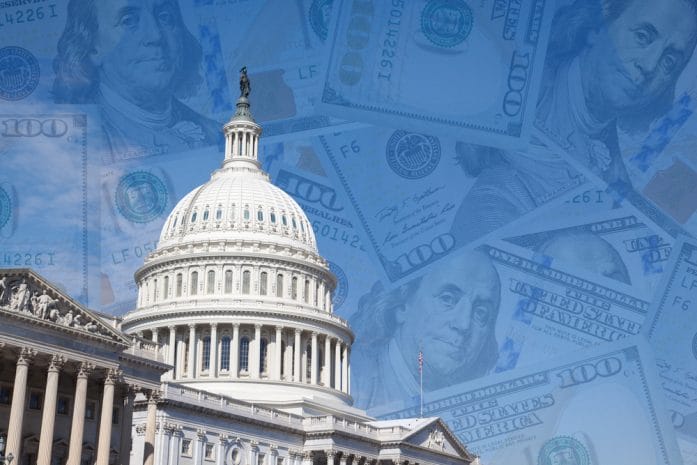
The US Capitol building with dollar bills behind it – Shutterstock

Tax season already delivers enough stress to power a small city, and now Washington threatens to add another layer of chaos to the mix. Lawmakers continue to spar over spending bills, budget deadlines, and political priorities while millions of taxpayers watch the calendar with growing anxiety. A government shutdown could once again slam the brakes on IRS operations right when Americans count on refunds to cover rent, groceries, car repairs, and credit card bills.

Families still remember the refund slowdowns that rattled previous tax seasons and left bank accounts hanging in limbo for weeks. This latest showdown carries real financial consequences for households that rely on every dollar arriving on time.

Congress Keeps Marching Toward Another Budget Cliff

Congress loves dramatic countdown clocks almost as much as cable news loves flashing red banners, and the latest budget fight already looks messy. Lawmakers from both parties continue to battle over federal spending levels, border security, defense funding, and agency budgets while deadlines creep closer every day. Even a short shutdown could disrupt IRS staffing, slow customer service, and delay refund processing during one of the busiest stretches of the tax calendar.

During previous shutdowns, taxpayers faced long phone wait times, delayed paperwork handling, and massive frustration as uncertainty spread across the country. Washington politicians often treat shutdown threats like political poker chips, but regular Americans usually pay the price first.

Tax Refund Delays Hit Harder Than Many People Realize

Many households treat tax refunds like a yearly financial reset button because that money often covers overdue bills, emergency expenses, or major purchases. A delayed refund can quickly create a chain reaction that affects utility payments, rent deadlines, grocery budgets, and even medical appointments. The average federal tax refund reached several thousand dollars in recent years, which means millions of Americans suddenly lose access to a meaningful chunk of their income during a shutdown disruption.

Parents frequently use refunds for back-to-school shopping, debt payoff plans, or family travel, while retirees sometimes rely on the money for property taxes and insurance costs. A refund delay may sound like a Washington paperwork problem, but many families feel the impact almost immediately at kitchen tables across America.

The IRS Already Faces Serious Pressure This Year

The IRS entered this tax season with ongoing staffing challenges, aging technology systems, and intense public scrutiny over customer service problems. Taxpayers still complain about long hold times, confusing notices, and processing bottlenecks that create headaches even during normal government operations. A shutdown could stretch those problems further by limiting support staff, slowing return reviews, and reducing access to taxpayer assistance centers across the country.

Electronic filing would likely continue in some capacity, but slower manual processing could still delay certain refunds, especially for people who claim tax credits or submit paper documents. Americans who expect fast turnaround times may face a rude surprise if political gridlock drags into the heart of filing season.

The Next Government Shutdown Threat Could Delay Refunds Again
The IRS building – Shutterstock

Smart Taxpayers Already Prepare for Possible Delays

Financial experts continue to urge taxpayers to file early, double-check returns carefully, and avoid last-minute scrambling if shutdown concerns intensify. Early filers often reduce the risk of paperwork complications because the IRS processes returns before political drama reaches full meltdown mode. Taxpayers should also avoid relying on refunds for immediate emergency expenses because shutdown disruptions can create unpredictable delays that nobody fully controls.

Many financial planners recommend building a temporary cash cushion, paying critical bills early, and tracking refund status closely through official IRS tools rather than social media rumors. Americans cannot control congressional battles, but smart preparation can soften the blow if Washington turns another budget fight into a full-scale shutdown spectacle.

Wall Street Watches the Drama Too

Government shutdown threats rarely stay trapped inside Washington because financial markets, consumer confidence, and business activity often react quickly to prolonged uncertainty. Investors tend to dislike chaos, and shutdown headlines can fuel nervous market swings that ripple through retirement accounts and household finances. Federal workers and government contractors may also face paycheck interruptions, which can reduce spending in local economies across the country and create broader economic pressure.

Small businesses that depend on federal contracts or tourism in government-heavy regions often feel immediate strain when agencies close their doors. Even Americans who never call the IRS or work for the government can still feel economic aftershocks from political dysfunction in the nation’s capital.

Washington’s Budget Battles Keep Landing in American Wallets

Americans already juggle stubborn inflation, expensive groceries, rising insurance costs, and high interest rates, so another shutdown threat arrives at the worst possible moment. Many taxpayers simply want reliable refund processing, clear communication, and basic financial stability instead of another round of political brinkmanship. Congress still has time to strike a budget deal, but recent history shows that lawmakers often wait until the final hours before making serious compromises. Families across the country should pay close attention to filing deadlines, refund timelines, and official IRS announcements as budget negotiations continue unfolding. A government shutdown may begin inside the halls of Congress, but the financial stress often spreads straight into everyday American households.

What steps would help families protect themselves if another government shutdown delays tax refunds this year? Let us hear your thoughts below in our comments.

You May Also Like…

How Overlooking a Simple Bank Error Can Lead To Government Garnishments

The “Too Late” Rule: When Missed Government Doors Close Forever

5 Reasons Your Valuables Might Not Be Fully Protected in a Safe Deposit Box

6 Mistakes People Make When Appealing an IRS Identity Check

Selling a Long-Term Home Can Lead to Capital Gains Taxes—Even for Retirees

Brandon Marcus
Brandon Marcus

Brandon Marcus is a writer who has been sharing the written word since a very young age. His interests include sports, history, pop culture, and so much more. When he isn’t writing, he spends his time jogging, drinking coffee, or attempting to read a long book he may never complete.


Filed Under: tax tips Tagged With: Congress, federal budget, federal workers, government shutdown, IRS delays, IRS refunds, Personal Finance, saving money, stimulus concerns, tax refunds, tax season, Washington DC

Follow Us

Search this site:

Recent Posts

  • Can My Savings Account Affect My Financial Aid? by Tamila McDonald
  • 12 Ways Gen X’s Views Clash with Millennials… by Tamila McDonald
  • What Advantages and Disadvantages Are There To… by Jacob Sensiba
  • 10 Tactics for Building an Emergency Fund from Scratch by Vanessa Bermudez
  • Call 911: Go To the Emergency Room Immediately If… by Stephen Kanaval
  • 7 Weird Things You Can Sell Online by Tamila McDonald
  • 10 Scary Facts About DriveTime by Tamila McDonald

Copyright © 2026 · News Pro Theme on Genesis Framework