
• Home
  • About Us
  • Toolkit
  • Getting Finances Done
    • Hiring Advisors
    • Debt Management
    • Spending Plan
  • Insurance
    • Life Insurance
    • Health Insurance
    • Disability Insurance
    • Homeowners/Renters Insurance
  • Contact Us
  • Privacy Policy
  • Risk Tolerance Quiz

The Free Financial Advisor

You are here: Home / Archives for housing

5 Reasons Boomers Are Staying Home Instead of Retiring Away

November 7, 2025 by Travis Campbell Leave a Comment

boomers

Image source: shutterstock.com

The American retirement dream for many people involved moving to a beachside location or a mountain retreat for several decades. The current vision of the future is changing. More baby boomers are opting to stay put rather than relocate. The trend has major implications for real estate markets as well as family structures and regional economic systems. The knowledge of Baby Boomers choosing home life over retirement enables families to create better plans while redefining the concept of retirement. Staying home allows people to find comfort and build community relationships as they work toward financial stability.

1. Rising Housing Costs Make Moving Less Attractive

One of the primary reasons Baby Boomers are staying home instead of retiring is the high cost of housing. Selling a longtime home might sound profitable, but buying another one often cancels out the gain. Home prices in many popular retirement destinations have skyrocketed, and property taxes follow close behind. Even downsizing can come with sticker shock when smaller homes cost nearly as much as the big family house.

Many boomers look at the numbers and realize that staying home is the smarter move. They’ve already paid off their mortgage or locked in a low interest rate. Moving would mean new closing costs, relocation expenses, and uncertainty about future living costs. For retirees on a fixed income, stability wins out over novelty.

2. Family Ties Are Stronger Than Ever

Today’s boomers are deeply connected to their families. Adult children often live nearby, and many boomers play an active role in their grandchildren’s lives. Moving far away could mean missing birthdays, sports games, and everyday moments that are often taken for granted. For many, that’s too high a price to pay for warmer weather or a golf course view.

This generation also faces a new kind of family responsibility: supporting aging parents or helping adult kids with childcare and housing. Staying home allows boomers to be part of a support network that benefits everyone involved. The sense of belonging and purpose that comes from being close to family often outweighs the appeal of retirement hot spots like Florida or Arizona.

3. The Comfort of Community and Routine

After decades in one place, Baby Boomers have built deep connections with their neighbors, local businesses, and community groups. The idea of starting over somewhere new can feel isolating. Familiar grocery stores, favorite restaurants, and trusted doctors all add comfort to daily life. Staying home instead of retiring away offers emotional security that’s hard to replace.

Community ties are significant as we age. Social isolation can negatively affect mental and physical health. Remaining in a known environment helps boomers maintain friendships and routines that support their well-being. They know who to call when the plumbing leaks or when they need a ride to the doctor. That sense of continuity can make retirement feel smoother and more meaningful.

4. Financial Stability and Home Equity

For many Baby Boomers, their home is their largest asset. Staying home instead of retiring away allows them to protect that equity. Selling and moving might free up cash in the short term, but it can also introduce new costs—such as association fees, maintenance, or rent in retirement communities. By staying put, they can use their home’s equity strategically, perhaps through downsizing later or setting up a reverse mortgage if needed.

Financial advisors often remind clients that retirement is about managing risk, not just chasing dreams. Staying in a paid-off home reduces monthly expenses and provides a cushion for healthcare or unexpected costs. For those interested in exploring how to safely leverage home equity. A stable home base gives boomers the flexibility to spend on travel or hobbies without the stress of a new mortgage.

5. Work Flexibility and Remote Opportunities

Retirement doesn’t always mean quitting work completely. Many boomers still enjoy professional engagement, consulting, or part-time jobs. The rise of remote work has made it easier to work from anywhere—including one’s current home. This flexibility alleviates the pressure to relocate due to financial reasons.

Technology has opened new doors for older workers. Boomers can contribute their expertise online, start small businesses, or volunteer virtually. Staying home instead of retiring away supports this lifestyle by keeping them close to reliable internet, familiar networks, and the stability needed to balance work and leisure. As long as they can log in, they can stay active and connected.

Redefining the Retirement Dream

People no longer view retirement as an endless vacation. Baby Boomers achieve the same level of satisfaction from staying at home as they did from their years of working. People choose to remain in their current situation because they value the comfort of their familiar environment, the security of their financial crisis, and the close bonds with others. People now see retirement as a stage of life because they understand it represents their personal beliefs and financial situation.

People who want to construct their future existence need to recognize that home has evolved into a new definition. Your financial situation and local connections should be your primary considerations when deciding between a home-based retirement and seasonal travel as alternatives to traditional retirement living. Your retirement lifestyle should match your individual preferences, rather than conforming to societal expectations of what retirement should be.

Do you plan to stay in your hometown after retirement, or would you like to relocate to a different area?

What to Read Next…

  • Whats Causing Retirees To Flee Certain States In 2025
  • Why Are So Many Boomers Dying Millionaires And Leaving No Will
  • 9 Reasons Boomers Are Now Facing Eviction At Record Levels
  • How Many Of These 8 Retirement Mistakes Are You Already Making
  • 7 Retirement Perks That Come With Shocking Hidden Costs
Travis Campbell
Travis Campbell

Travis Campbell is a digital marketer/developer with over 10 years of experience and a writer for over 6 years. He holds a degree in E-commerce and likes to share life advice he’s learned over the years. Travis loves spending time on the golf course or at the gym when he’s not working.


Filed Under: Retirement Tagged With: baby boomers, Family, home equity, housing, Personal Finance, Retirement

Roommate Please: 7 Times It Makes Sense To Get A Roommate

October 8, 2025 by Travis Campbell Leave a Comment

roommate

Image source: shutterstock.com

Housing costs eat up a big chunk of most budgets, and it’s only getting harder to find affordable rent. If you’re feeling squeezed by monthly expenses, you’re not alone. The decision to get a roommate can make a real difference in your financial life. For some people, it’s about more than just saving money—it’s about creating flexibility, building community, or managing life changes. No matter your situation, there are times when saying “roommate, please” is the smartest move. Here are seven situations when having a roommate makes solid financial sense.

1. Moving to a New City

Landing in a new city can be both exciting and overwhelming. Rent prices might be higher than you’re used to, and you may not know the neighborhoods yet. Choosing to get a roommate can lower your risk. You’ll split rent and utilities, which lets you try out city living without stretching your budget too thin.

Plus, roommates can help you adjust to your new environment. They might introduce you to local spots, share tips, or even become friends. If you’re unsure about making a long-term commitment, a roommate arrangement can be a helpful transition.

2. Paying Off Debt Faster

If you have student loans, credit card balances, or personal debt, cutting your monthly expenses is key. Choosing to get a roommate can free up a sizable chunk of your income. Instead of watching your paycheck disappear into rent, you can put more money toward your debt snowball.

This approach can help you achieve your financial goals faster. Some people even use the savings from a roommate arrangement to build an emergency fund or start investing. If your main goal is financial freedom, sharing your space is a practical step.

3. Facing a Job Loss or Income Drop

Life can throw curveballs. If you lose your job or your hours get cut, housing costs quickly become a worry. In these times, saying “roommate, please” can be a lifeline. By splitting rent and utilities, you can stay in your home while you get back on your feet.

This setup can also reduce stress during a tough period. With a roommate, you’re not carrying the full burden alone. Some people even find new job leads through their housemates. While it may not be your first choice, it’s a smart backup plan for uncertain times.

4. Saving for a Big Goal

Maybe you’re dreaming of buying a home, traveling, or starting a business. Big goals require big savings. When you get a roommate, you can stash away the difference between your share of rent and what you’d pay solo. Over a year or two, those savings add up.

It’s easier to stay motivated when you see your progress. You might even find a roommate who shares your goal, making it easier to support each other. Whether you’re planning for a wedding or a down payment, sharing your living space can help you get there faster.

5. Living in a High-Cost Area

Some places are just expensive, period. If you want to live in a city with high rent, it might be impossible to afford a place on your own. In these cases, getting a roommate isn’t just helpful—it’s essential. Splitting costs lets you access better neighborhoods, safer buildings, or more amenities.

Many people in cities like San Francisco or New York have embraced the roommate lifestyle as a long-term solution. If your dream location comes with a steep price tag, sharing a place is often the most practical way to go.

6. Transitioning After a Breakup or Divorce

Ending a relationship often means big changes—including where you live. Suddenly covering all the bills on your own can be tough. If you’re in this situation, saying “roommate please” can help you regain stability. You’ll reduce your expenses and buy yourself some time to plan your next move.

Roommates can also provide emotional support during a transition. Whether you team up with a friend or use a roommate-matching service, sharing a home can make a difficult period a little easier. It’s a practical step toward rebuilding your life and finances.

7. Wanting More Flexibility

If you’re not ready to settle down, getting a roommate can keep your options open. Maybe you want to travel, change careers, or try out a new city. With lower monthly expenses, you can save more and take risks without worrying about breaking a lease or losing your home.

For digital nomads and freelancers, roommate living can be the perfect fit. Many people also use this arrangement to test out different lifestyles. If flexibility is your top priority, sharing rent and responsibilities with a roommate makes sense.

Roommate Please: The Smart Move for Your Wallet

There are plenty of times when choosing to get a roommate is the right call. Whether you’re moving to a new city, paying off debt, or just trying to stay afloat, sharing your space can ease your financial load. The primary keyword here is simple: get a roommate. It’s a practical solution that works in a variety of life situations.

Sharing rent, utilities, and even groceries can leave you with more money for your goals. And it’s not just about saving cash—it’s about building flexibility and community.

Have you ever decided to get a roommate to save money or reach a goal? Share your experience in the comments below!

What to Read Next…

  • 9 Times It’s Smarter To Rent Than Buy Even Long Term
  • 6 Monthly Bills You Should Cancel Immediately Even If You Can Afford Them
  • 10 Signs You’re Living Above Your Means Without Realizing
  • 6 Household Services You Can Eliminate Without Losing Quality Of Life
  • 6 Trends That Suggest The Middle Class Is Dying In Suburbia
Travis Campbell
Travis Campbell

Travis Campbell is a digital marketer/developer with over 10 years of experience and a writer for over 6 years. He holds a degree in E-commerce and likes to share life advice he’s learned over the years. Travis loves spending time on the golf course or at the gym when he’s not working.

Filed Under: Frugal Living Tagged With: budgeting, financial goals, housing, Personal Finance, Rent, roommates, saving money

Why Do Renters Pay More Than Homeowners for the Same Utilities

September 9, 2025 by Travis Campbell Leave a Comment

renting

Image source: pexels.com

It’s a common frustration: renters routinely pay higher bills for things like electricity, water, and gas than homeowners do—even when they live in similar spaces. This issue matters because utility costs can significantly impact a renter’s monthly budget. For those trying to save money or get ahead financially, understanding why this happens is key. The gap between what renters and homeowners pay for the same utilities isn’t just about luck or coincidence. It’s rooted in how properties are managed, billed, and maintained. Let’s break down the main reasons why renters pay more for the same utilities and what you can do about it.

1. Lack of Control Over Efficiency Upgrades

One major reason renters pay more for the same utilities is that they usually can’t make energy-saving improvements. Homeowners can install smart thermostats, upgrade to energy-efficient appliances, or add insulation—changes that lower monthly utility bills. Renters, on the other hand, are often stuck with whatever the landlord has provided. If the apartment has old windows, outdated heating systems, or inefficient lighting, the renter pays the price every month. Even small upgrades, like LED bulbs or low-flow showerheads, might not be allowed in a rental, making it harder for tenants to cut their utility costs.

2. Less Incentive for Landlords to Invest

Landlords typically aren’t the ones paying the utility bills, so they have little motivation to invest in energy-saving features. When property owners don’t see a direct benefit, upgrades like double-pane windows or high-efficiency furnaces rarely make the to-do list. This “split incentive” problem means renters are left with higher bills because the property remains inefficient. If the landlord pays for utilities and rolls the cost into the rent, they may not care about upgrades either—costs are averaged out, and savings don’t go directly to the renter.

3. Utility Billing Methods

The way utilities are billed can make a big difference. Many renters pay for utilities through “ratio utility billing systems” (RUBS) or flat fees set by the landlord, which may not reflect actual usage. With RUBS, landlords divide the total building’s utility bill among tenants, often based on unit size or number of occupants—not how much water or electricity each unit actually uses. This means careful renters can end up subsidizing neighbors who use more. Homeowners, by contrast, are billed only for what they use, giving them more control over costs. This billing issue is a core reason why renters pay more for the same utilities even if their personal usage is low.

4. Fewer Options for Utility Providers

Homeowners can often choose their utility providers, especially for electricity or internet in deregulated markets. This choice lets them shop around for better rates or switch to a lower-cost provider. Renters, however, are usually locked into whatever service the building uses. Some landlords even have exclusive deals with certain companies, which can drive up prices. Without competition, rates stay high, and renters pay more for the same utilities than homeowners do.

5. Old or Poorly Maintained Infrastructure

Rental properties are more likely to have outdated plumbing, wiring, or appliances. Old water heaters, leaky pipes, and drafty windows all waste energy and water. Renters can’t always ask for upgrades, and maintenance requests may go unanswered or take a long time. Meanwhile, homeowners are more likely to address these issues quickly, knowing that improvements will pay off in the form of lower bills and higher property value. These maintenance gaps leave renters shouldering higher costs.

6. Apartment Living vs. Single-Family Homes

While apartments can sometimes be more efficient due to shared walls, that’s not always the case. In older buildings, insulation can be poor, and heating or cooling systems may be centralized and inefficient. Renters may not have control over the thermostat or the ability to close off unused rooms. In contrast, homeowners can tailor their energy use to their needs. This difference in control and building quality often leads to a situation where renters pay more for the same utilities than homeowners, even if their living space is smaller.

7. Lack of Awareness and Education

Many renters aren’t fully aware of how their utility bills are calculated or what they can do to lower them. Landlords and property managers may not provide details or tips for saving energy. Homeowners, motivated by the direct impact on their finances, are more likely to seek out information and take action. Resources like Energy Saver from the U.S. Department of Energy offer practical advice, but renters may not know these options exist or be able to use them fully.

Making Utility Costs Fairer for Renters

The reality that renters pay more for the same utilities than homeowners isn’t going away overnight, but there are steps renters and landlords can take. Renters can start by carefully reviewing their lease and asking questions about how utilities are billed. Simple actions like reporting maintenance issues quickly, using draft stoppers, and opting for plug-in energy monitors can help cut costs. Advocating for better building standards and efficiency upgrades can also make a difference in the long run. Some cities and states offer programs or incentives for landlords to improve efficiency—check out these resources for energy incentives to see what might be available in your area.

Utility costs are a big part of the renting experience. Being proactive and informed can help level the playing field, but systemic changes are needed to ensure renters don’t keep paying more for the same utilities. What strategies have you used to keep your utility bills in check as a renter? Share your experiences and tips in the comments below!

What to Read Next…

  • 9 Times It’s Smarter To Rent Than Buy Even Long Term
  • How Homeowners Associations Are Targeting Retirees With Fines
  • 6 Monthly Bills You Should Cancel Immediately Even If You Can Afford Them
  • 7 Tactics Grocery Stores Use To Keep You From Thinking About Price
  • Is Your Internet Provider Charging You For Services You Don’t Use?
Travis Campbell
Travis Campbell

Travis Campbell is a digital marketer/developer with over 10 years of experience and a writer for over 6 years. He holds a degree in E-commerce and likes to share life advice he’s learned over the years. Travis loves spending time on the golf course or at the gym when he’s not working.

Filed Under: Real Estate Tagged With: bills, Energy Efficiency, housing, landlords, Personal Finance, renters, utilities

5 Times Financial Power Was Abused—Without Breaking a Single Law

August 4, 2025 by Travis Campbell Leave a Comment

money abuse

Image source: unsplash.com

Money shapes lives. It can open doors, close them, or keep them locked for good. But what happens when someone uses financial power in ways that hurt others, yet stays within the law? This isn’t just about big scandals or headlines. It’s about the quiet ways people, companies, and even governments use money to control, manipulate, or limit others—without ever facing legal trouble. If you’ve ever felt stuck because of someone else’s financial choices, you’re not alone. Understanding these situations can help you spot them, protect yourself, and make smarter decisions with your own money.

1. Withholding Wages Through “Legal” Loopholes

Some employers use contract details or technicalities to delay or reduce pay. They might label workers as “independent contractors” instead of employees. This means no overtime, no benefits, and sometimes, no guaranteed minimum wage. It’s legal in many places, but it leaves workers with less money and fewer protections. For example, gig economy companies often rely on this model. Workers may not realize how much they’re missing until tax season or an emergency hits. If you’re in this situation, read every contract carefully. Ask questions. If something feels off, talk to a labor rights group or a trusted advisor.

2. Using Credit Scores to Deny Housing

Landlords and lenders often use credit scores to decide who gets an apartment or a loan. This practice is legal, but it can keep people out of safe housing or affordable loans for reasons that have nothing to do with their ability to pay. A single medical bill or a short period of unemployment can tank a credit score. Suddenly, you’re locked out of options, even if you have a steady job now. This isn’t just a personal problem—it affects whole communities. If you’re worried about your credit, get a free copy of your report each year. Dispute any errors right away. And if a landlord denies you, ask if they’ll consider other proof of income or references.

3. Setting Predatory Loan Terms

Some lenders offer loans with sky-high interest rates, hidden fees, or confusing terms. Payday loans and certain online lenders are known for this. The law might allow these practices, but the result is the same: borrowers get trapped in cycles of debt. The lender profits, while the borrower struggles to keep up. These loans often target people who have few other options. If you need money fast, look for community credit unions or nonprofit lenders first. Always read the fine print. If the terms seem too good to be true, they probably are. And if you’re already stuck, talk to a credit counselor about your options.

4. Influencing Policy for Private Gain

Big companies and wealthy individuals often use their financial power to shape laws and regulations. They hire lobbyists, fund campaigns, or make large donations. None of this is illegal. But it can lead to policies that favor the rich and powerful, while leaving everyone else behind. For example, tax loopholes or subsidies might benefit a few at the expense of many. This kind of financial power abuse is hard to spot, but it affects everything from healthcare costs to student loans. Stay informed about who is funding your elected officials. Support transparency in government. And vote for candidates who put people over profits.

5. Family Members Controlling Money

Financial power abuse doesn’t just happen in boardrooms or government offices. It can happen at home. Sometimes, a spouse, parent, or adult child controls all the money in a household. They might give an allowance, monitor spending, or refuse to share account information. This can leave others feeling powerless, even if nothing illegal is happening. It’s a common form of financial abuse, especially among older adults or in relationships with uneven power dynamics. If you’re in this situation, start by tracking your own expenses. Open a separate bank account if you can. Reach out to a trusted friend, counselor, or support group for help. Remember, you have a right to financial independence.

Why Spotting Financial Power Abuse Matters

Financial power abuse isn’t always obvious. It doesn’t always make headlines. But it can shape your life in ways you might not notice until it’s too late. By learning to spot these patterns—whether it’s a tricky contract, a denied loan, or a family member who won’t share information—you can take steps to protect yourself. You don’t have to accept things just because they’re legal. Ask questions. Seek advice. And remember, your financial well-being matters as much as anyone else’s.

Have you ever seen financial power abused in a way that was technically legal? Share your story or thoughts in the comments below.

Read More

10 Financial Questions That Could Reveal You’re Being Advised Poorly

What Financial Advisors Are Quietly Warning About in 2025

Travis Campbell
Travis Campbell

Travis Campbell is a digital marketer/developer with over 10 years of experience and a writer for over 6 years. He holds a degree in E-commerce and likes to share life advice he’s learned over the years. Travis loves spending time on the golf course or at the gym when he’s not working.

Filed Under: relationships Tagged With: credit, financial independence, financial power, housing, legal loopholes, loans, money abuse, Personal Finance, workplace rights

Are These 7 Retirement States as Affordable as They Claim?

July 29, 2025 by Travis Campbell Leave a Comment

retirement

Image Source: pexels.com

Retirement is a big step, and where you live can make or break your budget. Many states claim to be affordable for retirees, but is that really true? Housing, healthcare, and taxes all play a role. Some places look cheap on paper but have hidden costs. Others offer real value, but only if you know what to expect. If you’re thinking about moving for retirement, you need the facts. Here’s a closer look at seven popular retirement states and whether they’re as affordable as they say.

1. Florida: Sunshine, Savings, or Surprises?

Florida is the classic retirement state. No state income tax, warm weather, and plenty of beaches. But is it really affordable? Housing costs in cities like Miami and Naples are high. Insurance rates, especially for homeowners, keep rising because of hurricanes. Healthcare is accessible, but some areas have long wait times for specialists. Groceries and utilities can also be pricier than you’d expect. If you stick to smaller towns or inland areas, you’ll find better deals. But don’t assume every part of Florida is a bargain. The “affordable” label depends on where you settle and how you live.

2. Arizona: Dry Heat, Low Taxes, and Hidden Fees

Arizona draws retirees with its dry climate and low property taxes. Cities like Phoenix and Tucson offer a lower cost of living than many coastal states. But water bills are climbing, and HOA fees in retirement communities can add up fast. Healthcare is good, but some rural areas lack specialists. Summer heat means higher air conditioning bills. If you’re on a fixed income, these costs matter. Arizona can be affordable, but only if you budget for the extras that come with desert living.

3. Texas: No Income Tax, But Watch Out for Property Taxes

Texas is famous for no state income tax. That’s a big plus for retirees. But property taxes are some of the highest in the country. In cities like Austin and Dallas, home prices have jumped. Healthcare is solid in urban areas, but rural hospitals are closing. Utilities can be expensive, especially during hot summers. Groceries and gas are usually reasonable. If you rent or buy a modest home, Texas can work. But don’t ignore those property tax bills—they can eat into your retirement savings fast.

4. North Carolina: Mountains, Beaches, and Mixed Costs

North Carolina offers both mountains and beaches, which is a big draw. The cost of living is lower than the national average in many towns. Healthcare is good in cities like Raleigh and Charlotte. But property taxes and insurance can be higher near the coast. Some areas have seen home prices rise as more people move in. Groceries and utilities are about average. If you pick the right spot, North Carolina can be affordable. But popular areas are getting pricier, so do your homework before you move.

5. Tennessee: Low Taxes, But Prices Are Rising

Tennessee has no state income tax on wages or retirement income. That’s a big selling point. Housing costs in cities like Nashville and Knoxville used to be low, but prices are climbing. Property taxes are reasonable, but sales tax is high. Healthcare is good in larger cities, but rural areas may have fewer options. Utilities and groceries are about average. Tennessee is still affordable for many, but the secret is out. If you want the best deals, look outside the big cities.

6. Pennsylvania: Low Taxes for Retirees, But Watch the Weather

Pennsylvania doesn’t tax Social Security or retirement income, which helps your budget. Housing is affordable in many towns, especially outside Philadelphia and Pittsburgh. Property taxes can be high in some counties. Winters are cold, so heating bills add up. Healthcare is strong in urban areas, but rural hospitals are closing. Groceries and transportation are reasonable. If you don’t mind the weather, Pennsylvania can be a good deal for retirees. But always check local taxes and utility costs before you move.

7. South Carolina: Beaches, Golf, and Growing Costs

South Carolina is popular for its beaches and golf courses. The cost of living is lower than the national average in many places. Property taxes are low, and there’s no tax on Social Security. But home prices in coastal areas like Charleston and Hilton Head are rising fast. Flood insurance is a must in some areas, and that can be expensive. Healthcare is decent, but rural areas may have fewer choices. Groceries and utilities are about average. South Carolina can be affordable, but only if you avoid the most popular (and pricey) spots.

The Real Cost of “Affordable” Retirement States

No state is perfect for every retiree. “Affordable” means different things depending on your needs and lifestyle. Taxes, housing, healthcare, and even weather all play a part. Some states look cheap until you add up insurance, utilities, and local taxes. Others offer real value if you’re flexible about where you live. The best move is to research each area, visit in person, and talk to locals. Don’t just trust the headlines. Your retirement comfort depends on the details.

Have you considered moving to one of these retirement states? What did you find most surprising about the costs? Share your thoughts in the comments.

Read More

7 Retirement “Perks” That Come With Shocking Hidden Costs

New Research Suggests Retirement Homes Might Accelerate Cognitive Decline

Travis Campbell
Travis Campbell

Travis Campbell is a digital marketer/developer with over 10 years of experience and a writer for over 6 years. He holds a degree in E-commerce and likes to share life advice he’s learned over the years. Travis loves spending time on the golf course or at the gym when he’s not working.
Filed Under: Retirement Tagged With: affordable states, best states for retirees, Cost of living, healthcare, housing, Retirement, retirement planning, taxes

9 Times It’s Smarter to Rent Than Buy—Even Long-Term

July 25, 2025 by Travis Campbell Leave a Comment

for rent

Image Source: pexels.com

Owning things feels good. It’s a sign of stability. But sometimes, renting is the smarter move—even for the long haul. The idea that buying is always better doesn’t hold up in every situation. Life changes, markets shift, and sometimes flexibility wins. If you’re weighing your options, it’s worth knowing when renting makes more sense. Here’s when you should think twice before signing on the dotted line to buy.

1. Housing in Overheated Markets

Buying a home is a big step. But in cities where prices have soared, renting can save you money and stress. When home values are out of reach or rising faster than wages, renting keeps your costs predictable. You avoid property taxes, maintenance, and the risk of a market crash. In places like San Francisco or New York, it can take decades for a buyer to pay off. Renting lets you live where you want without tying up your savings.

2. Uncertain Job or Life Plans

If you’re not sure where you’ll be in a few years, renting is safer. Buying ties you down. Selling a home takes time and money. If you need to move for work, family, or just a change of scenery, renting gives you freedom. You can pack up and go with little hassle. This flexibility is valuable, especially if your career or personal life is in flux.

3. Expensive Maintenance and Upkeep

Owning means you’re on the hook for repairs. Roof leaks, broken appliances, and yard work all add up. Renters call the landlord when things break. Homeowners pay out of pocket. If you don’t want to deal with surprise expenses or spend weekends fixing things, renting is easier. It’s also easier to budget when you know your costs won’t spike because of a busted water heater.

4. Short-Term or Unpredictable Needs

Sometimes you only need something for a while. Maybe you’re in a city for a year-long project. Maybe you want to try out a neighborhood before settling down. Renting lets you test the waters. You can walk away when your lease is up. Buying for a short stay rarely makes sense. Transaction costs and market swings can wipe out any gains.

5. High-Depreciation Items

Some things lose value fast. Cars, electronics, and even some furniture drop in price the moment you buy them. Renting or leasing these items can be smarter. You get the use without the loss. For example, leasing a car means you don’t worry about resale value or big repairs as it ages. The same goes for tech—renting lets you upgrade without being stuck with outdated gear.

6. Vacation Homes and Timeshares

A second home sounds nice, but it comes with extra costs. Property taxes, insurance, and upkeep don’t stop when you’re not there. Renting a vacation place when you need it is often cheaper. You avoid the hassle of managing a property from afar. Plus, you can try new locations each year. Timeshares can be even worse fees add up, and selling is tough. Renting gives you more options and less stress.

7. Expensive Equipment or Tools

Need a chainsaw for a weekend project? Or a camera for a special event? Buying these things for one-time or rare use doesn’t make sense. Renting lets you get what you need, when you need it, without the storage or maintenance headaches. Many hardware stores and specialty shops offer rentals for everything from power tools to party supplies. This approach saves money and space.

8. Uncertain or Volatile Markets

Some markets are just too risky. Real estate, collectibles, and certain business assets can fluctuate significantly in value. If you’re not sure where prices are headed, renting protects you from big losses. You get the benefit of use without betting your savings on the market. This is especially true in times of economic uncertainty, when prices can drop fast and take years to recover.

9. When You Value Flexibility Over Ownership

Sometimes, it’s not about money. It’s about freedom. Renting means you can change your mind. You can move, upgrade, or downsize without selling or storing stuff. This is true for homes, cars, and even furniture. If you like to keep your options open, renting is the way to go. Long-term commitments or big investments do not tie you down.

Flexibility Is a Smart Investment

Renting isn’t just for people who can’t afford to buy. It’s a smart choice in many situations, especially when life is unpredictable or markets are unstable. The key is to weigh your needs, your plans, and your finances. Sometimes, the best investment is in your own flexibility. Think about what matters most to you—stability, freedom, or something in between. Renting can be the right answer, even for the long term.

What’s your experience? Have you found renting to be smarter than buying in your own life? Share your thoughts in the comments.

Read More

Why Renting Might Actually Make You Richer Than Buying in 2025

10 Gen X Parenting Styles That Millennials Are Rejecting

Travis Campbell
Travis Campbell

Travis Campbell is a digital marketer/developer with over 10 years of experience and a writer for over 6 years. He holds a degree in E-commerce and likes to share life advice he’s learned over the years. Travis loves spending time on the golf course or at the gym when he’s not working.

Filed Under: Real Estate Tagged With: buying, flexibility, housing, long-term renting, Personal Finance, Planning, Real estate, Renting

6 Trends That Suggest the Middle Class Is Dying in Suburbia

July 24, 2025 by Travis Campbell Leave a Comment

suburbs

Image Source: pexels.com

The idea of the American middle class living comfortably in suburbia is fading. Many families who once felt secure now face new pressures. Costs are rising, jobs are changing, and the old sense of stability is slipping away. If you live in the suburbs, you might feel it too—maybe your neighbors are moving, or your bills are getting harder to pay. These changes aren’t just personal. They’re part of a bigger shift that’s reshaping what it means to be middle class in America. Here’s why this matters: understanding these trends can help you make better choices for your family and your future.

1. Housing Costs Are Outpacing Incomes

Home prices in many suburbs have jumped much faster than wages. For years, the suburbs were seen as affordable alternatives to city life. Now, that’s changing. The median price for a home in the U.S. hit $420,800 in 2024, while wage growth has lagged behind. Renters aren’t spared either. Suburban rents have climbed as more people leave cities, pushing up demand. If you’re trying to buy or rent, you might feel squeezed. The result? More middle-class families are priced out, forced to downsize, or move farther away from jobs and schools. If you’re struggling with housing costs, consider reviewing your budget, exploring shared housing, or looking into first-time homebuyer programs.

2. Job Security Is Getting Harder to Find

Stable, well-paying jobs used to be a hallmark of the middle class. That’s less true now. Many suburban jobs have shifted from manufacturing and office work to service and gig roles. These jobs often pay less and offer fewer benefits. Remote work has also changed the landscape. Some companies are moving jobs overseas or automating tasks, leaving fewer options for steady employment. If you’re worried about job security, it’s smart to keep your skills up to date. Look for training programs or online courses that match where the job market is heading. And don’t be afraid to network—sometimes, who you know matters as much as what you know.

3. Healthcare Costs Keep Climbing

Healthcare is eating up a bigger chunk of the middle-class budget. Even with insurance, out-of-pocket costs for doctor visits, prescriptions, and emergencies are rising. A recent KFF report shows that middle-class families now spend a larger share of their income on healthcare than ever before. This can mean tough choices: skip care, cut back on other expenses, or take on debt. If you’re feeling the pinch, shop around for insurance plans during open enrollment, use in-network providers, and ask about generic medications. Preventive care can also help you avoid bigger bills down the road.

4. Debt Is Becoming a Way of Life

Credit card balances, student loans, and car payments are piling up. For many suburban families, debt is now a constant companion. The average U.S. household carries over $7,000 in credit card debt alone. Rising interest rates make it even harder to pay down balances. This debt load can limit your choices—maybe you can’t save for retirement, help your kids with college, or handle an emergency. If debt is weighing you down, start by tracking your spending. Make a plan to pay off high-interest balances first. Consider talking to a nonprofit credit counselor for help.

5. The Cost of Raising Kids Is Skyrocketing

Childcare, sports, school supplies, and college savings all add up. The cost of raising a child through age 18 now tops $300,000 for a middle-class family. Suburban parents often feel pressure to keep up with activities, gadgets, and “good” schools. But these extras can strain even a solid budget. If you’re feeling stretched, look for community programs, swap babysitting with friends, or buy used gear. Remember, your kids don’t need everything. Focus on what matters most for your family’s well-being.

6. The Wealth Gap Is Growing in the Suburbs

Wealth isn’t just about income—it’s about assets, savings, and security. In many suburbs, the gap between the “haves” and “have-nots” is widening. Some families are building wealth through home equity and investments. Others are falling behind, unable to save or invest at all. This divide can show up in schools, neighborhoods, and even friendships. If you want to build wealth, start small. Set up automatic savings, contribute to a retirement plan, and avoid lifestyle inflation. Over time, even small steps can make a difference.

What This Means for the Future of the Middle Class

The middle class in suburbia is under real pressure. Rising costs, job insecurity, and growing debt are making it harder for families to get ahead. But you’re not powerless. By staying informed, making smart choices, and reaching out for help when you need it, you can protect your family’s future. The old rules may not work anymore, but new strategies can help you adapt. The middle class isn’t gone—but it is changing. And how you respond matters.

How are these trends affecting your family or your neighborhood? Share your thoughts in the comments.

Read More

What Does It Really Mean to Be “Middle Class” in 2025?

8 Overcrowded Cities That Are Too Expensive For Most Middle Class Americans

Travis Campbell
Travis Campbell

Travis Campbell is a digital marketer/developer with over 10 years of experience and a writer for over 6 years. He holds a degree in E-commerce and likes to share life advice he’s learned over the years. Travis loves spending time on the golf course or at the gym when he’s not working.

Filed Under: Finance Tagged With: Debt, family budget, housing, job security, middle class, Personal Finance, suburbia, wealth gap

How Homeowners Associations Are Targeting Retirees With Fines

July 23, 2025 by Travis Campbell Leave a Comment

HOA

Image Source: pexels.com

Retirement should be a time to relax, not worry about surprise bills. But for many retirees, homeowners associations (HOAs) are making that hard. HOAs are supposed to keep neighborhoods looking nice and running smoothly. Instead, some are hitting retirees with fines for things that seem small or even unfair. These fines can add up fast, especially for people on a fixed income. If you’re retired or planning to retire soon, it’s important to know how HOAs operate and what you can do to protect yourself. Here’s what’s really happening—and what you can do about it.

1. Fining for Minor Rule Violations

Many HOAs have strict rules about everything from mailbox color to how long your trash can sit at the curb. Retirees, who often spend more time at home, can become easy targets for these rules. Maybe you forgot to bring in your trash bin by 10 a.m., or your grass grew a little too long after a rainy week. Some HOAs issue fines for these small things, and the costs can pile up. For retirees, even a $25 fine can feel like a big deal. If you’re living on Social Security or a pension, every dollar counts. The best way to avoid these fines is to read your HOA’s rules carefully and ask questions if something isn’t clear. Keep a calendar or set reminders for things like trash pickup or lawn care.

2. Targeting Retirees with Selective Enforcement

Not all residents get treated the same. Some HOAs seem to focus more on retirees, especially those who are home during the day. If you’re around, you’re more likely to get noticed for a rule violation. Younger families or people who work long hours might not get the same attention. This selective enforcement can feel unfair and even discriminatory. If you notice that you’re being singled out, document everything. Take photos, keep copies of letters, and write down dates and times. If you need to challenge a fine, having proof helps your case. You can also talk to neighbors to see if they’re having the same experience.

3. Using Fines as a Revenue Stream

Some HOAs rely on fines to boost their budgets. Instead of using dues for repairs or improvements, they count on fines to cover costs. This can lead to overzealous enforcement and a focus on finding violations rather than helping residents. Retirees, who may be less likely to fight back, become easy targets. If you suspect your HOA is using fines as a money-maker, ask to see the budget. HOAs are usually required to share financial statements with residents. Look for patterns—are fines a big part of the income? If so, bring it up at meetings and ask for more transparency.

4. Fining for Accessibility Modifications

Many retirees need ramps, handrails, or other changes to make their homes safer. Some HOAs fine residents for making these modifications, claiming they break the rules about home appearance. This puts retirees in a tough spot—choose safety or risk a fine. The Fair Housing Act protects your right to make reasonable modifications for accessibility. If your HOA tries to fine you for a ramp or handrail, remind them of this law. Put your request in writing and keep a copy.

5. Charging Late Fees and Interest

Retirees sometimes miss a payment by accident. Maybe a bill got lost, or you were in the hospital. Some HOAs add late fees and interest right away, making a small mistake much more expensive. These extra charges can snowball, especially if you’re on a tight budget. To avoid this, set up automatic payments if you can. If you do get a late fee, call the HOA and explain what happened. Sometimes they’ll waive the fee if it’s your first time. If not, ask for a payment plan to avoid more charges.

6. Threatening Legal Action Over Unpaid Fines

If fines go unpaid, some HOAs threaten legal action. This can include putting a lien on your home or even starting foreclosure proceedings. For retirees, this is scary. You could lose your home over a few missed payments. If you get a legal notice, don’t ignore it. Contact a lawyer or a local legal aid group right away. Many states have protections for homeowners, especially seniors. The sooner you act, the more options you have.

7. Limiting Your Voice in the HOA

Some HOAs make it hard for retirees to speak up. Meetings might be held at times that are inconvenient, or the board may ignore complaints. This leaves retirees feeling powerless. But you have rights. Ask for meeting times that work for everyone. Get involved in committees or run for a board position. The more retirees participate, the harder it is for the HOA to ignore your concerns.

8. Creating Rules That Disproportionately Affect Retirees

Some rules seem neutral but hit retirees harder. For example, limits on how long guests can stay can make it tough for retirees who have family visiting. Restrictions on yard signs might prevent you from putting up a “grandkids at play” sign. If you notice rules that seem to target retirees, speak up. Gather support from neighbors and ask the board to reconsider. Sometimes, boards don’t realize the impact of their decisions until someone points it out.

Protecting Your Retirement from HOA Fines

HOA fines can be a real threat to your retirement security. But you’re not powerless. Read the rules, stay organized, and don’t be afraid to ask questions. If you feel targeted, document everything and reach out for help. Remember, you have rights as a homeowner and as a retiree. Staying informed and involved is the best way to protect yourself from unfair fines.

Have you or someone you know faced unfair HOA fines in retirement? Share your story in the comments.

Read More

6 Ways HOA’s Get You Trapped Into Their Outrageous Fees

11 Toxic Money Behaviors That Masquerade as “Discipline”

Travis Campbell
Travis Campbell

Travis Campbell is a digital marketer/developer with over 10 years of experience and a writer for over 6 years. He holds a degree in E-commerce and likes to share life advice he’s learned over the years. Travis loves spending time on the golf course or at the gym when he’s not working.
Filed Under: Retirement Tagged With: fines, HOA, homeowners association, housing, legal rights, Personal Finance, retirees, Retirement

The Real Reason Landlords Are Suddenly Canceling Month-to-Month Leases

July 20, 2025 by Travis Campbell Leave a Comment

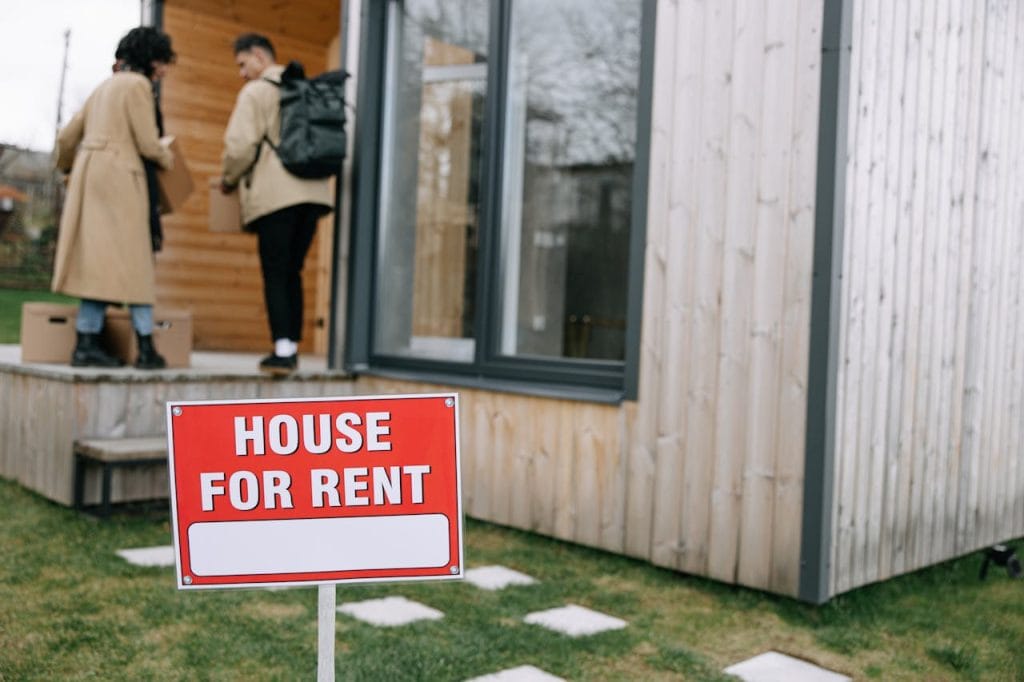
house for rent

Image Source: pexels.com

Month-to-month leases used to be a win-win. Renters liked the flexibility. Landlords liked the steady income without long-term commitment. But lately, more renters are getting that dreaded notice: your lease is canceled. It’s not just happening in one city or state. It’s everywhere. If you’re renting, this shift matters. It could mean you have to move with little warning, or pay more to stay. Here’s why landlords are suddenly canceling month-to-month leases—and what you can do about it.

1. Rising Property Values Push Landlords to Sell

Home prices have jumped in many areas. Landlords see a chance to cash out. If a property’s value has gone up 20% in two years, selling now can mean a big profit. Month-to-month leases make it easy for landlords to clear out tenants fast. They don’t have to wait for a year-long lease to end. This is happening in both hot markets and places where prices are just starting to rise. If your landlord cancels your lease, they might be getting ready to sell.

2. New Laws Make Renting Riskier for Landlords

Some cities and states have passed new rules to protect renters. These laws can make it harder for landlords to raise rent or evict tenants. For example, some places now require “just cause” for eviction, even for month-to-month renters. Others limit how much rent can go up each year. Landlords who don’t want to deal with these rules may cancel leases before new laws take effect. They want to avoid getting stuck with a tenant they can’t easily remove or charge more. If you live in a place with new tenant protections, your landlord might be acting now to avoid future headaches.

3. Short-Term Rentals Are More Profitable

Platforms like Airbnb and Vrbo have changed the game. In many cities, landlords can make more money renting to tourists by the night or week. A unit that rents for $1,500 a month might bring in $3,000 as a short-term rental. Month-to-month leases are easy to end, so landlords can switch to short-term rentals fast. This trend is especially strong in vacation spots and big cities. If your landlord cancels your lease, they might be planning to list the unit on a short-term rental site.

4. Higher Interest Rates Change the Math

Interest rates have gone up. That means higher mortgage payments for landlords with adjustable-rate loans. Some landlords can’t cover the new costs with the current rent. They may cancel month-to-month leases to raise the rent for new tenants or to sell the property. If your landlord’s costs have gone up, they might be looking for ways to make the numbers work. Month-to-month leases give them the flexibility to act fast.

5. Insurance and Maintenance Costs Are Climbing

It’s not just mortgages. Insurance premiums and repair costs are up, too. Landlords are paying more for everything from roof repairs to property taxes. Some decide it’s not worth the hassle. Others want to raise rent to cover costs, but local laws or market limits make that tough. Canceling month-to-month leases lets landlords reset the rent or rethink their investment. If your building needs major repairs, your landlord might want everyone out before work starts.

6. Landlords Want More Predictable Tenants

Month-to-month leases are flexible, but they’re also risky for landlords. Tenants can leave with little notice. That means empty units and lost income. Some landlords are moving back to year-long leases. They want stability. If you get a notice canceling your month-to-month lease, your landlord might offer you a longer lease at a higher rate. It’s a way to lock in income and reduce turnover.

7. Market Uncertainty Makes Landlords Nervous

The economy feels shaky. Some landlords worry about falling home prices, job losses, or new regulations. They want to control their risk. Canceling month-to-month leases gives them options. They can sell, renovate, or just wait and see. If your landlord seems jumpy, it might be about more than just your lease. They’re watching the market and making moves to protect themselves.

8. Renters Are More Informed and Assertive

Renters today know their rights. They ask for repairs, challenge rent hikes, and push back on unfair treatment. Some landlords don’t want the hassle. Month-to-month leases are easy to end, so they use that power. If you’re a tenant who stands up for yourself, your landlord might see you as “high maintenance.” It’s not fair, but it happens.

9. Pandemic-Era Eviction Bans Changed the Landscape

During the pandemic, eviction bans made it hard for landlords to remove tenants, even for nonpayment. Some landlords are still feeling the effects. They want more control now. Canceling month-to-month leases is one way to avoid getting stuck again. If you’re renting month-to-month, your landlord might be thinking about what happened in 2020 and 2021.

10. Some Landlords Are Just Restructuring

Not every lease cancellation is about money or laws. Some landlords are changing how they manage their properties. They might want to renovate, combine units, or move in themselves. Month-to-month leases make these changes easier. If your landlord cancels your lease, ask why. Sometimes, it’s just a business decision.

What Renters Can Do Next

Month-to-month leases are less secure than they used to be. If you’re renting this way, have a backup plan. Save for moving costs. Know your rights in your city or state. Talk to your landlord about a longer lease if you want more stability. And if you get a cancellation notice, act fast. Look for new places, ask for more time, and get everything in writing. The rental market is changing, but you can still protect yourself.

Have you had your month-to-month lease canceled? How did you handle it? Share your story in the comments.

Read More

5 Things that Can Happen If You Buy A Home WIth A Solar Lease

Lease vs. Own: A Company’s Guide To Having Its Own Building

Travis Campbell
Travis Campbell

Travis Campbell is a digital marketer/developer with over 10 years of experience and a writer for over 6 years. He holds a degree in E-commerce and likes to share life advice he’s learned over the years. Travis loves spending time on the golf course or at the gym when he’s not working.

Filed Under: Real Estate Tagged With: housing, landlord tips, month-to-month lease, real estate trends, rental market, renting advice, tenant rights

Renting Forever? Why That Might Be Smarter Than You Think

May 25, 2025 by Travis Campbell Leave a Comment

renting

Image Source: pexels.com

For decades, the “American Dream” has been synonymous with homeownership. We’re told that buying a house is the ultimate sign of financial success and stability. But what if that dream doesn’t fit your reality—or your goals? In today’s fast-changing world, more people are asking whether renting forever might actually be the smarter move. If you’ve ever felt pressured to buy a home or wondered if you’re missing out by renting, you’re not alone. Let’s dig into why renting forever could be a savvy, strategic choice for your finances and your lifestyle.

1. Flexibility to Move When Life Changes

One of the biggest perks of renting forever is the freedom it gives you to adapt to life’s twists and turns. Whether you land a new job in another city, want to be closer to family, or simply crave a change of scenery, renting makes it easy to pack up and go. On the other hand, homeowners often face the stress and expense of selling a property before they can move. This flexibility is especially valuable in today’s job market, where remote work and career pivots are more common than ever. Renting means you’re never tied down by a mortgage or the unpredictability of the housing market.

2. Lower Upfront and Ongoing Costs

Buying a home isn’t just about the down payment. There are closing costs, property taxes, homeowners’ insurance, maintenance, and sometimes HOA fees. According to Bankrate, closing costs alone can run 2% to 5% of the home’s purchase price. Renters, by contrast, typically pay a security deposit and first month’s rent, much less upfront. Plus, renters aren’t on the hook for surprise repairs or big-ticket replacements like a new roof or HVAC system. This can free up cash for investing, travel, or other priorities.

3. No Maintenance Headaches

Let’s be honest: homeownership comes with a never-ending to-do list. From mowing the lawn to fixing leaky faucets, the responsibility for upkeep falls squarely on your shoulders. Renters, however, can simply call the landlord or property manager when something breaks. This not only saves money but also time and stress. If you value your weekends and want to avoid the hassle of home repairs, renting forever can be a huge relief.

4. More Predictable Monthly Expenses

When you rent, your monthly housing costs are usually fixed for the length of your lease. On the other hand, homeowners can be hit with unexpected expenses—emergency repairs, rising property taxes, or fluctuating insurance premiums. This predictability makes budgeting easier and can help you avoid financial surprises. For those who prefer stability and control over their finances, renting offers peace of mind.

5. Opportunity to Invest Elsewhere

One of the most compelling arguments for renting forever is the ability to invest your money elsewhere. Instead of tying up a large chunk of your net worth in a single asset (your home), you can diversify by putting your savings into stocks, bonds, or other investments. Historically, the stock market has outperformed real estate over the long term, according to NerdWallet. By renting, you can take advantage of compound growth and potentially build more wealth than you would through home appreciation alone.

6. Avoiding Market Risk and Housing Bubbles

Real estate markets can be unpredictable. Home values don’t always go up; buying at the wrong time can leave you underwater on your mortgage. The 2008 housing crisis is a stark reminder that homeownership isn’t a guaranteed path to wealth. Renters are insulated from these market swings. If rents rise, you can always move to a more affordable place. If home values drop, you’re not stuck with a depreciating asset. Renting forever means you can sidestep the risks of housing bubbles and market downturns.

7. Access to Amenities and Prime Locations

Many rental communities offer amenities that would be costly or impossible to replicate as a homeowner—think pools, gyms, security, and maintenance staff. Renting can also give you access to prime locations, like city centers or waterfronts, that might be out of reach if you were buying. This can enhance your quality of life and even shorten your commute, saving you time and money.

8. Less Pressure to “Keep Up with the Joneses”

Homeownership often comes with social pressure to upgrade, renovate, or keep up appearances. This can lead to overspending and financial stress. On the other hand, renters are less likely to feel compelled to remodel the kitchen or landscape the yard just to fit in. By renting forever, you can focus on what truly matters to you, rather than chasing someone else’s idea of success.

9. Freedom from Long-Term Debt

A mortgage is a long-term commitment—often 30 years or more. That’s decades of debt hanging over your head. Renting forever means you’re not locked into a massive loan, and you have the freedom to adjust your housing situation as your needs and finances change. This can be especially appealing if you value financial independence and want to avoid the stress of long-term debt.

Rethinking the “Forever Renter” Stigma

It’s time to challenge the outdated notion that renting forever is a sign of failure or financial weakness. It can be a smart, strategic choice that offers flexibility, freedom, and financial advantages. The key is to make intentional decisions based on your goals, not societal pressure. Whether saving for retirement, building wealth through investments, or simply enjoying a low-maintenance lifestyle, renting forever might be the smarter path.

Have you chosen to rent instead of buy? What benefits—or challenges—have you experienced? Share your story in the comments below!

Read More

How to Manage Your Finances with Peace of Mind and Being Happy

When Are Manufactured Homes a Good Investment?

Travis Campbell
Travis Campbell

Travis Campbell is a digital marketer/developer with over 10 years of experience and a writer for over 6 years. He holds a degree in E-commerce and likes to share life advice he’s learned over the years. Travis loves spending time on the golf course or at the gym when he’s not working.

Filed Under: Real Estate Tagged With: homeownership, housing, investing, Lifestyle, Personal Finance, Planning, Real estate, Renting

  • « Previous Page
  • 1
  • 2
  • 3
  • Next Page »

FOLLOW US

Search this site:

Recent Posts

  • Can My Savings Account Affect My Financial Aid? by Tamila McDonald
  • 12 Ways Gen X’s Views Clash with Millennials… by Tamila McDonald
  • What Advantages and Disadvantages Are There To… by Jacob Sensiba
  • 10 Tactics for Building an Emergency Fund from Scratch by Vanessa Bermudez
  • Call 911: Go To the Emergency Room Immediately If… by Stephen Kanaval
  • 7 Weird Things You Can Sell Online by Tamila McDonald
  • 10 Scary Facts About DriveTime by Tamila McDonald

Copyright © 2026 · News Pro Theme on Genesis Framework