• Home
  • About Us
  • Toolkit
  • Getting Finances Done
    • Hiring Advisors
    • Debt Management
    • Spending Plan
  • Insurance
    • Life Insurance
    • Health Insurance
    • Disability Insurance
    • Homeowners/Renters Insurance
  • Contact Us
  • Privacy Policy
  • Risk Tolerance Quiz

The Free Financial Advisor

You are here: Home / Archives for landlord tips

9 Lesser-Known Costs of Owning Investment Property

September 18, 2025 by Catherine Reed Leave a Comment

9 Lesser-Known Costs of Owning Investment Property

Image source: 123rf.com

Owning an investment property is often seen as a smart way to build wealth, but the reality isn’t always as simple as collecting rent each month. Many new landlords underestimate the hidden costs that can eat into profits and make real estate more challenging than expected. From unexpected repairs to legal requirements, owning property comes with financial responsibilities that go far beyond the mortgage. Understanding these lesser-known expenses helps investors avoid surprises and manage their properties wisely.

1. Property Management Fees

Hiring a property manager can save time, but it comes at a price. Most management companies charge a percentage of monthly rent, often between 8% and 12%. While this might seem small, it adds up quickly, especially if rental income is already tight. Property managers may also charge extra for filling vacancies or handling major repairs. Investors who rely on professional help must factor these ongoing fees into their budget.

2. Vacancy Costs Between Tenants

One of the overlooked expenses of owning an investment property is the cost of vacancies. Even a few weeks without a tenant means lost rental income, but the mortgage, taxes, and utilities still need to be paid. Cleaning, repairs, and advertising costs during turnover add to the burden. Frequent vacancies can significantly reduce overall profitability. Planning for downtime helps landlords avoid financial strain.

3. Higher Insurance Premiums

Insurance for an investment property is often more expensive than a primary residence. Landlord policies cover risks such as tenant damage, liability claims, and lost rental income. Premiums can be hundreds of dollars higher each year compared to standard homeowner insurance. Failing to carry the right coverage leaves landlords vulnerable to lawsuits and losses. Many investors are surprised by how much these premiums eat into profits.

4. Legal and Compliance Expenses

Every investment property must comply with local housing regulations, which can involve unexpected legal costs. Landlords may need to hire attorneys to draft lease agreements, handle evictions, or address disputes. Compliance with safety codes, fair housing laws, and city inspections can also create additional expenses. Fines for noncompliance can be steep and quickly erode profits. Staying informed and proactive reduces the risk of legal troubles.

5. Routine Maintenance and Repairs

Tenants expect a safe and functional home, which means landlords must cover routine maintenance. Costs like fixing leaky faucets, replacing broken appliances, or maintaining heating systems are unavoidable. While each repair may not be huge, the combined expenses over time can be significant. Ignoring maintenance often leads to bigger, more expensive problems later. Smart landlords set aside a portion of rental income specifically for upkeep.

6. Capital Improvements

Beyond small repairs, investment property owners must eventually pay for major upgrades. Roof replacements, HVAC systems, and plumbing overhauls are costly but necessary. These capital improvements can cost thousands and often come at inconvenient times. While they increase long-term property value, they can put immediate strain on cash flow. Budgeting for big-ticket items ensures landlords aren’t caught off guard.

7. Property Taxes and Assessment Increases

Property taxes are a recurring cost that can rise unexpectedly. Local governments may reassess property values, increasing tax bills significantly. For landlords with tight margins, these increases can make the difference between profit and loss. Taxes must be paid regardless of whether a tenant is occupying the property. Staying aware of local tax policies helps investors anticipate changes.

8. Utility and Service Bills

Depending on lease agreements, landlords may be responsible for some or all utilities. Water, trash, lawn care, or pest control can add substantial recurring costs. Even when tenants cover utilities, landlords must often pay during vacancy periods. These service bills are easy to underestimate but add up quickly over time. Clear agreements with tenants help reduce misunderstandings about who pays what.

9. Marketing and Tenant Screening Costs

Finding reliable tenants isn’t free. Landlords often spend money on advertising rental listings and conducting background or credit checks. These costs may seem small, but they become significant with frequent turnover. Poor tenant screening can also lead to unpaid rent and property damage, creating even higher expenses. Investing in quality screening helps protect profits in the long run.

Preparing for the True Costs of Real Estate Investing

Owning an investment property can be rewarding, but the hidden costs can quickly drain profits if you’re unprepared. From management fees and vacancies to taxes and capital improvements, the financial obligations extend far beyond the mortgage. Savvy investors plan for these expenses, setting aside funds to handle surprises and ensure consistent returns. Real estate can still be a valuable wealth-building tool, but only for those who understand the full financial picture.

Have you experienced any unexpected costs with an investment property? Share your story and insights in the comments below.

What to Read Next…

A Beginners Guide to Selling on the Real Estate Market

8 Smart Investing Rules the Wealthy Actually Follow

7 Weird Investments People Regret Buying

10 Shocking Truths About How Wealth Is Really Built

What Financial Advisors Are Quietly Warning About in 2025

Catherine Reed
Catherine Reed

Catherine is a tech-savvy writer who has focused on the personal finance space for more than eight years. She has a Bachelor’s in Information Technology and enjoys showcasing how tech can simplify everyday personal finance tasks like budgeting, spending tracking, and planning for the future. Additionally, she’s explored the ins and outs of the world of side hustles and loves to share what she’s learned along the way. When she’s not working, you can find her relaxing at home in the Pacific Northwest with her two cats or enjoying a cup of coffee at her neighborhood cafe.

Filed Under: Investing Tagged With: hidden costs, investment property, landlord tips, maintenance expenses, property management, property taxes, real estate investing, rental income

Could Owning Too Many Properties Be More Risk Than Reward

August 31, 2025 by Travis Campbell Leave a Comment

owning property

Image source: pexels.com

Real estate investing has a reputation for building wealth, but is there a point where owning too many properties becomes a liability? Many investors dream of growing a large portfolio, but with each new property comes added complexity and exposure to risk. The idea of passive income is appealing, but the reality isn’t always so simple. If you’re considering scaling up, it’s important to weigh both the rewards and the risks. Let’s break down the challenges that can come with owning too many properties, so you can make smarter decisions for your financial future.

1. Financial Strain and Cash Flow Issues

The primary SEO keyword for this article is owning too many properties. When your portfolio grows, so does your financial responsibility. Even if each property is producing rental income, vacancies, unexpected repairs, or missed rent payments can quickly drain your cash reserves. Covering multiple mortgages, property taxes, insurance, and maintenance costs at once can stretch your budget thin.

It’s easy to underestimate the cumulative effect of small expenses across several properties. One leaky roof or HVAC replacement might not break the bank, but multiply these issues across ten or more homes, and your emergency fund can disappear fast. Sudden market downturns or rising interest rates can make debt service even tougher. If your cash flow turns negative, you could be forced to sell properties at a loss or dip into personal savings just to stay afloat.

2. Management Overload

With every new property, your workload increases. Handling tenant screening, lease agreements, rent collection, maintenance requests, and legal compliance for a handful of rentals may be feasible. But as your portfolio grows, these tasks multiply—and so does your stress level. Even if you hire a property manager, you’ll need to oversee their work and make key decisions.

Managing multiple properties can become a full-time job. If you’re not prepared, important details can slip through the cracks. Missed inspections or delayed responses to tenant issues can lead to costly mistakes, damaged relationships, and even legal trouble. Some investors reach a point where the hassle outweighs the benefits, especially if they value their time or have other commitments.

3. Market and Location Risks

Diversification is a smart investing principle, but many people who end up owning too many properties concentrate their holdings in a single city or region. If that local market takes a hit—due to job losses, economic downturns, or natural disasters—you could see vacancies spike and property values drop across your entire portfolio.

Managing properties in different states or cities can help spread risk, but it also adds new challenges. You’ll need to understand local laws, tax codes, and market conditions for each area. Travel costs and the need for reliable local contacts can eat into your profits. In some cases, trying to manage too many properties in far-flung locations leads to mistakes that a more focused investor could avoid.

4. Debt Exposure and Leverage Risks

To grow quickly, many investors rely on leverage—using borrowed money to buy more properties. While this can amplify returns during good times, it also increases risk if things turn sour. If you own too many properties and the market softens, you might struggle to cover mortgage payments, especially if rents fall or homes sit vacant.

Overleveraging can quickly lead to a domino effect. Miss a few payments, and you could face foreclosure or be forced to sell at a loss. Lenders may also tighten requirements, making it harder to refinance or access equity when you need it most. The more debt you carry, the less flexibility you have to weather unexpected setbacks.

5. Legal and Compliance Challenges

The more properties you own, the greater your exposure to legal and regulatory headaches. Landlord-tenant laws vary by state and city, and failing to comply can result in fines, lawsuits, or forced property sales. You’ll need to stay on top of changing rules about security deposits, eviction processes, fair housing, and safety codes.

One overlooked detail—like a missing smoke detector or late filing—can become a major issue. If you’re not organized or you rely too heavily on third parties without proper oversight, you could find yourself in legal hot water. For investors who already feel stretched thin, this risk only increases as the portfolio grows.

6. Emotional Toll and Burnout

While financial calculations might look great on paper, owning too many properties can take a real emotional toll. Juggling multiple tenants, repairs, and financial obligations can cause stress, anxiety, and even burnout. Your personal relationships and health may suffer if you’re constantly on call or worried about the next crisis.

For some, the dream of passive income turns into a source of daily frustration. If you find yourself dreading phone calls from tenants or losing sleep over unpaid bills, it may be time to reassess your investment strategy.

Finding the Right Balance as a Real Estate Investor

Owning too many properties can certainly boost your income, but it also brings significant risks that shouldn’t be ignored. The key is to find a balance that fits your financial goals, risk tolerance, and lifestyle. Some investors thrive with a large portfolio, especially if they have strong systems and support in place. Others prefer a smaller, more manageable selection of properties that allow for steady income without overwhelming stress.

If you’re considering expanding your real estate holdings, take time to review your finances, management capacity, and local market trends. Ultimately, owning too many properties isn’t a one-size-fits-all issue—so keep your eyes open to the risks as well as the rewards.

How do you decide when enough is enough with your real estate investments? Share your thoughts and experiences in the comments below!

What to Read Next…

  • Why Buying a Second Property Could Jeopardize Your Heirs Inheritance
  • 6 Reasons Real Estate Wealth Disappears Within One Generation
  • 8 Real Estate Mistakes That Erode Wealth Before Retirement Ever Starts
  • How a Rental Property in the Wrong State Can Wreck Your Tax Bracket
  • 7 Real Estate Transfers That Trigger Capital Gains Overnight
Travis Campbell
Travis Campbell

Travis Campbell is a digital marketer/developer with over 10 years of experience and a writer for over 6 years. He holds a degree in E-commerce and likes to share life advice he’s learned over the years. Travis loves spending time on the golf course or at the gym when he’s not working.

Filed Under: Real Estate Tagged With: Cash flow, Debt, financial risk, landlord tips, portfolio management, property management, real estate investing

The Real Reason Landlords Are Suddenly Canceling Month-to-Month Leases

July 20, 2025 by Travis Campbell Leave a Comment

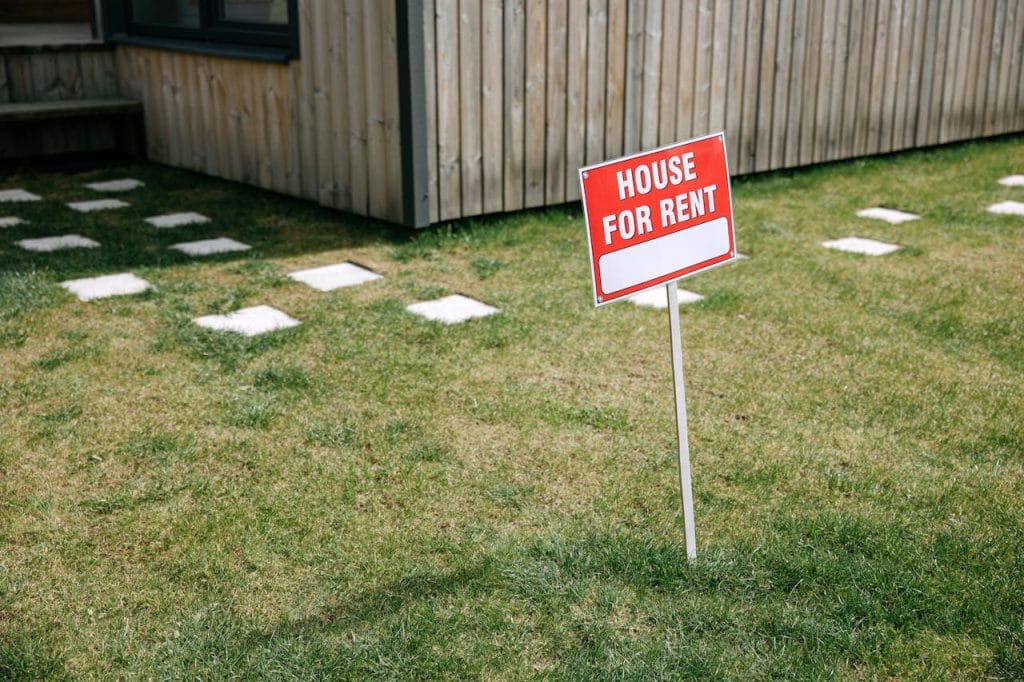
house for rent

Image Source: pexels.com

Month-to-month leases used to be a win-win. Renters liked the flexibility. Landlords liked the steady income without long-term commitment. But lately, more renters are getting that dreaded notice: your lease is canceled. It’s not just happening in one city or state. It’s everywhere. If you’re renting, this shift matters. It could mean you have to move with little warning, or pay more to stay. Here’s why landlords are suddenly canceling month-to-month leases—and what you can do about it.

1. Rising Property Values Push Landlords to Sell

Home prices have jumped in many areas. Landlords see a chance to cash out. If a property’s value has gone up 20% in two years, selling now can mean a big profit. Month-to-month leases make it easy for landlords to clear out tenants fast. They don’t have to wait for a year-long lease to end. This is happening in both hot markets and places where prices are just starting to rise. If your landlord cancels your lease, they might be getting ready to sell.

2. New Laws Make Renting Riskier for Landlords

Some cities and states have passed new rules to protect renters. These laws can make it harder for landlords to raise rent or evict tenants. For example, some places now require “just cause” for eviction, even for month-to-month renters. Others limit how much rent can go up each year. Landlords who don’t want to deal with these rules may cancel leases before new laws take effect. They want to avoid getting stuck with a tenant they can’t easily remove or charge more. If you live in a place with new tenant protections, your landlord might be acting now to avoid future headaches.

3. Short-Term Rentals Are More Profitable

Platforms like Airbnb and Vrbo have changed the game. In many cities, landlords can make more money renting to tourists by the night or week. A unit that rents for $1,500 a month might bring in $3,000 as a short-term rental. Month-to-month leases are easy to end, so landlords can switch to short-term rentals fast. This trend is especially strong in vacation spots and big cities. If your landlord cancels your lease, they might be planning to list the unit on a short-term rental site.

4. Higher Interest Rates Change the Math

Interest rates have gone up. That means higher mortgage payments for landlords with adjustable-rate loans. Some landlords can’t cover the new costs with the current rent. They may cancel month-to-month leases to raise the rent for new tenants or to sell the property. If your landlord’s costs have gone up, they might be looking for ways to make the numbers work. Month-to-month leases give them the flexibility to act fast.

5. Insurance and Maintenance Costs Are Climbing

It’s not just mortgages. Insurance premiums and repair costs are up, too. Landlords are paying more for everything from roof repairs to property taxes. Some decide it’s not worth the hassle. Others want to raise rent to cover costs, but local laws or market limits make that tough. Canceling month-to-month leases lets landlords reset the rent or rethink their investment. If your building needs major repairs, your landlord might want everyone out before work starts.

6. Landlords Want More Predictable Tenants

Month-to-month leases are flexible, but they’re also risky for landlords. Tenants can leave with little notice. That means empty units and lost income. Some landlords are moving back to year-long leases. They want stability. If you get a notice canceling your month-to-month lease, your landlord might offer you a longer lease at a higher rate. It’s a way to lock in income and reduce turnover.

7. Market Uncertainty Makes Landlords Nervous

The economy feels shaky. Some landlords worry about falling home prices, job losses, or new regulations. They want to control their risk. Canceling month-to-month leases gives them options. They can sell, renovate, or just wait and see. If your landlord seems jumpy, it might be about more than just your lease. They’re watching the market and making moves to protect themselves.

8. Renters Are More Informed and Assertive

Renters today know their rights. They ask for repairs, challenge rent hikes, and push back on unfair treatment. Some landlords don’t want the hassle. Month-to-month leases are easy to end, so they use that power. If you’re a tenant who stands up for yourself, your landlord might see you as “high maintenance.” It’s not fair, but it happens.

9. Pandemic-Era Eviction Bans Changed the Landscape

During the pandemic, eviction bans made it hard for landlords to remove tenants, even for nonpayment. Some landlords are still feeling the effects. They want more control now. Canceling month-to-month leases is one way to avoid getting stuck again. If you’re renting month-to-month, your landlord might be thinking about what happened in 2020 and 2021.

10. Some Landlords Are Just Restructuring

Not every lease cancellation is about money or laws. Some landlords are changing how they manage their properties. They might want to renovate, combine units, or move in themselves. Month-to-month leases make these changes easier. If your landlord cancels your lease, ask why. Sometimes, it’s just a business decision.

What Renters Can Do Next

Month-to-month leases are less secure than they used to be. If you’re renting this way, have a backup plan. Save for moving costs. Know your rights in your city or state. Talk to your landlord about a longer lease if you want more stability. And if you get a cancellation notice, act fast. Look for new places, ask for more time, and get everything in writing. The rental market is changing, but you can still protect yourself.

Have you had your month-to-month lease canceled? How did you handle it? Share your story in the comments.

Read More

5 Things that Can Happen If You Buy A Home WIth A Solar Lease

Lease vs. Own: A Company’s Guide To Having Its Own Building

Travis Campbell
Travis Campbell

Travis Campbell is a digital marketer/developer with over 10 years of experience and a writer for over 6 years. He holds a degree in E-commerce and likes to share life advice he’s learned over the years. Travis loves spending time on the golf course or at the gym when he’s not working.

Filed Under: Real Estate Tagged With: housing, landlord tips, month-to-month lease, real estate trends, rental market, renting advice, tenant rights

FOLLOW US

Search this site:

Recent Posts

  • Can My Savings Account Affect My Financial Aid? by Tamila McDonald
  • 12 Ways Gen X’s Views Clash with Millennials… by Tamila McDonald
  • What Advantages and Disadvantages Are There To… by Jacob Sensiba
  • Call 911: Go To the Emergency Room Immediately If… by Stephen Kanaval
  • 10 Tactics for Building an Emergency Fund from Scratch by Vanessa Bermudez
  • 7 Weird Things You Can Sell Online by Tamila McDonald
  • 10 Scary Facts About DriveTime by Tamila McDonald

Copyright © 2026 · News Pro Theme on Genesis Framework