• Home
  • About Us
  • Toolkit
  • Getting Finances Done
    • Hiring Advisors
    • Debt Management
    • Spending Plan
  • Insurance
    • Life Insurance
    • Health Insurance
    • Disability Insurance
    • Homeowners/Renters Insurance
  • Contact Us
  • Privacy Policy
  • Risk Tolerance Quiz

The Free Financial Advisor

You are here: Home / Archives for housing

Forget Traditional Home Ownership: 12 Alternative Housing Options That Can Give You Real Financial Freedom

June 10, 2024 by Toi Williams Leave a Comment

alternative housing options

123RF

Traditional home ownership, while a common goal, is not the only path to financial stability and independence. In fact, the burden of a mortgage and the associated costs of maintaining a traditional home can sometimes hinder financial freedom. For those looking to break free from conventional living arrangements and explore more flexible and cost-effective options, alternative housing provides a viable solution. Here are 12 alternative housing options that can offer real financial freedom and flexibility, allowing you to live on your own terms and achieve your financial goals.

1. Tiny Homes

123RF

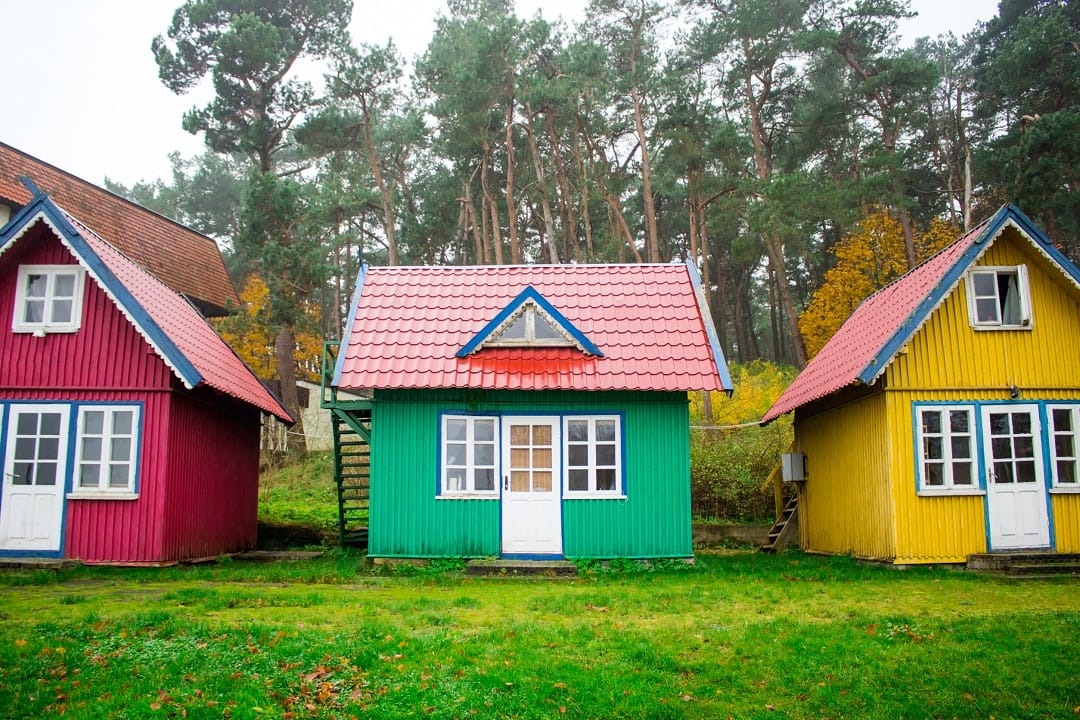
Tiny homes have gained popularity as a minimalist and cost-effective housing solution. These compact, portable houses typically range from 100 to 400 square feet, offering a simplified lifestyle with lower maintenance and utility costs. By downsizing your living space, you can significantly reduce your living expenses and free up more money for other financial goals. Living in a tiny home encourages a minimalist lifestyle, focusing on the essentials and reducing clutter. This can lead to a greater sense of freedom and financial security, as the lower costs associated with tiny home living allow for more savings and less financial stress.

2. Houseboats

123RF

For those who love the water, houseboats offer a unique and adventurous living experience. Houseboats provide the freedom to live on the water, with the ability to relocate to different marinas or bodies of water as desired. This mobile lifestyle can lead to lower living costs compared to traditional homes, with fewer property taxes and maintenance fees. Houseboat living can also offer a sense of community among fellow boaters and the opportunity to enjoy waterfront views and activities. These alternative housing options provide a flexible and financially freeing lifestyle for those who crave adventure and a connection to nature.

3. RV Living

123RF

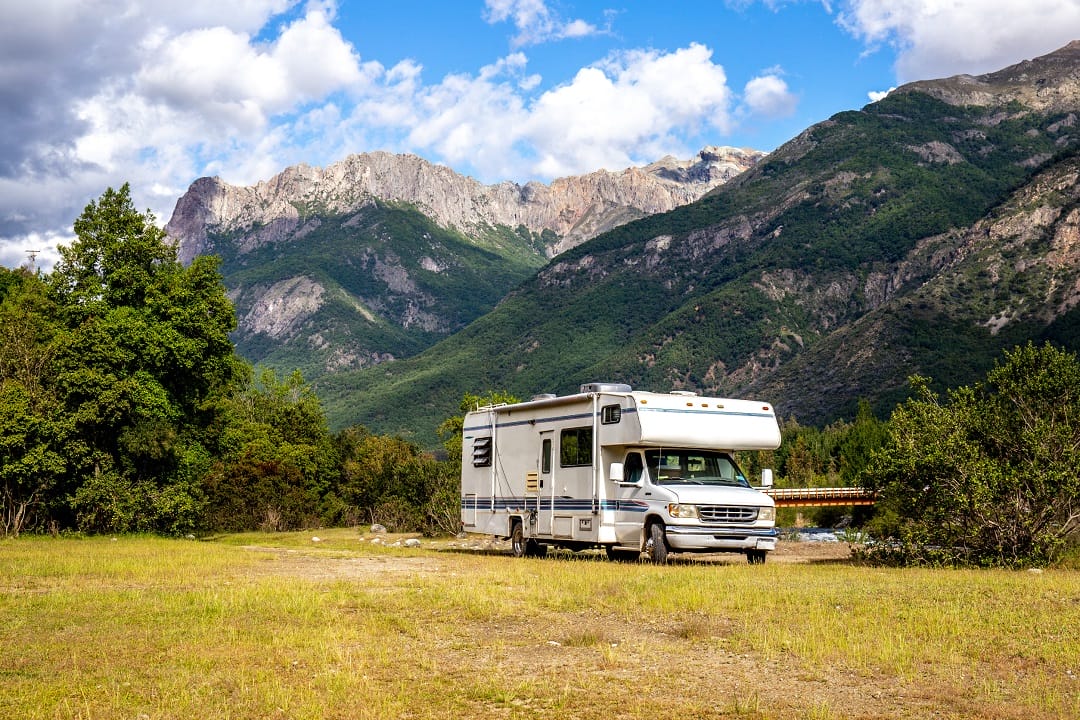
Living in a recreational vehicle (RV) provides the ultimate in mobility and freedom. RVs come in various sizes and styles, from small campers to luxury motorhomes, allowing you to choose a setup that fits your lifestyle and budget. This nomadic lifestyle enables you to travel and explore new places while keeping your living expenses low. RVs offer the flexibility to park at campgrounds, RV parks, or even on private land, often at a fraction of the cost of traditional housing. This alternative living arrangement is perfect for those seeking financial freedom and the ability to experience new adventures without the constraints of a fixed address.

4. Cohousing Communities

123RF

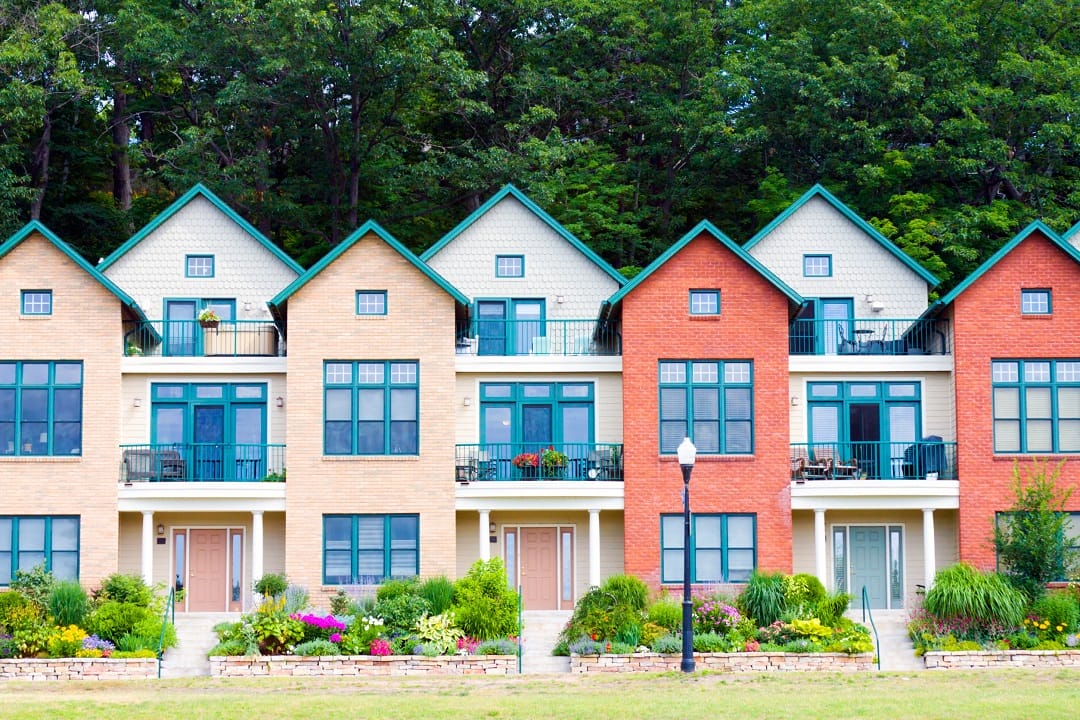
Cohousing communities are intentional neighborhoods where residents share common spaces and facilities while maintaining their own private homes. These communities emphasize collaboration, sustainability, and a strong sense of community. By sharing resources such as laundry facilities, gardens, and common areas, residents can reduce their individual living costs and environmental footprint. Cohousing offers the benefits of communal living, including shared responsibilities and social support, while still allowing for personal privacy. These alternative housing options can provide financial freedom through shared expenses and a cooperative approach to living.

5. Container Homes

123RF

Container homes are innovative and eco-friendly housing options built from repurposed shipping containers. These durable and modular structures can be customized to create unique and affordable living spaces. Container homes offer a cost-effective alternative to traditional construction, with lower material and labor costs. Living in a container home allows for significant savings on construction and maintenance, freeing up more funds for other financial goals. These alternative housing options are ideal for those who value sustainability, creativity, and financial freedom.

6. Yurts

123RF

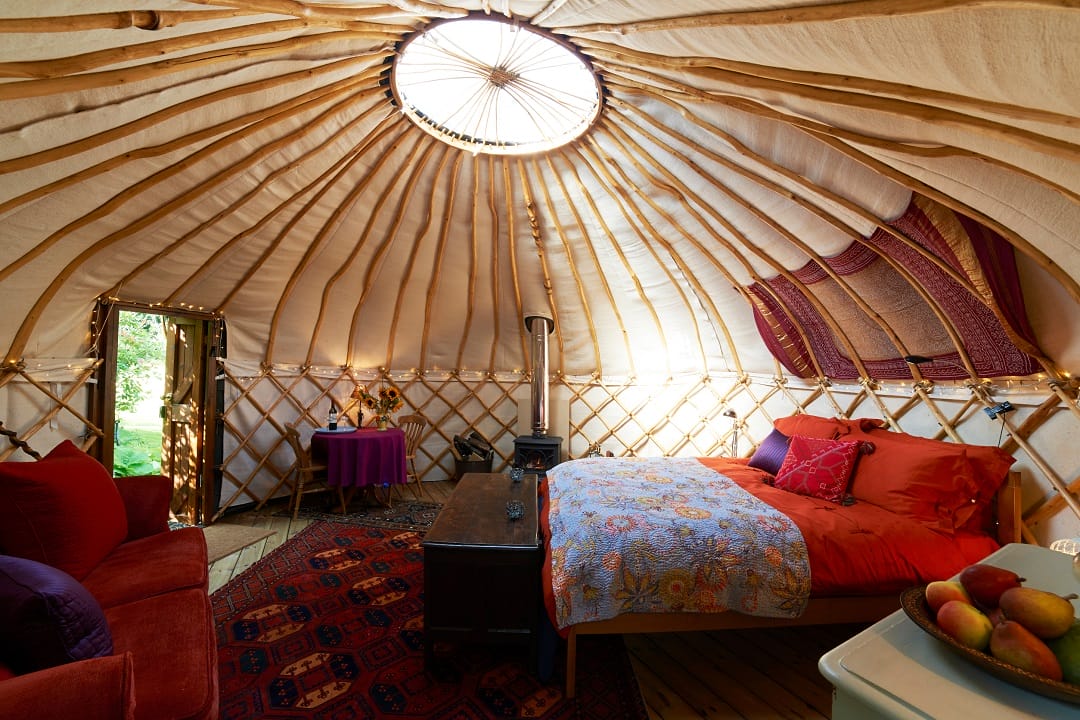
Yurts are circular, tent-like structures with a history rooted in traditional Mongolian nomadic living. Modern yurts are made from durable materials and can be equipped with all the amenities of a traditional home. They offer a unique and affordable housing option, with lower construction and maintenance costs compared to conventional homes. Yurts provide a close connection to nature and a minimalist lifestyle, promoting financial freedom through reduced living expenses and a simpler way of life. This alternative housing option is perfect for those seeking an eco-friendly and cost-effective living solution.

7. Shared Housing

123RF

Shared housing involves renting a room or space in a larger home with other individuals or families. This arrangement allows for shared living expenses, such as rent, utilities, and maintenance costs, significantly reducing individual financial burdens. Shared housing can provide a sense of community and support, while still maintaining personal privacy. These alternative housing options are ideal for those looking to cut costs and achieve financial freedom without compromising on living space or amenities. It offers the flexibility to choose living arrangements that fit your budget and lifestyle needs.

8. Off-Grid Living

123RF

Off-grid living involves disconnecting from traditional utilities and relying on renewable energy sources, such as solar or wind power, for electricity. This self-sufficient lifestyle can reduce or eliminate utility bills, offering significant financial savings. Off-grid living often includes sustainable practices like rainwater collection, composting, and growing your own food. Living off the grid promotes independence and a reduced environmental impact, aligning with a minimalist and financially freeing lifestyle. This alternative housing option is perfect for those seeking to live sustainably and reduce their reliance on external systems.

9. Cooperative Housing

123RF

Cooperative housing, or co-ops, involves a group of individuals owning and managing a residential building collectively. Residents typically purchase shares in the co-op, which grants them the right to occupy a unit and participate in decision-making processes. This communal ownership model can lower housing costs and provide a strong sense of community. Cooperative housing offers financial freedom through shared expenses and democratic management, reducing the individual financial burden and promoting collective responsibility. It is an ideal alternative for those who value community living and want to invest in affordable housing.

10. Tiny Home Villages

123RF

Tiny home villages are communities of small, affordable homes that offer a supportive and collaborative living environment. These villages often include shared amenities like communal gardens, workshops, and social spaces, reducing the need for individual ownership of these facilities. Tiny home villages promote a minimalist lifestyle and financial freedom through reduced living expenses and shared resources. These alternative housing options are perfect for those seeking a tight-knit community and the financial benefits of living in a small, low-maintenance home. Tiny home villages offer a balance of independence and community support, making them an attractive choice for many.

11. Micro-Apartments

123RF

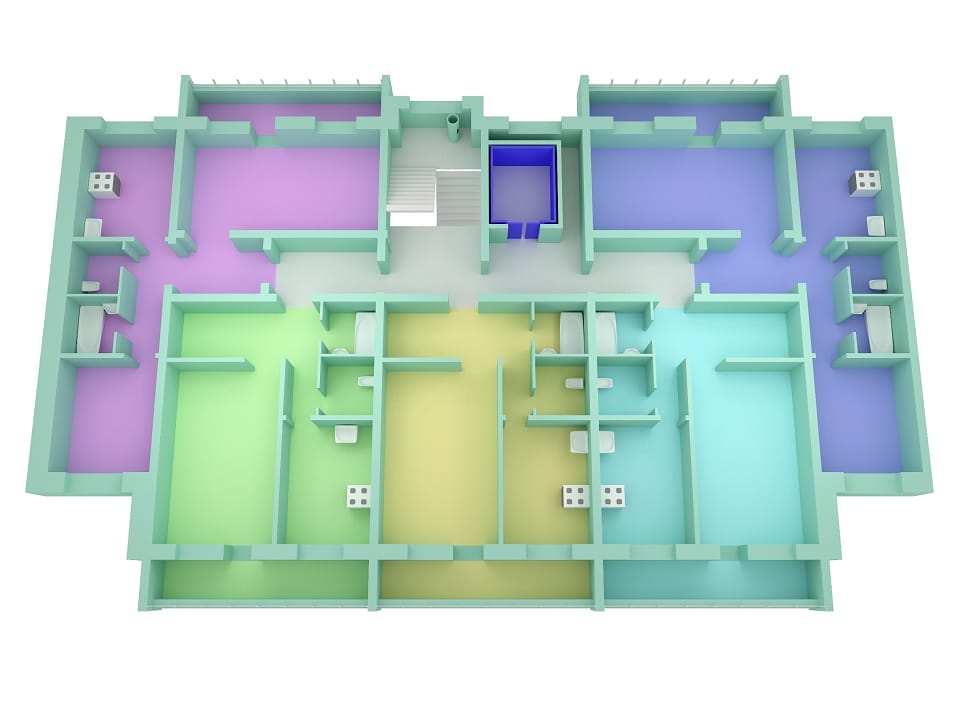
Micro-apartments are compact living spaces that typically range from 200 to 400 square feet. These small units are designed to maximize functionality and efficiency, providing affordable housing options in urban areas. Micro-apartments often include access to shared amenities like gyms, laundry facilities, and communal areas, reducing the need for individual investments in these features. Living in a micro-apartment allows for significant savings on rent and utilities, promoting financial freedom through lower living expenses. This alternative housing option is ideal for those who value simplicity and want to live affordably in a vibrant city environment.

12. Floating Homes

123RF

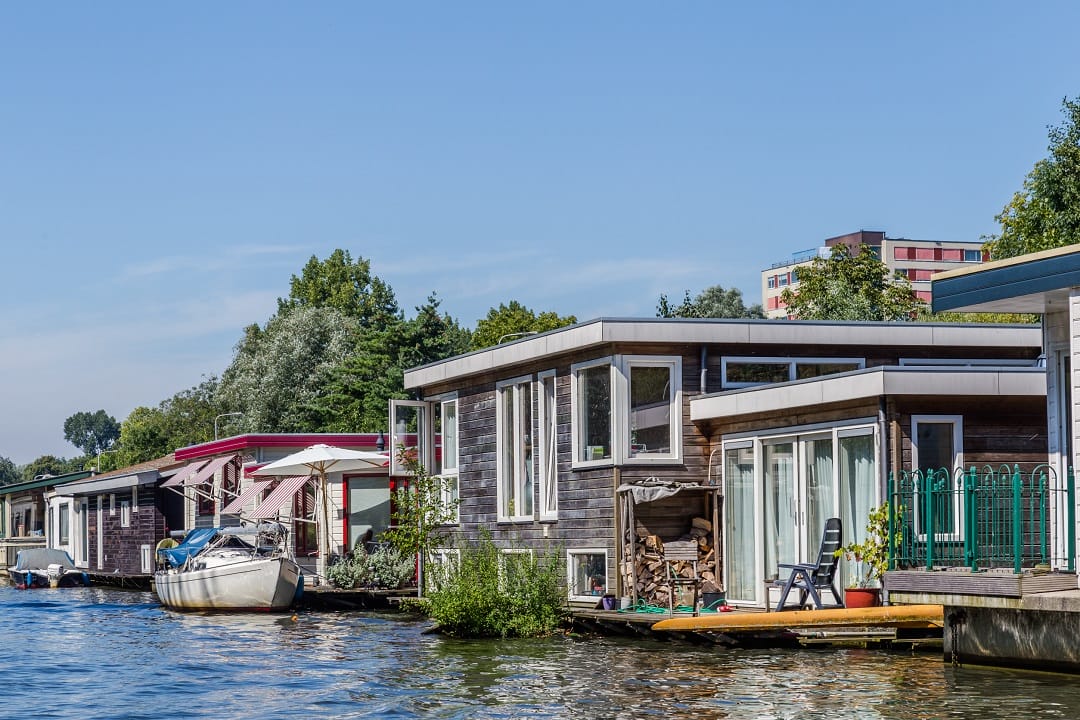
Floating homes are unique residential structures built on water, offering a distinctive and often cost-effective alternative to traditional housing. These homes are typically anchored in marinas or protected waterways and provide all the comforts of a traditional home with the added benefit of waterfront living. Floating homes offer financial freedom by eliminating the costs associated with land ownership and potentially reducing property taxes. This alternative housing option is perfect for those who seek a tranquil and adventurous lifestyle, enjoying the benefits of living on the water without the constraints of conventional home ownership.

Embracing Financial Freedom Through Alternative Housing

123RF

Exploring alternative housing options can open up new possibilities for financial freedom and a more flexible lifestyle. Whether you choose a tiny home, a houseboat, or a cooperative living arrangement, these innovative solutions offer the potential to reduce living costs, simplify your life, and achieve greater financial independence. By breaking free from the traditional home ownership model and embracing alternative housing, you can create a living situation that aligns with your financial goals and personal values. Start your journey towards financial freedom today by considering these unique and cost-effective housing options.

Toi Williams
Toi Williams

Toi Williams began her writing career in 2003 as a copywriter and editor and has authored hundreds of articles on numerous topics for a wide variety of companies. During her professional experience in the fields of Finance, Real Estate, and Law, she has obtained a broad understanding of these industries and brings this knowledge to her work as a writer.

Filed Under: Real Estate Tagged With: alternative housing, housing, Housing Costs, Real estate

Retirement Costs to Consider

January 5, 2022 by Jacob Sensiba Leave a Comment


Retirement Costs to Consider

You save for years and years…decades and decades. When you’re saving for retirement, an important consideration to keep in mind when you set your nest egg goal is your retirement costs.

When determining and estimating retirement costs, you need to consider what the average expenses are in general and for the retired folks in your area/state. Once you figure out the generalities, you must adapt them to your situation.

Some items to consider:

  • Travel – Will you stay in your current home? Will you move to a warmer state or a state without an income tax? Do you have family spread around the country? Will you take vacations on an annual basis? If you’re planning on traveling every year, possibly multiple times a year, it’s important to factor those costs into your monthly/annual budget – so you can save for it.
  • Healthcare costs – When you get older, your body doesn’t typically work as it has in the past. You are also more susceptible to illness (as we’ve seen over the past two years). As a result, your healthcare costs go up.
  • Housing – There are a few things to consider when determining your housing costs. Will you stay put or will you move? If you move, will you downsize? If you move, will you move to a different state? Does that state have income taxes? What do you anticipate energy costs will be?

Typical retirement costs

People 65 and older have spent an average of $4,847. On average, utilities, public services, and fuel cost an additional $3,743.

On average, Americans spend $10,160 per year on transportation. Retirees spend a little less. Anywhere between $4,963 and $6,618.

The general American population spends $5,204 on healthcare. Retirees spend between $6,792 and $6,619.

American retirees spend $6,303 on food. They also spend, on average, $2,282 on entertainment.

Expect to spend between 55%-80% of current expenses in retirement.

There are 9 states without a state income tax – Alaska, Florida, South Dakota, Tennessee, Texas, Washington, and Wyoming.

These are the states with the cheapest monthly utilities – Idaho ($343.71), Utah ($350.17), Montana ($359.03), Washington ($369.18), and Nevada ($3376.93).

Conversely, here are the top 5 most expensive ones – Hawaii ($730.86), Alaska ($527.96), Rhode Island ($521.98), Connecticut ($496.07), and New York ($477.31).

Related reading:

Managing High Inflation in Retirement

5 Solutions for Managing Money After Retirement

Retiring Out of State

Disclaimer:

**Securities offered through Securities America, Inc., Member FINRA/SIPC. Advisory services offered through Securities America Advisors, Inc. Securities America and its representatives do not provide tax or legal advice; therefore, it is important to coordinate with your tax or legal advisor regarding your specific situation. Please see the website for full disclosures: www.crgfinancialservices.com

Jacob Sensiba
Jacob Sensiba

Jacob Sensible is a financial advisor with decades of experience in the financial planning industry.  His journey into finance began out of necessity, stepping up to support his grandfather during a health crisis. This period not only grounded him in the essentials of stock analysis, investment strategies, and the critical roles of insurance and trusts in asset preservation but also instilled a comprehensive understanding of financial markets and wealth management.  Jacob can be reached at: jake.sensiba@mygfpartner.com.

mygfpartner.com/jacob-sensiba-wisconsin-financial-advisor/

Filed Under: budget tips, money management, Personal Finance, Retirement, risk management Tagged With: downsizing, expenses, food, housing, Income tax, Retirement, retirement plan, retirement planning, transportation, utilities

Should You Add Your New Spouse to the Deed of Your Home?

August 17, 2020 by Tamila McDonald Leave a Comment

add new spouse to deed

When you get married, it’s common to merge the majority of your financial lives. After all, when you live together, it’s normal to both be involved with handling expenses and planning for the future. However, if you owned your home before you wedding. Figuring out if you should add your new spouse to the deed of your home isn’t always easy. Ultimately, there are advantages and disadvantages to adding them. As well as leaving them off. If you’re trying to decide which option is right for you. Here’s what you need to know.

[Read more…]

Tamila McDonald
Tamila McDonald

Tamila McDonald is a U.S. Army veteran with 20 years of service, including five years as a military financial advisor. After retiring from the Army, she spent eight years as an AFCPE-certified personal financial advisor for wounded warriors and their families. Now she writes about personal finance and benefits programs for numerous financial websites.

Filed Under: Personal Finance Tagged With: deed, housing

  • « Previous Page
  • 1
  • 2
  • 3

FOLLOW US

Search this site:

Recent Posts

  • Can My Savings Account Affect My Financial Aid? by Tamila McDonald
  • 12 Ways Gen X’s Views Clash with Millennials… by Tamila McDonald
  • What Advantages and Disadvantages Are There To… by Jacob Sensiba
  • 10 Tactics for Building an Emergency Fund from Scratch by Vanessa Bermudez
  • Call 911: Go To the Emergency Room Immediately If… by Stephen Kanaval
  • 7 Weird Things You Can Sell Online by Tamila McDonald
  • 10 Scary Facts About DriveTime by Tamila McDonald

Copyright © 2026 · News Pro Theme on Genesis Framework