• Home
  • About Us
  • Toolkit
  • Getting Finances Done
    • Hiring Advisors
    • Debt Management
    • Spending Plan
  • Insurance
    • Life Insurance
    • Health Insurance
    • Disability Insurance
    • Homeowners/Renters Insurance
  • Contact Us
  • Risk Tolerance Quiz
  • Our Editorial Commitment

The Free Financial Advisor

You are here: Home / Archives for recycling

8 Everyday Items Made From Recycled Materials You’d Never Expect

November 26, 2025 by Travis Campbell Leave a Comment

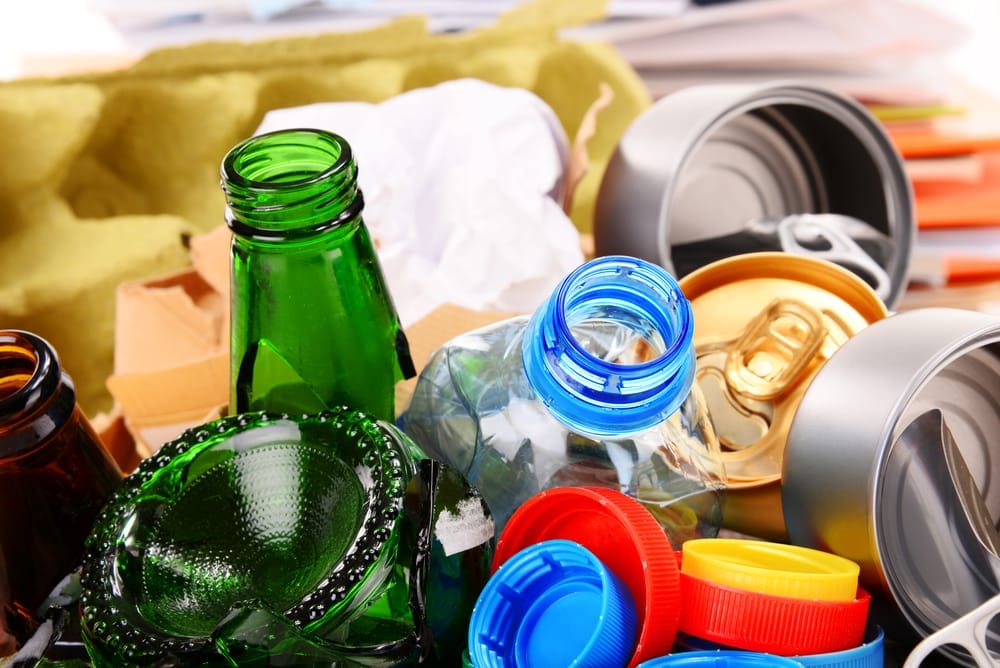
Recyclable
Image source: shutterstock.com

People in the public domain remain unaware of the origins of the products they use daily. The production process converts recycled materials into new products that bear no resemblance to their original form. The transformation process serves three purposes: it minimizes waste output, reduces manufacturing expenses, and extends the service life of materials, which would otherwise become landfill waste. People who buy products do not understand this manufacturing process, which supports their daily shopping activities. The knowledge of everyday objects will transform after you understand their transformation process.

1. Shoes Made From Plastic Bottles

Footwear companies now spin recycled materials into lightweight threads for the uppers of shoes. Clear plastic bottles become fibers, then yarn, then breathable mesh that’s both strong and flexible. The idea sounds rough, but the result feels nothing like the source.

The process trims waste from two directions. Fewer bottles end up buried or burned, and fewer new materials need to be manufactured. That balance reshapes an industry once dependent on petroleum-heavy synthetics.

2. Kitchen Countertops Forged From Old Glass

Shattered bottles and broken windows find a second life as polished kitchen surfaces. Manufacturers crush the glass, bind it with resin, and form dense slabs. The flecks of color aren’t paint. They’re remnants of the recycled materials embedded throughout.

These countertops handle heat and impact without the maintenance demands of natural stone. They show how discarded fragments can turn into something built to last.

3. Notebooks Pressed From Recycled Cotton Scraps

Fashion production leaves behind mountains of cotton trimmings. Instead of dumping them, some mills grind the scraps into fibers and press them into thick, durable paper. The sheets hold ink well and resist tearing, despite being made from material once considered waste.

The shift brings the textile and stationery worlds closer. It also reduces pressure on forests by limiting the need for wood pulp.

4. Park Benches Molded From Used Milk Jugs

Public spaces are full of quiet examples of recycled materials in action. Park benches made from high-density polyethylene come from the same jugs that hold household milk. After cleaning and shredding, the plastic becomes molded lumber that resists rot and insects.

Unlike wood, these benches don’t splinter or warp. They survive heat, cold, and rain, providing sturdy seating born from something meant for a single use.

5. Carpet Tiles Built From Old Fishing Nets

Ghost nets drift through oceans for years, damaging wildlife and ecosystems. Collecting them costs time and effort, but the payoff is real. The nylon inside these nets can be recycled into fibers used for carpet tiles. Once cleaned and processed, the material looks nothing like its past form.

These tiles lock together and can be replaced one square at a time. The durable fibers cut down future waste and keep harmful debris out of waterways.

6. Asphalt Enhanced With Recycled Rubber

Road surfaces often include ground-up tires. Rubber crumbs help create asphalt that absorbs impact and reduces road noise. It’s one of the most widespread uses of recycled materials, yet people rarely notice it under their wheels.

Tires are difficult to dispose of safely. Reusing the rubber gives them a second job, one that keeps millions of pounds of waste from accumulating in open lots or illegal dumps.

7. Insulation Made From Recycled Denim

Old jeans, shredded and treated, make effective home insulation. The fibers retain heat, block sound, and help prevent the itch associated with traditional fiberglass. Builders can cut and install the material without special suits or masks.

This approach repurposes clothing that can’t be resold or donated. It also trims the environmental footprint of new construction by replacing more energy-intensive materials.

8. Office Chairs Containing Reprocessed Metal

Hidden inside many office chairs is a network of steel or aluminum components created from recycled materials. Reprocessed metal delivers the same strength as new metal but requires far less energy to produce. The structural core stays sturdy even after years of use.

This change often goes unnoticed because nothing about the chair broadcasts its origins. Yet recycled content plays a central role in reducing manufacturing costs and environmental impact.

The Patterns Hiding in Plain Sight

People fail to recognize that recycled materials are used in their daily activities more often than they realize. The recycling process transforms materials into new products, creating economic changes that, in turn, affect our everyday activities and the environment.

The system produces major results through its basic modification capabilities. The discovery of recycled materials in everyday objects shows that they are present in regular consumer products.

Which recycled material product in your daily life has impressed you the most?

What to Read Next…

  • 7 Tactics Grocery Stores Use to Keep You From Thinking About Price
  • 8 Everyday Services That Are Slowly Becoming Subscription Only
  • 7 Popular Cleaning Products That Can Destroy Your Plumbing
  • 9 Common Products That May Be Illegal to Resell Online
  • 8 Things You’re Doing That Make Criminals Think You’re an Easy Target
Travis Campbell
Travis Campbell

Travis Campbell is a digital marketer/developer with over 10 years of experience and a writer for over 6 years. He holds a degree in E-commerce and likes to share life advice he’s learned over the years. Travis loves spending time on the golf course or at the gym when he’s not working.

Filed Under: Frugal Living Tagged With: household items, Personal Finance, recycling, sustainability, waste reduction

6 Ways to Quickly Get Rid Of Your Excess Clothes and Furniture

September 23, 2025 by Travis Campbell Leave a Comment

cloths
Image source: pexels.com

Excess clothes and furniture can take up valuable space in your home and add to your stress. Whether you’re downsizing, redecorating, or just wanting a tidier living area, quickly getting rid of your excess clothes and furniture can make a huge difference. Clutter often leads to distraction and can even cost you money if you need to rent storage space. Letting go of what you no longer need can help you create a more functional and peaceful environment. Plus, you may even make some extra cash or help others in need along the way.

1. Sell Online for Fast Cash

One of the quickest ways to get rid of your excess clothes and furniture is by selling them online. Platforms like Facebook Marketplace, Craigslist, and OfferUp let you reach local buyers who can pick up items the same day. For clothes, apps such as Poshmark and Mercari are popular for quick sales. Take clear photos and write honest descriptions to attract more buyers. If you’re in a hurry, price items slightly below market value and mention that you’re looking to sell quickly. This method not only clears out your space but can also put some extra money in your pocket.

2. Donate to Local Charities and Thrift Stores

If you want to quickly get rid of your excess clothes and furniture and help others at the same time, donating to local charities or thrift stores is a smart choice. Many organizations accept gently used items, and some even offer home pickup for large furniture. Donating is a simple way to ensure your items get a second life with someone in need. Check with organizations like Goodwill, Salvation Army, or local shelters for their guidelines and drop-off hours. If you itemize deductions on your taxes, keep a receipt for possible tax benefits.

3. Host a Garage or Yard Sale

A garage or yard sale is a classic way to get rid of your excess clothes and furniture quickly. With a little planning, you can clear out multiple items in one weekend. Advertise your sale in local Facebook groups, on Craigslist, and with signs around your neighborhood. Display items neatly and group similar things together to make browsing easier. Be prepared to negotiate and offer discounts for bulk purchases. Whatever doesn’t sell can be donated or set aside for another removal method.

4. Use Bulk Trash Pickup or Junk Removal Services

For large furniture or items that aren’t in good enough condition to sell or donate, check if your city offers bulk trash pickup. Many municipalities offer regular pickups for oversized items, making it easy to dispose of excess clothes and furniture quickly. If you need things gone even faster, consider hiring a junk removal service. They’ll haul away almost anything, often on the same day you call. While there’s a fee, it’s a hassle-free way to reclaim your space right away.

5. Give Away to Friends, Family, or Neighbors

Sometimes the fastest way to get rid of your excess clothes and furniture is to offer them for free to people you know. Send out a group text or post photos to your social media accounts. You might be surprised by how quickly friends, family, or neighbors snap up your unwanted items. You can also use neighborhood apps like Nextdoor to offer things for free to people nearby. This approach is quick, easy, and ensures your items stay in use.

6. Try Clothing and Furniture Recycling Programs

If your clothes or furniture are too worn out to sell or donate, recycling is an eco-friendly option. Many cities have textile recycling bins for old clothing, shoes, and linens. Some furniture retailers, such as IKEA, offer recycling or buy-back programs for used furniture. You can also look for local recycling centers that accept bulky items. Recycling helps reduce landfill waste and ensures your items are disposed of responsibly.

Making Decluttering a Part of Your Routine

Quickly getting rid of your excess clothes and furniture doesn’t have to be a one-time event. Try to make decluttering a regular habit. Schedule time each month to evaluate what you no longer need and use the methods above to keep your home organized. The less you have, the easier it is to maintain a tidy, comfortable space. Plus, you’ll be less likely to let clutter pile up again.

What’s your favorite way to quickly get rid of excess clothes and furniture? Share your thoughts and tips in the comments below!

What to Read Next…

  • 6 Household Services You Can Eliminate Without Losing Quality Of Life
  • 7 Popular Cleaning Products That Can Destroy Your Plumbing
  • 9 Common Products That May Be Illegal To Resell Online
  • 10 Items That Could Void Your Homeowners Insurance Instantly
  • 10 Costly Mistakes People Make When Downsizing After 60
Travis Campbell
Travis Campbell

Travis Campbell is a digital marketer/developer with over 10 years of experience and a writer for over 6 years. He holds a degree in E-commerce and likes to share life advice he’s learned over the years. Travis loves spending time on the golf course or at the gym when he’s not working.

Filed Under: Frugal Living Tagged With: decluttering, donating, garage sales, home organization, minimalism, recycling, selling used items

FOLLOW US

Search this site:

Recent Posts

  • Can My Savings Account Affect My Financial Aid? by Tamila McDonald
  • 12 Ways Gen X’s Views Clash with Millennials… by Tamila McDonald
  • What Advantages and Disadvantages Are There To… by Jacob Sensiba
  • 10 Tactics for Building an Emergency Fund from Scratch by Vanessa Bermudez
  • Call 911: Go To the Emergency Room Immediately If… by Stephen Kanaval
  • 7 Weird Things You Can Sell Online by Tamila McDonald
  • 10 Scary Facts About DriveTime by Tamila McDonald

Copyright © 2026 · News Pro Theme on Genesis Framework