• Home
  • About Us
  • Toolkit
  • Getting Finances Done
    • Hiring Advisors
    • Debt Management
    • Spending Plan
  • Insurance
    • Life Insurance
    • Health Insurance
    • Disability Insurance
    • Homeowners/Renters Insurance
  • Contact Us
  • Privacy Policy
  • Risk Tolerance Quiz

The Free Financial Advisor

You are here: Home / Archives for homeowners

The Tax Document Most Homeowners Fail to Update That Triggers Surprise Liens

January 28, 2026 by Brandon Marcus Leave a Comment

This Is The Tax Document Most Homeowners Fail to Update That Triggers Surprise Liens

Image source: shutterstock.com

Most homeowners worry about mortgage payments, insurance premiums, and interest rates, yet a far quieter risk often slips through the cracks. It does not arrive with flashing warnings or urgent phone calls, and that is precisely why it causes so much damage. Across the country, homeowners discover liens only after refinancing, selling, or checking their credit, long after the problem started.

The root cause usually traces back to one small administrative oversight tied to property taxes. Understanding this seemingly insignificant issue can protect your home, your credit, and your long-term financial plans with far less effort than you might expect.

The Overlooked Property Tax Mailing Address

Many homeowners assume property tax bills automatically follow them when they move, but that assumption causes costly problems. Local tax authorities rely on the mailing address listed in the property tax record, not forwarding instructions from the postal service. If that address remains outdated, tax bills can go unpaid without the homeowner ever realizing it.

Unpaid property taxes can legally result in a lien against the home, even if the homeowner never saw the bill. Updating this record is simple, yet it remains one of the most commonly missed steps after a move or refinancing.

How Missed Tax Bills Turn Into Liens

Property taxes operate on strict timelines set by local governments, and missed payments trigger automatic consequences. Once a bill goes unpaid, penalties and interest often begin accruing almost immediately. If the balance remains unresolved, the taxing authority can place a lien on the property to secure the debt.

A lien does not mean the home is seized, but it does attach a legal claim that must be resolved before selling or refinancing. These liens can also complicate credit and financial planning, making them far more disruptive than many homeowners expect.

Why Escrow Accounts Don’t Always Save You

Many homeowners rely on mortgage escrow accounts and assume property taxes are fully handled on their behalf. Escrow usually works smoothly, but it depends on accurate billing information reaching the lender on time.

If tax bills go to the wrong address, escrow shortages or missed payments can still occur. Lenders may not learn about the issue until penalties have already accumulated. Homeowners trying to improve their finances should analyze their escrow statements annually to confirm taxes are being paid correctly and on schedule.

Common Life Changes That Trigger The Problem

Major life events often disrupt financial paperwork, even for organized homeowners. Moving, refinancing, inheriting property, or placing a home into a trust can all affect tax records. In many cases, ownership updates occur without confirming the associated mailing address for tax notices.

Busy schedules make it easy to assume someone else handled the details. Building a habit of reviewing tax records after any major change supports stronger financial health and prevents avoidable stress.

This Is The Tax Document Most Homeowners Fail to Update That Triggers Surprise Liens

Image source: shutterstock.com

Simple Steps To Protect Your Home And Finances

Homeowners can usually update their property tax mailing address through the local tax assessor or treasurer’s office. The process often takes only minutes and can be completed online or by mail. Reviewing property tax records once a year adds another layer of protection and supports smarter money management.

Setting calendar reminders for all important tax deadlines also helps homeowners stay ahead of potential issues. Small administrative habits like these free up mental energy for bigger financial goals such as saving, investing, or paying down debt.

Why This One Update Matters More Than You Think

Property tax liens rarely stem from irresponsibility, but from silence and outdated information. The system assumes delivery equals awareness, even when that assumption fails. One unchecked record can quietly undo years of careful financial planning. Staying proactive keeps your home protected and your finances predictable. When homeowners control the details, surprises lose their power.

Have you ever uncovered a financial issue that started with a small paperwork oversight, and what did it teach you about managing your money? Let’s hear your story in the comments.

You May Also Like…

The $140,000 Oversight: The Missing Texas Tax Paperwork That Is Costing Homeowners Thousands This Week

7 Fine-Print Exclusions in Your Homeowner’s Policy That Could Cost You Everything

9 Georgia Counties Where Property Taxes Are Set to Rise the Fastest

9 Financial Dangers of Ignoring Property Taxes

Your Ring Doorbell Is Recording Evidence That Could Void Your Homeowner’s Claim

Brandon Marcus
Brandon Marcus

Brandon Marcus is a writer who has been sharing the written word since a very young age. His interests include sports, history, pop culture, and so much more. When he isn’t writing, he spends his time jogging, drinking coffee, or attempting to read a long book he may never complete.

Filed Under: tax tips Tagged With: client behavior, escrow, homeowners, homeownership, household items, household responsibilities, ignoring property taxes, liens, missed tax bills, property tax tips, property taxes, tax documents, tax tips, taxes

The Home Insurance Review Clause That’s Triggering Surprise Policy Cancellations in 2026

January 26, 2026 by Brandon Marcus Leave a Comment

There Is A Home Insurance Review Clause That’s Triggering Surprise Policy Cancellations in 2026

Image source: shutterstock.com

The letter arrives on a random Tuesday, sandwiched between grocery ads and a utility bill. It looks boring. It is not. Inside is a calm, corporate notice explaining that your home insurance policy will be canceled in thirty days due to a “review finding.” No fire or claim. No missed payment. Just a clause you probably skimmed past years ago, now flexing its full power.

Across the country in 2026, homeowners are discovering that insurance isn’t only about disasters anymore. It’s about ongoing scrutiny, and the surprise factor is what’s rattling people the most.

The Clause Most Homeowners Never Notice

The clause at the center of these cancellations usually goes by names like “Underwriting Review,” “Condition Reassessment,” or “Mid-Term Eligibility Review.” It has existed in various forms for years, quietly sitting in policy language without much attention.

What’s changed in 2026 is how aggressively insurers are using it and how broadly they interpret it. This clause allows an insurance company to reevaluate a home’s risk profile during the policy period, not just at renewal time.

Rising rebuilding costs, more frequent severe weather, and tighter profit margins have made insurers far less patient with homes that drift outside their guidelines. The review clause gives them flexibility, and flexibility for insurers often translates to uncertainty for homeowners. The shock comes from timing, because most people assume cancellations only happen after claims or missed payments.

Why Insurers Are Pulling The Trigger More Often

The insurance industry is under serious pressure, and that pressure is shaping behavior. Construction costs have climbed steadily, making even small claims far more expensive than they were five years ago. Climate-driven risks like hail, wind, and wildfire are no longer confined to a few hotspots, which means more homes fall into higher-risk categories overnight. Insurers are responding by tightening underwriting rules mid-policy instead of waiting for renewal cycles.

Another factor is data. Insurers now rely heavily on aerial imagery, satellite data, and third-party property reports that update automatically. A roof that looked fine when your policy started might be flagged months later due to age estimates, discoloration, or nearby storm activity.

The Home Features Raising Red Flags In 2026

Certain property characteristics are showing up again and again in review-related cancellations. Roof age is the biggest one by far, especially asphalt shingles over a certain number of years. Even a well-maintained older roof can trigger action if it exceeds an insurer’s updated age threshold. Exterior maintenance issues, like peeling paint, damaged siding, or visible debris, are also common triggers, particularly when detected by automated imaging.

Secondary structures such as detached garages, sheds, or fences can also cause trouble if they appear poorly maintained or weren’t disclosed originally. In some cases, homeowners are surprised to learn that a backyard feature added years ago is now considered a liability.

How This Clause Is Catching Responsible Owners Off Guard

The most frustrating part for many homeowners is that these cancellations feel deeply unfair. Payments are current. No claims have been filed. The house feels the same as it did last year. The problem is that insurance risk is now judged by shifting standards, not just personal behavior. A home that was acceptable in 2024 may be unacceptable in 2026 under new internal guidelines.

Communication doesn’t always help. Review notices often use vague language, citing “condition concerns” without detailed explanations. Homeowners are left scrambling to interpret what went wrong and whether it can be fixed in time. Some insurers allow corrections or documentation, while others move straight to cancellation.

What Homeowners Can Do To Stay Ahead Of Reviews

Staying insured in 2026 requires a more proactive mindset. Regular exterior maintenance matters more than ever, even for cosmetic issues that once seemed harmless. Keeping records of roof replacements, repairs, and upgrades can make a real difference during a review. Photos, receipts, and inspection reports give you leverage if an insurer questions your home’s condition.

It’s also wise to actually read renewal notices and policy updates, especially any mention of underwriting changes. If your insurer announces stricter guidelines, that’s a signal to assess your home before a review forces the issue.

There Is A Home Insurance Review Clause That’s Triggering Surprise Policy Cancellations in 2026

Image source: shutterstock.com

Why This Trend Isn’t Going Away Anytime Soon

Everything about the insurance landscape suggests that review-based cancellations are here to stay. Insurers see them as necessary tools for managing unpredictable risk, and regulators generally allow them as long as notice requirements are met. Technology will only make reviews faster and more frequent, not less. Homes are being evaluated constantly, whether owners realize it or not.

This doesn’t mean homeowners are powerless, but it does mean expectations need to adjust. Insurance is no longer a “set it and forget it” product. It’s an ongoing relationship that requires attention, upkeep, and occasional negotiation.

When The Fine Print Finally Speaks Up

The home insurance review clause isn’t evil, but it is unapologetically disruptive. In 2026, it’s forcing homeowners to confront how much their coverage depends on evolving definitions of risk rather than personal responsibility. The surprise comes from not knowing the rules changed until the consequences arrive. Awareness, preparation, and a little vigilance can soften the blow, even if they can’t eliminate it entirely.

If you’ve experienced a sudden cancellation or navigated a stressful review, your perspective could help others make sense of this shifting landscape. Let’s hear it in the comments below.

You May Also Like…

Top 3 Water Damage Claims Home Insurance Actually Covers

The One Household Appliance That Will Spike Your Insurance Premiums if Discovered During Inspection

Family Homes Done Right: Kid-Friendly Interior Design on a Budget

7 Homeowner Insurance Exclusions That Void Entire Policies

The Rental Car Insurance Mistake That Can Cost You a Fortune

Brandon Marcus
Brandon Marcus

Brandon Marcus is a writer who has been sharing the written word since a very young age. His interests include sports, history, pop culture, and so much more. When he isn’t writing, he spends his time jogging, drinking coffee, or attempting to read a long book he may never complete.

Filed Under: Insurance Tagged With: 2026 laws, buying a home, buying a house, Home insurance, homeowners, homeownership, Insurance, Insurance policy, insurance review, insurers, owning a home, owning a house

The $140,000 Oversight: The Missing Texas Tax Paperwork That Is Costing Homeowners Thousands This Week

January 18, 2026 by Brandon Marcus Leave a Comment

The $140,000 Oversight: The Missing Texas Tax Paperwork That Is Costing Homeowners Thousands This Week

Image source: shutterstock.com

Texas homeowners are learning the hard way that a missing piece of tax paperwork can cost a small fortune. This week, thousands of residents across the Lone Star State are seeing their property tax bills spike—some by as much as $140,000—thanks to a tangled web of legislation, voter-approved amendments, and administrative oversights.

For homeowners who thought they were on top of their taxes, the situation is a reminder that even in a state famous for its independence, the government is keeping a very close eye on the fine print.

How Senate Bill 4 Triggered A $140,000 Surge

Senate Bill 4, passed by the Texas Legislature, authorized a massive $140,000 hike under very specific conditions. The bill, designed to address gaps in property tax collections, gave local appraisal districts the legal authority to adjust values dramatically—but only if certain paperwork was completed. The problem? Many homeowners and even some appraisal offices failed to file or verify these critical documents on time. When SB 4 kicks in without that paperwork, the law allows for retroactive reassessments that hit taxpayers like a Texas summer heatwave. For some, this spike is not just a line item on a bill—it’s a life-changing financial event.

The legislation itself is complex but precise. It was written to close loopholes where certain high-value properties were being underreported, ensuring that municipal budgets stay intact. However, the law’s enforcement relies heavily on compliance with Texas Property Tax Code Section 11.43.

Without this step, local authorities have the green light to impose substantial back taxes. Essentially, SB 4 isn’t arbitrary—it’s a reminder of how important following the tax code down to the last form can be.

Texas Property Tax Code Section 11.43: The Audit And Re-Verify Requirement

Section 11.43 of the Texas Property Tax Code is at the heart of this week’s crisis. This provision requires an “audit and re-verify” process for high-value properties or those that have not been properly documented in previous assessments. The audit ensures that homeowners aren’t underpaying, but it also acts as a trigger for retroactive tax adjustments if the paperwork is missing or incomplete.

For homeowners, the process can feel like navigating a maze. Appraisal districts must verify every line of data and cross-check with previously submitted documents. When a piece is missing, the system interprets it as non-compliance, which can unleash substantial penalties and retroactive tax bills. The key takeaway? Even small administrative oversights can escalate quickly under Section 11.43. This is why many taxpayers who believed they were fully compliant are suddenly facing bills they never anticipated.

Voter-Approved Amendments Proposition 11 And 13: How They Play Into The Puzzle

Adding another layer of complexity are Texas Proposition 11 and Proposition 13, both constitutional amendments approved by voters. Proposition 11 deals with local taxation transparency and sets rules for how appraisal districts calculate and report values. Proposition 13 limits the rate at which property taxes can increase year over year but only under certain circumstances.

The interaction between these propositions and SB 4 is tricky. On paper, Proposition 13 should protect homeowners from drastic yearly increases. In reality, the protections only kick in when the audit and re-verify process is completed correctly. Missing paperwork effectively nullifies the ceiling provided by Proposition 13, leaving homeowners vulnerable to sudden spikes.

Proposition 11 also complicates matters because it requires additional reporting and compliance that many taxpayers overlook. The combination of these laws and amendments means that even well-intentioned homeowners can be blindsided by massive tax bills.

Why Homeowners Are Feeling The Crunch Right Now

The timing of this crisis is particularly brutal. As local appraisal offices catch up on missed filings and incomplete audits, thousands of homeowners are receiving notices this week that reflect the $140,000 adjustments. Many residents were unaware of the interplay between SB 4, Section 11.43, and the voter-approved propositions until the notice arrived in the mailbox.

Financially, the impact is staggering. Some homeowners are forced to take out emergency loans or restructure mortgages to cover unexpected taxes. Others are scrambling to provide missing documentation in the hopes of reducing their bills. The uncertainty is causing stress, confusion, and widespread frustration across Texas, highlighting how critical understanding the nuances of local tax law can be.

The $140,000 Oversight: The Missing Texas Tax Paperwork That Is Costing Homeowners Thousands This Week

Image source: shutterstock.com

How To Protect Yourself From Future Oversights

While this week’s events are shocking, they also serve as a cautionary tale. Homeowners can take proactive steps to avoid similar situations in the future. First, keeping meticulous records of all tax-related paperwork is essential. Second, staying informed about legislation like SB 4 and understanding the requirements of Section 11.43 can prevent unpleasant surprises. Finally, consulting with a tax professional who is familiar with local appraisal processes and voter-approved amendments is invaluable.

Knowledge is power, especially when it comes to property taxes. Homeowners who understand the connections between legislation, audit requirements, and constitutional amendments are far better equipped to avoid sudden spikes. It’s a complicated system, but staying organized and proactive is the best defense against unexpected bills.

Any Homeowners Out There? Tell Us What You Think

Texas homeowners are facing one of the most startling tax surprises in recent memory, and this week’s $140,000 oversight is a wake-up call for everyone.

If you’ve experienced this firsthand, or if you’ve navigated tricky tax paperwork successfully, we want to hear from you. How did your property tax situation change, and what strategies did you use to handle the challenge?

You May Also Like…

Texas Property Alert: The New 2026 Law That Allows Police to Remove Squatters in 24 Hours

Power to Choose: Exploring Wind Energy Options in Texas Electricity Market

Exploring VA Construction Loans: Transforming Homeownership Dreams in Texas

Power to Choose: Exploring Wind Energy Options in Texas Electricity Market

6 Financial Surprises That Appear After Moving States

Brandon Marcus
Brandon Marcus

Brandon Marcus is a writer who has been sharing the written word since a very young age. His interests include sports, history, pop culture, and so much more. When he isn’t writing, he spends his time jogging, drinking coffee, or attempting to read a long book he may never complete.

Filed Under: Lifestyle Tagged With: America, buying a home, buying a house, Home, homeowner advice, homeowners, homeownership, Life, Lifestyle, local laws, paperwork, Texas, Texas taxes, United States

The One Household Appliance That Will Spike Your Insurance Premiums if Discovered During Inspection

January 18, 2026 by Brandon Marcus Leave a Comment

This Is The One Household Appliance That Will Spike Your Insurance Premiums if Discovered During Inspection

Image source: shutterstock.com

Your home is your sanctuary, but what if one seemingly innocent appliance could turn your cozy haven into a red flag for insurance companies? Most people think about home insurance in terms of fire, flood, or burglary, but there’s one specific appliance that can send premiums soaring faster than a popcorn kernel in a hot pan.

It’s not a flashy new gadget, and it doesn’t beep or flash in neon lights—but insurers treat it like a ticking time bomb. Understanding why this appliance is so problematic can save you a lot of money and, more importantly, a lot of stress.

Why Insurance Companies Fear This Appliance

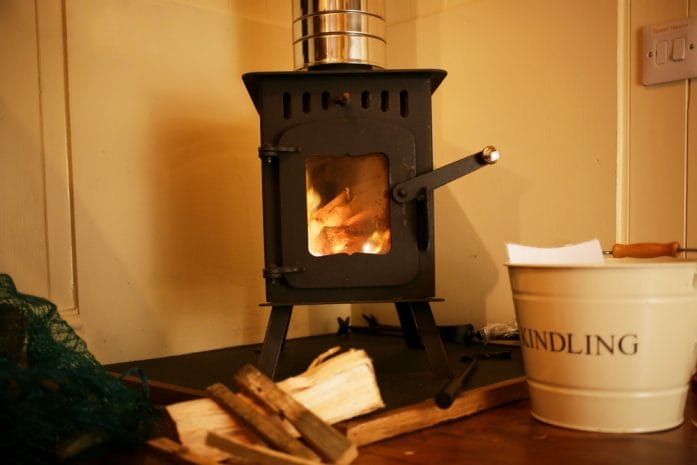
Insurance companies operate on risk assessment, plain and simple. They look at the likelihood that something in your home could cause a claim, and some appliances immediately raise red flags. The one appliance that consistently triggers higher premiums is the indoor wood-burning stove or fireplace insert. These devices, while cozy and charming, have a track record for fire hazards and smoke damage. Insurers worry because even a small ember that escapes or a buildup of creosote in a chimney can lead to catastrophic damage. In other words, a single moment of negligence or poor maintenance could turn a dream of a warm, crackling fire into a costly nightmare.

Beyond fire, these appliances can impact air quality, create unseen smoke damage in walls, and even void certain parts of a home insurance policy if installed incorrectly. Insurance adjusters are trained to spot these stoves, and if one is found during an inspection, they often consider it high-risk. That can translate to immediate premium hikes, expensive add-ons, or even outright refusal to cover your home until modifications are made.

Common Mistakes Homeowners Make With High-Risk Appliances

Many homeowners don’t realize just how many small errors can turn an indoor stove from a cozy feature into an insurance headache. One of the biggest mistakes is improper installation. Some homeowners try DIY projects, failing to comply with local building codes or manufacturer instructions. This alone can lead to denied claims if a fire occurs. Another common error is neglecting regular cleaning and chimney inspections. Creosote buildup is extremely flammable, and insurers see it as a ticking time bomb. Even using the wrong type of wood or overloading the stove can make your policy more expensive or even invalidate it.

Some people also install stoves in spaces that are too confined or lack proper ventilation. While it may look stylish, insurers know that confined stoves dramatically increase fire risk. Even accessories like hearth pads or protective barriers must meet code. Skipping these details is tempting for a homeowner who wants a seamless look, but insurers notice—and they react with higher premiums.

How To Legally Protect Your Premiums

If you absolutely love the ambiance of a wood-burning stove or fireplace, there are steps you can take to minimize insurance complications. First and foremost, hire a certified professional for installation. Insurers trust professionally installed units, and proper permits and inspections can make a huge difference. Regular maintenance is crucial, too. Have your chimney swept and inspected annually, and follow the manufacturer’s guidelines for wood and fuel usage. These steps don’t just protect your home—they protect your wallet.

It’s also smart to inform your insurer upfront if you plan to install one of these appliances. Transparency allows the company to properly adjust your coverage and may prevent future disputes if a claim arises. Some insurers offer discounts for certain safety measures, like carbon monoxide detectors, spark guards, or high-efficiency stoves that produce less creosote. By following code and implementing safety measures, you show your insurer that you’re mitigating the very risks that could otherwise spike your premium.

Alternative Options That Won’t Break Your Budget

If the potential premium increase feels too steep, there are creative alternatives that still give you warmth and ambiance without triggering insurance headaches. Electric or gas fireplace inserts mimic the visual appeal of a traditional stove but are far safer in the eyes of insurers. These options have a lower fire risk, don’t produce creosote, and often come with built-in safety features. Portable heaters and bioethanol fireplaces are other alternatives that provide warmth and style without major insurance implications.

Many homeowners overlook the fact that decorative stoves or fake fireplace setups can deliver the same cozy vibe for a fraction of the risk. While they won’t produce the same crackling fire experience, they provide atmosphere without jeopardizing your coverage. Insurance companies love it when risk is minimized, and these alternatives are often treated just like any other standard appliance.

This Is The One Household Appliance That Will Spike Your Insurance Premiums if Discovered During Inspection

Image source: shutterstock.com

The Bottom Line On Household Appliances And Insurance

The key takeaway is simple: not all appliances are created equal in the eyes of insurers. While a wood-burning stove can transform your living room into a scene from a rustic magazine, it can also transform your insurance bill into something much less cozy.

Being proactive, following code, and prioritizing maintenance can protect both your home and your wallet. For many homeowners, understanding the potential financial implications before installation is the smartest move. After all, a warm home isn’t worth much if it comes with a sky-high insurance premium or denied claims in the event of an accident.

Have you ever had to adjust your home insurance because of an appliance, or do you have tips for staying cozy without raising premiums? Tell us about your experiences and thoughts in the comments below. Learning from each other’s real-life stories is a great way to navigate the tricky intersection of home comfort and insurance.

You May Also Like…

These 6 Appliances Are Now Banned in Certain States—Do You Own One?

6 Dangerous Home Appliances That You’re Using Every Day

7 Costs That Sneak Up on Fixed-Income Households

7 Fine-Print Exclusions in Your Homeowner’s Policy That Could Cost You Everything

5 Reasons Boomers Are Staying Home Instead of Retiring Away

Brandon Marcus
Brandon Marcus

Brandon Marcus is a writer who has been sharing the written word since a very young age. His interests include sports, history, pop culture, and so much more. When he isn’t writing, he spends his time jogging, drinking coffee, or attempting to read a long book he may never complete.

Filed Under: Lifestyle Tagged With: appliances, Home, home and garden, home appliances, Home insurance, homeowners, homeownership, household essentials, household expenses, household finances, household items, Insurance, insurance companies, Life, Lifestyle, stove, wood-burning stove

Texas Property Alert: The New 2026 Law That Allows Police to Remove Squatters in 24 Hours

January 15, 2026 by Brandon Marcus Leave a Comment

Texas Property Alert: The New 2026 Law That Allows Police to Remove Squatters in 24 Hours

Image Source: Shutterstock.com

Your property is supposed to feel like a sanctuary, but what happens when someone shows up uninvited and refuses to leave? For years, Texas homeowners have battled the headache of squatters, navigating long legal processes just to reclaim their own spaces. That struggle could be over sooner than ever thanks to a groundbreaking 2026 law that empowers law enforcement to remove squatters within 24 hours.

The implications are massive, from protecting homes and rental properties to giving landlords a newfound sense of security. For anyone who’s ever worried about the potential chaos of a squatter, this law is turning the page on a long-standing problem.

How The 2026 Law Changes The Game For Homeowners

For decades, Texas property owners have faced a cumbersome legal maze when dealing with squatters. Eviction notices, court dates, and months of waiting were often the norm, even when the homeowner had full legal rights. The new 2026 law streamlines that process dramatically. Law enforcement can now respond immediately to verified claims of unlawful occupation, drastically cutting down the waiting period. The law requires clear documentation proving ownership or rental rights, ensuring that the process is legitimate and protects against misuse.

For homeowners, this means that the frustration of waiting weeks or months to reclaim property is replaced with a solution that takes just a day. Experts are hailing this as one of the most significant changes to property law in Texas in years.

What Homeowners Need To Do To Use This Law

Using this law isn’t as simple as picking up the phone and calling the police—there are specific steps that must be followed. First, the property owner must provide proof of ownership or legal possession. This can include deeds, leases, or other official documents that clearly establish your rights. Next, the homeowner must verify that the individual occupying the property is a squatter, meaning they have no lease, permission, or claim to the space. Law enforcement officers will then respond, and if all criteria are met, the squatter can be removed within 24 hours.

The law also protects property owners from liability during the process, giving peace of mind that the removal is fully legal and enforceable. Being prepared with the right documentation is crucial to making this system work efficiently.

How Police Will Handle Squatter Removal

The law places a strong emphasis on procedural fairness, ensuring that both homeowners and occupants are treated appropriately. Police officers are trained to verify the property claim and determine whether the individual truly qualifies as a squatter. If the person has a legitimate dispute, officers will not remove them immediately, preventing wrongful eviction. In cases where the law clearly applies, removal happens swiftly, often within hours.

Officers are also guided to handle belongings with care and avoid confrontations whenever possible. This structured approach not only protects the homeowner’s rights but also ensures that the process is safe, respectful, and efficient for everyone involved.

Texas Property Alert: The New 2026 Law That Allows Police to Remove Squatters in 24 Hours

Image Source: Shutterstock.com

Implications For Landlords And Rental Properties

Landlords stand to benefit enormously from this new law. Rental properties, especially in urban areas, are often targets for illegal occupation, and the prior legal process could drain time and money. With the 24-hour removal provision, landlords can take action quickly, minimizing property damage and financial loss. It also changes the dynamic of property management, as the risk of long-term squatting is drastically reduced. Landlords are encouraged to stay proactive, documenting leases and keeping clear records of occupancy.

Insurance providers may also view properties differently now that rapid squatter removal is legally supported, potentially influencing rates and coverage. For anyone renting property in Texas, this law represents a sea change in security and control.

Legal Boundaries And Safeguards Homeowners Should Know

While the law is powerful, it comes with strict safeguards to prevent abuse. Homeowners must follow documented procedures to avoid legal consequences. Misidentifying someone as a squatter or attempting self-eviction could still result in civil or criminal liability. The law is also limited to situations where occupancy is clearly unauthorized, meaning roommates, tenants, or family members with legal rights cannot be removed under this statute.

Courts can review disputes, ensuring that the 24-hour removal is not applied unfairly. Essentially, this law balances rapid enforcement with careful protection against misuse. Understanding the boundaries is key to using it successfully without complications.

Preparing For The New Reality In Texas Property Law

The 2026 law marks a new era for property owners across Texas, but preparation is everything. Homeowners should organize deeds, leases, and any other proof of ownership or legal possession. Maintaining clear records of communication with tenants or occupants is also wise, as documentation can support claims under the law. Local police departments may offer guidance on filing requests for removal efficiently, so reaching out early can streamline the process.

Staying informed about updates to the law or implementation guidelines ensures homeowners are ready to act if needed. Ultimately, this law empowers Texans to protect their property while keeping the process lawful and structured.

Do You Have Any Thoughts On These New Texas Laws?

This new law is shaking up the Texas property landscape, giving homeowners and landlords unprecedented power to act swiftly against unauthorized occupants. It’s a game-changer for anyone who values the safety, security, and control of their property.

If you’ve had experiences with squatters, either frustrating or frightening, now is the time to reflect on how this law could have made a difference. We’d love to hear your thoughts, stories, or opinions about the impact of rapid squatter removal in Texas.

You May Also Like…

Power to Choose: Exploring Wind Energy Options in Texas Electricity Market

13 Eye-Opening Truths About Real Estate Crowdfunding Ventures

9 Georgia Counties Where Property Taxes Are Set to Rise the Fastest

6 Hidden Costs of Homeownership That Blindside First-Time Buyers

7 Fine-Print Exclusions in Your Homeowner’s Policy That Could Cost You Everything

Brandon Marcus
Brandon Marcus

Brandon Marcus is a writer who has been sharing the written word since a very young age. His interests include sports, history, pop culture, and so much more. When he isn’t writing, he spends his time jogging, drinking coffee, or attempting to read a long book he may never complete.

Filed Under: Law Tagged With: 2026 laws, buying a house, Home, homeowners, homeownership, House, illegal, laws, legal advice, new laws, owning a house, Property, property laws, property taxes, Real estate, real estate laws, squatters, Squatters rights, Texas, Texas laws, Texas property

Savings Fallout: 4 Hidden Expenses That Quietly Drain Retirement Budgets

December 17, 2025 by Brandon Marcus Leave a Comment

Here Are The Hidden Expenses That Quietly Drain Retirement Budgets

Image Source: Shutterstock.com

Retirement is often sold as the grand finale of working life: more freedom, fewer alarms, and finally the time to enjoy what you’ve built. The problem is that while most people plan for the big-ticket items, the quiet costs slip in like uninvited guests and start eating away at savings before anyone notices. These expenses don’t usually show up in glossy retirement calculators or celebratory send-off speeches.

They creep in slowly, feel harmless at first, and then snowball into something far more serious. If retirement is a marathon, these hidden drains are the tiny pebbles in your shoes that eventually make every step hurt.

1. The Silent Rise Of Healthcare “Extras”

Medicare feels like a financial safety net, but it rarely covers everything retirees actually use. Premiums, supplemental plans, deductibles, copays, dental work, vision care, and hearing aids quietly stack up year after year. Prescription costs alone can swing wildly depending on drug tiers and annual plan changes, catching retirees off guard. Many people underestimate how much out-of-pocket spending increases with age, especially for chronic conditions. Over time, these “extras” can rival or even exceed what some retirees once spent on housing.

2. Lifestyle Inflation Disguised As Freedom

Retirement often brings more time, and more time usually leads to more spending. Lunches out replace packed meals, casual trips turn into frequent getaways, and hobbies evolve from inexpensive interests into costly passions. What feels like well-earned enjoyment can slowly reset a retiree’s baseline lifestyle cost. Because these changes happen gradually, budgets don’t always get adjusted to match the new reality. The result is a spending pattern that looks reasonable month to month but quietly erodes long-term savings.

3. Homeownership Costs That Never Retire

Many retirees enter retirement with their mortgage paid off, expecting housing expenses to shrink dramatically. What they don’t expect is how maintenance, repairs, property taxes, insurance, and utilities can rise with both time and inflation. Aging homes often demand bigger fixes like roofs, HVAC systems, and plumbing upgrades at the worst possible moments. Downsizing isn’t always the immediate solution people think it is, since moving itself brings fees, taxes, and new ongoing costs. The home that once felt like a financial victory can become a persistent drain on cash flow.

Here Are The Hidden Expenses That Quietly Drain Retirement Budgets

Image Source: Shutterstock.com

4. Family Support And “Just This Once” Spending

Retirees are often the financial safety net for adult children, grandchildren, or other relatives. Helping with tuition, covering emergencies, or offering “temporary” assistance can quickly turn into ongoing obligations. These expenses are emotionally driven, which makes them harder to track and even harder to say no to. Small, repeated gestures add up faster than one-time gifts, especially when they aren’t planned for. Over time, generosity without boundaries can quietly undermine even the most carefully built retirement plan.

Spotting The Leaks Before They Sink The Ship

Retirement budgeting isn’t just about predicting the big expenses; it’s about recognizing the subtle ones that slip under the radar. Healthcare add-ons, lifestyle creep, home costs, and family support rarely feel dangerous in isolation, but together they can reshape a retirement faster than expected. Awareness is the first step toward control, because you can’t manage what you don’t notice. Thoughtful planning, regular budget check-ins, and honest conversations can make a real difference.

If any of these hidden expenses have surprised you or reshaped your plans, feel free to add your experiences or perspectives in the comments section below.

You May Also Like…

Is Your Retirement Timeline Still Safe If The Market Drops Again Before New Year’s Eve?

Retirement Redflag: 6 Withdrawal Moves That Could Drain Your Nest Egg Fast

Calculate Your True Retirement Number Using Our Exclusive Online Tool

8 Apps That Are Quietly Stealing Your Retirement Budget

Savings Game: 5 Ways to Boost Your Emergency Fund Before December Ends


Brandon Marcus
Brandon Marcus

Brandon Marcus is a writer who has been sharing the written word since a very young age. His interests include sports, history, pop culture, and so much more. When he isn’t writing, he spends his time jogging, drinking coffee, or attempting to read a long book he may never complete.

Filed Under: Retirement Tagged With: expenses, healthcare costs, homeowners, homeownership, Inflation, Life, Lifestyle, retire, retiree, retirees, Retirement, retirement accounts, retirement budget, retirement budgets, retirement spending, senior citizens, seniors, Smart Spending, spending

7 Fine-Print Exclusions in Your Homeowner’s Policy That Could Cost You Everything

December 9, 2025 by Brandon Marcus Leave a Comment

Here Are The Fine-Print Exclusions In Your Homeowner's Policy That Could Cost You Everything

Image Source: Shutterstock.com

Your home might feel like the safest place in the world—cozy, familiar, protected by a homeowner’s policy you assume has your back. But hidden inside those long, eye-glazing paragraphs of fine print are exclusions that could turn a bad day into a financial nightmare. Most homeowners never discover these surprises until they file a claim and hear the dreaded phrase: “Unfortunately, this isn’t covered.”

The truth is, insurance policies are full of tiny loopholes, tricky phrasing, and “gotcha” moments that can leave you paying out of pocket for disasters you didn’t even know existed. Before fate decides to test your policy, let’s pull back the curtain on the sneakiest exclusions that could cost you everything.

1. Earth Movement Exclusion

Earth movement sounds dramatic, but it includes more than just major earthquakes. Everything from sinkholes to shifting soil can be considered “earth movement,” and most standard policies exclude all of it. That means your foundation cracks, driveway collapse, or patio tilting could easily be labeled as uncovered events.

Even heavy rain causing the soil beneath your home to shift can fall into this category, leaving you with a repair bill that could make your wallet cry. If your home sits on unstable ground—or near construction—you’ll want to know exactly what your policy defines as earth movement.

2. Water Backup And Sump Overflow

Water damage is one of the most common home insurance claims, but ironically, one of its most expensive sources isn’t usually covered. When a sewer backs up, a sump pump fails, or a drain overflows, most plans treat it as a separate risk needing its own added coverage. Without that endorsement, you could be stuck replacing carpets, drywall, electronics, and furniture on your own dime.

The worst part? It often happens suddenly, giving you no time to react or prevent the damage. A small monthly add-on can save you thousands, but many homeowners never know they need it.

Here Are The Fine-Print Exclusions In Your Homeowner's Policy That Could Cost You Everything

Image Source: Shutterstock.com

3. Mold And Rot Limitations

Mold seems harmless until it takes over your walls, floors, and lungs—and then suddenly it’s a very expensive and very unwelcome guest. Most homeowner’s policies severely limit mold coverage or exclude it altogether, especially if the insurer decides the issue was caused by “ongoing moisture.” Rot, mildew, and fungus often fall into the same excluded category, meaning any long-term water problem can become your financial responsibility. Insurance companies treat mold as a preventable issue, even though many homeowners discover it only after it’s spread. If you live in a humid climate or have an older home, this exclusion can be a scary one.

4. Neglect And Maintenance Issues

Insurance companies love to frame anything unpleasant as a “maintenance issue,” which conveniently shifts the responsibility back onto you. Roof leaks caused by age. Not covered. A pipe that corrodes over time? Also not covered. If an adjuster believes the damage resulted from neglect—anything from failing to clean your gutters to not servicing your HVAC—they can deny your claim entirely. This exclusion is especially slippery because it often comes down to interpretation, and the interpretation rarely leans in your favor. Staying ahead on maintenance isn’t just smart—it’s essential for protecting your coverage.

5. Intentional Damage by Residents

This exclusion sounds obvious until you realize how broad it can be. If someone living in your home intentionally causes damage—anything from punching a hole in the wall to smashing windows during an argument—insurance doesn’t have to pay. That also includes damage caused by teenagers, roommates, or even guests who stay long enough to count as residents. The definition of “intentional” can also get blurry, which can lead to claim disputes you didn’t expect. In short, if someone under your roof does something reckless, your insurer may wipe their hands clean.

6. Certain Pet-Related Liabilities

Your beloved dog might be your best friend, but to your insurance company, he might be considered a liability on four legs. Many policies exclude certain breeds from coverage, especially for bites, scratches, or property damage. Even if your pet has never shown aggression, the exclusion still stands and can leave you responsible for lawsuits or medical bills. Some insurers even restrict non-traditional pets like reptiles or exotic animals, treating them as automatic risks.

7. Acts Of War, Civil Unrest, And Certain Vandalism Scenarios

These exclusions sound like plot points from an action movie, but they exist in almost every homeowner’s policy. If your property is damaged during a riot, protest, or civil disturbance, coverage can get complicated very quickly. Many policies exclude any damage connected to “war” or government actions, even if the terms are broadly interpreted. Some insurers even exclude vandalism if the home is vacant for a certain period, meaning a long vacation could unintentionally void your protection. These exclusions seem remote—until they aren’t.

Read The Fine Print Before It Reads You

The fine print matters, and the exclusions hidden inside it can determine whether a disaster becomes a minor inconvenience or a financial catastrophe. By understanding what your policy doesn’t cover, you can take steps to protect what matters most and avoid painful surprises during stressful moments.

Have you ever discovered a surprising exclusion in your policy, or faced an unexpected insurance denial? Give us all of your stories, questions, or frustrations.

You May Also Like…

7 Ways You’re Accidentally Destroying Your Home’s Value

Beyond the White Picket Fence: Is Homeownership Still the Goal?

10 Amazing Opportunities in Global Real Estate Markets Now

8 Creative Alternatives to Buying a Traditional Home

8 Hidden Money Leaks Around the House You Can Fix Today


Brandon Marcus
Brandon Marcus

Brandon Marcus is a writer who has been sharing the written word since a very young age. His interests include sports, history, pop culture, and so much more. When he isn’t writing, he spends his time jogging, drinking coffee, or attempting to read a long book he may never complete.

Filed Under: Real Estate Tagged With: fine print, fine-print exclusions, home issues, home neglect, homeowner, homeowner's policy, homeowners, homeownership, house damage, maintenance issues, mold, pets, property problems, Real estate

Why Some Homeowners Are Losing Thousands Because of “Zillow Shock”

October 21, 2025 by Travis Campbell Leave a Comment

zillow

Image source: shutterstock.com

Many homeowners are waking up to an unpleasant surprise: their homes aren’t worth as much as they thought. “Zillow Shock” describes the moment when a homeowner checks their home’s Zestimate and finds a much lower value than expected. This matters because your home’s value isn’t just a number on a screen—it impacts your wealth, your ability to refinance, and your plans for the future. When the market shifts or online estimates change quickly, real dollars are at stake. Understanding “Zillow Shock” can help you avoid costly mistakes and make smarter decisions about your biggest asset.

Let’s look at why some homeowners are losing thousands from this phenomenon, and what you can do to protect yourself.

1. Overreliance on Zestimates

Many people treat Zillow’s Zestimate as gospel. But Zestimates are only automated estimates, not appraisals. They’re based on available data, which isn’t always current or accurate. When the algorithm misses recent renovations or unique features, your home’s value might be underestimated by tens of thousands of dollars.

Some sellers price their homes below market value, losing out on equity. Others use Zestimates to negotiate with lenders or buyers, only to be caught off guard when a professional appraisal tells a different story. “Zillow Shock” happens when you trust the algorithm more than local knowledge or expert advice.

2. Rapid Market Changes

Housing markets can change fast. In 2020 and 2021, home prices soared in many regions. But by 2023, some markets cooled, and Zestimates adjusted quickly—sometimes overnight. If you planned to sell or refinance based on last month’s numbers, you might be shocked to see your home’s value drop by $20,000 or more.

This volatility leads to real financial pain. Sellers may have to lower their asking prices or accept less favorable loan terms. “Zillow Shock” can also affect your confidence and delay important financial decisions.

3. Hidden Data Errors

Automated valuation models rely on public records and user-submitted data. If your local records are outdated or contain errors, your Zestimate will be off. For example, if the square footage is recorded incorrectly or a recent addition isn’t listed, the algorithm won’t give you credit for those improvements.

These data errors mean your home might be undervalued—sometimes by tens of thousands of dollars. Homeowners experiencing “Zillow Shock” often find that fixing these mistakes requires patience and persistence, and some never notice the errors at all.

4. Impact on Home Equity Loans and Refinancing

Many homeowners use their property’s value to secure home equity loans or refinance their mortgages. Lenders often check online estimates like Zillow’s as part of their review process. If your Zestimate drops suddenly, you could lose access to thousands of dollars in borrowing power.

Imagine planning a remodel based on a certain loan amount, only to find that your home’s value doesn’t support the loan. “Zillow Shock” can disrupt your plans and cost you real money in lost opportunities.

5. Emotional Decisions Based on Estimates

It’s easy to get attached to a number—especially if it’s higher than you expected. But when the estimate drops, homeowners sometimes panic and make rash decisions. Some may rush to sell, thinking the market will get worse. Others might hold off on needed repairs, hoping values will rebound.

These emotional reactions can lead to poor financial outcomes. The key is to use Zestimates as one tool among many, not the final word on your home’s value. “Zillow Shock” often results from forgetting this distinction.

How to Protect Yourself from “Zillow Shock”

If you want to avoid losing thousands because of “Zillow Shock,” start by understanding what your Zestimate really means. It’s a starting point, not a guarantee. Get a professional appraisal or a comparative market analysis from a trusted real estate agent for a more accurate picture.

Regularly check your public records for errors and update them when needed. If you’ve made improvements or renovations, make sure they’re reflected in the official data. Don’t base major decisions solely on online estimates—talk to local experts who know your market.

Finally, keep in mind that all automated tools have limitations. Zillow’s algorithm is improving, but it still can’t capture the full story of every home. If you’re considering a big move—like selling, refinancing, or taking out a loan—get multiple opinions.

Have you experienced “Zillow Shock” or found your home’s value to be wildly different from what you expected? Share your story or questions in the comments below!

What to Read Next…

  • How Homeowners Associations Are Targeting Retirees With Fines
  • The Subtle Home Smells That Real Estate Agents Say Ruin Sales
  • 10 Items That Could Void Your Homeowners Insurance Instantly
  • Can You Really Lose Your House Over One Missed HOA Payment
  • 7 Homeowner Insurance Exclusions That Void Entire Policies
Travis Campbell
Travis Campbell

Travis Campbell is a digital marketer/developer with over 10 years of experience and a writer for over 6 years. He holds a degree in E-commerce and likes to share life advice he’s learned over the years. Travis loves spending time on the golf course or at the gym when he’s not working.

Filed Under: Personal Finance Tagged With: home equity, home value, homeowners, Real estate, refinancing, Zestimates, Zillow Shock

Home Insurance Premiums Are About to Spike Again—Here’s Why

July 16, 2025 by Travis Campbell Leave a Comment

home insurance

Image Source: pexels.com

Home insurance premiums are rising again, and it’s not just a small bump. Many homeowners are opening renewal letters and seeing numbers that make them pause. If you own a home, this matters. Higher premiums mean less room in your budget for other things. And if you’re shopping for a new policy, you might be shocked by the quotes. Understanding why home insurance premiums are going up can help you plan, avoid surprises, and maybe even save some money. Here’s what’s driving the spike and what you can do about it.

1. Extreme Weather Is Getting Worse

Storms, wildfires, floods, and hurricanes are happening more often. And they’re causing more damage. Insurance companies pay out billions after these disasters. To cover those costs, they raise home insurance premiums for everyone, not just people in high-risk areas. Even if you live far from the coast or in a place that rarely floods, you’re still affected. The risk is spread out. This means your premium goes up, even if you’ve never filed a claim. The trend isn’t slowing down. Scientists say severe weather will keep getting worse, which means insurance costs will keep rising.

2. Home Repair Costs Are Climbing

It costs more to fix a house now than it did a few years ago. Lumber, roofing, drywall, and even labor are all more expensive. When a storm or fire damages a home, insurance companies have to pay more to repair it. They pass those costs on to you through higher home insurance premiums. Even small claims cost more than they used to. If your policy hasn’t been updated in a while, you might be underinsured. That means you could pay out of pocket if something big happens. Review your coverage and make sure it matches today’s repair costs.

3. Reinsurance Rates Are Up

Insurance companies buy their own insurance, called reinsurance, to protect themselves from big losses. Reinsurance rates have gone up a lot in the past year. When reinsurers charge more, regular insurance companies have to raise their own prices. This is a behind-the-scenes cost, but it affects your home insurance premium directly. You can’t control reinsurance rates, but you can shop around for the best deal. Some companies are better at managing these costs than others.

4. More Lawsuits and Bigger Settlements

Lawsuits over property damage and liability claims are more common. And the payouts are bigger. When someone slips on your icy sidewalk or a tree falls on a neighbor’s car, the costs can be huge. Insurance companies have to cover these risks. As legal costs go up, so do home insurance premiums. Some states see more lawsuits than others, but the trend is nationwide. You can lower your risk by keeping your property safe and well-maintained. Trim trees, fix broken steps, and clear ice in winter.

5. Insurers Are Pulling Out of Risky Areas

Some insurance companies are leaving states or regions that have too many claims. This is happening in places with lots of wildfires, hurricanes, or floods. When companies leave, there’s less competition. Fewer choices mean higher home insurance premiums for everyone who stays. If your insurer pulls out, you might have to buy coverage from a state-run plan, which can be expensive and offer less protection. If you live in a risky area, start looking for alternatives now. Don’t wait until your policy is canceled.

6. Inflation Is Hitting Insurance Hard

Inflation affects everything, including home insurance premiums. When the cost of living goes up, so does the cost to rebuild or repair a home. Insurance companies adjust their rates to keep up. This isn’t just about materials and labor. Administrative costs, technology, and even customer service are more expensive. Inflation is a big reason why your premium might jump, even if nothing else has changed. Review your policy every year and ask your agent if you qualify for any discounts.

7. More People Are Filing Claims

There’s been an increase in the number of claims filed, even for small issues. Some people file claims for things they used to pay for themselves, like minor water damage or theft. When more people file claims, insurance companies pay out more money. To make up for it, they raise home insurance premiums for everyone. Think carefully before filing a small claim. Sometimes it’s better to pay out of pocket and keep your claims history clean.

8. New Technology Is Changing Risk

Smart home devices, like water leak detectors and security cameras, can lower risk. But not everyone uses them. Insurance companies are still figuring out how to price policies for homes with and without these devices. If you don’t have smart tech, you might pay more. On the other hand, some companies offer discounts if you install certain devices. Ask your insurer if you can save by adding smart home features. It could help offset rising home insurance premiums.

What You Can Do to Protect Your Budget

Home insurance premiums are going up, but you’re not powerless. Shop around every year. Compare quotes from at least three companies. Ask about discounts for bundling, security systems, or loyalty. Raise your deductible if you can afford it. Keep your home in good shape to avoid claims. And review your coverage to make sure you’re not paying for things you don’t need.

Have you seen your home insurance premium go up this year? What steps are you taking to manage the cost? Share your experience in the comments.

Read More

5 Expensive Emergencies That Happen Right After You Cancel Insurance

10 Types of Insurance You Didn’t Know You Needed

Travis Campbell
Travis Campbell

Travis Campbell is a digital marketer/developer with over 10 years of experience and a writer for over 6 years. He holds a degree in E-commerce and likes to share life advice he’s learned over the years. Travis loves spending time on the golf course or at the gym when he’s not working.

Filed Under: Insurance Tagged With: budgeting, Home insurance, homeowners, Inflation, insurance premiums, insurance tips, Personal Finance, property insurance

  • « Previous Page
  • 1
  • 2

FOLLOW US

Search this site:

Recent Posts

  • Can My Savings Account Affect My Financial Aid? by Tamila McDonald
  • 12 Ways Gen X’s Views Clash with Millennials… by Tamila McDonald
  • What Advantages and Disadvantages Are There To… by Jacob Sensiba
  • 10 Tactics for Building an Emergency Fund from Scratch by Vanessa Bermudez
  • Call 911: Go To the Emergency Room Immediately If… by Stephen Kanaval
  • 7 Weird Things You Can Sell Online by Tamila McDonald
  • 10 Scary Facts About DriveTime by Tamila McDonald

Copyright © 2026 · News Pro Theme on Genesis Framework