• Home
  • About Us
  • Toolkit
  • Getting Finances Done
    • Hiring Advisors
    • Debt Management
    • Spending Plan
  • Insurance
    • Life Insurance
    • Health Insurance
    • Disability Insurance
    • Homeowners/Renters Insurance
  • Contact Us
  • Risk Tolerance Quiz
  • Our Editorial Commitment

The Free Financial Advisor

You are here: Home / Archives for simple living

5 Inspiring Ways to Embrace Frugality as a Positive Virtue

October 7, 2025 by Travis Campbell Leave a Comment

frugul
Image source: pexels.com

Frugality often gets a bad reputation. Many people see it as deprivation or penny-pinching, but embracing frugality as a positive virtue can truly transform your financial life. Instead of focusing on what you’re giving up, you can see it as a way to gain control, peace of mind, and even joy. Living frugally doesn’t mean living miserably; it means making choices that align with your values and goals. With a thoughtful approach, frugality becomes a tool for freedom rather than limitation. Here are five inspiring ways to make frugality a celebrated part of your everyday life.

1. Reframe Frugality as Empowerment

The first step to embracing frugality as a positive virtue is to change the way you perceive it. Instead of viewing frugality as a restriction, think of it as a form of empowerment. When you choose to spend less, you’re not just saving money—you’re making conscious decisions that support your future goals. This mindset shift helps you focus on what matters most and lets you feel proud of your choices.

For example, skipping daily takeout coffee might seem small, but when you do it to save for a dream vacation or to pay off debt, it becomes a statement of your priorities. Embracing frugality this way puts you in the driver’s seat. You’re not denying yourself; you’re choosing what truly matters.

2. Practice Mindful Spending

Mindful spending is a cornerstone of frugality as a positive virtue. It’s about being intentional with every dollar. Before any purchase, ask yourself: Does this add real value to my life? Will I appreciate it a month from now? Mindful spending isn’t about saying “no” to everything—it’s about saying “yes” to what truly counts.

You can start by tracking your expenses for a month. Identify patterns and spot areas where spending doesn’t align with your values. Maybe you notice a subscription you never use, or realize that you’re buying clothes you rarely wear. By becoming aware, you make space for smarter choices and feel good about each purchase.

3. Celebrate Small Wins and Progress

Frugality isn’t an all-or-nothing game. Every small step toward saving money or cutting unnecessary expenses is worth celebrating. Did you pack lunch instead of eating out? Did you borrow a book from the library instead of buying it? These small wins add up and reinforce frugality as a positive virtue.

Tracking your progress can make the journey more rewarding. Consider setting up a simple savings chart or using an app to watch your savings grow. Share your milestones with friends or family who support your goals. Recognizing progress helps maintain high motivation and turns frugal habits into lasting routines.

4. Find Joy in Simplicity

Frugality doesn’t have to feel like a sacrifice. In fact, it can help you rediscover joy in life’s simple pleasures. When you focus less on material things, you create space for experiences, relationships, and activities that cost little but mean a lot.

Host a game night at home instead of going out, explore local parks, or cook a new recipe with family. These moments foster connection and happiness without draining your wallet. Many people who embrace frugality find that cutting back on spending leads to a richer, more fulfilling life.

5. Learn and Share Frugal Skills

Frugality as a positive virtue is about more than just spending less—it’s also about learning new skills and sharing them with others. From cooking at home to basic DIY repairs, every skill you pick up can save you money and boost your confidence. Plus, sharing these skills with friends and family creates a supportive community.

Start by picking one frugal skill to learn this month. Maybe it’s meal planning, sewing, or gardening. Not only will you save money, but you’ll also gain a sense of accomplishment.

Building a Life You Love Through Frugality

Embracing frugality as a positive virtue isn’t about cutting out all the fun or living with less for its own sake. It’s about making mindful, empowered choices that reflect your values and priorities. When you see frugality as a tool for building the life you truly want, it becomes a source of pride and satisfaction, not a burden.

How do you practice frugality in your daily life? What changes have made the biggest difference for you? Share your thoughts and experiences in the comments below!

What to Read Next…

  • Are These 6 Helpful Budget Tips Actually Ruining Your Finances?
  • 7 Tactics Grocery Stores Use to Keep You from Thinking About Price
  • 10 Ways You’re Wasting Money Just Trying to Keep Up Appearances
  • How Many of These 8 Middle Class Habits Are Keeping You Poor?
  • Are These 8 Money Saving Tricks Actually Keeping You Broke?
Travis Campbell
Travis Campbell

Travis Campbell is a digital marketer/developer with over 10 years of experience and a writer for over 6 years. He holds a degree in E-commerce and likes to share life advice he’s learned over the years. Travis loves spending time on the golf course or at the gym when he’s not working.
Filed Under: Frugal Living Tagged With: financial empowerment, frugality, Mindful Spending, Personal Finance, simple living

6 Household Services You Can Eliminate Without Losing Quality of Life

August 8, 2025 by Catherine Reed Leave a Comment

6 Household Services You Can Eliminate Without Losing Quality of Life
Image source: 123rf.com

If your monthly expenses feel like they’ve crept up quietly, there’s a good chance some of those costs are hiding in the form of services you don’t truly need. Many families pay for household services out of habit or convenience, but a surprising number of them can be cut without sacrificing comfort or cleanliness. In fact, simplifying these routines can save you hundreds—or even thousands—each year while giving you more control over your space. The truth is, there are household services you can eliminate that won’t negatively affect your quality of life at all. Here are six worth reconsidering.

1. Professional Lawn Care Services

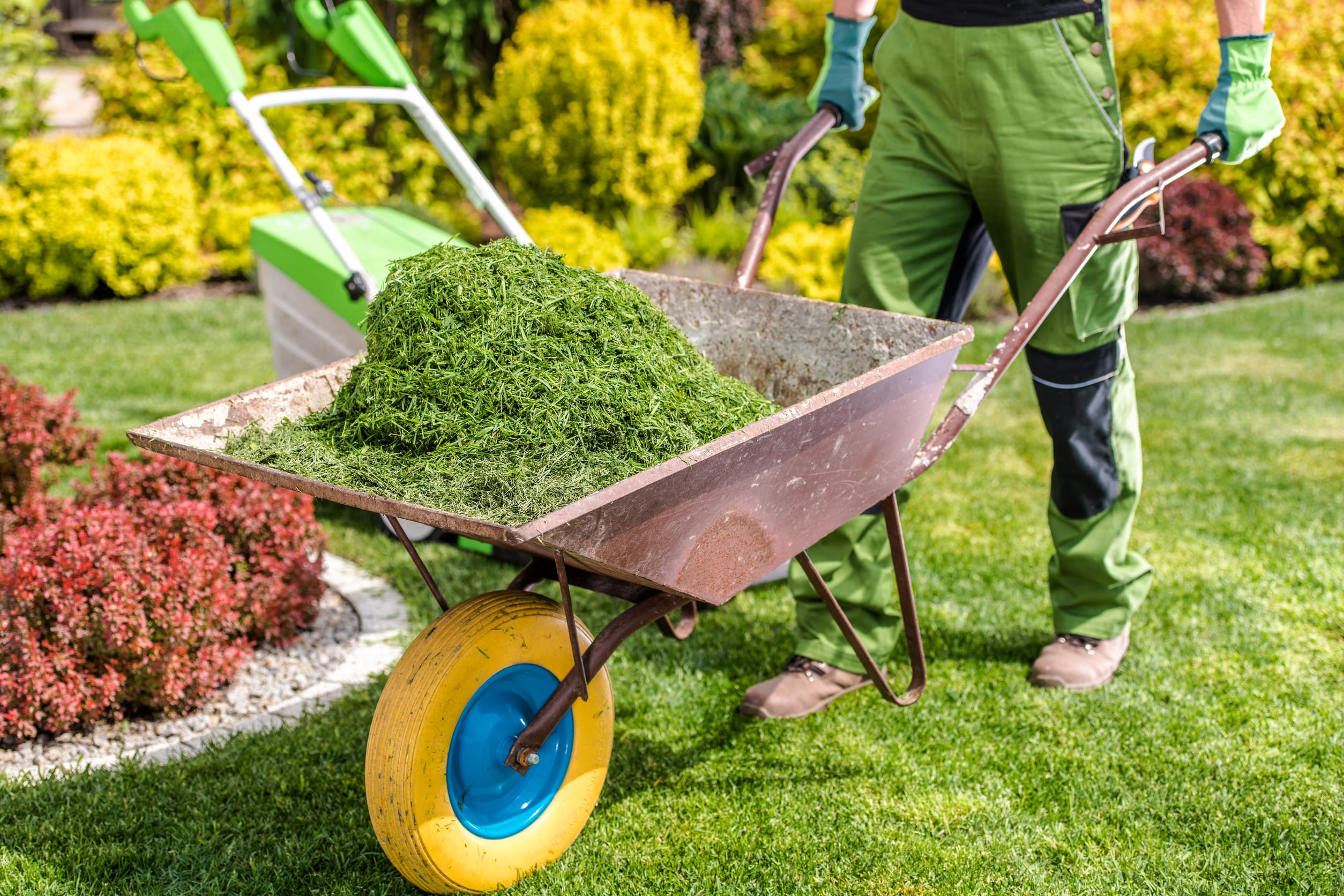
It’s easy to hand off lawn care to a pro, especially when life is busy, but this service can be one of the most expensive recurring costs. Mowing your own lawn just once a week can save you over $100 per cut, depending on your yard size and local rates. With lightweight electric mowers and battery-powered tools now widely available, DIY lawn care has never been more convenient. Plus, it gives you a chance to get outside and enjoy some physical activity. You don’t need a landscaping crew to maintain a healthy, tidy yard.

2. House Cleaning Services

Hiring someone to clean your home feels like a major stress reliever, but it can come at a high price for families looking to save. By setting a simple weekly cleaning routine—like 20 minutes a day focused on one task—you can maintain a fresh home without the monthly bill. Focus on high-traffic areas like bathrooms and kitchens and involve your kids in age-appropriate chores to lighten the load. There are also plenty of natural, budget-friendly cleaning products you can make at home. If needed, save the deep cleans for special occasions or twice a year instead of monthly.

3. Subscription Pest Control

While no one wants bugs in the house, year-round pest control subscriptions are often more aggressive than necessary. Most common household pests can be handled with seasonal DIY prevention like sealing cracks, removing standing water, and using bait traps or natural deterrents. For occasional issues, a one-time treatment is far more cost-effective than a long-term contract. Psychologists even suggest that having more control over your space can reduce stress levels. You don’t need to be locked into monthly services to maintain a pest-free home.

4. Pool Maintenance

If you’re lucky enough to have a backyard pool, chances are you’ve considered hiring out the maintenance. But with the right tools and a few hours a month, pool care is absolutely doable on your own. Regular skimming, checking chemical levels, and cleaning filters can become part of a weekly routine that saves hundreds over a summer season. Many pool supply stores offer free water testing and guidance to keep things balanced. You don’t have to be a pro to keep your water sparkling and safe.

5. Window Washing Services

Having sparkling windows is nice, but paying someone else to clean them isn’t always necessary. With the right tools—a squeegee, microfiber cloths, and a safe ladder—you can do the job in less than an afternoon. Most homes only need window cleaning once or twice a year, not on a monthly or seasonal basis. If your house has hard-to-reach windows, you can rent a pole extender or recruit a handy friend for help. Eliminating this service and tackling it yourself can cut an easy cost with little effort.

6. Appliance Maintenance Plans

Stores often push maintenance plans when you purchase new appliances, but these are rarely worth the extra money. Most major appliances are covered under warranty for at least a year, and reputable brands typically last well beyond that. If a repair is needed, it’s often cheaper to pay out of pocket than to invest in years of monthly premiums. Regular cleaning and use of manufacturer-recommended parts can prevent many issues on your own. Unless your appliance is prone to frequent breakdowns, this is one of the household services you can eliminate confidently.

Keep the Comfort, Cut the Costs

Eliminating unnecessary services doesn’t mean downgrading your lifestyle—it means being intentional about where your money goes. Many household services you can eliminate are built around convenience, not necessity, and once you create simple habits, you’ll barely notice they’re gone. In fact, managing some of these tasks on your own can be empowering and even enjoyable when shared with the family. The savings add up quickly, and you may find your home runs just as smoothly with fewer outside costs. Reassessing these regular expenses is one of the smartest financial steps you can take this year.

Which household service have you eliminated without regret? Or is there one you just can’t let go of? Share your thoughts in the comments!

Read More:

Are These 8 Money-Saving Tricks Actually Keeping You Broke?

10 Tactics for Building an Emergency Fund from Scratch

Catherine Reed
Catherine Reed

Catherine is a tech-savvy writer who has focused on the personal finance space for more than eight years. She has a Bachelor’s in Information Technology and enjoys showcasing how tech can simplify everyday personal finance tasks like budgeting, spending tracking, and planning for the future. Additionally, she’s explored the ins and outs of the world of side hustles and loves to share what she’s learned along the way. When she’s not working, you can find her relaxing at home in the Pacific Northwest with her two cats or enjoying a cup of coffee at her neighborhood cafe.

Filed Under: Budgeting Tagged With: cost-saving tips, cutting household costs, DIY home care, family budgeting, Financial Wellness, frugal living, home expenses, home maintenance, simple living

8 Unexpected Joys of Downsizing Your Home (Besides Saving Cash)

June 27, 2025 by Travis Campbell Leave a Comment

home
Image Source: pexels.com

Thinking about downsizing your home? Most people focus on the obvious financial perks—lower mortgage payments, reduced utility bills, and less money spent on upkeep. But the real magic of downsizing goes far beyond your bank account. Whether you’re an empty nester, a young professional, or just craving a simpler life, downsizing your home can open the door to a host of unexpected joys. If you’re on the fence, here are eight surprising reasons why a smaller space might be the best move you’ve ever made.

1. More Time for What Matters

When you’re not cleaning, maintaining, or organizing a large house, you suddenly find yourself with extra hours in your week. Downsizing your home means less time spent on chores and more time for hobbies, family, and relaxation. Imagine swapping a Saturday of yard work for a morning hike or a coffee date with friends. The freedom to reclaim your time is one of the most rewarding aspects of living with less space.

2. A Fresh Start with Less Clutter

Downsizing your home forces you to evaluate what you truly need and love. Letting go of excess belongings can be liberating, both physically and emotionally. You’ll find that a smaller space encourages you to keep only what adds value to your life. This process can lead to a more organized, peaceful environment and a sense of clarity that spills over into other areas of your life. Research shows that decluttering can even reduce stress and boost your mood.

3. Stronger Relationships

Living in closer quarters naturally brings people together. Downsizing your home can foster more meaningful connections with your partner, children, or roommates. Shared spaces encourage conversation, collaboration, and quality time. You might find yourself cooking together more often, playing games, or simply enjoying each other’s company without the distractions of a sprawling house.

4. Easier Maintenance and Repairs

A smaller home means fewer things that can break, leak, or need fixing. When something does go wrong, it’s usually easier and less expensive to address the issue. Downsizing your home can make routine maintenance less overwhelming and help you stay on top of repairs. This peace of mind allows you to focus on enjoying your home rather than constantly worrying about what needs to be fixed next.

5. Greater Flexibility and Mobility

With fewer possessions and a smaller footprint, it’s easier to adapt to life’s changes. Downsizing your home can make moving for a new job, traveling for extended periods, or even retiring in a new location much simpler. You’re not tied down by a house full of stuff or the burden of a large property. This flexibility can be especially valuable as your needs and priorities evolve over time.

6. A Smaller Environmental Footprint

Downsizing your home isn’t just good for you—it’s good for the planet. Smaller homes use less energy for heating, cooling, and lighting. You’ll likely consume less water and produce less waste, too. By living more efficiently, you reduce your environmental impact and contribute to a more sustainable future. It’s a win-win for your conscience and the world around you.

7. Enhanced Creativity and Resourcefulness

A compact living space challenges you to think creatively about storage, organization, and design. Downsizing your home often leads to clever solutions and multi-purpose furniture. You’ll become more resourceful, finding new ways to make the most of every square foot. This creativity can be surprisingly fun and satisfying, turning your home into a personalized, efficient haven.

8. A Sense of Accomplishment and Control

Downsizing your home is a bold decision that requires planning and commitment. Once you’ve made the transition, you’ll likely feel a strong sense of accomplishment. You’ve taken control of your living situation, prioritized your values, and created a space that truly works for you. This empowerment can boost your confidence and inspire positive changes in other areas of your life.

Embracing the Freedom of Less

Downsizing your home isn’t just about saving money—it’s about gaining freedom, clarity, and a deeper sense of satisfaction. The unexpected joys of a smaller space can transform your daily life, helping you focus on what truly matters. Whether you’re seeking more time, stronger relationships, or a lighter environmental footprint, downsizing your home offers benefits that go far beyond your wallet.

Have you experienced any unexpected joys from downsizing your home? Share your stories or tips in the comments below!

Read More

Why Junior’s Education Might Be Less Expensive Than Expected

Find the Right Amount of Life Insurance in 10 Minutes

Travis Campbell
Travis Campbell

Travis Campbell is a digital marketer/developer with over 10 years of experience and a writer for over 6 years. He holds a degree in E-commerce and likes to share life advice he’s learned over the years. Travis loves spending time on the golf course or at the gym when he’s not working.

Filed Under: Home Hacks Tagged With: decluttering, downsizing, financial freedom, home organization, Lifestyle, minimalism, moving tips, simple living

13 States Where You Can Legally Live Off the Grid

July 8, 2024 by Amanda Blankenship Leave a Comment

13 States Where You Can Legally Live Off the Grid
123RF

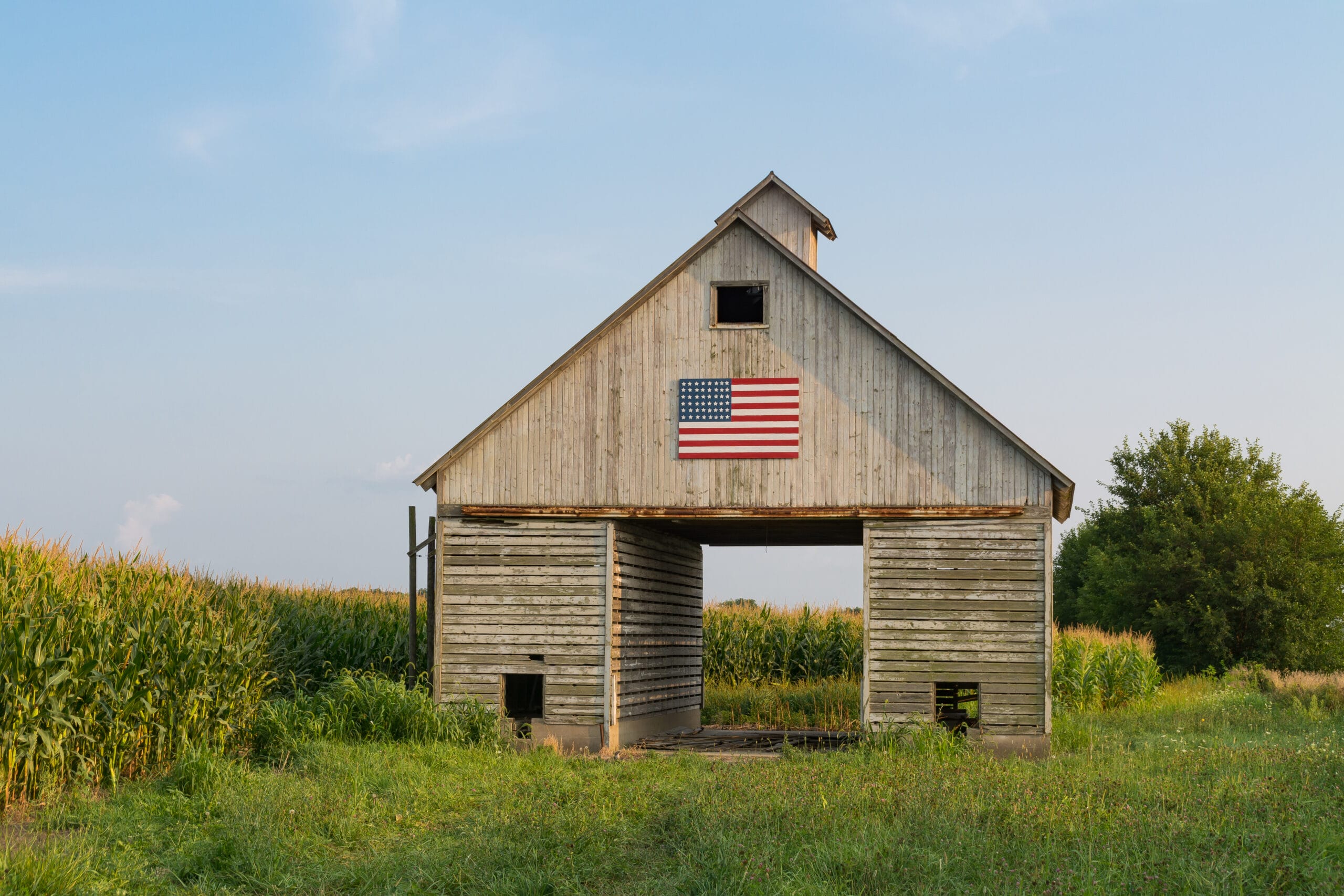
Living off the grid is an increasingly popular lifestyle choice for those seeking self-sufficiency, sustainability, and a simpler way of life. Whether it’s to escape the hustle and bustle of city living or to reduce one’s carbon footprint, many are looking to establish their own slice of paradise away from modern utilities. Here are 13 states where you can legally live off the grid.

1. Alaska

1. Alaska
123RF

Alaska is the quintessential state for off-grid living. With its vast wilderness and low population density, it offers ample opportunities for self-sufficient living. The state has lenient building codes and a strong culture of independence, making it an ideal choice for those looking to live off the land. However, extreme weather conditions and remote locations can pose challenges, so proper planning and preparation are essential.

2. Arkansas

2. Arkansas
123RF

Arkansas provides a welcoming environment for off-grid enthusiasts with its affordable land and mild climate. The state’s lax building codes and supportive community make it easier to establish a self-sufficient lifestyle. Arkansas’s diverse landscapes, including forests, mountains, and rivers, offer ample resources for those looking to live sustainably. Additionally, the state has a rich history of farming and homesteading, which can provide valuable knowledge and support.

3. Idaho

3. Idaho
123RF

Idaho offers a mix of mountains, forests, and farmland, providing a variety of options for off-grid enthusiasts. The state has relatively lax building codes and a strong emphasis on individual rights, which can make setting up an off-grid homestead easier. Additionally, Idaho’s climate is suitable for growing a wide range of crops, making it possible to sustain yourself through farming.

4. Illinois

4. Illinois
123RF

Illinois, with its rich soil and agricultural heritage, is a great state for off-grid living. The state’s supportive regulations for alternative energy and sustainable practices make it easier to create an eco-friendly homestead. Illinois’s diverse climate allows for a variety of crops to be grown, contributing to a self-sufficient lifestyle. Moreover, the state’s numerous rivers and lakes provide ample opportunities for water collection and usage.

5. Iowa

5. Iowa
123RF

Iowa’s fertile farmland and supportive community make it an excellent choice for those looking to live off the grid. The state’s mild climate and abundant rainfall create ideal conditions for growing crops and raising livestock. Iowa’s relaxed building codes and emphasis on renewable energy make it easier to establish a sustainable homestead. Additionally, the state’s agricultural background provides a wealth of knowledge and resources for off-grid living.

6. Maine

6. Maine
123RF

Maine’s vast forests and coastal areas offer a unique environment for off-grid living. The state has supportive regulations for sustainable building and alternative energy, allowing for greater freedom in creating an eco-friendly homestead. Maine’s strong focus on community and local agriculture can provide valuable resources and support for those looking to live off the land. The state’s abundant natural resources make it possible to live a self-sufficient lifestyle with ease.

7. Minnesota

7. Minnesota
123RF

Minnesota’s diverse landscapes, from forests to prairies, provide ample opportunities for off-grid living. The state’s supportive laws for renewable energy and sustainable building practices make it easier to create an environmentally friendly homestead. Minnesota’s climate, while challenging in winter, offers fertile soil and ample water resources for growing crops and raising animals. The state’s strong community focus on sustainability can also provide valuable support and resources.

8. Missouri

8. Missouri
123RF

Missouri offers a mix of affordable land and a favorable climate for off-grid living. The state’s lax building codes and emphasis on individual freedoms make it easier to establish a self-sufficient homestead. Missouri’s diverse landscapes, including forests, rivers, and farmland, provide ample resources for sustainable living. The state’s rich agricultural heritage can also provide valuable knowledge and support for those looking to live off the land.

9. Montana

9. Montana
123RF

Montana’s vast landscapes and rugged terrain make it another excellent state for off-grid living. The state is known for its large plots of affordable land and a favorable climate for agriculture. In Montana, you can find numerous resources and communities that support sustainable living practices. However, it’s important to be aware of the state’s wildlife and the potential for harsh winters.

10. Oregon

10. Oregon
123RF

Oregon is a haven for those looking to live sustainably. The state’s diverse landscapes, ranging from coastal areas to forests and mountains, offer a variety of environments for off-grid living. Oregon has progressive laws regarding alternative energy and sustainable building practices, making it easier to implement eco-friendly solutions. The state’s vibrant off-grid community can also provide valuable support and resources.

11. Texas

11. Texas
123RF

Texas’s vast landscapes and sunny climate make it an ideal state for off-grid living. The state offers large tracts of affordable land and relatively lax building regulations, allowing for greater flexibility in establishing an off-grid home. Texas’s abundant natural resources, such as wind and solar energy, provide excellent opportunities for renewable energy. However, water scarcity in some regions can be a challenge, so proper planning is essential.

12. Vermont

12. Vermont
123RF

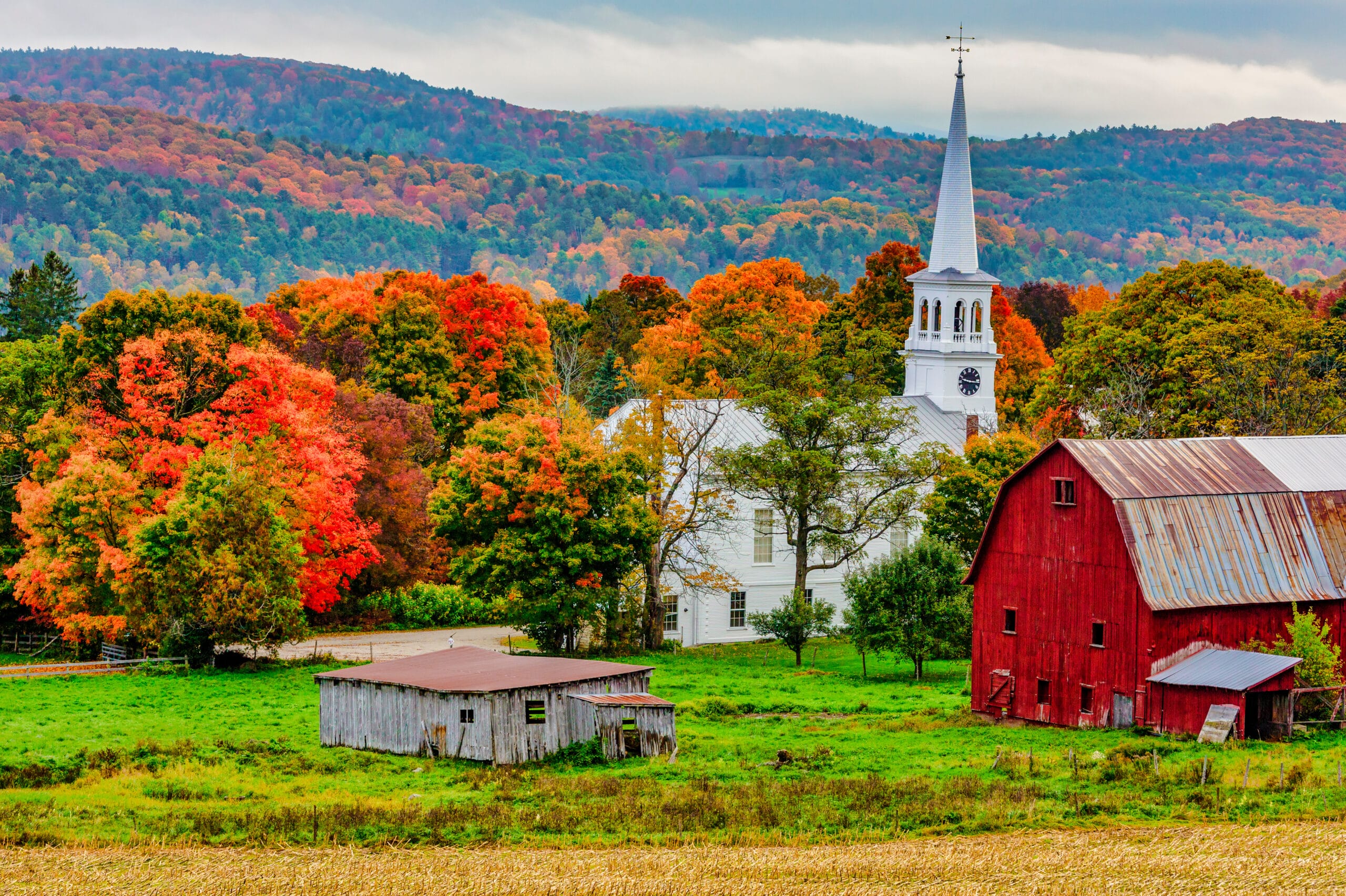
Vermont’s picturesque landscapes and strong community focus on sustainability make it an appealing state for off-grid living. The state has progressive laws that support renewable energy and eco-friendly building practices. Vermont’s fertile soil and abundant water sources make it possible to grow a variety of crops and maintain a self-sufficient lifestyle. The state’s commitment to local agriculture and community support can be invaluable for off-grid living.

13. West Virginia

13. West Virginia
123RF

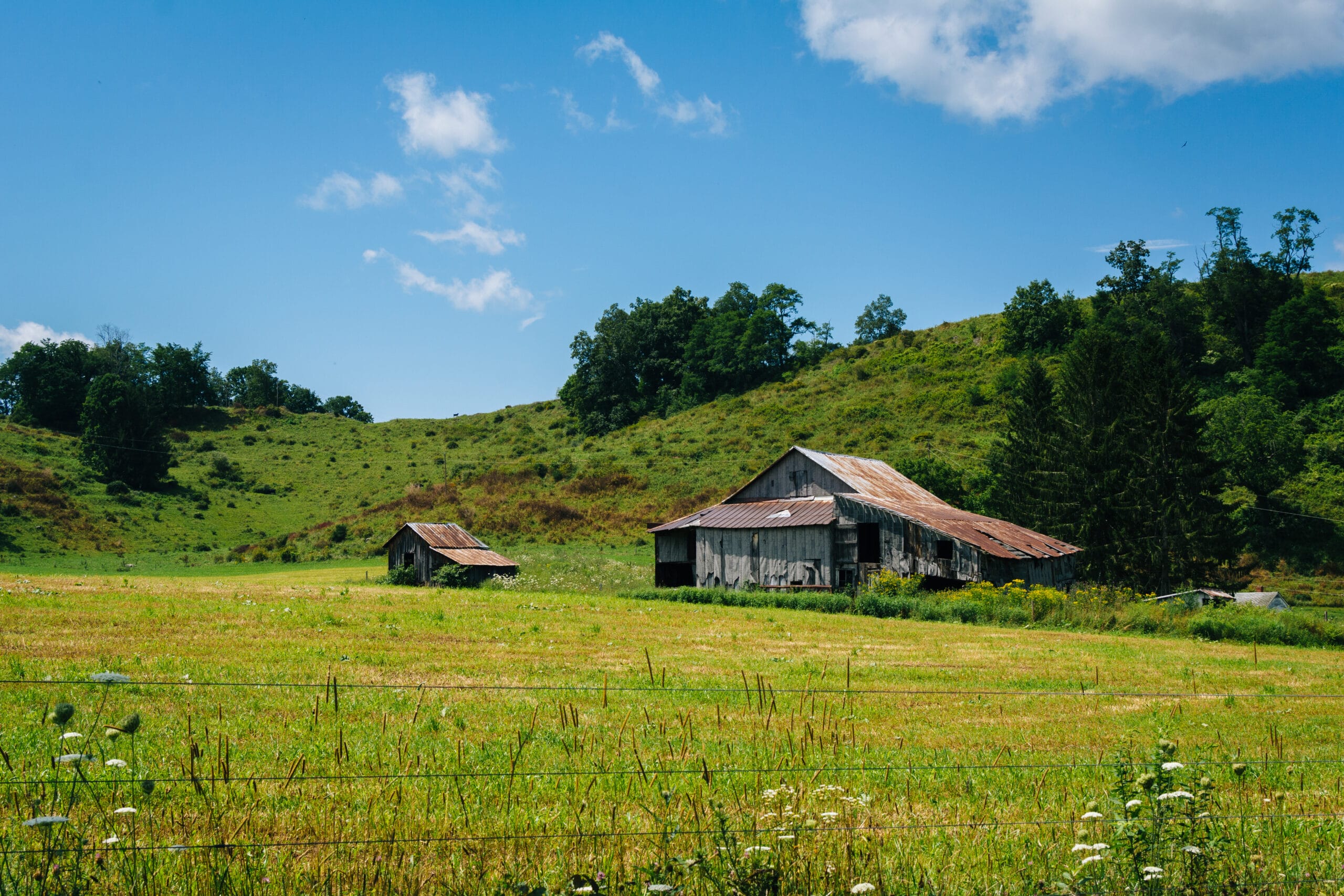
West Virginia’s rolling hills and dense forests provide a serene environment for off-grid living. The state has relatively lax building codes and a supportive community of off-grid enthusiasts. West Virginia’s natural resources, such as forests and rivers, offer ample opportunities for self-sufficient living. The state’s mild climate and fertile soil make it possible to grow a variety of crops and raise livestock, contributing to a sustainable lifestyle.

Living Off the Grid Offers Unique Opportunities

Living Off the Grid Offers Unique Opportunities 
123RF

Living off the grid offers a unique opportunity to embrace self-sufficiency and sustainability. These 13 states provide the ideal environments, resources, and regulations to support off-grid living. If you’re ready to take the plunge into a simpler, more sustainable way of life, consider exploring these states as potential locations for your off-grid homestead. For more information and resources on off-grid living, visit our website and join our community of like-minded individuals.

Amanda Blankenship

Amanda Blankenship is the Chief Editor for District Media.  With a BA in journalism from Wingate University, she frequently writes for a handful of websites and loves to share her own personal finance story with others. When she isn’t typing away at her desk, she enjoys spending time with her daughter, son, husband, and dog. During her free time, you’re likely to find her with her nose in a book, hiking, or playing RPG video games.

Filed Under: Lifestyle Tagged With: Lifestyle, Living Off Grid, simple living

15 Times Poor People Are Happier Than the Rich

July 3, 2024 by Vanessa Bermudez Leave a Comment

15 Times Poor People Are Happier Than the Rich
Canva

Happiness doesn’t always come with a price tag. In fact, there are many instances where those with less wealth find greater joy than their richer counterparts. Here are 15 times when poor people are often happier than the rich.

1. Simple Pleasures

Simple Pleasures
Canva

Poor people often find joy in the simple things in life. Whether it’s a beautiful sunset, a homemade meal, or a game with friends, they appreciate the small moments. This ability to find happiness in simplicity often brings more contentment than the extravagant experiences the rich might seek. It’s a reminder that you don’t need much to be happy. Sometimes, the simplest pleasures are the most fulfilling.

2. Strong Community Bonds

Strong Community Bonds
Canva

In many poorer communities, people rely on each other for support and companionship. This creates strong, close-knit communities where everyone looks out for one another. These bonds foster a sense of belonging and security that wealthier individuals might not experience in their more isolated, busy lives. The happiness derived from a supportive community is invaluable. Knowing that your neighbors have your back can be a source of immense joy.

3. Less Stress About Wealth

Less Stress About Wealth
Canva

Without vast sums of money to manage, poor people often have fewer worries about financial investments, market fluctuations, and the stress of maintaining wealth. This can lead to a more carefree and less stressful lifestyle. While financial struggles can cause stress, the absence of pressure to grow and protect wealth can be liberating. Sometimes, less money means fewer headaches.

4. Contentment with What They Have

Contentment with What They Have
Canva

People with less money often learn to be content with what they have, finding happiness in their current circumstances. This sense of contentment can be more fulfilling than constantly striving for more, as the rich often do. Learning to appreciate what you have rather than longing for more can lead to greater happiness. Gratitude for the present is a powerful source of joy.

5. Genuine Relationships

Genuine Relationships
Canva

Poor people tend to form relationships based on genuine connections rather than financial interests. These authentic relationships are often more meaningful and fulfilling. The rich, on the other hand, might struggle with discerning whether their relationships are genuine or driven by wealth. True friends bring happiness that money can’t buy. Knowing that people love you for who you are, not what you have, is deeply satisfying.

6. Creative Problem Solving

Creative Problem Solving
Canva

Living with less often means finding creative solutions to everyday problems. This ingenuity can be a source of pride and joy as people learn to make the most of what they have. The rich might not experience the same level of satisfaction from overcoming challenges because they can simply pay for solutions. Creativity and resourcefulness can lead to a unique sense of accomplishment. It’s fulfilling to know you can thrive despite limitations.

7. Value of Hard Work

Value of Hard Work
Canva

Poor people often take pride in their hard work and the fruits of their labor. This sense of achievement and the value placed on hard work can bring significant happiness. The rich might not experience the same level of satisfaction from their work, especially if they don’t need to work hard for financial stability. There’s joy in knowing your efforts make a tangible difference. Hard work brings a sense of purpose and fulfillment.

8. Focus on Experiences, Not Things

Focus on Experiences, Not Things
Canva

Without the means to buy expensive items, poor people often focus more on experiences. Whether it’s a family outing, a community event, or simply spending time with loved ones, these experiences bring lasting happiness. The rich might accumulate things but miss out on the joy of simple, meaningful experiences. Memories made from experiences are often more cherished than material possessions. It’s the moments, not the things, that matter most.

9. Appreciation for Little Wins

Appreciation for Little Wins
Canva

When you have less, every small victory feels like a big win. Poor people often celebrate small achievements, which can bring frequent bursts of happiness. The rich, who might take their achievements for granted, miss out on this regular source of joy. Celebrating little wins keeps spirits high and builds momentum. Every small success is a reason to smile.

10. Resilience and Optimism

Resilience and Optimism
Canva

Facing and overcoming challenges builds resilience and a positive outlook on life. Poor people often develop a strong sense of optimism and the ability to find happiness despite difficulties. The rich might not develop the same level of resilience, making them less equipped to handle life’s ups and downs. Resilience breeds confidence and happiness. Knowing you can bounce back from setbacks is empowering.

11. Savoring Free Time

Savoring Free Time
Canva

Without the pressure of maintaining a high-income lifestyle, poor people often have more free time to enjoy. This leisure time can be spent on hobbies, with family, or simply relaxing, leading to greater happiness. The rich, who are often busy managing their wealth, might have less time to truly unwind. Free time allows for rest and rejuvenation. Leisure brings balance and joy to life.

12. Living in the Moment

Living in the Moment
Canva

When you don’t have a lot of financial concerns, it’s easier to live in the moment and enjoy the present. This mindfulness can lead to greater happiness, as it reduces anxiety about the future and regrets about the past. The rich might struggle with staying present due to their constant financial planning and worrying. Being present enhances daily life. Mindfulness brings peace and happiness.

13. Grateful for Assistance

Grateful for Assistance
Canva

Poor people often feel immense gratitude for any assistance they receive, whether it’s government support, charity, or help from friends and family. This gratitude can lead to a happier, more positive outlook on life. The rich, who might not need assistance, miss out on this powerful source of happiness. Gratitude enhances well-being. Feeling thankful brings joy and contentment.

14. Finding Joy in Nature

Finding Joy in Nature
Canva

Without the means to travel to exotic locations, poor people often find joy in their local surroundings. Simple activities like a walk in the park or a day at the beach can bring immense happiness. The rich, who might be used to luxurious vacations, can overlook the simple joys of nature. Nature’s beauty is a free source of happiness. Connecting with the outdoors brings peace and joy.

15. Fewer Material Attachments

Fewer Material Attachments
Canva

Having less means fewer attachments to material possessions. Poor people often find that their happiness isn’t tied to what they own but rather to their relationships and experiences. The rich, who might place a higher value on their possessions, can miss out on this liberating form of happiness. Less attachment means more freedom. Happiness rooted in non-material things is more lasting.

True Wealth Lies in Happiness

True Wealth Lies in Happiness
Canva

Happiness is a complex and multifaceted emotion that often has little to do with wealth. While money can provide comfort and security, it doesn’t guarantee happiness. Poor people frequently find joy in simple things, strong relationships, and meaningful experiences. By appreciating these aspects of life, we can all learn to find greater happiness, regardless of our financial status. True wealth lies in the ability to find joy in everyday life.

Vanessa Bermudez
Vanessa Bermudez
Vanessa Bermudez is a content writer with over eight years of experience crafting compelling content across a diverse range of niches. Throughout her career, she has tackled an array of subjects, from technology and finance to entertainment and lifestyle. In her spare time, she enjoys spending time with her husband and two kids. She’s also a proud fur mom to four gentle giant dogs.

Filed Under: Misc. Tagged With: Community Bonds, Happiness, Life Satisfaction, simple living, Wealth and Joy

FOLLOW US

Search this site:

Recent Posts

  • Can My Savings Account Affect My Financial Aid? by Tamila McDonald
  • 12 Ways Gen X’s Views Clash with Millennials… by Tamila McDonald
  • What Advantages and Disadvantages Are There To… by Jacob Sensiba
  • 10 Tactics for Building an Emergency Fund from Scratch by Vanessa Bermudez
  • Call 911: Go To the Emergency Room Immediately If… by Stephen Kanaval
  • 7 Weird Things You Can Sell Online by Tamila McDonald
  • 10 Scary Facts About DriveTime by Tamila McDonald

Copyright © 2026 · News Pro Theme on Genesis Framework