• Home
  • About Us
  • Toolkit
  • Getting Finances Done
    • Hiring Advisors
    • Debt Management
    • Spending Plan
  • Insurance
    • Life Insurance
    • Health Insurance
    • Disability Insurance
    • Homeowners/Renters Insurance
  • Contact Us
  • Privacy Policy
  • Risk Tolerance Quiz

The Free Financial Advisor

You are here: Home / Archives for health insurance

7 Monthly Bills That Keep Rising Even When You Use Less

January 7, 2026 by Brandon Marcus Leave a Comment

7 Monthly Bills That Keep Rising Even When You Use Less

Image Source: Shutterstock.com

Ever feel like you’re playing a game where the rules keep changing, and no matter how careful you are, your bills just keep climbing? You’re not imagining it. Some monthly expenses have a mysterious talent for growing even when you turn off lights, skip streaming shows, or cut back on usage. It’s like they have their own secret life—quietly inching up, keeping your wallet on edge.

Understanding why these bills rise, even when we think we’re conserving, is a little like unlocking a puzzle. Here’s the inside scoop on the seven bills that love to defy logic.

1. Electricity Bills That Don’t Obey Your Switches

You could practically live by candlelight, yet that electricity bill might still spike. Why? Utilities often raise rates due to infrastructure upgrades, regional demand, or seasonal pricing changes. Even small fees, like connection charges or environmental surcharges, can add up over a year. Plus, smart meters track usage differently than old meters, sometimes creating surprises on your bill. Energy efficiency helps, but it can’t always fight the creeping power of rising rates.

2. Water Bills With Their Own Agenda

Cutting your showers from 10 minutes to 5 might feel heroic, but water bills have their own agenda. Many municipalities charge more per gallon as consumption tiers increase—or even just to cover maintenance and repair costs. Water treatment and pipeline upgrades aren’t cheap, and those costs often appear on your bill regardless of your usage. Seasonal droughts or local policy changes can also send rates upward unexpectedly. It’s a tricky balance: conserving water is vital, but it doesn’t guarantee a smaller bill.

3. Internet Bills That Grow Like Wild Vines

You might have slashed streaming hours or turned off devices, but internet bills often march upward independently. ISPs regularly increase base rates due to infrastructure investment, competition, or inflation. Add in equipment rental fees for modems or routers, and the total climbs even if your data consumption drops. Promotions expire, bundles change, and suddenly your “cheaper” plan isn’t so cheap anymore. Internet is the lifeline of modern life, but apparently, it’s also a stealthy wallet drainer.

4. Streaming And Cable Subscriptions That Inflate Silently

Think cutting the movie nights will trim this bill? Not always. Platforms raise prices, add premium channels, or introduce new features that automatically inflate monthly costs. Even if you pause or cancel one subscription, another might replace it with an intro rate that soon escalates. Advertisers and content deals can also drive increases, especially for popular bundles. Streaming is irresistible, but your wallet may need a subscription strategy just to keep up.

5. Phone Bills That Climb Without Extra Calls

Text less, talk less, use Wi-Fi for everything—yet your phone bill might still creep up. Carriers frequently adjust plans, add hidden fees, or roll out new taxes that appear mysteriously. Upgrades to networks like 5G, plus government-imposed fees for emergency services, can inflate the cost even when your usage is minimal. International or even regional charges can sneak in without warning. Mobile service is essential, but it’s also a fine-tuned machine designed to nibble at your budget.

7 Monthly Bills That Keep Rising Even When You Use Less

Image Source: Shutterstock.com

6. Health Insurance Premiums With Their Own Logic

Cutting out appointments or skipping extra services doesn’t necessarily lower your monthly health insurance premium. Insurers raise rates based on the overall cost of care, inflation in medical services, and policy updates mandated by law. Even when individuals use fewer services, administrative costs, hospital expenses, and prescription drug price hikes affect everyone. Some plans automatically increase with age or health risk assessments. Health coverage is vital, but it doesn’t always reward frugal behavior immediately.

7. Property Taxes That Keep Climbing

You might live in a modest home and keep it immaculate, yet property taxes often rise regardless. Local governments reassess property values, infrastructure costs, and public service needs, which can push taxes upward. Even if your personal property or home improvements stay the same, neighborhood growth and municipal budgets play a huge role. Tax rates can also change independently of usage or ownership. Owning property is rewarding, but taxes are the ultimate “unchallenged” monthly bill.

When Bills Don’t Follow Logic

Watching bills climb despite careful usage can feel frustrating, but understanding why they rise gives you power over your finances. These seven expenses—from utilities to insurance—each have unique reasons for growth that don’t always align with personal habits.

Have you noticed your own bills creeping up despite doing everything right? Tell us your experiences and observations in the comments. Your story might just help someone else decode their own mysterious monthly expenses.

You May Also Like…

Expense Overflow: 4 Retirement Bills That Catch People Off Guard

Tax Surge: 4 Income Types That Trigger Hidden Tax Bills

Here’s When It’s Okay To Let Kids Move Back Home To Pay Off Bills

Why You Should Never, Ever Skip Paying Your Bills

8 Shocking Costs of Ignoring Small Medical Bills


Brandon Marcus
Brandon Marcus

Brandon Marcus is a writer who has been sharing the written word since a very young age. His interests include sports, history, pop culture, and so much more. When he isn’t writing, he spends his time jogging, drinking coffee, or attempting to read a long book he may never complete.
Filed Under: Lifestyle Tagged With: bills, health insurance, household responsibilities, Insurance, internet bills, Life, Lifestyle, monthly bills, phone bills, Smart Spending, spending, streaming apps, streaming services, streaming subscriptions, utility bills

9 Monthly Expenses That Will Cost More Starting in January

December 16, 2025 by Brandon Marcus Leave a Comment

Some Monthly Expenses Will Cost More Starting in January

Image Source: Shutterstock.com

January has a funny way of arriving with confetti in one hand and a bill in the other. While everyone else is talking about fresh starts and bold resolutions, your monthly budget is quietly bracing for impact. New calendars don’t just bring new goals; they often come with higher prices baked into everyday essentials.

Some increases are obvious, others sneak in quietly, but together they can turn a manageable budget into a monthly headache. Before your wallet gets blindsided, let’s break down the monthly expenses that are likely to demand more of your money starting in January.

1. Rent And Housing Costs

January is a popular time for landlords and property managers to roll out rent increases, especially for renewed leases. Higher property taxes, maintenance costs, and insurance premiums are often passed directly to tenants. Even homeowners aren’t immune, as HOA fees and condo association dues frequently rise at the start of the year. Housing markets may cool or heat up depending on location, but monthly housing costs have a habit of only moving in one direction. Whether you rent or own, shelter usually becomes a little more expensive once the calendar flips.

2. Health Insurance Premiums

Health insurance changes often kick in right after the New Year, making January an expensive wake-up call. Premiums commonly increase due to rising healthcare costs, new coverage requirements, or plan adjustments. Even if your premium stays the same, deductibles and out-of-pocket maximums often reset, which can feel like a price hike all on its own. Employer-sponsored plans and individual policies alike tend to update pricing annually. The result is that healthcare almost always demands more money at the beginning of the year.

3. Car Insurance Payments

Auto insurance providers love January for rolling out rate adjustments. Changes in accident data, repair costs, and inflation all influence how much drivers pay each month. Even a clean driving record doesn’t guarantee protection from a higher bill. New fees or revised coverage standards can quietly increase your premium without much warning. When the New Year starts, many drivers notice their car insurance costs creeping upward.

4. Utilities And Energy Bills

Winter weather alone can push utility bills higher, but January pricing adjustments add another layer. Energy providers often update rates annually to reflect infrastructure upgrades and fuel costs. Heating, electricity, and natural gas bills can spike even if usage stays relatively steady. Water and trash services may also introduce higher monthly fees at the start of the year. By mid-January, many households are already paying more just to keep the lights on and the house warm.

Some Monthly Expenses Will Cost More Starting in January

Image Source: Shutterstock.com

5. Streaming And Subscription Services

Streaming services have become masters of the quiet January price increase. New content investments and licensing fees often lead to higher monthly subscription costs. Some services raise prices directly, while others eliminate lower-priced tiers or add fees for features that used to be free. Fitness apps, music platforms, and digital tools frequently follow the same pattern. By the end of January, those small monthly subscriptions can add up to a noticeably bigger total.

6. Internet And Mobile Phone Plans

Telecom companies frequently adjust pricing at the start of the year. Promotional rates may expire, pushing customers onto higher standard pricing. Added fees, regulatory charges, or equipment rental costs can sneak into your monthly bill. Even modest increases feel painful when they hit essential services you rely on every day. January is often when your internet and phone bills quietly become more expensive.

7. Childcare And Education Costs

Many childcare providers and educational programs revise tuition and fees annually in January. Higher staffing costs, insurance, and supplies often drive these increases. Even after-school programs and tutoring services may raise monthly rates. Parents can feel these changes immediately, especially if multiple children are involved. The New Year frequently brings a higher price tag for learning and care.

8. Grocery And Household Essentials

Grocery prices don’t reset magically with a new calendar, but January often reflects updated supplier contracts and transportation costs. Staples like bread, dairy, and cleaning supplies may cost more than they did just weeks earlier.

On top of that, manufacturers sometimes introduce smaller packages at the same price, which effectively raises your monthly spending. Seasonal promotions disappear after the holidays, removing temporary discounts. Over a month, these subtle changes can stretch your grocery budget thin.

9. Memberships And Professional Fees

Gym memberships, professional organizations, and club dues commonly increase at the start of the year. January is peak season for fitness centers, making it an ideal time for price adjustments. Professional licensing fees and monthly service retainers may also update annually.

Even if the increase is small, it becomes a permanent part of your monthly expenses. By February, many people realize their memberships are costing more than they planned.

New Year, New Budget Reality

January may symbolize fresh starts, but it also brings financial realities that are hard to ignore. From housing and insurance to groceries and subscriptions, higher monthly expenses can pile up faster than expected. Knowing where these increases are likely to appear gives you a chance to prepare instead of panic. A proactive look at your budget can help you adjust, negotiate, or cut back where possible.

Let us know your thoughts or personal experiences with rising monthly costs in the comments section below.

You May Also Like…

Debt Alert: 6 Ways Holiday Spending Could Trigger a January Credit Score Crisis

Could Your Advisor Be Overlooking The Biggest Risk Hiding In Your Portfolio This Winter?

These 8 Wedding Expenses Look Harmless – Until You See the Final Bill

6 Expenses That Quietly Multiply After Buying a Home

10 Expenses That Quietly Rise When You Move Abroad


Brandon Marcus
Brandon Marcus

Brandon Marcus is a writer who has been sharing the written word since a very young age. His interests include sports, history, pop culture, and so much more. When he isn’t writing, he spends his time jogging, drinking coffee, or attempting to read a long book he may never complete.

Filed Under: Spending Habits Tagged With: car insurance, childcare, energy bills, groceries, health insurance, Holidays, household essentials, housing, Housing Costs, Insurance, Internet, January, monthly essentials, monthly expenses, Rent, spending, spending habit, Spending Habits, streaming apps, utilities, winter

The Medical Bill Mistake That Can Cripple Your Credit for a Decade

December 8, 2025 by Brandon Marcus Leave a Comment

One Medical Bill Mistake That Can Cripple Your Credit for a Decade

Image Source: Pixabay.com

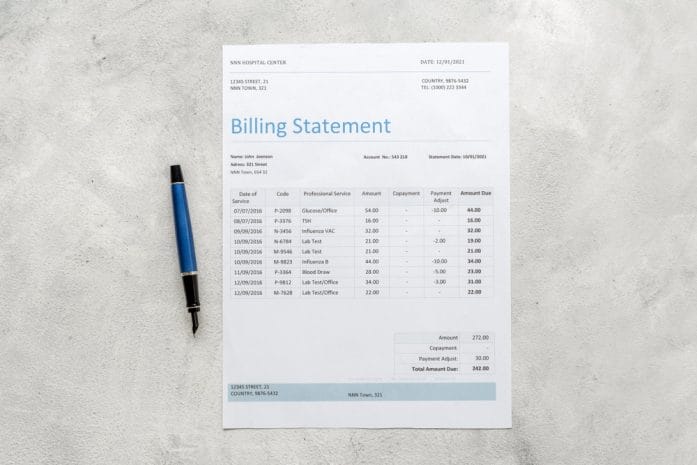
Medical bills have a sneaky way of turning ordinary people into financial thrill-seekers. One minute you’re walking out of the hospital with a prescription and a smile, the next you’re staring at a statement that reads like a foreign language and wondering if you accidentally adopted a small country. It’s not just the outrageous amounts that get people—it’s the subtle mistakes, overlooked paperwork, and billing snafus that can quietly snowball into years of credit damage.

Many people assume that paying something late or disputing a charge is minor, but when medical billing errors hit the credit bureaus, they can haunt you for a decade. Understanding how this happens, and how to fight back, is essential for anyone who wants to keep their financial life intact while navigating the complex world of healthcare.

Why Medical Bills Are Unlike Other Debts

Medical bills are unique because they often come unexpectedly, leaving little time for preparation or negotiation. Unlike a mortgage or car payment, which you plan for in advance, a surprise ER visit or sudden procedure can arrive with costs that rival a small down payment. Mistakes in coding, double-billing, or misapplied insurance payments make it easy to assume you owe more than you actually do. When these errors go unnoticed, they can be reported to credit agencies as delinquent debt, even if you intended to pay the correct amount on time. This is why medical bills require more attention and follow-up than almost any other type of expense.

How A Simple Billing Error Becomes A Credit Nightmare

Even minor errors on a medical bill can escalate quickly if left unchecked. A wrong date, an incorrect patient code, or a missed insurance adjustment can result in the bill being sent to collections. Once in collections, your credit report will show a negative mark, which can linger for up to ten years. Many people only discover this issue when they try to apply for a mortgage, car loan, or even a new credit card. What starts as a small oversight can turn into a decade-long headache that affects almost every area of financial life.

Insurance Confusion Makes Mistakes More Likely

Even when you have insurance, understanding what is covered and what isn’t can be like decoding a secret language. Policies are filled with deductibles, co-pays, out-of-network charges, and confusing terminology that even the most diligent patient can misinterpret. Hospitals and clinics sometimes submit claims incorrectly, leaving patients responsible for balances they should never have owed. Waiting for insurance adjustments without checking the statements can allow incorrect amounts to be reported to collections. Staying on top of every line item and communicating directly with both your insurer and provider is essential to prevent these errors from damaging your credit.

The Collections Trap Is Fast And Relentless

Once a medical bill enters collections, the damage can escalate faster than most people realize. Collection agencies report delinquent accounts to credit bureaus regularly, meaning even a small mistake can have an outsized impact. Unlike other types of debt, you often don’t receive multiple reminders before your account is reported. Many people are caught off guard, believing that “a few weeks late” won’t matter. By the time you discover the issue, the collections mark can already be reflected on your credit report, triggering higher interest rates, loan denials, and stress that lasts for years.

How To Spot And Fix Billing Mistakes Quickly

The key to preventing a decade of credit trouble is vigilance. Review every statement carefully, compare it to your insurance Explanation of Benefits, and verify that each charge is legitimate. If something looks wrong, contact the billing department immediately and request a corrected invoice. Keep meticulous records of every call, email, and response from the provider and insurance company. Prompt action can prevent a billing error from snowballing into a collection account and protect your credit score from unnecessary damage.

Negotiating And Disputing With Confidence

Even when a medical bill is accurate, there’s room for negotiation or dispute. Hospitals and collection agencies often have policies that allow for payment plans, financial assistance, or even reduced balances for prompt resolution. Disputing incorrect charges formally with your insurance or provider can halt collections and remove negative entries from your credit report. Being organized, polite, and persistent can yield better outcomes than you might expect. Taking control early transforms what could be a financial disaster into a manageable situation.

One Medical Bill Mistake That Can Cripple Your Credit for a Decade

Image Source: Pixabay.com

Why Regular Credit Checks Are Critical

Checking your credit report regularly is one of the smartest defenses against long-term damage from medical bills. Errors can appear on your report without your knowledge, sometimes months after the initial mistake. Regular monitoring allows you to spot discrepancies quickly and take action before they affect loan applications or interest rates. Many people delay checking their credit until they need a large loan, by which point errors can be entrenched. Staying proactive helps you correct mistakes before they spiral into decade-long issues.

Protecting Yourself From Future Mistakes

Education and organization are your best allies in preventing medical billing mistakes from ruining your credit. Keep a folder of all bills, insurance statements, and correspondence. Know the key dates for claims, payments, and insurance responses. Develop a habit of reviewing every charge, even small ones, and never assume an error will correct itself. By creating a system for vigilance, you reduce the risk of surprises that can linger for years. Financial peace of mind comes from consistent attention, not hope that everything is fine.

Take Action Before It’s Too Late

Medical bills may seem like just another part of adult life, but one small mistake can ripple through your financial world for a decade. Vigilance, record-keeping, and proactive communication are the keys to keeping your credit safe. Don’t wait until a loan denial or mortgage application shocks you into action—review, dispute, and negotiate before the damage is done. Have you or someone you know experienced a medical billing error that impacted credit? Share your thoughts, stories, or tips in the comments section below—we’d love to hear from you.

You May Also Like…

8 Shocking Costs of Ignoring Small Medical Bills

How Can Medical Bills Wipe Out Savings Faster Than a Market Crash

7 Outrageous Truths About Medical Debt

Could Ignoring Medical Debt Destroy Your Financial Future

Are Your Medical Wishes Legally Enforceable Across State Lines?


Brandon Marcus
Brandon Marcus

Brandon Marcus is a writer who has been sharing the written word since a very young age. His interests include sports, history, pop culture, and so much more. When he isn’t writing, he spends his time jogging, drinking coffee, or attempting to read a long book he may never complete.

Filed Under: Health & Wellness Tagged With: bill mistakes, bills, credit, credit repair, credit report, credit score, debt collection, doctor, doctors, health insurance, hospitals, medical bills, medical debt, medical expenses, spending mistakes

Could Ignoring Insurance Be the Fastest Road to Bankruptcy

September 16, 2025 by Catherine Reed Leave a Comment

Could Ignoring Insurance Be the Fastest Road to Bankruptcy

Image source: 123rf.com

Many people view insurance as just another bill, something that takes money out of their pocket without offering immediate value. It’s easy to think you can get by without it, especially if you’re young, healthy, or careful. But the truth is that ignoring insurance leaves you financially exposed in ways that can destroy your savings overnight. Medical emergencies, accidents, or disasters can strike without warning, leaving you on the hook for costs that easily climb into the tens or hundreds of thousands. For many families, ignoring insurance has been the fastest road to bankruptcy—and it’s a mistake you don’t want to make.

1. Medical Bills Are the Leading Cause of Bankruptcy

Healthcare costs in the United States are notoriously high, and without insurance, even a short hospital stay can ruin your finances. A broken arm, surgery, or extended illness can result in bills that exceed an average household’s yearly income. Health insurance shields you from paying the full price of treatments and medications. Ignoring insurance in this area is particularly risky because you can’t predict when you’ll need it. Many bankruptcies start with an unexpected medical bill that snowballs into financial disaster.

2. Car Accidents Can Cost More Than the Vehicle

Driving without proper auto coverage is a gamble that can backfire quickly. Accidents not only involve repairing or replacing your car but also covering damage to others’ property and medical expenses for injuries. If you’re uninsured, you’re personally responsible for those costs, which could reach tens of thousands of dollars. Ignoring insurance for your vehicle doesn’t just put your car at risk—it puts your financial stability on the line. In many states, it’s also illegal, adding fines and penalties to the mix.

3. Home Disasters Don’t Wait for Savings

Homeowners who skip insurance often assume they’ll deal with repairs as they come. But disasters like fires, floods, or storms can destroy property in a matter of hours. Rebuilding a home or replacing everything inside can cost more than most people have in savings. Ignoring insurance here can force you into debt or even foreclosure. Renters aren’t immune either, since renter’s insurance protects belongings and liability in similar situations.

4. Disability Can Cut Off Your Income Overnight

Most people think about insuring their homes or cars, but they forget to protect their income. If an illness or injury prevents you from working, disability insurance provides the cash flow you need to cover expenses. Without it, you’re relying entirely on savings, which often run out quickly. Ignoring insurance that protects income leaves you vulnerable to losing your financial footing. Many bankruptcies result not from medical bills alone but from the loss of steady income during recovery.

5. Liability Claims Can Be Devastating

Lawsuits are another overlooked financial threat. If someone is injured on your property or blames you for damages, you could face massive legal and settlement costs. Home, auto, and umbrella insurance policies protect you from these risks. Ignoring insurance coverage for liability exposes your assets, savings, and even future earnings. One serious claim can be all it takes to wipe out everything you’ve worked hard to build.

6. Life Insurance Protects Loved Ones from Debt

While life insurance doesn’t protect you directly, it shields your family from financial hardship if something happens to you. Funeral costs, unpaid debts, and ongoing living expenses can overwhelm loved ones without coverage. Ignoring insurance in this area leaves your family scrambling to make ends meet. Life insurance ensures your financial responsibilities don’t become someone else’s burden. It’s an important safeguard many people put off until it’s too late.

7. Small Businesses Face Bigger Risks

Entrepreneurs who forgo business insurance often underestimate the risks they face. Property damage, employee injuries, or lawsuits can all bring a small business to its knees. Ignoring insurance here doesn’t just affect the company—it affects the owner’s personal finances too. Many business owners put personal savings on the line when disaster strikes without coverage. The right policies act as a shield that allows a business to survive setbacks.

Why Insurance Is Worth Every Penny

Ignoring insurance may feel like saving money in the short term, but it’s one of the most dangerous financial decisions you can make. Health emergencies, accidents, and disasters are unpredictable and can cost far more than you could ever prepare for out of pocket. Insurance provides the protection that prevents these events from turning into bankruptcy. By viewing insurance as a safeguard rather than a burden, you set yourself up for long-term financial security.

Have you ever seen someone face financial ruin because they were ignoring insurance? Share your experiences in the comments below.

What to Read Next…

Could Canceling Insurance Be Worse Than Never Having It

Why Do Families Assume Life Insurance Covers Everything

5 Overlooked Costs of Long-Term Care That Shock Families

Could Hidden Medical Fees Be the Biggest Threat to Savings

Why Do So Many Workers Fail to Max Out Employer Benefits

Catherine Reed
Catherine Reed

Catherine is a tech-savvy writer who has focused on the personal finance space for more than eight years. She has a Bachelor’s in Information Technology and enjoys showcasing how tech can simplify everyday personal finance tasks like budgeting, spending tracking, and planning for the future. Additionally, she’s explored the ins and outs of the world of side hustles and loves to share what she’s learned along the way. When she’s not working, you can find her relaxing at home in the Pacific Northwest with her two cats or enjoying a cup of coffee at her neighborhood cafe.

Filed Under: Insurance Tagged With: auto insurance, bankruptcy risks, financial protection, health insurance, ignoring insurance, liability coverage, money mistakes, Personal Finance

Could Hidden Medical Fees Be the Biggest Threat to Savings

September 9, 2025 by Travis Campbell Leave a Comment

medical money

Image source: pexels.com

When you’re planning your finances, you probably think about rent, groceries, retirement, and maybe even a vacation fund. But there’s a sneaky danger that can quietly drain your accounts: hidden medical fees. These unexpected charges can hit anyone, regardless of how carefully they budget. Medical bills can be confusing, full of surprise costs, and often arrive long after you’ve received care. For many families, these fees are not just frustrating—they can threaten long-term savings goals.

It’s easy to assume your insurance will cover most expenses, but that’s not always the case. Even a simple visit to the doctor can result in bills you didn’t anticipate. If you’re not prepared, hidden medical fees can unravel years of careful saving. Let’s break down where these fees come from, how they catch people off guard, and what you can do to protect your savings.

1. Out-of-Network Surprises

One of the most common sources of hidden medical fees is out-of-network providers. You might visit a hospital that’s in your insurance network but later get a bill from an anesthesiologist or lab that isn’t. These out-of-network charges can be hundreds or even thousands of dollars, and they often aren’t obvious until the bill arrives.

Even if you ask about coverage ahead of time, it’s not always clear if every provider involved in your care is covered. This makes medical expenses unpredictable and can seriously impact your savings. Understanding your plan and asking for a list of all providers involved before a procedure can help, but it’s not a guarantee.

2. Unclear Pricing and Billing Codes

Hospitals and clinics often use complex billing codes that make it hard to know what you’re really being charged for. You might receive a bill for a procedure you thought was routine, only to find out that a specific code triggered a higher fee. Sometimes, a simple blood test or scan can carry additional “facility fees” you didn’t expect.

Because pricing isn’t always transparent, it’s easy to get caught off guard. These hidden medical fees can add up quickly, especially if you have a chronic condition or need follow-up care. Always request an itemized bill and review each charge. If something looks off, call the billing department to ask for clarification or corrections.

3. High Deductibles and Copays

Many insurance plans now come with high deductibles and larger copays. This means you pay more out of pocket before your insurance even kicks in. If you’re healthy, you might not notice this cost right away. But one unexpected emergency or surgery can leave you with a hefty bill.

These hidden medical fees often sneak up on people who assume their premiums are buying peace of mind. In reality, you might be responsible for thousands of dollars before your coverage starts. Planning for these potential expenses is key to protecting your savings from sudden medical costs.

4. Prescription Drug Costs

Prescription medications are a major source of hidden medical fees. Even if you have insurance, not all drugs are covered at the same rate. Some medications require a higher copay or aren’t covered at all, leaving you with a big surprise at the pharmacy counter.

Pharmacies sometimes substitute a brand-name drug for a generic, or vice versa, affecting your final cost. Always ask if there’s a cheaper alternative and check with your insurer to see what’s covered. Shopping around at different pharmacies can also reveal significant price differences for the same medication.

5. Emergency Room Visits

The emergency room is notorious for high and unpredictable bills. In a crisis, you don’t have time to check which hospitals are in-network. After treatment, you might get multiple bills from different doctors and departments—many of which could be out-of-network.

Hidden medical fees from emergency care can devastate your savings, especially if you don’t have a financial cushion. Some states have passed laws to limit surprise billing, but gaps remain. If you’re billed unexpectedly, ask about financial assistance programs or payment plans. Don’t ignore these bills—they can go to collections and hurt your credit.

6. Preventive Care Confusion

Many insurance plans advertise “free” preventive care, but there are often catches. For example, a routine screening might be covered, but if your doctor finds something and runs additional tests, those might not be. Suddenly, your free checkup comes with a bill attached.

This fine print can lead to hidden medical fees that chip away at your savings. Always clarify what’s included in preventive services before your appointment. If you’re unsure, call your insurance company for details.

Taking Control of Hidden Medical Fees

Hidden medical fees can quietly undermine even the best savings plan. They’re rarely obvious, often confusing, and can arrive when you least expect them. The good news is, you have options. Start by understanding your insurance plan in detail and keeping records of all medical visits and bills. Don’t hesitate to negotiate charges or ask for payment plans if needed.

Consider building a dedicated health savings fund or looking into a Health Savings Account (HSA) if you qualify. These accounts offer tax benefits and can help buffer the impact of unexpected medical costs. Ultimately, staying proactive and informed is your best defense against hidden medical fees eating away at your savings.

Have you ever been hit with unexpected medical charges? How did you handle it? Share your experience or tips in the comments below!

What to Read Next…

  • Can An Unpaid Medical Bill Really Lead To Property Seizure?
  • What Happens When A Medical Emergency Outpaces Your Emergency Fund?
  • 7 Financial Assumptions That Collapse After One Health Emergency
  • 7 Hidden Fees That Aren’t Labeled As Fees At All
  • Are Retirement Homes Quietly Charging Hidden Admission Fees?
Travis Campbell
Travis Campbell

Travis Campbell is a digital marketer/developer with over 10 years of experience and a writer for over 6 years. He holds a degree in E-commerce and likes to share life advice he’s learned over the years. Travis loves spending time on the golf course or at the gym when he’s not working.

Filed Under: Health & Wellness Tagged With: health insurance, Hidden Fees, medical bills, Personal Finance, savings, unexpected expenses

7 Financial Risks That Appear After Sudden Job Loss

September 9, 2025 by Travis Campbell Leave a Comment

fired

Image source: pexels.com

Losing a job unexpectedly can shake your confidence and disrupt your financial stability. The impact goes far beyond the stress of updating your resume or searching for new work. Sudden job loss often exposes you to a range of financial risks that can quickly spiral out of control if you’re not prepared. Understanding these risks is key to protecting your savings, your credit, and your peace of mind. If you or someone you know is facing unemployment, knowing what to watch out for can help you make smarter decisions and stay afloat during tough times. In this article, we’ll break down the most common financial risks that appear after a sudden job loss and what you can do about them.

1. Rapid Depletion of Emergency Savings

The first and most immediate financial risk after a sudden job loss is burning through your emergency fund. Without a steady paycheck, you’ll need to rely on your savings for basic expenses like rent, groceries, and utilities. If you haven’t built up enough of a cushion, those funds can disappear faster than you expect. Even with careful budgeting, unexpected costs—like car repairs or medical bills—can speed up the process.

This is why experts recommend saving three to six months’ worth of living expenses. If you’re already in a tough spot, it’s important to prioritize essential bills and look for ways to cut non-essentials until your income returns.

2. Loss of Health Insurance Coverage

For many people, health insurance is tied to their job. Losing employment often means losing access to affordable health coverage. This leaves you exposed to major medical expenses if you get sick or injured while unemployed. COBRA coverage is available in some cases, but it can be expensive. Alternatively, you could explore plans through the Health Insurance Marketplace or see if you qualify for Medicaid, depending on your state.

Getting coverage as soon as possible helps prevent a bad situation from getting worse. Medical debt is one of the leading causes of bankruptcy, so protecting yourself here is crucial.

3. Falling Behind on Debt Payments

Sudden job loss makes it harder to keep up with monthly payments on credit cards, loans, or mortgages. Missing payments can lead to late fees, higher interest rates, and serious credit score damage. If you fall far enough behind, you risk foreclosure, repossession, or collections.

If you’re struggling, contact your lenders right away. Many offer hardship programs or temporary relief options. This proactive step can buy you time and help you avoid long-term damage to your finances.

4. Increased Reliance on Credit

When savings run low, it’s tempting to use credit cards or personal loans to cover bills. This can quickly lead to high-interest debt that’s hard to escape. Using credit as a short-term bridge can work if you have a clear plan to pay it back, but without a new income source, balances can balloon out of control.

Try to limit credit use to true emergencies only. Look for community resources, unemployment benefits, or side gigs before turning to high interest borrowing.

5. Disrupted Retirement Savings

Job loss often means pausing or stopping contributions to retirement accounts such as 401(k)s or IRAs. Some people even consider cashing out these accounts to cover immediate expenses. While this might feel necessary, it carries heavy penalties and taxes, and it jeopardizes your long-term financial security.

If possible, leave retirement accounts untouched and focus on other sources of support first. You can always resume saving for retirement once you’re back on your feet.

6. Risk of Housing Instability

One of the most serious financial risks after a sudden job loss is the threat of losing your home. Without income, paying rent or a mortgage becomes a struggle. Landlords and lenders may be willing to work with you temporarily, but ongoing missed payments could lead to eviction or foreclosure.

Reach out to your mortgage company or landlord as soon as you anticipate trouble. Many states and cities also offer emergency housing assistance programs. Acting quickly helps you keep your options open and avoid the stress of sudden moves.

7. Damage to Credit Score

Many financial risks following a sudden job loss, such as missed payments, increased debt, and collections, can lead to a lower credit score. A drop in your credit score affects your ability to rent, buy a car, or qualify for future loans. It can even impact job opportunities in some industries.

Monitoring your credit report and addressing issues early can limit the damage. Free credit reports are available annually from all three major bureaus. If you spot mistakes or fraudulent activity, dispute them right away.

Building Resilience Against Financial Risks After Job Loss

Facing financial risks after a sudden job loss is never easy but knowing what to expect helps you make better choices. Prioritize essential expenses, seek support from community resources, and communicate openly with creditors. Focus on what you can control and take small steps each day to protect your financial future. If you’re preparing for uncertainty, building up your emergency fund and reviewing your insurance coverage can make a big difference.

What steps have you taken to manage financial risks after a sudden job loss? Share your experiences and tips in the comments below!

What to Read Next…

  • 5 Things That Instantly Decrease Your Credit Score By 50 Points
  • 5 Emergency Repairs That Could Force You Into Debt Overnight
  • Are These 6 Helpful Budget Tips Actually Ruining Your Finances?
  • 8 Silent Indicators That A Recession Is Already Underway
  • Why Some Pensions Are Being Recalculated Without Disclosure
Travis Campbell
Travis Campbell

Travis Campbell is a digital marketer/developer with over 10 years of experience and a writer for over 6 years. He holds a degree in E-commerce and likes to share life advice he’s learned over the years. Travis loves spending time on the golf course or at the gym when he’s not working.

Filed Under: Career Advice Tagged With: credit score, emergency fund, financial risks, health insurance, job loss, Retirement, unemployment

Could Canceling Insurance Be Worse Than Never Having It

September 8, 2025 by Travis Campbell Leave a Comment

insurance

Image source: pexels.com

When budgets get tight, insurance premiums often look like easy expenses to cut. Maybe you’ve had coverage for years and never filed a claim. It’s tempting to think, “I can drop this for a while and pick it up again later.” But could canceling insurance be worse than never having it at all? This question matters more than most people realize. Insurance is designed to protect you from big financial shocks, but canceling a policy at the wrong time—or for the wrong reasons—can leave you more exposed than if you’d never bought it. Let’s break down why canceling insurance can sometimes be a bigger risk than simply going without.

1. Lapse in Coverage Can Raise Your Future Premiums

One of the most significant consequences of canceling insurance is that it creates a gap in your coverage history. Many insurers see this as a red flag. If you cancel your auto, health, or home insurance and later try to buy it again, you might face higher premiums. Even a short lapse can indicate to companies that you might be a higher-risk customer, or that you’re trying to avoid paying for coverage only when you need it most.

With the primary SEO keyword “canceling insurance,” it’s important to understand that a break in your policy can follow you for years. In some cases, you may even be denied coverage or have limited options, especially if your circumstances have changed since you first bought the policy.

2. Losing Important Protections at the Worst Time

Insurance is designed to protect you from the unexpected. When you cancel coverage, you lose those protections instantly. If a car accident, house fire, or medical emergency occurs during your lapse, you’re on the hook for every dollar. This can be financially devastating. For example, canceling insurance on your home right before a major storm could leave you with massive repair bills and no safety net.

It’s easy to underestimate the risks, especially if you’ve never had to file a claim. But emergencies don’t wait for your finances to improve or for you to reinstate your policy. The very point of insurance is to be there when you least expect to need it.

3. Pre-Existing Condition Exclusions and Waiting Periods

If you cancel health, life, or disability insurance, you may face new hurdles when you try to get coverage again. Many health and life insurance policies have rules about pre-existing conditions. If you develop a health issue during your uninsured period, your new insurer might exclude it from your policy or charge you much higher rates.

Some types of insurance also have waiting periods before benefits kick in. Canceling insurance and then reapplying later could mean you’re not covered for certain events right away. This is especially critical for people with chronic health problems or older adults who may not qualify for the same rates or coverage as they did before.

4. Impact on Credit and Legal Requirements

Some forms of insurance, like auto or homeowners, may be required by law or by your lender. Canceling insurance can put you in violation of these rules. For example, driving without insurance in most states can lead to fines, license suspension, or even jail time. If you have a mortgage, your lender may force insurance on your property at a much higher cost if you let your own policy lapse.

In some cases, a gap in coverage can even affect your credit. Lenders and insurance companies report lapses, missed payments, or forced policies to credit bureaus. This can make it harder to get loans, rent an apartment, or secure affordable insurance in the future.

5. False Sense of Security from Prior Coverage

There’s a psychological trap that comes with canceling insurance. If you’ve been covered for years, you might feel like you’re still protected for a while, even after you cancel. This false sense of security can lead to risky decisions or a delay in reinstating coverage. Unlike never having insurance, where you know you’re exposed, canceling insurance can lull you into thinking you’re safer than you really are.

It’s also easy to forget about smaller policies—like renters’ or pet insurance—until you need them. That’s when the regret sets in, and by then, it’s too late.

What to Consider Before Canceling Insurance

Before you make the decision to cancel insurance, ask yourself what protections you’re losing and what risks you’re taking on. If you’re struggling with premiums, reach out to your insurer. Many companies offer flexible payment plans, discounts, or adjustments to your coverage that can help you keep some protection in place, even if you need to trim costs.

If you’re thinking about canceling insurance, also consider how it might affect your ability to get future coverage and what it could mean for your financial stability. Sometimes, adjusting your policy—rather than dropping it altogether—is the smarter move.

Have you ever canceled insurance and regretted it? Or do you think going without is worth the risk? Share your experiences and thoughts in the comments below.

What to Read Next…

  • The Insurance You Bought For Legacy Planning Might Expire Before You Do
  • 8 Insurance Riders That Sound Helpful But Add No Value
  • What Insurance Fine Print Could Void Your Entire Claim
  • 7 Insurance Policies That Stop Making Sense After Age 65
  • Why Some Life Insurance Policies Stop Paying Just When You Need Them Most
Travis Campbell
Travis Campbell

Travis Campbell is a digital marketer/developer with over 10 years of experience and a writer for over 6 years. He holds a degree in E-commerce and likes to share life advice he’s learned over the years. Travis loves spending time on the golf course or at the gym when he’s not working.

Filed Under: Insurance Tagged With: auto insurance, health insurance, Insurance, insurance lapse, Personal Finance, Planning, Risk management

Why Do Some People Spend More on Pets Than on Healthcare

September 6, 2025 by Travis Campbell Leave a Comment

pet care

Image source: pexels.com

It might sound surprising, but many people spend more on pets than on healthcare. This trend is growing, and it raises important questions about our priorities and values. As pet ownership climbs, so does spending on food, grooming, toys, and even pet insurance. Meanwhile, some individuals skip doctor visits or delay medical treatments for themselves. Understanding why people make these choices can help us make better financial decisions and reflect on how we balance caring for ourselves with caring for our furry friends. In this article, we’ll explore the reasons behind this phenomenon and what it means for personal finances.

1. Emotional Bonds with Pets

For many pet owners, animals are more than just companions—they are family. The emotional connection people feel with their pets often runs deep. This bond can drive spending decisions, sometimes leading people to prioritize their pets’ comfort or health over their own. The desire to give pets the best possible life can make it easy to justify expenses like premium pet food, regular grooming, or even luxury accessories. When faced with a choice between a pet’s needs and their own healthcare, some individuals simply feel more motivated to spend on their animal companions.

2. Perceived Value and Satisfaction

Spending on pets can often feel more rewarding than spending on healthcare. Buying a new toy or treat for a pet provides immediate joy, both for the animal and the owner. In contrast, healthcare expenses for ourselves can seem like a necessary burden rather than a positive experience. Annual checkups or prescription costs don’t usually spark happiness, but seeing a pet excited about a new bed or healthy after a vet visit can. This difference in perceived value and satisfaction plays a big role in why some people spend more on pets than on healthcare.

3. Rising Costs and Accessibility of Healthcare

Healthcare costs in the U.S. have risen sharply over the last decade. Even with insurance, copays, deductibles, and out-of-pocket costs can be daunting. For those without insurance, a single doctor’s visit or prescription can put a serious dent in their budget. In contrast, many pet-related expenses are more predictable and, in some cases, more affordable. Pet insurance, for example, is often less expensive than human health insurance. This financial reality can lead people to put off their own healthcare needs while continuing to invest in their pets’ well-being.

4. Social Influence and Marketing

Social media has made it easier than ever to see how much others are spending on their pets. Platforms are filled with photos and videos of pampered cats and dogs enjoying the latest toys, treats, or outfits. This exposure can create pressure to keep up, leading to higher spending. Pet brands also use targeted marketing to encourage owners to splurge, emphasizing the importance of premium products. This constant messaging can make it feel normal—or even necessary—to prioritize pet spending, sometimes at the expense of personal healthcare.

5. Avoidance of Personal Healthcare

Some people avoid spending on healthcare due to fear, anxiety, or negative past experiences. Doctor visits can be stressful, and procedures or diagnoses may be overwhelming. In contrast, spending on pets is often associated with positive emotions and outcomes. It’s easier to schedule a dog grooming appointment than a dental cleaning for yourself. For people who struggle with their own health or have a history of medical trauma, spending more on pets than on healthcare can be a form of avoidance.

6. Pet Care as Preventive Action

Many owners view spending on pets as a way to prevent future problems. Regular vet visits, quality food, and preventive treatments can keep animals healthier and avoid costly emergencies down the road. This proactive mindset can make it easier to justify spending money on pets. Ironically, the same logic doesn’t always apply to personal healthcare, where preventive care is often overlooked. By understanding this difference, people can reflect on how to apply a similar preventive approach to their own health and well-being.

7. Lack of Awareness About Healthcare Needs

It’s easy to ignore our own health needs, especially if we feel fine day-to-day. Many minor issues are left untreated until they become serious, partly because symptoms are easy to dismiss. Pets, on the other hand, rely on us to notice changes and take action quickly. This sense of responsibility can prompt immediate spending on pets, while our own needs go unmet. Raising awareness about the importance of regular checkups and self-care could help shift this balance.

Balancing Care for Pets and Ourselves

Spending more on pets than on healthcare reflects deep emotional ties, financial realities, and social influences. While caring for pets is important, so is looking after our own health. It’s possible to strike a balance by budgeting for both, planning ahead, and recognizing when emotions are driving financial decisions. Making informed choices can help ensure that both pets and their owners stay healthy and happy.

How do you prioritize spending between your pets and your own healthcare? Share your thoughts and experiences in the comments below!

What to Read Next…

  • What Happens When a Medical Emergency Outpaces Your Emergency Fund
  • Can an Unpaid Medical Bill Really Lead to Property Seizure?
  • 7 Financial Assumptions That Collapse After One Health Emergency
  • 10 Money Mistakes People Make After Losing a Spouse
  • 5 Financial Habits That Quietly Void Long Term Care Policies
Travis Campbell
Travis Campbell

Travis Campbell is a digital marketer/developer with over 10 years of experience and a writer for over 6 years. He holds a degree in E-commerce and likes to share life advice he’s learned over the years. Travis loves spending time on the golf course or at the gym when he’s not working.

Filed Under: Personal Finance Tagged With: budgeting, Emotional Spending, health insurance, healthcare, Personal Finance, pet spending, pets

Could Skipping Insurance Be the Biggest Money Mistake of All

August 30, 2025 by Travis Campbell Leave a Comment

insurance

Image source: pexels.com

It’s easy to see insurance as just another monthly bill. When you’re trying to save money, those premiums can look like a tempting place to cut costs. But is skipping insurance really a smart way to keep more cash in your pocket? For many people, this decision can be the biggest money mistake of all. Without the right protection, one accident, illness, or disaster can wipe out years of hard work and savings. Let’s break down why skipping insurance is a risk that just isn’t worth taking.

1. The High Cost of Medical Emergencies

Health insurance often feels expensive, especially if you’re healthy. But medical emergencies are unpredictable and can be financially devastating. A single hospital stay or surgery can cost tens of thousands of dollars. If you’re uninsured, you’ll have to pay those bills out of pocket. Skipping insurance might save you money every month, but it exposes you to massive financial risk. Even a short trip to the emergency room can lead to debt that follows you for years. The primary SEO keyword here is “skipping insurance,” and nowhere does it matter more than with your health.

2. Auto Accidents and Liability Woes

Driving without car insurance isn’t just risky—it’s illegal in most states. If you cause an accident, you could be responsible for medical bills, repairs, and even lawsuits. These costs can easily run into the hundreds of thousands. Skipping insurance on your car might seem harmless until the unexpected happens. Not only could you lose your license, but you could also face wage garnishments or have your assets seized. Auto insurance doesn’t just protect your car; it shields your finances from ruin.

3. Home and Renters Insurance: Your Assets at Stake

Whether you own a home or rent an apartment, property insurance protects your belongings and your financial security. Fires, theft, storms, and other disasters don’t give warning. Without insurance, replacing your possessions or repairing your home could drain your savings. For renters, the cost of insurance is usually low, but the protection it offers is huge. Skipping insurance here means risking everything you own. Homeowners, meanwhile, could lose not just their house but their investment and future stability.

4. Life Insurance: Protecting Your Loved Ones

If you have people who depend on you financially, life insurance is essential. It can be uncomfortable to think about, but what would happen to your family if you weren’t there to provide for them? Skipping insurance in this area could leave your loved ones struggling to pay bills, cover funeral expenses, or keep their home. Even a small policy can make a big difference. It’s about making sure your family is secure, no matter what life throws your way.

5. The Ripple Effect of Skipping Insurance

One of the biggest dangers of skipping insurance is the domino effect it can create. An unexpected event—like a car accident, house fire, or major illness—doesn’t just cause a one-time expense. It can lead to lost wages, ruined credit, and years of financial hardship. You might be forced to dip into retirement savings, sell assets, or take on high-interest debt. The stress and uncertainty can affect your health, your relationships, and your long-term goals. Skipping insurance can turn a bad day into a financial disaster with lasting consequences.

6. Insurance as a Foundation for Financial Planning

Insurance isn’t just a safety net—it’s a key part of any solid financial plan. It lets you take risks and build wealth without the fear that everything could be wiped out overnight. When you’re insured, you can invest, start a business, or buy a home with more confidence. Skipping insurance means putting your financial future in jeopardy. It’s hard to move forward when you’re one crisis away from starting over. Including insurance in your budget is an investment in your own peace of mind.

7. Alternatives and the Realities of Self-Insurance

Some people consider “self-insuring” by setting aside money for emergencies instead of buying coverage. While having an emergency fund is smart, most people can’t save enough to cover a major loss. Insurance pools risk across many people, making big expenses manageable. For example, a single broken leg can cost $7,500 or more—far more than most emergency funds can handle. Skipping insurance and relying on savings alone is a gamble that could backfire.

How Skipping Insurance Can Undermine Your Financial Goals

In the end, skipping insurance might seem like a way to save money, but it’s often the biggest money mistake you can make. The costs of not having coverage can be far greater than any premium you’ll pay. Insurance is about protecting what you’ve worked so hard to build, from your health and home to your family and future. It’s not just about avoiding disaster—it’s about creating a stable foundation for everything you want to achieve.

If you’re unsure which types of insurance are right for you, there are many resources available. Take a close look at your needs and make informed decisions—your financial well-being depends on it.

Have you or someone you know ever faced financial trouble from skipping insurance? Share your story or thoughts in the comments below!

What to Read Next…

  • 7 Insurance Policies That Stop Making Sense After Age 65
  • 8 Insurance Riders That Sound Helpful But Add No Value
  • What Insurance Fine Print Could Void Your Entire Claim
  • The Insurance Clause That Could Nullify Your Entire Estate Plan
  • The Insurance You Bought for Legacy Planning Might Expire Before You Do
Travis Campbell
Travis Campbell

Travis Campbell is a digital marketer/developer with over 10 years of experience and a writer for over 6 years. He holds a degree in E-commerce and likes to share life advice he’s learned over the years. Travis loves spending time on the golf course or at the gym when he’s not working.

Filed Under: Insurance Tagged With: auto insurance, health insurance, Insurance, money mistakes, Personal Finance, Planning, Risk management

How Can Medical Bills Wipe Out Savings Faster Than a Market Crash

August 30, 2025 by Travis Campbell Leave a Comment

medical bills

Image source: pexels.com

When people think about major threats to their savings, a market crash is often the first thing that comes to mind. But for many Americans, medical bills can wipe out savings even faster and more unexpectedly. Health emergencies rarely come with warnings, and the resulting expenses can be overwhelming. Unlike market downturns, which may recover over time, medical debt can be immediate, relentless, and deeply personal. Understanding why medical bills pose such a significant financial risk is crucial for anyone who wants to protect their hard-earned savings. Let’s break down the main reasons why medical bills can wipe out savings faster than a market crash.

1. The Sheer Size and Unpredictability of Medical Expenses

Medical bills can be shockingly high, especially for emergencies or serious illnesses. Even with insurance, out-of-pocket costs can soar into the tens or hundreds of thousands of dollars. A sudden diagnosis or accident doesn’t offer the chance to plan or save in advance. Unlike a market crash, which typically unfolds over weeks or months, medical expenses can hit all at once. This unpredictability makes it nearly impossible to prepare adequately, and savings can disappear overnight.

This reality highlights why the keyword “medical bills” is so important: they don’t just threaten your financial stability—they can drain your entire safety net before you have a chance to react.

2. Insurance Doesn’t Always Protect You

Many assume that having health insurance means they’re safe from financial harm. Unfortunately, that’s not always true. High deductibles, copays, coinsurance, and uncovered treatments can add up quickly. Some policies have strict limits or narrow provider networks, leaving patients responsible for a large share of the costs.

Even for common procedures, surprise medical bills can occur when a provider is out-of-network, even if the hospital is in-network. This leaves many families facing bills they never expected. In contrast, during a market crash, your investments may lose value, but you don’t typically owe more money out of pocket.

3. Immediate Payment Demands and Aggressive Collections

Hospitals and medical providers often expect prompt payment. If you can’t pay right away, unpaid medical bills are quickly sent to collections. Aggressive collection tactics can add stress and financial strain, sometimes leading to wage garnishment or legal action.

Unlike financial losses in the stock market, where you may have time to recover, medical debt can become a crisis almost immediately. The speed at which these bills move to collections makes it hard to negotiate or come up with alternative solutions before your savings are depleted.

4. Loss of Income Compounds the Problem

Serious illness or injury doesn’t just bring large medical bills—it can also mean time away from work. If you’re unable to earn income while recovering, you’re forced to rely on your savings for both living expenses and medical costs. This double hit can empty even a well-prepared emergency fund in a matter of months.

Market crashes are stressful, but unless you sell investments at a loss, you still hold the assets. With medical bills, the cash leaves your account, and your ability to replenish it is often compromised at the worst possible time.

5. Interest and Fees Accelerate Debt Growth

Once medical bills are turned over to collections, interest, late fees, and penalties can begin to pile up. This makes the original debt grow much faster, increasing the financial burden. Even small bills can grow into large debts if not addressed quickly.

Market crashes can erode the value of your investments, but they don’t create additional debt. Medical bills, on the other hand, can snowball into an unmanageable financial problem if not resolved promptly.

6. Limited Legal Protections Compared to Investment Losses

There are more safeguards in place to protect investors from catastrophic loss than there are for people facing medical debt. For example, the FDIC protects bank deposits, and there are regulations aimed at reducing market manipulation. But with medical bills, there are few protections. Bankruptcy is often the last resort, and it comes with long-term consequences for your credit and financial future.

This lack of a safety net means that medical bills can wipe out savings with little warning or opportunity for recourse. It’s a risk that’s all too real for millions of Americans.

What You Can Do to Protect Yourself

Understanding how medical bills can wipe out savings faster than a market crash is the first step toward protecting yourself. Start by reviewing your health insurance carefully—know your deductible, out-of-pocket maximum, and what’s covered. Build an emergency fund that accounts for potential medical expenses, not just routine emergencies. Consider supplemental insurance or health savings accounts if they fit your situation.

If you receive a large bill, don’t ignore it. Negotiate with providers, ask for financial assistance, or set up a payment plan.

Medical bills are a unique threat to financial security. By planning ahead and acting quickly when faced with large expenses, you can reduce the risk of having your savings wiped out by unexpected health costs. Have you ever faced a medical bill that threatened your savings? Share your story or tips in the comments below.

What to Read Next…

  • Can an Unpaid Medical Bill Really Lead to Property Seizure?
  • What Happens When a Medical Emergency Outpaces Your Emergency Fund?
  • 5 Emergency Repairs That Could Force You Into Debt Overnight
  • 7 Financial Assumptions That Collapse After One Health Emergency
  • 7 Costs Retirees Refuse to Pay in 2025 and How You Can Follow Their Lead
Travis Campbell
Travis Campbell

Travis Campbell is a digital marketer/developer with over 10 years of experience and a writer for over 6 years. He holds a degree in E-commerce and likes to share life advice he’s learned over the years. Travis loves spending time on the golf course or at the gym when he’s not working.

Filed Under: Health & Wellness Tagged With: debt collection, emergency fund, health insurance, market crash, medical bills, Personal Finance, savings

  • « Previous Page
  • 1
  • 2
  • 3
  • 4
  • Next Page »

FOLLOW US

Search this site:

Recent Posts

  • Can My Savings Account Affect My Financial Aid? by Tamila McDonald
  • 12 Ways Gen X’s Views Clash with Millennials… by Tamila McDonald
  • What Advantages and Disadvantages Are There To… by Jacob Sensiba
  • 10 Tactics for Building an Emergency Fund from Scratch by Vanessa Bermudez
  • Call 911: Go To the Emergency Room Immediately If… by Stephen Kanaval
  • 7 Weird Things You Can Sell Online by Tamila McDonald
  • 10 Scary Facts About DriveTime by Tamila McDonald

Copyright © 2026 · News Pro Theme on Genesis Framework