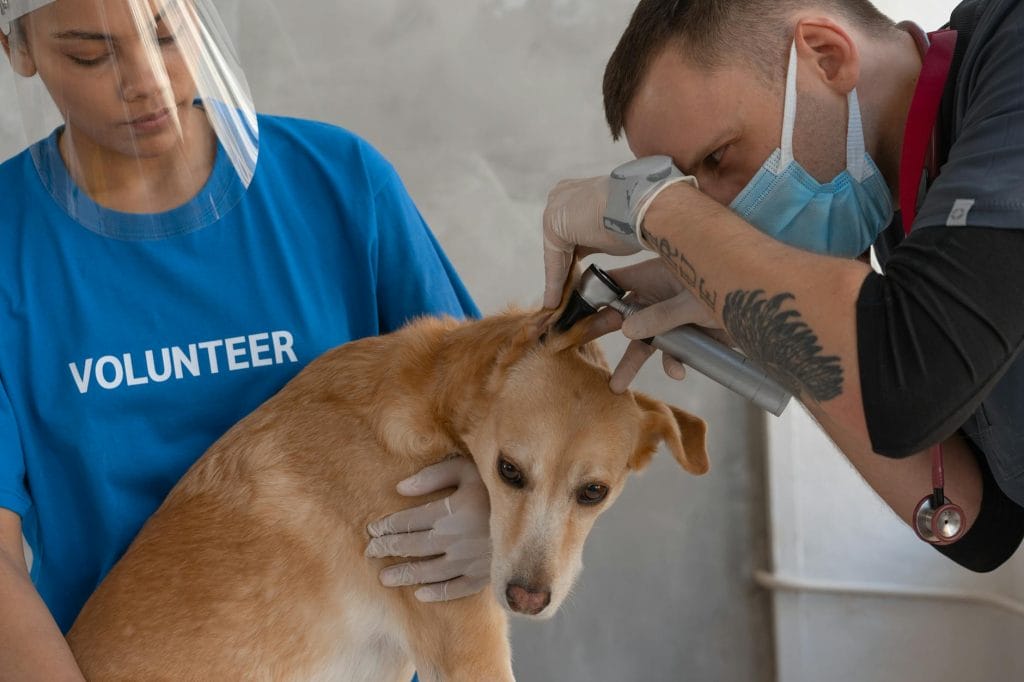
It might sound surprising, but many people spend more on pets than on healthcare. This trend is growing, and it raises important questions about our priorities and values. As pet ownership climbs, so does spending on food, grooming, toys, and even pet insurance. Meanwhile, some individuals skip doctor visits or delay medical treatments for themselves. Understanding why people make these choices can help us make better financial decisions and reflect on how we balance caring for ourselves with caring for our furry friends. In this article, we’ll explore the reasons behind this phenomenon and what it means for personal finances.
1. Emotional Bonds with Pets
For many pet owners, animals are more than just companions—they are family. The emotional connection people feel with their pets often runs deep. This bond can drive spending decisions, sometimes leading people to prioritize their pets’ comfort or health over their own. The desire to give pets the best possible life can make it easy to justify expenses like premium pet food, regular grooming, or even luxury accessories. When faced with a choice between a pet’s needs and their own healthcare, some individuals simply feel more motivated to spend on their animal companions.
2. Perceived Value and Satisfaction
Spending on pets can often feel more rewarding than spending on healthcare. Buying a new toy or treat for a pet provides immediate joy, both for the animal and the owner. In contrast, healthcare expenses for ourselves can seem like a necessary burden rather than a positive experience. Annual checkups or prescription costs don’t usually spark happiness, but seeing a pet excited about a new bed or healthy after a vet visit can. This difference in perceived value and satisfaction plays a big role in why some people spend more on pets than on healthcare.
3. Rising Costs and Accessibility of Healthcare
Healthcare costs in the U.S. have risen sharply over the last decade. Even with insurance, copays, deductibles, and out-of-pocket costs can be daunting. For those without insurance, a single doctor’s visit or prescription can put a serious dent in their budget. In contrast, many pet-related expenses are more predictable and, in some cases, more affordable. Pet insurance, for example, is often less expensive than human health insurance. This financial reality can lead people to put off their own healthcare needs while continuing to invest in their pets’ well-being.
4. Social Influence and Marketing
Social media has made it easier than ever to see how much others are spending on their pets. Platforms are filled with photos and videos of pampered cats and dogs enjoying the latest toys, treats, or outfits. This exposure can create pressure to keep up, leading to higher spending. Pet brands also use targeted marketing to encourage owners to splurge, emphasizing the importance of premium products. This constant messaging can make it feel normal—or even necessary—to prioritize pet spending, sometimes at the expense of personal healthcare.
5. Avoidance of Personal Healthcare
Some people avoid spending on healthcare due to fear, anxiety, or negative past experiences. Doctor visits can be stressful, and procedures or diagnoses may be overwhelming. In contrast, spending on pets is often associated with positive emotions and outcomes. It’s easier to schedule a dog grooming appointment than a dental cleaning for yourself. For people who struggle with their own health or have a history of medical trauma, spending more on pets than on healthcare can be a form of avoidance.
6. Pet Care as Preventive Action
Many owners view spending on pets as a way to prevent future problems. Regular vet visits, quality food, and preventive treatments can keep animals healthier and avoid costly emergencies down the road. This proactive mindset can make it easier to justify spending money on pets. Ironically, the same logic doesn’t always apply to personal healthcare, where preventive care is often overlooked. By understanding this difference, people can reflect on how to apply a similar preventive approach to their own health and well-being.
7. Lack of Awareness About Healthcare Needs
It’s easy to ignore our own health needs, especially if we feel fine day-to-day. Many minor issues are left untreated until they become serious, partly because symptoms are easy to dismiss. Pets, on the other hand, rely on us to notice changes and take action quickly. This sense of responsibility can prompt immediate spending on pets, while our own needs go unmet. Raising awareness about the importance of regular checkups and self-care could help shift this balance.
Balancing Care for Pets and Ourselves
Spending more on pets than on healthcare reflects deep emotional ties, financial realities, and social influences. While caring for pets is important, so is looking after our own health. It’s possible to strike a balance by budgeting for both, planning ahead, and recognizing when emotions are driving financial decisions. Making informed choices can help ensure that both pets and their owners stay healthy and happy.
How do you prioritize spending between your pets and your own healthcare? Share your thoughts and experiences in the comments below!
What to Read Next…
- What Happens When a Medical Emergency Outpaces Your Emergency Fund
- Can an Unpaid Medical Bill Really Lead to Property Seizure?
- 7 Financial Assumptions That Collapse After One Health Emergency
- 10 Money Mistakes People Make After Losing a Spouse
- 5 Financial Habits That Quietly Void Long Term Care Policies

Travis Campbell is a digital marketer/developer with over 10 years of experience and a writer for over 6 years. He holds a degree in E-commerce and likes to share life advice he’s learned over the years. Travis loves spending time on the golf course or at the gym when he’s not working.
.png)
Leave a Reply