
• Home
  • About Us
  • Toolkit
  • Getting Finances Done
    • Hiring Advisors
    • Debt Management
    • Spending Plan
  • Insurance
    • Life Insurance
    • Health Insurance
    • Disability Insurance
    • Homeowners/Renters Insurance
  • Contact Us
  • Privacy Policy
  • Risk Tolerance Quiz

The Free Financial Advisor

You are here: Home / Archives for Financial Tips

8 Insurance Moves That Get Reported Even When You Don’t File a Claim

April 5, 2026 by Brandon Marcus Leave a Comment

8 Insurance Moves That Get Reported Even When You Don’t File a Claim

Image Source: Unsplash.com

Insurance feels like a world of fine print and complicated policies—but here’s a secret: it isn’t always about filing a claim. Even when your car barely scratches a mailbox or your home has a minor mishap you don’t report, insurance companies still notice your moves. Your actions ripple through databases in ways that can affect your premiums, your credit, and even your future insurability. Some people think skipping a claim keeps them invisible. That’s not how it works. The truth is, your insurance record has eyes everywhere, and understanding what triggers reports can save you headaches later.

Before panic sets in, know this: awareness is power. The eight insurance moves on this list don’t just affect policies—they offer a chance to strategize and protect yourself. From inquiries to minor claims that never get submitted, these reports influence how companies perceive risk. Some of these moves happen automatically, while others require nothing more than a signature.

1. When Just Shopping Counts: Rate Quotes and Inquiries

Getting a few insurance quotes might feel harmless, like browsing shoes online, but it leaves a trail. Insurers often log quote requests as “inquiries” through databases like CLUE or ISO. These entries don’t usually drop your coverage, but repeated or simultaneous inquiries can make carriers think you’re high-risk. They see it as potential instability or shopping for better rates after trouble, which may subtly nudge premiums upward.

To navigate this, group your rate quotes within a short window. Auto insurers typically treat multiple inquiries in a 14-30 day span as a single search. That small timing trick prevents your curiosity from turning into a negative signal. Another tip: use the same insurer or their approved partners to compare plans, which can reduce duplicate entries. Smart planning during the quote phase keeps your insurance record cleaner than you might expect. Remember, every little click counts in the eyes of your carrier.

2. Policy Changes That Trigger Attention

Switching deductibles, adding or removing coverage, or updating your address can seem mundane, but insurers report these changes. Adjusting your deductible upward may save money month-to-month but signals a change in risk appetite. Conversely, lowering coverage for cost reasons can indicate financial pressure or shifting priorities. Even adding a teenage driver to a car policy generates a record update that gets logged in industry databases.

Here’s the takeaway: treat policy adjustments strategically. Keep notes on timing, reasons, and effects, especially if you’re juggling multiple policies. It’s also wise to review annual statements carefully to confirm changes are reported accurately. Carriers are meticulous about records, so an error can misrepresent your risk profile if not corrected promptly. Being proactive ensures your actions reflect choice, not accident.

3. Claims You Avoid Still Leave Traces

Skipping a minor fender-bender claim or a small water leak in your home doesn’t always erase the incident from the system. Public or shared databases like CLUE in the U.S. track reported damages, sometimes even if a claim isn’t formally filed. A neighbor’s report, a repair shop note, or police documentation can create an indirect entry. These notes don’t automatically impact your premium but can influence future underwriting decisions.

The smart move is documentation. Keep your own records with dates, photos, and repair estimates. If a claim ever surfaces later, having proof of self-handled repairs or non-reports helps clarify the situation. This strategy shows foresight and responsibility, turning potential negative impressions into evidence of careful management. Ignoring this step may seem easy now but complicates things if you shop for new coverage down the line.

4. Lapses and Gaps: Coverage Interruptions Matter

Letting a policy lapse for even a month is like waving a flag to insurers that you might be riskier than you seem. Companies often report lapses to databases used by other insurers, highlighting interruptions in coverage. This can affect your rates when seeking new insurance, as carriers prefer continuous coverage. Even if no claim occurs, a gap can suggest financial instability or increased risk tolerance.

To avoid penalties, synchronize renewals and consider automatic payments. If a lapse happens, notify your insurer promptly and request proof of reinstatement. Showing that coverage interruptions were accidental or temporary can reduce negative impressions. Planning ahead saves money and protects your reputation in industry reporting systems.

5. Traffic Violations and Accidents: Indirect Reporting

Even if you never file an insurance claim, traffic tickets and accidents show up in records that insurers monitor. Tickets for speeding or reckless driving feed into your risk profile, and accidents—even minor, claim-free ones—can leave traces in police reports or court systems. Insurance companies consult these records when assessing premiums, often seeing violations as risk multipliers.

One practical approach: maintain a clean driving record whenever possible. Defensive driving courses or DMV record monitoring can reduce long-term impacts. If a minor incident occurs, proactively alert your insurer with honest context. Transparency sometimes works better than silence in influencing future rates.

6. Home Improvements and Major Purchases

Large purchases or renovations can get noticed by insurers. Adding a swimming pool, solar panels, or expensive home upgrades might trigger notifications if a local inspection, permit, or appraisal occurs. These updates often get reflected in property insurance reports, even without a claim. The insurer wants to understand risk exposure, so such changes can alter policy pricing or coverage requirements.

Strategically, document everything. Keep receipts, permits, and professional evaluations. Notify your insurer only when necessary, and ask how changes impact risk scoring. Proper planning ensures upgrades don’t unintentionally inflate premiums or create reporting flags. This approach turns a seemingly invisible move into a positive negotiation tool for better coverage.

8 Insurance Moves That Get Reported Even When You Don’t File a Claim

Image Source: Pexels.com

7. Medical Claims That Touch Your Auto or Home Policies

It may sound strange, but medical events can sometimes ripple into property or auto insurance reports. If an injury involves a vehicle accident or an incident on your property, data might cross-reference databases, even if no property claim is filed. The reports usually stay factual, like noting a medical treatment tied to an accident, but insurers consider all relevant risk signals when adjusting policies.

To handle this wisely, coordinate documentation. Keep separate, clear records of personal medical care versus insurance claims. Confirm that property or auto insurers only report what is accurate and necessary. This protects your privacy while keeping reporting transparent. Mismanaged overlaps could complicate coverage decisions in unexpected ways.

8. The Power of Documentation

The most crucial takeaway from these eight moves is the value of keeping meticulous records. Invoices, photographs, permits, and notes aren’t just busywork—they protect against misunderstandings, misreporting, or inaccurate premium hikes. Being proactive gives you leverage when discussing policy adjustments or disputing entries in reporting databases.

By understanding which actions trigger reports and how to document them effectively, it’s possible to navigate the insurance world with confidence. Planning timing, grouping inquiries, and keeping detailed records can prevent small decisions from snowballing into big headaches. Awareness transforms these invisible reports from stressors into tools for smarter coverage management.

Making the System Work for You

Insurance doesn’t have to be a game of blind luck. Even moves that don’t involve claims can leave footprints in databases that affect your premiums, risk perception, and future coverage. Knowing which actions are reported and how to document them properly gives you control over your insurance story. You can be strategic, proactive, and prepared, turning what feels like invisible surveillance into a clear advantage.

Which of these insurance moves has surprised you, or do you have your own strategies for staying savvy? Share your ideas, experiences, and tips in the comments—we’d love to see how people are making the system work for them.

You May Also Like…

Insurance Costs Are Quietly Reshaping Where Americans Can Live — And Some Are Being Priced Out

7 Reasons Your Home Insurance Premium Just Went Up Again

Navigating Coverage: Can You Rely on the Guilty Party’s Insurance If You’re Uninsured?

Missed Insurance Payment? Your Auto Lender May Raise Your Costs Overnight

Why Home Insurance Claims Can Raise Premiums Without Payouts

Brandon Marcus
Brandon Marcus

Brandon Marcus is a writer who has been sharing the written word since a very young age. His interests include sports, history, pop culture, and so much more. When he isn’t writing, he spends his time jogging, drinking coffee, or attempting to read a long book he may never complete.

Filed Under: Insurance Tagged With: auto insurance, claims, coverage, credit, Financial Tips, Home insurance, Insurance, insurance advice, Personal Finance, policy tricks, reporting, Risk management

Online Tax Accounts Are Being Locked After New Security Checks and Filers Are Getting Stuck

April 4, 2026 by Brandon Marcus Leave a Comment

Online Tax Accounts Are Being Locked After New Security Checks and Filers Are Getting Stuck

Image Source: Pexels.com

An online tax account is supposed to be like a fast lane, not a locked door with no key in sight. Yet thousands of filers have hit that exact wall this season, watching their access vanish right when they need it most. The moment feels especially frustrating because it often strikes mid-process, after forms get filled out and documents get uploaded. Suddenly, a system designed for convenience demands more proof, more patience, and more time that many people simply do not have. That tension has turned a routine task into a surprisingly stressful experience.

This situation did not appear out of nowhere, and it does not come from a place of bad intent. Tax authorities and financial platforms have ramped up security checks to fight identity theft and fraud, which continue to rise year after year. Still, that increased protection has created a new kind of bottleneck that slows people down and, in some cases, locks them out completely. When access disappears, refunds get delayed, deadlines feel tighter, and confusion spreads fast.

When Security Gets Serious—and Slams the Door Shut

Stronger security sounds like a win on paper, and in many ways, it absolutely delivers. Agencies have introduced stricter identity verification systems to protect sensitive financial data and prevent fraudulent filings. These systems often include multi-factor authentication, ID uploads, facial recognition checks, and cross-referencing personal data across databases. While those layers build a stronger defense, they also increase the chances of something going wrong during the process. Even a small mismatch in information or a technical hiccup can trigger a lockout.

Filers often run into trouble when systems cannot instantly verify their identity. That situation can happen if a phone number does not match official records, if a credit history check fails, or if a document upload does not meet specific requirements. Once the system flags an issue, it may freeze access until further verification takes place. That pause does not always come with clear instructions, which leaves people stuck in a loop of trying to log back in without understanding what went wrong. The result feels less like security and more like a digital dead end.

Timing makes everything worse because these lockouts often hit during peak filing periods. Systems handle heavy traffic, support lines get overwhelmed, and response times stretch longer than expected. Filers who plan to submit quickly suddenly find themselves waiting days or even weeks to regain access. That delay can push filings closer to deadlines, adding pressure and anxiety to an already tense process. Even those who start early can get caught off guard when verification steps take longer than anticipated.

Why Identity Checks Are Getting Tougher Than Ever

Identity theft has not slowed down, and tax-related fraud remains a major concern for authorities. Criminals use stolen personal information to file fake returns and claim refunds, sometimes before the real taxpayer even starts the process. That ongoing threat has forced agencies to tighten their systems and close any loopholes that fraudsters might exploit. As a result, identity verification now plays a central role in the filing experience, not just a quick step on the way to submission.

Modern verification systems rely on more than just a name and Social Security number. They pull data from financial records, credit bureaus, and government databases to confirm that a person truly matches their identity. Some systems require a live selfie or video check to ensure that a real person stands behind the account. While these tools improve accuracy, they also introduce new points of failure, especially for people with limited credit history or outdated records. When the system cannot confirm a match, it errs on the side of caution and blocks access.

Technology also plays a role in these complications. Not every device handles verification tools smoothly, and outdated browsers or slow internet connections can interrupt the process. A failed upload or a frozen screen can force users to restart, sometimes triggering additional security flags. Even lighting conditions during a facial recognition scan can affect the outcome. These technical quirks may seem minor, but they can make the difference between smooth access and a frustrating lockout.

Getting Locked Out? Here’s How to Fight Your Way Back In

A locked account does not mean the end of the road, but it does require a strategic approach. The first step involves staying calm and avoiding repeated login attempts, which can sometimes make the situation worse. Systems may interpret multiple failed attempts as suspicious activity and extend the lockout period. Taking a step back and reviewing the instructions carefully can save time and prevent further complications. Many platforms provide guidance on what triggered the issue, even if it takes a bit of digging to find it.

Next, gather all necessary documents before attempting to verify identity again. A government-issued ID, recent financial records, and access to a reliable phone number often play key roles in the process. Ensuring that all information matches official records exactly can reduce the chances of another failure. Small discrepancies, like using a nickname instead of a legal name, can create unnecessary problems. Accuracy matters more than speed in this situation.

Reaching out for support can also help, although patience becomes essential. Phone lines and online chat services often experience heavy demand during tax season, so wait times can stretch longer than expected. Trying different contact methods, such as secure messaging or scheduling a callback, can sometimes speed things up. In some cases, in-person verification may offer a faster resolution, especially when digital methods continue to fail. Exploring every available option increases the chances of regaining access sooner rather than later.

Online Tax Accounts Are Being Locked After New Security Checks and Filers Are Getting Stuck

Image Source: Unsplash.com

Smart Moves to Avoid the Lockout Trap Next Time

Preparation can make a huge difference when it comes to avoiding account lockouts. Starting the filing process early gives more time to handle unexpected verification steps without the pressure of looming deadlines. Waiting until the last minute increases the risk of running into issues with limited time to fix them. Early action provides breathing room and reduces stress significantly.

Keeping personal information up to date also plays a critical role. Ensuring that addresses, phone numbers, and financial records match across different platforms can prevent verification mismatches. Regularly checking credit reports and correcting any errors can improve the chances of passing identity checks smoothly. These small maintenance steps may not feel urgent, but they can save a lot of frustration later.

Using a stable internet connection and a compatible device can also improve the experience. Updating browsers, clearing cache, and following the technical guidelines provided by tax platforms can reduce the likelihood of glitches. Choosing a well-lit environment for identity scans and carefully following instructions during uploads can help systems process information more accurately. These simple actions may seem basic, but they can significantly increase success rates during verification.

Security vs. Simplicity—Can Both Win?

Stronger security measures bring undeniable benefits, but they also create new challenges that cannot be ignored. Filers want protection from fraud, yet they also expect smooth, reliable access to their accounts. Finding the balance between these two priorities remains an ongoing challenge for tax authorities and technology providers. As systems evolve, they must address both security risks and user experience to avoid leaving people stuck in the middle.

What strategies have worked for you when dealing with account issues, and what changes would make this process smoother? Share those thoughts, ideas, or experiences in the comments and keep the conversation going.

You May Also Like…

Property Taxes Are Catching Homeowners Off Guard — Especially After Buying or Renovating

Retirement Accounts Are Triggering Unexpected Taxes — What Some Investors Overlook

New Yorkers: Use This 2026 Tax Credit Before the Filing Window Slams Shut

I Moved to a Tax-Free State And Here Are 10 Costs No One Warned Me About

How Utilities Affect Colorado’s Low Property Tax Rate

Brandon Marcus
Brandon Marcus

Brandon Marcus is a writer who has been sharing the written word since a very young age. His interests include sports, history, pop culture, and so much more. When he isn’t writing, he spends his time jogging, drinking coffee, or attempting to read a long book he may never complete.


Filed Under: tax tips Tagged With: cybersecurity, digital identity, filing tips, Financial Tips, fraud prevention, identity verification, IRS security, online tax accounts, refunds delay, tax filing issues, tax season, taxes

Don’t File Yet: The Biggest Tax Mistakes You Might Make In 2026

April 3, 2026 by Brandon Marcus Leave a Comment

Don't File Yet: The Biggest Tax Mistakes You Might Make In 2026

Image Source: Shutterstock.com

Taxes. They sneak up every year like an uninvited relative at the holiday table, and just when you think you’ve got a handle on it, a tiny misstep can cost hundreds or even thousands of dollars. 2026 promises to bring fresh changes to deductions, credits, and reporting requirements, and ignoring them can turn a straightforward filing into a full-blown nightmare. From misreporting income to missing out on deductions, there are plenty of ways to trip up, and the IRS doesn’t exactly send a reminder with a smiley face.

Even if you’re usually confident with numbers, this year is tricky. New rules around digital assets, retirement contributions, and gig work income are confusing a lot of people. Making the wrong claim, filing late, or simply forgetting a crucial piece of paperwork can trigger audits, delays, or penalties. But don’t panic. With the right approach and a little attention to detail, it’s possible to file smartly, legally, and even maximize refunds.

1. Forgetting About Digital Assets

Cryptocurrency has gone mainstream, and so has its impact on taxes. Many taxpayers assume that trading or holding digital currencies is somehow “off the radar,” but the IRS has made it clear that all transactions must be reported. Even small trades, like swapping Bitcoin for Ethereum, count as taxable events. Forgetting to report gains or losses can quickly escalate into fines and penalties. The rules cover sales, exchanges, and even using crypto for purchases. It’s crucial to track cost basis and transaction history carefully, because guesswork won’t fly if the IRS comes knocking.

Additionally, airdrops, staking rewards, and even certain NFTs have tax implications. Many people treat these as collectibles or gifts, but in reality, they often count as income the year they are received. Failing to include them can increase audit risk or reduce your ability to claim deductions later. Using crypto tax software or consulting a tax professional familiar with digital assets can save headaches. Recording every transaction and understanding the tax category—whether capital gains, ordinary income, or business income—is essential for keeping your filing clean and your wallet safe.

2. Miscalculating Retirement Contributions

Contributing to retirement accounts sounds simple: put money into a 401(k) or IRA and get tax benefits. But the limits for 2026 have shifted slightly, and exceeding them can cost serious penalties. For example, the IRS allows a $7,000 contribution for those 50 and older into a traditional or Roth IRA, but going over this cap leads to an excise tax. Overlooking catch-up contributions, employer matches, or combined limits can result in unintended tax hits.

Another common trap involves withdrawing funds too early or misreporting distributions. Early withdrawals from IRAs or 401(k)s usually trigger a 10% penalty on top of the owed income tax. Taxpayers also forget to report rollovers correctly; a direct rollover is fine, but an indirect rollover has a strict 60-day window. Mistakes here can turn what seems like a smart move into a costly misstep. Checking annual IRS notices, maintaining detailed contribution records, and verifying your plan’s limits are easy ways to avoid these pitfalls while maximizing tax benefits.

3. Ignoring Gig Economy Income

Freelancers, side hustlers, and gig workers have exploded in numbers, but tax compliance hasn’t gotten any simpler. Many fail to report all income, thinking small side gigs don’t count. That’s a trap. Every payment, even occasional tips or one-off jobs, counts as taxable income in 2026. Failing to report it can trigger penalties, interest, and audit attention.

Beyond just reporting income, gig workers need to track business expenses carefully. Misclassifying personal expenses as business deductions, or skipping eligible deductions altogether, can be costly. Deductible items include home office expenses, software subscriptions, mileage, and equipment. Staying organized with receipts, digital records, and monthly reconciliations helps prevent mistakes. Quarterly estimated tax payments are also crucial. Waiting until April could lead to a nasty surprise if your side income is significant. Planning ahead keeps your finances predictable and avoids unnecessary stress.

4. Overlooking Education-Related Deductions and Credits

Education credits and deductions get confusing fast. The American Opportunity Credit, Lifetime Learning Credit, and student loan interest deductions each have eligibility rules and income limits that change annually. Misunderstanding them can mean leaving money on the table or accidentally claiming a credit you can’t legally take. For instance, using the Lifetime Learning Credit for a student who already benefited from the American Opportunity Credit for the same year is a mistake many taxpayers make.

Taxpayers often forget about employer-provided educational assistance too. Some tuition reimbursements and training programs are non-taxable if correctly documented. Gathering official forms like 1098-Ts, keeping receipts for qualified expenses, and understanding phase-out thresholds can dramatically reduce errors. The IRS pays close attention to education-related claims, and small mistakes can trigger follow-up notices or audits. Staying organized and double-checking eligibility ensures that every education credit or deduction is claimed correctly, making tax filing less stressful and more rewarding.

Don't File Yet: The Biggest Tax Mistakes You Might Make In 2026

Image Source: Shutterstock.com

5. Neglecting Health Savings Accounts

Health Savings Accounts (HSAs) remain a powerful, underused tool. Contributions are tax-deductible, growth is tax-free, and qualified withdrawals aren’t taxed. Despite this, many filers either over-contribute or fail to report distributions properly. For 2026, HSA contribution limits are $4,150 for individual coverage and $8,300 for family coverage, with an extra $1,000 catch-up for those over 55. Overshooting these limits leads to excise taxes.

Misreporting medical expenses or failing to distinguish between qualified and non-qualified withdrawals can cause extra headaches. Tracking medical costs and HSA spending carefully helps prevent audits and reduces tax liabilities. Using an HSA calculator or consulting your plan provider ensures contributions stay within legal limits while maximizing benefits. Incorporating HSAs into your financial strategy isn’t just smart—it can provide significant savings while covering healthcare costs efficiently.

6. Filing Errors That Can Trigger Audits

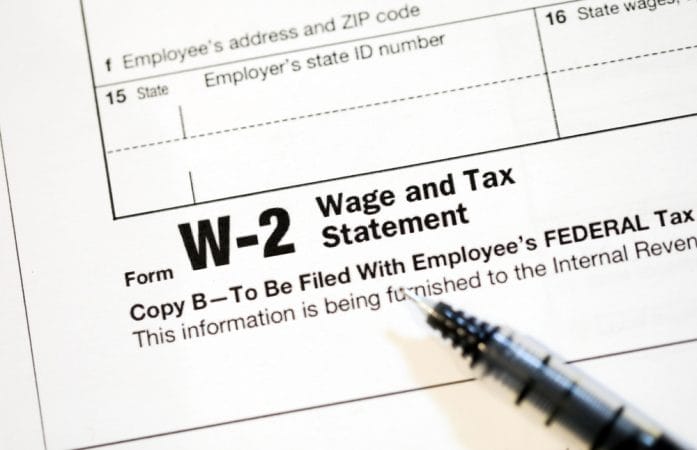
Some mistakes are classic, but still deadly. Math errors, missing signatures, incorrect Social Security numbers, or mismatched employer information trigger automatic IRS notices. Even simple oversights like entering a W-2 figure incorrectly or failing to attach a required schedule can slow your refund or invite scrutiny. 2026 tax forms have slight changes, and assuming you can reuse last year’s filing template often backfires.

Software helps, but double-checking numbers manually is still a wise step. Confirm that all forms are attached, cross-verify totals, and keep backup copies of all submissions. Avoiding rushed filings and allowing extra time for review reduces stress. Filing carefully is not just about avoiding penalties—it’s about peace of mind, ensuring that your return is correct and defensible if the IRS asks questions.

Make 2026 Your Smartest Filing Year

Taxes don’t have to feel like a trapdoor into confusion, fines, and frustration. Paying attention to digital assets, retirement limits, gig income, education deductions, and HSAs makes a world of difference. Careful record-keeping, timely submissions, and staying aware of new IRS rules keep your filing clean and efficient. Avoiding the biggest mistakes isn’t just about following rules—it’s about turning tax season into an opportunity to save money and plan smartly for the year ahead.

What strategies have worked for you in staying on top of taxes? Have you discovered any clever ways to maximize deductions or simplify filing in 2026? Share your insights, stories, or tips in the comments. There’s always something new to learn, and your experience might just help someone else turn tax season from a headache into a victory.

You May Also Like…

Property Taxes Are Catching Homeowners Off Guard — Especially After Buying or Renovating

Refunds Are Being Delayed Over New IRS Identity Flags — Why More Returns Are Getting Pulled

7 Common Deductions That Are Getting More Scrutiny From the IRS

9 Georgia Counties Where Property Taxes Are Set to Rise the Fastest

5 Reasons To Talk To Your Kids About Taxes

Brandon Marcus
Brandon Marcus

Brandon Marcus is a writer who has been sharing the written word since a very young age. His interests include sports, history, pop culture, and so much more. When he isn’t writing, he spends his time jogging, drinking coffee, or attempting to read a long book he may never complete.

Filed Under: tax tips Tagged With: Financial Tips, IRS tips, money management, Personal Finance, tax credits, Tax Deductions, tax filing, tax mistakes, tax planning, tax season, taxes 2026

Credit Card Disputes Are Getting Harder to Win — What Issuers Are Changing

March 28, 2026 by Brandon Marcus Leave a Comment

Credit Card Disputes Are Getting Harder to Win — What Issuers Are Changing

Image Source: Unsplash.com

Have you detected that fighting a credit card chargeback feels more like battling a video game boss than a simple request for justice? That’s not your imagination playing tricks on you. Credit card disputes — aka chargebacks — used to feel like a pretty clear road: you see something wrong, you flag it, and your money gets reversed. But lately, the terrain has shifted, and suddenly it feels like there are more checkpoints, guardrails, and secret boss battles just to get a fair outcome.

Why is that happening? Because the financial world isn’t static. Issuers, card networks, and merchants are tightening up the rules, revamping tech, and demanding deeper proof to stop fraud, streamline processing, and protect businesses — which means you, the cardholder, now has to step up your game too. There’s more data involved, more scrutiny, and more competition between humans and algorithms over what counts as a “valid dispute.”

The Tug‑of‑War Shift: How Dispute Standards Are Tightening

Once upon a time, you could raise a dispute — say it wasn’t your charge, and the bank would tentatively credit your account while they investigated. That provisional credit still exists, but what happens next is changing. Credit card issuers and networks like Visa and Mastercard have poured energy into systems that separate legitimate unauthorized claims from the type of disputes they call “friendly fraud” — where a cardholder claims fraud on a purchase they actually made or simply didn’t recognize. These systems lean on data: shopping behavior, device fingerprints, merchant details, and more. Without that layered evidence, disputes lose steam fast.

Take data sharing between merchants and issuers, for example. Tools like Visa’s Order Insight and card details networks give banks a richer picture of what a purchase really was. That makes it harder to claim ignorance when transaction metadata clearly shows a legitimate order. Issuers are using this real-time invoice and purchase info to preemptively resolve confusion before it even becomes a formal dispute. That’s a neat customer experience upgrade, but it also raises the bar for what counts as a compelling challenge.

On the issuer side, artificial intelligence is now in the mix too. Big players are automating parts of the intake and evidence analysis process to decide disputes faster and more accurately. That’s awesome if your case is rock‑solid — but it also means algorithms are judging evidence quality alongside humans, and sometimes algorithms are less forgiving of inconsistencies or missing documentation.

And let’s not forget the merchant voice in all this. As disputes cost merchants increasingly hefty fees and operational hassle, sellers are fighting back hard against frivolous or poorly supported claims. Investments in stronger fraud detection and data reporting tools help merchants counter disputes more effectively. That in turn puts pressure on issuers to side with merchants when evidence skews that way.

Why Friendly Fraud Is a Game Changer — and a Headache

Let’s talk about one of the stickiest parts of the dispute saga: friendly fraud. That term sounds almost whimsical, but behind it is an ugly reality for issuers and merchants alike. Friendly fraud happens when a cardholder sees a charge on their statement they don’t recognize, disputes it, and claims it wasn’t theirs — even if it actually was. Mobile app purchases, marketplace charges, and third‑party billing descriptors make it all too easy for real purchases to look alien on a statement.

Card networks are responding by saying “hold up” to low‑effort disputes. Mastercard, for instance, expanded programs that help issuers and merchants share detailed transaction context. That’s a win for clarity, but it also raises the evidentiary bar for cardholders who genuinely don’t recognize a charge.

Why does this matter? Because if issuers suspect a dispute is friendly fraud they’re far less likely to grant the dispute without strong corroborating information. It’s no longer enough to say “I didn’t make this charge.” You’ll need timestamps, merchant descriptors that match your records, screenshots, emails, shipping data, and sometimes even device IDs or IP logs if digital purchases are involved. Without that evidence, disputes get denied faster than ever — and issuers won’t always give much explanation beyond “insufficient documentation.”

Friendly fraud also eats into issuers’ risk tolerance. The more disputes flagged that turn out to be bad claims, the more aggressive issuers get about setting higher proof thresholds and leaning on automated systems that escalate risky cases. That’s good for fraud control, but tougher for cardholders who aren’t prepared or who don’t understand exactly what issuers are looking for under the surface.

Cardholders Feeling Stuck and Frustrated

Across online finance communities, people are echoing a shared frustration: disputes feel harder to win, slower, and more opaque. Some long‑time cardholders have noticed that issuers who used to be easier to work with now ask for repeated documentation, push back more frequently, and provide less communication about what the hang‑up actually is. Those sentiment threads aren’t random noise — they’re signals that the dispute ecosystem has changed its expectations.

Instead of clear wins and straight denials, the process can feel like a maze of requirements. This complexity often stems from issuers trying to balance fraud control with customer protection, but it doesn’t always feel balanced on the cardholder’s side. And when disputes drag on for weeks with little transparency, it can leave people feeling like there’s no real recourse at all.

Another layer to the frustration is timing. Different networks and issuers have different windows for responses, and merchant replies — sometimes up to several weeks before an outcome even starts to form. Without clear timelines, cardholders feel left in limbo. Issuers must investigate, and merchants must reply if they choose to contest, but the pace can feel glacial compared to the instant realities of digital life.

Credit Card Disputes Are Getting Harder to Win — What Issuers Are Changing

Image Source: Pexels.com

Winning Isn’t Impossible — But It’s a Different Skill Set Now

Credit card disputes aren’t vanishing, and issuers aren’t trying to deny every claim on principle. But the environment has shifted. With networks investing in data tools, AI analysis, and stronger anti‑fraud programs, the bar for evidence and clarity is higher. That’s good for the overall ecosystem.

For honest cardholders with real disputes, that means stepping up your game. You can still win. But winning now requires a strategy that combines fast action, detailed documentation, and an understanding of what issuers and networks are really evaluating.

Got a tip that turned the tide mid‑process, or a “aha” moment that made everything click when it came to chargebacks? Drop your thoughts and stories in the comments.

You May Also Like…

The Credit Score Range That Gets You 17%–21% APR on Credit Cards Right Now

Retail Store Credit Cards Now Charging 30% APR on Average

Is Your State a Skimmer Hub? The 9 Places Where Credit Card Fraud Is Skyrocketing

7 Reasons Credit Card Limits Drop After Paydowns — Even When You Never Miss a Payment

The Credit Card Balance Growth Slowdown That Signals Financial Stress in 2026

Brandon Marcus
Brandon Marcus

Brandon Marcus is a writer who has been sharing the written word since a very young age. His interests include sports, history, pop culture, and so much more. When he isn’t writing, he spends his time jogging, drinking coffee, or attempting to read a long book he may never complete.

Filed Under: credit cards Tagged With: AI dispute management, chargebacks, consumer finance, credit cards, credit protection, disputes, Financial Tips, fraud, friendly fraud, issuers, Mastercard, Visa

Banks Are Reversing Certain Deposits — Why Some Customers Are Losing Access to Funds

March 27, 2026 by Brandon Marcus 1 Comment

Banks Are Reversing Certain Deposits — Why Some Customers Are Losing Access to Funds

Image Source: Unsplash.com

A deposit should mean one thing: the money is yours. It lands in the account, the balance goes up, and everything moves forward. That expectation feels solid, almost automatic, like flipping a switch and watching the light turn on. So when that same deposit suddenly disappears or gets reversed, it doesn’t just cause confusion—it sparks frustration, stress, and a whole lot of questions. People expect consistency from their banks, not surprise plot twists that hit their balance overnight.

Something important sits beneath those reversals, and it goes far beyond random glitches or rare mistakes. Financial institutions follow strict systems designed to protect against fraud, errors, and risk, but those systems don’t always feel friendly when they freeze or pull back funds. The reality is simple but not always obvious: a deposit showing up in an account doesn’t always mean the money has fully cleared.

When “Available” Doesn’t Mean “Yours”

Banks move fast when it comes to showing deposits, but the actual verification process often takes longer than most people realize. When someone deposits a check or receives a transfer, the bank may make a portion—or even all—of that money available right away. That quick access helps people pay bills, cover expenses, or move money around without waiting days. However, behind the scenes, the bank still needs to confirm that the funds actually exist and that the transaction holds up under scrutiny. That delay creates a temporary window where money looks usable but hasn’t officially cleared the system.

That window matters more than ever, especially as digital banking speeds everything up on the surface. If a check bounces, a transfer fails, or a sending account lacks funds, the receiving bank can reverse the deposit entirely. At that point, the money disappears just as quickly as it arrived, and the account holder ends up stuck dealing with the aftermath. Some people feel blindsided because the funds showed as available, which creates a sense of certainty that doesn’t match reality. Banks don’t always make that distinction obvious, and that gap in understanding causes most of the frustration when reversals happen.

The situation becomes even more complicated when someone spends money tied to a deposit that later gets reversed. That can trigger overdraft fees, declined payments, or a negative balance that snowballs quickly. Banks don’t usually absorb those losses because they treat the reversal as a correction, not a mistake. That means the account holder carries the consequences, even if the original deposit looked legitimate. Understanding that “available” funds still sit in a kind of financial limbo helps explain why these reversals feel so abrupt and disruptive.

The Rise of Fraud and Why Banks Are Hitting the Brakes

Banks don’t reverse deposits for fun—they do it because fraud has become faster, smarter, and more widespread. Scammers have figured out how to exploit the gap between deposit availability and final verification, using fake checks, stolen accounts, or manipulated transfers to create the illusion of real money. They rely on speed, knowing that if someone withdraws or sends funds before the bank catches the issue, the damage sticks. Financial institutions have responded by tightening controls, increasing scrutiny, and acting more aggressively when something looks off.

That shift means more deposits get flagged, delayed, or reversed, even in situations that might seem harmless at first glance. A check from an unfamiliar source, a sudden large transfer, or unusual account activity can all trigger a review. Banks use automated systems to scan for patterns that match known fraud tactics, and those systems don’t always distinguish between a scam and a legitimate transaction right away. When something raises a red flag, the bank steps in quickly, sometimes freezing or reversing funds before the situation fully unfolds.

This heightened vigilance protects the overall system, but it also creates friction for everyday account holders. People who receive legitimate payments may still face delays or reversals simply because the transaction doesn’t fit a typical pattern. That reality forces a new kind of awareness around how money moves, especially when dealing with large sums or unfamiliar sources. Staying cautious about who sends money and how it arrives becomes more important than ever, because the bank’s priority focuses on minimizing risk first and sorting out details later.

Banks Are Reversing Certain Deposits — Why Some Customers Are Losing Access to Funds

Image Source: Shutterstock.com

Common Situations That Trigger Deposit Reversals

Not every reversal comes from fraud, even though that gets most of the attention. Everyday banking situations can also lead to deposits getting pulled back, often without much warning. One of the most common triggers involves checks that bounce due to insufficient funds or closed accounts. Even if the check looked perfectly valid at the time of deposit, the bank can reverse it once the issuing bank rejects the payment. That reversal can happen days after the initial deposit, which makes it feel sudden and unexpected.

Another frequent issue involves ACH transfers, especially when someone disputes a transaction or cancels a payment. Unlike instant transfers, ACH payments can take time to finalize, and they come with built-in reversal rights under certain conditions. If the sender claims an error or unauthorized activity, the bank may reverse the transaction while investigating. That process protects consumers but can leave the recipient temporarily—or permanently—without the funds they thought they had secured.

Errors also play a role, even in highly automated systems. A duplicate deposit, a misrouted transfer, or a processing mistake can all lead to corrections that look like reversals. Banks move quickly to fix those issues, which sometimes means pulling funds back without much notice. While those cases don’t involve wrongdoing, they still create confusion and inconvenience for anyone affected. Recognizing these scenarios helps explain why reversals don’t always signal a problem with the account holder, even though they still require careful attention.

How to Protect Your Money (and Your Sanity)

Avoiding deposit reversals entirely isn’t always possible, but smart habits can reduce the risk and soften the impact when they do happen. Waiting for full clearance before spending large or unfamiliar deposits stands out as one of the most effective strategies. That patience may feel inconvenient, but it prevents a situation where money disappears after it has already been used. Checking with the bank about hold times and clearance policies can also provide clarity, especially when dealing with checks or transfers from new sources.

Verifying the source of any deposit matters just as much as timing. If a payment comes from someone unfamiliar or feels unexpected, taking a moment to confirm its legitimacy can prevent bigger problems later. Scammers often rely on urgency, pushing people to act quickly before questions arise. Slowing things down, asking for details, and avoiding immediate transfers or withdrawals can break that pattern and reduce exposure to fraud. That approach keeps control in the hands of the account holder rather than the scammer.

Keeping a financial cushion in the account also helps absorb the shock of a reversal. Even a small buffer can prevent overdraft fees and declined payments if funds suddenly disappear. Monitoring account activity regularly adds another layer of protection, allowing quick responses to any changes or issues. These habits don’t just reduce risk—they create a sense of control in a system that sometimes feels unpredictable. When banks act fast, having a plan in place makes a noticeable difference.

Stay Sharp, Stay Informed, Stay in Control

Deposit reversals don’t come out of nowhere, even though they can feel that way in the moment. Banks operate within a framework that prioritizes verification, security, and risk management, and that framework doesn’t always line up with everyday expectations. Understanding the difference between available funds and cleared funds changes the way deposits get handled, especially when larger amounts or unfamiliar sources come into play. That awareness turns confusion into strategy, giving people a clearer path through situations that might otherwise feel chaotic.

What’s the most surprising thing you’ve seen happen with a bank deposit, or what strategies have helped you avoid issues like this? Drop your thoughts, experiences, or tips in the comments.

You May Also Like…

Biometric Banking and the Rise of Fraud Concerns in 2026

5 Budgeting Apps That Integrate With Biometric Banking

4 Steps to Take if You Hold More Than $250K in One Bank

Bank Alert: 7 Reasons “Courtesy Credits” Get Taken Back Without Warning

What Happens if Adult Children Control Your Online Banking Credentials

Brandon Marcus
Brandon Marcus

Brandon Marcus is a writer who has been sharing the written word since a very young age. His interests include sports, history, pop culture, and so much more. When he isn’t writing, he spends his time jogging, drinking coffee, or attempting to read a long book he may never complete.

Filed Under: Banking Tagged With: ACH transfers, bank policies, banking, banking news, check deposits, consumer awareness, deposits, financial safety, Financial Tips, fraud prevention, money management, Personal Finance

The IRS Is Flagging More Returns This Year—And One Detail Keeps Triggering Reviews

March 23, 2026 by Brandon Marcus Leave a Comment

The IRS Is Flagging More Returns This Year—And One Detail Keeps Triggering Reviews

Image Source: Shutterstock.com

A tax return can move smoothly from submission to refund, or it can hit a wall that stops everything cold. This year, that wall shows up more often, and one specific detail keeps setting it off. The IRS has increased scrutiny in key areas, and that shift has changed how returns get processed.

That does not mean panic, but it does mean attention matters more than ever. Small inconsistencies that once slipped through now trigger reviews, delays, and sometimes deeper questions. Knowing what catches attention can turn a stressful situation into something completely manageable.

The Detail That Keeps Raising Eyebrows

Income reporting sits at the center of most IRS reviews this year, and mismatches between reported income and official records create the biggest problems. The IRS receives copies of forms like W-2s and 1099s directly from employers, banks, and platforms, so it already knows what numbers should appear on a return. When those numbers do not line up, the system flags the return almost immediately. Gig work and side income have made this issue more common. Many platforms now issue 1099 forms, and even when they do not, income still counts and must be reported. Some people underestimate how closely the IRS tracks this data, especially with digital payment platforms sharing more information than ever before.

A missing form or a slightly incorrect number can trigger a review, even when the mistake feels minor. The system does not interpret intent; it simply detects differences. That means accuracy matters more than rounding or guessing, especially when multiple income streams come into play.

The situation gets more complicated when someone receives several forms from different sources. It becomes easy to overlook one or assume it does not matter, but every piece contributes to the full picture. The IRS compares all of it, and even one missing entry can set off alarms. Double-checking income forms before filing prevents most of these issues. Matching every number exactly to official documents removes the biggest trigger for reviews and keeps the process moving forward.

Why Reviews Feel More Common Right Now

The IRS has stepped up enforcement in recent years, focusing on improving accuracy and closing gaps in reporting. Increased funding and updated technology have given the agency better tools to cross-check information quickly. That means more returns go through deeper verification, even when nothing seems unusual at first glance. Automation plays a huge role in this shift. Computer systems now scan returns for inconsistencies at a level that manual review could never match. That efficiency helps catch errors faster, but it also increases the number of flagged returns overall.

At the same time, the rise of freelance work, online selling, and digital payments has created more complex tax situations. More people now juggle multiple income sources, and that complexity naturally leads to more mistakes. The IRS has responded by paying closer attention to those areas.

Refund fraud prevention has also influenced the process. The IRS takes extra steps to verify certain credits and income claims before issuing refunds. That caution protects the system, but it can also slow things down for legitimate filers. All of these factors combine to create a noticeable increase in reviews. The system has not become unfair, but it has become far less forgiving of small errors.

The IRS Is Flagging More Returns This Year—And One Detail Keeps Triggering Reviews

Image Source: Shutterstock.com

Common Triggers That Go Beyond Income

Income mismatches lead the list, but several other details can also bring a return under review. Tax credits, especially refundable ones like the Earned Income Tax Credit or Child Tax Credit, often receive extra scrutiny. These credits can significantly increase a refund, so the IRS checks eligibility carefully. Filing status can also create problems. Claiming head of household without meeting the requirements or incorrectly listing dependents can raise questions. These details affect tax calculations in a big way, which makes accuracy essential.

Bank account information might seem like a simple entry, but errors there can delay refunds or trigger additional checks. A wrong digit in an account number can create confusion and slow the entire process.

Large deductions compared to income can also stand out. While legitimate deductions are allowed, unusually high amounts may prompt the IRS to take a closer look. Keeping clear records helps support those claims if questions arise. Consistency across the return matters just as much as accuracy. Numbers that do not logically connect, such as expenses that exceed income without explanation, can raise flags. Taking a step back and reviewing the full return before filing can catch these issues early.

Smart Moves That Keep Your Return Out of Trouble

Accuracy starts with organization, and that means gathering every tax document before filing. Waiting until all forms arrive prevents missing information and reduces the chance of errors. This step alone eliminates one of the biggest causes of IRS reviews. Using reliable tax software or a qualified preparer can make a major difference. These tools often catch inconsistencies and prompt for missing details, which helps create a cleaner, more accurate return. They also guide users through complex situations like multiple income streams or tax credits.

Reviewing every entry carefully might feel tedious, but it pays off. Checking numbers against official forms, verifying Social Security numbers, and confirming filing status can prevent delays that last weeks or even months.

Keeping records does not end after filing. Saving copies of forms, receipts, and supporting documents creates a safety net in case the IRS requests verification. Having everything organized makes responding to questions much easier. Filing early can help, but rushing does the opposite. Taking the time to get everything right matters far more than submitting quickly. A well-prepared return moves through the system much more smoothly than one filled with small mistakes.

When a Review Happens, Don’t Panic—Get Precise

A flagged return does not automatically mean an audit or serious trouble. In many cases, the IRS simply needs clarification or correction. Responding quickly and accurately can resolve the issue without major complications. The IRS typically sends a notice explaining what needs attention. Reading that notice carefully provides clear direction on what to fix or verify. Ignoring it or delaying a response can make the situation worse, so action matters.

Providing documentation often solves the problem. Copies of income forms, receipts, or other records can confirm the accuracy of a return and clear up discrepancies. Keeping those documents organized makes this step much easier.

Amended returns offer another path when errors come to light after filing. Correcting mistakes proactively shows good faith and can prevent further issues. It also helps ensure the final numbers reflect the correct information. Staying calm and focused keeps the process manageable. A review might feel intimidating, but most situations resolve with straightforward communication and accurate information.

Get Ahead of the Red Flags Before They Start Flashing

This year has made one thing clear: details matter more than ever when it comes to tax returns. The IRS has sharpened its tools, and small inconsistencies no longer slip by unnoticed. That reality might sound intimidating, but it also creates a clear path forward for anyone willing to pay attention.

Taking control of the process changes everything. Matching income forms exactly, double-checking entries, and keeping solid records can turn a stressful task into a smooth one. That approach does not require expertise, just a bit of focus and care.

What steps have helped avoid tax headaches, and what parts of filing still feel confusing or frustrating? Share those thoughts, strategies, or lessons in the comments and keep the conversation going.

You May Also Like…

Can You Trust AI With Your Taxes and Investments? 8 Risks No One Explains

IRS Changes for Seniors: What’s Actually New on the 1040‑SR for 2026

Handling Your First Car Accident Like a Pro: Tips Every Adult Needs

The IRS Doesn’t Care If You Forgot — Missing Tax Dates Could Cost You Thousands

Avoid These Pitfalls: First-Time Homeownership Mistakes That Can Cost You

Brandon Marcus
Brandon Marcus

Brandon Marcus is a writer who has been sharing the written word since a very young age. His interests include sports, history, pop culture, and so much more. When he isn’t writing, he spends his time jogging, drinking coffee, or attempting to read a long book he may never complete.

Filed Under: tax tips Tagged With: filing taxes, Financial Tips, income reporting, IRS, IRS review, IRS rules, Personal Finance, tax audit, tax filing tips, tax mistakes, tax refund delays, tax return errors

The Retirement Honeymoon Phase — Planning for Years 1 and 2

March 18, 2026 by Brandon Marcus Leave a Comment

The Retirement Honeymoon Phase — Planning for Years 1 and 2

Image Source: Shutterstock.com

The first years of retirement is like stepping onto a new planet where time stretches luxuriously, and every day is yours to shape. Freedom tastes sweet, but without some structure, it can quickly turn into restless wandering or financial uncertainty. Planning for the honeymoon phase—those critical first 24 months—ensures that excitement stays exciting, responsibilities stay manageable, and that newfound liberty doesn’t collapse under its own weight. Understanding the rhythm of early retirement sets a foundation for decades of comfort and satisfaction.

Money and lifestyle intersect immediately after leaving the workforce, and that collision can be thrilling or jarring. Creating a strategy for income, spending, and activities early on prevents missteps that feel more stressful than freedom feels freeing. The first two years aren’t just a transition—they’re a testing ground, an opportunity to learn what brings joy and stability without the safety net of a paycheck.

Mapping Out the First-Year Adventure

The first year of retirement can be like jumping into a pool for the first time—refreshing, overwhelming, and filled with uncertainty. It helps to think of this year as a “test drive” for the lifestyle you want to cultivate. Expenses, schedules, and priorities often look different once the routine of a career ends, and adjusting gradually prevents burnout or regret. Early planning means knowing how much can be spent on travel, hobbies, or social activities while maintaining long-term financial stability. Budgeting should include both predictable costs like mortgage or insurance and flexible costs like leisure activities or unexpected home maintenance. Tracking spending during this period reveals patterns, allowing adjustments without panic or stress.

Activities themselves shape the emotional landscape of early retirement. Engaging in hobbies, volunteering, or even short-term classes keeps the mind sharp and the calendar full, preventing the drift toward boredom that surprises many newly retired individuals. Social networks also matter more than ever—maintaining friendships, family connections, or joining interest groups fills the gap that leaving a workplace often creates. For those who love travel, planning trips in the first year balances adventure with financial prudence, preventing overspending or fatigue. The first year is not a rigid schedule; it’s a sandbox to experiment, discover passions, and shape daily routines that feel purposeful and sustainable.

Budgeting Without the Paycheck

Without a regular paycheck, financial habits suddenly gain new significance, and early oversight can prevent major mistakes. Creating a spending plan that balances essentials, lifestyle choices, and a margin for unexpected costs establishes peace of mind from the start. Many retirees rely on a combination of savings, investments, and Social Security, and knowing exactly how much can be drawn monthly without eroding long-term security is critical. Tracking cash flow in the early stages prevents surprises and allows the freedom to enjoy experiences without anxiety.

Lifestyle inflation can sneak in quickly, even when the budget looks sound on paper. Spending on new hobbies, frequent dining out, or extended trips may feel justified, but a careful eye ensures those choices don’t shorten financial longevity. Setting aside contingency funds for medical expenses or home repairs adds stability, and revisiting the budget quarterly keeps it aligned with changing priorities. The goal isn’t restriction—it’s empowerment, ensuring that money enables adventure and comfort rather than creating hidden stress. Smart budgeting transforms early retirement from a guessing game into a deliberate, enjoyable strategy for long-term happiness.

The Retirement Honeymoon Phase — Planning for Years 1 and 2

Image Source: Shutterstock.com

Travel, Leisure, and the Art of Timing

Travel often tops the bucket list for retirees, but timing, frequency, and budget make all the difference. Planning trips in the first two years requires balancing enthusiasm with practicality. Overcommitting to adventures can drain energy or finances, while undercommitting may feel like a missed opportunity. Strategic planning allows retirees to explore new places while testing physical endurance, emotional satisfaction, and budget alignment. Scheduling trips during off-peak times or closer to home initially can provide satisfying experiences without major financial strain.

Leisure goes beyond travel, extending to hobbies, cultural activities, and self-improvement. The honeymoon phase offers a unique chance to sample different pursuits and determine which ones bring lasting joy. Experimentation matters—painting, golf, dance classes, gardening, or volunteer work may all reveal unexpected satisfaction. Documenting experiences and reflecting on what feels rewarding ensures the lifestyle evolves intentionally rather than randomly. In this way, the first two years become a laboratory for building a rich, balanced, and sustainable retirement routine.

Health and Wellness as Non-Negotiables

Retirement isn’t just about free time; it’s also about maintaining the energy and vitality to enjoy that freedom. Establishing exercise routines, regular medical checkups, and healthy eating habits during the honeymoon phase prevents problems that can accumulate later. Physical health underpins mental health, social activity, and the capacity to engage fully with life. Integrating movement into daily routines—whether walking, yoga, or swimming—supports long-term well-being and energy.

Mental health deserves equal attention. The sudden removal of work structures can create identity challenges or a sense of aimlessness. Pursuing intellectually stimulating activities, fostering social engagement, and even exploring mindfulness or meditation practices helps maintain clarity and satisfaction. The first two years set patterns that influence the next decades, so building routines that balance activity, rest, and reflection protects against burnout or isolation. Prioritizing health early ensures the honeymoon phase isn’t just a fleeting glow—it becomes a sustainable foundation for the future.

Social Dynamics and Lifestyle Balance

Leaving the workforce also changes social dynamics, creating new opportunities and challenges. Building a circle of friends outside of work-related contexts prevents isolation and reinforces emotional satisfaction. Retirement communities, hobby groups, and volunteer networks provide structured environments for connection, while intentional gatherings with family maintain core bonds. Learning to balance alone time with social engagement preserves energy without creating loneliness.

Lifestyle balance also involves learning to say no, managing commitments, and protecting personal time. Without workplace obligations, retirees can overcommit or feel pressure to fill every day with activity. Prioritizing meaningful engagements rather than maximum engagements creates a richer, more fulfilling daily rhythm. The first two years serve as practice for negotiating these choices intentionally, keeping life exciting without tipping into exhaustion or overwhelm.

Protecting the Financial Freedom You Worked For

Planning withdrawals, understanding tax implications, and maintaining investment strategies in the first two years ensures that freedom lasts. Retirees who fail to account for taxes, market fluctuations, or inflation risk undermining decades of careful saving. Consulting financial planners, leveraging tax-efficient withdrawals, and remaining flexible with investment allocations protects the longevity of retirement funds. Awareness and proactive management prevent panic later and allow for confident decision-making.

Emergency funds, insurance coverage, and ongoing financial reviews anchor stability. Small lapses in monitoring spending, taxes, or portfolio performance can compound quickly, so setting monthly or quarterly check-ins provides structure. The financial honeymoon isn’t about restriction—it’s about enjoying money responsibly and confidently, making sure every choice aligns with long-term goals. This approach turns early retirement into a proactive, fulfilling experience rather than a reactive scramble.

Make the Honeymoon Last

Treating the first two years as a deliberate, well-structured exploration maximizes enjoyment, minimizes stress, and sets a sustainable pattern for decades. Financial prudence, intentional social and personal engagement, and health-conscious routines combine to create a retirement that feels like freedom without chaos. Planning during this period ensures that excitement remains genuine and longevity remains secure.

What strategies, experiences, or creative approaches make early retirement feel vibrant, purposeful, and stress-free? Give us your stories or ideas in the comments and inspire others to approach their own retirement adventure with clarity and energy.

You May Also Like…

Think You Need $2 Million to Retire? Think Again (It’s Much Lower)

Starting Retirement Savings at 30 With $0 — Is Catching Up Still Possible?

Is Mississippi the Cheapest Place to Retire?

Running Out of Money in Retirement? 9 Planning Errors Advisors See Every Day

7 Medical Costs That Can Wreck Retirement Even With Solid Savings

Brandon Marcus
Brandon Marcus

Brandon Marcus is a writer who has been sharing the written word since a very young age. His interests include sports, history, pop culture, and so much more. When he isn’t writing, he spends his time jogging, drinking coffee, or attempting to read a long book he may never complete.
Filed Under: Retirement Tagged With: budgeting, Financial Tips, hobbies, Lifestyle, long term planning, Personal Finance, post-retirement, relationships, retirement planning, senior living, travel, wellness

5 Life Events That Should Trigger a Call to Your Financial Advisor

March 8, 2026 by Brandon Marcus Leave a Comment

These Are 5 Life Events That Should Trigger a Call to Your Financial Advisor

Image Source: Shutterstock.com

Big life moments often arrive with excitement, chaos, and a hundred decisions demanding attention all at once. New opportunities open doors, relationships evolve, careers shift direction, and suddenly the financial roadmap that worked yesterday no longer fits the road ahead. Many people wait far too long to involve a financial advisor, even though the right guidance during pivotal moments can shape decades of financial stability.

Money decisions made during major transitions carry long-term consequences, and quick choices often lead to missed opportunities or expensive missteps. A thoughtful conversation with a financial professional during key milestones can bring clarity, structure, and confidence when everything else feels uncertain. Several life events stand out as clear signals that financial guidance should move to the top of the to-do list.

1. A New Job Should Spark a Fresh Financial Game Plan

A job change often feels like a victory lap, but the financial details behind that new title deserve careful attention. A higher salary, stock options, bonuses, or new retirement plans can dramatically shift long-term financial strategy, and those details require more than a quick glance at the benefits packet. A financial advisor can help evaluate retirement plan options, compare employer matches, and determine how much to contribute to workplace accounts. Many professionals also overlook insurance changes or fail to review tax implications that come with compensation packages. Those details matter, especially when a signing bonus or equity compensation enters the picture.

Career transitions also present an ideal moment to reset broader financial goals. A larger paycheck can accelerate debt repayment, boost emergency savings, or fuel long-term investments. Without a plan, lifestyle creep often swallows those raises before they produce real financial progress. A financial advisor can help turn that new income into meaningful momentum.

People who switch careers later in life also face unique retirement considerations. Catch-up contributions, portfolio adjustments, and tax strategies can help maximize the remaining working years. That conversation can transform a simple job change into a powerful financial turning point.

2. Marriage Means Blending More Than Just Households

Marriage combines two lives, two sets of financial habits, and often two very different relationships with money. Some couples jump straight into shared accounts while others keep finances separate, yet both approaches demand careful planning.

A financial advisor can help couples examine income differences, debt levels, savings goals, and investment strategies before those differences create tension. Conversations about budgeting, emergency funds, and retirement plans often feel uncomfortable at first, but they prevent misunderstandings later.

Tax planning also becomes more important after marriage. Filing status changes can affect tax brackets, deductions, and credits, especially when one partner earns significantly more than the other. Strategic planning helps couples avoid surprises during tax season.

Insurance coverage also deserves attention after marriage. Life insurance, health coverage, and disability protection often require updates when two financial lives merge. A financial advisor can help evaluate the right amount of coverage so both partners maintain protection against unexpected events. Couples who tackle financial planning early often develop stronger long-term habits, and those habits build the foundation for future goals like homeownership, family planning, and retirement security.

3. Buying a Home Changes the Financial Landscape

Few purchases carry the financial weight of a home. Mortgage payments, property taxes, maintenance costs, insurance, and interest payments create a complex financial picture that stretches for decades. A financial advisor can help evaluate how a home purchase fits within long-term financial goals. Many buyers focus heavily on the maximum loan amount a lender offers, yet that number rarely reflects a comfortable monthly budget. A thoughtful financial plan can determine what price range actually supports long-term stability.

Homeownership also changes investment strategy for many households. Large down payments can reduce liquidity, which means emergency savings and investment allocations require adjustment. A financial advisor can help balance real estate ownership with diversified investments.

Tax implications also deserve attention. Mortgage interest deductions, property tax considerations, and capital gains rules can influence financial decisions over time. Understanding those details early allows homeowners to plan strategically instead of reacting later.

A home purchase should strengthen financial security, not strain it. With proper guidance, that milestone can build wealth over time rather than create stress.

4. The Arrival of a Child Redefines Financial Priorities

Few life moments carry the emotional impact of welcoming a child, and that excitement often pushes financial planning into the background. Yet that moment marks one of the most important opportunities to build a thoughtful financial strategy. A financial advisor can help new parents review insurance coverage immediately. Life insurance and disability insurance protect a child’s financial future if something unexpected happens. Many families overlook these protections until much later.

Education planning also enters the picture. Rising education costs encourage many families to begin saving early through dedicated education accounts or long-term investment plans. Even modest monthly contributions can grow significantly over time when started early. Childcare costs also demand careful budgeting. Daycare, healthcare, clothing, and everyday expenses can reshape a household budget almost overnight. Financial guidance can help families adjust spending and savings goals without sacrificing long-term stability.

Estate planning also becomes essential once a child enters the picture. Guardianship decisions, wills, and beneficiary designations protect a child’s future and provide clear instructions if tragedy strikes. Those steps provide peace of mind while strengthening the broader financial plan.

These Are 5 Life Events That Should Trigger a Call to Your Financial Advisor

Image Source: Unsplash.com

5. Inheritance or Sudden Wealth Demands Careful Strategy

A financial windfall often sparks excitement, but sudden wealth can create complicated decisions that require thoughtful planning. An inheritance, legal settlement, or large bonus can dramatically shift financial circumstances overnight. Without careful planning, people often spend windfalls quickly or invest impulsively without understanding long-term consequences. A financial advisor can help organize that new wealth into a structured plan that supports long-term goals.

Tax implications often follow large financial gains. Inherited assets, investment sales, or property transfers can create unexpected tax obligations. Professional guidance can help manage those liabilities while preserving as much wealth as possible.

Sudden wealth also creates an opportunity to strengthen long-term financial foundations. Paying down high-interest debt, increasing retirement savings, building diversified investments, and strengthening emergency funds can transform a one-time windfall into lasting financial security.

A clear plan helps ensure that new wealth works as a tool for long-term stability rather than a short-lived financial spike.

Don’t Wait Until Things Feel Complicated

Major life transitions rarely come with clear instructions, yet each one presents a valuable opportunity to strengthen financial stability. Job changes, marriage, homeownership, growing families, and sudden wealth all reshape financial priorities in meaningful ways.

A financial advisor can bring structure to those moments, helping households align their decisions with long-term goals instead of short-term emotions. Financial planning does not simply focus on numbers; it creates clarity during periods when uncertainty dominates daily life.

Major life events will always arrive with excitement, pressure, and big decisions. The question that matters most often comes down to timing: when the next big life moment arrives, will financial planning move to the front of the conversation or remain an afterthought?

What life change pushed financial planning to the top of your priority list? Talk about it in our comments section.

You May Also Like…

The AI Financial Advisor Era: Can You Trust a Bot With Your Savings?

6 Questions You’re Avoiding With Your Financial Advisor

Running Out of Money in Retirement? 9 Planning Errors Advisors See Every Day

10 Things Financial Advisors Didn’t Warn Baby Boomers About That Are Now Costing Them Thousands

Financial Advisor Confession: 7 Things I’m Now Required by Law to Tell My Clients (That I Couldn’t Say in 2025).


Brandon Marcus
Brandon Marcus

Brandon Marcus is a writer who has been sharing the written word since a very young age. His interests include sports, history, pop culture, and so much more. When he isn’t writing, he spends his time jogging, drinking coffee, or attempting to read a long book he may never complete.

Filed Under: Financial Advisor Tagged With: budgeting, financial advisor, financial goals, Financial Tips, investing, life changes, major life events, money planning, Personal Finance, retirement planning, Wealth management

How Paying Off a Loan the Right Way Can Still Lower Your Score — and Why

February 25, 2026 by Brandon Marcus Leave a Comment

How Paying Off a Loan the Right Way Can Still Lower Your Score — and Why

Image Source: Pexels.com

You finally pay off a loan. You celebrate. Maybe you even do a little victory dance in the kitchen because freedom from debt feels like a small victory over adult life itself. Then you check your credit score and feel your stomach twist just a bit. The number dropped. Wait… what? You did everything right, didn’t you?

Paying off a loan can sometimes lower your credit score for a little while, even when you make every payment on time. The story behind this surprise is not about punishment. It is about how credit scoring models measure risk and history, not just good behavior.

When Freedom Feels Like a Score Setback: The Payoff Paradox

Paying off a loan feels like winning a financial marathon, yet credit scoring systems do not celebrate the finish line the same way people do. Credit scores measure how reliably someone manages borrowed money over time. When someone closes a loan account, that account stops contributing to active credit history.

Credit scoring models like the ones used by Experian, Equifax, and TransUnion evaluate multiple signals when calculating risk. One of those signals includes how long accounts stay open and how much total credit someone can access compared to what they actually use.

Closing a loan sometimes reduces total available credit, especially if that loan included a revolving credit line or if the loan was one of the older accounts on a credit profile. Older accounts usually help show stability because they demonstrate long-term responsibility. When someone closes an old account, the average age of credit history may drop slightly, and scoring algorithms sometimes react to that change.

Think of it like a resume. Experience gathered over ten years usually looks stronger than experience gathered over five years, even if the five years contain excellent work. Credit systems work in a similar logic. They reward consistency, history length, and low risk signals.

The Mystery of Credit Mix and Why It Matters More Than You Think

Credit scoring models love variety in borrowing behavior. Having a mix of installment loans, credit cards, and other account types gives scoring systems more confidence about how someone handles different debt structures.

Installment loans, such as personal loans or auto loans, show predictable repayment behavior. Credit cards show how someone manages flexible borrowing. When someone pays off an installment loan and closes it completely, the credit mix becomes slightly simpler.

Someone who only holds one type of credit account sometimes looks less experienced in the eyes of scoring formulas. That does not mean someone should stay in debt just to keep a score high. Nobody needs to pay interest just to entertain a scoring model. Smart financial health always beats artificial score optimization.

People can protect credit mix health by keeping at least one active credit product if it fits their lifestyle. Some individuals keep a low-use credit card open and pay it off every month. That strategy shows activity without carrying costly balances.

How Paying Off a Loan the Right Way Can Still Lower Your Score — and Why

Image Source: Pixabay.com

Old Friends Matter: The Age of Credit History Story

Time behaves like a quiet hero inside credit scoring formulas. The longer someone maintains responsible accounts, the more confidence scoring systems build. The age of credit history includes the average age of open accounts. When someone pays off a loan and closes it, the oldest account sometimes disappears from the calculation. That event can lower average age numbers even if payment behavior stays excellent.

People should not rush to close old accounts right after payoff. Keeping an account open does not require carrying debt. Sometimes it only requires leaving the account in good standing and watching it sit quietly in the background.

For example, imagine someone takes a five-year personal loan and finishes payments exactly on schedule. If that loan is the oldest account, closing it can reduce the historical depth of the credit file. Many scoring systems value long, stable financial stories.

Timing Your Loan Payoff Without Drama

Timing matters more than many people believe when closing accounts. If someone plans to apply for a mortgage, car loan, or other major financing soon, finishing and closing a loan right before the application sometimes causes short-term score movement. Lenders usually look at recent credit behavior, so stability during application windows matters.

Financial advisors often suggest waiting a month or two after loan payoff before applying for new major credit. This waiting period gives credit reports time to update across reporting systems.

People should also verify that the loan shows as “paid in full” rather than “closed with balance” on credit reports. Reporting errors happen more often than many people expect. Checking reports from major credit bureaus helps catch mistakes early.

Smart Moves After You Celebrate Paying Off Debt

Freedom from debt deserves celebration, but smart financial maintenance keeps credit strength steady. First, keep at least one credit account active if possible and comfortable. Use it for small purchases, then pay the balance completely each month. This practice shows responsible revolving credit behavior without carrying interest costs.

Second, avoid closing the newest or oldest accounts immediately after paying loans. Let account history mature a little longer. Third, check credit reports a few times per year. Look for strange entries, incorrect balances, or accounts someone does not recognize. Contact the credit bureau and the lender if something feels wrong.

Fourth, build emergency savings alongside debt payoff victories. Financial security does not come only from scores. Real stability lives in cash buffers and controlled spending. Fifth, remember that credit scores usually bounce back if someone continues responsible behavior. Small dips after loan payoff rarely cause long-term damage.

Why This Drop Is Not a Financial Personality Test

Credit scoring models do not judge character. They do not measure kindness, intelligence, or work ethic. They only measure risk patterns using statistical history. A score drop after loan payoff does not mean someone failed. It means the credit system recalculated risk exposure. Many people see their scores rise again as other positive behaviors accumulate.

Some people actually feel happier seeing fewer debts on their shoulders, even if the score wiggles for a short time. Peace of mind sometimes carries more value than a few numerical points. Financial health feels stronger when debt obligations shrink. Interest payments stop draining income. Monthly budgeting feels lighter. Life choices feel more flexible.

Keeping Your Financial Story Strong After Debt Victory

Paying off a loan the right way means finishing the payment journey while thinking about the next chapter of credit life. Do not rush to close every account immediately. Do not panic if a score moves downward a little after payoff.

Watch the long game. Maintain a healthy mix of credit products if they fit lifestyle goals. Review reports from major credit bureaus periodically. Spend wisely and pay balances fully when possible.

Remember that credit scoring is a tool, not a scoreboard for personal worth. Numbers change because algorithms track behavior patterns over time. Good habits build resilience inside those patterns.

Have you ever paid off a loan and felt surprised when your credit score moved the wrong direction for a bit? What happened next in your financial story? We want to talk about it in our comments below.

You May Also Like…

Doing Everything Right? 7 Ways Your Credit Score Can Still Fall

The Credit Score Range That Gets You 17%–21% APR on Credit Cards Right Now

8 “Harmless” Daily Habits That Are Secretly Wrecking Your Credit Score

Missed Notices, Lost Credits: How Student Loans Are Trapping Borrowers Again

8 Credit Score Secrets That Most Never Hear About

Brandon Marcus
Brandon Marcus

Brandon Marcus is a writer who has been sharing the written word since a very young age. His interests include sports, history, pop culture, and so much more. When he isn’t writing, he spends his time jogging, drinking coffee, or attempting to read a long book he may never complete.

Filed Under: credit score Tagged With: credit bureaus, Credit history, credit report, credit score, Debt Management, Financial Tips, loan closing, loan payoff, Personal Finance, score drop

The Hidden Tax Rules Shrinking Social Security Checks — What Seniors Need to Know

February 20, 2026 by Brandon Marcus Leave a Comment

The Hidden Tax Rules Shrinking Social Security Checks — What Seniors Need to Know

Image Source: Pexels.com

Social Security feels like a fixed number stamped on your monthly statement, a tidy promise you can plan around. But the reality bites a little differently. That check you rely on doesn’t always arrive untouched. Federal taxes can carve away a portion of it, and most people never see it coming until they open their bank account and feel that pinch.

The rules that determine how much of Social Security gets taxed can be confusing, even for the most careful planners. They hinge on income thresholds, filing status, and a calculation that turns your benefits into taxable income in a way that feels counterintuitive. Understanding them isn’t optional if you want to protect what you’ve worked for, because the IRS doesn’t negotiate.

Decoding the “Combined Income” Trap

The IRS doesn’t just look at your Social Security benefits in isolation. Instead, it calculates something called “combined income,” which includes your adjusted gross income, tax-exempt interest, and half of your Social Security benefits. That last piece is where the surprise often hits. Many retirees assume that only wages or retirement account withdrawals count, but even municipal bond interest or rental income can push your combined income over the thresholds.

For singles, if your combined income exceeds $25,000, up to 50% of your Social Security may become taxable. If it exceeds $34,000, that jumps to 85%. Married couples face slightly higher thresholds: $32,000 and $44,000. On paper, those numbers seem reasonable, but in practice, they can turn what you thought was safe, steady income into a tax headache. This structure forces many retirees to juggle income from multiple sources, trying to stay just under the limits, which can feel like a financial balancing act with high stakes.

Retirement Accounts: Friend or Foe?

Retirement accounts add another layer of complexity. Withdrawals from traditional IRAs or 401(k)s count fully toward your adjusted gross income, potentially pushing your combined income into a higher tax bracket for Social Security purposes. That means you might face taxation on benefits that you thought were untouchable. Roth accounts, on the other hand, don’t contribute to combined income, offering a strategic tool to minimize your Social Security tax bite.

The Hidden Tax Rules Shrinking Social Security Checks — What Seniors Need to Know

Image Source: Pexels.com

Strategic planning matters more than ever. For example, delaying IRA withdrawals until after your Social Security starts can reduce immediate taxes. Or, converting some funds to a Roth during lower-income years might feel painful now but can pay off later. Each decision has ripple effects on your monthly benefits, and getting it right can save thousands over the course of retirement.

Consulting a tax professional or financial advisor who understands the interaction between retirement withdrawals and Social Security taxation can make the difference between a comfortable retirement and a month-to-month struggle.

The Impact of Other Income Streams

Social Security taxation isn’t limited to traditional wages or retirement accounts. Many retirees enjoy side income — part-time jobs, consulting, investment dividends, or rental property earnings. Each of these income sources contributes to combined income, potentially increasing the percentage of Social Security that the IRS can tax. It’s easy to underestimate the impact of “little” sources of money, especially when they feel optional or supplemental.

A savvy approach involves mapping out all income sources, even the ones you think are minor. A few hundred dollars in freelance work can nudge you past the taxable threshold. Investment income, particularly capital gains, counts in some cases. Even small adjustments, like holding off on selling a stock until the next tax year, can influence your Social Security tax rate. Being intentional about every dollar entering your accounts matters because the IRS doesn’t ignore what you earn, and small oversights add up over time.

Strategies to Keep More of Your Benefits

Despite the complexity, options exist to protect Social Security checks from excessive taxation. One strategy involves income management. By controlling withdrawals from taxable accounts, sequencing Roth conversions, and planning the timing of dividends or capital gains, you can reduce combined income and keep more of your benefits intact. Another approach involves careful planning of work income if you continue part-time after retirement. Understanding how each source interacts with Social Security taxation can feel like financial chess, but it pays off in the long run.

Additionally, seniors should explore tax credits or deductions that might offset the impact. The standard deduction, charitable contributions, and even certain medical expenses can adjust taxable income downward, indirectly reducing Social Security taxation. Every opportunity counts when the goal is keeping more money in your monthly pocket rather than sending it to Uncle Sam.

Plan Ahead or Pay the Price

The IRS won’t cut you a break just because you’re retired. Social Security taxation is fixed in the code, and once your combined income crosses thresholds, there’s no escaping it. The best defense is preparation. Map out all your income sources, anticipate your withdrawals, and explore strategic timing for Social Security benefits. Even minor adjustments can mean the difference between a comfortable retirement and a check that feels smaller than it should. Ignoring these rules invites unpleasant surprises, and those surprises can be costly over a decade or more of retirement.

Every choice matters — from when you start claiming benefits to how you manage every source of taxable income. While no one can eliminate Social Security taxes entirely, careful planning can minimize the impact. In other words, you can tilt the scales in your favor with foresight and a proactive approach. The difference between a taxed-up benefit and one that stays largely untouched can reach thousands of dollars each year, and that’s real money you can spend on travel, hobbies, or even just peace of mind.

Keeping More of Your Money Feels Better Than Any Bonus

Understanding how Social Security interacts with taxes isn’t glamorous, but it’s powerful. Being proactive, rather than reactive, can preserve more of the income you earned over decades of work. The key lies in awareness, planning, and timely decisions. No one wants to feel like the government is quietly nibbling at their retirement check, and the good news is that you can manage it. By examining every income source, timing your benefits strategically, and using tax-smart withdrawals, you put yourself back in control.

Taxes may shrink your check, but knowledge and preparation expand it again. The better you understand these rules, the more you can avoid unnecessary losses and enjoy your retirement on your own terms.

Which strategy will you tackle first to keep more of your Social Security check? Let’s talk about this vital topic in the comments section.

You May Also Like…

Social Security, 401(k)s, and Market Swings: Why Retirement Feels Riskier Than Ever

Social Security 2026 COLA: Why Your 2.8% Raise Disappeared After Medicare Deductions

Millions of Gig Workers May Be Missing This Key IRS Requirement

The Sunshine State Squeeze: Why Florida Retirees are Seeing Smaller Social Security Checks This Week

Payment Delay Alert: Why Your January Social Security Deposit May Not Hit Your Account Today

Brandon Marcus
Brandon Marcus

Brandon Marcus is a writer who has been sharing the written word since a very young age. His interests include sports, history, pop culture, and so much more. When he isn’t writing, he spends his time jogging, drinking coffee, or attempting to read a long book he may never complete.

Filed Under: tax tips Tagged With: Financial Tips, income planning, IRS rules, retirement income, retirement planning, senior finance, senior money advice, Social Security, tax strategies, taxes

  • « Previous Page
  • 1
  • 2
  • 3
  • 4
  • …
  • 7
  • Next Page »

FOLLOW US

Search this site:

Recent Posts

  • Can My Savings Account Affect My Financial Aid? by Tamila McDonald
  • 12 Ways Gen X’s Views Clash with Millennials… by Tamila McDonald
  • What Advantages and Disadvantages Are There To… by Jacob Sensiba
  • 10 Tactics for Building an Emergency Fund from Scratch by Vanessa Bermudez
  • Call 911: Go To the Emergency Room Immediately If… by Stephen Kanaval
  • 7 Weird Things You Can Sell Online by Tamila McDonald
  • 10 Scary Facts About DriveTime by Tamila McDonald

Copyright © 2026 · News Pro Theme on Genesis Framework