• Home
  • About Us
  • Toolkit
  • Getting Finances Done
    • Hiring Advisors
    • Debt Management
    • Spending Plan
  • Insurance
    • Life Insurance
    • Health Insurance
    • Disability Insurance
    • Homeowners/Renters Insurance
  • Contact Us
  • Privacy Policy
  • Risk Tolerance Quiz

The Free Financial Advisor

You are here: Home / Archives for Debt Management

Why Do People Ignore the Risks of Cosigning Loans

September 27, 2025 by Catherine Reed Leave a Comment

Why Do People Ignore the Risks of Cosigning Loans

Image source: 123rf.com

Cosigning a loan often feels like an act of love or friendship, a way to help someone get approved when their credit history isn’t strong enough. Yet what many people fail to realize is that cosigning ties their financial future directly to someone else’s decisions. The risks of cosigning loans are real, and they can cause lasting damage to your credit, savings, and peace of mind. Despite this, countless individuals agree without fully considering the consequences. So why do people ignore the risks of cosigning loans, and what happens when they do?

1. Emotional Pressure Clouds Judgment

One of the biggest reasons people overlook the risks of cosigning loans is emotional obligation. Parents want to help their children, friends want to support each other, and partners want to build trust. In these moments, the emotional connection outweighs logical financial thinking. Saying “no” feels selfish or uncaring, even if it’s the wisest move. This emotional pressure blinds people to the serious responsibilities they’re taking on.

2. A False Sense of Security in Trust

Trust is a wonderful quality, but it can cause people to underestimate the risks of cosigning loans. Many assume their loved one will make every payment on time because they’re responsible or because they promised. Unfortunately, life happens—job loss, emergencies, or poor money management can derail even the best intentions. Once payments are missed, the cosigner is legally responsible. Trust may be important, but it doesn’t pay the bills when things go wrong.

3. Misunderstanding the Legal Responsibility

Another reason people ignore the risks of cosigning loans is that they don’t fully understand the legal implications. Cosigners often think they’re just vouching for the borrower without realizing they’re equally responsible for the debt. Lenders treat the cosigner and borrower as one and the same when it comes to repayment. This means missed payments hurt both parties’ credit scores, and debt collection efforts target both. Without grasping this reality, cosigners put themselves at unnecessary risk.

4. Optimism Bias Leads to Overconfidence

Many people suffer from optimism bias, believing bad things won’t happen to them. This mindset makes it easy to dismiss the risks of cosigning loans. They convince themselves that the borrower will succeed, the loan will be repaid, and there won’t be any problems. Overconfidence blinds them to warning signs or potential obstacles. Unfortunately, this misplaced optimism often ends in financial disappointment.

5. Lack of Awareness About Credit Impact

People frequently ignore how the risks of cosigning loans extend beyond repayment. The loan appears on the cosigner’s credit report as if it were their own. This increases their debt-to-income ratio, which can hurt their ability to qualify for mortgages, car loans, or even credit cards. Even if the borrower makes every payment, the cosigner’s borrowing power is limited. The subtle but significant impact on credit is often overlooked until it’s too late.

6. Belief That Saying Yes Is Harmless

Cosigning is often treated casually, like signing a recommendation letter instead of a legally binding agreement. This misunderstanding causes people to downplay the risks of cosigning loans. Borrowers may even assure cosigners they’ll “never have to pay a dime.” The problem is that this assumption ignores the very reason lenders require a cosigner in the first place—because the borrower is considered a risk. What feels like a harmless favor can quickly turn into a major financial burden.

7. Overlooking Long-Term Consequences

The risks of cosigning loans extend well beyond the life of the loan. If payments are missed, collections and lawsuits can follow, damaging both finances and relationships. Even if the borrower does repay, the cosigner may be tied up in the loan for years, affecting future financial choices. Long-term consequences are often ignored in favor of short-term thinking. This lack of foresight is one of the most dangerous traps of cosigning.

Helping Without Putting Yourself at Risk

People ignore the risks of cosigning loans because emotions, trust, and misunderstandings cloud their judgment. But saying “yes” isn’t the only way to help someone. Alternatives like offering financial advice, helping improve credit, or lending a smaller sum directly can provide support without risking your entire financial future. Protecting yourself doesn’t mean you don’t care—it means you’re making smart choices that keep everyone safer in the long run.

Have you ever faced the risks of cosigning loans firsthand? Share your experiences and lessons learned in the comments below!

What to Read Next…

  • What Happens When You Trust the Wrong People With Money
  • 6 Times Helping Family Financially Ends in Regret
  • 9 Financial Mistakes People Make in Their 30s That Haunt Them in Their 60s
  • 5 Silent Costs of Ignoring Credit Monitoring
  • Could A Credit Freeze Save You From Financial Ruin
Catherine Reed
Catherine Reed

Catherine is a tech-savvy writer who has focused on the personal finance space for more than eight years. She has a Bachelor’s in Information Technology and enjoys showcasing how tech can simplify everyday personal finance tasks like budgeting, spending tracking, and planning for the future. Additionally, she’s explored the ins and outs of the world of side hustles and loves to share what she’s learned along the way. When she’s not working, you can find her relaxing at home in the Pacific Northwest with her two cats or enjoying a cup of coffee at her neighborhood cafe.

Filed Under: Debt Management Tagged With: borrowing money, credit score, Debt Management, financial advice, loan mistakes, Personal Finance, risks of cosigning loans

Why Do Families Fight More Over Debt Than Assets

September 27, 2025 by Travis Campbell Leave a Comment

family fight

Image source: pexels.com

When families gather to settle an estate, it’s easy to assume that arguments will flare up over who gets the house, the jewelry, or the family business. But in reality, many families find themselves fighting more over debt than assets. This is a critical topic because these disputes can tear families apart and create long-lasting resentment. It’s not just about the money—emotions, misunderstandings, and even family history play a role. Understanding why these conflicts happen can help families avoid unnecessary pain. Let’s break down the main reasons why families clash more over debt than over assets, and what you can do about it.

1. Debt Feels Like a Burden, Not a Benefit

Assets are usually positive—something to gain, keep, or enjoy. Debt, on the other hand, is a responsibility that no one really wants. When an estate includes debt, each family member may worry about how much they’ll have to pay or whether their inheritance will be reduced. This creates stress, anxiety, and sometimes anger. The topic of family debt quickly becomes a source of tension, especially if people feel like they’re being asked to shoulder more than their fair share.

Unlike assets, which can be seen as a reward, debt is often viewed as a punishment. No one wants to be left holding the bag, and finger-pointing often follows. This negative dynamic is why fights over debt can be more intense than arguments over who gets grandma’s china.

2. Debt Distribution Is Often Unclear

When it comes to dividing assets, wills and legal documents tend to spell out the details. But with family debt, the details are often murky. Was the debt incurred for a family emergency? Did one sibling benefit more than another? Is the debt even legitimate?

Questions like these create confusion and suspicion. Without clear instructions, family members may interpret the situation in ways that benefit themselves. Some might argue that certain debts shouldn’t be paid at all, while others insist they must be honored. This uncertainty can quickly turn a calm conversation into a heated debate.

3. Emotional Baggage Complicates the Conversation

Money is rarely just about numbers, especially in families. Old grievances, jealousy, and unresolved issues often bubble up when debt enters the picture. If one person feels they’ve always done more for the family, they may resent taking on additional debt. Others might feel unfairly blamed for past financial decisions.

When a parent passes away and leaves behind debt, siblings may argue about who was closer to the parent or who “should have known” about the financial challenges. These emotional layers can make a rational discussion about debt distribution almost impossible. The result? More fighting over debt than assets.

4. Assets Can Be Sold or Divided—Debt Lingers

Assets offer options. Families can sell a house, split the proceeds, or decide who gets what. Debt, though, doesn’t go away so easily. It often requires ongoing payments or negotiations with creditors. This can prolong the estate settlement process, leading to frustration and further arguments.

In many cases, debt can even outlast the assets. If the estate is “upside down” (meaning there’s more debt than value), family members may face the prospect of paying out of pocket. That can feel unfair, especially if some siblings are in better financial shape than others. The lingering nature of family debt keeps the wounds open longer than a quick division of assets would.

5. Misinformation or Lack of Financial Literacy

Not everyone understands how debt works when someone dies. Some family members may think they’re automatically responsible, while others believe they can just walk away. Myths and half-truths exacerbate this confusion shared online or among relatives.

Without a clear understanding of probate laws and debt responsibility, families may dispute what needs to be paid and by whom. For anyone facing these issues, it’s wise to seek out reliable, up-to-date information.

6. Different Attitudes Toward Debt

Some people view debt as a normal part of life, while others strive to avoid it at all costs. When these attitudes clash within a family, arguments can get personal. One sibling might feel comfortable negotiating with creditors, while another insists that every debt must be paid in full, no matter what.

These philosophical differences often reflect bigger values and life choices. If the person who passed away was a spender, and some family members are savers, the debate over the remaining family debt can reopen old wounds. It’s not just about the money; it’s about how people see the world.

Practical Steps to Reduce Family Debt Fights

The best way to avoid conflict over family debt is to plan ahead and communicate openly. If you’re creating an estate plan, be honest with your family about any debts and how you’d like them handled. Put clear instructions in writing, and update them as needed.

If you’re settling an estate, take time to get all the facts before making decisions. Work together as a team, and don’t be afraid to consult professionals. Open communication and a willingness to listen can prevent small misunderstandings from turning into big fights.

Have you experienced family arguments over debt or assets? What advice would you share with others facing these challenges?

What to Read Next…

  • Why Even Wealthy Families Are Now Fighting Over Heirlooms
  • Why Do Adult Children Fight More Over Jewelry Than Homes
  • Why Your Adult Children Might Fight Over The Family Car
  • How A Poorly Structured Inheritance Triggers Lifetime Resentment
  • 9 Estate Planning Moves That End Up In Heated Probate Cases
Travis Campbell
Travis Campbell

Travis Campbell is a digital marketer/developer with over 10 years of experience and a writer for over 6 years. He holds a degree in E-commerce and likes to share life advice he’s learned over the years. Travis loves spending time on the golf course or at the gym when he’s not working.

Filed Under: Debt Management Tagged With: Debt Management, Estate planning, family conflict, family debt, financial literacy, inheritance disputes

What Happens When You Don’t Read Loan Fine Print

September 26, 2025 by Travis Campbell Leave a Comment

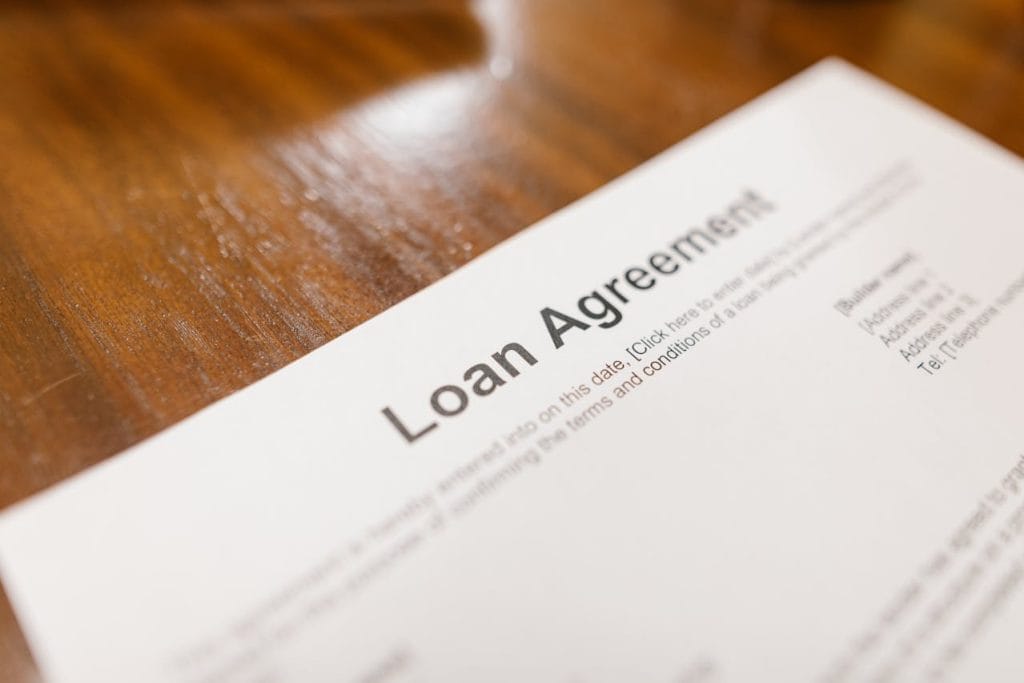
loan agreement

Image source: pexels.com

Taking out a loan can feel like a relief, whether you’re buying a car, paying for college, or covering emergency expenses. But many people skip over the loan fine print, eager to get funds quickly. That’s a risky move. The details buried in those pages can dramatically impact your finances. Ignoring the fine print might lead to unexpected fees, higher payments, or even legal trouble. Understanding what happens when you don’t read loan fine print can save you money, stress, and regret.

1. Hidden Fees and Costs

Loan agreements often include fees that aren’t obvious at first glance. If you don’t read the loan fine print, you might be surprised by origination fees, late payment penalties, or prepayment charges. These extra costs can add up quickly, making your loan more expensive than you planned. Some lenders even charge for things like paper statements or payment processing. Always check the fee schedule before you sign. It’s not just about the interest rate—you need to know the total cost of borrowing.

2. Changing Interest Rates

Many loans come with variable interest rates, but this detail is sometimes buried in the fine print. If you skip reading, you might think your rate is fixed, only to see your payments jump later. That can wreck your budget. When you don’t read the loan fine print, you might miss how and when your rate can change. Look for sections about rate adjustments, index rates, and how often your lender can revise the terms. Even a small increase in your rate can mean hundreds or thousands more over the life of the loan.

3. Unfavorable Repayment Terms

Repayment rules can be tricky. Some loans have short grace periods, while others require large balloon payments at the end. If you don’t read the loan fine print, you might not realize how soon you need to start paying or how much your payments will be. Missing these details can lead to late payments, penalties, or even default. Be clear about your repayment schedule, the amount due each month, and what happens if you pay late. Understanding these terms ahead of time gives you more control over your finances.

4. Tricky Clauses and Traps

Loan documents sometimes include clauses that protect the lender more than you. For example, there might be mandatory arbitration agreements, which limit your ability to sue if there’s a problem. Or there could be cross-default clauses, meaning if you default on one loan, you automatically default on others with the same lender. When you don’t read loan fine print, you may agree to terms you’d never accept if you understood them. Take the time to look for legal jargon, and don’t be afraid to ask for clarification before signing.

5. Credit Score Surprises

Your loan agreement may explain how your payments (or missed payments) are reported to credit bureaus. If you don’t read the loan fine print, you might not realize that even a single late payment could hurt your credit score. Some lenders report late payments after just a few days, while others give you a longer grace period. Understanding this can help you protect your credit and avoid long-term financial consequences. If you’re unsure, ask the lender how they report to credit agencies before you commit.

6. Prepayment Penalties

Paying off a loan early seems like a good thing, but not always. Some lenders charge prepayment penalties if you pay off your balance ahead of schedule. If you don’t read the loan fine print, you might end up paying extra just for being financially responsible. These penalties can eat into any interest savings you hoped to gain by paying off your loan faster. Always check if your loan has a prepayment penalty and how it’s calculated. This is especially important for mortgages and auto loans, where the amounts can be significant.

7. Loss of Collateral

Many loans are secured by collateral, such as your car or home. The fine print spells out what happens if you default. If you don’t read the loan fine print, you might not understand how quickly you could lose your property. Some contracts allow lenders to repossess assets after just one missed payment, with little warning. Protect yourself by knowing exactly what’s at risk and what your rights are if you fall behind.

8. Legal and Collection Risks

Loan agreements usually detail what happens if you break the contract. If you don’t read the loan fine print, you may not see clauses about collections, court costs, or wage garnishment. Some lenders move quickly to collect unpaid debts, hiring collection agencies or taking legal action. This can add major stress and cost to your life. Understanding these consequences before you sign helps you make informed choices and avoid future hassles.

How to Protect Yourself When Borrowing

It’s tempting to rush through paperwork, but reading the loan fine print is essential. Take your time, and don’t hesitate to ask questions if something isn’t clear. Get a copy of the agreement and review it at home, away from pressure. Consider consulting with a trusted advisor or a lawyer if the terms are complex.

Remember, lenders count on borrowers skipping the fine print. Knowing what happens when you don’t read loan fine print gives you the power to avoid surprises and protect your money.

Have you ever been caught off guard by a loan’s fine print? Share your experience or questions in the comments below!

What to Read Next…

  • The Benefits of Taking Personal Loans and Their Impact on Credit Scores
  • 9 Surprising Penalties for Paying Off Loans Too Early
  • 7 Hidden Fees That Aren’t Labeled as Fees at All
  • What Happens When You Co-Sign a Friend’s Loan by Accident
  • What Happens When Your Bank Changes the Terms Without Warning
Travis Campbell
Travis Campbell

Travis Campbell is a digital marketer/developer with over 10 years of experience and a writer for over 6 years. He holds a degree in E-commerce and likes to share life advice he’s learned over the years. Travis loves spending time on the golf course or at the gym when he’s not working.

Filed Under: Debt Management Tagged With: borrowing, credit, Debt, fine print, interest rates, loans, Personal Finance

7 Outrageous Truths About Medical Debt

September 24, 2025 by Travis Campbell Leave a Comment

medical

Image source: pexels.com

Medical debt is a reality many Americans face, but it’s often misunderstood or ignored until it becomes a personal crisis. The impact of medical bills goes far beyond the hospital or doctor’s office, shaping credit scores, family budgets, and even job prospects. For millions, the burden of medical debt isn’t just a financial issue—it’s a daily source of stress and uncertainty. If you think you’re immune, think again: one accident, illness, or unexpected procedure can change everything. Understanding the harsh realities of medical debt is the first step toward protecting yourself and your financial future.

1. Medical Debt Is the Leading Cause of Bankruptcy

Medical debt is the single biggest reason Americans file for personal bankruptcy. Even people with health insurance are not immune. High deductibles, copays, and uncovered treatments can quickly add up, leaving families unable to pay. This isn’t just a statistic—it means real people are losing homes, cars, and savings because of medical bills.

What makes this truth so outrageous is that no one plans to get sick or injured. Yet, a single hospital stay or emergency room visit can wipe out years of careful budgeting. The system is set up so that a medical event, often out of your control, can lead to financial ruin.

2. Your Credit Score Can Suffer for Years

Unpaid medical debt doesn’t just haunt your mailbox—it follows you into almost every aspect of your financial life. Once a bill goes to collections, it can stay on your credit report for up to seven years. This can make it harder to get approved for a mortgage, car loan, or even to rent an apartment.

Even if you eventually pay the bill, the damage is often already done. Lenders see medical debt collections as a sign of risk, even though the original debt came from an unexpected health crisis. The consequences of medical debt can linger long after you’ve moved on from the original health issue.

3. Insurance Doesn’t Always Protect You

Many people assume that having health insurance shields them from medical debt. Unfortunately, that’s not always the case. High deductibles, out-of-network charges, and denied claims can all leave you with substantial bills. Sometimes, you don’t even know what’s covered until after you receive care.

Medical debt can sneak up on insured families, especially when it comes to surprise bills. For example, you might go to an in-network hospital but get treated by an out-of-network specialist without realizing it. Suddenly, you’re on the hook for thousands of dollars you never expected to owe.

4. Medical Bills Are Often Full of Errors

It’s shocking how frequently medical bills contain mistakes. These errors can range from double-billed procedures to charges for services you never received. Hospitals and insurance companies process massive volumes of paperwork, and mistakes slip through all the time.

If you don’t scrutinize your bill, you could end up paying for someone else’s oversight. Always ask for an itemized statement and question anything that doesn’t make sense. In some cases, challenging a bill can reduce your medical debt or eliminate it entirely.

5. Medical Debt Can Affect Your Job Prospects

Many employers check credit reports as part of the hiring process. If you have medical debt in collections, it could hurt your chances of landing a job—especially in fields like finance, government, or management. This creates a vicious cycle: you can’t pay off your debt without a good job, but your debt makes it harder to get hired.

This is one of the lesser-known ways medical debt can impact your life. It’s not just about paying bills—it’s about your ability to move forward professionally and personally.

6. Help Is Out There—But It’s Hard to Find

Some resources can help manage or even reduce medical debt, but they aren’t always easy to access. Nonprofit organizations, hospital financial assistance programs, and negotiation services exist, but many people don’t know about them or how to use them.

Hospitals are required to offer payment plans and sometimes even discounts, but you often have to ask—and be persistent. The process can be overwhelming, especially when you’re already dealing with health issues.

7. Medical Debt Hits Some Communities Harder

Not all Americans face the same risk when it comes to medical debt. Lower-income families, people without insurance, and communities of color are much more likely to end up with unmanageable medical bills. Rural areas, where access to care is limited and travel costs are higher, are also at greater risk.

This isn’t just a personal problem—it’s a systemic issue. The way medical debt is distributed reflects deeper inequalities in healthcare access and financial stability. Understanding this truth is key to advocating for fairer solutions.

Taking Control of Your Medical Debt Story

Medical debt isn’t just a line item on a budget—it’s a challenge that can affect every part of your life. Knowing these outrageous truths about medical debt gives you the power to ask better questions, negotiate bills, and seek help before the situation spirals out of control. There’s no shame in struggling with medical bills; what matters is how you respond and what steps you take next.

Medical debt may be a formidable opponent, but it doesn’t have to control your financial future.

Have you or someone you know struggled with medical debt? What steps helped you manage or overcome it? Share your experience in the comments below.

What to Read Next…

  • Can An Unpaid Medical Bill Really Lead To Property Seizure?
  • 5 Emergency Repairs That Could Force You Into Debt Overnight
  • 7 Financial Assumptions That Collapse After One Health Emergency
  • What Happens When A Medical Emergency Outpaces Your Emergency Fund
  • 5 Invisible Service Charges Eating Into Your Bank Balance
Travis Campbell
Travis Campbell

Travis Campbell is a digital marketer/developer with over 10 years of experience and a writer for over 6 years. He holds a degree in E-commerce and likes to share life advice he’s learned over the years. Travis loves spending time on the golf course or at the gym when he’s not working.

Filed Under: Debt Management Tagged With: bankruptcy, bill negotiation, credit score, healthcare costs, medical debt, Personal Finance

Why Do Families Rely on Payday Loans in Emergencies

September 24, 2025 by Travis Campbell Leave a Comment

payday loan

Image source: pexels.com

When a sudden crisis hits, many families find themselves scrambling to cover unexpected expenses. Medical bills, urgent car repairs, or even a missed paycheck can quickly become overwhelming. In these moments, families often turn to payday loans as a quick fix. While payday loans are controversial, their use in emergencies is a reality for many households. Understanding why families rely on payday loans in emergencies can help shed light on the financial pressures people face and the limited options available to them.

1. Immediate Access to Cash

The main reason families rely on payday loans in emergencies is the speed with which they can access money. Traditional loans from banks or credit unions often involve lengthy applications, credit checks, and waiting periods. When time is of the essence—like when the car breaks down or a utility bill is due—families need money fast. Payday lenders offer same-day cash, sometimes within minutes of approval. This instant access can make all the difference during an emergency, especially when other sources are unavailable.

2. Few Alternatives for Bad Credit

Many families who use payday loans in emergencies have poor or limited credit histories. Banks and credit card companies may deny them loans or lines of credit, leaving few alternatives. Payday lenders typically do not require a strong credit score, making their services more accessible to those with financial struggles. For families with bad credit or no credit, payday loans can seem like the only realistic option when they need emergency funds.

3. Unpredictable Expenses and Inconsistent Income

Emergencies rarely happen at convenient times. For families living paycheck to paycheck or with variable income, even a small surprise expense can cause major stress. Gig workers, seasonal employees, and those with unpredictable schedules may not always have money set aside for emergencies. When a crisis arises, payday loans can provide a quick financial cushion. Even though the costs are high, the alternative—missing rent, losing a job due to lack of transportation, or facing a utility shutoff—can feel even worse.

4. Lack of Savings or Emergency Funds

Building an emergency fund is a challenge for many families. Rising costs of living, stagnant wages, and regular bills can make it difficult to save. Without a financial safety net, families are more vulnerable when something goes wrong. Payday loans step in to fill this gap, providing a short-term solution to immediate problems. Even though most financial advisors recommend against them, the lack of savings often leaves families feeling like they have no choice.

5. Ease and Simplicity of the Payday Loan Process

Another reason families rely on payday loans in emergencies is the straightforward application process. Most payday lenders require only basic identification, proof of income, and a bank account. There’s minimal paperwork, and no lengthy interviews or complicated forms. For someone dealing with stress or urgency, this simplicity can be very appealing. It’s often easier than asking family or friends for help or navigating government assistance programs.

6. Limited Awareness of Other Options

Many families are not aware of alternatives to payday loans, especially during stressful emergencies. Nonprofit organizations, local charities, and community banks may offer small-dollar loans or emergency grants, but these options are not always well-publicized. Financial education is not universal, and people may not know where to turn. Payday lenders often advertise aggressively, making their services top-of-mind when cash is needed fast. This lack of awareness can keep families stuck in a cycle of high-cost borrowing.

7. Perceived Control and Privacy

For some, payday loans offer a sense of control and privacy. Borrowing from friends or family can feel embarrassing or come with strings attached. Applying for government assistance may involve long waits and complicated paperwork. Payday lenders, on the other hand, allow families to handle emergencies on their own terms. The transaction is often discreet, with little judgment or questioning. While this independence comes at a high financial cost, it can be a powerful motivator for people in distress.

Facing the Realities of Payday Loan Use in Emergencies

Payday loans in emergencies are a symptom of deeper financial challenges that many families face. Limited access to affordable credit, lack of savings, and unpredictable expenses create a landscape where payday loans become the “least bad” option. While they provide immediate relief, the high fees and interest can trap families in a cycle of debt. Exploring safer alternatives, like local credit unions or nonprofit lenders, is important, but these options may not always be available or accessible when time is short.

Building an emergency fund, even a small one, can also help reduce the need for high cost borrowing in the future. Financial education and community support are key to helping families break free from reliance on payday loans in emergencies.

Have you or someone you know used payday loans in emergencies? What alternatives do you think could help families avoid them? Share your thoughts in the comments below.

What to Read Next…

  • The Benefits of Taking Personal Loans and Their Impact on Credit Scores
  • 5 Emergency Repairs That Could Force You into Debt Overnight
  • Why Some People Feel Rich but Can’t Afford a $400 Emergency
  • Are Budgeting Apps Designed to Push You into Debt?
  • 7 Financial Assumptions That Collapse After One Health Emergency
Travis Campbell
Travis Campbell

Travis Campbell is a digital marketer/developer with over 10 years of experience and a writer for over 6 years. He holds a degree in E-commerce and likes to share life advice he’s learned over the years. Travis loves spending time on the golf course or at the gym when he’s not working.

Filed Under: Debt Management Tagged With: alternatives to payday loans, bad credit, emergency expenses, family finances, financial stress, payday loans

These Debts First: 5 Debts You Should Always Pay Off First

September 23, 2025 by Catherine Reed Leave a Comment

These Debts First: 5 Debts You Should Always Pay Off First

Image source: 123rf.com

Not all debt is created equal, and knowing which bills to tackle first can make the difference between financial freedom and years of stress. While it may feel overwhelming when multiple balances pile up, the truth is that some obligations are far more urgent than others. Prioritizing the right debts not only saves you money but also protects your credit and peace of mind. By understanding the debts you should always pay off first, you can create a clear strategy and avoid costly mistakes. Here are five types of debt that should go straight to the top of your list.

1. High-Interest Credit Card Debt

One of the debts you should always pay off first is high-interest credit card debt. With rates often exceeding 20 percent, this type of debt grows faster than most people realize. Carrying a balance month after month leads to spiraling payments that eat away at your income. Tackling these balances early frees up cash for savings and investments. The faster you clear high-interest cards, the sooner you stop bleeding money into interest charges.

2. Payday Loans and Predatory Lending

Payday loans are another category of debts you should always pay off first. Known for sky-high interest rates and unfair repayment terms, these loans trap borrowers in cycles of debt. Missing a payment can trigger additional fees that double or triple what you owe. If you’re stuck with one of these loans, prioritize repayment before focusing on lower-cost obligations. Eliminating payday loans quickly removes one of the most dangerous financial burdens.

3. Tax Debt Owed to the IRS

Owing money to the IRS is one of the debts you should always pay off first because the government has powerful collection tools. Ignoring tax debt can lead to wage garnishments, frozen bank accounts, or even property liens. Interest and penalties also increase the longer the balance sits unpaid. Addressing tax obligations head-on avoids legal troubles and escalating costs. If you can’t pay in full, arranging a payment plan with the IRS is a smarter move than ignoring the debt.

4. Mortgage or Rent Obligations

Housing-related payments are also debts you should always pay off first. Falling behind on rent can result in eviction, while missed mortgage payments may lead to foreclosure. Keeping a roof over your head is more important than paying off other, less urgent debts. Without stable housing, managing the rest of your finances becomes nearly impossible. Protecting your home should always be a top priority.

5. Auto Loans Needed for Transportation

If your car is essential for work, your auto loan should be considered one of the debts you should always pay off first. Falling behind can lead to repossession, which not only damages your credit but also makes it harder to earn income. Without reliable transportation, everything from job security to family responsibilities becomes more difficult. Even if the loan carries a lower interest rate, the importance of your vehicle makes it critical. Protecting access to transportation supports financial stability in the long run.

Building a Smarter Repayment Plan

While all debts eventually need to be addressed, focusing on the debts you should always pay off first keeps you financially secure. Tackling high-interest balances, predatory loans, and essential obligations like housing and transportation ensures that you protect your foundation while reducing unnecessary costs. Once the urgent debts are handled, you can move on to lower-interest loans and long-term repayment strategies. The goal is not just to eliminate debt but to create a healthier financial future.

Which debts do you think should be tackled first, and why? Share your thoughts in the comments below.

What to Read Next…

6 Financial Risks That Appear After Moving in With Someone

9 Hidden Costs of Switching Banks Nobody Warns You About

5 Sneaky Financial Costs of Cosigning a Loan

5 Silent Costs of Ignoring Credit Monitoring

Could Owning Too Many Credit Cards Destroy Your Score

Catherine Reed
Catherine Reed

Catherine is a tech-savvy writer who has focused on the personal finance space for more than eight years. She has a Bachelor’s in Information Technology and enjoys showcasing how tech can simplify everyday personal finance tasks like budgeting, spending tracking, and planning for the future. Additionally, she’s explored the ins and outs of the world of side hustles and loves to share what she’s learned along the way. When she’s not working, you can find her relaxing at home in the Pacific Northwest with her two cats or enjoying a cup of coffee at her neighborhood cafe.

Filed Under: Debt Management Tagged With: Credit card debt, debt repayment, debts you should always pay off first, mortgage payments, payday loans, Planning, tax debt

8 Outrageous Truths About Student Loan Repayments

September 22, 2025 by Travis Campbell Leave a Comment

college

Image source: pexels.com

Student loan repayments have become a defining financial challenge for millions of Americans. Whether you’re a recent graduate or have been out of school for years, the reality of paying off student debt can shape your budget, lifestyle, and future plans. With costs rising and policies changing, it’s easy to feel overwhelmed or confused by the options. Understanding the real facts about student loan repayments is not just important—it’s essential if you want to make smart decisions and avoid costly mistakes. Let’s look at eight outrageous truths about student loan repayments that every borrower should know.

1. Interest Can Snowball Fast

One of the most shocking truths about student loan repayments is how quickly interest can pile up. If you have unsubsidized federal loans or private loans, interest may start accruing as soon as the funds are disbursed. This means that by the time your grace period ends, you could owe more than you originally borrowed. Over the life of the loan, unchecked interest can add thousands to your balance, making it much harder to pay off your debt. Keeping an eye on how your loan accrues interest—and paying it off early, if possible—can save you a significant amount.

2. Repayment Plans Are Not One-Size-Fits-All

Many borrowers assume there’s only one way to pay back their student loans, but that’s far from true. Federal student loans come with several repayment plan options, including Standard, Graduated, Extended, and various income-driven plans. Each plan has its pros and cons, and the right choice depends on your income, career path, and financial goals. Choosing the wrong plan could cost you more in the long run, so it’s worth reviewing all your options carefully.

3. Refinancing Isn’t Always the Magic Solution

Refinancing is often marketed as a quick fix for high-interest student loans, but it’s not always the best move. Refinancing federal loans with a private lender means you lose access to federal protections, such as income-driven repayment and loan forgiveness programs. While a lower interest rate can help, not everyone qualifies, and some offers come with hidden fees. Before you refinance, weigh the benefits against the risks. Sometimes, sticking with your original loan terms is the safer bet, especially if you anticipate needing flexible repayment options in the future.

4. Missed Payments Can Haunt You for Years

Falling behind on student loan repayments can have long-lasting consequences. Missed payments can damage your credit score, making it harder to qualify for credit cards, car loans, or mortgages. If you default, your entire loan balance becomes due immediately, and your wages could be garnished. Federal loans offer options like deferment and forbearance, but these should be used sparingly, as interest often continues to accrue. Staying on top of your payments is critical for your financial health.

5. Loan Forgiveness Isn’t a Guarantee

Public Service Loan Forgiveness (PSLF) and other forgiveness programs promise relief after years of payments, but the path isn’t easy. Many borrowers have been denied forgiveness due to paperwork errors, employment ineligibility for the program, or missed qualifying payments. It’s essential to read the fine print and submit annual employment certification forms if you’re pursuing PSLF. Even then, forgiveness isn’t guaranteed.

6. Income-Driven Repayment Can Mean Paying More Over Time

Income-driven repayment plans can lower your monthly payments by stretching them out over 20 or 25 years. While this provides relief in the short term, it often means you’ll pay more in interest over the life of the loan. Some borrowers are surprised to find they owe more after years of steady payments. If you’re considering an income-driven plan, run the numbers to see the total cost. Student loan repayments under these plans can be helpful, but they’re not always the cheapest option in the long run.

7. Your Loans Don’t Disappear in Bankruptcy (Usually)

Unlike most other types of debt, student loans are notoriously difficult to discharge in bankruptcy. Courts require borrowers to prove “undue hardship,” a high legal standard that few meet. This means that, for most people, student loan repayments remain a lifelong obligation unless paid off or forgiven through official programs. While some recent legal changes have made it slightly easier, bankruptcy is still not a reliable escape route for student debt.

8. Cosigners Are on the Hook Too

If someone cosigned your private student loan, they’re just as responsible for the debt as you are. Missed payments or default will hurt their credit score and could lead to collection actions against them. Many families don’t realize that cosigning is a serious financial commitment. If you have a cosigner, keep them informed about your repayment status and explore options to release them from the loan if possible.

Taking Control of Your Student Loan Repayments

Facing the reality of student loan repayments can feel overwhelming, but knowing the facts puts you in control. By understanding how interest works, exploring repayment plans, and avoiding common pitfalls, you can make smarter choices and protect your finances. Don’t let myths or wishful thinking guide your strategy—get informed, stay organized, and take action to pay down your debt.

What has surprised you most about student loan repayments? Share your experience in the comments below!

What to Read Next…

  • Why Are So Many Seniors Being Sued Over Student Loans They Didn’t Take Out?
  • The Benefits of Taking Personal Loans and Their Impact on Credit Scores
  • 9 Surprising Penalties for Paying Off Loans Too Early
  • What Happens When You Co-Sign a Friend’s Loan by Accident?
  • 5 Things That Instantly Decrease Your Credit Score by 50 Points
Travis Campbell
Travis Campbell

Travis Campbell is a digital marketer/developer with over 10 years of experience and a writer for over 6 years. He holds a degree in E-commerce and likes to share life advice he’s learned over the years. Travis loves spending time on the golf course or at the gym when he’s not working.

Filed Under: Debt Management Tagged With: Debt Management, interest rates, loan forgiveness, Personal Finance, repayment plans, student loans

6 Outrageous Truths About Middle-Class Debt

September 22, 2025 by Catherine Reed Leave a Comment

6 Outrageous Truths About Middle-Class Debt

Image source: 123rf.com

The middle class has long been considered the backbone of the economy, but today it’s carrying a heavier financial burden than ever before. From mortgages to student loans, families are finding it harder to keep up with rising expenses while wages remain stagnant. Middle-class debt is no longer just about overspending on luxuries—it’s about survival in a world where basic needs cost more every year. These truths may be uncomfortable, but they highlight the reality facing millions of households. Here are six outrageous facts about the middle-class debt crisis that every family should know.

1. Mortgages Dominate Household Finances

For most families, the largest portion of middle-class debt comes from mortgages. Owning a home has always been part of the American dream, but today that dream often comes with decades of heavy payments. Rising property prices and higher interest rates have stretched homeowners thin. Many households spend far more than the recommended 30 percent of income on housing. With such a significant share of income tied up in mortgages, there’s little left for saving or investing.

2. Student Loans Keep Families in a Cycle

One of the most shocking contributors to middle-class debt is the rising cost of higher education. Parents take out loans to send their kids to college, while young adults borrow heavily to earn degrees that are increasingly required for decent-paying jobs. This dual burden keeps families trapped, with parents and children paying off student loans simultaneously. In some cases, grandparents even co-sign loans, spreading debt across generations. Education is supposed to open doors, but for many, it locks them into long-term financial obligations.

3. Credit Cards Fill the Gap Between Paychecks

Credit card debt is another glaring truth about middle-class debt, as many families use it to cover everyday expenses. Groceries, gas, and medical bills are often charged when paychecks don’t stretch far enough. While cards provide temporary relief, the interest rates make it easy to spiral into unmanageable debt. Minimum payments barely cover the interest, leaving balances to grow year after year. What feels like a short-term solution often becomes a long-term financial trap.

4. Medical Bills Push Families to the Edge

Healthcare costs are another outrageous source of middle-class debt, especially in households without comprehensive insurance. Even families with coverage face high deductibles, copays, and out-of-pocket expenses. Unexpected emergencies or chronic conditions can wipe out savings in an instant. When medical bills are put on credit cards or financed, they add another layer to already overwhelming debt. The financial strain of staying healthy has become one of the biggest risks for middle-class families.

5. Car Loans Stretch Longer Than Ever

Cars are essential for most families, but they’ve become another driver of middle-class debt. The average car loan now lasts six to seven years, locking families into long repayment periods. High monthly payments often compete with other expenses like housing and education. Depreciation means that most cars lose value faster than the loans are paid off, leaving families “underwater.” Reliable transportation is a necessity, but the financing that makes it possible keeps many households struggling.

6. Retirement Savings Take a Back Seat

Perhaps the most outrageous truth about middle-class debt is how it steals from the future. With so much income tied up in mortgages, student loans, credit cards, and medical bills, retirement savings often get neglected. Families may contribute just enough to meet employer matches but can’t build substantial funds. The result is a growing number of middle-class workers who expect to delay retirement or rely on Social Security alone. Debt today is quietly setting up financial insecurity for tomorrow.

Breaking Free from the Debt Trap

Middle-class debt has become more than a financial inconvenience—it’s a structural challenge that threatens stability for millions of families. The outrageous reality is that debt isn’t always the result of poor choices but of an economy where costs outpace wages. Still, families can take steps to protect themselves by budgeting carefully, avoiding unnecessary borrowing, and building emergency funds. Awareness is the first step toward change, both on a personal and societal level. By addressing the true costs of middle-class debt, households can reclaim control over their financial future.

Which of these truths about middle-class debt resonates most with your experience? Share your thoughts in the comments below.

What to Read Next…

7 Strange Truths About Middle-Class Spending Habits

Why Do Middle-Class Families End Up Paying the Most Taxes

10 Times Inflation Changed What Families Could Afford Overnight

6 Silent Money Leaks in the Average Household

Could Being House Poor Leave You Broke in Retirement

Catherine Reed
Catherine Reed

Catherine is a tech-savvy writer who has focused on the personal finance space for more than eight years. She has a Bachelor’s in Information Technology and enjoys showcasing how tech can simplify everyday personal finance tasks like budgeting, spending tracking, and planning for the future. Additionally, she’s explored the ins and outs of the world of side hustles and loves to share what she’s learned along the way. When she’s not working, you can find her relaxing at home in the Pacific Northwest with her two cats or enjoying a cup of coffee at her neighborhood cafe.

Filed Under: Debt Management Tagged With: car loans, Credit card debt, family finances, medical bills, middle-class debt, mortgages, retirement savings, student loans

Luxurious Debt: NEVER Spend Money On These 5 Luxury Items (Even if You Have It)

September 21, 2025 by Catherine Reed Leave a Comment

Luxurious Debt: NEVER Spend Money On These 5 Luxury Items (Even if You Have It)

Image source: 123rf.com

There’s a dangerous trap many people fall into once they start making more money: spending big on flashy luxuries that don’t actually add long-term value. While it might feel rewarding to treat yourself, some purchases can easily lead to what experts call luxurious debt—financial obligations tied to expensive items that depreciate quickly or drain your wealth. Even if you can technically afford them, these luxury buys often come with hidden costs that rob you of financial freedom. The smartest investors and savers know it’s better to skip these purchases and focus on building wealth instead of flaunting it. Here are five luxury items you should never waste money on.

1. High-End Designer Clothes and Accessories

Designer clothing, handbags, and shoes may seem tempting, but they’re one of the fastest ways to accumulate luxurious debt. These items lose value the moment you buy them, often reselling for a fraction of the original cost. Many people purchase them to impress others, but trends change quickly, leaving closets full of overpriced items. Instead of growing your financial security, you’re draining it with short-lived fashion statements. A strong financial future is built on smart investments, not limited-edition sneakers or logo-covered purses.

2. Luxury Cars That Depreciate Instantly

Driving a luxury car feels glamorous, but it’s one of the worst investments you can make. The moment you drive off the lot, the car loses a large portion of its value, making it a quick path toward luxurious debt. Beyond the initial cost, maintenance, insurance, and repairs on luxury vehicles are far more expensive than those on standard cars. Unless you’re using the car as a collectible investment, the money spent is gone for good. A reliable and efficient car will serve you just as well without draining your finances.

3. Extravagant Jewelry Purchases

While jewelry can hold sentimental value, most high-end pieces don’t hold their purchase price over time. Retail markups are steep, meaning you pay far more than the item is actually worth in the resale market. People often fall into luxurious debt by financing expensive rings, watches, or necklaces that lose value as soon as they’re worn. While rare pieces may appreciate, the average buyer isn’t investing in museum-quality gems. Sticking to affordable jewelry allows you to enjoy the sparkle without wrecking your financial goals.

4. Lavish Vacations on Credit

Traveling is an amazing way to experience life, but luxury vacations can quickly spiral into financial regret. All-inclusive resorts, five-star hotels, and first-class flights may look appealing on Instagram, but paying for them with credit cards is a dangerous form of luxurious debt. Once the trip is over, you’re left with memories—and possibly years of monthly payments plus interest. Budget-friendly travel can be just as enriching without sabotaging your financial stability. The best trips don’t need to leave you with a balance statement that outlasts the tan.

5. Overpriced Home Upgrades and Décor

Everyone wants their home to feel comfortable and stylish, but pouring money into luxury finishes is another road to luxurious debt. Fancy countertops, custom closets, and imported décor often don’t provide the same return on investment as basic upgrades. In fact, many luxury improvements appeal to such a small pool of buyers that you may never recoup your spending if you sell. These expenses usually serve more as ego boosters than financial wins. Thoughtful, practical updates will improve your home without putting you in a financial hole.

Building Wealth Instead of Luxurious Debt

At the end of the day, true financial security comes from smart decisions, not flashy purchases. Luxurious debt is a trap that convinces people to spend money on items that fade in value while costing far more than they’re worth. By avoiding unnecessary splurges and focusing on saving and investing, you protect your future and create real financial freedom. The wealthiest individuals aren’t the ones showing off designer brands or the latest luxury gadgets—they’re the ones who let their money work for them. Remember, every dollar you don’t waste is another dollar that can grow.

Have you ever regretted a luxury purchase that turned into luxurious debt? Share your experience and lessons learned in the comments below.

What to Read Next…

  • 6 Silent Money Leaks in the Average Household
  • 9 Financial Mistakes People Make in Their 30s That Haunt Them in Their 60s
  • 10 Money Moves That Look Smart but Lead to Regret
  • 7 Strange Truths About Middle-Class Spending Habits
  • Why Do Some People Refuse to Budget Until It’s Too Late
Catherine Reed
Catherine Reed

Catherine is a tech-savvy writer who has focused on the personal finance space for more than eight years. She has a Bachelor’s in Information Technology and enjoys showcasing how tech can simplify everyday personal finance tasks like budgeting, spending tracking, and planning for the future. Additionally, she’s explored the ins and outs of the world of side hustles and loves to share what she’s learned along the way. When she’s not working, you can find her relaxing at home in the Pacific Northwest with her two cats or enjoying a cup of coffee at her neighborhood cafe.

Filed Under: Debt Management Tagged With: Debt Management, financial mistakes, luxurious debt, luxury spending, money tips, Smart Spending, Wealth Building

7 Tricks Collection Agencies Use To Get You To Pay Off Old Debt

September 21, 2025 by Travis Campbell Leave a Comment

money

Image source: pexels.com

If you’ve ever had old debt hanging over your head, you know how stressful it can be. Collection agencies are experts at getting people to pay off old debt, and they have a toolbox full of tactics to make it happen. Sometimes, these methods can leave you feeling pressured or uncertain about your rights. Knowing how collection agencies operate helps you protect yourself and make smarter choices. By spotting their tricks, you can keep control of your finances and handle old debt on your terms.

1. Restarting the Clock on Old Debt

One of the most common tricks collection agencies use to get you to pay off old debt is trying to restart the statute of limitations. Each state has laws about how long a collector can sue you for a debt. If you make a small payment or even acknowledge that you owe the money, you might reset the clock, giving them more time to take legal action. Collectors might push you to pay just a few dollars or sign a payment plan, but this can actually put you in a worse position legally.

2. Using Urgent or Threatening Language

Collection agencies know that fear is a powerful motivator. They might use urgent language or even threats to pressure you into paying off old debt quickly. You could hear phrases like “final notice,” “immediate action required,” or threats about damaging your credit report. In some cases, collectors cross the line and imply legal action is imminent, even if it’s not. Remember, while they can sue, they can’t threaten you or harass you under the Fair Debt Collection Practices Act (FDCPA).

3. Offering “Settlements” That Aren’t Always a Deal

It’s common for collection agencies to offer a settlement, promising to accept less than the full amount owed. While this can seem like a good way to pay off old debt, these offers sometimes come with strings attached. The agency might not clearly state whether the settled debt will be marked as “paid in full” on your credit report, or whether you’ll owe taxes on the forgiven amount. Always get settlement offers in writing and make sure you understand the terms before sending any money.

4. Calling Friends, Family, or Employers

Some collectors will contact people you know to embarrass you or increase the pressure to pay. They might call your family, friends, or workplace, claiming they’re trying to reach you. While they can ask for your contact information, they can’t discuss your debt with others. This tactic is meant to make you uncomfortable enough to pay off old debt quickly, but it’s important to know your rights and file a complaint if a collector crosses the line.

5. Misrepresenting Their Authority

Collection agencies sometimes act as if they have more power than they really do. They might suggest they’re working with law enforcement, or imply they can garnish your wages without a court order. These statements are often misleading or outright false. Under the FDCPA, collectors cannot misrepresent themselves or their ability to collect.

6. Flooding You with Calls and Letters

Persistence is a favorite strategy for collection agencies. They may call multiple times a day, send repeated letters, and use different phone numbers to get through. The goal is to wear you down so you’ll pay off old debt just to stop the constant contact. While collectors are allowed to reach out, they must respect your request to stop if you ask in writing.

7. Using Confusing or Vague Documentation

Sometimes, agencies will send unclear or incomplete paperwork about the debt they claim you owe. This can make it hard to know if the debt is real, if the amount is correct, or if you’re even legally responsible. They might hope you’ll pay off old debt just to avoid the hassle. Always ask for written verification of the debt and don’t pay until you’re sure everything checks out. This step protects you from paying a debt you don’t owe or restarting the statute of limitations by mistake.

Know Your Rights Before You Pay Off Old Debt

Collection agencies have many tricks to get you to pay off old debt, but you don’t have to fall for them. Understanding your rights and the rules collectors must follow gives you the confidence to handle their tactics. Take your time to verify any debt, and never let pressure or fear force you into a payment you’re not sure about. If you feel overwhelmed, consider reaching out to a nonprofit credit counselor or legal aid group for support.

Have you ever dealt with a collection agency? What tricks did they use, and how did you handle it? Share your experience in the comments below!

What to Read Next…

  • 5 Things That Instantly Decrease Your Credit Score By 50 Points
  • The Benefits Of Taking Personal Loans And Their Impact On Credit Scores
  • 7 Credit Card Features Disappearing Without Any Notice
  • Why Are More Seniors Ditching Their Credit Cards Completely?
  • Why Credit Limits Are Being Lowered Without Consent
Travis Campbell
Travis Campbell

Travis Campbell is a digital marketer/developer with over 10 years of experience and a writer for over 6 years. He holds a degree in E-commerce and likes to share life advice he’s learned over the years. Travis loves spending time on the golf course or at the gym when he’s not working.

Filed Under: Debt Management Tagged With: collection agencies, consumer rights, credit, debt collection, old debt, Personal Finance

  • « Previous Page
  • 1
  • 2
  • 3
  • 4
  • 5
  • 6
  • …
  • 17
  • Next Page »

FOLLOW US

Search this site:

Recent Posts

  • Can My Savings Account Affect My Financial Aid? by Tamila McDonald
  • 12 Ways Gen X’s Views Clash with Millennials… by Tamila McDonald
  • What Advantages and Disadvantages Are There To… by Jacob Sensiba
  • 10 Tactics for Building an Emergency Fund from Scratch by Vanessa Bermudez
  • Call 911: Go To the Emergency Room Immediately If… by Stephen Kanaval
  • 7 Weird Things You Can Sell Online by Tamila McDonald
  • 10 Scary Facts About DriveTime by Tamila McDonald

Copyright © 2026 · News Pro Theme on Genesis Framework