• Home
  • About Us
  • Getting Finances Done
    • Hiring Advisors
    • Debt Management
    • Spending Plan
  • Insurance
    • Life Insurance
    • Health Insurance
    • Disability Insurance
    • Homeowners/Renters Insurance
  • Contact Us
  • Our Editorial Commitment

The Free Financial Advisor

You are here: Home / Archives for Debt Management

5 Unsettling Truths About Payday Loan Companies

September 10, 2025 by Catherine Reed Leave a Comment

5 Unsettling Truths About Payday Loan Companies
Image source: 123rf.com

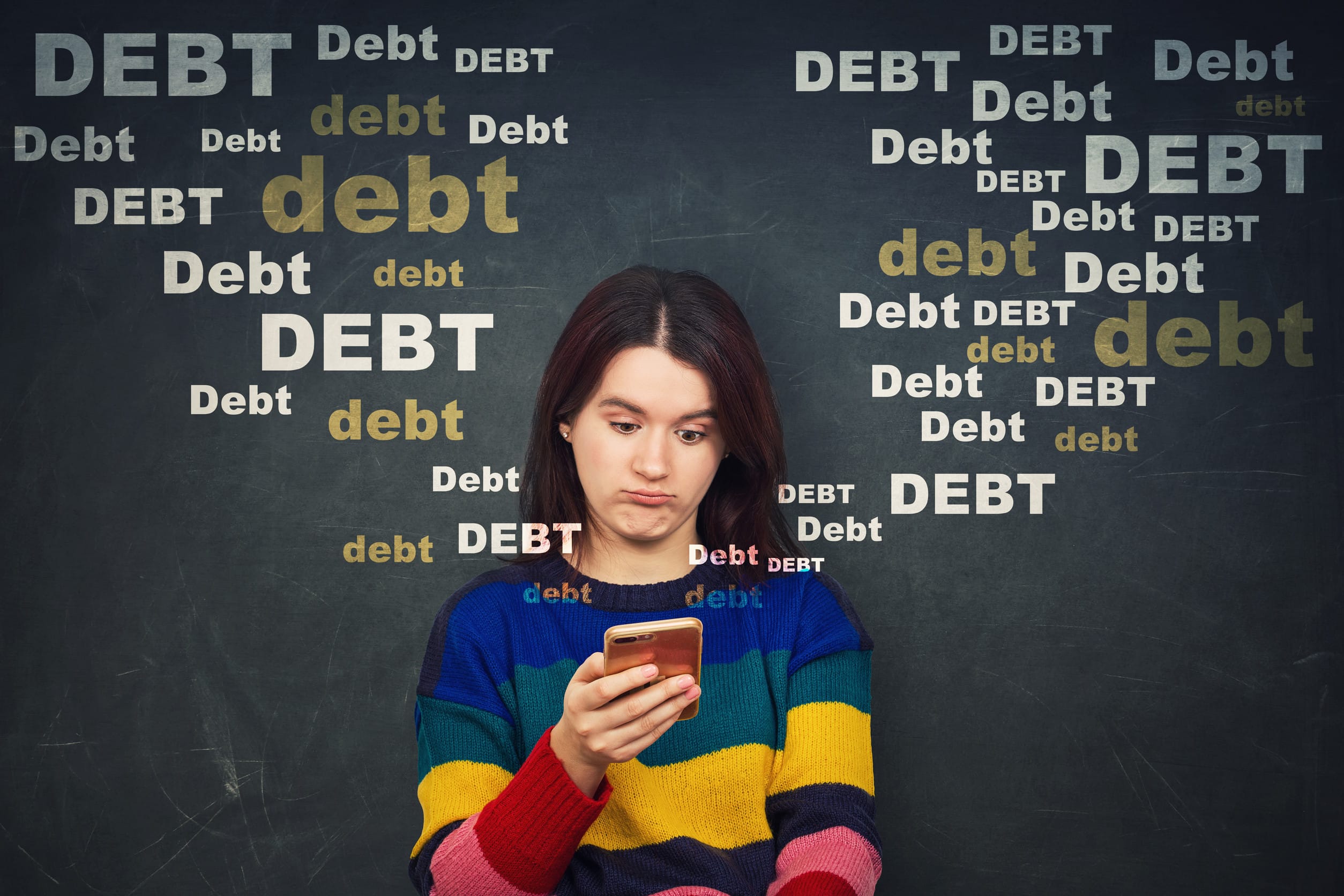
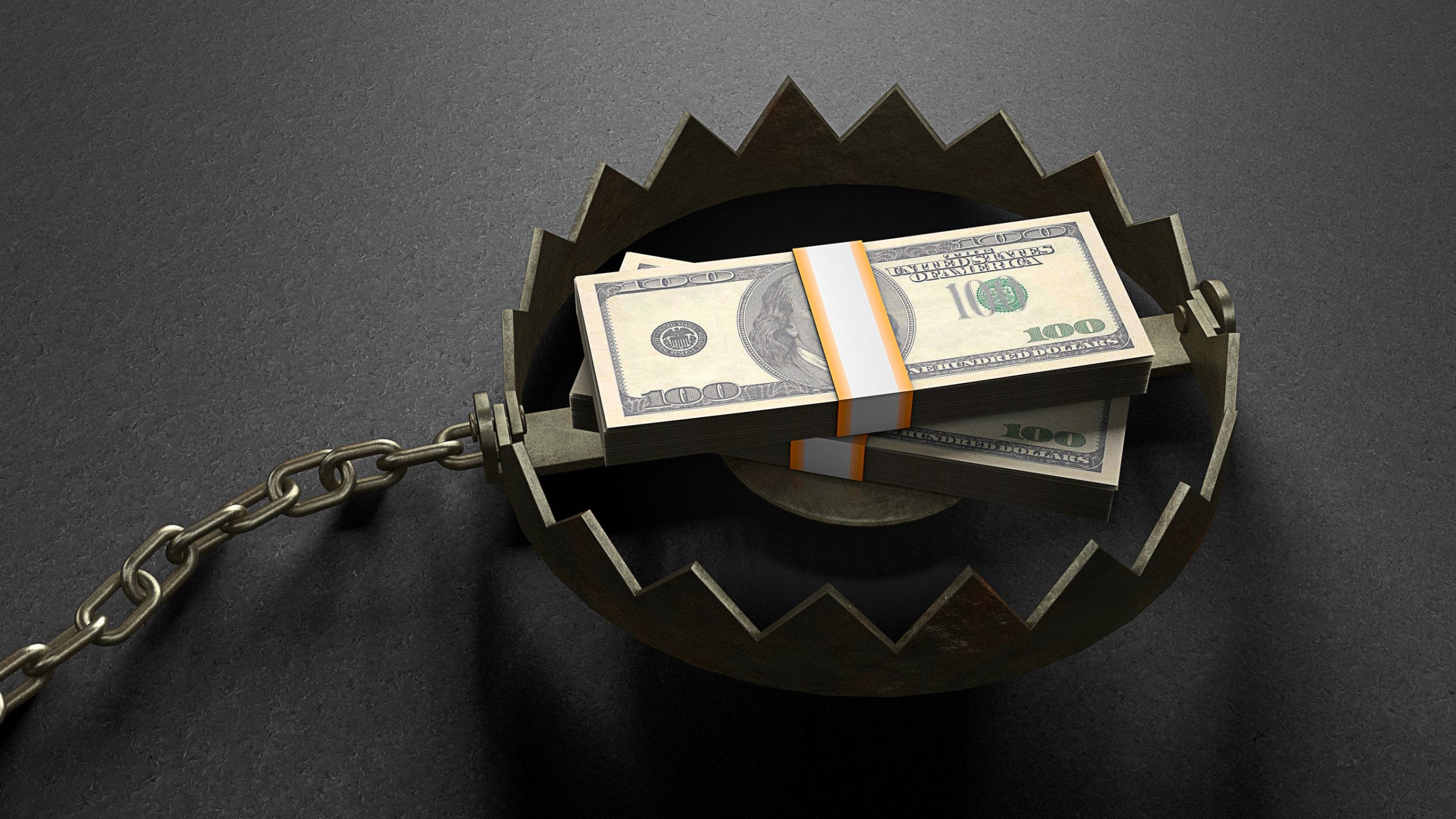
When money gets tight, it can feel tempting to grab quick cash from payday loan companies. Their advertisements promise fast approval and no credit checks, making them look like a safety net in emergencies. But behind the flashy signs and friendly pitches lies a business model designed to trap borrowers in long-term cycles of debt. Understanding the unsettling truths about payday loan companies can help you avoid falling into their costly financial traps and seek safer alternatives.

1. Interest Rates Are Shockingly High

One of the most unsettling truths about payday loan companies is how they structure interest rates. While the fee may look small upfront, annual percentage rates often soar past 300 percent. That means borrowing just a few hundred dollars can quickly balloon into thousands if repayment gets delayed. Many borrowers who thought they would only owe a little more than they borrowed end up trapped in a snowball of growing debt. This staggering cost is what makes payday loans among the most expensive forms of credit.

2. Borrowers Often Get Trapped in a Cycle of Debt

Payday loan companies rely heavily on repeat customers to make profits. Many borrowers take out a new loan to pay off the old one, creating a revolving cycle that is nearly impossible to escape. Each renewal adds more fees and interest, digging the borrower deeper into financial trouble. Instead of solving short-term problems, these loans often create long-term struggles. This cycle is intentionally built into the payday lending business model, keeping customers dependent on their services.

3. They Target the Most Vulnerable Populations

Another unsettling truth about payday loan companies is how they target communities already under financial stress. Low-income neighborhoods, military families, and people with limited access to traditional banks are frequent targets of payday loan storefronts. Their marketing focuses on desperation, offering “quick fixes” for urgent needs like rent, utilities, or medical bills. Unfortunately, these same customers are often least able to absorb the crushing interest and fees. This predatory targeting makes payday lending especially harmful to those already struggling.

4. Transparency Is Often Misleading

While payday loan companies are legally required to disclose terms, the way they present information can be confusing. Many borrowers do not realize how much the loan will truly cost because the focus is on small fees instead of the astronomical annual percentage rates. Contracts are often filled with complicated language that buries the real costs. This lack of clarity prevents borrowers from making informed financial decisions. In practice, payday lenders thrive on confusion and misrepresentation.

5. Better Alternatives Are Usually Overlooked

The unsettling truth is that payday loan companies make borrowers believe they have no other options. In reality, alternatives such as credit unions or nonprofit lenders often provide safer relief. Many people also overlook community programs that can help with emergency expenses. Payday lenders succeed when customers feel trapped and unaware of these resources. Knowing your options can save you from entering a cycle of expensive debt.

Choosing Smarter Paths When Cash Gets Tight

The reality about payday loan companies is clear: they profit from high interest rates, repeat borrowing, and targeting vulnerable people. While they promise fast money, the long-term damage far outweighs the short-term relief. By recognizing these unsettling truths, you can protect yourself and explore better solutions when money runs short. A thoughtful plan and awareness of safer alternatives can keep you from paying far more than you borrowed. Financial health starts with avoiding traps designed to keep you struggling.

Have you or someone you know ever dealt with payday loan companies? How did it affect your finances? Share your story in the comments below!

What to Read Next…

How Can Student Loans Quietly Shape Life Decisions for Decades

5 Times Debt Was Used as a Tool Instead of a Burden

10 Financial Risks That Come From Ignoring Small Debts

5 Financial Moves That Sound Smart but Hurt Over Time

How Much Home Can You Really Afford? Hint: Don’t Believe The Mortgage Company

Catherine Reed
Catherine Reed

Catherine is a tech-savvy writer who has focused on the personal finance space for more than eight years. She has a Bachelor’s in Information Technology and enjoys showcasing how tech can simplify everyday personal finance tasks like budgeting, spending tracking, and planning for the future. Additionally, she’s explored the ins and outs of the world of side hustles and loves to share what she’s learned along the way. When she’s not working, you can find her relaxing at home in the Pacific Northwest with her two cats or enjoying a cup of coffee at her neighborhood cafe.

Filed Under: Debt Management Tagged With: borrowing, credit alternatives, debt traps, financial mistakes, money management, payday loans, Personal Finance

How Can a Simple Signature Lock You Into Years of Debt

September 10, 2025 by Travis Campbell Leave a Comment

contract
Image source: pexels.com

It’s easy to underestimate the power of your own signature. Signing a contract or agreement might feel routine, but it’s a decision that can change your financial future for years. Many people lock themselves into years of debt with one quick scribble, not realizing the long-term impact. Whether you’re signing for a new car, a student loan, or even a gym membership, that signature is legally binding. Understanding how a simple signature can lock you into years of debt is crucial if you want to protect your financial health and make smarter choices.

1. The Legally Binding Nature of Your Signature

When you sign a contract, you’re entering into a legally enforceable agreement. Your signature shows that you’ve read and agreed to the terms, even if you haven’t. This is especially important with debt contracts. Lenders can use your signature as proof that you promised to repay the money, regardless of any changes in your life. If you fail to pay, they can take legal action, garnish your wages, or even seize assets. That’s why understanding how a simple signature can lock you into years of debt isn’t just a technicality—it’s a serious commitment.

2. Fine Print and Hidden Clauses

Most contracts come with fine print that’s easy to overlook. Buried in these details are often terms that can extend your debt or make it more expensive. For example, adjustable interest rates, penalties for late payments, or automatic renewal clauses can all add up. By signing without reading, you might agree to conditions that lock you into years of debt with little chance of escape. Always take the time to read every part of a contract, or ask questions if something isn’t clear.

3. Student Loans: Debt That Follows You

Student loans are a prime example of how a signature can create long-lasting financial obligations. Once you sign for a student loan, you’re responsible for repaying it, often for decades. Unlike other types of debt, student loans are rarely discharged in bankruptcy. This means your simple signature can lock you into years of debt, even if your financial situation changes or you can’t find a high-paying job after graduation. It’s important to understand the full implications before signing any loan documents.

4. Co-Signing: Taking on Someone Else’s Debt

When you co-sign for a loan, you’re promising to pay if the primary borrower can’t. Many people don’t realize that co-signing is just as binding as taking out the loan yourself. If your friend or family member misses’ payments, the lender will come after you. Your credit score can take a hit, and you might be stuck making payments for years. A simple signature on a co-signer line can lock you into years of debt that isn’t even yours.

5. Predatory Lending and High-Interest Agreements

Some lenders target people who are desperate or have poor credit. They might offer payday loans, rent-to-own deals, or high-interest credit cards. The terms are often buried in confusing language, but your signature makes it all official. These agreements can include sky-high interest rates and fees that quickly spiral out of control. In these situations, a simple signature can lock you into years of debt that grows much faster than you can pay it off. If you’re not careful, you could pay back several times what you borrowed.

6. Car Loans and Long-Term Commitments

Car loans are another common way people end up with long-term debt. Dealers often stretch out loan terms to make monthly payments look affordable. But a longer loan means you pay more interest over time. Sometimes, you could end up owing more than your car is worth. Before you sign, think carefully about whether you can handle payments for the full term. Remember, your signature on that car loan could lock you into years of debt if you’re not prepared.

7. Credit Card Agreements: The Never-Ending Balance

Credit card contracts are easy to sign, but hard to escape. High interest rates and fees can trap you in a cycle of minimum payments. Each time you use your card, you agree to the terms you signed for, even if you didn’t read them closely. If you’re not careful, your signature on a credit card application can lock you into years of debt, especially if you only pay the minimum each month.

Protecting Yourself Before You Sign

Before you sign anything, take a step back. Ask for a copy of the contract and read it thoroughly. Don’t be afraid to ask questions or request changes if something seems unfair. If you’re unsure, consider seeking advice from a financial advisor or consumer protection group. Remember, understanding how a simple signature can lock you into years of debt is the first step to protecting your financial future.

It’s your right to take your time and make sure you’re comfortable with every agreement. No one should rush you into signing something you don’t fully understand. If you ever feel pressured, walk away until you’ve done your homework.

Have you ever signed something you later regretted? Share your experience or questions in the comments below!

What to Read Next…

  • What Happens When You Co Sign a Friends Loan by Accident
  • 9 Beneficiaries Who Lost Everything Because of One Signature Error
  • The Power of Attorney Move That Can Spark a Family Lawsuit
  • 7 Times Generosity Has Legal Consequences for Seniors
  • 5 Emergency Repairs That Could Force You Into Debt Overnight
Travis Campbell
Travis Campbell

Travis Campbell is a digital marketer/developer with over 10 years of experience and a writer for over 6 years. He holds a degree in E-commerce and likes to share life advice he’s learned over the years. Travis loves spending time on the golf course or at the gym when he’s not working.

Filed Under: Debt Management Tagged With: contracts, credit cards, Debt, financial literacy, loans, Personal Finance, student loans

6 Ways Home Equity Loans Become Debt Traps

September 10, 2025 by Travis Campbell Leave a Comment

home equity
Image source: pexels.com

Home equity loans can seem like a smart way to tap into the value of your home. Many homeowners use them for renovations, debt consolidation, or big expenses. But these loans can become financial traps if you’re not careful. The risks are real: you’re borrowing against your house, and the consequences of missteps can be severe. If you’re considering a home equity loan, it’s essential to understand how these loans can lead to debt traps and the warning signs to watch for.

1. Temptation to Borrow More Than You Need

One of the biggest dangers of home equity loans is the temptation to borrow more than you actually need. Lenders often approve you for a larger amount than you request, based on your home’s value. It feels like easy money, but taking out a bigger loan increases your monthly payments and total interest costs. This can stretch your budget thin, especially if your financial situation changes later.

Many people fall into the trap of using the extra cash for non-essential purchases. This is how a home equity loan can quickly become a debt trap. Instead of building wealth, you’re adding to your obligations—and putting your house at risk if you can’t keep up.

2. High Closing Costs and Hidden Fees

Home equity loans often come with significant closing costs and fees. You might pay for appraisals, title searches, and even points to secure a lower rate. These expenses can add up to thousands of dollars, eating into the funds you receive. Sometimes, fees are rolled into the loan balance, which means you’re paying interest on them over the life of the loan.

If you’re not careful, these costs can make your home equity loan much more expensive than you expected. It’s easy to overlook the fine print, but those hidden fees can trap you in a cycle of debt that’s hard to escape.

3. Variable Interest Rates Lead to Payment Shock

Many home equity loans, especially lines of credit (HELOCs), come with variable interest rates. That means your payment can go up if rates rise. What starts as an affordable monthly bill can balloon over time, straining your finances.

This unpredictability is a classic way a home equity loan becomes a debt trap. If you budget for a low payment but rates jump, you might struggle to keep up. Missed payments could lead to penalties, damaged credit, or even foreclosure. Before signing, make sure you understand how your rate is set and what could cause it to increase.

4. Using Loans to Pay Off Unsecured Debt

It’s tempting to use a home equity loan to pay off credit cards or personal loans. After all, the interest rate is often lower. But you’re exchanging unsecured debt for secured debt—your house is now on the line.

If you rack up more debt after consolidating, you could end up with both high credit card balances and a hefty home equity loan. This double whammy is a common way people fall into debt traps. The risk is real: if you default on a home equity loan, you could lose your home.

5. Overestimating Home Value and Market Changes

Home equity loans are based on your home’s current value, but real estate markets can change fast. If you borrow close to the maximum allowed and home prices drop, you could end up underwater—owing more than your house is worth.

This is a classic debt trap. If you need to move or sell, you might not be able to pay off the loan. Some homeowners turn to risky solutions, like taking out another loan or dipping into retirement savings. Being realistic about your home’s value and the possibility of market downturns is essential before taking out a home equity loan.

6. Ignoring the Long-Term Impact on Your Finances

It’s easy to focus on short-term needs and overlook the long-term consequences of a home equity loan. Monthly payments can last 10, 15, or even 30 years. Over time, interest adds up, and your financial flexibility shrinks. If your income drops or expenses rise, that fixed loan payment could become a serious burden.

Some people end up refinancing or taking out new loans just to manage the payments, trapping themselves in a cycle of debt. Before using a home equity loan, consider how it will affect your future plans, retirement, and emergency savings.

Protecting Yourself from Home Equity Loan Debt Traps

Home equity loan debt traps are more common than many homeowners realize. The key is to approach these loans with caution, a clear plan, and a full understanding of the risks. Compare offers, read the fine print, and make sure you’re borrowing only what you truly need. Consider alternatives, like personal loans or adjusting your budget, before tapping into your home’s value.

If you’re unsure, talking to a trusted financial advisor can help you weigh your options. How have you used home equity loans in the past, and what lessons did you learn? Share your experiences or questions in the comments below!

What to Read Next…

  • The Benefits Of Taking Personal Loans And Their Impact On Credit Scores
  • 5 Emergency Repairs That Could Force You Into Debt Overnight
  • 6 Mortgage Clauses That Get Enforced When You Least Expect It
  • How A Reverse Mortgage Can Derail A Family’s Entire Financial Plan
  • 7 Financial Loopholes That Lenders Exploit Behind The Scenes
Travis Campbell
Travis Campbell

Travis Campbell is a digital marketer/developer with over 10 years of experience and a writer for over 6 years. He holds a degree in E-commerce and likes to share life advice he’s learned over the years. Travis loves spending time on the golf course or at the gym when he’s not working.

Filed Under: Debt Management Tagged With: borrowing risks, debt consolidation, debt traps, HELOC, home equity, Home Loans, Personal Finance

5 Financial Nightmares That Start With Cosigning a Loan

September 8, 2025 by Travis Campbell Leave a Comment

signing
Image source: pexels.com

Cosigning a loan can seem like a simple favor for a friend or family member. You want to help them qualify for a car, apartment, or student loan, and your good credit can open doors. But cosigning a loan is no small gesture. When you put your name on that dotted line, you’re taking on serious financial risk. It’s not just about trust—it’s about responsibility. If things go south, the consequences can damage your finances in ways you might not expect. Here are five financial nightmares that start with cosigning a loan, and why you should think twice before agreeing to it.

1. Your Credit Score Takes a Hit

One of the biggest financial nightmares that comes with cosigning a loan is the potential damage to your credit score. Even if payments start out on time, any missed or late payments will show up on your credit report just as if the loan were yours. Lenders don’t care who was supposed to pay—they only see the account with your name attached.

If your cosigner defaults, your credit score can drop significantly. This can make it harder to qualify for future loans, credit cards, or even a mortgage. Repairing your credit after a negative mark from a cosigned loan can take years. If you value your credit health, think carefully before putting it at risk for someone else.

2. You’re on the Hook for the Full Amount

Cosigning a loan means you are legally responsible for the entire debt. Many people don’t realize that if the primary borrower stops paying, you become the lender’s next target. They won’t wait around—they’ll come after you for the full balance, plus interest and fees.

This can wreak havoc on your own finances, especially if you weren’t prepared to take over the payments. If you don’t have enough savings or income to absorb the extra debt, you could face late fees, collection calls, or even legal action. Cosigning a loan can quickly turn from a favor to a financial nightmare if repayment falls on your shoulders.

3. Your Debt-to-Income Ratio Gets Worse

When you cosign a loan, the debt is added to your credit file. Lenders look at your total debt compared to your income—known as your debt-to-income ratio—when you apply for new credit. A high ratio makes you look riskier, even if the other person is making all the payments on time.

Want to buy a home, refinance your mortgage, or get a new car loan? That cosigned debt could block your approval or force you into higher interest rates. You might be surprised to find out that helping someone else can limit your own financial options for years to come.

4. Relationships Can Sour

Money and relationships rarely mix well, and cosigning a loan is no exception. If payments are missed or the borrower defaults, it can create tension, resentment, and blame. You might feel betrayed or taken advantage of, while the borrower may feel embarrassed or defensive.

Even if the loan is repaid in full, the stress of the responsibility can strain even the closest relationships. Before you agree to cosign, ask yourself if you’re willing to risk the relationship if things go wrong.

5. You Could Face Collection Agencies and Legal Trouble

If the loan goes unpaid and you can’t cover the payments, you could find yourself dealing with collection agencies. These agencies are persistent and can be aggressive in their tactics. They’ll call, send letters, and may even take legal action against you to recover the debt.

Having a collection account or court judgment on your record is another financial nightmare that can follow you for years. It can damage your credit score further, limit your ability to borrow money, and even affect your employment opportunities. Cosigning a loan doesn’t just put your money at risk—it can lead to long-term legal headaches as well.

How to Protect Yourself Before Cosigning a Loan

If you’re still considering cosigning a loan, take steps to protect yourself. Start by having an honest conversation with the borrower about their finances and payment plans. Ask to see their budget and make sure they can truly afford the loan. Set up alerts or request access to the account so you can monitor payments in real time.

It’s also smart to research your rights as a cosigner. If you’re unsure, talk to a financial advisor or attorney before signing anything. And remember, there are other ways to help someone financially without risking your own future. For example, you might offer to help them improve their credit score or find a secured loan instead.

Have you ever faced a financial nightmare after cosigning a loan? Share your experience or questions in the comments below!

What to Read Next…

  • What Happens When You Co Sign A Friends Loan By Accident
  • Why Some Elder Care Homes Are Requiring Adult Children To Cosign
  • The Benefits Of Taking Personal Loans And Their Impact On Credit Scores
  • 5 Things That Instantly Decrease Your Credit Score By 50 Points
  • 7 Financial Loopholes That Lenders Exploit Behind The Scenes
Travis Campbell
Travis Campbell

Travis Campbell is a digital marketer/developer with over 10 years of experience and a writer for over 6 years. He holds a degree in E-commerce and likes to share life advice he’s learned over the years. Travis loves spending time on the golf course or at the gym when he’s not working.

Filed Under: Debt Management Tagged With: cosigning, credit score, Debt, financial risks, loans, Personal Finance, relationships

8 Outrageous Myths People Still Believe About Debt

September 8, 2025 by Travis Campbell Leave a Comment

debt
Image source: pexels.com

Debt is one of those topics that everyone seems to have an opinion about, but not all of those opinions are rooted in reality. While managing debt is a regular part of many people’s financial lives, there are persistent myths that make it harder to make informed decisions. These misconceptions can lead to poor choices, unnecessary stress, or even financial setbacks. Understanding the truth about debt is key to building a healthy relationship with your finances. By clearing up these myths, you can take control and make smarter choices for your financial future. Let’s tackle eight of the most outrageous myths people still believe about debt.

1. All Debt Is Bad

This is probably the most common debt myth around. Not all debt is created equal. Some types of debt, such as mortgages or student loans, can actually help you build wealth or increase your earning potential. What matters is how you manage it. Responsible use of debt can open doors, while reckless borrowing can close them. The key is to understand the difference between “good” debt and “bad” debt, and use it wisely.

2. You Should Never Use Credit Cards

Credit cards have a bad reputation, but they aren’t inherently evil. Used responsibly, they can help you build credit, earn rewards, and provide a safety net in emergencies. The real trouble comes from carrying a balance and paying high interest rates. If you pay off your balance in full each month, credit cards can actually work in your favor. It’s not the credit card itself that’s the problem—it’s how you use it.

3. Checking Your Credit Hurts Your Score

Many people avoid checking their credit report because they think it will lower their score. In reality, checking your own credit is a “soft inquiry” and has no impact on your credit score. Regularly reviewing your credit report can help you spot errors or signs of identity theft early. Only “hard inquiries,” like when you apply for a new loan or credit card, can temporarily lower your score by a few points.

4. Debt Settlement Is Always the Best Way Out

Debt settlement companies often promise a quick fix, but the reality is more complicated. Settling your debt for less than you owe can trash your credit score and lead to unexpected taxes. Sometimes, negotiating directly with your creditors or seeking help from a nonprofit credit counseling agency is a better option. Before you choose debt settlement, make sure you understand the long-term consequences and explore all your options.

5. Paying Off Small Debts First Is Always Best

The “debt snowball” method, where you pay off small balances first, can be motivating—but it’s not always the smartest move. Sometimes, focusing on debts with the highest interest rates, known as the “debt avalanche” method, saves you more money in the long run. The best approach depends on your personality and what will keep you motivated to stick with your debt payoff plan. Don’t assume one method is always superior; pick the one that works for you and your unique situation.

6. Bankruptcy Ruins Your Life Forever

Bankruptcy is a serious step, but it’s not the end of the road. While it does have a significant impact on your credit, it’s also a legal tool designed to give people a fresh start. Many people bounce back from bankruptcy and go on to rebuild their financial lives. With time and responsible habits, your credit can recover. It’s important to educate yourself about bankruptcy and not let fear or misinformation keep you from making the best choice for your situation.

7. You Can’t Get a Mortgage if You Have Debt

Some believe that having any debt at all means you’ll never qualify for a mortgage. The truth is, lenders look at your overall financial picture, especially your debt-to-income ratio. Having some debt, like a car loan or student loans, doesn’t automatically disqualify you. In fact, showing that you can manage debt responsibly can help your chances. What matters most is your payment history, income, and how much debt you have compared to your earnings. If you’re planning to buy a home, focus on managing your existing debt wisely and keeping your credit healthy.

8. Paying Off Debt Will Instantly Improve Your Credit Score

While paying off debt is always a good thing, it doesn’t always result in an instant boost to your credit score. Your score is influenced by several factors, including your payment history, credit utilization, and length of credit history. Sometimes, closing a paid-off account can actually drop your score if it reduces your available credit. Be patient and focus on maintaining good habits over time.

Getting Real About Debt Myths

Debt myths can be stubborn, but facing the facts is essential for making smart financial decisions. Believing false information about debt can keep you from taking positive steps toward your goals. The truth is, debt is a tool—how you use it makes all the difference. By understanding what’s real and what’s not, you’re better equipped to handle your finances and avoid costly mistakes. The more you know about debt, the more confident you’ll be in your money choices.

Which debt myth have you heard the most? Share your thoughts or questions in the comments below!

What to Read Next…

  • The Benefits Of Taking Personal Loans And Their Impact On Credit Scores
  • 5 Emergency Repairs That Could Force You Into Debt Overnight
  • Are Budgeting Apps Designed To Push You Into Debt
  • 5 Things That Instantly Decrease Your Credit Score By 50 Points
  • Why Are So Many Seniors Being Sued Over Student Loans They Didn’t Take Out
Travis Campbell
Travis Campbell

Travis Campbell is a digital marketer/developer with over 10 years of experience and a writer for over 6 years. He holds a degree in E-commerce and likes to share life advice he’s learned over the years. Travis loves spending time on the golf course or at the gym when he’s not working.
Filed Under: Debt Management Tagged With: credit, credit score, Debt, debt payoff, financial myths, money management, Personal Finance

6 Financial Lessons People Learn Only After Bankruptcy

September 8, 2025 by Travis Campbell Leave a Comment

bankrupt
Image source: pexels.com

No one sets out to file for bankruptcy. For most people, it’s a last resort after exhausting every other option. Yet, going through bankruptcy can be a turning point that reshapes financial habits for life. It’s a wake-up call that forces you to look at money differently. Many people only realize what they should have done after bankruptcy is in the rearview mirror. If you’re hoping to avoid that hard road, it pays to learn these financial lessons without the pain of bankruptcy yourself.

1. The True Cost of Living Beyond Your Means

One of the most common causes of bankruptcy is spending more than you earn. It seems harmless at first—a new credit card here, a loan there. But debt snowballs quickly. After bankruptcy, people often look back and see how small decisions added up. They realize that living beyond your means doesn’t just lead to financial stress; it can destroy your credit, limit your choices, and keep you trapped in a cycle of borrowing.

Learning to live within your means is essential. This means tracking your expenses, setting realistic budgets, and saying no to things you can’t afford. Bankruptcy forces you to confront the reality that overspending offers only temporary satisfaction, but long-term consequences.

2. The Importance of an Emergency Fund

Many people who file for bankruptcy never had a financial safety net. Unexpected expenses—a medical emergency, job loss, or car repair—can quickly lead to overwhelming debt. After bankruptcy, the value of an emergency fund becomes crystal clear. It’s not just a best practice; it’s a necessity to prevent history from repeating.

Building an emergency fund, even if it’s just a few hundred dollars to start, can make a huge difference. It provides a buffer against the unexpected and helps you avoid relying on credit cards in a crisis. This is one of the most practical financial lessons that only bankruptcy seems to drive home for many.

3. How Credit Really Works

Before bankruptcy, it’s easy to misunderstand how credit functions. Many people only learn after the fact that maxing out credit cards, making late payments, or carrying high balances can tank their credit score. Bankruptcy can stay on your credit report for up to ten years, making it difficult to get loans, rent an apartment, or even land certain jobs.

After bankruptcy, rebuilding credit becomes a priority. People learn to check their credit reports regularly, pay bills on time, and use secured credit cards responsibly. They also realize that good credit isn’t just about access to loans—it’s about financial freedom and opportunity.

4. The Power of Saying No

It’s hard to say no to kids, to friends, or even to yourself. Many people end up in bankruptcy because they couldn’t refuse spending temptations or requests for money. After going through bankruptcy, people often develop a stronger sense of boundaries. They learn that it’s okay to decline invitations or purchases that don’t fit their budget.

Saying no is a skill that gets easier with practice. It’s not about deprivation; it’s about protecting your financial health. This lesson is one that can only be fully appreciated after experiencing the consequences of always saying yes.

5. The Need for Financial Education

Financial literacy isn’t taught in most schools, and many adults feel lost when it comes to money management. Bankruptcy exposes the gaps in your financial knowledge. Whether it’s not understanding interest rates, how minimum payments work, or the risks of co-signing a loan, these gaps can be costly.

After bankruptcy, many people seek out resources to improve their financial skills. This commitment to ongoing education helps them avoid old mistakes and build a stronger economic future.

6. The Value of Planning for the Future

Bankruptcy can make you feel like the future is out of reach. But ironically, it also teaches the value of planning ahead. People realize that having financial goals—like saving for retirement, buying a home, or paying off debt—can help guide daily decisions. Without a plan, it’s easy to drift into old habits or let circumstances dictate your choices.

After bankruptcy, setting clear, realistic goals becomes a priority. Whether it’s automating savings or creating a debt repayment plan, planning for the future is one of the most powerful financial lessons bankruptcy offers.

Turning Hard Lessons Into a Better Financial Life

The financial lessons only bankruptcy can teach are hard-earned, but they don’t have to be wasted. By living within your means, building an emergency fund, understanding credit, setting boundaries, seeking financial education, and planning for the future, you can create a healthier relationship with money. Bankruptcy doesn’t have to define your financial story; it can be the chapter that leads to lasting change.

Have you or someone you know learned important financial lessons after bankruptcy? Share your experience or tips in the comments below!

What to Read Next…

  • 5 Things That Instantly Decrease Your Credit Score By 50 Points
  • The Benefits Of Taking Personal Loans And Their Impact On Credit Scores
  • 5 Emergency Repairs That Could Force You Into Debt Overnight
  • Are These 6 Helpful Budget Tips Actually Ruining Your Finances
  • 10 Money Mistakes People Make After Losing A Spouse
Travis Campbell
Travis Campbell

Travis Campbell is a digital marketer/developer with over 10 years of experience and a writer for over 6 years. He holds a degree in E-commerce and likes to share life advice he’s learned over the years. Travis loves spending time on the golf course or at the gym when he’s not working.

Filed Under: Debt Management Tagged With: bankruptcy, budgeting, credit, emergency fund, financial education, financial lessons, money management

8 Everyday Products That Quietly Keep People in Debt

September 5, 2025 by Travis Campbell Leave a Comment

credit cards
Image source: pexels.com

Most people don’t plan to fall into debt, but it often happens slowly, through small, repeated purchases. Everyday products you use without much thought can quietly drain your wallet and keep you stuck in a cycle of debt. The real danger is how normal these expenses seem—they blend into your routine and feel necessary. Over time, though, the costs add up, making it harder to break free from financial stress. By identifying which everyday products keep people in debt, you can make smarter choices and regain control of your finances.

1. Subscription Streaming Services

Streaming platforms like Netflix, Hulu, and Disney+ offer endless entertainment for a monthly fee. The problem? Many people subscribe to multiple services, often forgetting to cancel ones they rarely use. These recurring charges can sneak up on you, eating away at your budget month after month. When you add up the total cost over a year, it’s easy to see how these everyday products keep people in debt, especially when paired with other small monthly expenses.

2. Credit Card Rewards Programs

Credit cards with rewards seem like a smart way to earn points, cash back, or travel perks. But these programs often encourage extra spending just to unlock benefits. If you’re not paying your balance in full, interest charges can quickly outweigh any rewards you earn. The lure of credit card rewards is one of the everyday products that keep people in debt by normalizing unnecessary purchases and making it harder to pay off what you owe.

3. Fancy Coffee Drinks

It’s tempting to grab a latte or specialty coffee on your way to work. While a single cup doesn’t seem like much, the habit can cost hundreds or even thousands of dollars a year. Coffee shops thrive on repeat customers who don’t notice how much they’re spending. This simple, daily indulgence is a classic example of how everyday products keep people in debt without them realizing it.

4. Buy Now, Pay Later Apps

Services like Afterpay, Klarna, and Affirm let you split purchases into smaller payments. While convenient, these apps make it easy to buy things you can’t actually afford. Missed payments often come with high fees or interest. Using buy now, pay later apps is a modern way these everyday products keep people in debt, as they encourage spending beyond your means and mask the true cost of your shopping.

5. Cell Phone Upgrades and Accessories

Smartphone companies push frequent upgrades and flashy accessories. Carriers often bundle costs into your monthly bill, making it seem manageable. But upgrading every year or buying the latest case, headphones, or charger adds up fast. These everyday products keep people in debt by promoting a cycle of constant spending on tech that’s often more about status than necessity.

6. Convenience Foods and Meal Kits

Pre-packaged meals, snacks, and meal kit subscriptions promise to save you time. While convenient, they’re usually much more expensive than cooking at home. Relying on these everyday products can quietly drain your bank account, especially when combined with other convenience purchases. Over time, this spending pattern keeps people in debt by inflating their grocery budget without delivering real value.

7. Gym Memberships and Fitness Apps

Fitness is important, but unused gym memberships and subscription workout apps can be a money pit. Many people sign up with good intentions, only to use them rarely or not at all. Monthly fees continue whether you go or not, making these everyday products a subtle way people stay in debt. Before committing, ask yourself if you’re truly getting your money’s worth or just paying for the idea of getting healthy.

8. Branded Cleaning Supplies

Big-name cleaning products often cost more than generic or homemade options, but many shoppers stick with familiar brands out of habit. Over time, paying a premium for laundry detergents, sprays, and wipes can erode your budget. These everyday products keep people in debt by convincing you that a higher price equals better quality, when cheaper alternatives work just as well.

Breaking Free from the Debt Trap

Recognizing which everyday products keep people in debt is the first step toward financial freedom. By reviewing your spending habits, you can spot hidden costs that add up faster than you think. Make a list of all your subscriptions, automatic payments, and routine purchases. Ask yourself if each one truly adds value to your life or if it’s just draining your resources.

Cutting back doesn’t mean sacrificing everything you enjoy. It’s about being intentional and spending on what matters most. By taking small actions, you can stop letting everyday products keep people in debt and start building a healthier financial future.

Which everyday products have you found hardest to cut back on? Share your thoughts in the comments below!

What to Read Next…

  • Are Budgeting Apps Designed To Push You Into Debt?
  • 7 Hidden Fees That Aren’t Labeled As Fees At All
  • 5 Emergency Repairs That Could Force You Into Debt Overnight
  • 7 Credit Card Features Disappearing Without Any Notice
  • Are These 7 Little Expenses Quietly Costing You Thousands A Year?
Travis Campbell
Travis Campbell

Travis Campbell is a digital marketer/developer with over 10 years of experience and a writer for over 6 years. He holds a degree in E-commerce and likes to share life advice he’s learned over the years. Travis loves spending time on the golf course or at the gym when he’s not working.
Filed Under: Debt Management Tagged With: budgeting, Debt, money tips, Personal Finance, Spending Habits, subscriptions

6 Situations Where Being Debt-Free Isn’t Actually Smart

September 4, 2025 by Catherine Reed Leave a Comment

6 Situations Where Being Debt-Free Isn’t Actually Smart
Image source: 123rf.com

Most people think of debt as something to avoid at all costs, and in many cases, that’s true. Paying off balances, eliminating interest charges, and enjoying financial freedom sound like the ultimate goals. But there are scenarios where racing to eliminate all debt can hurt your long-term financial health. In fact, there are times when being debt-free isn’t actually smart because it may limit your flexibility, reduce your opportunities, or cost you money in the long run.

1. When You’re Ignoring Retirement Contributions

If you put every spare dollar toward debt while ignoring your 401(k) or IRA, you could be making a costly mistake. Retirement accounts often come with employer matches, which is essentially free money you lose if you don’t contribute. Even if you’re paying down debt, passing up compound growth in your retirement accounts can set you back decades. Balancing repayment with contributions helps ensure you’re not sacrificing future financial security. This is a clear example of when being debt-free isn’t actually smart.

2. When the Debt Carries Low Interest

Not all debt is created equal, and some loans have interest rates so low they’re cheaper than inflation. For example, certain student loans or mortgage rates may cost less than what you could earn in a high-yield savings account or investment portfolio. If you funnel money into aggressively paying off low-interest debt, you may miss out on opportunities for higher returns. Using your funds to grow wealth instead can be a smarter move. This shows how being debt-free isn’t actually smart if the tradeoff is losing money elsewhere.

3. When You Don’t Have an Emergency Fund

Debt freedom feels great, but it won’t help you much if you don’t have cash set aside for emergencies. Life throws curveballs like medical bills, car repairs, or job losses that require immediate funds. If you’ve emptied your bank account to pay off debt and an emergency hit, you may need to borrow again. Building an emergency fund first ensures you stay financially stable when the unexpected happens. Without that cushion, being debt-free isn’t actually smart because you risk sliding right back into debt.

4. When You’re Building Credit History

Ironically, having no debt can sometimes hurt your financial standing. A healthy credit score requires ongoing credit activity, and if you’ve eliminated all loans and stopped using credit cards, your score may stagnate. This can create problems when you want to buy a house, finance a car, or even apply for certain jobs that review credit reports. Maintaining small, manageable balances and paying them off responsibly shows lenders you can use credit wisely. That’s why being debt-free isn’t actually smart if it prevents you from building or maintaining a strong credit history.

5. When You’re Missing Out on Tax Benefits

Certain types of debt come with tax perks that reduce your overall financial burden. Mortgage interest, for example, can be deductible, lowering your taxable income. Student loan interest may also provide small but meaningful deductions. Paying these debts off too quickly might eliminate benefits that make keeping them worthwhile. In this case, being debt-free isn’t actually smart if it increases your tax bill unnecessarily.

6. When You’re Avoiding Strategic Investments

Sometimes borrowing money can actually open the door to greater wealth. Business loans, real estate mortgages, or even personal loans used strategically can fuel growth opportunities. If you’re so focused on eliminating every debt that you miss these chances, you may limit your long-term success. Leveraging “good debt” wisely can help you build assets and financial stability over time. This is another situation where being debt-free isn’t actually smart because it can hold you back from reaching bigger goals.

Financial Balance Beats Absolute Freedom

The idea of being completely debt-free may sound perfect, but personal finance is rarely that black and white. What really matters is balance—paying down harmful high-interest debt while using low-interest debt strategically to your advantage. Building savings, investing for retirement, and keeping cash on hand for emergencies often create stronger financial stability than zero debt ever could. In the end, understanding when being debt-free isn’t actually smart helps you make decisions that protect both your present and your future. The smartest financial strategy is the one that gives you flexibility, growth, and peace of mind.

Have you ever held onto debt strategically instead of paying it off right away? Share your experience in the comments below.

What to Read Next…

6 Money Shortcuts That Almost Always Backfire

7 Things That Quietly Bankrupt the Middle Class

5 Times Debt Was Used as a Tool Instead of a Burden

6 Financial Questions People Are Afraid to Ask But Should

7 Big Purchases That Advisors Say People Regret More Than Anything Else

Catherine Reed
Catherine Reed

Catherine is a tech-savvy writer who has focused on the personal finance space for more than eight years. She has a Bachelor’s in Information Technology and enjoys showcasing how tech can simplify everyday personal finance tasks like budgeting, spending tracking, and planning for the future. Additionally, she’s explored the ins and outs of the world of side hustles and loves to share what she’s learned along the way. When she’s not working, you can find her relaxing at home in the Pacific Northwest with her two cats or enjoying a cup of coffee at her neighborhood cafe.

Filed Under: Debt Management Tagged With: credit score, Debt Management, emergency fund, investing, Personal Finance, Planning, retirement savings, tax benefits

5 Situations Where Borrowing Small Amounts Leads to Big Trouble

September 3, 2025 by Travis Campbell Leave a Comment

lending
Image source: pexels.com

Borrowing small amounts of money might seem harmless. After all, a little cash here or there can help you cover a surprise bill or tide you over until payday. But the reality is that borrowing small amounts can quickly spiral into bigger financial problems. What starts as a quick fix can lead to mounting debt, high fees, and a cycle that’s hard to break. Whether it’s from payday lenders, credit cards, or friends and family, these small debts can snowball. Understanding when borrowing a little becomes a big deal is crucial for your financial health. That’s why it’s important to know the situations where borrowing small amounts leads to big trouble.

1. Using Payday Loans for Everyday Expenses

Payday loans are marketed as a fast solution for unexpected costs. But using them for regular expenses—like groceries, gas, or utility bills—can cause real headaches. These loans often come with sky-high interest rates and fees. Even if you only borrow a small amount, the cost of repaying it can be overwhelming.

People often find themselves unable to pay back the full amount when it’s due. So, they roll the loan over or take out another one, triggering a cycle of debt. Before long, the money you borrowed to get by ends up costing you much more than you expected. This is a classic example of how borrowing small amounts leads to big trouble.

2. Covering Credit Card Minimum Payments with More Debt

When money is tight, it’s tempting to use one credit card to pay off another, or to take a cash advance to make a minimum payment. This approach might keep creditors at bay for now, but it only delays the problem. Interest rates on cash advances are usually higher than those on regular purchases, and you may face additional fees.

Over time, the balance grows while your available credit shrinks. Soon, you’re maxed out and struggling to keep up with payments. This creates stress and damages your credit score. Borrowing small amounts to cover minimum payments can turn a manageable situation into a long-term financial mess.

3. Borrowing from Friends and Family to “Get By”

Asking loved ones for small loans feels less risky than dealing with a bank. But relying on friends or family to cover shortfalls can strain relationships. It’s easy to promise repayment when the amount is small, but repeated requests can lead to resentment or awkwardness.

If you’re always borrowing small amounts to get by, the underlying financial problem remains unsolved. You might avoid interest charges, but you risk damaging trust. In some cases, this can lead to permanent rifts that are hard to repair. Borrowing small amounts can lead to significant trouble, affecting not just your budget but also your personal life.

4. Using “Buy Now, Pay Later” for Non-Essentials

“Buy now, pay later” services are everywhere these days. They let you split payments on small purchases—clothes, electronics, even meals. At first glance, it sounds like smart budgeting. But each new payment plan adds another bill to your list. Missing a payment can led to late fees, and too many plans can be tough to track.

If you’re not careful, these small debts add up. They can sneak up on you, especially if you’re juggling multiple plans at once. Before long, you’re spending more on fees and interest than you ever saved.

5. Taking Out Small Personal Loans for Non-Emergencies

Personal loans can help in a real emergency, but borrowing small amounts for non-essential spending is risky. Maybe you want the latest phone or a quick weekend getaway. The loan terms might seem reasonable, but fees and interest can turn a small debt into a bigger problem.

When you borrow for non-essentials, you’re spending future money on today’s wants. This can make it harder to handle real emergencies down the road. Plus, missing payments on even a small loan can hurt your credit. This is another way borrowing small amounts leads to big trouble, especially if it becomes a habit.

Building Better Habits Around Small Borrowing

It’s easy to underestimate the impact of borrowing small amounts. The truth is, these little debts can pile up fast, creating stress and limiting your financial freedom. If you find yourself relying on small loans often, it might be time to rethink your budget and spending habits. Setting aside a small emergency fund or cutting back on non-essentials can help you avoid the cycle.

If you’re struggling with debt, there are resources available. Remember, borrowing small amounts leads to big trouble when it becomes a pattern rather than a rare exception. Staying mindful about your borrowing can help you build a stronger financial future.

Have you ever borrowed a small amount and regretted it later? What strategies have helped you avoid falling into the small debt trap? Share your story in the comments below!

What to Read Next…

  • The Benefits Of Taking Personal Loans And Their Impact On Credit Scores
  • 5 Things That Instantly Decrease Your Credit Score By 50 Points
  • What Happens When You Co Sign A Friends Loan By Accident
  • 5 Emergency Repairs That Could Force You Into Debt Overnight
  • Are Budgeting Apps Designed To Push You Into Debt
Travis Campbell
Travis Campbell

Travis Campbell is a digital marketer/developer with over 10 years of experience and a writer for over 6 years. He holds a degree in E-commerce and likes to share life advice he’s learned over the years. Travis loves spending time on the golf course or at the gym when he’s not working.

Filed Under: Debt Management Tagged With: borrowing, buy now pay later, credit cards, Debt, payday loans, Personal Finance

Why Do Some Believe Debt Is Freedom Instead of a Burden

September 3, 2025 by Catherine Reed Leave a Comment

Why Do Some Believe Debt Is Freedom Instead of a Burden
Image source: 123rf.com

For most people, debt represents stress, obligation, and years of repayment. Yet, a surprising number of individuals and businesses see debt not as a trap but as an opportunity. The idea that debt is freedom comes from viewing borrowed money as a tool to unlock possibilities rather than a weight to carry. From leveraging credit for investments to maintaining flexibility in lifestyle choices, this perspective reshapes the way people approach borrowing. Understanding why some believe debt is freedom instead of a burden can help you decide how to manage your own financial path.

1. Debt Provides Access to Opportunities

One reason some people argue that debt is freedom is that it allows access to things otherwise out of reach. Without credit, many families couldn’t buy homes, start businesses, or pursue higher education. Debt can be the bridge between limited resources and major opportunities for growth. By borrowing, people can accelerate progress toward goals instead of waiting decades to save. In this sense, debt is seen as a doorway rather than a dead end.

2. Borrowing Helps Build Wealth

Another reason debt is freedom to some is the ability to use borrowed money to grow wealth. Mortgages, for example, give families a chance to own homes that increase in value over time. Business loans let entrepreneurs expand operations, create jobs, and generate profits. While risk is always involved, smart borrowing can create financial gains that outweigh the cost of interest. The strategic use of debt turns it into a steppingstone rather than a setback.

3. Credit Enhances Flexibility and Security

Debt is freedom for people who value financial flexibility. With credit cards, lines of credit, or personal loans, individuals have backup options in emergencies. Instead of draining savings, they can borrow to cover expenses and repay later. This flexibility provides a sense of security and control during uncertain times. For those who manage it carefully, debt creates peace of mind rather than fear.

4. Leveraging Debt Keeps Cash Flow Available

Some households and businesses prefer to use debt strategically to keep cash flow free. Rather than tying up all available money in large purchases, they borrow and keep savings accessible for other needs. This approach makes it easier to handle unexpected expenses or invest in new opportunities. By using debt this way, people feel they gain freedom instead of restricting themselves. The idea is that money in the bank provides choice, while debt buys time.

5. Low Interest Rates Make Borrowing Attractive

Another reason people believe debt is freedom is the appeal of borrowing when interest rates are low. Paying two or three percent interest on a loan while investments earn higher returns can be a winning strategy. In this case, debt doesn’t feel like a burden but rather a smart financial move. Accessing cheap money allows individuals to grow wealth while enjoying assets sooner. For many, this reinforces the view of debt as a tool rather than a trap.

6. Cultural and Social Influences Normalize Debt

The perception that debt is freedom is also shaped by culture and society. Credit cards, mortgages, and student loans are marketed as essential parts of modern life. Advertisements and financial institutions highlight the benefits of borrowing, often downplaying the risks. Over time, people internalize the idea that debt is a normal way to achieve milestones. This cultural acceptance reinforces the belief that debt empowers rather than restricts.

7. Psychological Boost from Immediate Gratification

Lastly, many associate debts with freedom because it allows them to enjoy life now instead of later. Whether it’s buying a dream home, traveling, or driving a luxury car, debt enables instant gratification. This psychological boost can feel like independence and control, even if repayment looms ahead. For some, the joy of living in the moment outweighs the stress of future obligations. This mindset reframes debt as liberating rather than limiting.

Freedom or Burden Depends on Perspective

Whether debt is freedom or a burden ultimately depends on how it’s used and managed. For those who borrow strategically, debt can open doors to opportunities, build wealth, and provide flexibility. For others, misuse of debt can quickly spiral into financial hardship. The key is recognizing debt as a tool that requires discipline, planning, and awareness of risks. When handled wisely, it can indeed feel like freedom—but without caution, it becomes a heavy chain.

Do you believe debt is freedom when used strategically, or do you see it as an unavoidable burden? Share your thoughts in the comments!

What to Read Next…

5 Times Debt Was Used as a Tool Instead of a Burden

6 Financial Questions People Are Afraid to Ask But Should

5 Strange Money Beliefs That Advisors Say Are Almost Impossible to Break

Could Wealthy People Be Poorer Than They Appear on Paper

5 Dangerous “Money Shortcuts” That End in Financial Ruin

Catherine Reed
Catherine Reed

Catherine is a tech-savvy writer who has focused on the personal finance space for more than eight years. She has a Bachelor’s in Information Technology and enjoys showcasing how tech can simplify everyday personal finance tasks like budgeting, spending tracking, and planning for the future. Additionally, she’s explored the ins and outs of the world of side hustles and loves to share what she’s learned along the way. When she’s not working, you can find her relaxing at home in the Pacific Northwest with her two cats or enjoying a cup of coffee at her neighborhood cafe.

Filed Under: Debt Management Tagged With: borrowing strategies, credit management, debt is freedom, money mindset, Personal Finance, Planning, Wealth Building

  • « Previous Page
  • 1
  • …
  • 4
  • 5
  • 6
  • 7
  • 8
  • …
  • 17
  • Next Page »

Follow Us

Search this site:

Recent Posts

  • Can My Savings Account Affect My Financial Aid? by Tamila McDonald
  • 12 Ways Gen X’s Views Clash with Millennials… by Tamila McDonald
  • What Advantages and Disadvantages Are There To… by Jacob Sensiba
  • 10 Tactics for Building an Emergency Fund from Scratch by Vanessa Bermudez
  • Call 911: Go To the Emergency Room Immediately If… by Stephen Kanaval
  • 7 Weird Things You Can Sell Online by Tamila McDonald
  • 10 Scary Facts About DriveTime by Tamila McDonald

Copyright © 2026 · News Pro Theme on Genesis Framework