• Home
  • About Us
  • Toolkit
  • Getting Finances Done
    • Hiring Advisors
    • Debt Management
    • Spending Plan
  • Insurance
    • Life Insurance
    • Health Insurance
    • Disability Insurance
    • Homeowners/Renters Insurance
  • Contact Us
  • Privacy Policy
  • Risk Tolerance Quiz

The Free Financial Advisor

You are here: Home / Archives for Aging in Place

More Retirees Are “Aging in Place” — But Many Homes Aren’t Built for It

March 27, 2026 by Brandon Marcus Leave a Comment

More Retirees Are “Aging in Place” — But Many Homes Aren’t Built for It

Image Source: Pexels.com

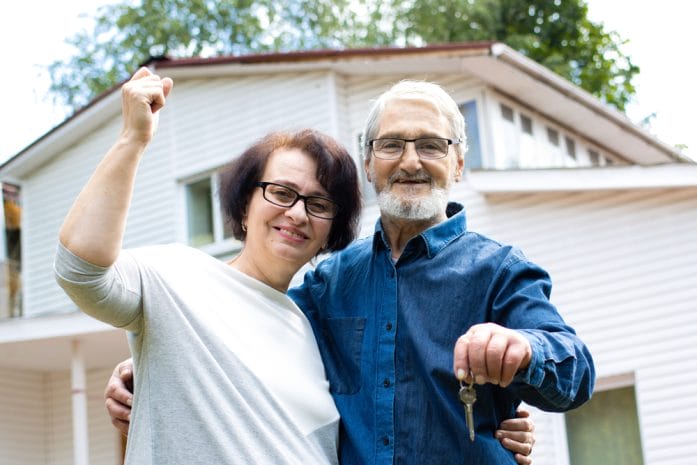
Have you noticed how retirement is no longer about moving into a quiet community and fading into the background? A growing number of older adults are rewriting the rules, insisting on staying right where they’ve built memories, decorated walls, and spent decades perfecting the art of comfortable living. Aging in place isn’t just a trend; it’s a movement, one that’s reshaping homes, neighborhoods, and even the way society thinks about getting older. People aren’t ready to give up control or familiarity, and honestly, who can blame them? Staying home means holding onto independence, comfort, and the routines that bring genuine joy.

But here’s the catch: most homes weren’t designed for the realities of aging. Staircases, narrow hallways, slippery bathrooms, and heavy doors suddenly turn from charming features into daily hazards. Retirees may want to stay put, but without some smart modifications, the dream of independent living can quickly turn stressful—or worse, unsafe. Architects, designers, and families are stepping up, but there’s still a gap between aspiration and reality.

Staying Home Without Losing Your Freedom

Retirees want independence, and aging in place offers it in spades. Living in a familiar space allows them to maintain routines, hobbies, and social connections that simply can’t be replicated in institutional settings. But the average home isn’t built with wide hallways, zero-step entries, or bathrooms that prevent slips and falls. That’s where creative solutions come into play. Grab bars, walk-in showers, stair lifts, and smart lighting aren’t just safety features—they’re confidence boosters, giving homeowners the ability to move freely without fear of injury. Installing these features early can prevent a costly emergency down the road and give families peace of mind.

Technology also plays a starring role in modern aging in place. Smart home devices can remind people to take medications, alert family members if something seems off, and even control lighting and temperature with voice commands. Many retirees are discovering that technology isn’t intimidating—it’s empowering. Paired with thoughtful interior design, these updates can transform an old house into a safe, efficient, and even stylish space. Aging in place is about retaining freedom, and every modification should prioritize the person living there over aesthetics alone.

Bathrooms: The Silent Danger Zone

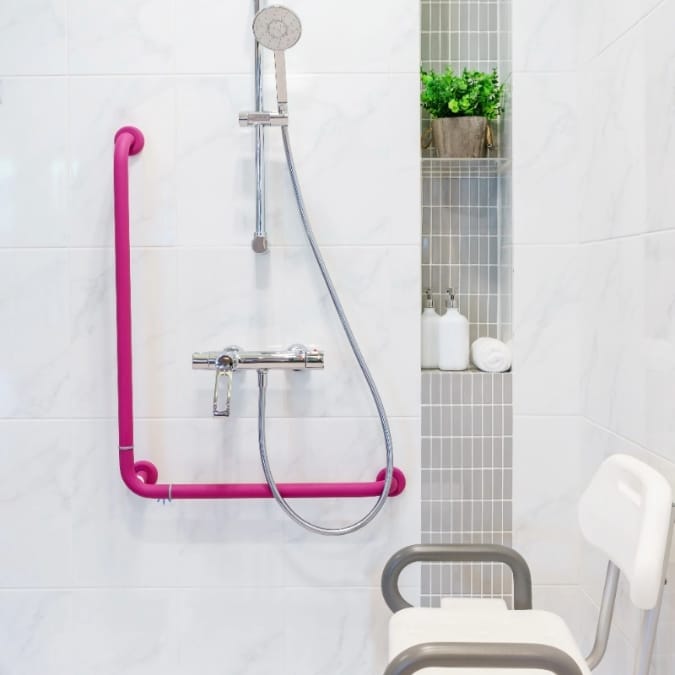
Bathrooms account for a surprisingly high percentage of accidents among older adults. Wet tiles, tight spaces, and high bathtubs turn everyday routines into potential hazards. Converting a bathtub to a walk-in shower, adding non-slip mats, and installing grab bars may seem minor, but these changes dramatically reduce fall risk. Even something as simple as a shower chair or a hand-held showerhead can increase safety while preserving dignity and independence.

Lighting matters too. Shadows can hide obstacles and make slippery floors more treacherous. Motion-sensor lights and bright, evenly distributed fixtures reduce the chance of accidents. On top of safety, small touches like anti-scald faucets and adjustable water temperatures make daily life easier and more comfortable. Designers are now thinking like seniors, creating bathrooms that balance practicality, style, and accessibility. In many cases, the cost of renovations pales in comparison to the benefits of safety and independence, making bathroom upgrades one of the smartest investments for anyone planning to age in place.

Kitchen Upgrades That Actually Make Life Easier

Kitchens are the heart of any home, but for aging residents, they can be a minefield. Heavy doors, high shelves, and tricky appliances create unnecessary challenges. Modifying cabinets with pull-down shelves, adding lever-style handles, and placing frequently used items within easy reach can make cooking less of a workout and more of a joy. Counter heights may need adjusting to prevent strain, and non-slip flooring can transform a hazardous space into a functional, safe zone.

Beyond safety, kitchen upgrades can foster social connections. Open layouts encourage family gatherings and communal cooking, while better lighting and organization reduce stress during meal prep. Technology is stepping in here too, with smart appliances that monitor cooking times, adjust temperatures, and even alert users if something is left on. Aging in place isn’t about sacrifice—it’s about keeping life delicious, fun, and worry-free. A well-thought-out kitchen allows retirees to maintain independence without missing out on the pleasures of home-cooked meals.

More Retirees Are “Aging in Place” — But Many Homes Aren’t Built for It

Image Source: Pexels.com

Outdoor Spaces: Not Just a Nice View

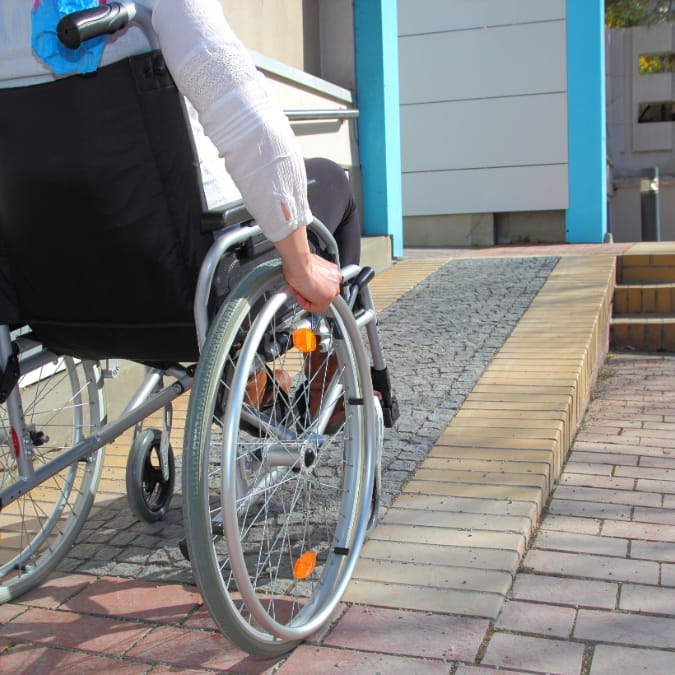
Many retirees underestimate the importance of outdoor accessibility. Steps, uneven surfaces, and heavy doors can make it difficult to enjoy fresh air, gardens, or morning coffee on the porch. Adding ramps, handrails, and level pathways ensures that outdoor spaces remain accessible and safe. Gardens, patios, and decks aren’t just aesthetic features—they’re crucial for mental health, exercise, and social interaction.

Even small improvements like outdoor lighting, non-slip surfaces, and easy-to-manage planters make a big difference. Retirees who engage with their environment stay more active and maintain stronger social ties. Outdoor accessibility doesn’t require an entire remodel; thoughtful adjustments can transform the yard into an inviting, safe extension of the home. Staying connected to nature while remaining independent adds joy, energy, and purpose to daily life.

Financial Planning Meets Practical Renovations

Aging in place isn’t just a design challenge—it’s a financial one. Many retirees worry about the cost of home modifications, but there are programs and incentives to make updates more affordable. Grants, low-interest loans, and tax credits exist in many areas to help cover accessibility upgrades. Even budgeting for small, incremental improvements over time can add up to a significantly safer living environment without draining savings.

Families also play a role, whether by helping with DIY projects or coordinating professional renovations. Planning ahead prevents costly emergency interventions and allows modifications to match personal needs rather than reacting to accidents. By thinking creatively and financially, retirees can craft homes that balance comfort, safety, and long-term independence. It’s about turning a dream of staying home into a practical, achievable reality.

Designing a Home That Grows With You

Aging in place succeeds when homes evolve alongside the people who live in them. Flexibility is key: adjustable counters, modular furniture, and multipurpose spaces can accommodate changing mobility or health needs. Retirees are increasingly prioritizing universal design principles, which make homes functional for people of all ages and abilities. This proactive approach reduces stress later and keeps life enjoyable rather than restrictive.

Homes can become places of creativity, comfort, and ongoing independence with a few thoughtful upgrades. From smart technology to physical modifications, each change empowers residents to keep living life on their terms. With intentional planning, homes become safe havens that support well-being, social engagement, and even a little fun along the way.

A Home That Lets Life Shine

Aging in place is about more than convenience; it’s about maintaining identity, freedom, and the joy of daily routines. Every ramp, every lever handle, every well-placed sensor contributes to a bigger picture: a home that keeps life vibrant, exciting, and independent. While most houses weren’t built for aging adults, the right modifications make them adaptable, safe, and stylish. The key takeaway is simple: with foresight and creativity, retirees can stay where they belong without sacrificing quality of life.

What are your favorite strategies or tips for creating a home that grows with its residents? Have you seen clever solutions that blend safety and style? Share your thoughts, ideas, and personal stories in the comments section below.

You May Also Like…

Retirement Healthcare Costs Are Climbing Again — What the Average Couple Now Needs

8 Hidden Fees That Can Eat Away at Your Retirement Savings

Starting Retirement Savings at 30 With $0 — Is Catching Up Still Possible?

Is it Too Late at 45? How to Use the Mega Backdoor Roth to Dump Tens of Thousands into Retirement in One Year

10 Hidden 401(k) Fees That Can Eat Into Your Retirement Savings

Brandon Marcus
Brandon Marcus

Brandon Marcus is a writer who has been sharing the written word since a very young age. His interests include sports, history, pop culture, and so much more. When he isn’t writing, he spends his time jogging, drinking coffee, or attempting to read a long book he may never complete.


Filed Under: Retirement Tagged With: accessibility, Aging in Place, elderly care, home modifications, home renovation, home safety, independent living, mobility solutions, Retirement, senior living, smart home

8 Home Upgrades Seniors Are Choosing Over Moving Into Facilities

November 19, 2025 by Travis Campbell Leave a Comment

senior at home

Image source: pexels.com

Many elderly people choose to remain in their current residence because it provides them with a sense of familiarity. The decision between safety, comfort, and dignity becomes the main factor for older adults. People need to evaluate which care elements will help them stay at home, as long-term care facility expenses continue to rise. People in their later years now choose to spend their money on home improvements that help them move around better while maintaining their ability to live independently. The modifications serve a dual function that goes beyond providing user comfort. The implemented changes enable seniors to maintain their independence while offering new opportunities to live at home as they age.

1. Bathroom Safety Retrofits

The bathroom creates risk, even for people who move confidently through the rest of the house. A few focused adjustments cut that risk sharply. Walk-in showers with low thresholds replace tubs that once seemed harmless but now act like barricades. Grab bars near toilets and along shower walls steady movement during the moments when balance falters. Non-slip flooring turns slick tile into something predictable. These home upgrades for seniors remove hazards before they escalate into hospital stays, and they do it without altering the room’s basic function.

2. Better Lighting and Visibility

Dim spaces slow reaction time and hide obstacles. That’s why more homes now rely on layered lighting—overhead fixtures, task lighting, and motion-activated night paths. Brighter bulbs clarify edges and reduce strain. Wider windows or lighter window treatments expand natural light, cutting the shadows that can confuse depth perception. The shift seems small. But the result is a house that communicates clearly, every hour of the day.

3. Kitchen Accessibility Changes

The kitchen remains a place of routine, so its layout matters. Lowered countertops reduce unnecessary reaching. Pull-out shelves replace deep cabinets that hide items in the back. Lever-style faucets require less grip strength. Induction cooktops heat pans but not surfaces, reducing burn risk. These changes keep food preparation manageable and calm. They secure autonomy in a room that often sets the tone for the rest of the day.

4. Wider Doorways and Open Floor Plans

Mobility devices, even temporary ones, need room to maneuver. Narrow hallways work against that. Widened doorways and smoother transitions between rooms eliminate bottlenecks. Removing select walls creates clearer sightlines and reduces tight turns. The result is flow—simple, predictable, unforced. When movement feels easy, the home stops feeling like an obstacle course and starts functioning as a true support system.

5. Smart-Home Monitoring and Alerts

Digital tools help where constant vigilance once seemed necessary. Motion sensors confirm activity. Automatic shutoff systems prevent kitchen accidents. Voice-controlled assistants handle routine tasks when hands or joints won’t cooperate. These tools aren’t about surveillance. They’re about backup, offering a layer of reassurance that doesn’t depend on someone being physically present. And when combined with other home upgrades for seniors, they strengthen the sense of security that aging adults want.

6. Entryway and Stair Solutions

Entryways create some of the most immediate barriers. Ramps replace steps without announcing a loss of independence. Handrails on both sides of staircases guide every ascent and descent. For multi-story homes, stair lifts or compact residential elevators erase the choice between staying downstairs or risking a fall. These updates keep the entire home accessible, not just a single floor. They turn movement into something steady rather than something feared.

7. Flooring That Reduces Risk

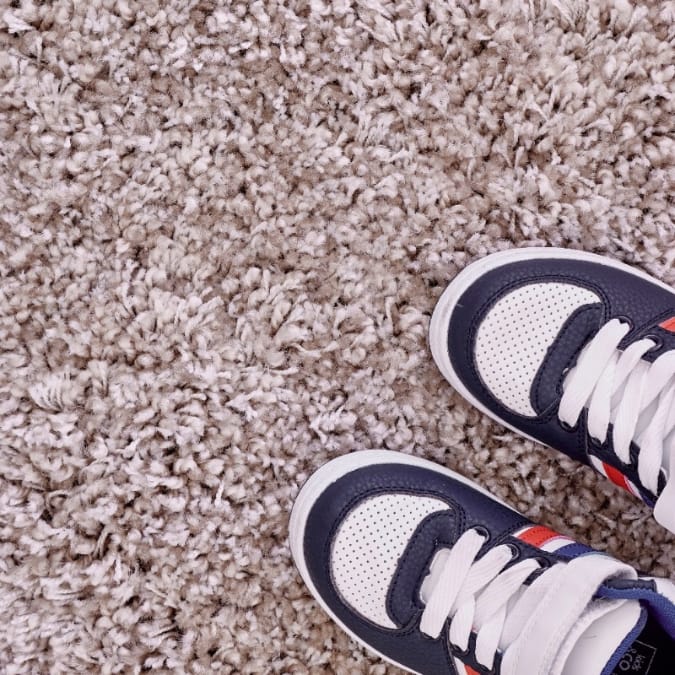
Carpeting can catch on mobility aids, and hard tile can punish any fall. Many seniors now choose low-pile carpets or slip-resistant vinyl surfaces that provide traction without causing drag. Thresholds between rooms get lowered or removed. These choices appear mundane, but they influence every step taken inside the house. Each adjustment strips away one more chance for an accident. And over time, these subtle improvements become the quiet backbone of aging in place.

8. Creating Single-Level Living Zones

A two-story house becomes more manageable when the essentials move to one floor. A bedroom, full bathroom, laundry, and kitchen all on one level reduce the strain of constant climbing. Some families reconfigure existing rooms, while others convert garages or dining spaces into new living areas. The shift keeps the home familiar but more workable. Among all home upgrades for seniors, this one often feels like the most strategic—minimizing movement without shrinking the person’s world.

Why These Upgrades Matter

The process of change creation establishes essential elements that help people develop their independence. The combination of home modifications for seniors creates an environment that enables them to maintain their daily routines without having to move. The house serves as a defensive space that provides shelter for residents when their medical condition becomes unstable. Home modifications are more affordable than long-term care facilities, while preserving the personal elements that make a house feel like home.

Which home modifications have brought the most significant improvements to your residence or the residence of someone you care about?

What to Read Next…

  • 6 Household Services You Can Eliminate Without Losing Quality Of Life
  • 10 Items That Could Void Your Homeowners Insurance Instantly
  • 8 Common Home Security Features That Aren’t As Safe As You Think
  • How Homeowners Associations Are Targeting Retirees With Fines
  • 5 Home Investment Plans That Legal Experts Say To Avoid
Travis Campbell
Travis Campbell

Travis Campbell is a digital marketer/developer with over 10 years of experience and a writer for over 6 years. He holds a degree in E-commerce and likes to share life advice he’s learned over the years. Travis loves spending time on the golf course or at the gym when he’s not working.

Filed Under: Home Improvement Tagged With: Aging in Place, home upgrades, retirement planning, safe living, senior housing

10 Home Features That Signal You’re Not Ready to Retire Yet

August 1, 2025 by Travis Campbell Leave a Comment

retire

Image Source: pexels.com

Retirement is a big step. It’s not just about leaving your job; it’s about changing how you live every day. Many people focus on their savings, but your home can say a lot about your retirement readiness. The features in your house might be telling you that you’re not quite there yet. If you want to know if you’re truly ready to retire, look around your home. The signs are often right in front of you. Here are ten home features that signal you’re not ready to retire yet—and what you can do about them.

1. A Large, High-Maintenance Yard

A big yard can be great for family gatherings and summer barbecues. But mowing, weeding, and raking get harder as you age. If you’re still spending hours every week on yard work, your home may not fit your retirement lifestyle. Consider how much time and money you spend on upkeep. Downsizing to a smaller yard or switching to low-maintenance landscaping can free up your time and energy for things you actually enjoy.

2. Multiple Stories and Lots of Stairs

Stairs can be tough on your knees and back, especially as you get older. If your home has more than one story, think about how you’ll manage in ten or twenty years. Climbing stairs every day isn’t just tiring—it can be dangerous if your mobility changes. Many retirees look for single-level homes or add stairlifts, but both options require planning and money. If you haven’t thought about this, your retirement readiness may need work.

3. Outdated or Inaccessible Bathrooms

Bathrooms are one of the most important rooms to update for retirement. Slippery tubs, high thresholds, and tight spaces can all become hazards. If your bathroom doesn’t have grab bars, a walk-in shower, or non-slip flooring, it’s not retirement friendly. Remodeling can be expensive, but it’s often necessary for safety and comfort. If you haven’t budgeted for these changes, you’re not fully prepared.

4. Extra Bedrooms You Rarely Use

Many people keep extra bedrooms “just in case” of family visits. But unused rooms mean more cleaning, higher utility bills, and extra property taxes. If you’re holding onto space you don’t need, it might be time to rethink your living situation. Downsizing can save money and make life simpler. It’s a key part of retirement readiness that many overlook.

5. High Utility Bills

Older homes often have poor insulation, drafty windows, and outdated heating or cooling systems. These features drive up your utility bills. If you’re spending a lot on electricity, gas, or water, your home may not be efficient enough for retirement. Upgrading to energy-efficient appliances and better insulation can lower your costs. The Department of Energy offers tips on improving home efficiency that can help you prepare.

6. A Long Commute or Far-Flung Location

If your home is far from stores, doctors, or social activities, it can make retirement harder. Long drives become more stressful as you age. If you rely on your car for everything, think about how you’ll get around if you can’t drive. Living closer to amenities or public transportation can make life easier and safer. If you haven’t considered this, your retirement readiness may be lacking.

7. Expensive or Unfinished Renovations

Big renovation projects can drain your savings and add stress. If your home is full of half-finished projects or you’re planning expensive upgrades, it’s a sign you’re not ready to retire. Retirement is about enjoying life, not living in a construction zone. Finish what you can and avoid taking on new projects unless they’re essential for safety or comfort.

8. Lack of Safety Features

Simple things like smoke detectors, carbon monoxide alarms, and secure locks are easy to overlook. But they’re crucial for a safe retirement. If your home lacks these features, you’re not as prepared as you think. Adding safety upgrades is a small investment that pays off in peace of mind. The National Institute on Aging has a helpful guide on making your home safer as you age.

9. Cluttered Spaces and Overstuffed Storage

If your closets, garage, or basement are packed with stuff you never use, it’s time to declutter. Too much clutter can make your home unsafe and stressful. Retirement is a chance to simplify. Start by sorting through your belongings and letting go of what you don’t need. A tidy home is easier to maintain and more enjoyable to live in.

10. High Property Taxes and Insurance Costs

Rising property taxes and insurance premiums can eat into your retirement income. If your home is in an area with high costs, it may not be sustainable long-term. Look at your annual expenses and see if they fit your retirement budget. Moving to a lower-cost area or a smaller home can help you stretch your savings further.

Rethinking Your Home for Real Retirement Readiness

Your home should support your retirement, not hold you back. If you see these features in your house, it’s a sign to pause and reassess. Retirement readiness isn’t just about money in the bank—it’s about living in a space that fits your needs now and in the future. Take a close look at your home and make changes where you can. Small steps today can make a big difference tomorrow.

What home features have you found most challenging as you plan for retirement? Share your thoughts in the comments below.

Read More

Are These 6 “Budget-Friendly” Retirement Communities a Financial Trap?

How Many of These 8 Retirement Mistakes Are You Already Making?

Travis Campbell
Travis Campbell

Travis Campbell is a digital marketer/developer with over 10 years of experience and a writer for over 6 years. He holds a degree in E-commerce and likes to share life advice he’s learned over the years. Travis loves spending time on the golf course or at the gym when he’s not working.

Filed Under: Retirement Tagged With: Aging in Place, downsizing, financial independence, home features, Lifestyle, Personal Finance, retirement planning, retirement readiness

Your Parents Should Never End Up In A Nursing Home If They Do These 10 Things Right Now

June 14, 2025 by Travis Campbell Leave a Comment

nursing home

Image Source: pexels.com

Watching your parents age can be both rewarding and challenging. One of the biggest concerns for many families is the possibility of a loved one ending up in a nursing home. While nursing homes provide essential care for some, most people want to avoid them if possible, preferring the comfort and familiarity of home. The good news? There are practical steps your parents can take right now to dramatically reduce the chances of needing a nursing home in the future. By planning ahead and making smart choices, your family can help your parents maintain their independence, dignity, and quality of life for years to come. Here are ten actionable strategies to keep your parents out of a nursing home and thriving at home.

1. Prioritize Preventive Healthcare

Regular checkups, screenings, and vaccinations are the foundation of healthy aging. Encourage your parents to stay on top of their medical appointments and address health concerns early. Preventive care can catch issues before they become serious, reducing the risk of hospitalizations that often lead to nursing home stays. Simple habits like annual physicals, eye exams, and dental visits can make a huge difference in long-term health.

2. Make the Home Safe and Accessible

Falls are a leading cause of injury among seniors and a common reason for nursing home admission. Take a walk through your parents’ home and look for hazards: loose rugs, poor lighting, or cluttered walkways. Install grab bars in bathrooms, add non-slip mats, and consider ramps or stairlifts if mobility is an issue. A safe, accessible home environment is key to aging in place and avoiding a nursing home.

3. Build a Strong Social Network

Isolation can lead to depression, cognitive decline, and even physical health problems. Help your parents stay connected with friends, family, and community groups. Encourage regular phone calls, video chats, or in-person visits. Many communities offer senior centers, clubs, or volunteer opportunities that foster social engagement and reduce the risk of needing a nursing home.

4. Stay Physically Active

Physical activity is one of the best defenses against the decline that can lead to a nursing home. Encourage your parents to find activities they enjoy, whether it’s walking, swimming, yoga, or gardening. Even light exercise improves balance, strength, and flexibility, all of which help prevent falls and maintain independence. The CDC recommends at least 150 minutes of moderate activity per week for older adults.

5. Plan for Long-Term Care Needs

Don’t wait for a crisis to talk about long-term care. Sit down with your parents and discuss their wishes, finances, and available resources. Explore options like in-home care, adult day programs, or assisted living before a nursing home becomes the only choice. Having a plan in place gives everyone peace of mind and more control over future decisions.

6. Manage Chronic Conditions Effectively

Chronic illnesses like diabetes, heart disease, and arthritis are common reasons seniors end up in a nursing home. Help your parents manage their conditions with medication reminders, healthy meals, and regular monitoring. Encourage them to follow their doctor’s advice and stay informed about their health. Effective management can keep chronic issues from spiraling into emergencies.

7. Leverage Technology for Independence

Today’s technology can help seniors live safely at home longer. Medical alert systems, medication reminders, and smart home devices can provide security and support. Video calls make it easy to check in, while apps can track health metrics or remind your parents to take their meds. Embracing technology can be a game-changer in avoiding a nursing home.

8. Encourage Mental Stimulation

Keeping the mind active is just as important as physical health. Encourage your parents to read, do puzzles, play games, or learn new skills. Activities that challenge the brain can delay cognitive decline and reduce the risk of conditions like dementia, which often lead to nursing home care.

9. Organize Legal and Financial Affairs

Having legal and financial documents in order is crucial for avoiding unnecessary nursing home placement. Make sure your parents have a will, power of attorney, and healthcare directives. Review their insurance policies and long-term care coverage. Being prepared ensures that your parents’ wishes are respected and that resources are available for in-home care if needed.

10. Foster Open Family Communication

Regular, honest conversations about aging, health, and preferences can prevent misunderstandings and last-minute decisions. Make it a habit to check in with your parents about how they’re feeling and what support they need. Involve siblings or other family members in the discussion. Open communication helps everyone work together to keep your parents out of a nursing home and living where they feel happiest.

The Path to Independence Starts Now

Helping your parents avoid a nursing home isn’t about luck—it’s about proactive planning, smart choices, and ongoing support. By focusing on health, safety, social connections, and open communication, you can empower your parents to age in place with confidence. Every step you take today builds a stronger foundation for their independence tomorrow. Remember, the goal isn’t just to avoid a nursing home, but to help your parents enjoy a vibrant, fulfilling life at home for as long as possible.

What steps have you or your family taken to help your parents stay independent? Share your experiences or tips in the comments below!

Read More

Find the Right Amount of Life Insurance in 10 Minutes

Why Junior’s Education Might Be Less Expensive Than Expected

Travis Campbell
Travis Campbell

Travis Campbell is a digital marketer/developer with over 10 years of experience and a writer for over 6 years. He holds a degree in E-commerce and likes to share life advice he’s learned over the years. Travis loves spending time on the golf course or at the gym when he’s not working.

Filed Under: Parenting & Family Tagged With: Aging in Place, elder care, family caregiving, health, Long-term care, nursing home, Planning, Retirement, senior independence

10 Smart Reasons Most Baby Boomers Are Aging in Place

April 18, 2024 by Teri Monroe Leave a Comment

boomers at home

As the baby boomer generation gracefully transitions into their golden years, a growing trend has emerged – aging in place. Rather than moving to retirement communities or assisted living facilities, many baby boomers are opting to stay in their own homes for as long as possible.

A recent survey by Redfin found that nearly four in five baby boomers plan to age in place. This decision is not merely sentimental; it’s backed by a host of practical and smart reasons. Let’s delve into ten compelling reasons why boomers are aging in place.

1. Familiarity Breeds Comfort

boomer sharing memories in home

Baby boomers have spent decades creating memories in their homes. The familiarity of their surroundings provides a sense of comfort and security that’s hard to replicate elsewhere.

2. Maintaining Independence

maintaining independence

Aging in place allows Boomers to retain their independence. They can continue to manage their daily routines, make decisions, and live life on their terms without the constraints of communal living.

3. Financial Prudence

financial planning

Retirement communities and assisted living facilities come with hefty price tags. On average, assisted living facilities cost $4,500 per month. By staying in their own homes, boomers can avoid the significant financial burden associated with moving to specialized care facilities.

4. Embracing Technology

embracing technology

With advancements in technology, aging in place has become more feasible and safer. From smart home devices to wearable medical alert systems, technology enables boomers to maintain their autonomy while ensuring they have access to assistance if needed.

5. Preserving Community Bonds

boomers community

Many boomers have strong ties to their communities. They’ve built relationships with neighbors, friends, and local businesses over the years. Aging in place allows them to preserve these valuable connections.

6. Personalized Care

boomers aging in place

Staying at home facilitates personalized care arrangements tailored to individual needs. Whether it’s hiring caregivers, modifying the home for accessibility, or seeking medical assistance, boomers can craft a care plan that suits their preferences.

7. Sense of Purpose

boomer hobbies

Retaining a sense of purpose is crucial for mental and emotional well-being in retirement. By aging in place, boomers can continue to engage in familiar activities, hobbies, and interests that give their lives meaning.

8. Adaptability of the Home

boomers making home modifications for aging in place

Many homes can be modified to accommodate aging residents. Simple adjustments like installing grab bars, ramps, or stairlifts can make the environment safer and more accessible, allowing boomers to navigate their homes with ease.

9. Avoiding Disruption

boomers aging in place

Moving to a new living arrangement can be disruptive and stressful, especially for older adults. Aging in place minimizes this upheaval, allowing boomers to maintain stability and continuity in their lives.

10. Legacy and Heritage

boomers leaving legacy

For many boomers, their home represents more than just a living space; it’s a repository of family history and memories. Boomers aging in place allows them to pass on their legacy to future generations and preserve a tangible link to their heritage.

Making Decisions for the Future

boomers making decisions about aging in place

The decision to age in place is not only a sentimental choice but also a smart and practical one for many baby boomers. By staying in their own homes, they can maintain independence, preserve their financial resources, and continue to enjoy the comforts of familiar surroundings. With the right support systems and adaptations, aging in place enables boomers to live fulfilling and meaningful lives well into their later years.

Read More

9 Reasons Baby Boomers Are Healthier Than Other Generations

12 Ways Gen X’s Views Clash with Millennials and Boomers

Photograph of Teri Monroe
Teri Monroe
Teri Monroe started her career in communications working for local government and nonprofits. Today, she is a freelance finance and lifestyle writer and small business owner. Teri holds a B.A. From Elon University.  In her spare time, she loves golfing with her husband, taking her dog Milo on long walks, and playing pickleball with friends.

Filed Under: Personal Finance, Retirement Tagged With: Aging in Place, Boomers, Retirement

10 Upgrades Seniors Are Making To Their Homes In Lieu Of Retirement Facilities

April 5, 2024 by Teri Monroe Leave a Comment

Upgrades seniors are making to their homes

Increasingly, seniors are opting to upgrade their homes to make them more accessible rather than entering retirement facilities. According to AARP, in 2021, 77% of adults over 50 would prefer to age in place if they had the choice. Aging in place may make more financial sense for some seniors due to the rising costs of assisted living care.

A recent Cost of Care Survey from Genworth Financial found that the national median monthly cost of assisted living is about $5,350. On the other hand, home modifications can range from very affordable smaller projects to larger-scale renovations. Here are 10 upgrades seniors are making to their homes in lieu of retirement facilities.

1. Upgrading Bathrooms

Upgrades seniors are making to their homes in the bathroom

The most common upgrades seniors are making to their homes are bathroom updates. Renovations may include installing walk-in showers or tubs, handheld shower heads, grab bars, shower seats, and raised toilets.

Retrofitting bathrooms has become very easy and more affordable. Many installers can accomplish this project in a day with no permits involved. These upgrades allow seniors extra safety in their bathrooms, where accidents are likely to happen.

2. Incorporating Additional Lighting

Upgrades seniors are making to their homes lighting

Most slips and falls occur at night because of decreased visibility. To combat this, seniors are adding additional lighting with easy rocker switches or motion sensors. Spotlights are also crucial in heavily used areas like the kitchen.

3. Investing In Smart Home Technology

Seniors upgrading their homes smart home technology

Smart technology can give seniors an extra level of security in their homes. Security systems like Ring are easy to use and are managed by an app. Many seniors are also adding systems that regulate their thermostats, turn off plugs or the stove, alert you when a door is opened, and turn on lights. Additionally, some systems can be helpful in an emergency by alerting emergency services and loved ones.

4. Buying New Furniture

Furniture upgrades seniors are making to their homes

Not only are structural improvements necessary, but seniors are also considering how their furniture can help them age in place. Ergonomic furniture can be beneficial if seniors experience mobility issues down the line.

Many seniors are also considering if their furniture layouts will have extra space for moving around and, therefore, are opting for less bulky furniture with fewer sharp edges.

5. Moving The Primary Bedroom to The First Level

Upgrades seniors are making to their homes moving master bedroom

Seniors are also reconsidering the stories of their homes and making necessary adjustments, such as moving their primary bedroom to the first floor or adding a bathroom on the main level to avoid stairs. If moving their bedroom to the first floor isn’t possible, seniors can also add stair lifts for increased accessibility. Stair lifts can typically cost between $4,000 and $8,000.

6. Replacing Slippery Flooring

Flooring upgrades seniors are making to their homes

Slips and falls are the leading cause of injury to seniors who choose to age in place. Many seniors are changing their flooring to avoid this, especially if they have slippery tile or hardwood floors. A low and dense pile carpet is the best choice for additional traction.

7. Adding Outdoor Ramps and Handrails

Wheelchair ramp

Accessibility outside the home is a crucial improvement for seniors. Adding a ramp and handrails gives seniors peace of mind that they can easily come and go from their homes. The average cost of a ramp ranges from $1,300 to $4,000.

8. Modifying Kitchen Design

Kitchen upgrades seniors are making to their homes

Cuts and burns are the second most common type of injury to seniors in the home after falls. To help avoid this, seniors are modifying their kitchens by lowering countertops and rounding counter edges.

Another easy fix is swapping out drawer and cabinet pulls for wider pulls with soft ergonomic shapes, making them easier to grasp. Soft-close cabinets and drawers are also easy additions. Changing out wide basin sinks for something shallower is also a good idea to avoid too much bending over. Most hands-free sinks also have anti-scald devices. It may also be beneficial to widen the kitchen’s footprint for extra accessibility.

9. Swapping Round Door Knobs for Lever Handles

Home upgrades

A very easy swap that seniors are making is replacing round door handles around the house with lever handles. These handles are much easier to grip, especially for those with arthritis.

10. Repurposing Rooms for Hobbies

Converting rooms for hobbies home upgrades

Seniors are also updating their homes to accommodate how they want to spend their golden years. For some seniors, this means upgrading an adult child’s old room to an art studio or cozy library.

Offset the Cost of Home Upgrades

Offset the costs of home upgrades

Upgrading your home so that you can age in place instead of moving into a retirement facility doesn’t need to be a daunting undertaking. By focusing on these 10 most common upgrades seniors are making to their homes, you can stay in your space no matter what your needs might be in the future.

While these projects range in cost, some may be covered by insurance or be tax deductible. This monetary assistance can help you offset the costs associated with aging in place.

Read More

10 Surprising Ways Baby Boomer Grandparents Are Splurging on Their Grandkids

14 Things Never To Do on Public Wi-Fi Networks

Photograph of Teri Monroe
Teri Monroe
Teri Monroe started her career in communications working for local government and nonprofits. Today, she is a freelance finance and lifestyle writer and small business owner. Teri holds a B.A. From Elon University.  In her spare time, she loves golfing with her husband, taking her dog Milo on long walks, and playing pickleball with friends.

Filed Under: Real Estate Tagged With: Aging in Place, Home Modification, Retirement, Senior Home Improvements

FOLLOW US

Search this site:

Recent Posts

  • Can My Savings Account Affect My Financial Aid? by Tamila McDonald
  • 12 Ways Gen X’s Views Clash with Millennials… by Tamila McDonald
  • What Advantages and Disadvantages Are There To… by Jacob Sensiba
  • 10 Tactics for Building an Emergency Fund from Scratch by Vanessa Bermudez
  • Call 911: Go To the Emergency Room Immediately If… by Stephen Kanaval
  • 7 Weird Things You Can Sell Online by Tamila McDonald
  • 10 Scary Facts About DriveTime by Tamila McDonald

Copyright © 2026 · News Pro Theme on Genesis Framework