• Home
  • About Us
  • Toolkit
  • Getting Finances Done
    • Hiring Advisors
    • Debt Management
    • Spending Plan
  • Insurance
    • Life Insurance
    • Health Insurance
    • Disability Insurance
    • Homeowners/Renters Insurance
  • Contact Us
  • Privacy Policy
  • Risk Tolerance Quiz

The Free Financial Advisor

You are here: Home / Archives for independent living

More Retirees Are “Aging in Place” — But Many Homes Aren’t Built for It

March 27, 2026 by Brandon Marcus Leave a Comment

More Retirees Are “Aging in Place” — But Many Homes Aren’t Built for It

Image Source: Pexels.com

Have you noticed how retirement is no longer about moving into a quiet community and fading into the background? A growing number of older adults are rewriting the rules, insisting on staying right where they’ve built memories, decorated walls, and spent decades perfecting the art of comfortable living. Aging in place isn’t just a trend; it’s a movement, one that’s reshaping homes, neighborhoods, and even the way society thinks about getting older. People aren’t ready to give up control or familiarity, and honestly, who can blame them? Staying home means holding onto independence, comfort, and the routines that bring genuine joy.

But here’s the catch: most homes weren’t designed for the realities of aging. Staircases, narrow hallways, slippery bathrooms, and heavy doors suddenly turn from charming features into daily hazards. Retirees may want to stay put, but without some smart modifications, the dream of independent living can quickly turn stressful—or worse, unsafe. Architects, designers, and families are stepping up, but there’s still a gap between aspiration and reality.

Staying Home Without Losing Your Freedom

Retirees want independence, and aging in place offers it in spades. Living in a familiar space allows them to maintain routines, hobbies, and social connections that simply can’t be replicated in institutional settings. But the average home isn’t built with wide hallways, zero-step entries, or bathrooms that prevent slips and falls. That’s where creative solutions come into play. Grab bars, walk-in showers, stair lifts, and smart lighting aren’t just safety features—they’re confidence boosters, giving homeowners the ability to move freely without fear of injury. Installing these features early can prevent a costly emergency down the road and give families peace of mind.

Technology also plays a starring role in modern aging in place. Smart home devices can remind people to take medications, alert family members if something seems off, and even control lighting and temperature with voice commands. Many retirees are discovering that technology isn’t intimidating—it’s empowering. Paired with thoughtful interior design, these updates can transform an old house into a safe, efficient, and even stylish space. Aging in place is about retaining freedom, and every modification should prioritize the person living there over aesthetics alone.

Bathrooms: The Silent Danger Zone

Bathrooms account for a surprisingly high percentage of accidents among older adults. Wet tiles, tight spaces, and high bathtubs turn everyday routines into potential hazards. Converting a bathtub to a walk-in shower, adding non-slip mats, and installing grab bars may seem minor, but these changes dramatically reduce fall risk. Even something as simple as a shower chair or a hand-held showerhead can increase safety while preserving dignity and independence.

Lighting matters too. Shadows can hide obstacles and make slippery floors more treacherous. Motion-sensor lights and bright, evenly distributed fixtures reduce the chance of accidents. On top of safety, small touches like anti-scald faucets and adjustable water temperatures make daily life easier and more comfortable. Designers are now thinking like seniors, creating bathrooms that balance practicality, style, and accessibility. In many cases, the cost of renovations pales in comparison to the benefits of safety and independence, making bathroom upgrades one of the smartest investments for anyone planning to age in place.

Kitchen Upgrades That Actually Make Life Easier

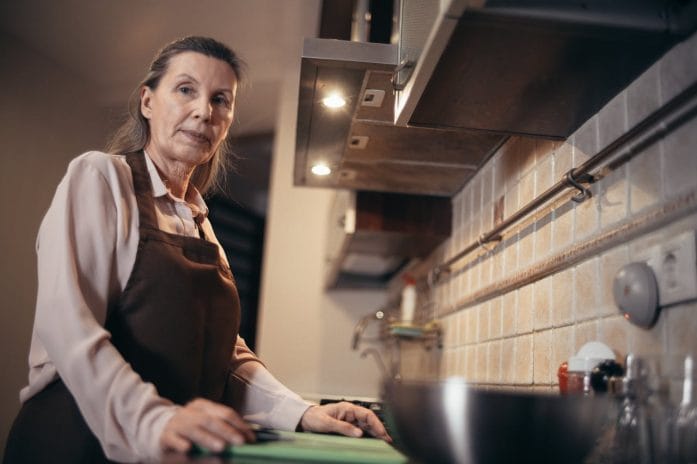
Kitchens are the heart of any home, but for aging residents, they can be a minefield. Heavy doors, high shelves, and tricky appliances create unnecessary challenges. Modifying cabinets with pull-down shelves, adding lever-style handles, and placing frequently used items within easy reach can make cooking less of a workout and more of a joy. Counter heights may need adjusting to prevent strain, and non-slip flooring can transform a hazardous space into a functional, safe zone.

Beyond safety, kitchen upgrades can foster social connections. Open layouts encourage family gatherings and communal cooking, while better lighting and organization reduce stress during meal prep. Technology is stepping in here too, with smart appliances that monitor cooking times, adjust temperatures, and even alert users if something is left on. Aging in place isn’t about sacrifice—it’s about keeping life delicious, fun, and worry-free. A well-thought-out kitchen allows retirees to maintain independence without missing out on the pleasures of home-cooked meals.
More Retirees Are “Aging in Place” — But Many Homes Aren’t Built for It

Image Source: Pexels.com

Outdoor Spaces: Not Just a Nice View

Many retirees underestimate the importance of outdoor accessibility. Steps, uneven surfaces, and heavy doors can make it difficult to enjoy fresh air, gardens, or morning coffee on the porch. Adding ramps, handrails, and level pathways ensures that outdoor spaces remain accessible and safe. Gardens, patios, and decks aren’t just aesthetic features—they’re crucial for mental health, exercise, and social interaction.

Even small improvements like outdoor lighting, non-slip surfaces, and easy-to-manage planters make a big difference. Retirees who engage with their environment stay more active and maintain stronger social ties. Outdoor accessibility doesn’t require an entire remodel; thoughtful adjustments can transform the yard into an inviting, safe extension of the home. Staying connected to nature while remaining independent adds joy, energy, and purpose to daily life.

Financial Planning Meets Practical Renovations

Aging in place isn’t just a design challenge—it’s a financial one. Many retirees worry about the cost of home modifications, but there are programs and incentives to make updates more affordable. Grants, low-interest loans, and tax credits exist in many areas to help cover accessibility upgrades. Even budgeting for small, incremental improvements over time can add up to a significantly safer living environment without draining savings.

Families also play a role, whether by helping with DIY projects or coordinating professional renovations. Planning ahead prevents costly emergency interventions and allows modifications to match personal needs rather than reacting to accidents. By thinking creatively and financially, retirees can craft homes that balance comfort, safety, and long-term independence. It’s about turning a dream of staying home into a practical, achievable reality.

Designing a Home That Grows With You

Aging in place succeeds when homes evolve alongside the people who live in them. Flexibility is key: adjustable counters, modular furniture, and multipurpose spaces can accommodate changing mobility or health needs. Retirees are increasingly prioritizing universal design principles, which make homes functional for people of all ages and abilities. This proactive approach reduces stress later and keeps life enjoyable rather than restrictive.

Homes can become places of creativity, comfort, and ongoing independence with a few thoughtful upgrades. From smart technology to physical modifications, each change empowers residents to keep living life on their terms. With intentional planning, homes become safe havens that support well-being, social engagement, and even a little fun along the way.

A Home That Lets Life Shine

Aging in place is about more than convenience; it’s about maintaining identity, freedom, and the joy of daily routines. Every ramp, every lever handle, every well-placed sensor contributes to a bigger picture: a home that keeps life vibrant, exciting, and independent. While most houses weren’t built for aging adults, the right modifications make them adaptable, safe, and stylish. The key takeaway is simple: with foresight and creativity, retirees can stay where they belong without sacrificing quality of life.

What are your favorite strategies or tips for creating a home that grows with its residents? Have you seen clever solutions that blend safety and style? Share your thoughts, ideas, and personal stories in the comments section below.

You May Also Like…

Retirement Healthcare Costs Are Climbing Again — What the Average Couple Now Needs

8 Hidden Fees That Can Eat Away at Your Retirement Savings

Starting Retirement Savings at 30 With $0 — Is Catching Up Still Possible?

Is it Too Late at 45? How to Use the Mega Backdoor Roth to Dump Tens of Thousands into Retirement in One Year

10 Hidden 401(k) Fees That Can Eat Into Your Retirement Savings

Brandon Marcus
Brandon Marcus

Brandon Marcus is a writer who has been sharing the written word since a very young age. His interests include sports, history, pop culture, and so much more. When he isn’t writing, he spends his time jogging, drinking coffee, or attempting to read a long book he may never complete.

Filed Under: Retirement Tagged With: accessibility, Aging in Place, elderly care, home modifications, home renovation, home safety, independent living, mobility solutions, Retirement, senior living, smart home

8 Essential Items Boomers Should Invest In If They’ll Be Living Alone

November 30, 2025 by Travis Campbell Leave a Comment

boomers

Image source: shutterstock.com

The aging process of Boomers reveals that they will spend their next life stage as single residents in their homes. People who choose to live by themselves gain independence through self-reliance, but they must create strategic plans. The right equipment helps people overcome challenges that become apparent when they live alone in their homes. People employ convenience as a protective method to defend their individual interests. The most vital financial investments should minimize risks while preserving individual freedom of choice.

1. Medical Alert System

A medical alert system acts as a lifeline for anyone living alone. One fall can change everything, especially when no one is there to help. A simple pendant or wrist device connects to an emergency response team within seconds. The technology stays out of the way until it’s needed. And when it is, the difference between immediate help and a long wait can decide the outcome.

Models with automatic fall detection add another layer of safety. They trigger even if the wearer can’t reach the button. For boomers managing chronic conditions or limited mobility, that feature becomes essential rather than optional.

2. Home Security System

A secure home provides stability for someone living alone, especially at night. Modern systems don’t require complex setup or contracts. Cameras, motion sensors, and entry alarms create a clear picture of what’s happening around the home. And they alert the owner within seconds if something isn’t right.

The value goes beyond break-ins. Some setups monitor smoke, carbon monoxide, and leaks. These threats escalate fast when no one else is there to notice early signs.

3. Smart Lighting

Lighting seems harmless until it isn’t. Dark hallways and poorly lit outdoor steps cause falls that are completely preventable. Smart lighting solves the problem by turning on automatically when someone enters a room or approaches the house. That eliminates fumbling for switches and avoids sudden darkness.

Scheduling lights also gives the home a lived-in look even when the owner is out. It’s a small deterrent that matters when a person living alone wants to reduce risk without making major changes to the property.

4. Backup Power Source

Power outages hit harder for those living alone. Losing heat, refrigeration, light, and phone charging capability at once creates an urgent situation. A backup generator or high-capacity power station bridges that gap. It keeps essential devices running until the grid returns.

Portable power stations work well for apartments or smaller homes. Generators handle larger loads. Either choice gives control back in moments that usually breed uncertainty.

5. Medication Management Tools

Medication schedules become more complicated with age. Missing a dose or taking too many can trigger serious health issues. Pill organizers with alarms, automated dispensers, or digital reminders cut down on errors. They simplify a routine that grows harder to track when days blend together, and schedules shift.

These tools add structure without creating clutter or pressure. For someone living alone, that structure protects both health and independence.

6. Durable Mobility Aids

Mobility issues can surface gradually, then escalate without warning. Canes, walkers, or grab bars in key areas reduce strain and steady movement. The goal isn’t to limit activity. It’s to make every step safer.

Quality matters. A flimsy cane or unstable walker can cause more harm than it prevents. Solid construction, adjustable height, and nonslip grips turn mobility aids into reliable partners rather than afterthoughts.

7. Meal Preparation Tools

Nutrition changes when someone shifts to living alone. Cooking full meals may feel unnecessary or exhausting. Small appliances like slow cookers, air fryers, or compact convection ovens bring back convenience. They allow easy meal prep without heavy lifting or complicated cleanup.

Healthy food becomes accessible again. And when meal prep stops feeling like a chore, it’s easier to maintain consistent nutrition—a key part of staying strong and steady.

8. Financial Management Software

Money mistakes become more likely when no one else shares the bills or notices irregularities. Financial management software organizes accounts, tracks spending, and flags unusual activity. It gives boomers a clear picture of their financial health without requiring spreadsheets or complex workflows.

This type of system also reduces the risk of missed payments. Automated reminders or autopay settings keep essentials current. And for someone living alone, that stability removes a constant worry.

Preparing for Independence

People develop stronger independence skills as they age, rather than losing them. The right equipment helps older adults who live alone stay independent while creating a safer home environment. The investments address critical issues while maintaining current operations, creating sustainable stability.

Which items do you believe are vital for your personal needs or for someone you care about? Please share your opinions through the comment section.

What to Read Next…

  • 6 Household Services You Can Eliminate Without Losing Quality Of Life
  • 8 Common Home Security Features That Aren’t As Safe As You Think
  • The True Cost Of Using Doordash For Senior Care Errands
  • 7 Ways Your Neighbor Could Be Spying On You Without Breaking The Law
  • 8 Things You’re Doing That Make Criminals Think You’re An Easy Target
Travis Campbell
Travis Campbell

Travis Campbell is a digital marketer/developer with over 10 years of experience and a writer for over 6 years. He holds a degree in E-commerce and likes to share life advice he’s learned over the years. Travis loves spending time on the golf course or at the gym when he’s not working.

Filed Under: Personal Finance Tagged With: aging, Boomers, independent living, retirement planning, safety

7 Smart Reasons Boomers Are Redefining “Aging in Place”

November 7, 2025 by Travis Campbell Leave a Comment

boomers

Image source: shutterstock.com

For many Baby Boomers, the idea of “aging in place” no longer means staying put in a house that feels too big or outdated. It’s about building a lifestyle that supports independence, connection, and comfort through every stage of life. As this generation shapes retirement differently from their parents, they’re redefining what it means to live well at home. The shift isn’t just practical—it’s deeply personal. Boomers want control, flexibility, and meaningful design choices that make home a place they love, not just one they occupy. Here’s why this movement toward smarter, intentional aging in place is gaining traction.

1. Independence Is the Ultimate Luxury

For Boomers, independence is the new status symbol. Aging in place means being able to make choices on their own terms—when to cook, travel, or host family. Instead of moving into assisted living communities, many are adopting home modifications that allow them to maintain autonomy. Wider doorways, walk-in showers, and smart-home technology make daily routines easier without sacrificing style. The real goal is freedom, not just staying home longer.

2. Technology Makes Aging in Place Easier

Today’s smart-home tools are transforming what aging in place looks like. Voice-activated lighting, fall detection systems, and medication reminders help Boomers live safely and confidently. These upgrades aren’t just for health—they add convenience that anyone can appreciate. For example, video doorbells and app-controlled thermostats offer peace of mind and a sense of control. By investing in these tools early, Boomers set themselves up for a smoother future.

3. Financial Flexibility Beats Moving Costs

Downsizing or moving into a retirement facility can cost far more than updating an existing home. Many Boomers are choosing to invest in renovations that support aging in place rather than paying monthly community fees. The math often works out in favor of staying put. Home equity can also play a role—using a home equity line of credit or a reverse mortgage can fund upgrades that make long-term living more comfortable.

4. Community Connections Matter More Than Ever

One of the biggest surprises for many retirees is the high value they place on their local networks. Aging in place allows Boomers to stay near friends, neighbors, and familiar routines. This connection reduces loneliness and supports mental health. Rather than isolating, many are finding creative ways to stay involved—volunteering, joining local clubs, or simply walking the same neighborhood paths they’ve loved for years. The sense of belonging is priceless and hard to replicate after a move.

5. Homes Are Being Redesigned for Function and Beauty

The modern vision of aging in place is stylish. Forget institutional grab bars and clunky ramps. Designers now integrate accessibility features that blend seamlessly with contemporary aesthetics. Think sleek railings, adjustable countertops, and layered lighting. Boomers are proving that comfort doesn’t have to compromise design. Many even see these upgrades as an investment that increases property value. The result is a home that feels both timeless and ready for the future.

6. Health and Wellness Start at Home

Staying healthy isn’t just about doctor visits—it’s about the environment you live in. Many Baby Boomers view aging in place as a means to cultivate a wellness-focused lifestyle. Natural light, ergonomic furniture, and dedicated exercise space all contribute to better health outcomes. Some are even integrating home gyms or meditation areas to support daily routines. The home becomes a partner in well-being rather than a barrier. This shift shows how deeply the concept of aging in place has evolved beyond simple accessibility.

7. Planning Ahead Brings Peace of Mind

Proactive planning is the key to successful aging in place. Boomers who start early—before mobility or health challenges arise—have more options and fewer surprises. They’re working with certified aging-in-place specialists, financial planners, and family members to map out realistic timelines. This preparation reduces stress later and ensures the home will continue to meet their needs. It’s not about expecting the worst; it’s about designing for a long, active life.

Why This Redefinition Matters

The shift in how Boomers view aging in place reflects a broader cultural change. The practice of staying at home requires more than just physical presence, as it involves active participation and maintaining personal strength and social connections. Through their adoption of technology, design thinking, and community involvement, Boomers demonstrate that aging can bring independence and personal satisfaction. People modify their retirement plans by purposefully implementing contemporary smart home technology.

What steps do you plan to take for your home to become an environment that supports your independence and happiness during aging? Share your thoughts in the comments below.

What to Read Next…

  • The True Cost Of Using Doordash For Senior Care Errands
  • How Homeowners Associations Are Targeting Retirees With Fines
  • Why Some Elder Care Homes Are Requiring Adult Children To Cosign
  • What Are Estate Lawyers Warning Clients About In 2025
  • What Retirement Communities Don’t Disclose Up Front
Travis Campbell
Travis Campbell

Travis Campbell is a digital marketer/developer with over 10 years of experience and a writer for over 6 years. He holds a degree in E-commerce and likes to share life advice he’s learned over the years. Travis loves spending time on the golf course or at the gym when he’s not working.

Filed Under: Retirement Tagged With: baby boomers, home design, independent living, Planning, Retirement

8 Financial Realities of Aging Alone

September 9, 2025 by Travis Campbell Leave a Comment

alone aging

Image source: pexels.com

Growing older while living alone brings unique challenges, especially when it comes to money. Many people find themselves single in their later years, whether by choice, divorce, or the loss of a partner. Planning for the financial realities of aging alone is essential to protect your independence and well-being. Without a partner to share expenses or caregiving, it’s easy to underestimate how much support you may need. Facing these realities head-on helps you make smarter choices about your future. Here’s what you need to know to stay prepared and confident as you age solo.

1. Increased Living Expenses

One of the biggest financial realities of aging alone is shouldering all your living costs. Rent or mortgage payments, utilities, groceries, and insurance premiums are all yours to cover. There’s no one to split bills with, which can make even basic expenses feel heavier. Downsizing or relocating to a more affordable area might become necessary to balance your budget. It’s important to track spending closely and adjust your lifestyle where possible.

2. Health Care Costs Add Up

Medical expenses often rise as you get older. When you’re aging alone, you can’t rely on a spouse’s insurance or support. You’ll need to budget for premiums, copays, prescriptions, and unexpected procedures. Long-term care is another concern, as standard health plans don’t always cover it. Consider exploring supplemental insurance or a long-term care policy to help manage these costs. Planning ahead can make a big difference in your peace of mind.

3. Limited Support in Emergencies

Without a partner or nearby family, emergencies can be harder to handle. Whether it’s a health crisis, home repair, or sudden expense, you may need to pay for professional help. This could mean higher costs for things like transportation, meal delivery, or emergency caregivers. Building an emergency fund is crucial so you’re not caught off guard when something unexpected happens.

4. Navigating Social Security and Pensions

When you’re single, you can’t tap into a spouse’s Social Security benefits or survivor pensions. You’ll rely solely on your own work history and retirement savings. This makes it vital to know your benefits and maximize them. Check your Social Security statement and consider the best age to claim your benefits. If you have a pension, review payout options to see what works best for your solo retirement plan.

5. Estate Planning is Essential

Estate planning becomes even more important when you’re aging alone. You need to decide who will manage your finances, health care, and property if you’re no longer able. Setting up a will, power of attorney, and health care proxy ensures your wishes are clear. Don’t leave these decisions up to chance or the courts. Consider working with a qualified attorney or financial advisor to get your documents in order.

6. Loneliness Can Affect Finances

Social isolation is a real risk for people aging alone, and it can lead to unexpected spending. You might spend more on eating out, entertainment, or travel just to stay connected. In some cases, loneliness can also make you vulnerable to scams or financial abuse. Stay active in your community and seek out trusted friends or groups for support. Protecting your emotional health is part of managing the financial realities of aging alone.

7. DIY Home Maintenance and Daily Tasks

Without a partner to help with chores, home repairs, or errands, you may need to hire help more often. This can add up quickly, especially if you own a home. Budget for services like cleaning, lawn care, or minor repairs. If possible, look for senior discounts or local programs that offer assistance. Being realistic about what you can handle yourself will help you avoid costly mistakes or injuries.

8. Planning for Long-Term Care

Many people underestimate the need for long-term care as they age. When you’re living alone, you’ll need to plan for possible assisted living, home health aides, or nursing care. These services can be expensive and aren’t always covered by Medicare. Research your options early and consider how you’ll pay for them. Look into long-term care costs in your area and think about setting aside dedicated savings or insurance.

Taking Charge of Your Solo Financial Future

The financial realities of aging alone can seem daunting but facing them early puts you in control. By understanding your expenses, benefits, and support needs, you can make informed decisions that let you thrive. It’s never too late to start planning or to ask for help from professionals or trusted friends. Remember, a solid plan is your best tool for staying independent and secure.

Are you preparing for aging alone, or have you already faced some of these financial realities? Share your thoughts or tips in the comments below!

What to Read Next…

  • 10 Money Mistakes People Make After Losing a Spouse
  • 7 Times Generosity Has Legal Consequences for Seniors
  • 10 Services Adult Children Regret Paying for Their Parents
  • Why Are So Many Seniors Being Sued Over Student Loans They Didn’t Take Out?
  • 7 Retirement Perks That Come With Shocking Hidden Costs
Travis Campbell
Travis Campbell

Travis Campbell is a digital marketer/developer with over 10 years of experience and a writer for over 6 years. He holds a degree in E-commerce and likes to share life advice he’s learned over the years. Travis loves spending time on the golf course or at the gym when he’s not working.

Filed Under: Personal Finance Tagged With: Estate planning, healthcare costs, independent living, Long-term care, Personal Finance, retirement planning, solo aging

FOLLOW US

Search this site:

Recent Posts

  • Can My Savings Account Affect My Financial Aid? by Tamila McDonald
  • 12 Ways Gen X’s Views Clash with Millennials… by Tamila McDonald
  • What Advantages and Disadvantages Are There To… by Jacob Sensiba
  • 10 Tactics for Building an Emergency Fund from Scratch by Vanessa Bermudez
  • Call 911: Go To the Emergency Room Immediately If… by Stephen Kanaval
  • 7 Weird Things You Can Sell Online by Tamila McDonald
  • 10 Scary Facts About DriveTime by Tamila McDonald

Copyright © 2026 · News Pro Theme on Genesis Framework