• Home
  • About Us
  • Toolkit
  • Getting Finances Done
    • Hiring Advisors
    • Debt Management
    • Spending Plan
  • Insurance
    • Life Insurance
    • Health Insurance
    • Disability Insurance
    • Homeowners/Renters Insurance
  • Contact Us
  • Privacy Policy
  • Risk Tolerance Quiz

The Free Financial Advisor

You are here: Home / Archives for security tips

8 Common Home Security Features That Aren’t As Safe As You Think

July 28, 2025 by Travis Campbell Leave a Comment

home security

Image Source: pexels.com

Home security is a big deal for most people. You want to feel safe in your own space. You buy the latest gadgets, install cameras, and set up alarms. But what if some of these common home security features aren’t as safe as you think? It’s easy to trust the tools you use every day, but sometimes they have hidden flaws. Knowing where your security might fall short can help you make better choices and keep your home—and your family—safer.

1. Keypad Door Locks

Keypad door locks seem convenient. You don’t need to carry keys, and you can share codes with family or friends. But these locks have weaknesses. Many people use simple codes, such as “1234” or their birthdays. Thieves know this. Some keypads also show wear on the most frequently used numbers, making it easier to guess the code. And if the lock connects to Wi-Fi, hackers can sometimes gain remote access. If you use a keypad lock, pick a strong code and change it often. Clean the keypad to avoid leaving clues. And if it’s a smart lock, keep the software updated.

2. Fake Security Cameras

Fake cameras are cheap and easy to install. They might scare off some people, but experienced burglars can spot them. Most fake cameras don’t have wires or real lenses. Some even have blinking lights, which real cameras rarely use. If someone is serious about breaking in, a fake camera won’t stop them. Real security cameras are better. They record evidence and can alert you to trouble. If you want real protection, invest in a working camera system.

3. Glass Door and Window Sensors

Sensors on glass doors and windows are common. They beep if someone opens a door or window. But they don’t always catch a break-in. If a thief breaks the glass and climbs through without opening the window, the sensor might not trigger. Some sensors only work if the frame moves. For better security, use glass-break detectors. These listen for the sound of breaking glass and can catch more types of break-ins.

4. Motion-Activated Lights

Motion-activated lights are everywhere. They light up your yard when someone walks by. But they aren’t foolproof. Animals, wind, or even passing cars can set them off. Over time, people start to ignore them. Burglars know this. They might test the lights to see if anyone responds. If no one comes out, they know it’s safe to keep going. Motion lights work best with other security features, like cameras or alarms. Don’t rely on them alone.

5. Sliding Glass Door Locks

Sliding glass doors are a weak spot in many homes. The standard locks are easy to break or force open. Some burglars lift the door off its track. Others use a simple tool to pop the lock. Adding a bar or rod in the track helps, but it’s not perfect. For better security, use a pin lock or a security bar designed for sliding doors. You can also add shatter-resistant film to the glass.

6. Alarm System Yard Signs

Many people put alarm company signs in their yard. The idea is to scare off burglars. But signs alone don’t stop anyone. Some people even buy fake signs online. Experienced thieves know which signs are real and which aren’t. They might even see a sign as a clue that you have an older system that’s easy to bypass. If you use a sign, make sure you have a real, working alarm system behind it. And keep your system updated.

7. Smart Doorbells

Smart doorbells let you see who’s at your door from your phone. They record video and can even talk to visitors. But they have risks. If the Wi-Fi isn’t secure, hackers can access the camera or your home network. Some smart doorbells have been found to share data with third-party companies, raising concerns about privacy. If you use a smart doorbell, set a strong password and enable two-factor authentication. Update the software regularly. And check the privacy settings to control what data gets shared.

8. Window Bars

Window bars look tough. They keep people from climbing in. But they can also trap you inside during a fire or emergency. Some bars are easy to remove from the outside if they aren’t installed well. Others rust or break over time. If you use window bars, make sure they have a quick-release feature from the inside. Test them often to make sure they work. And don’t block every window—leave at least one exit in case you need to get out fast.

Rethinking Home Security: What Really Keeps You Safe

Home security features are only as strong as their weakest link. It’s easy to trust a lock, a camera, or a sign, but real safety comes from knowing the limits of your tools. Don’t assume that a popular gadget will protect you. Look for the gaps in your system. Combine different types of security and keep everything updated. Most of all, stay alert. The best defense is knowing what works—and what doesn’t. Your home is worth the extra effort.

Have you ever been surprised by a security feature that didn’t work as expected? Share your story or tips in the comments.

Read More

What Happens to Your Social Security If the Government Shuts Down Again?

Home Security Mistakes That Attract Break-Ins

Travis Campbell
Travis Campbell

Travis Campbell is a digital marketer/developer with over 10 years of experience and a writer for over 6 years. He holds a degree in E-commerce and likes to share life advice he’s learned over the years. Travis loves spending time on the golf course or at the gym when he’s not working.

Filed Under: safety Tagged With: burglary prevention, home protection, home security, safety, security tips, smart home

How Criminals Pick Their Targets—8 Everyday Mistakes That Make You Vulnerable

March 20, 2025 by Latrice Perez Leave a Comment

Choosing a Target

Image Source: 123rf.com

Most people think criminals only go after careless victims, but the truth is, even the most cautious individuals can unknowingly make themselves vulnerable. Criminals don’t pick their targets at random—they look for signs of opportunity, weakness, or distraction. Small, everyday habits could be putting you on their radar without you even realizing it. Whether it’s a burglar eyeing your home, a scammer tracking your digital footprint, or a pickpocket spotting an easy grab, your daily routine might be working against you. Here are eight common mistakes that could make you a target—and how to protect yourself.

1. Oversharing on Social Media

It’s tempting to post about vacations, big purchases, or even your daily routine, but criminals are watching. Announcing that you’re out of town signals that your home is empty and ripe for a break-in. Sharing personal details, like where you work or frequent hangouts, can also make it easier for stalkers or scammers to track you. Even posting about valuable items—like a new car or expensive jewelry—can put you on a criminal’s list. If you must share, wait until you’re back home and keep location tags and personal details to a minimum.

2. Leaving Your Car Unlocked—Even for a Minute

You might think it’s harmless to leave your car running while you run into a store or quickly step away, but criminals see this as an open invitation. Even in seemingly safe neighborhoods, car thieves look for easy opportunities. Unlocked doors, visible valuables, or even an open window can turn your car into a prime target. Some thieves even watch gas stations or driveways for distracted owners. Always lock your car, even if you’re only stepping away for a second—it only takes a moment for a criminal to make their move.

3. Walking While Distracted

Scrolling on your phone or wearing noise-canceling headphones while walking can make you an easy mark for pickpockets or attackers. Criminals prefer distracted victims because they’re less likely to notice suspicious activity or react quickly. Whether you’re in a parking lot, on public transportation, or walking alone at night, staying aware of your surroundings is crucial. Hold your head up, keep your phone in your pocket, and always be aware of who is around you. A little attentiveness can make all the difference in avoiding trouble.

4. Ignoring Strange Behavior in Public

Most people brush off odd behavior, assuming they’re being paranoid, but criminals often test potential victims before striking. A pickpocket might bump into you to see how you react, while a scam artist may linger near an ATM, looking for distracted individuals. If someone is watching you too closely, following you, or behaving suspiciously, trust your instincts. Move to a safer location, alert security if necessary, and never hesitate to call for help. Awareness is one of your best defenses.

5. Using Weak or Reused Passwords

In today’s digital world, cybercriminals are constantly looking for ways to break into your accounts. Using the same weak password across multiple platforms makes it easy for hackers to gain access to your personal and financial information. Once they crack one account, they can often use that information to access others, leading to identity theft or financial loss. Always use strong, unique passwords and enable two-factor authentication whenever possible. A password manager can help keep your credentials secure without the hassle of remembering them all.

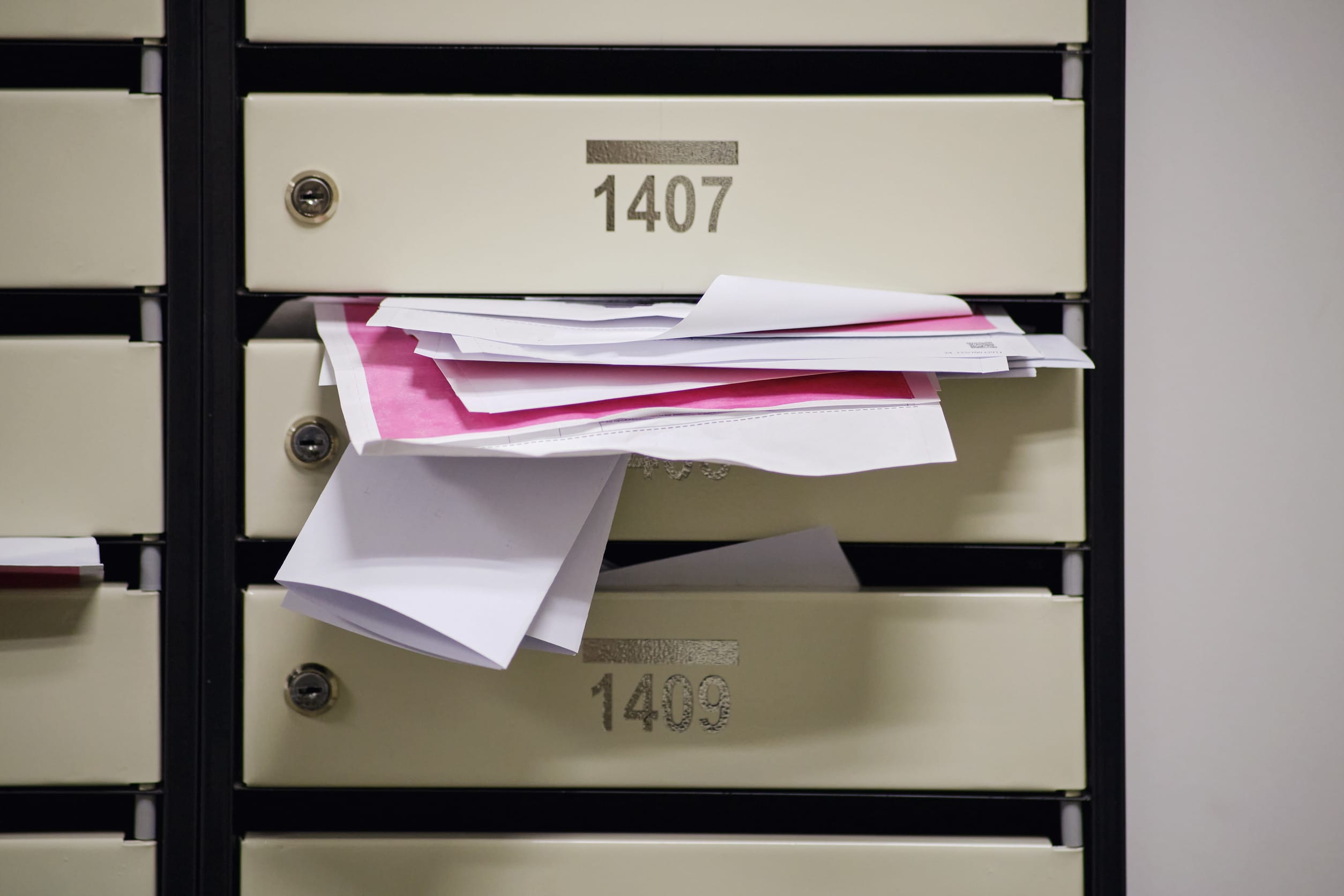
6. Keeping Your Home in “Vacation Mode”

An overflowing mailbox in the lobby of an apartment building. Mailboxes full of letters with apartment numbers

Image Source: 123rf.com

An overflowing mailbox, dark windows, and no car in the driveway are dead giveaways that no one is home. Burglars look for these signs to identify houses that are easy to break into. If you’re going on vacation, ask a neighbor to collect your mail, use timers for lights, and consider leaving a car in the driveway. Installing a security system or video doorbell can also deter criminals by showing them they’re being watched. Making your home look lived-in—even when you’re away—can keep it off a burglar’s list.

7. Getting Too Comfortable with Strangers

Not every friendly stranger has bad intentions, but criminals often use charm and deception to lower their victims’ guard. Scammers, thieves, and even predators rely on people’s natural trust to gain access to information, homes, or valuables. They may pose as salespeople, lost tourists, or even law enforcement to manipulate you. Be polite but cautious, and never share personal details or allow someone into your home unless you’re absolutely sure of their intentions. Trust your instincts—if something feels off, it probably is.

8. Relying on Routine Too Much

Having a predictable routine can make you an easy target, especially for criminals who watch and wait. If you always leave for work at the same time, park in the same spot, or take the same jogging route, someone with bad intentions can easily anticipate your movements. Changing up your routine, using different entrances, and varying your schedule can make it harder for criminals to track you. Staying unpredictable keeps you one step ahead of anyone looking for an opportunity.

They Look for Easy Targets

Criminals look for easy targets, and often, small habits can make all the difference in whether you’re chosen or ignored. By staying aware of your surroundings, securing your digital and physical spaces, and trusting your instincts, you can reduce the chances of becoming a victim. Crime can happen anywhere, but being proactive and making smart choices can keep you and your loved ones safe.

Have you ever made one of these mistakes without realizing it? What other everyday habits could put someone at risk? Share your thoughts in the comments!

Read More:

Think You’re Helping? The Risky Truth About Giving Money to the Homeless at Stoplights

Why Some Criminals Leave a Water Bottle on Your Car Tire—And What It Means

Latrice Perez

Latrice is a dedicated professional with a rich background in social work, complemented by an Associate Degree in the field. Her journey has been uniquely shaped by the rewarding experience of being a stay-at-home mom to her two children, aged 13 and 5. This role has not only been a testament to her commitment to family but has also provided her with invaluable life lessons and insights.

As a mother, Latrice has embraced the opportunity to educate her children on essential life skills, with a special focus on financial literacy, the nuances of life, and the importance of inner peace.

Filed Under: safety Tagged With: burglary prevention, crime prevention, cybercrime, identity theft, personal safety, security tips, self-defense, situational awareness

9 Sketchy Situations That Scream “Danger”—Trust Your Gut!

March 14, 2025 by Latrice Perez Leave a Comment

Delivery Man

Image Source: 123rf.com

Most people have experienced a moment where something just doesn’t feel right. Maybe it’s a strange interaction with a stranger, an eerie silence in an unfamiliar place, or a sense of being watched when no one is around. While it’s easy to brush off these feelings, your gut is often your first line of defense against danger. Ignoring it can put you at risk, while listening to it can help you avoid situations that could turn bad fast. If something makes you uneasy, there’s probably a reason for it. Here are nine sketchy situations where you should always trust your instincts.

1. Someone Asks for Help but Refuses Specifics

It’s natural to want to help someone in need, but if a stranger approaches you with a vague or overly complicated story, be cautious. Scammers and criminals often use emotional manipulation to lower people’s defenses. They might ask for gas money but refuse to let you call roadside assistance, or claim they lost their wallet but won’t accept food instead of cash. The key red flag is when they seem more interested in getting you isolated or distracted than in actually solving their supposed problem. If something feels off, step away and offer to call authorities instead.

2. An Unmarked or Fake Delivery Person Shows Up

With so many home deliveries happening daily, it’s easy to assume that a package at your door is legitimate. But criminals have started using fake delivery uniforms or unmarked vans to gain access to homes. If someone arrives unexpectedly claiming they need a signature or to bring a package inside, but their vehicle lacks company markings or their uniform looks off, don’t open the door. Real delivery services don’t demand entry into your home, and they certainly won’t pressure you. If you didn’t order anything, you have every right to be suspicious.

3. A Stranger Seems Overly Interested in Your Plans

Most casual conversations stay surface-level, but when someone you don’t know starts prying into your schedule or personal details, it should raise alarms. Questions like “Are you home alone?” or “Do you live around here?” may seem harmless in certain contexts, but they can also be used to gauge how vulnerable you are. If someone is too curious about where you’re going, where you live, or who you’re with, give vague answers and create distance. The less personal information you share, the safer you are.

4. You Notice the Same Person or Car More Than Once

Man Sitting In Car

Image Source: 123rf.com

Being followed isn’t always obvious at first, but if you notice the same person or car in multiple locations, pay attention. Criminals often scope out potential targets before making a move. This could mean trailing you in a store, lingering near your car, or even driving past your house repeatedly. If you suspect someone is following you, don’t go straight home. Instead, change your route, go to a crowded place, or head to a police station. Trusting your gut in these moments can prevent a dangerous encounter.

5. A Door-to-Door Solicitor Seems Pushy or Distracting

Legitimate salespeople, political canvassers, and charity workers follow clear guidelines when knocking on doors. If someone seems overly aggressive, refuses to leave, or tries to keep you engaged for too long, they may be looking for an opportunity to case your home. Some criminals use this tactic to test if anyone is home before attempting a break-in. Others work in pairs, where one distracts you while the other tries to slip inside or peek around your property. If someone at your door makes you uneasy, don’t open it. Speak through a security camera or a locked screen door and tell them firmly you’re not interested.

6. A Ride Service or Taxi Seems Off

When using a rideshare app or taxi, small details can reveal if something isn’t right. If the car doesn’t match what’s in your app, the driver doesn’t confirm your name, or they insist on taking a different, longer route, trust your gut. Some fake rideshare drivers prey on distracted passengers, particularly in busy areas like airports and bars. Always double-check the license plate, ask the driver who they’re picking up, and share your trip details with a friend. If something feels wrong, cancel the ride and find a safer option.

7. Someone Tries to Get You Into an Isolated Space

If someone insists on moving a conversation or interaction to a more secluded area, take it as a warning sign. This can happen on a date, during a casual encounter, or even in professional settings. Predators rely on getting people alone where there are fewer chances of interruption. Whether it’s an invite to a basement, an empty parking lot, or a back room, listen to that uneasy feeling. Stay in public spaces and let others know where you are at all times.

8. A Stranger Seems Too Eager to Help With Your Car

If you find your car disabled in an empty parking lot and someone appears out of nowhere offering help, be cautious. Some criminals create these situations by deflating tires or placing objects under vehicles, hoping to lure the driver out. While genuine good Samaritans exist, it’s safer to call for roadside assistance or ask a trusted contact for help. If someone is insistent about fixing your car, but their behavior feels off, lock your doors and wait for professional help.

9. Your Surroundings Suddenly Go Silent

Nature and crowds have a natural rhythm, and when that suddenly stops, it often signals danger. Whether you’re walking alone at night or in an unfamiliar area, sudden silence can mean something is wrong. Predators and attackers move quietly, and even animals go still when they sense a threat. If you feel a sudden shift in the environment, stop, look around, and get to a safer location as quickly as possible. Your instincts are picking up on something, even if you don’t immediately see what it is.

Your Instincts Are Your Best Defense

Too many people ignore their gut feelings because they don’t want to seem paranoid or overreact. But when something feels wrong, it’s usually for a reason. Danger doesn’t always announce itself loudly. It often comes in the form of small details that don’t quite add up. Trust yourself, take action, and never feel guilty for prioritizing your safety.

Have you ever experienced a moment when your instincts saved you from a bad situation? Share your story in the comments below.

Read More:

Delete These 8 Apps Right Now—They’re Secretly Spying on You

Why Some Criminals Leave a Water Bottle on Your Car Tire—And What It Means

Latrice Perez

Latrice is a dedicated professional with a rich background in social work, complemented by an Associate Degree in the field. Her journey has been uniquely shaped by the rewarding experience of being a stay-at-home mom to her two children, aged 13 and 5. This role has not only been a testament to her commitment to family but has also provided her with invaluable life lessons and insights.

As a mother, Latrice has embraced the opportunity to educate her children on essential life skills, with a special focus on financial literacy, the nuances of life, and the importance of inner peace.

Filed Under: safety Tagged With: crime prevention, danger awareness, personal safety, red flags, security tips, self-defense, sketchy situations, staying safe, street smarts, trusting your instincts

Your Home Isn’t as Safe as You Think—5 Security Flaws Burglars Love

February 26, 2025 by Latrice Perez Leave a Comment

Burglars

Image Source: 123rf.com

Many homeowners assume their homes are secure, but professional burglars know how to exploit weaknesses that most people overlook. A locked door and security cameras might not be enough if your home has vulnerabilities that criminals can easily take advantage of. Understanding these security flaws can help you protect your home and prevent break-ins. Here are five security weaknesses that burglars love and how to fix them.

Unsecured Entry Points Make Break-Ins Easy

Most people think burglars break in through a shattered window or by picking a lock, but many simply walk through an unlocked door or crawl through an unsecured window. Sliding doors are a major weak point because they can often be lifted off their tracks. Weak door frames and low-quality locks can also make forced entry easier. To secure your entry points, upgrade to high-quality deadbolts, install window locks, and reinforce sliding doors with security bars or pin locks. Motion-sensor lights near all entry points can also help deter burglars.

Poor Outdoor Lighting Gives Criminals Cover

Burglars look for homes with dark, unlit areas where they can hide while attempting a break-in. If your driveway, backyard, or entryways are poorly lit, your home becomes an easier target. Security experts recommend installing motion-activated lights around your property, especially near entrances and windows. Bright lighting removes the cover burglars need to work unnoticed and often makes them move on to an easier target.

Visible Valuables Invite Theft

Jewelry

Image Source: 123rf.com

If your expensive electronics, jewelry, or car keys are visible from outside, your home is more likely to be targeted. Burglars often scout neighborhoods for houses that display valuable items in plain sight. Keeping curtains closed and using frosted or tinted windows can help prevent prying eyes from assessing your belongings. Storing valuables in a safe and keeping car keys out of sight reduces the risk of a break-in.

Weak Garage Security Provides Easy Access

Garages are a favorite entry point for burglars because many homeowners forget to secure them. A garage door that can be easily forced open or an interior door leading from the garage to the house that is left unlocked makes breaking in simple. Criminals can also use universal garage door openers or manipulate older garage doors with coat hangers. Upgrading to a modern, rolling-code garage door opener, adding a deadbolt to the interior door, and installing a garage door sensor can improve security.

Lack of a Security System Leaves Your Home Vulnerable

Homes without a visible security system are prime targets for burglars. Even a simple security sign or fake camera can deter some criminals, but a professionally monitored alarm system offers the best protection. Smart security systems allow homeowners to monitor their homes remotely and receive alerts for suspicious activity. If an alarm is triggered, it can notify law enforcement immediately, increasing the chances of catching a burglar in the act.

Making Your Home Less Appealing to Burglars

The key to home security is making your home less attractive to criminals. Securing entry points, improving outdoor lighting, hiding valuables, reinforcing your garage, and installing a security system all reduce the risk of a break-in. Most burglars look for easy targets, so taking these precautions makes your home far less likely to be chosen.

Does your home have any of these security flaws? What have you done to remedy these issues? Let us know in the comments below.

Read More:

10 Places that Burglars Are Hoping You’ll Hide Your Cash and Jewelry-So Don’t!

How Much Should You Spend on Home Security?

Latrice Perez

Latrice is a dedicated professional with a rich background in social work, complemented by an Associate Degree in the field. Her journey has been uniquely shaped by the rewarding experience of being a stay-at-home mom to her two children, aged 13 and 5. This role has not only been a testament to her commitment to family but has also provided her with invaluable life lessons and insights.

As a mother, Latrice has embraced the opportunity to educate her children on essential life skills, with a special focus on financial literacy, the nuances of life, and the importance of inner peace.

Filed Under: Personal Finance Tagged With: break-in prevention, burglary prevention, home safety, home security, protecting your home, security tips, smart home security

FOLLOW US

Search this site:

Recent Posts

  • Can My Savings Account Affect My Financial Aid? by Tamila McDonald
  • 12 Ways Gen X’s Views Clash with Millennials… by Tamila McDonald
  • What Advantages and Disadvantages Are There To… by Jacob Sensiba
  • 10 Tactics for Building an Emergency Fund from Scratch by Vanessa Bermudez
  • Call 911: Go To the Emergency Room Immediately If… by Stephen Kanaval
  • 7 Weird Things You Can Sell Online by Tamila McDonald
  • 10 Scary Facts About DriveTime by Tamila McDonald

Copyright © 2026 · News Pro Theme on Genesis Framework