• Home
  • About Us
  • Toolkit
  • Getting Finances Done
    • Hiring Advisors
    • Debt Management
    • Spending Plan
  • Insurance
    • Life Insurance
    • Health Insurance
    • Disability Insurance
    • Homeowners/Renters Insurance
  • Contact Us
  • Privacy Policy
  • Risk Tolerance Quiz

The Free Financial Advisor

You are here: Home / Archives for data security

Are App-Linked Budget Tools Selling Your Income Data?

August 25, 2025 by Travis Campbell Leave a Comment

apps

Image source: pexels.com

Budgeting apps have made it easier than ever to track spending, set savings goals, and get a real-time look at your finances. Many of these tools link directly to your bank accounts, pulling in your income and expenses automatically. But have you ever wondered what happens to all that sensitive data? The question of whether app-linked budget tools are selling your income data is more important than ever. Understanding the risks can help you make safer choices about how you manage your money. If you use these apps, it’s smart to know exactly what you’re agreeing to—and what might be happening behind the scenes.

1. What Are App-Linked Budget Tools?

App-linked budget tools connect directly to your financial accounts, such as checking, savings, and credit cards. They use secure connections to import your transactions, categorize them, and present a clear picture of your finances. Popular apps like Mint, YNAB, and Personal Capital have millions of users. These tools promise convenience and clarity, but the way they handle your financial data, especially your income data, is not always obvious. Understanding their purpose is the first step in deciding if they’re right for you.

2. How Do These Apps Collect Your Income Data?

When you link your accounts, these apps often use third-party aggregators like Plaid or Yodlee. These services log in on your behalf and pull data such as deposits, paychecks, and even employer names. This means your income data—how much you make, when you get paid, and sometimes where you work—is stored on their servers. The apps use this information to create budgets, spot trends, and offer suggestions, but it also raises questions about how securely your income data is handled.

3. Are App-Linked Budget Tools Selling Your Income Data?

This is the big question: are these tools actually selling your income data? The answer isn’t always simple. Some budgeting apps make money solely from subscriptions or ads, but others generate revenue by sharing aggregated or anonymized user data with third parties. While most reputable apps claim they don’t sell “personally identifiable information,” the definition of what’s “identifiable” can be blurry. Some companies share income data trends with marketers, lenders, or data brokers. Even anonymized data can be valuable, especially when combined with other information. It’s critical to read privacy policies and terms of service to understand what you’re agreeing to.

For example, Consumer Reports investigated budgeting apps and found some share transactional data with affiliates. Always look for details about how your income data is handled, not just general statements about privacy. If an app is free, consider how it makes money—your data might be the price.

4. What Are the Risks of Sharing Your Income Data?

Sharing your income data with app-linked budget tools can have real consequences. If your data is sold or leaked, marketers might target you with ads based on your salary or spending habits. Worse, if the data falls into the wrong hands, it could be used for identity theft or fraud. Even if the data is anonymized, it might be easy to re-identify you by combining it with other sources. There’s also the risk of your employment details being exposed, which could affect your privacy in ways you didn’t expect. Understanding these risks can help you decide if the convenience of these tools is worth it.

5. How Can You Protect Your Income Data?

If you decide to use app-linked budget tools, there are steps you can take to reduce your risks. Start by choosing apps with strong privacy policies and transparent data practices. Look for features like two-factor authentication and end-to-end encryption. Limit the number of accounts you connect to and consider using read-only access if available. Regularly review the permissions you’ve granted and unlink accounts you no longer use. Some apps give you options to opt out of data sharing or limit what’s collected. Stay informed about changes to privacy policies, as companies can update their terms at any time.

What to Watch for When Using Budgeting Apps

The convenience of app-linked budget tools is hard to ignore. They make budgeting simpler and can help you reach your financial goals faster. But before you link your accounts, take the time to read privacy policies and understand how your income data is used. Remember, even anonymized or aggregated data can be valuable to third parties. If you’re uncomfortable with the risks, there are plenty of offline or manual budgeting options available. Your financial privacy is worth protecting, so stay alert and make informed choices about the tools you use.

Have you ever worried about how budgeting apps handle your income data? Share your thoughts or experiences in the comments below!

Read More

9 Budget Tools That Share User Data

Are Financial Apps Sharing Your Spending Data More Than You Realize?

Travis Campbell
Travis Campbell

Travis Campbell is a digital marketer/developer with over 10 years of experience and a writer for over 6 years. He holds a degree in E-commerce and likes to share life advice he’s learned over the years. Travis loves spending time on the golf course or at the gym when he’s not working.

Filed Under: Budgeting Tagged With: budget tools, budgeting apps, data security, financial privacy, income data, Personal Finance, privacy policies

8 YAML-Coded Password Leaks in Finance Platforms

August 24, 2025 by Travis Campbell Leave a Comment

security

Image source: pexels.com

Finance platforms are prime targets for cybercriminals. When sensitive data like passwords is exposed, the risk multiplies. Recently, a concerning trend has emerged: passwords leaking through misconfigured YAML files. YAML, used for configuration, is human-readable but can accidentally expose secrets if not handled with care. These YAML-coded password leaks in finance platforms open the door to account takeovers, fraud, and regulatory headaches. Understanding how and why these leaks happen is essential for anyone using or building financial tools.

1. Unsecured DevOps Pipelines

Many finance firms rely on DevOps pipelines to automate deployments. YAML files often store credentials for databases and APIs. If these files are pushed to public repositories or shared carelessly, passwords can leak. In one recent incident, a finance startup accidentally committed its production credentials to GitHub, exposing customer accounts to risk. These YAML-coded password leaks in finance platforms happen more often than most realize, especially when teams move fast and skip security checks.

2. Misconfigured Cloud Services

Cloud configuration tools frequently use YAML to manage access settings. If a YAML file with plaintext passwords is left in an unsecured storage bucket, anyone with the link could access it. A major financial services provider experienced a scare when auditors found a YAML file containing admin passwords in an open S3 bucket. Even though the file was meant for internal use, its exposure put millions of dollars at risk.

3. Overexposed API Keys and Passwords

APIs power modern finance apps. Developers sometimes store API keys and passwords in YAML files for convenience. If those files end up in a public repository or are included in a deployment by mistake, attackers can grab them. In 2022, a digital wallet platform suffered a breach after an attacker found a YAML file with API keys and master passwords in a public Docker image. The cost of remediation, lost trust, and regulatory fines added up quickly.

4. Shared Internal Documentation

Teams often use internal wikis or shared drives to document system settings. YAML snippets are commonly pasted for clarity. Unfortunately, this can backfire if the documentation includes real passwords. In a well-known case, a fintech company’s internal wiki was compromised. Attackers found a YAML-coded password for the payment processor, leading to unauthorized fund transfers. Keeping documentation secure and sanitizing YAML examples is critical.

5. Insecure Backup Practices

Backups are essential, but they can also be a source of leaks. Some finance platforms back up their entire configuration directory, including YAML files with passwords. If these backups are stored without encryption or proper access controls, they become an easy target. One bank’s offsite backup was intercepted in transit, and the attackers used YAML-coded credentials to access customer data. Secure backup management is a must for any financial institution.

6. Poorly Protected CI/CD Secrets

Continuous integration and deployment (CI/CD) systems often need secrets to build and deploy apps. YAML files are used to define these secrets. If access controls are weak, anyone with access to the CI/CD system could extract passwords. A payment gateway provider faced a breach when a contractor downloaded a YAML file with production credentials. This incident highlighted the importance of strict role-based access and regular audits of YAML files in finance platforms.

7. Hardcoded Credentials in Open Source Projects

Open source is a double-edged sword. While it speeds up development, it also increases the risk of accidental leaks. Developers sometimes hardcode passwords in YAML files to get things working quickly, then forget to remove them before sharing code. In 2023, an open-source budgeting app was found to contain YAML-coded admin passwords. Users who deployed the app without changing defaults were vulnerable to takeover. This shows how YAML-coded password leaks in finance platforms can have far-reaching effects.

8. Legacy System Integrations

Legacy finance systems often require complex integrations. Teams may use YAML files to manage connection settings, including passwords. When these YAML files are left on shared drives or old servers, they can be forgotten and exposed. A regional credit union discovered that a decommissioned server still held a YAML file with mainframe access credentials. Luckily, it was found before attackers did, but the risk was real.

How to Prevent YAML-Coded Password Leaks in Finance Platforms

YAML-coded password leaks in finance platforms are preventable with the right practices. Always use environment variables or secret management tools to store credentials, not plaintext YAML. Audit your repositories and cloud storage for exposed YAML files regularly. Train your team on the risks of sharing configuration details, and use automated scanning tools to catch leaks early. Secure your backups and review your CI/CD pipeline permissions frequently.

Have you ever found a password or secret in a YAML file? What steps do you take to keep your financial data safe? Share your experiences below!

Read More

How Your Wi-Fi Router Placement Might Be Sharing Personal Info

How Safe Is That Password Free Login Feature Everyone’s Using?

Travis Campbell
Travis Campbell

Travis Campbell is a digital marketer/developer with over 10 years of experience and a writer for over 6 years. He holds a degree in E-commerce and likes to share life advice he’s learned over the years. Travis loves spending time on the golf course or at the gym when he’s not working.
Filed Under: Technology Tagged With: cloud security, cybersecurity, data security, devops, finance platforms, password leaks, YAML

8 Little-Known Privacy Laws Affecting Your Finances

August 21, 2025 by Travis Campbell Leave a Comment

laws

Image source: pexels.com

When you think about your finances, privacy laws might not be the first thing on your mind. But the rules that govern who can access and share your financial data have a direct impact on your money and your peace of mind. Many of these privacy laws operate quietly in the background, protecting your information in ways you might not even notice. However, understanding these little-known privacy laws can help you spot risks, ask better questions, and protect yourself from identity theft or financial loss. In today’s digital world, knowing how privacy laws affecting your finances work is more important than ever.

1. The Fair Credit Reporting Act (FCRA)

The Fair Credit Reporting Act is a cornerstone of privacy laws affecting your finances. It controls how your credit information is collected, shared, and used by credit bureaus. Under the FCRA, you have the right to know what’s in your credit report and to dispute inaccuracies. If a lender, employer, or landlord requests your credit information, they usually need your permission. This law also limits how long negative information can stay on your credit report, giving you a way to move forward after financial missteps.

2. The Gramm-Leach-Bliley Act (GLBA)

Passed in 1999, the Gramm-Leach-Bliley Act requires financial institutions to explain how they share and protect your personal data. Banks, insurance companies, and investment firms must provide you with a privacy notice every year. This notice outlines what information they collect, who they share it with, and how you can opt out of certain data sharing. While many people ignore these notices, they’re a key part of privacy laws affecting your finances and worth reviewing.

3. The Right to Financial Privacy Act (RFPA)

If you have a bank account, the Right to Financial Privacy Act gives you some control over government access to your financial records. Federal agencies must get your consent or a court order before they can obtain your records from banks or credit unions. This law came about after concerns over government surveillance in the 1970s. Though it doesn’t apply to state or local agencies, it’s a crucial safeguard for anyone worried about privacy and financial data.

4. The California Consumer Privacy Act (CCPA)

Even if you don’t live in California, the CCPA can impact how companies handle your financial data. This law gives California residents the right to know what personal information businesses collect and the power to request its deletion. Many large financial companies have adopted CCPA-style policies nationwide to simplify compliance. If you use online banks or fintech apps based in California, these privacy laws affecting your finances may give you extra control over your data.

5. The Electronic Fund Transfer Act (EFTA)

The Electronic Fund Transfer Act protects you when you use ATMs, debit cards, or online banking. If someone steals your card or hacks your account, the EFTA limits your liability for unauthorized transactions—if you report the issue quickly. This law also requires banks to disclose your rights and responsibilities when using electronic transfers. So, while you may not think of the EFTA as a privacy law, it plays a big role in safeguarding your financial information during everyday transactions.

6. The Children’s Online Privacy Protection Act (COPPA)

Children’s privacy laws can affect family finances in surprising ways. COPPA restricts how websites and apps collect personal data from kids under 13. If your child has a savings account or uses a financial app, the company must get parental consent to collect certain information. This protects your child’s identity and, by extension, your family’s financial security. As more financial tools target young users, understanding COPPA becomes increasingly relevant for parents.

7. The Safeguards Rule

The Safeguards Rule, part of the GLBA, requires financial institutions to have a written plan for protecting customer data. This includes measures like encryption, employee training, and regular risk assessments. While you may never see these plans, they’re a behind-the-scenes shield for your private financial details. If a company fails to follow the Safeguards Rule and your data is breached, it could face stiff penalties. This law is a good reason to ask your bank or broker about their security practices.

8. The Health Insurance Portability and Accountability Act (HIPAA)

HIPAA is best known for protecting medical records, but it also affects your financial privacy. If you use a Health Savings Account (HSA) or Flexible Spending Account (FSA), HIPAA controls how your health and payment information is shared. Employers, insurance companies, and banks must follow strict rules when handling this data. This intersection of health and financial privacy is especially important if you manage medical bills or reimbursements through your workplace.

How to Use Privacy Laws to Protect Your Finances

Knowing about privacy laws affecting your finances empowers you to take action. You can request your credit report, review privacy notices, and ask questions about how your data is used. If you spot unauthorized activity or feel your information isn’t being protected, you have legal rights and paths to recourse. Staying informed doesn’t just help you avoid problems—it can also help you catch issues early and correct them before they grow.

The world of finance is always changing, but these laws offer a foundation for your personal security.

What steps do you take to protect your financial privacy? Share your thoughts or questions in the comments below!

Read More

How Your Wi-Fi Router Placement Might Be Sharing Personal Info

Whos Watching Your Financial Apps Without You Knowing It

Travis Campbell
Travis Campbell

Travis Campbell is a digital marketer/developer with over 10 years of experience and a writer for over 6 years. He holds a degree in E-commerce and likes to share life advice he’s learned over the years. Travis loves spending time on the golf course or at the gym when he’s not working.

Filed Under: Law Tagged With: consumer rights, credit reporting, data security, financial privacy, Personal Finance, privacy laws

8 Times Financial Tracking Apps Sold Your Purchase History

August 19, 2025 by Travis Campbell Leave a Comment

purchase history

Image source: pexels.com

Financial tracking apps make it easy to manage money, spot spending trends, and set budgets. But there’s a hidden cost many users overlook: their purchase history. When you sync your bank or credit card with an app, it collects itemized data about what you buy, when, and where. Some apps promise security, but behind the scenes, your purchase history can be a goldmine for marketers and data brokers. If you use these apps, it’s important to know that your information may be sold—sometimes without your clear consent. Understanding how and when this happens is the first step to protecting your financial privacy.

1. The “Anonymized” Data Sale Loophole

Many financial tracking apps claim they only share “anonymized” data. But anonymized doesn’t always mean safe. In several cases, companies sold user purchase history stripped of names but left enough details to re-identify individuals. For example, if your app logs a unique purchase at a local store, it’s not hard for third parties to link that data back to you. This loophole has allowed companies to profit from your spending habits while skirting privacy promises.

2. Partnerships with Data Brokers

Some apps partner directly with data brokers, whose entire business is buying and selling consumer information. When you authorize a financial tracking app, you may also be agreeing to let it share your purchase history with these brokers. This information can then be resold to advertisers, insurance companies, or even employers. The result? Your grocery trips or coffee runs could end up in massive databases, fueling targeted ads or affecting your insurance rates. Financial tracking apps have been caught in the act multiple times, quietly passing along purchase histories for profit.

3. Selling to Advertisers for Targeted Marketing

Advertisers pay big money for detailed purchase histories. Some financial tracking apps have taken advantage by selling aggregated or even individual purchase data to marketing firms. These firms use the data to target you with ads that match your spending habits. For instance, if your purchase history shows you frequent a certain restaurant, you might see more ads for similar places. While this may seem harmless, it’s a clear example of how your financial data becomes a commodity.

4. Mergers and Acquisitions: Changing the Rules

When a larger company acquires a financial tracking app, your purchase history can change hands too. Sometimes, the new owner has fewer scruples about privacy. There have been cases where, after a merger or acquisition, the new company sold off stored purchase histories to monetize the user base. This shift often happens with little warning or transparency, leaving users unaware that their data is now on the market.

5. Third-Party Integrations and Leaky APIs

Many apps offer integrations with other services to enhance functionality. However, these integrations can open the door to your purchase history being shared or sold. Some third-party partners are given access to more data than needed, and weak API security can lead to leaks. In at least one instance, a popular budgeting app’s third-party integration transmitted purchase history to an analytics firm, which then sold the data to outside parties. This highlights how financial tracking apps can inadvertently (or intentionally) compromise your privacy.

6. Subscription “Perks” That Aren’t Free

Some financial tracking apps offer free or discounted subscriptions in exchange for sharing more of your data. These perks often come with fine print: by accepting, you grant permission to sell your purchase history to unspecified partners. The trade-off is rarely clear upfront. Users have learned too late that their detailed spending records were sold as part of these deals, turning a simple subscription perk into a privacy risk.

7. Surprising Data-Sharing Clauses in the Fine Print

Buried in the terms and conditions of many financial tracking apps are clauses that allow for the sale of your purchase history. Although legal, these clauses can be written in confusing language that most users skip over. When privacy advocates dug into these contracts, they found several apps had explicit permission to sell user data to third parties. Even if you thought your information was safe, the fine print may say otherwise.

8. Data Breaches Leading to Unintentional Sales

Not all sales are intentional. Sometimes, financial tracking apps suffer data breaches that expose purchase histories to hackers, who then sell the data on the dark web. In such cases, your purchase history becomes a commodity for criminals rather than marketers. One breach involving a popular app led to thousands of users’ spending records being auctioned off online. Even the most cautious companies can fall victim, showing that using these apps always carries some risk.

What You Can Do to Protect Your Financial Privacy

Financial tracking apps make life easier, but they can put your purchase history at risk. If you want to keep your financial data private, start by reading the privacy policy before signing up. Look for any mention of selling or sharing purchase history. Consider using apps with strong privacy records or open-source alternatives. You can also limit what accounts you link and regularly review app permissions.

Remember, your purchase history is valuable. Treat it with the same care you give your money.

Have you ever been surprised by how much your financial tracking app knows about you? Share your thoughts or experiences in the comments below!

Read More

Whos Watching Your Financial Apps Without You Knowing It

Are Financial Apps Sharing Your Spending Data More Than You Realize

Travis Campbell
Travis Campbell

Travis Campbell is a digital marketer/developer with over 10 years of experience and a writer for over 6 years. He holds a degree in E-commerce and likes to share life advice he’s learned over the years. Travis loves spending time on the golf course or at the gym when he’s not working.

Filed Under: Finance Tagged With: data breaches, data security, financial apps, financial privacy, Personal Finance, purchase history

What Are Banks Really Doing With Your Personal Spending Data?

July 28, 2025 by Travis Campbell Leave a Comment

bank

Image Source: unsplash.com

You swipe your card at the grocery store. You pay your bills online. You check your balance on your phone. Every time you interact with your bank, you leave a digital trail. But what happens to all that personal spending data? Most people don’t think about it. But banks are paying close attention. Your spending habits are valuable, and banks use this information in ways that might surprise you. Understanding what banks do with your personal spending data matters because it affects your privacy, your wallet, and even the ads you see.

1. Building a Profile of Your Financial Life

Banks collect your personal spending data every time you use your debit or credit card, make a transfer, or pay a bill. They use this data to build a detailed profile of your financial life. This profile includes where you shop, how much you spend, and even what time of day you make purchases. Banks know if you prefer coffee shops or fast food, if you travel often, or if you pay your bills on time. This information helps banks understand you better than you might expect. It’s not just about numbers; it’s about patterns. And these patterns can reveal a lot about your lifestyle and habits.

2. Targeting You with Personalized Offers

Your personal spending data is a goldmine for banks when it comes to marketing. They use your profile to send you targeted offers. For example, if you spend a lot at restaurants, you might get offers for dining rewards credit cards. If you travel often, you might see travel insurance promotions. These offers are not random. They are based on your actual spending habits. While some people appreciate relevant offers, others find them invasive. Either way, your data is driving these marketing decisions.

3. Selling or Sharing Data with Third Parties

Banks don’t always keep your personal spending data to themselves. Sometimes, they share or even sell this information to third parties. These third parties can include data brokers, advertisers, or partner companies. While banks often claim the data is “anonymized,” it’s not always as private as it sounds. With enough data points, it’s possible to re-identify individuals. This sharing can lead to more targeted ads, but it also raises privacy concerns. You might start seeing ads for products you only mentioned in passing or services you never signed up for. It’s important to read your bank’s privacy policy to understand how your data is used and shared.

4. Detecting Fraud and Preventing Crime

Not all uses of your personal spending data are about profit. Banks also use this data to protect you. By analyzing your spending patterns, banks can spot unusual activity that might signal fraud. For example, if you usually shop in your hometown but suddenly there’s a charge in another country, your bank might flag it. This can help stop fraud before it gets out of hand. Banks utilize sophisticated algorithms to detect suspicious transactions. While this can sometimes lead to false alarms, it’s a key part of keeping your money safe.

5. Deciding Whether to Lend You Money

Your personal spending data doesn’t just affect marketing. It can also impact your ability to get a loan or a new credit card. Banks use your spending history to assess your creditworthiness. If you consistently pay your bills on time and manage your money well, you’re more likely to get approved. But if your spending shows signs of financial stress, like frequent overdrafts or late payments, banks might see you as a higher risk. This can affect your interest rates or even lead to a denial. Your data tells a story, and banks use that story to make lending decisions.

6. Shaping the Products and Services Banks Offer

Banks use aggregated personal spending data to spot trends and develop new products. If they notice more people using mobile payments, they might invest in better apps. If spending at certain retailers goes up, banks might partner with those companies for special deals. Your data helps banks stay competitive and meet customer needs. Sometimes, this leads to better services for you. Other times, it means more ways for banks to make money. Either way, your spending habits influence what banks offer.

7. Complying With Regulations and Reporting

Banks are required by law to monitor transactions for illegal activity, like money laundering or terrorist financing. Your personal spending data is part of this process. Banks use software to scan for patterns that might indicate illegal behavior. If they spot something suspicious, they must report it to the authorities. This is a legal requirement, not a choice. While this protects the financial system, it also means your data is under constant scrutiny. Even innocent transactions can trigger reviews if they fit certain patterns.

8. Training Artificial Intelligence and Algorithms

Banks are investing heavily in artificial intelligence (AI) and machine learning. These systems need data to learn and improve. Your personal spending data is used to train these algorithms. The goal is to make banking services smarter and more efficient. For example, AI can help predict when you might need a loan or flag unusual spending faster than a human could. But the more data banks collect, the more questions arise about privacy and control. You might benefit from smarter services, but you also give up some privacy in the process.

Your Data, Your Power: What You Can Do

Your personal spending data is valuable. Banks use it in many ways, from marketing to fraud prevention. But you have some control. Read your bank’s privacy policy. Adjust your privacy settings if possible. Ask your bank how your data is used and shared. Stay alert for unusual activity on your accounts. The more you know, the more power you have over your own information.

How do you feel about banks using your personal spending data? Share your thoughts or experiences in the comments below.

Read More

Why Your Phone’s Flashlight App May Be Harvesting Your Data

How a Data Analyst Can Help Your Business Avoid Financial Losses

Travis Campbell
Travis Campbell

Travis Campbell is a digital marketer/developer with over 10 years of experience and a writer for over 6 years. He holds a degree in E-commerce and likes to share life advice he’s learned over the years. Travis loves spending time on the golf course or at the gym when he’s not working.

Filed Under: Banking Tagged With: banking, data security, Financial Tips, Personal Finance, privacy, spending data

Can Your Grocery Store Loyalty Card Be Used to Track You?

July 26, 2025 by Travis Campbell Leave a Comment

grocery

Image Source: unsplash.com

Grocery store loyalty cards seem harmless. You scan your card, get a discount, and move on. But have you ever wondered what happens to the data collected every time you use that card? Many people don’t realize how much information they give away with each swipe. Your shopping habits, preferences, and even your location can be tracked. This matters because your personal data is valuable, and it’s often used in ways you might not expect. Here’s what you need to know about how your grocery store loyalty card can be used to track you—and what you can do about it.

1. Your Shopping Habits Are Recorded

Every time you use your grocery store loyalty card, the store records what you buy. This includes the brands, quantities, and even the time of day you shop. Over time, this creates a detailed profile of your preferences. Stores use this information to send you targeted coupons or promotions. But it doesn’t stop there. This data can also be sold to third parties, including advertisers and data brokers. If you value your privacy, it’s important to know that your grocery store loyalty card is a window into your daily life.

2. Location Tracking Is Possible

You might think your loyalty card only tracks what you buy, but it can also track where you shop. If you use your card at different store locations, the company knows your movements. Some stores even use apps or Wi-Fi tracking to see when you enter or leave. This information can be used to analyze shopping patterns or even predict your routines. While this might help stores improve their services, it also means your movements are being watched. If you’re concerned about location privacy, be aware that your loyalty card can be used to track your movements.

3. Data Sharing With Third Parties

Grocery stores don’t always keep your data to themselves. Many share or sell your information to third parties. This can include advertisers, insurance companies, or data analytics firms. For example, your purchase history might be used to target you with ads online or even influence your insurance rates. Some companies claim this data is “anonymized,” but studies show it’s often possible to re-identify individuals from supposedly anonymous data. If you’re worried about who has access to your information, read the privacy policy before signing up for a loyalty card.

4. Personalized Marketing and Price Discrimination

Stores use loyalty card data to personalize marketing. You might get coupons for products you buy often or suggestions for new items. While this can save you money, it also means you’re being profiled. In some cases, stores use this data for price discrimination—offering different prices to different customers based on their shopping habits. This practice isn’t always obvious, but it can affect how much you pay. If you notice that your coupons are different from someone else’s, your loyalty card data could be the reason.

5. Security Risks and Data Breaches

Your loyalty card data is stored in large databases. If these databases are hacked, your information could be exposed. This includes your name, contact details, and purchase history. Data breaches are becoming more common, and grocery stores are not immune. If you use the same email or phone number for multiple accounts, a breach at one store could put your other accounts at risk. To protect yourself, use unique passwords and consider limiting the personal information you provide when signing up.

6. Impact on Your Privacy Rights

Using a grocery store loyalty card means agreeing to the store’s privacy policy. Many people don’t read these policies, but they often allow broad data collection and sharing. In some regions, privacy laws give you the right to access or delete your data. But in others, your options are limited. If you care about your privacy rights, check what protections exist in your area. You can also ask the store how your data is used and request to opt out of certain types of data sharing.

7. How to Limit Tracking

If you want to limit how much you’re tracked, there are steps you can take. You can pay with cash and skip the loyalty card. Some stores let you use a card without registering your real name or contact information. You can also use digital privacy tools, like email aliases or burner phone numbers, when signing up. If you still want the discounts, consider using the card only for certain purchases. The less information you share, the less you can be tracked.

8. Weighing the Benefits and Risks

Loyalty cards offer real savings, but they come with trade-offs. You get discounts and personalized offers, but you give up some privacy. For some people, the savings are worth it. For others, the idea of being tracked is a dealbreaker. Think about what matters most to you. If you’re comfortable with the trade-off, keep using your card. If not, look for ways to shop anonymously or limit the data you share.

Your Data, Your Choice

Grocery store loyalty cards make shopping easier and cheaper, but they also collect a lot of information about you. From tracking your purchases to sharing your data with third parties, these cards can impact your privacy in ways you might not expect. The good news is you have options. By understanding how your data is used and taking simple steps to protect your privacy, you can make informed choices about whether to use a loyalty card. Your data is valuable—decide how much you’re willing to share.

Have you ever noticed targeted ads or offers after using your grocery store loyalty card? Share your experience or thoughts in the comments.

Read More

7 Tactics Grocery Stores Use to Keep You From Thinking About Price

How Your Grocery Store Loyalty Card Could Trigger Higher Prices

Travis Campbell
Travis Campbell

Travis Campbell is a digital marketer/developer with over 10 years of experience and a writer for over 6 years. He holds a degree in E-commerce and likes to share life advice he’s learned over the years. Travis loves spending time on the golf course or at the gym when he’s not working.

Filed Under: Online Safety Tagged With: consumer tips, data security, data tracking, grocery store loyalty card, personal data, privacy, Shopping

Why “Free Sample” Sites Are Facing Federal Investigation

July 22, 2025 by Travis Campbell Leave a Comment

investigation

Image Source: pexels.com

Free sample sites have always been popular. Who doesn’t like getting something for nothing? You sign up, fill out a form, and a few weeks later, a box of goodies lands on your doorstep. It sounds simple. But lately, these “free sample” sites are under federal investigation. This isn’t just a headline. It’s a real issue that could affect anyone who’s ever signed up for a freebie online. If you’ve ever wondered why your inbox is full of spam or why your personal data seems to be everywhere, this story matters to you. Here’s what’s really going on with free sample sites and why you should care.

1. The Real Reason Behind the Federal Investigation

Federal agencies are looking into free sample sites because of growing complaints about privacy and fraud. Many of these sites collect personal information—names, addresses, emails, and sometimes even more sensitive data. The problem? Some sites don’t just use this data to send you samples. They sell it to third parties, sometimes without your knowledge. This can lead to unwanted marketing, spam, or even identity theft. The investigation is about whether these sites are following the law when it comes to handling your information. If you’ve ever signed up for a free sample, your data could be part of this investigation.

2. How Free Sample Sites Really Work

Most free sample sites act as middlemen. They collect your information and pass it on to brands or marketing companies. In return, you get a sample. But not all sites are upfront about what they do with your data. Some bury the details in long privacy policies. Others don’t mention it at all. The federal investigation is looking at whether these sites are being honest and transparent. If you’re not sure how a site uses your data, it’s a good idea to check their privacy policy or look for reviews from other users.

3. The Risks of Sharing Your Information

When you sign up for a free sample, you’re often asked for more than just your name and address. Some sites want your phone number, birthdate, or even your social media profiles. This information can be valuable to marketers. But it can also be risky for you. If a site isn’t careful with your data, it could end up in the wrong hands. This is one reason why federal agencies are stepping in. They want to make sure companies aren’t putting consumers at risk. If you’re thinking about signing up for a free sample, ask yourself if the reward is worth the risk.

4. Spotting Red Flags on Free Sample Sites

Not all free sample sites are bad. But some are set up just to collect your data. Here are a few warning signs: the site asks for too much personal information, the privacy policy is hard to find or understand, or you’re required to complete a lot of offers before getting your sample. Another red flag is if the site promises big-ticket items for free, like electronics or gift cards. These are often scams. If something feels off, trust your gut. The federal investigation is focusing on sites that use shady tactics to get your information.

5. What the Investigation Means for Consumers

The federal investigation could lead to new rules for free sample sites. This might mean stricter privacy policies, clearer disclosures, or even fines for companies that break the rules. For consumers, this could make it safer to sign up for samples in the future. But it also means you should be careful right now. Don’t assume every site is safe just because it looks professional. Take a few minutes to research before you share your information. The Federal Trade Commission has tips on how to spot scams and protect your data.

6. How to Protect Yourself When Signing Up

If you still want to try free sample sites, there are ways to protect yourself. Use a separate email address just for freebies. Don’t give out your phone number unless it’s required. Avoid sharing sensitive information like your Social Security number or bank details. Read the privacy policy, even if it’s boring. And remember, if a site asks for too much, it’s okay to walk away. The federal investigation is a reminder that your data is valuable. Treat it that way.

7. Alternatives to Free Sample Sites

You don’t have to give up on free stuff altogether. Many brands offer samples directly through their own websites or social media pages. These are often safer because you’re dealing with the company itself, not a third-party site. You can also look for local events or in-store promotions. These options usually require less personal information and carry less risk. If you’re looking for deals, consider signing up for newsletters from brands you trust instead of using random free sample sites.

8. Why This Matters for Your Financial Health

It might seem like a small thing—signing up for a free sample. But if your data is misused, it can lead to bigger problems. Identity theft, fraud, and endless spam can all cost you time and money. The federal investigation into free sample sites is about more than just freebies. It’s about protecting your privacy and your wallet. Being careful with your information is one of the simplest ways to protect your financial health.

Staying Safe in a World of Freebies

Free sample sites are facing federal investigation for a reason. Your personal information is valuable, and not every site treats it with care. By staying alert and making smart choices, you can enjoy the perks of free samples without putting yourself at risk.

Have you ever had a bad experience with a free sample site? Share your story in the comments.

Read More

The Best Birthday Freebies You Can Claim This Year

6 Efficient Ways To Save Fuel

Travis Campbell
Travis Campbell

Travis Campbell is a digital marketer/developer with over 10 years of experience and a writer for over 6 years. He holds a degree in E-commerce and likes to share life advice he’s learned over the years. Travis loves spending time on the golf course or at the gym when he’s not working.

Filed Under: Law Tagged With: Consumer Protection, data security, federal investigation, free samples, online scams, privacy

8 Ways Your Smart TV Might Be Sharing Your Personal Info

July 17, 2025 by Travis Campbell Leave a Comment

smart tv

Image Source: pexels.com

Smart TVs are everywhere now. They make it easy to stream shows, play games, and even browse the web. But there’s a catch. These devices can collect and share a lot of your personal info—sometimes more than you realize. If you own a smart TV, it’s important to know how your data might be leaving your living room. Here’s what you need to watch out for and what you can do about it.

1. Tracking What You Watch

Most smart TVs track your viewing habits. They log every show, movie, or video you watch. This info helps companies build a profile about your interests. They use it to target ads or recommend content. Sometimes, this data is shared with third parties. If you want to limit this, check your TV’s privacy settings. Turn off viewing data collection if you can. It’s not always easy to find, but it’s worth the effort.

2. Voice Assistant Recordings

Many smart TVs come with voice assistants. You can ask your TV to change the channel or search for a movie. But when you use voice commands, your TV records what you say. Some brands send these recordings to the cloud for processing. This means your voice data could be stored or analyzed by others. To protect your privacy, review your TV’s voice assistant settings. Mute the microphone when you’re not using it. Some TVs even let you delete stored voice recordings.

3. Automatic Content Recognition (ACR)

Automatic Content Recognition, or ACR, is a feature that scans what’s on your screen. It doesn’t matter if you’re streaming, watching cable, or playing a DVD. ACR collects info about everything you watch. This data is often sent to advertisers and analytics firms. They use it to target you with ads on other devices. You can usually turn off ACR in your TV’s settings. Look for options related to “viewing information” or “content recognition.”

4. Connected Apps and Services

Smart TVs let you install apps for streaming, gaming, and more. Each app may collect its own data. Some ask for access to your location, contacts, or even your camera. If you sign in with your email or social media, you’re sharing even more info. Always review app permissions before installing. Stick to trusted apps from official stores. Delete apps you don’t use. This limits how much of your personal info is shared.

5. Data Shared with Manufacturers

Your smart TV sends data back to the manufacturer. This can include device info, usage stats, and error reports. Sometimes, it’s used to improve performance or fix bugs. But it can also be used for marketing or sold to partners. Read your TV’s privacy policy to see what data is collected. Some brands let you opt out of certain data sharing. It’s not always obvious, so take time to look through the settings.

6. Wi-Fi and Network Data

When your smart TV connects to Wi-Fi, it can see other devices on your network. Some TVs collect info about your home network, like device names and traffic patterns. This data can be used to target ads or improve services. But it also creates a risk if your network isn’t secure. Make sure your Wi-Fi uses a strong password. Update your TV’s software regularly to patch security holes. Consider setting up a separate network for smart devices.

7. Personalized Advertising

Smart TVs often show ads based on your activity. They use your viewing history, app usage, and even your location. This info is shared with ad networks to serve targeted ads. You might see ads for products you just talked about or searched for online. If you want fewer personalized ads, look for an “ad preferences” or “limit ad tracking” option in your TV’s settings. It won’t stop all ads, but it can reduce how much of your info is used.

8. Security Vulnerabilities

Smart TVs are basically computers. They can have security flaws like any other device. Hackers can exploit these flaws to access your data or even take control of your TV. In some cases, they can use your TV as a gateway to your whole network. Always keep your TV’s software up to date. Turn off features you don’t use, like remote access or Bluetooth.

Protecting Your Privacy Starts at Home

Your smart TV can make life easier, but it also opens the door to privacy risks. The good news is you have some control. Check your settings, limit app permissions, and keep your software updated. Small steps can make a big difference. The more you know about how your smart TV shares your personal info, the better you can protect yourself.

Have you ever checked your smart TV’s privacy settings? What did you find? Share your experience in the comments.

Read More

Home Insurance Premiums Are About to Spike Again—Here’s Why

This Common Fast Food Ingredient Was Just Linked to Memory Loss

Travis Campbell
Travis Campbell

Travis Campbell is a digital marketer/developer with over 10 years of experience and a writer for over 6 years. He holds a degree in E-commerce and likes to share life advice he’s learned over the years. Travis loves spending time on the golf course or at the gym when he’s not working.

Filed Under: Online Safety Tagged With: cybersecurity, data security, home technology, personal info, privacy, smart devices, smart tv

How Voice Assistants Record More Than You Realize

July 12, 2025 by Travis Campbell Leave a Comment

voice assistant

Image Source: pexels.com

Voice assistants are everywhere. You might have one in your phone, your living room, or even your car. They make life easier—set reminders, play music, answer questions. But there’s a catch. These devices listen more than you think. And what they hear doesn’t always stay private. If you use a voice assistant, you need to know what’s really happening behind the scenes. Here’s why it matters for your privacy and what you can do about it.

1. Voice Assistants Are Always Listening

Voice assistants work by listening for a “wake word.” This could be “Hey Siri,” “Alexa,” or “OK Google.” But to catch that word, the device’s microphone is always on. It listens to everything, not just your commands. Sometimes, it records by mistake. You might say something that sounds like the wake word, and suddenly, it’s recording your conversation. This isn’t rare. It happens more than most people realize. And those recordings can be stored, reviewed, and even shared with others.

2. Your Conversations May Be Stored in the Cloud

When you talk to a voice assistant, your words don’t just stay on the device. Most assistants send their voice to the company servers for processing. This means your requests—and sometimes background conversations—are stored in the cloud. Companies say this helps improve their services. But it also means your private moments could be saved somewhere you can’t control. In some cases, these recordings are kept for months or even years. You can check your own voice history in your device’s settings, but deleting it isn’t always simple.

3. Human Reviewers Listen to Some Recordings

Not all voice assistant recordings are reviewed by machines. Sometimes, real people listen to them. Companies use human reviewers to improve voice recognition. But this means strangers could hear your private conversations. There have been reports of workers hearing sensitive information, arguments, or even personal details. You might not know when this happens, and you can’t always opt out. This practice has raised privacy concerns worldwide.

4. Accidental Activations Happen Often

Voice assistants don’t always get it right. They can mishear words and start recording without you knowing. This is called a “false positive.” It happens when the device thinks it heard the wake word, but it didn’t. These accidental activations can capture private conversations, background noise, or even sensitive information. You might not notice until you check your voice history. And if you never check, you’ll never know what’s been recorded.

5. Data Can Be Shared with Third Parties

Your voice data isn’t always just for the company that made your device. Sometimes, it’s shared with third parties. This could be for advertising, analytics, or partnerships. You might agree to this in the terms of service without realizing it. Once your data is shared, you lose control over how it’s used. It could be combined with other data to build a profile about you. This raises questions about who really owns your information and how it’s protected.

6. Voice Data Can Be Used to Identify You

Your voice is unique. Companies can use voice data to identify you, even if you never gave your name. This is called “voice profiling.” It can link your voice to your habits, preferences, and even your location. Some companies use this to personalize ads or services. Others might use it for security. But it also means your voice becomes another piece of personal data that can be tracked, stored, or even hacked.

7. Privacy Settings Are Often Hard to Find

Most voice assistants offer privacy controls. You can delete recordings, turn off features, or limit data sharing. But these settings aren’t always easy to find. They might be buried in menus or use confusing language. Some features are turned on by default, and you have to opt out. If you don’t know where to look, you might never change the settings. It’s important to review your device’s privacy options and adjust them to fit your comfort level.

8. Children’s Voices Are Also Recorded

If you have kids at home, their voices might be recorded too. Voice assistants don’t always know who’s speaking. This means children’s conversations, questions, or even background noise can end up stored in the cloud. Some companies have special rules for children’s data, but enforcement isn’t perfect. If you’re concerned about your family’s privacy, consider limiting voice assistant use around kids or using devices with better parental controls.

9. Hackers Can Target Voice Data

Voice data isn’t just valuable to companies. Hackers want it too. If a company’s servers are breached, your recordings could be exposed. This could include personal details, passwords, or sensitive conversations. While companies invest in security, no system is perfect. The more data that’s stored, the bigger the risk. Protecting your privacy means understanding these risks and taking steps to limit what’s recorded.

10. You Have More Control Than You Think

It’s easy to feel powerless, but you do have options. You can review and delete your voice history. You can mute the microphone when you’re not using the assistant. You can adjust privacy settings to limit data sharing. Some people choose to use voice assistants only for certain tasks or in certain rooms. The key is to stay informed and make choices that fit your comfort level.

Protecting Your Privacy Starts with Awareness

Voice assistants are helpful, but they come with trade-offs. The more you know about how they work, the better you can protect your privacy. Take time to review your settings, understand what’s being recorded, and decide what you’re comfortable with. Your voice is personal. Make sure you’re the one in control.

Have you ever checked your voice assistant’s recordings? What did you find? Share your experience in the comments.

Read More

I’m Not an Expert on Everything

Ripped From the Headlines: Bad Holiday Economic Mood

Travis Campbell
Travis Campbell

Travis Campbell is a digital marketer/developer with over 10 years of experience and a writer for over 6 years. He holds a degree in E-commerce and likes to share life advice he’s learned over the years. Travis loves spending time on the golf course or at the gym when he’s not working.

Filed Under: Technology Tagged With: data security, personal data, privacy, smart home, technology, voice assistants, voice recognition

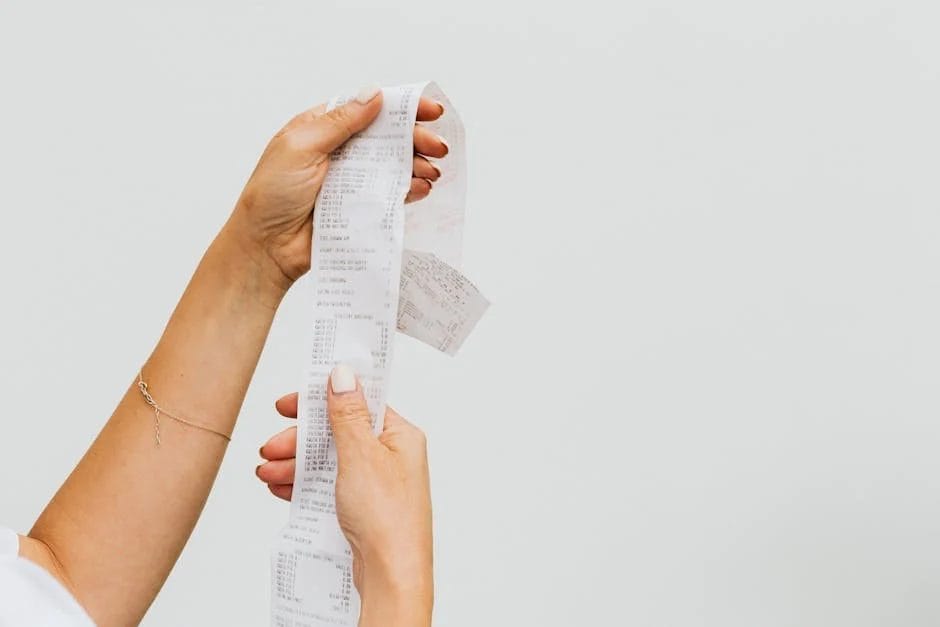
What Retailers Know About You Based on Just One Receipt

July 8, 2025 by Travis Campbell Leave a Comment

retailers

Image Source: pexels.com

Every time you make a purchase, you leave behind a trail of retail data—sometimes without even realizing it. That little slip of paper or digital receipt you get at checkout is more than just a record of what you bought. It’s a goldmine of information for retailers, who use it to understand your habits, predict your future purchases, and even influence your decisions. In a world where privacy is increasingly difficult to protect, understanding what your receipt reveals can help you make more informed choices about your personal information. Let’s break down exactly what retailers can learn from just one receipt and what you can do about it.

1. Your Shopping Preferences

Retailers analyze every item on your receipt to build a profile of your shopping preferences. Whether you’re buying organic produce, tech gadgets, or budget-friendly brands, each purchase adds a layer to your consumer identity. This retail data helps stores tailor their marketing efforts, sending you coupons or ads for products similar to what you’ve already bought. Over time, these patterns become more accurate, making it easier for retailers to predict what you’ll want next. If you notice that your email inbox is suddenly full of offers for things you recently purchased, your receipt is likely the reason.

2. Your Spending Habits

A single receipt can reveal how much you’re willing to spend on certain products, how often you shop, and even whether you’re a bargain hunter or a splurger. Retailers use this retail data to segment customers into categories, such as “value shoppers” or “premium buyers.” This segmentation allows them to target you with specific promotions or loyalty programs designed to maximize your spending. For example, if your receipts show frequent use of coupons or sale items, you might receive more discount offers in the future. Understanding this can help you recognize when you’re being targeted and make more intentional spending decisions.

3. Your Location and Shopping Times

Receipts often include the store location and the exact time of your purchase. When combined with retail data from loyalty programs or credit card transactions, this information helps retailers map out your shopping routines. They can determine if you prefer shopping on weekends, late at night, or during lunch breaks. This data is valuable for planning store staffing, stocking shelves, and even sending you time-sensitive offers. For instance, if you always shop on Friday evenings, you might get a special deal sent to your phone just before your usual visit.

4. Your Payment Methods

The way you pay—credit card, debit card, mobile wallet, or cash—provides another layer of retail data. Payment methods can indicate your financial habits and even your preferred banks or credit card companies. Retailers may use this information to offer you financing options, exclusive cardholder deals, or to partner with financial institutions for joint promotions. If you consistently use a store-branded credit card, expect to see more targeted offers and rewards aimed at keeping you loyal to that retailer.

5. Your Contact Information

If you use a loyalty program, provide your email for a digital receipt, or enter your phone number at checkout, your contact information is linked directly to your purchase history. This connection allows retailers to build detailed customer profiles and send personalized marketing messages. It also means your retail data can be shared or sold to third parties, increasing your exposure to targeted advertising. To limit this, consider opting out of unnecessary programs or using a separate email address for shopping.

6. Your Return and Exchange Patterns

Receipts track not just what you buy, but also what you return or exchange. Frequent returns can flag you as a “high-risk” customer, which might affect your eligibility for certain promotions or even your ability to make future returns. Retailers use this retail data to identify potential fraud, but it can also impact your shopping experience in subtle ways. If you notice stricter return policies or fewer offers, your return history could be the reason.

7. Your Household Composition

Believe it or not, the items on your receipt can hint at your household size and makeup. Regular purchases of diapers, pet food, or school supplies suggest the presence of children, pets, or students in your home. Retailers use this retail data to send you relevant offers, such as back-to-school sales or pet care promotions. While this can be convenient, it’s also a reminder of how much personal information is inferred from your shopping habits.

Protecting Your Privacy in a Data-Driven World

Understanding how much retail data is collected from a single receipt is the first step toward protecting your privacy. You can take practical steps, like paying with cash, limiting the use of loyalty programs, or requesting paper receipts instead of digital ones. Be mindful of the information you share at checkout and regularly review your privacy settings with retailers. Staying informed empowers you to make choices that align with your comfort level and helps you maintain control over your personal information in an increasingly data-driven world.

What’s the most surprising thing you’ve learned about how your shopping data is used? Share your thoughts in the comments below!

Read More

How Surveillance Technology is Changing the Face of Finance

Consumerism on a Budget: Why Americans Proudly Use and Love Coupons

Travis Campbell
Travis Campbell

Travis Campbell is a digital marketer/developer with over 10 years of experience and a writer for over 6 years. He holds a degree in E-commerce and likes to share life advice he’s learned over the years. Travis loves spending time on the golf course or at the gym when he’s not working.

Filed Under: Business Tagged With: consumer privacy, data security, Personal Finance, receipts, retail analytics, retail data, shopping habits

  • 1
  • 2
  • Next Page »

FOLLOW US

Search this site:

Recent Posts

  • Can My Savings Account Affect My Financial Aid? by Tamila McDonald
  • 12 Ways Gen X’s Views Clash with Millennials… by Tamila McDonald
  • What Advantages and Disadvantages Are There To… by Jacob Sensiba
  • Call 911: Go To the Emergency Room Immediately If… by Stephen Kanaval
  • 10 Tactics for Building an Emergency Fund from Scratch by Vanessa Bermudez
  • 7 Weird Things You Can Sell Online by Tamila McDonald
  • 10 Scary Facts About DriveTime by Tamila McDonald

Copyright © 2026 · News Pro Theme on Genesis Framework