For years, student loan forgiveness felt like a financial fairy tale — the kind where your debt disappears and everyone rides into the sunset with zero consequences. But starting in 2026, that dream comes with a plot twist that could hit your wallet hard. If your student loans are forgiven in 2026 or later, that forgiven amount is once again considered taxable income under federal law, which means the IRS may want its cut.
That’s right: your “freedom from debt” moment could turn into a surprise tax bill if you’re not prepared. This isn’t a trap — it’s a known rule change, and with the right planning, you can outsmart it instead of getting blindsided.
Why Student Loan Forgiveness Is Taxable Again in 2026
For a brief, beautiful moment in financial history, forgiven student loans were federally tax-free. That came from pandemic-era legislation that temporarily made most federal student loan forgiveness non-taxable. But like many temporary policies, that protection has an expiration date — and in 2026, the tax-free treatment disappears unless new legislation changes it.
What that means in plain English is simple but serious: if you have loans forgiven in 2026, the IRS can treat that forgiven balance as ordinary income. That extra “income” can push you into a higher tax bracket, increase what you owe, and even affect credits and benefits tied to income limits. Forgiveness still helps your long-term finances, but the short-term tax hit can sting if you’re not ready for it.
Who This Impacts the Most
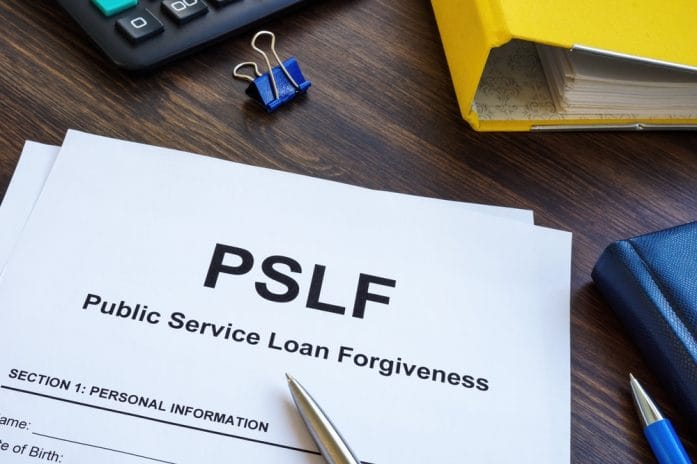
This change doesn’t hit everyone equally. Borrowers on income-driven repayment plans are especially affected. Public Service Loan Forgiveness (PSLF) is still federally tax-free under current rules, but many other forgiveness programs are not.
That means teachers, healthcare workers, nonprofit employees, and private-sector borrowers on income-driven plans could face very different tax outcomes depending on which forgiveness path they’re on. Not everyone will carry the same financial load.
How a “Good Thing” Can Create a Bad Financial Surprise
Here’s the emotional shock that not enough people are talking about: you feel relieved, excited, and free when your loans are forgiven — and then the tax bill arrives. Unlike regular income, no one withholds taxes on forgiven debt. There’s no paycheck deduction, no automatic payment system, and no built-in safety net. The IRS simply expects you to pay what you owe.
This can be especially brutal for borrowers who are already living paycheck to paycheck. A tax bill of several thousand dollars isn’t just inconvenient — it can create real financial stress. The irony is painful: you finally escape student debt, only to be hit with a different kind of financial burden. That’s why planning ahead isn’t just smart — it’s necessary.
Smart Ways to Prepare So You’re Not Caught Off Guard
The most powerful move you can make right now is awareness. If you’re on track for forgiveness in 2026 or later, start treating that future tax bill as a known expense, not a surprise. Even small monthly savings can make a massive difference over time. A separate “tax buffer” savings account can turn a scary bill into a manageable payment.
It’s also worth talking to a tax advisor or financial planner who understands student loan forgiveness. They can help estimate your future tax exposure and show you how it might affect your bracket, deductions, and overall tax strategy.
Your Financial Freedom Moment Deserves a Plan, Not a Panic Attack
Student loan forgiveness should feel like a celebration, not a crisis. If 2026 is part of your forgiveness timeline, now is the moment to get proactive instead of reactive. Build a savings cushion, learn the rules, understand your specific forgiveness program, and stop assuming it will all magically work out.
The truth is simple: forgiven loans can change your life — but only if you’re ready for the tax side of the story. Preparation doesn’t ruin the win. It protects it.
Are you planning for student loan forgiveness in the next few years — and have you started saving for the tax side of it yet? Let’s hear all of your thoughts in the comments.
You May Also Like…
Student Loan Interest Resumed August 2025 — Costing SAVE Borrowers $300/Month
How Can Student Loans Quietly Shape Life Decisions for Decades
The Estate Planning Shortcut That Saves Time but Costs Families More in the Long Run
Student Loan Wage Garnishment Could Return After 5-Year Pause — 15% of Paychecks at Risk
8 Ways You Should Never Use Student Loan Money For

Brandon Marcus is a writer who has been sharing the written word since a very young age. His interests include sports, history, pop culture, and so much more. When he isn’t writing, he spends his time jogging, drinking coffee, or attempting to read a long book he may never complete.