• Home
  • About Us
  • Getting Finances Done
    • Hiring Advisors
    • Debt Management
    • Spending Plan
  • Insurance
    • Life Insurance
    • Health Insurance
    • Disability Insurance
    • Homeowners/Renters Insurance
  • Contact Us
  • Our Editorial Commitment

The Free Financial Advisor

You are here: Home / Archives for money mistakes

Why “Lower” Overdraft Fees Still Hurt Most Customers

February 14, 2026 by Brandon Marcus Leave a Comment

Why “Lower” Overdraft Fees Still Hurt Most Customers
Image source: shutterstock.com

Picture this: a tiny “mistake” in your bank balance turns into a fee that feels like a punch to the gut. You’ve probably heard that some banks have lowered overdraft fees — and on the surface that sounds like relief.

But here’s the thing: in most cases, those lower fees still sting way more than you realize. It’s time to unpack why a “discounted” hit to your bank account is still a blow, and how this whole system really works.

The Illusion of a Lower Fee: Why It Still Stings

Lowering overdraft fees might seem like a win for everyday people, but this is where we need to talk about the bigger picture. Sure, cutting a fee from $35 to $20 sounds like a sweet deal — but what’s the real impact? For many folks living paycheck to paycheck, it’s not just about the number on the fee. It’s about the cascade of financial stress that comes after seeing your balance suddenly worse than you expected.

A fee is supposed to be a discouragement — a reminder to stay on top of your balance — but when your hard-earned dollars get siphoned off for what feels like a bookkeeping technicality, it doesn’t feel like discipline. It feels like a penalty that hits disproportionately hard for people without a cushion. Those “lower” fees still come directly out of your spending money, and because they’re often repeated, they add up fast.

So, How Do Overdraft Fees Work Anyway?

Overdraft fees are basically the bank saying: “You spent more than you had, and we’re going to charge you for the privilege of covering the difference.” Some banks let a transaction go through even when there’s not enough money in your account, and boom — you get hit with a fee.

The key point most people miss is that overdraft isn’t automatic. Many banks offer standard overdraft programs that you’re opted into unless you specifically decline. That means if you don’t know what you’re signed up for, you could be paying fees without even realizing you agreed to them. Some banks charge you not just one fee but multiple fees in a single day if more than one transaction posts when you don’t have enough funds.

Lowering the per‑fee cost doesn’t change the fact that a series of small overdrafts can still drain a checking account quickly.

Why Lower Fees Still Don’t Help the Most Vulnerable

People who struggle most with overdraft fees are the ones who can least afford them. A $20 fee might be easier to swallow than $35, but for someone with a $25 balance, it’s still almost a full paycheck’s worth of spending money gone. The fee doesn’t help them catch up; it keeps them stuck.

Lower fees also don’t change the unpredictable nature of everyday finances. Bills, rent, groceries, travel — life doesn’t pause for budgeting missteps. Imagine you’re a parent juggling expenses: an unexpected overdraft fee, even a reduced one, can be the difference between paying for essentials or not.

The Real Alternatives Banks Offer (and Why They Still Miss the Mark)

In response to criticism, some banks have introduced alternatives: alerts for low balances, grace periods, or even overdraft lines of credit. These sound like improvements, and in some cases, they are slightly better than the old model.

Alerts, for example, can help you avoid overdrafts before they happen — if you actually see them in time. But if you’re juggling work, family, and life, you might miss a text or email notification — and still get hit with a fee.

Grace periods seem reasonable, until you realize there might be limits or conditions tied to it. And overdraft lines of credit? That’s essentially a mini loan with interest — helpful for some, but because it adds debt into the mix, it’s not inherently a kinder alternative.

Real Strategies to Dodge Overdraft Fees

We’ve established that “lower” doesn’t mean “friendly.” What can you actually do to protect yourself? The first step is awareness: know your bank’s overdraft policy inside and out.

Turning on balance alerts is a simple move. But pair it with a routine check‑in on your account, like a quick glance every morning. It’s amazing how a daily habit can prevent a weekly problem.

Finally, consider switching to banks or credit unions that offer “no‑fee” accounts or waive overdraft fees under certain conditions. Online banks and credit unions often have more member‑friendly policies — and making the switch could end up saving you real money over time.

Why “Lower” Overdraft Fees Still Hurt Most Customers
Image source: shutterstock.com

Why the Fee Debate Matters Now More Than Ever

We’re living in a time when the cost of banking — things like fees and minimum balances — is getting more attention. Regulatory scrutiny and consumer advocacy are pushing banks to rethink their practices. Lower overdraft fees are a step, but we’re learning they’re only a step, not the solution.

For many people, the goal isn’t just to pay a smaller fee — it’s to avoid being penalized for financial ebbs and flows that are normal parts of life. A banking system that charges for ordinary mistakes isn’t just outdated; it’s a tax on uncertainty and a barrier to stability.

Taking Control of Your Money

Lower overdraft fees may feel like a nod toward fairness, but they rarely solve the core issue. For most people, they’re still a setback that drains funds, stresses budgets, and creates cycles that are hard to escape.

A smarter approach is less about letting banks lower fees and more about empowering yourself with the knowledge and tools to keep fees from happening at all. That means understanding your accounts, setting up protections that work for your life, and being proactive about where your money goes.

What’s one move you’ve made (or want to make) to avoid overdraft fees and keep more money in your wallet? Talk about it with others in our comments section.

You May Also Like…

Big Banks Are Still Collecting Billions in Overdraft and NSF Fees

Credit Card Annual Fees Jumped in 2025 — Some Up to $200

Why More Americans Are Being Charged Fees They Never Explicitly Agreed To

6 Major Banks Just Raised “Maintenance Fees”—Here is the List of Who to Ditch

12 Practical Tips for Minimizing Brokerage Account Fees Effectively

Brandon Marcus
Brandon Marcus

Brandon Marcus is a writer who has been sharing the written word since a very young age. His interests include sports, history, pop culture, and so much more. When he isn’t writing, he spends his time jogging, drinking coffee, or attempting to read a long book he may never complete.

Filed Under: Banking Tagged With: bank fees, banking costs, checking accounts, consumer tips, finance education, Financial Wellness, money mistakes, overdraft fees, Personal Finance, saving money

7 Money Decisions That Feel Responsible — Until You Do the Math

February 7, 2026 by Brandon Marcus Leave a Comment

These Are 7 Money Decisions That Feel Responsible — Until You Do the Math
Image source: shutterstock.com

There’s nothing quite like the smug satisfaction of making a “responsible” financial decision. You know the feeling—the little internal pat on the back, the mental gold star, the sense that Future You will be eternally grateful.

But some of the choices that feel the most responsible are actually the ones that quietly sabotage your budget. They sound smart, they look smart, and they’re often encouraged by well‑meaning friends or even financial influencers. Yet when you sit down and run the numbers, the math tells a very different story. If you’ve ever wondered why you’re doing “everything right” but still not getting ahead, these seven sneaky decisions might be the reason.

1. Choosing the Lowest Monthly Payment Instead of the Lowest Total Cost

It’s incredibly tempting to choose the smallest monthly payment when financing something big—whether it’s a car, furniture, or even a phone. Smaller payments feel manageable, predictable, and safe, especially when you’re juggling multiple expenses. But stretching a loan over a longer term almost always means paying significantly more in interest, even if the monthly hit feels gentle.

Many people don’t realize how much those extra months or years inflate the total cost until they finally add it up. A better approach is to compare the total repayment amount across different terms and choose the shortest one you can comfortably afford. Your future self will thank you for avoiding years of unnecessary interest.

2. Buying in Bulk Without Checking the Unit Price

Bulk shopping has a reputation for being the ultimate frugal move, and sometimes it truly is. But not every oversized package is a bargain, and many shoppers assume “bigger equals cheaper” without checking the unit price. Retailers know this and occasionally price bulk items higher because they look like a deal.

On top of that, buying more than you can realistically use often leads to waste—especially with perishable items. Before tossing a giant container into your cart, compare the cost per ounce or per item. If it’s not actually cheaper, or if you won’t use it before it expires, it’s not a deal at all.

These Are 7 Money Decisions That Feel Responsible — Until You Do the Math
Image source: shutterstock.com

3. Paying Extra for Extended Warranties You’ll Probably Never Use

Extended warranties feel like a safety net, especially when you’re buying electronics or appliances. The salesperson’s pitch can make it sound like disaster is practically guaranteed unless you add that extra protection. But many products already come with a manufacturer warranty, and some credit cards automatically extend coverage at no additional cost.

Many extended warranties have exclusions that limit what they actually cover. Teachers, tech experts, and consumer advocates often point out that most people never end up using them.

4. Keeping a Paid Subscription Because “It’s Only a Few Dollars”

A few dollars here, a few dollars there—it doesn’t seem like much. But subscription creep is real, and those small recurring charges add up faster than most people realize. Streaming services, apps, cloud storage, fitness platforms, and premium features can quietly drain your budget month after month. The responsible‑feeling part is that you’re not overspending in one big burst; the sneaky part is that you’re overspending in tiny increments that slip under the radar.

A smart habit is reviewing your subscriptions every few months and canceling anything you haven’t used recently. Think of it as giving your budget a deep breath of fresh air.

5. Overpaying Your Mortgage While Carrying High‑Interest Debt

Paying extra toward your mortgage sounds like the ultimate responsible move. After all, who doesn’t want to own their home sooner? But if you’re carrying high‑interest debt—especially credit card balances—putting extra money toward a low‑interest mortgage doesn’t make mathematical sense. High‑interest debt grows faster than you can chip away at it, even with aggressive payments.

Financial experts consistently recommend tackling high‑interest balances first because the savings are immediate and significant. Once those debts are gone, you can redirect that freed‑up money toward your mortgage with far more impact.

6. Buying a “Cheap” Car That Turns Into a Repair Money Pit

A low purchase price feels like a win, especially when you’re trying to stay within a tight budget. But a car that’s cheap upfront can become incredibly expensive if it needs constant repairs, replacement parts, or specialized service. Many drivers learn this the hard way when they realize they’ve spent more fixing the car than they saved by buying it.

A better strategy is researching reliability ratings, maintenance costs, and common issues before committing. Sometimes spending a little more upfront saves you thousands over the life of the vehicle.

7. Skipping Preventive Maintenance Because Everything Seems Fine

Whether it’s your car, your HVAC system, or even your own health, skipping preventive maintenance feels like a responsible way to save money in the moment. After all, why pay for something when nothing appears to be wrong? But small issues often grow into expensive problems when ignored, and routine maintenance is almost always cheaper than major repairs.

Many homeowners and drivers discover this only after a preventable breakdown forces them into an urgent—and costly—fix. Setting aside a small budget for regular checkups can save you from financial surprises later on.

Choosing Decisions That Help Future You Thrive

The truth is, most people make these choices with good intentions. They’re trying to be responsible, thoughtful, and financially smart. But when you look closely at the numbers, some of these “responsible” decisions quietly work against your long‑term goals. By paying attention to total costs, avoiding unnecessary add‑ons, and prioritizing high‑impact financial moves, you can stretch your money further without feeling deprived.

Now it’s your turn. Have you ever made a money decision that felt smart at the time but didn’t hold up under the math? If you have something to share, please do so in the comments below.

You May Also Like…

8 Personal Finance Beliefs That No Longer Apply

12 Generational Beliefs That Keep Gen X, Millennials, and Boomers Fighting

10 Toxic Beliefs About Money Passed Down From Your Parents

Why Do So Many People Say Money Stress Is Constant

Why Does Money Anxiety Increase With Age Instead of Decrease

Brandon Marcus
Brandon Marcus

Brandon Marcus is a writer who has been sharing the written word since a very young age. His interests include sports, history, pop culture, and so much more. When he isn’t writing, he spends his time jogging, drinking coffee, or attempting to read a long book he may never complete.

Filed Under: Finance Tagged With: 2026 finance trends, budgeting, consumer habits, Debt Management, financial literacy, money mistakes, money psychology, Personal Finance, Planning, saving tips, Smart Spending

Why Paying Only the Minimum Creates $4,200 in Interest on a $5,000 Balance

February 6, 2026 by Brandon Marcus Leave a Comment

Why Paying Only the Minimum Creates $4,200 in Interest on a $5,000 Balance
Image source: shutterstock.com

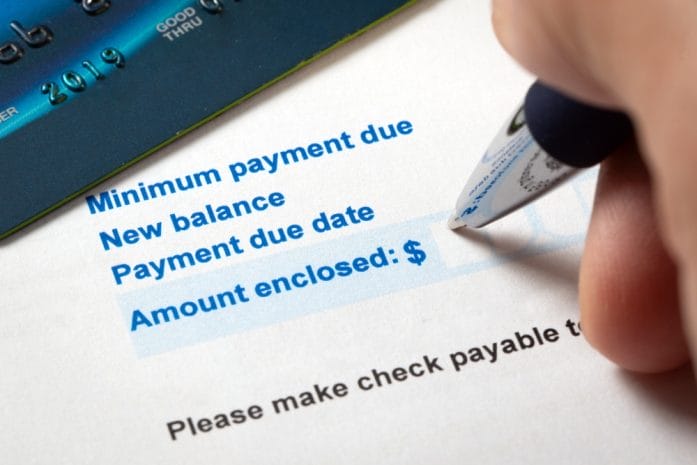
There’s a moment many people experience: you open your credit card statement, see the minimum payment, and think it’s not so bad. It feels like a tiny financial victory—like the bank is giving you a break.

But behind that deceptively small number is a trap that quietly drains your wallet month after month. Paying only the minimum on a $5,000 balance can lead to over $4,200 in interest, turning a manageable debt into a long‑term financial burden.

Most people don’t realize how this happens until they’ve already paid far more than they borrowed. Let’s break down why minimum payments are so sneaky, how interest piles up, and what you can do to escape the cycle.

Minimum Payments Are Designed to Keep You in Debt Longer

Credit card minimum payments are usually calculated as a small percentage of your total balance—often around 1% to 3% plus interest. That means the payment barely dents the principal. When you pay only the minimum, most of your money goes toward interest, not the actual debt. This is why balances shrink painfully slowly.

Credit card companies aren’t being generous by offering low minimums; they’re ensuring the debt sticks around long enough to generate significant interest. This structure turns a $5,000 balance into a long‑term commitment, even if you never make another purchase. The math works quietly in the background, and unless you’re watching closely, it’s easy to underestimate how much interest is accumulating.

How Interest Snowballs Even When You’re Paying Every Month

Credit card interest is typically calculated using a daily rate based on the card’s annual percentage rate (APR). If your APR is, for example, 20%, that interest compounds every single day. When you only pay the minimum, the principal barely moves, so the next month’s interest is calculated on almost the same balance. This creates a snowball effect where interest keeps building on top of interest.

Even though you’re making payments, the balance doesn’t fall quickly enough to reduce the interest meaningfully. This is how a $5,000 balance can generate more than $4,200 in interest over time. It’s not because you’re doing anything wrong—it’s because the system is designed to stretch out repayment as long as possible.

Why a $5,000 Balance Can Take Years to Pay Off

If you stick to minimum payments, it can take many years to pay off a $5,000 balance. The exact timeline depends on your APR and the minimum payment formula, but it’s common for repayment to stretch well beyond a decade. During that time, interest keeps accumulating, and the total amount you pay ends up being far higher than the original balance.

This is why credit card statements now include a “minimum payment warning” showing how long repayment will take if you only pay the minimum. It’s meant to help consumers understand the long‑term cost of carrying a balance. The numbers can be shocking, but they’re accurate—and they highlight how expensive minimum payments can be.

Why Paying Only the Minimum Creates $4,200 in Interest on a $5,000 Balance
Image source: shutterstock.com

The $4,200 Interest Example: What’s Actually Happening

When a $5,000 balance generates more than $4,200 in interest, it’s because the minimum payment barely reduces the principal each month. For example, if your minimum payment is around $100, a large portion of that goes toward interest. Only a small amount—sometimes just a few dollars—reduces the actual balance.

As a result, the principal decreases slowly, and interest continues to accumulate on a high balance for a long time. Over the full repayment period, the total interest paid can exceed 80% of the original balance. This isn’t a rare scenario; it’s a common outcome for anyone who relies on minimum payments as their primary repayment strategy.

Why Minimum Payments Feel Manageable—But Cost More in the Long Run

Minimum payments are intentionally low to make debt feel manageable. They’re designed to fit easily into a monthly budget, which is why so many people rely on them. But the trade‑off is that low payments extend the life of the debt and increase the total interest paid. It’s a psychological trap: the payment feels small, so the debt feels small, even though the long‑term cost is huge.

This is why financial educators emphasize paying more than the minimum whenever possible. Even small increases—like an extra $20 or $30 a month—can significantly reduce interest and shorten repayment time.

Simple Strategies to Reduce Interest Without Overhauling Your Budget

You don’t need a massive financial overhaul to avoid paying thousands in interest. Small, consistent changes can make a big difference. One strategy is to round up your payment—if the minimum is $100, pay $150 or $200 instead. Another option is to set up automatic payments that exceed the minimum, ensuring you stay on track.

You can also target one card at a time using a focused repayment method, such as paying extra toward the highest‑interest balance. These strategies reduce the principal faster, which lowers the amount of interest charged each month. Over time, the savings add up significantly.

The Power of Paying a Little More Each Month

Paying more than the minimum doesn’t just reduce interest—it gives you control over your financial future. When you chip away at the principal, you shorten the repayment timeline and reduce the total cost of the debt. Even modest increases can save hundreds or thousands of dollars in interest.

It’s not about paying off the entire balance at once; it’s about making steady progress. The key is consistency. Once you get into the habit of paying more than the minimum, the balance starts to fall faster, and the interest becomes less overwhelming. It’s a small shift that leads to big results.

Breaking Free From the Minimum Payment Cycle

Minimum payments may seem convenient, but they come with a hidden price tag. By understanding how interest accumulates and why minimum payments keep you in debt longer, you can make smarter choices that save money over time.

What’s the biggest challenge you’ve faced when trying to pay down credit card debt? Share your experience and story in the comments.

You May Also Like…

Retail Store Credit Cards Now Charging 30% APR on Average

5 Invisible Service Charges Eating Into Your Bank Balance

The Hidden Costs of Balance Transfers You Should Know

Why “Work-Life Balance” Is a Lie for Most People

The Single Late Payment That Raises APR to 29.99% Permanently at Discover

Brandon Marcus
Brandon Marcus

Brandon Marcus is a writer who has been sharing the written word since a very young age. His interests include sports, history, pop culture, and so much more. When he isn’t writing, he spends his time jogging, drinking coffee, or attempting to read a long book he may never complete.

Filed Under: credit cards Tagged With: budgeting, consumer finance, credit card tips, credit cards, debt payoff, financial literacy, interest charges, minimum payments, money mistakes, Personal Finance, saving money

Why Leasing a Car Is Quietly One of the Most Expensive Money Mistakes for Middle-Income Drivers

January 29, 2026 by Brandon Marcus Leave a Comment

Why Leasing a Car Is Quietly One of the Most Expensive Money Mistakes for Middle-Income Drivers
Image source: shutterstock.com

You’ve seen those shiny lease deals at the dealership: low monthly payments, new‑car smell, and no old clunker in your driveway. For middle‑income drivers juggling groceries, childcare, and rent or mortgage payments, leasing a car can feel like a practical way to get reliable wheels without breaking the bank. But the surface appeal of leasing a car hides a financial truth that many people only realize after year two — and often after a stack of monthly payments that never stop.

When you dig into the real costs — fees, restrictions, lack of equity, insurance premiums, and depreciation — the math frequently tells a story very different from what that enticing monthly payment suggested.

You Never Build Equity In The Vehicle

When you lease a car, your monthly payments go toward paying the expected depreciation of the vehicle over the lease term, not toward ownership. All those payments essentially buy you temporary access, like a long rental agreement.

Those accumulated payments can easily exceed what you would have paid for buying a car and keeping it for many years. Owning your car outright gives you an asset with some resale value, which dramatically lowers your cost per mile over the long run compared to continuously leasing.

End‑Of‑Lease Fees And Wear‑And‑Tear Charges Add Up

At the end of your lease, you don’t just hand the keys back and walk away; you are subject to a dealer inspection that can rack up fees for any wear and tear beyond “normal.” That includes scratches, dents, worn tires, or even upholstery stains — items you might consider everyday car life.

Leases define “normal” narrowly, and charges for what seems like minor cosmetic damage can run into the hundreds or thousands. And unlike when you own your car, where cosmetic issues don’t trigger fees at sale or trade‑in, leasing locks you into these penalties. Driving with kids, pets, and life’s inevitable scrapes feels normal — but under a lease contract, normal can be expensive.

Why Leasing a Car Is Quietly One of the Most Expensive Money Mistakes for Middle-Income Drivers
Image source: shutterstock.com

Insurance Costs Often Rise For Leased Cars

Leasing a car usually requires higher‑level insurance coverage than you might choose when you own a car outright. Lenders often mandate full comprehensive and collision coverage to protect their financial stake, and they may require gap insurance that pays the difference between what the car is worth and what you still owe if the vehicle is totaled. Those coverage requirements protect the leasing company, not you, and they push your insurance premium higher than it might be for an owned car.

Middle‑income drivers who carefully shop insurance might feel blindsided when leasing a car adds $50, $100, or more per month to their bills. This cost often gets overlooked in flashy lease advertisements touting low payments.

Depreciation Costs Are Hidden, But Real

Even if you buy a car, depreciation — the car’s loss of value over time — is a cost you shoulder. But as an owner, you capture some residual value when you sell or trade the car. With leasing, depreciation is a cost the lessee pays without any chance of recouping it. That’s built into how lease payments are calculated, but many drivers forget this fact when comparing monthly payment amounts.

With most lease terms, paying for the steepest depreciation for years pummels your finances. In contrast, buyers who keep a car beyond loan payoff benefit from depreciation slowing and no monthly payments, which significantly reduces cost per mile.

Opportunity Costs Eat Your Budget Silently

Every dollar tied up in a lease payment is a dollar you can’t invest, save, or use to build an emergency fund. While lower monthly payments may seem easier to manage, those payments come with opportunity costs that add up dramatically over time.

Money tied into ownership, even if you finance it, eventually turns into equity that supports future financial flexibility. Leasing never does that; you pay for use without any return on that spending. Considering opportunity costs might feel academic, but over the long run they represent real lost value in your financial life.

Why Rethinking Your Transportation Strategy Matters

Leasing a car isn’t inherently bad — it fits certain lifestyles, like short‑term needs or drivers who love new tech — but for most middle‑income drivers, it quietly costs more than the glossy monthly payment suggests. Buying a dependable used car, paying cash if possible, or financing a thoughtful purchase and keeping it long term often gives significantly better value.

Take a moment to think about your last car decision: did you really compare the lifetime cost of leasing a car to owning and keeping a vehicle beyond the lease term? What would changing that decision mean for your monthly budget and long-term financial goals?

Have any thoughts on car leases and what they mean to drivers everywhere? Let’s hear about it in the comments below.

You May Also Like…

What Happens When You Lease Instead of Buying A Car

Lease Management Made Easy: Best Software Solutions

This is The Credit Score You Need to Lease a Car

7 Wild Facts About Electric Cars That’ll Shock You

Why Do Families Spend More On Cars Than Homes Over a Lifetime

Brandon Marcus
Brandon Marcus

Brandon Marcus is a writer who has been sharing the written word since a very young age. His interests include sports, history, pop culture, and so much more. When he isn’t writing, he spends his time jogging, drinking coffee, or attempting to read a long book he may never complete.

Filed Under: Car Tagged With: auto ownership, automobiles, automotive care, automotive lease, budgeting, car, car buying tips, car lease, car leasing, cars, leasing a car, money mistakes, Personal Finance

10 Budget Mistakes That Create Long-Term Pressure

January 24, 2026 by Brandon Marcus Leave a Comment

These Are 10 Budget Mistakes That Create Long-Term Pressure
Image source: shutterstock.com

Ever feel like your money disappears faster than ice cream on a hot day? You’re not alone. Most of us start budgeting with enthusiasm, then hit roadblocks that turn simple planning into stress-inducing chaos. Some of these pitfalls are obvious—buying expensive coffee every morning, impulsively splurging online—but others quietly accumulate, creating tension that sticks around for years.

The tricky part is that these mistakes don’t scream “problem!” right away. They sneak in slowly, reshaping your finances in ways you might not notice until you’re elbow-deep in bills or wondering where all your savings went. Understanding these traps is like spotting the cracks in your foundation before the entire house wobbles.

1. Ignoring Irregular Expenses

One of the most underestimated financial blunders is ignoring irregular expenses. These are costs that don’t appear on your monthly statement like clockwork, such as car maintenance, medical bills, or annual subscriptions. Failing to account for them can leave you scrambling when they pop up, forcing you to borrow or dip into your emergency fund. Creating a realistic budget means anticipating the unexpected and smoothing out the bumps over the year.

Even small amounts set aside consistently add up, reducing stress when irregular expenses inevitably arrive. Treating your budget like a static, unchanging plan is a recipe for constant catch-up, and that kind of pressure is exactly what long-term financial strain looks like.

2. Underestimating Debt Payments

Debt is a pressure cooker. Ignoring interest rates or underestimating minimum payments might feel harmless in the moment, but interest compounds faster than most people realize. Student loans, credit cards, and personal loans all have a habit of quietly inflating your monthly obligations if you’re not proactive. Not factoring these correctly into your budget can create a domino effect, where payments eat into savings and essentials.

The smart approach is to track every debt, understand the interest, and prioritize repayment strategically. This isn’t about living without enjoyment—it’s about preventing a small fire from growing into a full-blown financial inferno.

3. Skipping an Emergency Fund

Many budgeters dive into financial planning and completely skip one critical element: an emergency fund. Life throws curveballs—broken appliances, unexpected travel, or sudden medical expenses—and without a cushion, your budget crumbles instantly. Relying on credit cards or payday loans in emergencies only makes pressure compound over time.

A good rule of thumb is having three to six months’ worth of essential expenses saved. Think of it as the invisible shield that absorbs life’s blows. Even if your income fluctuates, a small emergency stash can transform panic into manageable inconvenience.

4. Neglecting Small Recurring Charges

Subscriptions are tiny, tempting, and oh-so-easy to forget. That yoga app, streaming service, or magazine subscription may seem insignificant individually, but they quietly drain your budget month after month. Ignoring these charges can derail your financial planning without any dramatic event to signal trouble.

Tracking every recurring expense—even the ones under ten dollars—gives you clarity and control. Cancel what you don’t use and adjust your budget to reflect the ones you genuinely value. This level of awareness prevents months of subtle budget erosion from turning into a serious problem later.

5. Overestimating Income

Optimism about your income can sabotage your budget faster than overspending ever could. Many people assume every paycheck will be perfect and consistent, then encounter unexpected tax changes, reduced hours, or delayed payments. Budgeting as if you earn more than you actually do creates stress when reality doesn’t match expectations.

Being conservative with your projected income forces your budget to reflect what you truly have to work with. It also creates a cushion for months that are less than ideal, preventing a pattern of shortfalls and anxiety.

6. Ignoring Inflation and Cost Increases

Budgets often feel set in stone, but inflation is the silent creep that eats your purchasing power over time. Ignoring rising costs on groceries, utilities, rent, or transportation may seem harmless in the short term, but it slowly transforms a balanced budget into a strained one. Regularly reviewing your spending and adjusting for inflation keeps your financial plan realistic. The goal isn’t panic—it’s preparation. Even a small monthly adjustment can prevent the slow, frustrating squeeze that turns a reasonable budget into a pressure-filled nightmare.

7. Not Tracking Spending

It sounds basic, but not tracking where your money goes is a massive mistake. You can create a detailed budget, but if you don’t monitor actual spending, you have no idea whether your plan is effective. Overspending in one category might require painful cutbacks elsewhere, building tension and anxiety over time.

Tracking expenses, whether through apps or manual logs, provides a reality check. It shows patterns, highlights problem areas, and creates accountability. Knowledge is power, and in this case, it’s the difference between financial calm and chronic stress.

These Are 10 Budget Mistakes That Create Long-Term Pressure
Image source: shutterstock.com

8. Living Beyond Your Means

Trying to maintain a lifestyle that exceeds your income is a guaranteed source of long-term pressure. It’s not just about the occasional treat or luxury—it’s about consistent overspending to keep up appearances. Credit cards and loans make this tempting, but they only postpone the inevitable strain. Long-term stress comes from the constant cycle of repayment, interest accrual, and guilt. Living within your means is empowering: it reduces anxiety, frees up funds for genuine priorities, and makes financial goals achievable rather than mythical.

9. Setting Unrealistic Goals

Ambition is great, but setting unattainable financial goals is a subtle form of self-sabotage. Trying to save half your paycheck in a month or pay off a huge debt without a plan leads to disappointment, frustration, and pressure that builds quietly.

Realistic, incremental targets create momentum rather than panic. Break goals into manageable steps, celebrate small wins, and adjust as circumstances evolve. Sustainable progress keeps stress in check while still pushing you forward.

10. Failing To Reevaluate Regularly

A budget isn’t a one-and-done project—it’s a living, evolving plan. Life changes, priorities shift, and unexpected expenses crop up. Failing to reassess your budget periodically can transform a healthy system into a pressure cooker. Review your finances monthly, adjust for changes, and be honest about what’s working and what isn’t. Flexibility prevents long-term pressure by addressing problems before they spiral. Think of it as giving your finances a tune-up, ensuring smooth operation for years to come.

Avoid Long-Term Pressure By Learning From Mistakes

Budgeting isn’t about perfection—it’s about creating a structure that reduces stress and gives you control over your financial life. The mistakes above are common because they’re easy to overlook, but they have long-term consequences if ignored. Recognizing them, planning for them, and actively correcting them can turn financial tension into clarity and freedom.

Your experience matters—what budget mistakes have crept up on you, and how have you handled them? Drop your thoughts, insights, or financial stories in the comments section below and let’s keep this conversation going.

You May Also Like…

Why Are Utility Bills Becoming a Bigger Budget Problem

Why Does Budgeting Feel More Emotional Than Logical

Legacy Design: 5 Ways to Pass on Wealth Without Passing on Pressure

8 Tips for Talking With Your Partner About Health, Finances & Legacy

Why Do So Many People Believe Budgeting Apps Solve Everything


Brandon Marcus
Brandon Marcus

Brandon Marcus is a writer who has been sharing the written word since a very young age. His interests include sports, history, pop culture, and so much more. When he isn’t writing, he spends his time jogging, drinking coffee, or attempting to read a long book he may never complete.
Filed Under: Budgeting Tagged With: Budget, budget mistakes, budget tips, budgeting, Debt, debt payments, emergency funds, Income, income streams, Inflation, living beyond your means, Money, money issues, money mistakes, overspending, recurring charges, spending, spending mistakes, splurging, tracking spending

10 Common Budgeting Mistakes That Create Constant Money Stress

January 8, 2026 by Brandon Marcus Leave a Comment

10 Common Budgeting Mistakes That Create Constant Money Stress
Image Source: Shutterstock.com

Money stress doesn’t usually arrive with flashing lights and dramatic music. It creeps into your life through overdraft alerts, awkward moments at the checkout line, and that tight feeling in your chest when you open your banking app. Most people don’t struggle with money because they’re bad at math or irresponsible adults. They struggle because they’ve picked up a few budgeting habits that quietly turn every paycheck into a source of anxiety.

The wild part is that many of these mistakes feel normal, even smart, until you realize they’re the very reason your finances feel exhausting. Let’s talk about the most common budgeting traps and why they keep your stress levels on high.

1. Treating A Budget Like A Set Of Handcuffs

A budget isn’t supposed to feel like a financial punishment, but many people build one that sucks the joy out of life. When every dollar is tightly controlled with zero room for fun, resentment builds fast. That resentment often leads to binge spending, followed by guilt and panic. A budget should guide your money, not lock it in a cage.

Flexibility is what makes a budget sustainable over the long term. Without it, stress becomes the main emotion attached to every purchase.

2. Forgetting About Irregular Expenses

Monthly bills are easy to remember, but irregular expenses love to cause chaos. Car repairs, annual subscriptions, medical copays, and holiday spending don’t vanish just because they aren’t monthly. When these costs pop up unexpectedly, they can wreck even a decent budget. Many people blame themselves instead of the missing category in their plan. Planning ahead for these expenses reduces financial whiplash. Ignoring them guarantees stress will show up right on schedule.

3. Relying On Your Memory Instead Of Tracking

Mental math feels efficient until it quietly fails you. Trying to remember what you spent last week or guessing how much is left in your account creates constant uncertainty. That uncertainty feeds anxiety and second-guessing. Tracking doesn’t mean obsessing; it means clarity. When you know where your money goes, fear loses its grip. A simple tracking habit can feel surprisingly calming.

4. Setting Unrealistically Perfect Goals

Many budgets collapse because they aim for perfection instead of progress. Cutting all dining out, entertainment, or convenience spending overnight sounds impressive but rarely lasts. Life happens, cravings happen, and stress builds when the plan breaks. When goals are too strict, slipping up feels like failure. Realistic goals allow room for being human. Progress happens faster when guilt is taken out of the equation.

5. Ignoring Small Purchases Because They Feel Harmless

Five dollars here and ten dollars there don’t feel dangerous in the moment. Over time, those small purchases quietly drain your budget. The stress comes later when money feels tight and the cause seems mysterious. Small expenses are powerful because they’re easy to overlook. Awareness turns them from silent leaks into conscious choices. That shift alone can relieve a surprising amount of pressure.

6. Not Adjusting Your Budget As Life Changes

A budget that never evolves becomes outdated fast. Raises, new jobs, moves, relationships, and inflation all change how money flows. Sticking to an old plan can make you feel constantly behind. Adjusting your budget isn’t failure; it’s maintenance. Life changes deserve financial updates. Stress often fades when your budget finally matches reality.

10 Common Budgeting Mistakes That Create Constant Money Stress
Image Source: Shutterstock.com

7. Using Credit Cards Without A Clear Plan

Credit cards can be useful tools or stress-generating machines. Without a repayment strategy, balances grow and anxiety follows. Many people budget their monthly spending but forget to budget debt payoff. Interest then adds pressure month after month. A clear plan turns credit from scary to manageable. Unclear plans keep stress lingering in the background.

8. Comparing Your Budget To Someone Else’s Life

Comparison is brutal on finances. Seeing others travel, shop, or upgrade makes your budget feel restrictive, even if it works. Social media highlights spending, not savings or debt. That distorted view fuels dissatisfaction and impulsive choices. Your budget should reflect your priorities, not someone else’s highlight reel. Stress shrinks when comparison leaves the room.

9. Forgetting To Build An Emergency Fund

Emergencies aren’t rare events; they’re part of life. Without a cushion, every surprise expense becomes a crisis. That constant vulnerability creates ongoing financial tension. Even a small emergency fund provides psychological relief. It turns panic into inconvenience. Peace of mind often costs less than people expect.

10. Treating Budgeting As A One-Time Task

Creating a budget once and never revisiting it sets unrealistic expectations. Budgeting is a process, not a checkbox. Regular check-ins keep things aligned and manageable. When you ignore your budget, stress grows quietly until it explodes. Consistency builds confidence over time. Confidence is the opposite of money stress.

Turning Budget Stress Into Financial Confidence

Budgeting doesn’t have to feel heavy, restrictive, or intimidating. Most money stress comes from a few common missteps that can be fixed with awareness and small changes. When your budget works with your life instead of against it, money becomes less emotional and more practical. Financial calm isn’t about perfection; it’s about clarity and flexibility.

Everyone has learned budgeting lessons the hard way at some point. Feel free to drop your experiences or insights in the comments section below and join the conversation.

You May Also Like…

9 Everyday Expenses People Forget to Include in Their Budget

Why Do So Many People Believe Budgeting Apps Solve Everything

Holiday Budget: 6 Moves That Protect Your Financial New Year

What Your First Budget Of The Year Should Include

9 Budgeting Fears That Keep You Stuck


Brandon Marcus
Brandon Marcus

Brandon Marcus is a writer who has been sharing the written word since a very young age. His interests include sports, history, pop culture, and so much more. When he isn’t writing, he spends his time jogging, drinking coffee, or attempting to read a long book he may never complete.

Filed Under: Budgeting Tagged With: Budget, budgeting, budgeting mistakes, Budgeting Tips, expensese, finance, finances, general finance, Money, money issues, money mistakes

8 “As Seen on TV” Products That Wasted Millions of Dollars

November 20, 2025 by Travis Campbell Leave a Comment

infomercial
Image source: shutterstock.com

As Seen on TV products built an empire on late-night promises and impulse buys, yet many of them burned through mountains of cash before anyone noticed the cracks. The pitch always sounded simple: one odd gadget solves a problem you never knew you had. Sometimes it worked. Often, it collapsed under the weight of hype, production costs, and customer backlash. These failures reveal how fast money evaporates when marketing outruns reality. And they show why consumers still watch these campaigns with equal parts curiosity and suspicion.

1. The Snuggie

The Snuggie became a punchline the moment the first commercial aired. A blanket with sleeves exploded into a cultural meme, and the company poured millions into ads to keep the momentum alive. Sales spiked early, then crashed when knockoffs flooded stores and buyers complained about flimsy fabric and awkward sizing. The campaign kept spending like the craze would never end, and the margin vanished. As Seen on TV products often fall into this trap: the marketing blaze burns hotter than the product can support.

2. The Shake Weight

The Shake Weight earned attention for reasons unrelated to fitness. The product promised quick muscle tone through a vibrating dumbbell that looked more like a prop from a parody skit. Curiosity sold units, but returns surged when users found it uncomfortable and ineffective. Marketing teams doubled down with more ads, and the investment ballooned while actual demand collapsed. Another example of As Seen on TV products leaning on spectacle instead of substance.

3. Slap Chop

Slap Chop’s pitchman became more famous than the chopper itself. The gadget claimed to slice kitchen prep time, yet users reported flimsy parts and jammed blades. Production costs soared after design changes and warranty replacements. The company kept the ads running even as customer complaints piled up. Money flowed out faster than sales could justify, leaving a product that never lived up to its chaotic commercial energy.

4. The Perfect Bacon Bowl

The Perfect Bacon Bowl promised a new way to eat bacon, shaped into edible cups for eggs, cheese, or anything that fit. The concept sounded fun, but the molds led to uneven cooking and grease spills that turned kitchens into slip-and-slide hazards. The product needed constant support: replacements, updated instructions, and packaging fixes. Each change drained more funds. Marketing pushed hard, but word of mouth shut down the momentum.

5. The Flowbee

The Flowbee resurfaced during unusual times, though its original run left a trail of expenses that exceeded its reach. Cutting hair with a vacuum attachment looked efficient on television, but the device struggled with thicker hair and produced uneven results. The company spent heavily on infomercials to defend the product’s credibility. It wasn’t enough. Consumers treated it like a novelty, not a tool worth the price.

6. The Ab Circle Pro

The Ab Circle Pro sold a dream: toned abs with minimal effort. The device swung the user side to side on a curved track. Many saw no results, and injuries mounted when the machine slipped or tipped. Legal problems followed. Refund campaigns hollowed out profits. The infomercials kept running long after buyers lost confidence, a common fate among As Seen on TV products that chase fitness shortcuts.

7. The PediPaws Nail Grinder

PediPaws targeted pet owners desperate for an easier, safer trim. The grinder often terrified animals with its loud motor. Some units overheated. Others dulled quickly. Complaints forced the company to replace large batches, raising manufacturing and shipping costs. Advertising bills kept stacking up, even though repeat buyers were rare. The model couldn’t sustain the expense.

8. The Tiddy Bear

The Tiddy Bear seat belt cushion drew laughs and confusion in equal measure. A plush bear attached to a strap promised relief from seat belt pressure. The design sounded innocent, but buyers questioned durability and purpose. Sales flopped despite relentless commercials. Production and distribution costs swallowed what little revenue trickled in. It became a case study in how novelty alone doesn’t guarantee staying power.

The Hidden Cost of Chasing Viral Fame

The visual appeal of As Seen on TV products drives their success more than their actual functionality does. Advertising expenses, product redesigns, licensing fees, and return costs continue to accumulate after the initial marketing frenzy subsides. The market performance of a few specific products drives their success. The products fail to deliver when customers encounter their actual shortcomings in real-world use. The business model operates through a specific sequence: it begins by attracting customers before providing any actual value to them.

Which As Seen on TV product do you think burned the most money?

What to Read Next…

  • 9 Common Products That May Be Illegal to Resell Online
  • 10 Products That Are Being Pulled From Shelves Without Public Notice
  • 8 Cringeworthy Promotions That Foreshadow Fraudulent Financial Advice
  • 8 Everyday Services That Are Slowly Becoming Subscription Only
  • 10 Smart Purchases That Are Slowly Making You Broke
Travis Campbell
Travis Campbell

Travis Campbell is a digital marketer/developer with over 10 years of experience and a writer for over 6 years. He holds a degree in E-commerce and likes to share life advice he’s learned over the years. Travis loves spending time on the golf course or at the gym when he’s not working.

Filed Under: Entertainment Tagged With: as seen on tv, consumer culture, finance, money mistakes, products, wasteful spending

9 Ways People Screw Up Emergency Funds — Even When They Have Good Intentions

November 1, 2025 by Travis Campbell Leave a Comment

emergencies
Image source: shutterstock.com

Emergency funds are a financial safety net. People need to save money because they may face unexpected expenses, such as job loss, medical bills, and car repairs. But just having an emergency fund isn’t enough. People create mistakes that damage their safety net even though they have positive intentions. The errors in these situations will transform a security initiative with good intentions into an unsuccessful attempt at actual security protection. Creating an emergency fund requires more than just saving money, as it also requires proper management to succeed. The goal is to select appropriate methods that will activate your backup system in the event of an emergency.

1. Underestimating True Needs

Many people choose a round number for their emergency fund, such as $1,000 or one month’s expenses, without actually calculating what they’d need to weather a real storm. The result? Their emergency fund falls short when it counts. To avoid this, add up your actual monthly expenses—think rent, groceries, insurance, and minimum debt payments. Multiply by three to six months. That’s a more realistic target for your emergency fund, and it’s the foundation of a strong financial plan.

2. Keeping Emergency Funds Too Accessible

It’s tempting to leave your emergency fund in your regular checking account for easy access. But that convenience can backfire. When your emergency fund sits next to your spending money, it’s easier to dip into it for non-emergencies—a sale, a vacation, or an impulse buy. Instead, keep your emergency fund in a separate high-yield savings account. This keeps temptation at bay while still letting you access the money quickly if you really need it.

3. Investing Emergency Money in the Market

Some people want their emergency fund to “work harder,” so they put it in stocks, mutual funds, or other risky investments. But the market can drop just when you need cash the most. The point of an emergency fund is safety, not growth. Keep your emergency fund in a stable, liquid account like a savings or money market account. If you want to invest, do it with money you don’t need for emergencies.

4. Using Credit Cards as a Backup

It’s easy to think of credit cards as a substitute for an emergency fund. After all, they’re always available, right? But relying on credit means you’re adding debt at the worst possible time—when you’re already facing a crisis. Interest charges can pile up quickly, making your financial situation even tougher. For true peace of mind, a real emergency fund beats a credit card safety net every time.

5. Forgetting to Replenish After Use

Emergency funds are intended for use when needed. But after a big expense, many people forget to rebuild the fund. If you spend $1,500 on a car repair, make a plan to replace those funds as soon as possible. Set up automatic transfers or budget for larger contributions until your emergency fund is back to its target size. This keeps you prepared for whatever comes next.

6. Not Adjusting for Life Changes

Life is always changing—new jobs, kids, homes, or even a pandemic. But many people set and forget their emergency fund amount. If your expenses go up, your emergency fund should grow too. Check in at least once a year, or after major life events, to make sure your emergency fund still fits your needs. Adjust as necessary so you’re not caught off guard.

7. Using Emergency Funds for Non-Emergencies

It’s easy to rationalize dipping into your emergency fund for things that aren’t true emergencies. A last-minute getaway, a big holiday gift, or a new gadget might feel urgent, but they don’t count. Reserve your emergency fund for real, unavoidable expenses—like job loss, medical bills, or urgent repairs. For everything else, plan ahead and save separately.

8. Ignoring Inflation and Rising Costs

Over time, the cost of living goes up. If your emergency fund stays the same size for years, its buying power shrinks. Review your fund regularly and increase it as needed to keep pace with inflation. Consider using a high-yield savings account to help your emergency fund grow a bit faster and offset rising costs. This small step can make a big difference when you need it most.

9. Not Communicating With Family or Partners

If you share finances, everyone involved should know the plan for your emergency fund. Too often, one person assumes the other knows what constitutes an emergency or where to find the necessary funds. Establish clear rules regarding when and how to utilize the emergency fund, and ensure that everyone has access to it if needed. This avoids confusion and ensures your financial safety net is truly ready.

Building a Smarter Emergency Fund

Emergency funds serve as essential financial tools, but their effectiveness depends on correct management strategies that avoid typical errors. The establishment of proper targets combined with money access control will help you create an effective emergency fund that supports financial stability and requires periodic plan assessments during life transitions. Take the time to perfect your approach because it will bring you genuine peace of mind.

What stands as your most difficult experience when managing your emergency fund? Share your story in the comments!

What to Read Next…

  • What Happens When A Medical Emergency Outpaces Your Emergency Fund
  • 5 Emergency Repairs That Could Force You Into Debt Overnight
  • Why Some People Feel Rich But Can’t Afford A $400 Emergency
  • Are These 6 Helpful Budget Tips Actually Ruining Your Finances
  • 6 Money Habits That Backfire After You Turn 60
Travis Campbell
Travis Campbell

Travis Campbell is a digital marketer/developer with over 10 years of experience and a writer for over 6 years. He holds a degree in E-commerce and likes to share life advice he’s learned over the years. Travis loves spending time on the golf course or at the gym when he’s not working.

Filed Under: Cash Reserve Tagged With: emergency fund, money mistakes, Personal Finance, Planning, savings

9 “Luxury” Purchases That Turn Out to Be Financial Traps

October 24, 2025 by Travis Campbell Leave a Comment

luxury
Image source: Lim / Shutterstock.com

We all like to treat ourselves now and then, but some luxury purchases can quietly drain your finances. What seems like a smart splurge today can become a regret tomorrow. Financial traps often hide behind high price tags and promises of status or convenience. These expenses are easy to justify in the moment, but can have long-term impacts on your budget and savings goals. Before you swipe your card, it’s worth asking if these luxury purchases are really adding value—or just leading you into a financial trap.

1. High-End Cars

Luxury cars are a classic financial trap. The appeal of sleek design, powerful engines, and advanced features is strong. But the reality is that high-end vehicles lose value quickly, often depreciating by thousands of dollars the moment you drive them off the lot. Maintenance and insurance costs are also much higher than for standard models. Over time, these extra expenses can eat into your savings, making luxury cars one of the most common financial traps for car lovers.

2. Designer Clothing and Accessories

It’s tempting to splurge on designer handbags, shoes, or suits. While these items can boost your confidence, they rarely hold their value. Fashion trends change fast, and what’s “in” today could be out of style next season. Most designer items also require special care, adding to their long-term cost. Unless you’re buying with the intention to resell rare items, high fashion is often just an expensive financial trap.

3. Luxury Watches

Many people see luxury watches as investments, but most models don’t appreciate over time. The secondary market is flooded with similar products, driving prices down. Servicing and insuring a luxury watch can also be surprisingly expensive. Unless you’re an expert collector, buying high-end timepieces is likely to be another financial trap rather than a wealth builder.

4. Upscale Home Appliances

Premium kitchen gadgets and smart home tech sound appealing, but they often come with steep price tags and ongoing costs. Repairs, proprietary parts, and software updates can add up. In many cases, mid-range appliances offer nearly the same performance and reliability for much less. Before upgrading, ask yourself if the extra features are truly necessary—or if you’re falling into another financial trap.

5. Private Club Memberships

Country clubs, exclusive gyms, and private lounges market themselves as lifestyle upgrades. The reality: hefty initiation fees, annual dues, and hidden charges. If you’re not using the facilities regularly, the cost per visit skyrockets. Many people sign up with good intentions but end up trapped in contracts that are hard to break. These memberships can quietly sabotage your financial goals.

6. Exotic Vacations

Travel can be enriching, but luxury resorts, first-class flights, and guided tours add up fast. It’s easy to underestimate the true cost of exotic vacations, especially when factoring in meals, tips, and activities. Once the trip is over, you’re left with memories—but also a lighter wallet. Frequent luxury travel is a classic financial trap that can keep you from reaching bigger savings milestones.

7. High-End Electronics

Flagship smartphones, top-tier laptops, and premium headphones are tempting upgrades. However, tech depreciates quickly as new models are released every year. Extended warranties, accessories, and repairs can also sneakily increase the total cost. For most people, mid-range devices offer more than enough functionality without becoming a financial trap.

8. Fine Dining Experiences

Occasional splurges on gourmet meals are fine, but making it a habit can be costly. Tasting menus, wine pairings, and service charges at upscale restaurants can blow through your dining budget in one night. Over time, these expenses add up, especially if you’re trying to keep up with friends or social circles. Fine dining is an easy financial trap if you’re not mindful of how often you indulge.

9. Timeshares

Timeshares are often marketed as affordable ways to enjoy luxury vacations, but they’re notorious financial traps. Maintenance fees, special assessments, and booking restrictions can make them more trouble than they’re worth. Reselling a timeshare is difficult and often results in a financial loss.

How to Avoid Falling Into Financial Traps

The best way to avoid financial traps is to question whether a purchase truly improves your life or just your image. Look beyond the marketing and consider the long-term costs. Ask yourself: Would this money be better spent elsewhere, or even saved for future goals? Remember, luxury purchases are rarely as satisfying in the long run as financial stability and peace of mind.

If you’re unsure, seek advice from trusted sources or financial advisors. Ultimately, being honest about your motivations and priorities is the best defense against falling into financial traps.

Have you ever made a luxury purchase that turned out to be a financial trap? Share your story or tips in the comments below!

What to Read Next…

  • 10 Smart Purchases That Are Slowly Making You Broke
  • 8 Things Rich People Never Finance And You Shouldn’t Either
  • 5 Home Investment Plans That Legal Experts Say To Avoid
  • 7 Hidden Fees That Aren’t Labeled As Fees At All
  • 10 Ways You’re Wasting Money Just Trying To Keep Up Appearances
Travis Campbell
Travis Campbell

Travis Campbell is a digital marketer/developer with over 10 years of experience and a writer for over 6 years. He holds a degree in E-commerce and likes to share life advice he’s learned over the years. Travis loves spending time on the golf course or at the gym when he’s not working.

Filed Under: Finance Tagged With: budgeting, expenses, financial traps, Lifestyle, luxury purchases, money mistakes, Personal Finance

5 Reasons You Should Never Co-Sign a Loan (Not Even for Family)

October 11, 2025 by Catherine Reed Leave a Comment

5 Reasons You Should Never Co-Sign a Loan (Not Even for Family)
Image source: shutterstock.com

When a friend or family member asks you to co-sign a loan, it might sound like a simple favor—a quick signature to help them get approved. But agreeing to co-sign a loan is one of the riskiest financial decisions you can make, even with someone you trust completely. The reality is that you’re not just vouching for their character—you’re legally guaranteeing the debt. If they fail to pay, the responsibility shifts entirely to you. Before putting your name on any dotted line, it’s crucial to understand exactly what’s at stake.

1. You’re 100% Responsible If They Don’t Pay

The biggest reason you should never co-sign a loan is that you become legally obligated for the entire balance if the borrower defaults. Lenders don’t care about who was “supposed” to make the payments—they only care about who can. Once you co-sign, you’re just as liable as the primary borrower, meaning your credit, income, and assets are on the line. Even one missed payment can harm your credit score and make future borrowing more difficult. In the worst cases, lenders can pursue collection efforts or even lawsuits against you.

2. Your Credit Score Can Take a Major Hit

When you co-sign a loan, it immediately appears on your credit report as if it were your own debt. That means your credit utilization, debt-to-income ratio, and payment history are all affected. If the borrower misses a payment or pays late, your score suffers just as much as theirs. Even if they pay on time, having that additional loan on your report can make lenders view you as a higher risk. Over time, this can impact your ability to qualify for mortgages, auto loans, or even credit cards.

3. Family and Friendships Can Fall Apart Over Money

One of the most painful consequences of agreeing to co-sign a loan is the potential damage it can cause to relationships. When financial struggles arise, even the closest bonds can quickly sour. You might feel resentful if the borrower stops making payments or hides financial problems from you. They might feel embarrassed, defensive, or avoid communication altogether. Money issues can strain emotional trust in ways that are hard to repair—especially when debt collectors start calling.

4. Your Own Borrowing Power Shrinks

Lenders consider all outstanding debts you’re tied to—including those you co-sign—when evaluating new credit applications. Even if the borrower never misses a payment, that co-signed loan still counts as your liability in the eyes of banks and credit unions. This can reduce how much you’re approved to borrow for your own needs, like buying a home or refinancing existing loans. You might find yourself rejected for credit or offered higher interest rates because of someone else’s financial situation. Co-signing essentially ties your financial future to another person’s behavior.

5. It’s Nearly Impossible to Remove Yourself Later

Once you co-sign a loan, getting your name off it is far more complicated than most people realize. Unless the borrower refinances the loan solely in their name—or pays it off completely—you remain legally attached to it. Some lenders may promise a “release” after a certain number of on-time payments, but these clauses are rare and not guaranteed. Even selling the collateral, like a car, doesn’t automatically clear your obligation if the sale doesn’t cover the loan balance. In many cases, co-signers stay trapped for years, long after they intended to help.

The Safer Alternatives to Co-Signing

If someone close to you needs financial help, there are better ways to assist without risking your credit or peace of mind. Offering a smaller personal loan you can afford to lose, helping them budget, or referring them to a reputable credit counselor can make a real difference. Some banks even allow secured loans where the borrower uses savings or assets as collateral instead of a co-signer. These approaches encourage responsibility while protecting your finances. Remember: helping doesn’t mean jeopardizing your own stability.

Protecting Your Finances Means Protecting Your Future

It’s natural to want to help loved ones, but co-signing a loan can quickly turn a kind gesture into long-term regret. The financial consequences—credit damage, strained relationships, and lost opportunities—are often far greater than the borrower or co-signer expects. Saying no doesn’t make you selfish; it makes you smart and cautious about your financial health. You can still offer support in meaningful, practical ways that don’t put your financial future at risk. When it comes to debt, trust isn’t enough—protection matters more.

Have you ever been asked to co-sign a loan for someone? How did you handle the situation? Share your thoughts and experiences in the comments below!

What to Read Next…

  • 5 Financial Nightmares That Start With Cosigning a Loan
  • Why Do People Ignore the Risks of Cosigning Loans
  • 5 Sneaky Financial Costs of Cosigning a Loan
  • 8 Financial Risks of Buying Property With Siblings
  • 5 Cosigning Mistakes That Could Wreck Your Credit for Years
Catherine Reed
Catherine Reed

Catherine is a tech-savvy writer who has focused on the personal finance space for more than eight years. She has a Bachelor’s in Information Technology and enjoys showcasing how tech can simplify everyday personal finance tasks like budgeting, spending tracking, and planning for the future. Additionally, she’s explored the ins and outs of the world of side hustles and loves to share what she’s learned along the way. When she’s not working, you can find her relaxing at home in the Pacific Northwest with her two cats or enjoying a cup of coffee at her neighborhood cafe.

Filed Under: Personal Finance Tagged With: co-sign a loan, credit score, Debt Management, family money, financial advice, loans, money mistakes, Personal Finance

  • « Previous Page
  • 1
  • 2
  • 3
  • 4
  • …
  • 6
  • Next Page »

Follow Us

Search this site:

Recent Posts

  • Can My Savings Account Affect My Financial Aid? by Tamila McDonald
  • 12 Ways Gen X’s Views Clash with Millennials… by Tamila McDonald
  • What Advantages and Disadvantages Are There To… by Jacob Sensiba
  • 10 Tactics for Building an Emergency Fund from Scratch by Vanessa Bermudez
  • Call 911: Go To the Emergency Room Immediately If… by Stephen Kanaval
  • 7 Weird Things You Can Sell Online by Tamila McDonald
  • 10 Scary Facts About DriveTime by Tamila McDonald

Copyright © 2026 · News Pro Theme on Genesis Framework