
• Home
  • About Us
  • Toolkit
  • Getting Finances Done
    • Hiring Advisors
    • Debt Management
    • Spending Plan
  • Insurance
    • Life Insurance
    • Health Insurance
    • Disability Insurance
    • Homeowners/Renters Insurance
  • Contact Us
  • Risk Tolerance Quiz
  • Our Editorial Commitment

The Free Financial Advisor

You are here: Home / Archives for housing market trends

Arizona’s Rising Cost of Living — What $100K Buys in Phoenix Today

March 17, 2026 by Brandon Marcus Leave a Comment

Arizona’s Rising Cost of Living — What $100K Buys in Phoenix Today
Image Source: Shutterstock.com

Phoenix isn’t the cheap desert town it used to be. With the cost of living climbing steadily, $100,000 no longer stretches as far as it did even a few years ago. That figure still buys a solid lifestyle, but what it gets in today’s Phoenix looks very different from the last decade. Families and young professionals eyeing the city must rethink their expectations.

Housing costs dominate, yet utilities, groceries, transportation, and entertainment all chip away at that budget. The city buzzes with energy, new developments, and amenities, but those perks come with a price. Knowing how far $100K goes requires a careful look at both numbers and lifestyle choices.

Housing Reality: Renting vs Buying

Housing remains the biggest financial hurdle in Phoenix. In 2026, renting a one‑bedroom apartment in central neighborhoods typically costs between $1,400 and $2,100 a month, depending on amenities and proximity to downtown. Families looking for two‑ or three‑bedroom rentals sometimes face monthly prices over $2,100, which consumes a large portion of a $100K income but still leaves room for other essentials.

Buying a home tells a similar story. The median Phoenix home price in 2026 sits around $407,000, making homeownership possible but far from effortless on a $100K salary. A conventional mortgage with a reasonable down payment can work, but buyers must factor in closing costs, mortgage insurance, and rising property taxes. First‑time buyer programs and rate‑buydown incentives help, but location flexibility remains the biggest advantage. Neighborhoods slightly outside central Phoenix often offer more square footage, lower taxes, and calmer streets without sacrificing access to the city.

Renters who want to preserve more of their income often turn to shared housing or roommate arrangements. Some apartment complexes include utilities in the rent, which simplifies budgeting and reduces surprise expenses. For many $100K earners, renting strategically allows them to enjoy Phoenix’s amenities without the financial strain of a mortgage in a competitive market.

Daily Life Costs That Add Up Fast

Once housing is covered, the rest of Phoenix’s cost of living comes into focus. Groceries for a family of three can average up to $1,000 a month, depending on dietary habits and shopping choices. Dining out in Phoenix’s booming restaurant scene could add another $300 to $400 monthly for casual meals, with occasional splurges pushing that number higher.

Transportation remains a major expense in a city built around cars. Gas prices fluctuate often in 2026, and many households spend $180 to $320 a month on fuel. Car insurance averages a couple hundred per month for standard coverage on top of that, and maintenance costs continue to rise with newer vehicles and higher labor rates. Public transit exists but rarely replaces the convenience of a personal vehicle in Phoenix’s sprawling metro area.

Utilities carry a desert‑specific twist. Summer cooling costs can send electricity bills soaring, especially during heatwaves. Households often budget hundreds per month for electricity, water, trash, and internet, with the highest bills arriving between June and September. Energy‑efficient appliances, smart thermostats, and blackout curtains help, but the desert climate always leaves its mark on the monthly budget. Even smaller lifestyle choices, such as streaming services, gym memberships, and entertainment subscriptions, accumulate quickly. For $100K earners, understanding each cost and planning ahead can turn a tight budget into a manageable one.

Fun, Lifestyle, and Phoenix Perks

Phoenix offers a dynamic lifestyle for households earning $100K, though some choices require thoughtful prioritization. Outdoor enthusiasts enjoy free or low‑cost access to hiking trails, desert preserves, and scenic parks. Cultural events, art walks, and community festivals provide affordable entertainment throughout the year.

Dining and socializing remain enjoyable but selective. Happy hours, food trucks, and weekend markets offer ways to experience the city without overspending. Choosing cost‑effective outings allows households to enjoy Phoenix’s vibrant culture while staying within budget.

In essence, $100K in Phoenix still affords a balanced mix of urban convenience, outdoor adventure, and cultural exposure. Lifestyle choices determine whether the income feels comfortable or stretched.

Arizona’s Rising Cost of Living — What $100K Buys in Phoenix Today
Image Source: Shutterstock.com

Savings and Financial Planning Opportunities

A $100K income in Phoenix can support meaningful savings, but discipline is essential. Contributing to retirement accounts such as a 401(k) or IRA helps build long‑term wealth, while automated savings can secure emergency funds or future travel plans. Small adjustments like meal prepping, energy‑efficient home habits, and choosing cost‑conscious insurance plans can save hundreds of dollars annually.

Investing in professional development or skill‑building programs can increase earning potential, creating room for future financial growth. Strategic debt repayment, especially for student loans or credit cards, improves financial stability and reduces stress.

Some households explore side income streams, such as freelance work, gig‑economy jobs, or part‑time consulting. Phoenix’s growing tech and service sectors offer flexible opportunities to supplement income. Balancing extra work with personal life is key, but the financial upside can accelerate savings and lifestyle flexibility. Thoughtful budgeting for entertainment, travel, and hobbies ensures enjoyment without jeopardizing essential expenses. Households that track and adjust spending monthly maintain control and prevent lifestyle creep from eroding savings goals.

Phoenix Housing Trends to Watch

Phoenix’s housing market continues to evolve, shaping what $100K can realistically purchase or rent. Median home prices remain elevated due to strong demand, limited inventory, and steady population growth. New construction in peripheral neighborhoods offers more options, but rising interest rates and construction costs influence monthly payments.

Renters benefit from monitoring vacancy trends and seasonal pricing. Moving slightly outside the central core often results in larger units at lower monthly rates. Homebuyers exploring starter homes, townhomes, or fixer‑uppers can build long‑term equity while keeping payments manageable.

Staying informed about market patterns helps $100K earners anticipate changes and make strategic decisions. Comparing mortgage rates, tracking neighborhood development, and consulting local real estate professionals all contribute to confident planning.

Stretching $100K Into a Full Phoenix Life

The story of $100K in Phoenix is one of strategy and prioritization. Housing dominates the budget, but careful choices in transportation, utilities, groceries, and lifestyle can make the income work effectively. With discipline, $100K supports a comfortable life while leaving room for savings, experiences, and future growth.

Planning, research, and intentional spending habits maximize every dollar. Renting or buying requires a clear understanding of current costs, while lifestyle choices determine how much flexibility remains each month. Energy efficiency, smart commuting, and selective entertainment help keep the budget balanced.

What are your thoughts? What strategies might help stretch income further in Phoenix’s rising cost environment? Share your ideas and experiences in the comments.

You May Also Like…

Why Do People Underestimate the True Cost of Living Longer

What’s the Real Cost of Living in a 55+ Retirement Community?

Social Media “Money Tips” Are Costing Users Thousands

7 Little-Known Costs of Living Longer Than Expected

10 Minimalist Living Tips That Save More Than Just Space

Brandon Marcus
Brandon Marcus

Brandon Marcus is a writer who has been sharing the written word since a very young age. His interests include sports, history, pop culture, and so much more. When he isn’t writing, he spends his time jogging, drinking coffee, or attempting to read a long book he may never complete.

Filed Under: Lifestyle Tagged With: Arizona real estate, budgeting, city living, Cost of living, home affordability, household expenses, housing market trends, lifestyle costs, Personal Finance, Phoenix housing, Planning, urban affordability

Why Nashville Property Tax Bills Keep Rising Even With Tennessee’s Rate Cap Proposal

February 26, 2026 by Brandon Marcus Leave a Comment

Why Nashville Property Tax Bills Keep Rising Even With Tennessee’s Rate Cap Proposal
Image Source: Unsplash.com

Property taxes in Nashville continue to climb, and the frustration feels real. Tennessee promotes itself as a low-tax state, and it does not levy a state income tax. Lawmakers even proposed rate caps in place that require local governments to follow strict rules before increasing property tax rates. Yet homeowners across Davidson County still open their bills and wonder why the number keeps getting bigger.

The answer lives in a mix of rising property values, state law, and local budgeting decisions. Nashville’s rapid growth adds fuel to the fire. Understanding how these pieces connect gives homeowners clarity and, more importantly, options.

What Tennessee’s Rate Caps Actually Do

Tennessee’s proposed laws do not allow local governments to quietly raise property tax rates whenever they want. Under the state’s “certified tax rate” system, counties and cities must adjust their tax rate after a countywide property reappraisal so that they collect roughly the same total revenue as the year before, excluding new construction. Officials must hold public hearings and take formal votes if they want to adopt a rate higher than that certified amount.

That system sounds like a hard cap, but it would not freeze tax bills. It simply prevents local governments from automatically collecting a windfall from rising property values without a public vote. When Davidson County completes a reappraisal, the assessor calculates new market values for properties. Then the state formula sets a lower “certified” rate to offset the overall jump in values.

If the Metro Council in Nashville decides that city services need more funding, council members can still vote to raise the rate above the certified level. The law demands transparency, not permanent rate ceilings. That distinction matters because many homeowners assume the cap guarantees flat bills. It does not.

Growth Isn’t Free: Nashville’s Expanding Budget Needs

Nashville continues to grow, and growth brings opportunity along with costs. More residents mean more students in public schools, more traffic on local roads, more demand for police, fire protection, and public works. Metro Nashville funds those services largely through property taxes.

The Metro Nashville Government builds its annual budget around projected expenses for schools, infrastructure, employee salaries, and debt payments. When costs increase, council members face hard choices. They can cut services, shift money from other areas, or vote to increase the property tax rate.

In 2020, Metro Council approved a significant property tax rate increase to stabilize finances after years of tight budgets and the economic shock of the pandemic. That decision followed the public hearing process required by state law. The vote reflected local policy priorities, not a loophole in Tennessee’s rate cap system. When voters demand strong public services, property taxes often carry the load.

New Construction and Development Change the Equation

Tennessee’s certified tax rate calculation excludes new construction from its revenue-neutral formula. That detail matters in a city where cranes dot the skyline and subdivisions expand outward. When developers build new homes, apartments, and commercial spaces, those properties add fresh value to the tax base.

Local governments can collect new revenue from that growth even if they keep the certified rate. Officials often point to this mechanism as a way to fund services without raising rates on existing homeowners. However, rapid development can also push surrounding property values higher, especially in desirable neighborhoods.

As new projects reshape parts of Nashville, nearby homes often see rising appraisals. That ripple effect increases assessed values for longtime homeowners who never planned to cash in on their property’s appreciation. Development does not directly cause higher tax rates, but it influences the value side of the equation in a powerful way.

Why Nashville Property Tax Bills Keep Rising Even With Tennessee’s Rate Cap Proposal
Image Source: Unsplash.com

State Policy, Local Control, and Political Reality

Tennessee prides itself on limited taxation, and state leaders regularly emphasize fiscal discipline. At the same time, the state gives counties and cities substantial control over their own property tax decisions. That structure creates tension between statewide messaging and local reality.

Local officials answer to voters who care about schools, parks, transit, and public safety. When costs rise or revenue falls short, property taxes often stand as the most reliable funding tool. Sales tax revenue fluctuates with the economy. Federal grants come with strings attached. Property taxes offer stability.

That dynamic explains why rate caps do not eliminate higher bills. The law forces transparency and public debate, but it does not eliminate the political will to fund local priorities. In Nashville, rapid growth and rising service demands create pressure that often lands squarely on property owners.

What Homeowners Can Do Right Now

Homeowners do not have to sit quietly and accept every number on a tax bill. First, review the property appraisal carefully. The assessor’s office provides detailed information about how it determined a home’s value. If the appraisal looks inaccurate, homeowners can file an appeal during the designated appeal period. Evidence such as recent comparable sales or documented property issues can support a case.

Second, explore available relief programs. Tennessee offers property tax relief for qualifying elderly, disabled, and disabled veteran homeowners. The state also provides a property tax freeze program for certain low-income seniors, which locks in the tax amount at the time of qualification. Local governments may offer additional assistance.

Third, stay engaged in local budget discussions. Metro Council meetings, public hearings, and budget proposals remain open to the public. Voting in local elections and communicating with council members can influence how Nashville funds its priorities. Property taxes reflect policy choices, and policy choices respond to civic participation.

Growth, Value, and Accountability

Nashville’s rising property tax bills reflect a city that continues to grow, reassess property values, and fund expanding services through a structure that prioritizes transparency over automatic increases. Tennessee’s law would prevent quiet tax hikes, but it does not freeze bills in place when property values surge or budgets expand.

Home values in Nashville have climbed dramatically over the past decade, and that appreciation fuels higher assessments. Local officials then make deliberate decisions about rates in public view. The process may frustrate homeowners, but it unfolds in daylight rather than behind closed doors.

As Nashville continues to transform, what balance should local leaders strike between protecting homeowners and investing in the city’s future? Talk about it in our comments.

You May Also Like…

Property Tax Exemptions Expiring Automatically in Multiple States

The Property Tax Appeal That Can Cut $100–$500 From Monthly Payments

9 Georgia Counties Where Property Taxes Are Set to Rise the Fastest

9 Financial Dangers of Ignoring Property Taxes

9 Financial Risks of Buying Property Abroad

Brandon Marcus
Brandon Marcus

Brandon Marcus is a writer who has been sharing the written word since a very young age. His interests include sports, history, pop culture, and so much more. When he isn’t writing, he spends his time jogging, drinking coffee, or attempting to read a long book he may never complete.

Filed Under: Real Estate Tagged With: Davidson County taxes, homeowner tips, homeownership costs, housing market trends, local government finance, Metro Nashville budget, Nashville real estate, property reassessment, property values, Tennessee property taxes, Tennessee tax law

Escrow Shortages Are Adding $100–$300 to Monthly Mortgage Payments

February 14, 2026 by Brandon Marcus Leave a Comment

Escrow Shortages Are Adding $100–$300 to Monthly Mortgage Payments
Image source: shutterstock.com

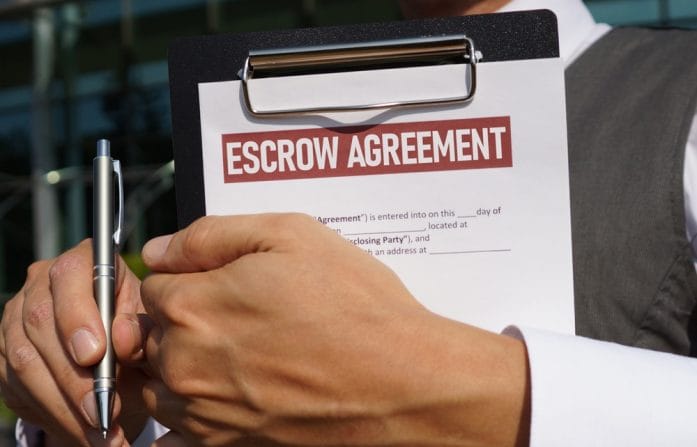
Escrow shortages are no longer a math problem only accountants care about; they’re wreaking real havoc on homeowners’ wallets.

Imagine sitting down one morning, coffee in hand, only to discover your mortgage payment just jumped by a couple of hundred bucks. You didn’t refinance, your interest rate didn’t change — yet boom, there it is: a $100–$300 (or sometimes more) increase that wasn’t exactly party-planned. Here’s the mess behind that surprise and how homeowners can actually navigate it with their sanity intact.

Escrow 101: Not Just Another Line Item

An escrow account isn’t some mysterious vault your lender squirreled away — it’s the financial bucket that collects a slice of your monthly mortgage payment to cover your property taxes and homeowners insurance. Lenders require this because they want to make sure those big bills get paid on time, even if you, the homeowner, sometimes forget to dust off that insurance renewal. Every year, your servicer performs what’s called an “escrow analysis” to see if the funds you’ve stuffed into the bucket match what actually came due. If your escrow bucket doesn’t have enough in it — that’s when the shortage alarm bell rings.

Even if your mortgage interest rate stays locked like a vault, this escrow portion can still swing wildly. That’s because it doesn’t hinge on the bank’s influence so much as real-world bills delivered by your local tax authority or insurance company. If those bills rise faster than the money going in, your payment balance gets blown out of proportion.

Why Shortages Show Up When You Least Expect Them

Most homeowners think escrow adjustments happen only if they miss a payment or forget to update their policy. That’s wrong. In reality, escrow shortages occur because the actual amounts owed for taxes and insurance outstrip the amounts your lender estimated when they set up your account. When that mismatch shows up during the annual review, it triggers a shortage.

Property taxes are one of the biggest culprits here. Local governments reassess values and change tax rates, often without warning. That $2.4K bill last year might become $3K this year, and that translates into a bigger escrow requirement. If the lender underestimated what taxes and insurance would cost — or if those costs sprinted ahead of projections — there simply isn’t enough in escrow to cover those bills, and you’ve got to make up the difference.

And let’s not forget homeowners insurance premiums. These have been on the rise across the country due to inflation, expensive catastrophic claims, and higher reconstruction costs. When your policy renewal rolls out at a higher rate than last year, your escrow contribution must follow suit — and that’s another payday for your lender and a headache for you.

The Sneaky Way Your Monthly Payment Climbs

Once your lender identifies a shortage, they don’t just want a check for the missing amount. They often give you two options: pay the whole balance up front or spread the shortage across your next 12 monthly mortgage payments. If you choose the second — which most people do because dumping a big lump sum isn’t exactly convenient — you’ll see your monthly payment go up by $100–$300 or sometimes far more.

That’s why so many homeowners with fixed-rate mortgages feel blindsided. You’re not actually paying higher interest; you’re just paying more into that escrow bucket to refill it and get it back on track.

How to Fight Back (Without Losing Sleep)

Nobody enjoys shelling out more money every month, but you do have options. First, you can try to pay the shortage in full upfront. Yes, that hits hard once, but it often means a smaller monthly payment going forward because you don’t have the shortage tacked onto your monthly costs over a year. That strategy doesn’t undo the higher tax or insurance rates, but it keeps you from paying that extra chunk on top of them.

Another strategy: talk to your lender about escrow projections before they lock them in. Some servicers offer mid-year reviews if you spot problematic increases early. Being proactive rather than reactive can reduce nasty surprises.

Escrow Shortages Are Adding $100–$300 to Monthly Mortgage Payments
Image source: shutterstock.com

Understanding Escrow Means Financial Power

Escrow isn’t a cosmic conspiracy. It’s a practical mechanism to make sure property taxes and insurance get paid on time. However, when the math behind it gets misaligned, it pushes your mortgage payment higher — and rapidly. The best weapon you have isn’t rage or despair; it’s clarity. Review your escrow statements, understand the underlying causes for increases, and take action earlier rather than later.

Escrow shortages are adding $100–$300 to monthly mortgage payments, but they don’t have to add panic to the equation. With awareness and a bit of planning, you can keep control of your financial ship even when escrow tides rise.

What’s the biggest surprise you have faced in your mortgage payment recently? Make sure you share your thoughts and pointers in the comments section below.

You May Also Like…

Florida Escrow Payments Continue Rising as Insurance Costs Climb

California Insurance Crisis: 13% of Home Sales Failed Due to No Coverage Available

The $2,000 Average National Homeowner Premium — Highest Share of Mortgage Payment Ever

The Texas Mortgage Shock: Why Your Monthly Payment Just Jumped $400 Without Warning

Why a Mortgage Protection Network Matters in Today’s Advice Market

Brandon Marcus
Brandon Marcus

Brandon Marcus is a writer who has been sharing the written word since a very young age. His interests include sports, history, pop culture, and so much more. When he isn’t writing, he spends his time jogging, drinking coffee, or attempting to read a long book he may never complete.
Filed Under: Lifestyle Tagged With: escrow shortage, homeowners insurance, homeownership costs, housing market trends, Life, Lifestyle, monthly budget, mortgage escrow account, mortgage payments, Mortgage Tips, Planning, property taxes

FOLLOW US

Search this site:

Recent Posts

  • Can My Savings Account Affect My Financial Aid? by Tamila McDonald
  • 12 Ways Gen X’s Views Clash with Millennials… by Tamila McDonald
  • What Advantages and Disadvantages Are There To… by Jacob Sensiba
  • 10 Tactics for Building an Emergency Fund from Scratch by Vanessa Bermudez
  • Call 911: Go To the Emergency Room Immediately If… by Stephen Kanaval
  • 7 Weird Things You Can Sell Online by Tamila McDonald
  • 10 Scary Facts About DriveTime by Tamila McDonald

Copyright © 2026 · News Pro Theme on Genesis Framework