
• Home
  • About Us
  • Toolkit
  • Getting Finances Done
    • Hiring Advisors
    • Debt Management
    • Spending Plan
  • Insurance
    • Life Insurance
    • Health Insurance
    • Disability Insurance
    • Homeowners/Renters Insurance
  • Contact Us
  • Risk Tolerance Quiz
  • Our Editorial Commitment

The Free Financial Advisor

You are here: Home / Archives for No Surprises Act

Families Are Still Getting Unexpected Birthing Center Bills — Here’s Why

February 18, 2026 by Brandon Marcus Leave a Comment

Families Are Still Getting Unexpected Birthing Center Bills — Here’s Why
Image source: shutterstock.com

A baby arrives with a cry, a rush of relief, and a tidal wave of paperwork. Somewhere between the car seat install and the first pediatrician visit, a bill shows up that makes your stomach drop.

Families who chose birthing centers for their personal touch and lower intervention rates still open envelopes that demand thousands of dollars they never expected to pay. That shock doesn’t come from nowhere, and it doesn’t come from bad luck. It comes from a complicated insurance system, patchy regulation, and a gap between what people think “covered” means and what their policy actually says.

The Promise of Birthing Centers Meets the Reality of Insurance Networks

Freestanding birthing centers have grown in popularity over the past decade, especially among families who want low-intervention births and a home-like setting. Organizations like the American Association of Birth Centers report steady increases in accredited centers across the United States, and research has shown that low-risk pregnancies in accredited centers can lead to fewer cesarean sections and high patient satisfaction. On paper, many insurers list maternity care as an essential health benefit under the Affordable Care Act, and families often assume that coverage automatically extends to any licensed facility.

That assumption trips people up. Insurance companies contract with specific facilities and providers, and they categorize them as in-network or out-of-network. A birthing center might sit ten minutes from your house and still fall outside your plan’s network. When that happens, your insurer can reimburse at a lower rate or refuse payment entirely, leaving you responsible for the difference. Families often learn that fact only after the claim processes, long after they already welcomed their baby.

The No Surprises Act Helped — But It Didn’t Solve Everything

Congress passed the No Surprises Act to curb surprise medical billing, and that law took effect in 2022. Lawmakers targeted situations where patients received emergency care or scheduled care at an in-network hospital but unknowingly received services from an out-of-network provider. The law restricts providers from billing patients more than in-network cost-sharing amounts in many of those scenarios, and it sets up an arbitration process between insurers and providers to resolve payment disputes.

That sounds like a clean fix, but maternity care in birthing centers doesn’t always fall neatly into those categories. The law primarily focuses on hospitals and emergency services, and it does not automatically force every freestanding birthing center to contract with insurers. If a center remains out-of-network, families can still face higher charges, especially when they choose that facility knowingly. The law protects against certain surprise bills, but it does not transform every out-of-network charge into an in-network one.

Global Fees, Facility Charges, and the Fine Print Nobody Reads

Maternity care often uses something called a global fee. A provider bundles prenatal visits, the delivery, and postpartum care into one package price. That structure can simplify billing, but it can also obscure details. Families might see one quoted amount early in pregnancy and assume it covers everything related to birth.

In reality, the global fee might exclude facility charges, newborn care, lab tests, ultrasounds, or anesthesia if a transfer to a hospital becomes necessary. A birthing center might charge a separate facility fee, and insurance might reimburse only part of that fee depending on network status. If a newborn requires additional monitoring or a pediatric evaluation beyond routine care, separate claims can appear weeks later.

Transfers to Hospitals Complicate the Picture Fast

Even low-risk pregnancies sometimes require a transfer to a hospital during labor. A stalled labor, signs of fetal distress, or a need for pain management can change the setting quickly. When that happens, families can receive bills from both the birthing center and the hospital, along with separate bills from physicians, anesthesiologists, and labs.

If the hospital sits in-network but the birthing center does not, the insurance company may treat those services differently. The birthing center might bill a global fee, and the hospital might bill separately for labor and delivery services. Insurers may then apply separate deductibles or coinsurance rates depending on network status and how the plan categorizes each claim.

Why “Preauthorization” and “Verification” Don’t Guarantee Zero Bills

Many families call their insurer during pregnancy to verify coverage. They write down the representative’s name, the date, and the reference number, and they leave the call feeling reassured. That step helps, but it does not guarantee that every charge will clear without issue.

Documentation matters. When families keep written records of coverage confirmations, they strengthen their position during appeals. Insurers must follow federal and state rules for internal appeals, and families can request an external review if they believe the plan incorrectly denied coverage. Persistence often pays off, but it requires time and energy at a moment when new parents already feel stretched thin.

What Families Can Do Before and After the Bill Arrives

Preparation changes the odds. During pregnancy, ask the birthing center for a written estimate that separates provider fees, facility fees, and potential transfer costs. Request the billing codes they plan to use, and confirm those codes with your insurer in writing when possible. Ask whether every midwife, assistant, and consulting physician participates in your specific plan.

If a bill arrives and it looks wrong, do not ignore it and do not panic. Call the billing office and request an itemized statement. Compare each charge with your explanation of benefits from the insurer. If you spot discrepancies, file an appeal promptly and include any documentation from earlier coverage confirmations. Many billing offices also offer payment plans or financial assistance programs, especially for families who meet certain income thresholds.

Families Are Still Getting Unexpected Birthing Center Bills — Here’s Why
Image source: shutterstock.com

Ask More Questions Than You Think You Need To

Childbirth should center on safety, dignity, and informed choice, not on deciphering insurance jargon at two in the morning while rocking a newborn. Yet the current system demands vigilance from families who want to avoid financial shock. Birthing centers offer meaningful benefits for many low-risk pregnancies, and research supports their safety when accredited and integrated with hospital systems. Still, insurance contracts and billing practices shape the final price more than most people realize.

You can protect yourself by treating maternity coverage like a major financial decision rather than an afterthought. Scrutinize network status, demand written estimates, and keep records of every conversation. When a bill surprises you, challenge it respectfully but firmly. The healthcare system contains real protections, including federal safeguards against certain surprise bills, but those protections work best when people understand how and when they apply.

What steps have you taken to understand your maternity coverage, and did anything about the billing process catch you off guard? Talk about your experiences in our comments section.

You May Also Like…

Your Attorney Isn’t the Only One Who Needs Your Will Details: 5 Conversations That Prevent Family Disputes

Why Estate Plans Written Before 2020 Are Failing Families Today

The Estate Planning Shortcut That Saves Time but Costs Families More in the Long Run

6 Blended-Family Will Mistakes That Can Tear Families Apart

The Inheritance Mistakes That Turn Siblings Into Legal Enemies After a Parent Dies

Brandon Marcus
Brandon Marcus

Brandon Marcus is a writer who has been sharing the written word since a very young age. His interests include sports, history, pop culture, and so much more. When he isn’t writing, he spends his time jogging, drinking coffee, or attempting to read a long book he may never complete.


Filed Under: Lifestyle Tagged With: birthing centers, family finances, health insurance, healthcare policy, hospital billing, Life, Lifestyle, maternity care, midwives, newborn care, No Surprises Act, out-of-network charges, prenatal care, surprise medical bills

The Out-of-Network Lab Test That Can Bypass Surprise Billing Laws

February 14, 2026 by Brandon Marcus Leave a Comment

The Out-of-Network Lab Test That Can Bypass Surprise Billing Warnings
Image source: shutterstock.com

Have you ever wondered how a routine blood test could turn into a jaw‑dropping bill?

Some out‑of‑network lab tests can bypass the laws meant to protect you. This happens because lawmakers, regulators, and insurers have written, interpreted, and applied the No Surprises Act in ways that leave gaps. It’s time to break down what’s going on, why it matters, and what you might do to avoid that kind of shocker.

The Law That Was Supposed to Stop Surprise Bills — But Has Its Limits

The No Surprises Act (NSA), which went into effect January 1, 2022, was supposed to be the financial seatbelt in healthcare that we’d been missing. It bans balance billing (asking you to pay the difference between what an insurer pays and what a provider charges) in many situations.

If you get emergency care from an out‑of‑network provider, the most you’re supposed to owe is whatever you would pay in‑network. That’s true even if you didn’t know you were out‑of‑network at the time.

But like all laws, the NSA isn’t perfect. It has language and definitions that matter. And lab testing is one of the places where the protections can get muddy. During many everyday medical visits, providers draw blood or collect specimens without asking where the lab will actually process them. That’s when things start to get complicated.

Ancillary Services Are Usually Covered — But Not Always

When you go to a hospital that’s in your insurer’s network, the NSA generally protects you from surprise bills for laboratory services. That protection applies if a test is ordered during care at an in‑network facility and the sample is processed by an out‑of‑network lab — at least in many common billing scenarios.

But that’s the key phrase: “in many common billing scenarios.” The law ties its protections to the context of your visit and to the facility or setting where providers deliver services. When a provider orders a test as part of a visit at an in‑network facility, surprise billing protections usually apply.

But the NSA won’t protect you if the law doesn’t consider a test part of that visit or if you decide to use an out‑of‑network lab on your own. In that case, the lab can bill you for the full difference between what your plan pays and what the lab charges.

That “Loophole” Everyone Talks About

Whether surprise billing protections cover a lab test depends largely on where the provider collects your specimen and how the lab processes it. If the lab test is completely separate from a visit that qualifies under the NSA’s definition of a “visit,” the protections may not kick in.

People visit a clinic that works with their insurer — everything looks in network — but weeks later, they discover the clinic sent their blood to an independent out‑of‑network lab, and suddenly they face a big bill because the NSA doesn’t cover that lab in this situation.

Isn’t There a “Good Faith” Estimate?

The NSA requires providers and facilities to give uninsured or self‑pay patients a good faith estimate of expected charges. It’s designed to give patients clear visibility so they don’t wake up to a bill far higher than expected. If a provider orders a test and doesn’t inform you that it’s out of network, the law may not require an estimate.

So if you didn’t know or ask ahead of time, you might not get that estimate — and that leaves you more vulnerable to a surprise. It’s a reminder that knowledge really is power when it comes to healthcare billing.

The Out-of-Network Lab Test That Can Bypass Surprise Billing Warnings
Image source: shutterstock.com

Laws Change, and So Can Billing

The NSA was a huge step forward for patient protections. But laws aren’t perfect. Some tests may be excluded from certain protections based on what regulators decide down the line. Plus, details about where tests occur can affect how the rules apply.

Bottom line? Understanding how out‑of‑network lab tests can sometimes bypass surprise billing warnings isn’t just trivia. It’s something that can save you real money and stress.

Why This Really Matters — And What It Says About Health Care

This case shows just how baffling healthcare billing in the U.S. can get. Some services fall under coverage, some don’t, and the way a provider codes or bills a procedure can turn a $30 cost into a $3,000 shock.

That’s why paying attention matters — literally. After reading this, will you double‑check where your blood goes? What’s the wildest surprise medical bill you’ve faced or heard about? Share your story in the comments below.

You May Also Like…

9 Financial Surprises That Hit Homeowners After a Renovation

Ground Ambulance Bills Still Fall Outside Federal Surprise Billing Protections

Why Do Medical Bills Feel So Hard to Plan Around

What Type of Businesses Outsource Their Billing?

7 Budget Foods Americans Rely On That Doctors Say Create Bigger Problems Later

Brandon Marcus
Brandon Marcus

Brandon Marcus is a writer who has been sharing the written word since a very young age. His interests include sports, history, pop culture, and so much more. When he isn’t writing, he spends his time jogging, drinking coffee, or attempting to read a long book he may never complete.

Filed Under: Health & Wellness Tagged With: balance billing, diagnostic tests, health insurance, healthcare costs, insurance loopholes, lab testing, medical billing, No Surprises Act, out‑of‑network labs, patient rights, surprise billing

Doctor Office Visits Still Excluded From Key Surprise Billing Protections

February 13, 2026 by Brandon Marcus Leave a Comment

Doctor Office Visits Still Excluded From Key Surprise Billing Protections
Image source: shutterstock.com

Can a law designed to protect patients from financial shock still leave millions vulnerable? The answer is yes, and it’s happening in one of the most common places people go for care: the doctor’s office.

While landmark billing protections were meant to end the era of terrifying, unexpected medical charges, routine office visits quietly remain outside some of the strongest safeguards, creating a confusing and costly blind spot in everyday healthcare.

The Protection Everyone Heard About (But Not the Fine Print)

The No Surprises Act was a big deal when it went into effect in the United States in 2022. It promised to shield patients from massive, unexpected bills when they had no control over who treated them, especially in emergencies and hospital-based care. If you go to the ER or have surgery at an in-network hospital and an out-of-network doctor is involved, the law generally steps in to protect you from being balance billed. That was a long-overdue fix to a deeply broken system, and for millions of people, it truly changed the game.

But the law was never meant to cover everything. Routine doctor office visits, scheduled appointments, and many non-hospital settings fall into a gray area where protections weaken or disappear entirely. If a provider is out of network and you knowingly (or unknowingly) receive care, the same surprise billing rules often don’t apply.

Why Doctor Offices Sit Outside the Safety Net

The logic behind the law’s structure is rooted in control and consent. In emergencies, you can’t choose your provider, and in hospitals, patients often don’t know who is in-network or out-of-network behind the scenes. That’s why protections are strongest there. In a doctor’s office setting, the assumption is that patients have more choice and more information, even if that assumption doesn’t always match reality.

Doctor offices are also not required to follow the same disclosure rules as hospitals and emergency departments. That means fewer standardized notices, fewer protections, and more responsibility pushed onto patients to navigate a system that was never designed to be simple.

The Real-World Impact on Everyday Patients

This gap doesn’t just affect rare or extreme cases. It hits people going in for annual checkups, specialist consultations, mental health appointments, and diagnostic testing. These are normal, responsible healthcare behaviors, and yet they can still lead to unexpected financial stress when coverage assumptions fall apart.

Financial anxiety around healthcare doesn’t come from dramatic emergencies alone. It builds slowly, appointment by appointment, bill by bill. When people lose trust in predictability, they delay care, skip follow-ups, or avoid specialists altogether. That’s not just a financial issue; it’s a public health problem in disguise.

What makes this especially frustrating is that patients are doing what they’re supposed to do. They carry insurance and try to stay in-network and schedule appointments responsibly. And yet the system still leaves space for confusion, disputes, and surprise costs that feel fundamentally unfair.

What Patients Can Actually Do Right Now

While the system may be flawed, there are practical steps that can reduce risk. Before appointments, verify not just the clinic, but the specific provider’s network status with your insurance company directly, not just the provider’s office.

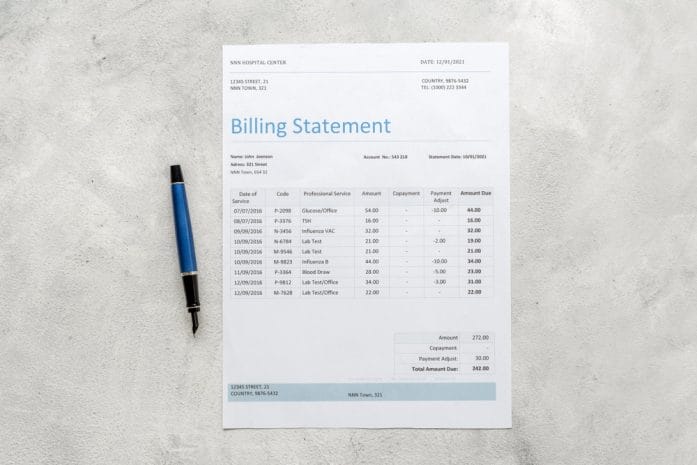
Request written cost estimates when possible, especially for procedures, testing, or specialist visits. It’s not always perfect, but it creates documentation and accountability. Keep records of who you spoke to, when, and what you were told. That paper trail matters if a dispute arises.

If you receive a bill that doesn’t make sense, don’t pay it blindly. Call your insurer, ask for and then carefully read an explanation of benefits, and request itemized billing from the provider. Many billing errors are corrected simply because someone asked questions instead of assuming the charge was final.

Doctor Office Visits Still Excluded From Key Surprise Billing Protections
Image source: shutterstock.com

Why This Policy Gap Still Exists

Healthcare reform in the U.S. moves slowly, and it moves in pieces. The No Surprises Act tackled the most extreme and visible forms of surprise billing first, especially those tied to emergencies and hospital care. Doctor office visits were left largely untouched because lawmakers prioritized scenarios where patients had the least control.

But policy doesn’t always align with lived experience. In reality, patients often lack meaningful control even in outpatient settings. Network systems are opaque, provider affiliations change, and billing structures are confusing by design. The idea that patients can navigate all of this flawlessly is more theory than reality.

The Blind Spot That Still Needs Fixing

Surprise billing protections were a huge step forward, but they weren’t the finish line. Doctor office visits remain one of the most overlooked weak points in patient financial protection, quietly exposing people to costs they never expected and couldn’t reasonably predict. If healthcare is supposed to be about access, trust, and stability, then leaving everyday care outside major protections is a contradiction that can’t last forever.

Until policy catches up, awareness is power. Knowing where protections stop is just as important as knowing where they exist. And the more patients understand this gap, the more pressure there is for a system that finally treats routine care with the same seriousness as emergencies.

Do you think surprise billing laws should cover routine doctor visits too, or do you believe the current system puts enough responsibility on patients already? Share your thoughts and opinions in our comments section below.

You May Also Like…

Why Do Medical Bills Feel So Hard to Plan Around

Expense Spike: 8 Healthcare Costs That Hit Harder in Later Life

How Life Disruptions and Medical Costs Push Americans Toward Bankruptcy

The Medical Bill Mistake That Can Cripple Your Credit for a Decade

Insurance Just Stopped Paying for These Routine Health Supplies — Check Your Plan Immediately

Brandon Marcus
Brandon Marcus

Brandon Marcus is a writer who has been sharing the written word since a very young age. His interests include sports, history, pop culture, and so much more. When he isn’t writing, he spends his time jogging, drinking coffee, or attempting to read a long book he may never complete.
Filed Under: Health & Wellness Tagged With: doctor visits, health insurance, healthcare costs, healthcare reform, medical billing, medical transparency, No Surprises Act, out-of-network billing, patient rights, surprise billing, US healthcare

Ground Ambulance Bills Still Fall Outside Federal Surprise Billing Protections

February 12, 2026 by Brandon Marcus 1 Comment

Ground Ambulance Bills Still Fall Outside Federal Surprise Billing Protections
Image source: shutterstock.com

Few things feel more universal than calling an ambulance in an emergency. It’s a moment driven by urgency, fear, and the basic human instinct to get help as fast as possible. Nobody pauses to ask about network status, billing codes, or insurance contracts while sirens are blaring and paramedics are doing their jobs. That’s why so many people are stunned later when a life-saving ride turns into a financial gut punch.

Even after sweeping federal reforms designed to protect patients from surprise medical bills, ground ambulance services are still largely excluded. That means a single ride to the hospital can still cost hundreds or even thousands of dollars, even for people who are insured and doing “everything right.”

The No Surprises Act: A Win With a Very Big Asterisk

The federal No Surprises Act, which took effect in 2022, was a landmark moment for healthcare consumers. It protects patients from surprise bills when they unknowingly receive out-of-network care in emergencies or at in-network hospitals. Air ambulances were included, which was a big deal, because those bills were notoriously massive and unpredictable.

But ground ambulances? They were left out. That omission wasn’t an accident—it was a political and logistical compromise. Ground ambulance services are often run by a complex mix of private companies, municipalities, fire departments, and local authorities. Regulating them under a single federal billing framework would require untangling a web of state laws, contracts, and funding models. So while patients gained protections in many areas of emergency care, the most common form of emergency transportation remained outside the shield.

Why Ground Ambulance Billing Is So Complicated

Ground ambulance services don’t operate like typical healthcare providers. Some are private companies. Others are city-run. Then others are tied to fire departments, while some rely on local taxes to survive.

This patchwork system means pricing, coverage, and billing rules vary wildly by location. One town may have regulated rates and consumer protections, while the next county over might have none. Insurance companies also often treat ambulance services differently from hospitals and physicians, sometimes paying limited amounts or classifying them as out-of-network by default.

The result is a system where the cost of a ride isn’t driven by patient choice or consumer behavior, but by geography, contracts, and local policy structures. From a patient perspective, that feels less like healthcare and more like a lottery.

What This Means for Patients in Real Life

For everyday people, this gap in protection creates a simple but painful reality: you can still be legally billed for out-of-network ground ambulance services, even in a true emergency. That includes balance billing in many states, where patients are charged the difference between what insurance pays and what the ambulance provider bills.

Some states have passed their own consumer protection laws that limit these charges, but coverage is uneven and inconsistent. Federal law doesn’t override those state systems when it comes to ground ambulances, so protections depend heavily on where you live. Two people in identical emergencies can have completely different financial outcomes based solely on their zip code.

Policy Is Catching On, But Slowly

The good news is that policymakers are aware of the problem. Federal advisory committees have studied ground ambulance billing, and multiple proposals have been discussed to bring these services under broader surprise billing protections. Some states are experimenting with rate-setting systems or dispute resolution models to control costs and limit patient exposure.

But healthcare reform moves slowly, especially when funding models are complex and local governments are involved. Ambulance services often argue, with some justification, that underpayment from insurers and public programs forces them to bill patients directly to survive. Policymakers, meanwhile, are trying to balance financial sustainability with consumer protection.

Ground Ambulance Bills Still Fall Outside Federal Surprise Billing Protections
Image source: shutterstock.com


How To Protect Yourself (As Much As Possible)

There’s no perfect shield, but there are smarter ways to navigate the system. Checking your insurance policy for ambulance coverage details is a good starting point, even if it’s not thrilling reading material. Some plans have specific limits, copays, or reimbursement caps that matter more than people realize.

If you receive a large ambulance bill, don’t assume it’s final. Ask for an itemized statement. Contact your insurer. Ask about appeals and dispute processes. In some cases, bills can be reduced, negotiated, or reprocessed under different coverage rules. It’s not glamorous, but persistence matters.

What Actually Matters

Ground ambulance bills still falling outside federal surprise billing protections isn’t just a policy flaw—it’s a real-world financial risk that affects ordinary people in vulnerable moments. The system currently prioritizes structural complexity over patient clarity, leaving consumers exposed in situations where they have zero control and zero choice.

What do you think—should ground ambulance services be included in federal surprise billing protections, and how would you change the system if you could? Talk about it in our comments section below.

You May Also Like…

Expense Spike: 8 Healthcare Costs That Hit Harder in Later Life

Why Do Medical Bills Feel So Hard to Plan Around

The Medical Bill Mistake That Can Cripple Your Credit for a Decade

8 Shocking Costs of Ignoring Small Medical Bills

7 Outrageous Truths About Medical Debt

Brandon Marcus
Brandon Marcus

Brandon Marcus is a writer who has been sharing the written word since a very young age. His interests include sports, history, pop culture, and so much more. When he isn’t writing, he spends his time jogging, drinking coffee, or attempting to read a long book he may never complete.

Filed Under: Lifestyle Tagged With: Consumer Protection, emergency services, ground ambulance, healthcare costs, healthcare policy, insurance gaps, Life, Lifestyle, medical billing, medical debt, No Surprises Act, out-of-network billing, patient rights, surprise billing

FOLLOW US

Search this site:

Recent Posts

  • Can My Savings Account Affect My Financial Aid? by Tamila McDonald
  • 12 Ways Gen X’s Views Clash with Millennials… by Tamila McDonald
  • What Advantages and Disadvantages Are There To… by Jacob Sensiba
  • 10 Tactics for Building an Emergency Fund from Scratch by Vanessa Bermudez
  • Call 911: Go To the Emergency Room Immediately If… by Stephen Kanaval
  • 7 Weird Things You Can Sell Online by Tamila McDonald
  • 10 Scary Facts About DriveTime by Tamila McDonald

Copyright © 2026 · News Pro Theme on Genesis Framework