• Home
  • About Us
  • Toolkit
  • Getting Finances Done
    • Hiring Advisors
    • Debt Management
    • Spending Plan
  • Insurance
    • Life Insurance
    • Health Insurance
    • Disability Insurance
    • Homeowners/Renters Insurance
  • Contact Us
  • Privacy Policy
  • Risk Tolerance Quiz

The Free Financial Advisor

You are here: Home / Archives for homeownership

Texas Property Alert: The New 2026 Law That Allows Police to Remove Squatters in 24 Hours

January 15, 2026 by Brandon Marcus Leave a Comment

Texas Property Alert: The New 2026 Law That Allows Police to Remove Squatters in 24 Hours

Image Source: Shutterstock.com

Your property is supposed to feel like a sanctuary, but what happens when someone shows up uninvited and refuses to leave? For years, Texas homeowners have battled the headache of squatters, navigating long legal processes just to reclaim their own spaces. That struggle could be over sooner than ever thanks to a groundbreaking 2026 law that empowers law enforcement to remove squatters within 24 hours.

The implications are massive, from protecting homes and rental properties to giving landlords a newfound sense of security. For anyone who’s ever worried about the potential chaos of a squatter, this law is turning the page on a long-standing problem.

How The 2026 Law Changes The Game For Homeowners

For decades, Texas property owners have faced a cumbersome legal maze when dealing with squatters. Eviction notices, court dates, and months of waiting were often the norm, even when the homeowner had full legal rights. The new 2026 law streamlines that process dramatically. Law enforcement can now respond immediately to verified claims of unlawful occupation, drastically cutting down the waiting period. The law requires clear documentation proving ownership or rental rights, ensuring that the process is legitimate and protects against misuse.

For homeowners, this means that the frustration of waiting weeks or months to reclaim property is replaced with a solution that takes just a day. Experts are hailing this as one of the most significant changes to property law in Texas in years.

What Homeowners Need To Do To Use This Law

Using this law isn’t as simple as picking up the phone and calling the police—there are specific steps that must be followed. First, the property owner must provide proof of ownership or legal possession. This can include deeds, leases, or other official documents that clearly establish your rights. Next, the homeowner must verify that the individual occupying the property is a squatter, meaning they have no lease, permission, or claim to the space. Law enforcement officers will then respond, and if all criteria are met, the squatter can be removed within 24 hours.

The law also protects property owners from liability during the process, giving peace of mind that the removal is fully legal and enforceable. Being prepared with the right documentation is crucial to making this system work efficiently.

How Police Will Handle Squatter Removal

The law places a strong emphasis on procedural fairness, ensuring that both homeowners and occupants are treated appropriately. Police officers are trained to verify the property claim and determine whether the individual truly qualifies as a squatter. If the person has a legitimate dispute, officers will not remove them immediately, preventing wrongful eviction. In cases where the law clearly applies, removal happens swiftly, often within hours.

Officers are also guided to handle belongings with care and avoid confrontations whenever possible. This structured approach not only protects the homeowner’s rights but also ensures that the process is safe, respectful, and efficient for everyone involved.

Texas Property Alert: The New 2026 Law That Allows Police to Remove Squatters in 24 Hours

Image Source: Shutterstock.com

Implications For Landlords And Rental Properties

Landlords stand to benefit enormously from this new law. Rental properties, especially in urban areas, are often targets for illegal occupation, and the prior legal process could drain time and money. With the 24-hour removal provision, landlords can take action quickly, minimizing property damage and financial loss. It also changes the dynamic of property management, as the risk of long-term squatting is drastically reduced. Landlords are encouraged to stay proactive, documenting leases and keeping clear records of occupancy.

Insurance providers may also view properties differently now that rapid squatter removal is legally supported, potentially influencing rates and coverage. For anyone renting property in Texas, this law represents a sea change in security and control.

Legal Boundaries And Safeguards Homeowners Should Know

While the law is powerful, it comes with strict safeguards to prevent abuse. Homeowners must follow documented procedures to avoid legal consequences. Misidentifying someone as a squatter or attempting self-eviction could still result in civil or criminal liability. The law is also limited to situations where occupancy is clearly unauthorized, meaning roommates, tenants, or family members with legal rights cannot be removed under this statute.

Courts can review disputes, ensuring that the 24-hour removal is not applied unfairly. Essentially, this law balances rapid enforcement with careful protection against misuse. Understanding the boundaries is key to using it successfully without complications.

Preparing For The New Reality In Texas Property Law

The 2026 law marks a new era for property owners across Texas, but preparation is everything. Homeowners should organize deeds, leases, and any other proof of ownership or legal possession. Maintaining clear records of communication with tenants or occupants is also wise, as documentation can support claims under the law. Local police departments may offer guidance on filing requests for removal efficiently, so reaching out early can streamline the process.

Staying informed about updates to the law or implementation guidelines ensures homeowners are ready to act if needed. Ultimately, this law empowers Texans to protect their property while keeping the process lawful and structured.

Do You Have Any Thoughts On These New Texas Laws?

This new law is shaking up the Texas property landscape, giving homeowners and landlords unprecedented power to act swiftly against unauthorized occupants. It’s a game-changer for anyone who values the safety, security, and control of their property.

If you’ve had experiences with squatters, either frustrating or frightening, now is the time to reflect on how this law could have made a difference. We’d love to hear your thoughts, stories, or opinions about the impact of rapid squatter removal in Texas.

You May Also Like…

Power to Choose: Exploring Wind Energy Options in Texas Electricity Market

13 Eye-Opening Truths About Real Estate Crowdfunding Ventures

9 Georgia Counties Where Property Taxes Are Set to Rise the Fastest

6 Hidden Costs of Homeownership That Blindside First-Time Buyers

7 Fine-Print Exclusions in Your Homeowner’s Policy That Could Cost You Everything

Brandon Marcus
Brandon Marcus

Brandon Marcus is a writer who has been sharing the written word since a very young age. His interests include sports, history, pop culture, and so much more. When he isn’t writing, he spends his time jogging, drinking coffee, or attempting to read a long book he may never complete.


Filed Under: Law Tagged With: 2026 laws, buying a house, Home, homeowners, homeownership, House, illegal, laws, legal advice, new laws, owning a house, Property, property laws, property taxes, Real estate, real estate laws, squatters, Squatters rights, Texas, Texas laws, Texas property

Savings Fallout: 4 Hidden Expenses That Quietly Drain Retirement Budgets

December 17, 2025 by Brandon Marcus Leave a Comment

Here Are The Hidden Expenses That Quietly Drain Retirement Budgets

Image Source: Shutterstock.com

Retirement is often sold as the grand finale of working life: more freedom, fewer alarms, and finally the time to enjoy what you’ve built. The problem is that while most people plan for the big-ticket items, the quiet costs slip in like uninvited guests and start eating away at savings before anyone notices. These expenses don’t usually show up in glossy retirement calculators or celebratory send-off speeches.

They creep in slowly, feel harmless at first, and then snowball into something far more serious. If retirement is a marathon, these hidden drains are the tiny pebbles in your shoes that eventually make every step hurt.

1. The Silent Rise Of Healthcare “Extras”

Medicare feels like a financial safety net, but it rarely covers everything retirees actually use. Premiums, supplemental plans, deductibles, copays, dental work, vision care, and hearing aids quietly stack up year after year. Prescription costs alone can swing wildly depending on drug tiers and annual plan changes, catching retirees off guard. Many people underestimate how much out-of-pocket spending increases with age, especially for chronic conditions. Over time, these “extras” can rival or even exceed what some retirees once spent on housing.

2. Lifestyle Inflation Disguised As Freedom

Retirement often brings more time, and more time usually leads to more spending. Lunches out replace packed meals, casual trips turn into frequent getaways, and hobbies evolve from inexpensive interests into costly passions. What feels like well-earned enjoyment can slowly reset a retiree’s baseline lifestyle cost. Because these changes happen gradually, budgets don’t always get adjusted to match the new reality. The result is a spending pattern that looks reasonable month to month but quietly erodes long-term savings.

3. Homeownership Costs That Never Retire

Many retirees enter retirement with their mortgage paid off, expecting housing expenses to shrink dramatically. What they don’t expect is how maintenance, repairs, property taxes, insurance, and utilities can rise with both time and inflation. Aging homes often demand bigger fixes like roofs, HVAC systems, and plumbing upgrades at the worst possible moments. Downsizing isn’t always the immediate solution people think it is, since moving itself brings fees, taxes, and new ongoing costs. The home that once felt like a financial victory can become a persistent drain on cash flow.

Here Are The Hidden Expenses That Quietly Drain Retirement Budgets

Image Source: Shutterstock.com

4. Family Support And “Just This Once” Spending

Retirees are often the financial safety net for adult children, grandchildren, or other relatives. Helping with tuition, covering emergencies, or offering “temporary” assistance can quickly turn into ongoing obligations. These expenses are emotionally driven, which makes them harder to track and even harder to say no to. Small, repeated gestures add up faster than one-time gifts, especially when they aren’t planned for. Over time, generosity without boundaries can quietly undermine even the most carefully built retirement plan.

Spotting The Leaks Before They Sink The Ship

Retirement budgeting isn’t just about predicting the big expenses; it’s about recognizing the subtle ones that slip under the radar. Healthcare add-ons, lifestyle creep, home costs, and family support rarely feel dangerous in isolation, but together they can reshape a retirement faster than expected. Awareness is the first step toward control, because you can’t manage what you don’t notice. Thoughtful planning, regular budget check-ins, and honest conversations can make a real difference.

If any of these hidden expenses have surprised you or reshaped your plans, feel free to add your experiences or perspectives in the comments section below.

You May Also Like…

Is Your Retirement Timeline Still Safe If The Market Drops Again Before New Year’s Eve?

Retirement Redflag: 6 Withdrawal Moves That Could Drain Your Nest Egg Fast

Calculate Your True Retirement Number Using Our Exclusive Online Tool

8 Apps That Are Quietly Stealing Your Retirement Budget

Savings Game: 5 Ways to Boost Your Emergency Fund Before December Ends


Brandon Marcus
Brandon Marcus

Brandon Marcus is a writer who has been sharing the written word since a very young age. His interests include sports, history, pop culture, and so much more. When he isn’t writing, he spends his time jogging, drinking coffee, or attempting to read a long book he may never complete.

Filed Under: Retirement Tagged With: expenses, healthcare costs, homeowners, homeownership, Inflation, Life, Lifestyle, retire, retiree, retirees, Retirement, retirement accounts, retirement budget, retirement budgets, retirement spending, senior citizens, seniors, Smart Spending, spending

7 Fine-Print Exclusions in Your Homeowner’s Policy That Could Cost You Everything

December 9, 2025 by Brandon Marcus Leave a Comment

Here Are The Fine-Print Exclusions In Your Homeowner's Policy That Could Cost You Everything

Image Source: Shutterstock.com

Your home might feel like the safest place in the world—cozy, familiar, protected by a homeowner’s policy you assume has your back. But hidden inside those long, eye-glazing paragraphs of fine print are exclusions that could turn a bad day into a financial nightmare. Most homeowners never discover these surprises until they file a claim and hear the dreaded phrase: “Unfortunately, this isn’t covered.”

The truth is, insurance policies are full of tiny loopholes, tricky phrasing, and “gotcha” moments that can leave you paying out of pocket for disasters you didn’t even know existed. Before fate decides to test your policy, let’s pull back the curtain on the sneakiest exclusions that could cost you everything.

1. Earth Movement Exclusion

Earth movement sounds dramatic, but it includes more than just major earthquakes. Everything from sinkholes to shifting soil can be considered “earth movement,” and most standard policies exclude all of it. That means your foundation cracks, driveway collapse, or patio tilting could easily be labeled as uncovered events.

Even heavy rain causing the soil beneath your home to shift can fall into this category, leaving you with a repair bill that could make your wallet cry. If your home sits on unstable ground—or near construction—you’ll want to know exactly what your policy defines as earth movement.

2. Water Backup And Sump Overflow

Water damage is one of the most common home insurance claims, but ironically, one of its most expensive sources isn’t usually covered. When a sewer backs up, a sump pump fails, or a drain overflows, most plans treat it as a separate risk needing its own added coverage. Without that endorsement, you could be stuck replacing carpets, drywall, electronics, and furniture on your own dime.

The worst part? It often happens suddenly, giving you no time to react or prevent the damage. A small monthly add-on can save you thousands, but many homeowners never know they need it.

Here Are The Fine-Print Exclusions In Your Homeowner's Policy That Could Cost You Everything

Image Source: Shutterstock.com

3. Mold And Rot Limitations

Mold seems harmless until it takes over your walls, floors, and lungs—and then suddenly it’s a very expensive and very unwelcome guest. Most homeowner’s policies severely limit mold coverage or exclude it altogether, especially if the insurer decides the issue was caused by “ongoing moisture.” Rot, mildew, and fungus often fall into the same excluded category, meaning any long-term water problem can become your financial responsibility. Insurance companies treat mold as a preventable issue, even though many homeowners discover it only after it’s spread. If you live in a humid climate or have an older home, this exclusion can be a scary one.

4. Neglect And Maintenance Issues

Insurance companies love to frame anything unpleasant as a “maintenance issue,” which conveniently shifts the responsibility back onto you. Roof leaks caused by age. Not covered. A pipe that corrodes over time? Also not covered. If an adjuster believes the damage resulted from neglect—anything from failing to clean your gutters to not servicing your HVAC—they can deny your claim entirely. This exclusion is especially slippery because it often comes down to interpretation, and the interpretation rarely leans in your favor. Staying ahead on maintenance isn’t just smart—it’s essential for protecting your coverage.

5. Intentional Damage by Residents

This exclusion sounds obvious until you realize how broad it can be. If someone living in your home intentionally causes damage—anything from punching a hole in the wall to smashing windows during an argument—insurance doesn’t have to pay. That also includes damage caused by teenagers, roommates, or even guests who stay long enough to count as residents. The definition of “intentional” can also get blurry, which can lead to claim disputes you didn’t expect. In short, if someone under your roof does something reckless, your insurer may wipe their hands clean.

6. Certain Pet-Related Liabilities

Your beloved dog might be your best friend, but to your insurance company, he might be considered a liability on four legs. Many policies exclude certain breeds from coverage, especially for bites, scratches, or property damage. Even if your pet has never shown aggression, the exclusion still stands and can leave you responsible for lawsuits or medical bills. Some insurers even restrict non-traditional pets like reptiles or exotic animals, treating them as automatic risks.

7. Acts Of War, Civil Unrest, And Certain Vandalism Scenarios

These exclusions sound like plot points from an action movie, but they exist in almost every homeowner’s policy. If your property is damaged during a riot, protest, or civil disturbance, coverage can get complicated very quickly. Many policies exclude any damage connected to “war” or government actions, even if the terms are broadly interpreted. Some insurers even exclude vandalism if the home is vacant for a certain period, meaning a long vacation could unintentionally void your protection. These exclusions seem remote—until they aren’t.

Read The Fine Print Before It Reads You

The fine print matters, and the exclusions hidden inside it can determine whether a disaster becomes a minor inconvenience or a financial catastrophe. By understanding what your policy doesn’t cover, you can take steps to protect what matters most and avoid painful surprises during stressful moments.

Have you ever discovered a surprising exclusion in your policy, or faced an unexpected insurance denial? Give us all of your stories, questions, or frustrations.

You May Also Like…

7 Ways You’re Accidentally Destroying Your Home’s Value

Beyond the White Picket Fence: Is Homeownership Still the Goal?

10 Amazing Opportunities in Global Real Estate Markets Now

8 Creative Alternatives to Buying a Traditional Home

8 Hidden Money Leaks Around the House You Can Fix Today


Brandon Marcus
Brandon Marcus

Brandon Marcus is a writer who has been sharing the written word since a very young age. His interests include sports, history, pop culture, and so much more. When he isn’t writing, he spends his time jogging, drinking coffee, or attempting to read a long book he may never complete.
Filed Under: Real Estate Tagged With: fine print, fine-print exclusions, home issues, home neglect, homeowner, homeowner's policy, homeowners, homeownership, house damage, maintenance issues, mold, pets, property problems, Real estate

8 Creative Alternatives to Buying a Traditional Home

November 15, 2025 by Travis Campbell Leave a Comment

Tiny House

Image source: shutterstock.com

Buying a house has always been a significant milestone, but with rising home prices and persistently high mortgage rates, many people are rethinking what “home” truly means. Traditional homeownership is no longer the sole path to stability or comfort. Creative housing options are providing individuals with flexibility, financial breathing room, and even a sense of adventure. Exploring alternatives to purchasing a home can lead to lifestyles that better align with your budget and personality than a 30-year mortgage ever could. Whether you seek freedom or affordability, there is a housing choice available that may surprise you.

1. Tiny Homes

Tiny homes have moved from novelty to a serious housing option. Built on wheels or foundations, these compact spaces emphasize minimalism and smart design. The average tiny home costs a fraction of a traditional house, and upkeep is simple. Many people choose them to cut debt and live more intentionally. They’re also ideal for those who crave mobility without giving up the comforts of home.

Communities dedicated to tiny living are popping up across the country, offering shared amenities and a sense of belonging. It’s a creative way to live lean while still owning something tangible.

2. Houseboats

For those drawn to water, a houseboat can be both home and escape. Docked in marinas or anchored in calm bays, houseboats give residents a lifestyle that’s equal parts peaceful and unconventional. Costs vary depending on size and location, but they’re often cheaper than waterfront real estate. Maintenance can be tricky, yet many boat dwellers say the trade-off—waking up to rippling water and sunset views—is worth it.

Some cities even have floating neighborhoods with postal services and strong communities. Living on a boat isn’t for everyone, but it’s one of the boldest alternatives to buying a home you’ll find.

3. Co-Housing Communities

Co-housing combines private living spaces with shared resources. Residents own or rent individual units but share gardens, kitchens, or workshops. It’s a model rooted in collaboration and sustainability. These communities can lower costs by pooling expenses for maintenance and utilities. They also combat one of the most common modern problems—loneliness.

Many co-housing projects are designed with green building principles, appealing to those who value eco-friendly living. It’s a blend of independence and togetherness that can redefine what homeownership looks like in the future.

4. Converted Shipping Containers

Shipping container homes have exploded in popularity for their affordability and industrial style. They can be stacked, combined, or customized into sleek modern spaces. Builders often use recycled containers, making them an environmentally friendly choice. The cost savings are substantial, and the construction time is significantly shorter compared to traditional houses.

Some cities have even approved container developments as part of affordable housing solutions. If you’re handy or have a creative vision, these units let you design something unique without breaking the bank.

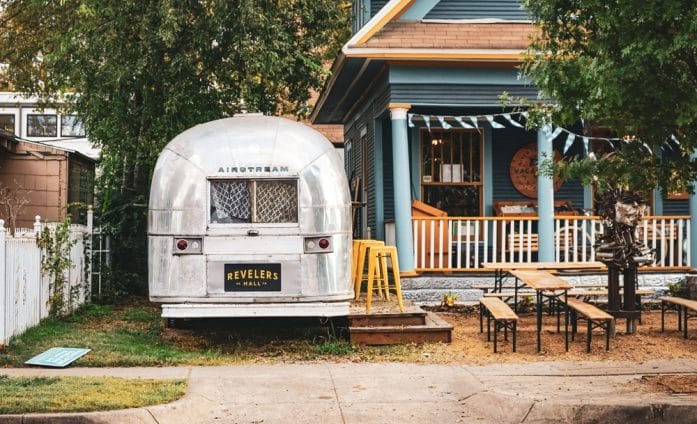
5. Living in a Van or RV

Van life isn’t just a social media trend—it’s a lifestyle that prioritizes freedom over square footage. Modern vans and RVs can be fully outfitted with kitchens, bathrooms, and solar panels. They’re a way to live debt-free and mobile, especially appealing to remote workers. Insurance and maintenance are ongoing costs, but there’s no property tax or fixed location to worry about.

Many people find the simplicity liberating. Others use it as a temporary solution while saving for their next move. Either way, it’s one of the most flexible alternatives to buying a home available today.

6. Rent-to-Own Agreements

For those not ready—or able—to buy outright, rent-to-own can bridge the gap. Tenants pay rent with an option to purchase later, often applying a portion of payments toward the eventual price. It’s a way to build equity while living in the property, without committing to a mortgage immediately.

However, it’s essential to read the fine print. Terms vary widely, and not every deal benefits the renter. Still, for many families, this approach provides a realistic path toward ownership when traditional financing feels out of reach.

7. Barndominiums

Barndominiums—barns converted into living spaces—blend rustic charm with modern comfort. They’re often built with metal frames, making them durable and cost-effective. The open floor plans allow for creative layouts, from minimalist studios to spacious family homes. Because they can be built on rural land, they’re appealing to those seeking privacy and space.

In many areas, barndominiums are eligible for standard mortgages, although some lenders still consider them unconventional. The design freedom and lower cost per square foot make them a standout option among alternatives to buying a home.

8. Cooperative Housing

Cooperative housing, also known as a co-op, allows residents to collectively own a property through shares rather than individual deeds. Members vote on maintenance, budgets, and rules. This model can lower monthly costs and foster a strong sense of community. It’s common in urban areas where traditional ownership is expensive.

Co-ops require teamwork and transparency, but they can offer long-term stability. They’re also a smart way to control housing costs without the volatility of the open market.

Rethinking What “Home” Means

The white picket fence, together with thirty years of mortgage payments, does not establish what home means to all people. Home ownership solutions exist through innovative approaches that unite practical needs with advanced solutions. Your lifestyle needs can be fulfilled through various housing choices, which help you achieve your financial goals and maintain your personal values beyond just buying a house.

Which of these housing options do you find most suitable for your current way of life?

What to Read Next…

  • 9 Times It’s Smarter to Rent Than Buy Even Long Term
  • 5 Home Investment Plans That Legal Experts Say to Avoid
  • How a Rental Property in the Wrong State Can Wreck Your Tax Bracket
  • 8 Real Estate Mistakes That Erode Wealth Before Retirement Ever Starts
  • Can You Really Lose Your House Over One Missed HOA Payment?
Travis Campbell
Travis Campbell

Travis Campbell is a digital marketer/developer with over 10 years of experience and a writer for over 6 years. He holds a degree in E-commerce and likes to share life advice he’s learned over the years. Travis loves spending time on the golf course or at the gym when he’s not working.

Filed Under: Home Hacks Tagged With: alternative living, cohousing, homeownership, housing, Personal Finance, Real estate, tiny homes

10 Reasons Boomers Were Right About Buying Homes (and Millennials Hate to Admit It)

November 4, 2025 by Travis Campbell Leave a Comment

buying home

Image source: shutterstock.com

The decision to buy a home remains a topic of discussion among millennials, who have been debating its worth for several years. Students must take out large loans because housing prices remain high, while renting stands as their only affordable option in the current market. However, the truth is that boomers had some things figured out when it comes to homeownership. Many of their reasons for buying homes still matter today, even if millennials aren’t eager to admit it. The financial wisdom of Baby Boomers about home buying enables people of all ages to create better investment choices. Here are ten reasons their approach remains relevant in today’s world.

1. Building Long-Term Wealth

Homeownership remains one of the most reliable ways to build long-term wealth. Boomers knew that paying a mortgage was like forced savings. Every month, part of the payment goes toward equity. Over decades, that adds up. Millennials may prefer flexibility, but renting doesn’t offer the same wealth-building opportunity. With each payment, homeowners own a little more of a valuable asset. This is a key reason why boomers were right about buying homes.

2. Stability and Predictability

Owning a home locks in your monthly payment, especially with a fixed-rate mortgage. Rent can go up year after year, but mortgage payments stay the same. Boomers valued this predictability, and it made budgeting easier. Millennials who buy homes can also benefit from stable housing costs, which provide a sense of security in uncertain economic times.

3. Tax Benefits

For decades, homeowners have received tax breaks. Mortgage interest and property taxes are often deductible. While the rules have changed a bit, the benefits are still there. Boomers took advantage of these savings, reducing their tax bills each year. Millennials may not realize how much these deductions can add up over time.

4. Pride of Ownership

There’s something satisfying about owning your own place. Boomers took pride in homeownership. They could decorate, renovate, and make their homes their own. Millennials sometimes overlook this, focusing on the hassle or cost. But having a place that’s truly yours has emotional value, not just financial.

5. Protection from Inflation

Homeownership is a classic hedge against inflation. As the cost of living rises, so do rents. But with a fixed mortgage, your payment stays the same. Boomers knew that buying a home protected them from unpredictable rent hikes. Millennials who buy now can lock in their biggest expense for decades, protecting their finances in the long run.

6. Community Connections

Staying in one place helps build relationships. Boomers often lived in the same home for decades, connecting with neighbors and getting involved locally. Homeownership encourages people to settle in and invest in their community. Millennials who move often miss out on these deeper connections, which can improve quality of life and even mental health.

7. Forced Savings Plan

Paying a mortgage each month is like putting money into a savings account. You’re building equity, not just paying for shelter. This forced savings approach helped boomers retire with more assets. Millennials who rent may struggle to save consistently, but homeowners have no choice—they’re saving with every payment. This is another reason boomers were right about buying homes.

8. Potential for Appreciation

Homes can go up in value over time. While the market has its ups and downs, the long-term trend is usually upward. Baby Boomers saw their home values rise, creating wealth they could use for retirement or pass down to their children. Millennials sometimes fear another economic downturn, but history shows that real estate tends to appreciate over time. Even modest growth can make a big difference over decades.

9. Control Over Living Space

Homeowners call the shots. Want to paint the walls, plant a garden, or get a dog? No landlord’s permission needed. Boomers enjoyed this freedom, and it’s something millennials often overlook. Renting can mean strict rules and little control. Buying a home puts you in charge of your environment and lifestyle.

10. Legacy and Inheritance

Many Baby Boomers wanted to leave something behind for their children. A home is a valuable asset to pass along. Millennials may not be thinking about inheritance yet, but real estate can be a powerful way to help the next generation. This long-term perspective is part of why boomers were right about buying homes, even if millennials don’t always agree.

Looking Ahead: Lessons for Today’s Buyers

The debate between renting and buying isn’t going away. But the reasons boomers were right about buying homes still hold up. Homeownership enables people to accumulate wealth while offering financial protection and emotional advantages that rental properties do not provide. People need to assess all the future benefits of this option before deciding if it is suitable.

What are your thoughts about this situation? The Baby Boomer generation supports homeownership, whereas Millennials often follow alternative financial paths. Share your thoughts in the comments below!

What to Read Next…

  • 8 Real Estate Mistakes That Erode Wealth Before Retirement Ever Starts
  • 6 Reasons Real Estate Wealth Disappears Within One Generation
  • 9 Reasons Boomers Are Now Facing Eviction At Record Levels
  • 7 Places Criminals Watch Before Picking A Home To Rob
  • The Subtle Home Smells That Real Estate Agents Say Ruin Sales
Travis Campbell
Travis Campbell

Travis Campbell is a digital marketer/developer with over 10 years of experience and a writer for over 6 years. He holds a degree in E-commerce and likes to share life advice he’s learned over the years. Travis loves spending time on the golf course or at the gym when he’s not working.

Filed Under: Personal Finance Tagged With: Boomers, homeownership, Millennials, Personal Finance, Real estate, Renting, Wealth Building

6 Reasons Renting Is Now Smarter Than Buying in Many US Cities

October 14, 2025 by Travis Campbell Leave a Comment

renting

Image source: pexels.com

For decades, homeownership was considered a cornerstone of the American dream. But in today’s market, the equation has changed. Rapidly rising home prices, higher mortgage rates, and shifting priorities are making many people rethink whether buying is really the best move. In fact, renting vs buying is now a hot topic, especially in major US cities where affordability has become a real challenge. If you’re wondering whether you should keep renting or dive into homeownership, you’re not alone. Here are six reasons why renting is often the smarter choice in many urban areas right now.

1. Skyrocketing Home Prices

Home prices in many US cities have soared to record highs over the past few years. For many would-be buyers, this means saving for a down payment can take years, and even then, they may end up with a mortgage that stretches their budget to the limit. Renting, on the other hand, lets you avoid the pressure of a massive upfront cost and the risk of buying at the top of the market. The flexibility to move without worrying about selling at a loss is a big plus for renters, especially in volatile markets.

2. Rising Interest Rates

Mortgage rates have climbed significantly, making monthly payments much higher than they were just a few years ago. This shift has made the renting vs buying decision even tougher for many families. Higher interest rates mean you’ll pay much more over the life of a loan, sometimes turning what looked like an affordable home into a financial burden. Renting lets you sidestep this issue entirely, keeping your monthly housing costs more predictable.

3. Flexibility to Move

Life changes quickly. Jobs, relationships, and family needs can all shift, sometimes with little warning. Renting gives you the flexibility to relocate without being tied down by a mortgage or the hassle of selling a home. In fast-paced cities, this mobility can be a huge advantage. Whether you want to chase a new job opportunity or just try out a different neighborhood, renting makes it easy to adapt.

4. Lower Upfront and Maintenance Costs

Buying a home isn’t just about the down payment. Closing costs, property taxes, insurance, and regular maintenance can add up fast. When you rent, most of these expenses fall on the landlord, not you. If the furnace breaks or the roof leaks, you’re not the one footing the bill. This can free up cash for other goals, like investing or travel, and make budgeting easier month to month.

5. No Exposure to Housing Market Risk

Real estate markets can be unpredictable. While homes often appreciate over time, there are no guarantees. Economic downturns, neighborhood changes, or shifts in demand can all push prices down, leaving owners with less equity than expected. Renters avoid these risks entirely. If the market dips or the area becomes less desirable, you can simply move on when your lease ends. For those focused on financial stability, this can make renting vs buying a much safer bet, especially in overheated markets.

6. Access to Urban Amenities and Lifestyle

In many cities, renting gives you access to neighborhoods that might be out of reach if you tried to buy. Urban centers often have high property values, putting homeownership out of range for most people. Renting lets you live closer to work, entertainment, and public transit. You can enjoy a vibrant urban lifestyle without the huge financial commitment of buying. For many, the chance to live in the heart of the city is worth more than building home equity.

Making the Right Choice for Your Situation

The renting vs buying debate isn’t one-size-fits-all. Your personal finances, career plans, and life goals all play a role in what makes sense for you. In today’s real estate market, renting can offer flexibility, lower risk, and access to neighborhoods that would otherwise be out of reach. It’s not just about avoiding big expenses—it’s about giving yourself options.

Have you recently chosen to rent or buy in your city? What tipped the scales for you? Share your thoughts in the comments below!

What to Read Next…

  • 9 Times It’s Smarter to Rent Than Buy Even Long Term
  • 6 Trends That Suggest the Middle Class Is Dying in Suburbia
  • How a Rental Property in the Wrong State Can Wreck Your Tax Bracket
  • 8 Real Estate Mistakes That Erode Wealth Before Retirement Ever Starts
  • 6 Reasons Real Estate Wealth Disappears Within One Generation
Travis Campbell
Travis Campbell

Travis Campbell is a digital marketer/developer with over 10 years of experience and a writer for over 6 years. He holds a degree in E-commerce and likes to share life advice he’s learned over the years. Travis loves spending time on the golf course or at the gym when he’s not working.

Filed Under: Real Estate Tagged With: homeownership, Housing Market, Personal Finance, Real estate, Renting, urban living

Will I Ever Be Able to Afford a House With My Current Student Loan Burden?

October 12, 2025 by Catherine Reed Leave a Comment

Will I Ever Be Able to Afford a House With My Current Student Loan Burden?

Image source: shutterstock.com

For many young adults, homeownership feels like a distant dream that keeps getting pushed further away. You work hard, pay your bills, and try to save—but every month, that persistent student loan payment reminds you how much stands in the way of buying a home. The frustration is real, especially as housing prices and interest rates rise faster than your paycheck. Yet, despite the weight of your student loan burden, owning a home may still be possible with strategy, patience, and the right financial game plan.

1. Understanding How Lenders View Your Student Loan Burden

When applying for a mortgage, lenders don’t necessarily disqualify you for having student debt. What matters most is your debt-to-income ratio (DTI), which compares your total monthly debt payments to your income. A high DTI makes lenders nervous because it suggests less room in your budget for mortgage payments. Most prefer ratios below 43%, though some programs allow higher numbers for strong credit profiles. Understanding how your student loan burden affects DTI helps you know where to focus—either by raising income, lowering expenses, or refinancing debt.

2. Exploring Loan Programs That Understand Student Debt

Several home loan options are designed with borrowers carrying a student loan burden in mind. FHA loans, for example, allow more flexibility in credit scores and DTI ratios. Freddie Mac’s Home Possible and Fannie Mae’s HomeReady programs also cater to borrowers with modest incomes or educational debt, offering lower down payments and reduced mortgage insurance. Some states even have first-time homebuyer grants that specifically help those with student loans. Researching these programs can turn what feels impossible into something within reach.

3. Refinancing or Consolidating Loans for Breathing Room

If your student loan burden is eating up a large share of your paycheck, refinancing could be a smart move. Refinancing replaces one or more loans with a new one that may offer a lower interest rate or better terms. Those savings can improve your DTI ratio and free up cash for your down payment fund. However, tread carefully if you have federal loans—refinancing with a private lender means giving up protections like income-driven repayment and forgiveness options. Always compare potential savings with what you’d lose in benefits before making the switch.

4. Boosting Your Credit Profile While Managing Debt

A strong credit score can balance out a heavy student loan burden when you apply for a mortgage. Lenders see responsible debt management—on-time payments, low credit utilization, and stable income—as proof that you’re financially reliable. Improving your credit can also unlock better interest rates, saving you thousands over the life of your loan. Simple habits like automating payments and reducing credit card balances make a big difference over time. Even if your student debt remains, a strong credit profile can help you compete for better mortgage terms.

5. Building a Down Payment Without Burning Out

Saving for a down payment while managing a student loan burden can feel like an impossible balancing act. The key is consistency, not perfection. Automate small transfers into a high-yield savings account each payday, and look into programs that accept lower down payments. If your employer offers student loan assistance or homebuying benefits, take advantage of both. Remember, lenders like to see savings stability as much as the amount itself—it shows discipline and financial awareness.

6. Considering Income-Driven Repayment Plans Strategically

Federal student loan borrowers have access to income-driven repayment (IDR) plans that adjust monthly payments based on income and family size. Using one strategically can make your student loan burden more manageable while you work toward homeownership. A lower payment improves your DTI ratio, potentially making it easier to qualify for a mortgage. However, some lenders still use a percentage of your total loan balance in their DTI calculation, even if your actual payment is lower. Ask prospective lenders how they treat IDR plans before applying, so there are no surprises.

7. Exploring Forgiveness, Assistance, and Side Income Options

If your student loan burden feels insurmountable, relief might come from programs you haven’t explored yet. Federal forgiveness programs like Public Service Loan Forgiveness (PSLF) can eliminate remaining balances for qualifying careers. Some states offer student debt repayment assistance for teachers, nurses, and other public workers. In addition, taking on a flexible side income—such as freelance work or tutoring—can accelerate savings and improve your financial ratios. Every dollar that reduces debt or boosts savings brings you closer to affording that down payment.

8. Rethinking the Timeline Without Giving Up the Goal

For some, the most realistic solution is adjusting expectations—not abandoning them. Owning a home with a student loan burden might take longer, but that extra time allows you to strengthen your credit, grow your savings, and reduce debt stress. Renting for a few more years while investing strategically can help you build wealth in the meantime. The key is to view the delay as preparation, not failure. Homeownership is still achievable—it just requires a longer runway and smarter planning.

Turning Debt into a Stepping Stone

Your student loan burden doesn’t have to define your financial future or deny you the chance to own a home. With the right mix of patience, research, and financial strategy, that debt can become a stepping stone instead of a stumbling block. Owning a home may not happen overnight, but it’s absolutely possible for borrowers who take consistent, informed steps toward stability. Your dream home is still on the horizon—it just requires a plan that works for your reality, not someone else’s timeline.

Do you think your student loan burden has held you back from buying a home? Share your experience and what strategies you’ve tried in the comments below!

What to Read Next…

  • These Are 9 Of The Worst Financial Mistakes College Students Make
  • 8 Outrageous Truths About Student Loan Repayments
  • How Can Student Loans Quietly Shape Life Decisions for Decades
  • 9 Outrageous Truths About Student Loan Interest
  • 8 Ways You Should Never Use Student Loan Money For
Catherine Reed
Catherine Reed

Catherine is a tech-savvy writer who has focused on the personal finance space for more than eight years. She has a Bachelor’s in Information Technology and enjoys showcasing how tech can simplify everyday personal finance tasks like budgeting, spending tracking, and planning for the future. Additionally, she’s explored the ins and outs of the world of side hustles and loves to share what she’s learned along the way. When she’s not working, you can find her relaxing at home in the Pacific Northwest with her two cats or enjoying a cup of coffee at her neighborhood cafe.

Filed Under: Personal Finance Tagged With: credit score, Debt Management, first-time homebuyer, homeownership, mortgage approval, Planning, student loan burden

13 Practical Lessons From People Who Paid Off Their Mortgages

October 2, 2025 by Travis Campbell Leave a Comment

real-estate

Image source: pexels.com

Paying off your mortgage is a financial milestone many dream of reaching. For most homeowners, the mortgage is their largest monthly bill and the biggest debt they’ll ever take on. Eliminating it can free up cash, reduce stress, and bring a sense of security. But getting there takes more than just making regular payments. Learning from people who have actually paid off their mortgages can offer practical lessons to help you do the same. Here are 13 real-world strategies to consider if you want to pay off your mortgage early and enjoy true financial freedom.

1. Make Extra Principal Payments

One of the most common tips from those who paid off their mortgage early is to make extra payments toward the principal whenever possible. Even small additional payments can make a big difference over time. By reducing the principal, you shrink the amount of interest you’ll pay over the life of the loan. Some people round up their monthly payments, while others make a full extra payment each year. Consistency is key.

2. Refinance to a Shorter Term

Many homeowners who paid off their mortgages quickly chose to refinance to a shorter loan term, such as 15 years instead of 30. This increases monthly payments but significantly reduces total interest and speeds up the payoff process. Before refinancing, compare rates and fees to ensure it’s a smart move for your situation. This approach can be efficient if your income has increased since you first bought your home.

3. Live Below Your Means

Living below your means is a lesson often echoed by those who have paid off their mortgage. This might mean driving an older car, skipping expensive vacations, or resisting the urge to upgrade your home. The extra money you save can then be directed straight to your mortgage. Prioritizing needs over wants helps keep your financial goals in focus.

4. Use Windfalls Wisely

Bonuses, tax refunds, and gifts can be tempting to spend, but many debt-free homeowners put these windfalls directly toward their mortgage. Applying unexpected money to your mortgage can give your payoff plan a serious boost without impacting your regular budget. It’s a low-effort way to speed up your progress.

5. Track Your Progress

Keeping a close eye on your mortgage balance and seeing it shrink can be highly motivating. Some people create spreadsheets or use online calculators to see how extra payments affect their payoff date. Others print a chart and color in each milestone. Tracking progress keeps you accountable and helps you celebrate small wins along the way.

6. Automate Extra Payments

Automation is a powerful tool. Setting up automatic transfers for extra mortgage payments ensures you don’t forget or spend the money elsewhere. Many who paid off their mortgage early say automation helped them stick to their plan without having to think about it each month. Just confirm with your lender that extra payments go toward the principal.

7. Avoid Lifestyle Inflation

When you get a raise or your expenses go down, it’s easy to let your spending expand. But those who paid off their mortgage fast often resisted this temptation. Instead of upgrading their lifestyle, they used extra income to pay down the mortgage. This discipline can shave years off your loan and save you thousands in interest.

8. Consider Biweekly Payments

Switching to biweekly payments instead of monthly is a popular strategy. By paying half your monthly payment every two weeks, you end up making 26 half-payments, or 13 full payments, each year. This extra payment can reduce your loan term and total interest paid. Ask your lender if they accept biweekly payments or if you’ll need to set this up manually.

9. Budget With Intention

Creating and sticking to a detailed budget is a common thread among those who paid off their mortgage. A clear budget helps you identify extra funds to allocate toward your loan and prevents overspending. Free tools like Mint can help you track your spending and identify areas to cut back.

10. Downsize or Rent Out Space

Some homeowners took bold steps like downsizing to a smaller home or renting out a room to accelerate their mortgage payoff. The extra cash flow from these moves went directly to the mortgage balance. While not for everyone, these options can create significant financial momentum if you’re committed to paying off your mortgage early.

11. Stay Motivated With a Clear “Why”

Paying off a mortgage is a long journey, and motivation can wane. People who succeed often have an apparent reason—whether it is to retire early, reduce stress, or achieve financial independence. Reminding yourself of your “why” keeps you focused when the process feels slow.

12. Communicate With Your Lender

It’s important to check with your lender about how extra payments are applied. Some lenders may not apply extra payments to the principal unless you specify. Others may charge prepayment penalties. Open communication ensures every dollar you put toward your mortgage is working as hard as possible for you.

13. Balance Mortgage Payoff With Other Goals

Some people who paid off their mortgages caution against putting every spare dollar into the loan. It’s important to balance mortgage payoff with saving for retirement, building an emergency fund, and other priorities. Paying off your mortgage early is rewarding, but not if it leaves you cash-strapped in other areas.

Real-Life Advice for Paying Off Your Mortgage Early

Paying off your mortgage early is a goal within reach if you use the right strategies and stay committed. People who have done it say it’s not just about the numbers—it’s about mindset, discipline, and making intentional choices. Whether you make extra payments, refinance, or simply resist lifestyle inflation, each step gets you closer to financial freedom.

What’s your biggest challenge when it comes to paying off your mortgage? Share your thoughts in the comments below!

What to Read Next…

  • 6 Mortgage Clauses That Get Enforced When You Least Expect It
  • 9 Times Its Smarter To Rent Than Buy Even Long Term
  • How A Reverse Mortgage Can Derail A Familys Entire Financial Plan
  • How Many Of These 8 Middle Class Habits Are Keeping You Poor
  • What Are Banks Really Doing With Your Personal Spending Data
Travis Campbell
Travis Campbell

Travis Campbell is a digital marketer/developer with over 10 years of experience and a writer for over 6 years. He holds a degree in E-commerce and likes to share life advice he’s learned over the years. Travis loves spending time on the golf course or at the gym when he’s not working.

Filed Under: Personal Finance Tagged With: budgeting, debt payoff, financial freedom, homeownership, mortgage, Personal Finance

10 Outrageous Costs of Ignoring Small Home Repairs

September 30, 2025 by Travis Campbell Leave a Comment

home repair

Image source: pexels.com

It’s easy to put off fixing that leaky faucet or cracked tile when life gets busy. However, ignoring small home repairs can lead to much bigger problems—and unexpected costs—down the line. What seems like a minor nuisance today can quickly become a major headache tomorrow. The cost of ignoring small home repairs often far exceeds the price of addressing them right away. In some cases, neglecting these issues can even put your safety and the value of your home at risk. Let’s look at the top ten outrageous costs you might face if you keep putting off those little fixes around the house.

1. Water Damage From Leaky Faucets and Pipes

Dripping faucets and tiny pipe leaks may not seem urgent, but over time, they can cause serious water damage. The cost of ignoring small home repairs like this can run into thousands. Water seeping into cabinets, floors, or walls can lead to warped wood, ruined drywall, and even mold. Once mold sets in, remediation is expensive and time-consuming. Addressing a leak early often costs under $100, while major water damage repair can top $5,000—or more if mold spreads.

2. Skyrocketing Utility Bills

Drafty windows, doors that don’t seal, and gaps in insulation are common minor issues. But over time, these small repairs can dramatically increase your heating and cooling bills. Your HVAC system works harder, burning more energy and wearing out faster. The cost of ignoring small home repairs in this case isn’t just about wasted energy—it’s also about shortening the lifespan of expensive equipment. Replacing weatherstripping or caulking windows might cost less than $50, but waiting could mean hundreds more in utility costs each year.

3. Pest Infestations

Cracks in the foundation, holes in screens, or missing caulk around windows may not seem urgent, but these small home repairs keep critters out. Mice, ants, and even termites can use these tiny openings to enter your home. Once inside, pests can cause structural damage, chew wires, and contaminate food. Professional extermination and repair could cost thousands, while a tube of caulk or some mesh costs just a few bucks. The cost of ignoring small home repairs here can escalate faster than you think.

4. Damaged Roofs and Ceilings

A missing shingle or a minor ceiling stain might get overlooked. However, these are early warning signs of more significant roofing issues. Rain can seep in, leading to rotting wood, ceiling collapse, or dangerous electrical hazards. Roof leaks rarely fix themselves. What could have been a $200 repair can balloon into a $10,000 roof replacement if ignored. That’s a steep price for procrastination.

5. Unsafe Electrical Problems

Flickering lights, warm outlets, or tripped breakers are more than annoying—they can be signs of electrical issues. Ignoring these small home repairs can result in electrical fires, which are not only costly but also life-threatening. Simple fixes, like replacing a worn outlet, might cost $20. But fire damage repairs can exceed $20,000, not counting the emotional toll. Don’t gamble with safety to save a few bucks.

6. Cracked Driveways and Walkways

Small cracks in concrete or asphalt may seem harmless, but water can seep in and freeze, exacerbating the issue. Over time, this leads to uneven surfaces or even trip hazards. The cost of ignoring small home repairs like this might mean replacing the whole driveway, which can cost $5,000 or more. Early patching is much cheaper and keeps your home safer.

7. Deteriorating Paint and Caulk

Peeling paint or cracked caulk isn’t just an aesthetic issue. Paint and caulk protect your home’s exterior from the elements. Ignoring these small home repairs allows moisture to get in, leading to rot, rust, and expensive structural repairs. Repainting or re-caulking is affordable maintenance. Letting it slide for years can mean replacing siding or window frames—costs that add up quickly.

8. Malfunctioning Appliances

Strange noises or small leaks from appliances like dishwashers, washing machines, or refrigerators are easy to ignore. But these symptoms often signal bigger problems. The cost of ignoring small home repairs here can include water damage, ruined floors, or even fire hazards from electrical shorts. A quick service call might be $100, but replacing a water-damaged floor or a burned-out appliance could cost thousands.

9. Plumbing Blockages

Slow drains or minor clogs might seem like a nuisance, but they can signal bigger plumbing issues. Ignoring these small home repairs can lead to burst pipes or sewage backups, which are messy and expensive to fix. Regular maintenance—like using a drain snake or enzyme cleaner—costs little.

10. Lower Home Value

When you put off small repairs, they accumulate and give your home a neglected appearance. This can scare off potential buyers or lead to lowball offers when it’s time to sell. The cost of ignoring small home repairs isn’t just about what you pay for fixes—it’s about the money you lose on your biggest investment. A well-maintained home can fetch a much higher price and sell faster.

Protect Your Investment by Addressing Small Repairs

The cost of ignoring small home repairs is rarely just financial; it often extends to other areas as well. It can mean stress, wasted time, and even safety risks for your family. Addressing small issues promptly keeps your home comfortable, safe, and valuable. Whether it’s a leaky faucet or a cracked window, prompt attention can save you thousands in the long run. Make a habit of regular inspections and quick fixes—you’ll thank yourself later.

What’s the most expensive small repair you’ve ever ignored? Share your story in the comments below!

What to Read Next…

  • 5 Emergency Repairs That Could Force You Into Debt Overnight
  • Top 3 Water Damage Claims Home Insurance Actually Covers
  • 7 Popular Cleaning Products That Can Destroy Your Plumbing
  • 10 Items That Could Void Your Homeowners Insurance Instantly
  • How Homeowners Associations Are Targeting Retirees With Fines
Travis Campbell
Travis Campbell

Travis Campbell is a digital marketer/developer with over 10 years of experience and a writer for over 6 years. He holds a degree in E-commerce and likes to share life advice he’s learned over the years. Travis loves spending time on the golf course or at the gym when he’s not working.

Filed Under: Home Improvement Tagged With: DIY tips, home maintenance, homeownership, money mistakes, property value, repair costs

6 Expenses That Quietly Multiply After Buying a Home

September 26, 2025 by Travis Campbell Leave a Comment

buying home

Image source: pexels.com

Buying a home is a major milestone and a huge financial commitment. While you probably budgeted for your mortgage, down payment, and maybe even property taxes, other expenses quietly multiply after buying a home. These costs can surprise even the most prepared buyers, making it harder to stick to your budget or save for the future. Knowing what to expect helps you avoid financial stress and keeps your homeownership journey on track. Let’s examine six expenses that often increase after you move into your new place.

1. Property Taxes

Property taxes are a recurring expense that tends to increase over time. When you first buy your home, you might estimate taxes based on the seller’s previous bills. However, after a sale, local governments often reassess the value of your property. This reassessment can result in a higher tax bill than you expected. Even if rates stay the same, rising property values in your area will likely push your taxes up year after year.

It’s important to check how your locality handles reassessments and budget for increases. Many homeowners discover that their property taxes increase gradually after purchasing a home, especially in rapidly growing neighborhoods or cities with regular rate hikes. If your mortgage payment includes an escrow for taxes, you might see your monthly bill increase, too.

2. Home Maintenance and Repairs

When you own a home, you can’t call the landlord when something breaks. Routine maintenance like HVAC servicing, gutter cleaning, and pest control all add up. Unexpected repairs—such as leaky roofs, broken appliances, or plumbing issues—often occur at the worst possible times.

Maintenance costs quietly accumulate after buying a home, as the older your house becomes, the more work it requires. Experts often recommend budgeting at least 1% of your home’s value each year for repairs and upkeep. If you bought a fixer-upper or an older property, that number could be much higher. Don’t forget about landscaping, which can become a significant annual cost, especially if you hire help.

3. Homeowners Insurance

Most lenders require you to carry homeowners insurance, but the initial quote you get isn’t always the final word. Premiums can rise every year, especially if you file a claim or if your area is prone to storms, fires, or other risks. Insurance companies may also increase rates due to inflation or changes in coverage requirements.

Optional coverages, such as flood or earthquake insurance, can further add to your costs. These extras may seem unnecessary at first, but as you settle in, you might realize you need more protection than you thought. Comparing rates each year and inquiring about discounts can be helpful, but it’s also smart to plan for potential premium increases over time.

4. Utility Bills

Utility bills are often higher for homeowners than renters. You might be heating and cooling a larger space, running more appliances, or watering a lawn. Older homes in particular may have poor insulation or outdated systems that guzzle energy and water. If you add features like a pool, hot tub, or extra refrigerator, expect your bills to jump even more.

Utility costs quietly multiply after buying a home because your usage patterns change, and utility rates can rise without warning. Investing in energy-efficient upgrades can help, but those improvements come with their own upfront costs. Tracking your usage and shopping for better rates where possible can keep your bills in check.

5. HOA Fees and Special Assessments

If your new home is in a community with a homeowner’s association (HOA), you’re on the hook for monthly or annual fees. These fees can increase with little notice as the HOA covers rising maintenance costs or upgrades to shared amenities. Sometimes, special assessments are levied for large projects, such as roof replacements or major landscaping.

HOA fees are one of those expenses that quietly multiply after buying a home. Even if the fees seem reasonable at first, make sure you understand the community’s financial health and history of special assessments. Read meeting notes and budgets to gain insight into what might be coming down the road.

6. Furnishings and Decor

Moving into a bigger space often means you need more furniture and decor. That empty guest room or extra living area won’t stay empty for long. Curtains, rugs, light fixtures, and wall art all add up quickly. Even if you plan to furnish slowly, sales and seasonal trends can tempt you to spend more than you anticipated.

These purchases often multiply after buying a home, as your tastes and needs evolve. Hosting holidays, having guests, or just wanting to make your space feel like home can drive ongoing spending. Setting a separate budget for furnishings can help you avoid overspending in the first year.

Staying Ahead of Multiplying Homeownership Expenses

It’s easy to focus on your mortgage payment and forget about the other expenses that quietly multiply after buying a home. But being aware of these hidden costs makes a big difference. Building a realistic budget that includes property taxes, maintenance, insurance, utilities, HOA fees, and furnishings will help you avoid surprises.

What home expenses have surprised you most after buying a home? Share your experience in the comments below!

What to Read Next…

  • How Homeowners Associations Are Targeting Retirees With Fines
  • 10 Items That Could Void Your Homeowners Insurance Instantly
  • 5 Emergency Repairs That Could Force You Into Debt Overnight
  • Are These 7 Little Expenses Quietly Costing You Thousands A Year?
  • 7 Hidden Fees That Aren’t Labeled As Fees At All
Travis Campbell
Travis Campbell

Travis Campbell is a digital marketer/developer with over 10 years of experience and a writer for over 6 years. He holds a degree in E-commerce and likes to share life advice he’s learned over the years. Travis loves spending time on the golf course or at the gym when he’s not working.

Filed Under: Home Hacks Tagged With: budgeting, hidden costs, HOA fees, homeownership, Insurance, property taxes, utilities

  • « Previous Page
  • 1
  • 2
  • 3
  • 4
  • 5
  • 6
  • …
  • 8
  • Next Page »

FOLLOW US

Search this site:

Recent Posts

  • Can My Savings Account Affect My Financial Aid? by Tamila McDonald
  • 12 Ways Gen X’s Views Clash with Millennials… by Tamila McDonald
  • What Advantages and Disadvantages Are There To… by Jacob Sensiba
  • 10 Tactics for Building an Emergency Fund from Scratch by Vanessa Bermudez
  • Call 911: Go To the Emergency Room Immediately If… by Stephen Kanaval
  • 7 Weird Things You Can Sell Online by Tamila McDonald
  • 10 Scary Facts About DriveTime by Tamila McDonald

Copyright © 2026 · News Pro Theme on Genesis Framework