• Home
  • About Us
  • Toolkit
  • Getting Finances Done
    • Hiring Advisors
    • Debt Management
    • Spending Plan
  • Insurance
    • Life Insurance
    • Health Insurance
    • Disability Insurance
    • Homeowners/Renters Insurance
  • Contact Us
  • Privacy Policy
  • Risk Tolerance Quiz

The Free Financial Advisor

You are here: Home / Archives for homeownership

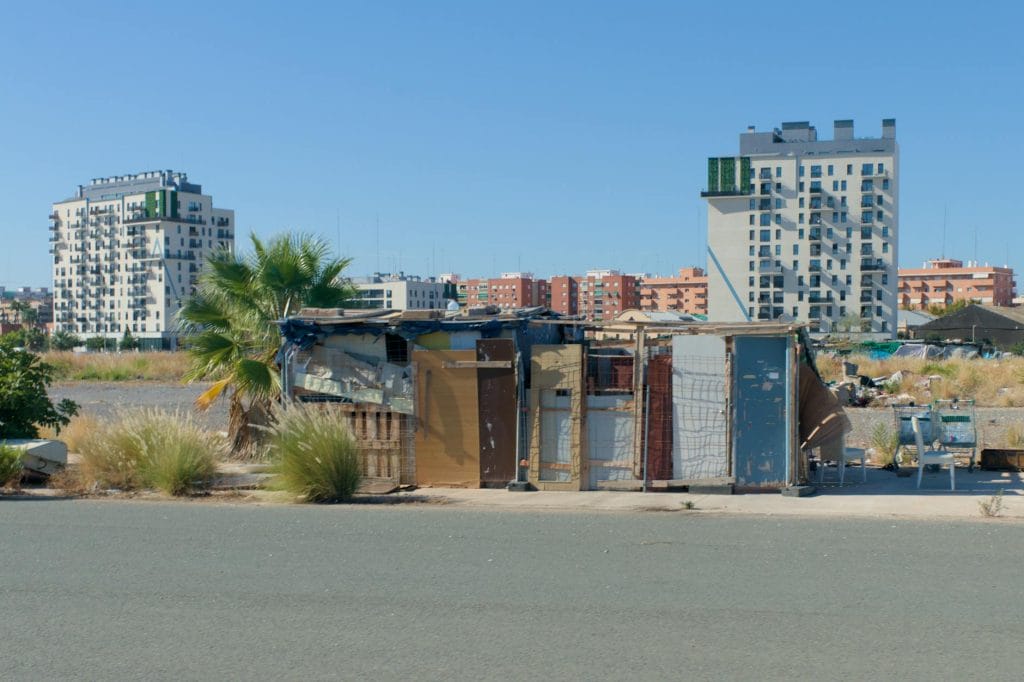
5 Dangerous Myths About Owning a Home

September 24, 2025 by Catherine Reed Leave a Comment

5 Dangerous Myths About Owning a Home

Image source: 123rf.com

Buying a home is often celebrated as a major milestone, but it comes with layers of responsibility that many people underestimate. Unfortunately, there are common myths about owning a home that can put buyers in difficult financial positions if they believe them. These misconceptions can lead to poor decisions, unexpected costs, and long-term stress. Understanding the truth behind these myths helps you prepare realistically and make smarter choices. Let’s look at five dangerous myths about owning a home that every buyer should know.

1. Buying a Home Is Always a Good Investment

One of the most widely believed myths about owning a home is that it’s guaranteed to be a good investment. While homes can appreciate in value over time, real estate markets are unpredictable. Location, economic conditions, and neighborhood changes all affect property values, sometimes causing them to decline. Treating a house solely as an investment ignores the reality that it is primarily a place to live. A smart homeowner balances the financial aspects with the lifestyle benefits, instead of expecting guaranteed returns.

2. Renting Is Throwing Money Away

Many people rush into buying because they believe renting is wasted money. This is one of the myths about owning a home that can lead to premature purchases. Renting provides flexibility, fewer responsibilities, and sometimes even lower costs depending on the market. Homeownership comes with mortgage interest, property taxes, maintenance, and insurance that can outweigh the benefits if you’re not financially prepared. Renting is not wasted money—it’s paying for stability and freedom while you build savings for the right time to buy.

3. A Bigger Home Means More Happiness

It’s easy to fall into the trap of believing that more space automatically means a better life. Yet one of the myths about owning a home is that bigger is always better. Larger homes come with higher mortgage payments, higher utility bills, and more upkeep. Many families find that the added costs outweigh the joy of extra square footage. Happiness often comes from financial security and comfort, not from stretching your budget for a house you can barely afford.

4. You’ll Spend Less Once the Mortgage Is Paid Off

Another common myth about owning a home is that once the mortgage is gone, your housing costs will disappear. In reality, property taxes, insurance, utilities, and maintenance never stop. Home repairs often become more expensive as a house ages, making the costs unpredictable. Even without a mortgage, homeowners should budget for ongoing expenses. Believing the myth that costs vanish can leave you unprepared for the realities of long-term ownership.

5. Homeownership Guarantees Stability for Your Family

People often assume owning a home locks in lifelong stability, but this is one of the more misleading myths about owning a home. Job loss, health issues, or unexpected expenses can put homeownership at risk. Missing mortgage payments can quickly escalate into foreclosure, which is far more disruptive than moving from a rental. Stability comes from financial planning and flexibility, not just from owning a house. Families should view homeownership as part of a bigger plan rather than the single solution for security.

A Smarter Way to Think About Homeownership

Believing myths about owning a home can lead to costly mistakes and unnecessary stress. The truth is that homeownership has both advantages and challenges, and success depends on preparation, budgeting, and realistic expectations. It’s not the right move for everyone at every stage of life, and that’s okay. By looking beyond the myths, you can make decisions that truly fit your financial and personal goals. The best home is one that aligns with your budget, lifestyle, and future plans.

Which of these myths about owning a home have you heard the most, and how did it affect your perspective on buying? Share your thoughts in the comments below.

What to Read Next…

Could Being House Poor Leave You Broke in Retirement

Why Do Families Spend More On Cars Than Homes Over a Lifetime

Could Ignoring HOA Rules Destroy the Value of Your Home

6 Financial Risks That Appear After Moving in With Someone

9 Lesser-Known Costs of Owning Investment Property

Catherine Reed
Catherine Reed

Catherine is a tech-savvy writer who has focused on the personal finance space for more than eight years. She has a Bachelor’s in Information Technology and enjoys showcasing how tech can simplify everyday personal finance tasks like budgeting, spending tracking, and planning for the future. Additionally, she’s explored the ins and outs of the world of side hustles and loves to share what she’s learned along the way. When she’s not working, you can find her relaxing at home in the Pacific Northwest with her two cats or enjoying a cup of coffee at her neighborhood cafe.

Filed Under: Real Estate Tagged With: buying a house, homeownership, Mortgage Advice, myths about owning a home, Planning, Real estate

9 Lesser-Known Costs of Owning a Swimming Pool

September 21, 2025 by Travis Campbell Leave a Comment


Installing a swimming pool is a dream for many homeowners. It promises summer fun, family gatherings, and a touch of luxury right in your backyard. But owning a swimming pool comes with more than just the upfront installation bill. Many pool owners are surprised by ongoing expenses that aren’t always obvious at first. If you’re thinking about adding a pool to your property, it’s important to look beyond the surface. These lesser-known costs of owning a swimming pool can add up over time and affect your long-term budget.

1. Increased Utility Bills

One of the most common but underestimated swimming pool costs is the spike in utility bills. Pools require electricity to run pumps, filters, and heaters, sometimes for hours each day. In hotter climates, you may need to run the pump more often to keep the water clean and safe. If you heat your pool, expect even higher energy bills, especially during cooler months. These additional charges can easily add $50 to $150 per month, depending on the size and type of pool.

2. Routine Chemical Treatments

Keeping pool water safe and sparkling isn’t just about skimming leaves. You’ll need chlorine or salt, pH balancers, algaecides, and other chemicals. The cost of these products can surprise new pool owners, especially during peak swimming season. On average, chemical treatments for a standard pool can cost $300–$800 per year, depending on water volume and local climate. Skimping on chemicals isn’t an option unless you want to risk algae blooms or unsafe water.

3. Equipment Repairs and Replacements

Pumps, filters, heaters, and automatic cleaners all have a finite lifespan. Even with proper maintenance, parts break down or wear out. Replacing a pool pump or filter can run several hundred dollars, and heaters may cost over $1,000 to fix or replace. These swimming pool costs can hit unexpectedly, especially as your pool ages. Having a reserve fund for equipment repairs is a good idea for any pool owner.

4. Water Loss and Refilling

Evaporation, splash-out, and routine backwashing all mean you’ll be adding water to your pool regularly. Water bills can increase, especially during hot, dry months. If you live in an area with water restrictions or high utility rates, this can be a significant hidden cost. Some homeowners are surprised by how often they need to top off their pool, particularly after heavy use or windy days.

5. Pool Cleaning Services

Not everyone has the time or desire to clean their pool themselves. Hiring a professional pool cleaning service is convenient, but it’s another recurring expense. These services can cost anywhere from $80 to $150 per month, depending on pool size and location. Even if you do most of the work yourself, you might occasionally need a deep clean or professional troubleshooting, which adds to the overall swimming pool costs.

6. Insurance Premium Increases

Adding a swimming pool to your property can affect your homeowner’s insurance. Pools are considered an “attractive nuisance,” increasing liability risks. Your insurer may require higher liability coverage, which means higher premiums. Some insurance companies also have specific requirements for fencing or safety features. Be sure to check with your agent before installation to budget for this potential increase.

7. Landscaping and Deck Maintenance

A pool can transform your backyard, but it also affects landscaping. Grass may die off from extra foot traffic, and you might need to invest in hardscaping, fencing, or non-slip decking. Over time, pool chemicals can damage nearby plants, requiring more resilient landscaping. Decks and patios surrounding the pool also need regular cleaning and sealing to prevent mold, stains, or cracks. These costs are rarely considered upfront but are a real part of swimming pool ownership.

8. Winterization and Opening

If you live in a region with cold winters, closing your pool properly is essential to avoid costly damage. Pool winterization involves draining equipment, adding chemicals, and covering the pool. Professional winterization services can cost $200–$500 annually. When warmer weather returns, opening the pool and balancing the water chemistry adds another expense. Skipping these steps can result in expensive repairs from freeze damage or algae blooms.

9. Permits, Inspections, and Safety Upgrades

Many cities require permits before installing a swimming pool, and some demand regular inspections to ensure safety codes are met. The cost for permits varies but often runs several hundred dollars. If your pool doesn’t meet updated safety standards, you may need to install new fences, gates, or alarms. These extra requirements can increase the total swimming pool costs by a significant amount. For more on pool safety, check out this pool safety resource.

Planning for the Real Cost of Pool Ownership

Owning a swimming pool can be a source of enjoyment and relaxation, but it’s essential to be realistic about the long-term expenses. Factoring in these lesser-known swimming pool costs helps you avoid financial surprises and keeps your pool safe and inviting. If you’re budgeting for a new pool, consider setting aside extra funds each year for maintenance, repairs, and unexpected costs.

Want more tips on budgeting for big home improvements? Visit this guide to pool ownership costs for more insights.

What hidden swimming pool costs have you encountered? Share your experiences in the comments below!

What to Read Next…

  • Top 3 Water Damage Claims Home Insurance Actually Covers
  • 10 Items That Could Void Your Homeowners Insurance Instantly
  • How Homeowners Associations Are Targeting Retirees With Fines
  • 5 Emergency Repairs That Could Force You Into Debt Overnight
  • 7 Popular Cleaning Products That Can Destroy Your Plumbing
Travis Campbell
Travis Campbell

Travis Campbell is a digital marketer/developer with over 10 years of experience and a writer for over 6 years. He holds a degree in E-commerce and likes to share life advice he’s learned over the years. Travis loves spending time on the golf course or at the gym when he’s not working.

Filed Under: Home Improvement Tagged With: budgeting, Home Improvement, homeownership, Insurance, maintenance costs, outdoor living, swimming pool

9 Lesser-Known Costs of Owning a Swimming Pool

September 21, 2025 by Travis Campbell Leave a Comment

pool

Image source: pexels.com

Installing a swimming pool is a dream for many homeowners. It promises summer fun, family gatherings, and a touch of luxury right in your backyard. But owning a swimming pool comes with more than just the upfront installation bill. Many pool owners are surprised by ongoing expenses that aren’t always obvious at first. If you’re thinking about adding a pool to your property, it’s important to look beyond the surface. These lesser-known costs of owning a swimming pool can add up over time and affect your long-term budget.

1. Increased Utility Bills

One of the most common but underestimated swimming pool costs is the spike in utility bills. Pools require electricity to run pumps, filters, and heaters, sometimes for hours each day. In hotter climates, you may need to run the pump more often to keep the water clean and safe. If you heat your pool, expect even higher energy bills, especially during cooler months. These additional charges can easily add $50 to $150 per month, depending on the size and type of pool.

2. Routine Chemical Treatments

Keeping pool water safe and sparkling isn’t just about skimming leaves. You’ll need chlorine or salt, pH balancers, algaecides, and other chemicals. The cost of these products can surprise new pool owners, especially during peak swimming season. On average, chemical treatments for a standard pool can cost $300–$800 per year, depending on water volume and local climate. Skimping on chemicals isn’t an option unless you want to risk algae blooms or unsafe water.

3. Equipment Repairs and Replacements

Pumps, filters, heaters, and automatic cleaners all have a finite lifespan. Even with proper maintenance, parts break down or wear out. Replacing a pool pump or filter can run several hundred dollars, and heaters may cost over $1,000 to fix or replace. These swimming pool costs can hit unexpectedly, especially as your pool ages. Having a reserve fund for equipment repairs is a good idea for any pool owner.

4. Water Loss and Refilling

Evaporation, splash-out, and routine backwashing all mean you’ll be adding water to your pool regularly. Water bills can increase, especially during hot, dry months. If you live in an area with water restrictions or high utility rates, this can be a significant hidden cost. Some homeowners are surprised by how often they need to top off their pool, particularly after heavy use or windy days.

5. Pool Cleaning Services

Not everyone has the time or desire to clean their pool themselves. Hiring a professional pool cleaning service is convenient, but it’s another recurring expense. These services can cost anywhere from $80 to $150 per month, depending on pool size and location. Even if you do most of the work yourself, you might occasionally need a deep clean or professional troubleshooting, which adds to the overall swimming pool costs.

6. Insurance Premium Increases

Adding a swimming pool to your property can affect your homeowner’s insurance. Pools are considered an “attractive nuisance,” increasing liability risks. Your insurer may require higher liability coverage, which means higher premiums. Some insurance companies also have specific requirements for fencing or safety features. Be sure to check with your agent before installation to budget for this potential increase.

7. Landscaping and Deck Maintenance

A pool can transform your backyard, but it also affects landscaping. Grass may die off from extra foot traffic, and you might need to invest in hardscaping, fencing, or non-slip decking. Over time, pool chemicals can damage nearby plants, requiring more resilient landscaping. Decks and patios surrounding the pool also need regular cleaning and sealing to prevent mold, stains, or cracks. These costs are rarely considered upfront, but are a real part of swimming pool ownership.

8. Winterization and Opening

If you live in a region with cold winters, closing your pool properly is essential to avoid costly damage. Pool winterization involves draining equipment, adding chemicals, and covering the pool. Professional winterization services can cost $200–$500 annually. When warmer weather returns, opening the pool and balancing the water chemistry adds another expense. Skipping these steps can result in expensive repairs from freeze damage or algae blooms.

9. Permits, Inspections, and Safety Upgrades

Many cities require permits before installing a swimming pool, and some demand regular inspections to ensure safety codes are met. The cost for permits varies but often runs several hundred dollars. If your pool doesn’t meet updated safety standards, you may need to install new fences, gates, or alarms. These extra requirements can increase the total swimming pool costs by a significant amount.

Planning for the Real Cost of Pool Ownership

Owning a swimming pool can be a source of enjoyment and relaxation, but it’s essential to be realistic about the long-term expenses. Factoring in these lesser-known swimming pool costs helps you avoid financial surprises and keeps your pool safe and inviting. If you’re budgeting for a new pool, consider setting aside extra funds each year for maintenance, repairs, and unexpected costs.

Want more tips on budgeting for big home improvements?

What hidden swimming pool costs have you encountered? Share your experiences in the comments below!

What to Read Next…

  • Top 3 Water Damage Claims Home Insurance Actually Covers
  • 10 Items That Could Void Your Homeowners Insurance Instantly
  • How Homeowners Associations Are Targeting Retirees With Fines
  • 5 Emergency Repairs That Could Force You Into Debt Overnight
  • 7 Popular Cleaning Products That Can Destroy Your Plumbing
Travis Campbell
Travis Campbell

Travis Campbell is a digital marketer/developer with over 10 years of experience and a writer for over 6 years. He holds a degree in E-commerce and likes to share life advice he’s learned over the years. Travis loves spending time on the golf course or at the gym when he’s not working.

Filed Under: Home Hacks Tagged With: budgeting, Home Improvement, homeownership, Insurance, maintenance costs, outdoor living, swimming pool

Beat the Hike: Take This One Step Before Your Mortgage Payment Jumps

September 19, 2025 by Travis Campbell Leave a Comment

home

Image source: pexels.com

Mortgage rates are unpredictable, and many homeowners are bracing for higher monthly payments. If your rate is variable or your escrow is being recalculated, a mortgage payment hike can strain your budget. Getting caught off guard by a jump in your mortgage payment can set back your financial goals. Fortunately, there’s a practical step you can take now to keep your finances stable. Understanding and acting before your mortgage payment jumps will help you stay in control and avoid unnecessary stress.

1. Review Your Escrow Account Statement

One of the most common reasons for a mortgage payment hike is a change in your escrow account. Your lender collects money for property taxes and homeowner’s insurance, then pays these bills on your behalf. If your taxes or insurance premiums go up, so does your monthly payment.

Request your latest escrow analysis from your lender. Look for changes in property tax assessments or insurance rates. Sometimes, errors in calculation or missed payments can trigger unnecessary increases. Catching these early gives you the chance to correct them before your mortgage payment jumps.

2. Shop Around for Homeowner’s Insurance

Insurance premiums can rise, especially after claims or if your insurer increases rates in your area. Since your insurance is paid through your escrow account, a higher premium will make your mortgage payment jump.

Take the time to compare quotes from different insurance providers. You may find a better rate or more flexible coverage. If you switch, notify your lender so they can update your escrow account. Even a small reduction in your premium can help avoid a sudden mortgage payment hike.

3. Challenge Your Property Tax Assessment

Property values have climbed in many regions, leading to higher property taxes. If you think your home has been overvalued, you have the right to appeal the assessment. This step can directly impact your escrow calculations and prevent your mortgage payment from jumping.

Contact your local assessor’s office for details on how to file an appeal. Gather recent sales data or an independent appraisal to support your case. Winning an appeal can lower your tax bill and, by extension, your monthly payment. This is a proactive way to beat the hike before it hits your budget.

4. Refinance to a Fixed-Rate Mortgage

If you have an adjustable-rate mortgage (ARM), your payments could increase when the rate resets. Refinancing to a fixed-rate mortgage locks in your interest rate and provides payment stability.

Compare current mortgage rates and calculate your break-even point using a mortgage refinance calculator. Refinancing isn’t free, but if you plan to stay in your home for several years, it can be worth the upfront cost. This move can shield you from the stress of a mortgage payment jump down the road.

5. Make an Extra Principal Payment

Paying a little extra toward your principal each month can reduce your overall loan balance faster. This strategy can help minimize the impact of a future mortgage payment hike, especially if your lender recalculates your payment based on your remaining balance.

Even a modest extra payment—like $50 or $100 per month—can add up over time. Check with your lender to ensure extra payments go directly toward the principal. This step won’t always prevent a payment increase, but it can help you pay off your loan sooner and reduce the total interest paid.

6. Build a Dedicated Mortgage Buffer Fund

Sometimes, you can’t avoid a mortgage payment hike—property taxes and insurance go up, or your rate resets. That’s why it’s smart to build a small buffer fund, separate from your regular emergency savings. Set aside one or two extra mortgage payments in a high-yield savings account.

This cushion will help you absorb any payment increases without dipping into your other savings. If you never need it, you’ll have extra money for home repairs or future financial goals. Think of it as your safety net for unexpected housing costs.

Take Control Before Your Mortgage Payment Jumps

Being proactive is the best way to beat the hike before your mortgage payment jumps. Reviewing your escrow account, shopping for insurance, and challenging your property taxes can make a real difference. Refinancing or making extra principal payments can further reduce your risk. Most importantly, a dedicated mortgage buffer fund will give you peace of mind if your payment does rise.

Staying ahead of these changes puts you in control, not your mortgage lender.

Have you taken steps to prepare for a mortgage payment jump? What worked for you—or what do you wish you’d done differently? Share your experience in the comments below!

What to Read Next…

  • 6 Mortgage Clauses That Get Enforced When You Least Expect It
  • How a Reverse Mortgage Can Derail a Family’s Entire Financial Plan
  • 10 Places Where Middle Class Americans Are Quietly Disappearing
  • Are These 7 Little Expenses Quietly Costing You Thousands a Year?
  • 7 Tactics Grocery Stores Use to Keep You From Thinking About Price
Travis Campbell
Travis Campbell

Travis Campbell is a digital marketer/developer with over 10 years of experience and a writer for over 6 years. He holds a degree in E-commerce and likes to share life advice he’s learned over the years. Travis loves spending time on the golf course or at the gym when he’s not working.

Filed Under: Real Estate Tagged With: escrow, homeownership, Insurance, mortgage, Personal Finance, property taxes, refinance

Could Being House Poor Leave You Broke in Retirement

September 18, 2025 by Travis Campbell Leave a Comment

house poor

Image source: pexels.com

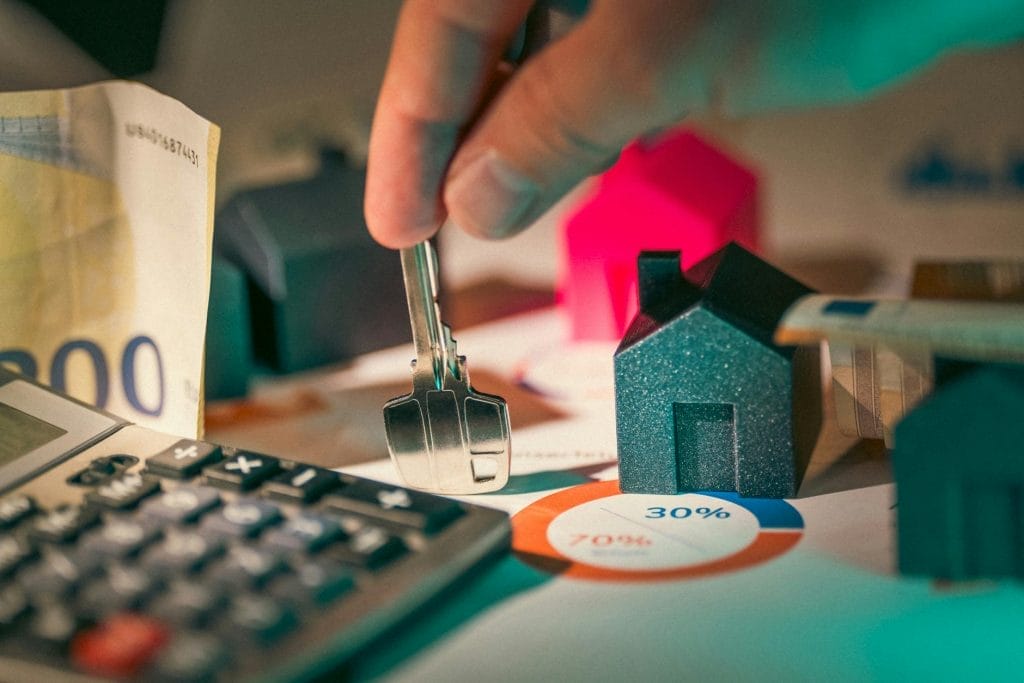
Buying a home is one of the biggest financial decisions you’ll ever make. It’s easy to assume that bigger is always better, but stretching your budget for your dream house can backfire. Many people find themselves “house poor”—spending so much on their mortgage and related costs that there’s little left for anything else. This financial squeeze can have serious consequences, especially when it comes to preparing for your later years. If you’re not careful, being house poor could leave you broke in retirement. Let’s take a closer look at how this happens and what you can do to avoid it.

1. What Does It Mean to Be House Poor?

Being house poor means a large chunk of your income goes toward home expenses, leaving little for savings, investments, or even daily needs. It’s not just about your mortgage payment. Property taxes, insurance, maintenance, and utilities all add up. When your house eats up your cash flow, it’s tough to build a financial cushion. The primary SEO keyword here—house poor—captures a risky situation that can sneak up on anyone, especially first-time buyers.

Many financial experts recommend keeping your total housing costs below 30% of your gross income. If you’re above that, you may already be feeling the pinch. The stress can show up in skipped vacations, delayed car repairs, or even putting off retirement savings. Over time, these sacrifices can add up to a much bigger problem.

2. The Ripple Effect on Retirement Savings

When you’re house poor, saving for retirement often takes a back seat. You may intend to catch up later, but life has a way of throwing curveballs. The years slip by, and suddenly retirement is on the horizon with little set aside. Compounding interest works best with time, so delaying savings means you’ll need to save much more later to reach the same goal.

This can leave you in a tough spot. You might have a beautiful home, but little else to show for decades of hard work. Even downsizing in retirement may not fully make up for years of missed contributions or lost growth. Prioritizing your home over your retirement nest egg is a common trap for the house poor.

3. Unexpected Expenses Can Derail Your Plans

Homes require constant upkeep. Roofs leak, furnaces break down, and property taxes can rise. If you’re already stretched thin, even a minor repair can throw your budget into chaos. Many house poor homeowners find themselves relying on credit cards or personal loans to cover these costs, digging themselves deeper into debt.

In retirement, these unexpected expenses don’t disappear. If your fixed income is already tight, a large repair or tax hike could force you to make tough choices—like selling your home or cutting back on essentials. This is why being house poor is especially risky as you approach retirement age.

4. The Hidden Costs of Homeownership

The sticker price of your home is just the beginning. Closing costs, insurance, HOA fees, landscaping, and utilities can all add up to more than you expect. Many people underestimate these ongoing expenses when calculating what they can afford, leading to a house poor situation.

If you’re not careful, these hidden costs can quietly erode your ability to save or invest. Over time, this undermines your financial security and makes it harder to build wealth for retirement. Taking a close look at your real monthly housing costs is essential to avoid being caught off guard.

5. How House Poor Choices Limit Your Options

Being house poor doesn’t just affect your bank account—it can also limit your lifestyle and future choices. You may feel stuck in a demanding job just to keep up with mortgage payments, even if you’d rather slow down or change careers. The pressure to keep earning can delay retirement or make it less enjoyable.

Additionally, if most of your net worth is tied up in your home, you may have fewer liquid assets to draw on in emergencies. This can force you to borrow against your home, sell in a down market, or make other difficult decisions. The freedom to travel, help family, or pursue hobbies in retirement can slip away if you’re house poor.

Strategies to Avoid Being House Poor

If you want to avoid being house poor and broke in retirement, it’s crucial to buy within your means and plan for the long term. Start by calculating all the costs of homeownership—including taxes, insurance, and maintenance—not just the mortgage. Set a realistic budget that leaves room for savings, investments, and emergencies.

Consider working with a financial advisor to map out your retirement goals and make sure your housing choices support, rather than hinder, those plans. Remember, a smaller or more affordable home can offer more financial security and peace of mind.

Have you ever felt house poor or worried about how your home might affect your retirement? Share your experiences and thoughts in the comments below.

What to Read Next…

  • How a Reverse Mortgage Can Derail a Family’s Entire Financial Plan
  • 8 Real Estate Mistakes That Erode Wealth Before Retirement Ever Starts
  • How Many of These 8 Middle Class Habits Are Keeping You Poor
  • Can You Really Lose Your House Over One Missed HOA Payment
  • Why Are So Many Boomers Dying Millionaires and Leaving No Will
Travis Campbell
Travis Campbell

Travis Campbell is a digital marketer/developer with over 10 years of experience and a writer for over 6 years. He holds a degree in E-commerce and likes to share life advice he’s learned over the years. Travis loves spending time on the golf course or at the gym when he’s not working.
Filed Under: Retirement Tagged With: homeownership, house poor, mortgage, Personal Finance, Planning, Retirement

Could Ignoring HOA Fines Wreck Your Credit Score

September 15, 2025 by Catherine Reed Leave a Comment

Could Ignoring HOA Fines Wreck Your Credit Score

Image source: 123rf.com

Living in a community with a homeowners association often means enjoying well-kept neighborhoods, amenities, and a sense of order. But it also comes with rules, and breaking those rules can lead to HOA fines. Some homeowners see these fines as minor annoyances and choose to ignore them, thinking they’ll just go away. What many don’t realize is that unpaid fines can snowball into bigger financial problems, including a damaged credit score. Understanding how HOA fines work and what happens if you don’t pay is critical for protecting your financial future.

1. HOA Fines Can Quickly Escalate

What starts as a small penalty for leaving trash cans out too long or failing to mow the lawn can grow into a much larger bill. HOAs often add late fees or interest to unpaid fines, which makes the balance climb over time. Ignoring the fine only makes the total amount more difficult to manage. Some associations even tack on administrative charges for repeated violations. Before long, a \$50 fine could balloon into hundreds of dollars.

2. Associations Can Place a Lien on Your Property

Unpaid HOA fines don’t just disappear. If you continue to ignore them, your association has the legal right in many states to place a lien on your property. A lien gives the HOA a claim against your home, which can make it harder to sell or refinance. This adds serious financial stress and limits your flexibility as a homeowner. In extreme cases, the lien can even lead to foreclosure if the debt grows too large.

3. Debt Collection Agencies May Get Involved

If HOA fines remain unpaid, many associations turn the debt over to collection agencies. These agencies are aggressive in pursuing repayment and often report the debt to credit bureaus. Once that happens, your credit score can take a direct hit. Even a single collection account can linger on your credit report for years. This is one of the most damaging ways ignoring HOA fines can affect your financial life.

4. Your Credit Score Impacts Borrowing Power

A lowered credit score doesn’t just hurt your reputation; it has real financial consequences. With a weaker score, you may face higher interest rates on loans, difficulty getting approved for credit cards, or even trouble renting a new home. Ignoring HOA fines puts your ability to borrow money affordably at risk. Many homeowners don’t realize the long-term costs of a damaged credit profile until it’s too late. Protecting your score is reason enough to resolve fines quickly.

5. Unpaid Fines Can Hurt Job Opportunities

Some employers check credit reports as part of the hiring process, particularly for positions that involve financial responsibility. Having collections or liens related to HOA fines could create a negative impression. While not every employer weigh credit history heavily, it can still be a deciding factor in competitive job markets. By ignoring fines, you’re risking more than just homeownership issues. Your career opportunities could also be affected.

6. Legal Action Is a Real Possibility

In addition to liens and collections, HOAs sometimes pursue unpaid fines in court. This can result in a legal judgment against you, which is another blow to your credit. Legal battles also add court costs and attorney fees to the amount you owe, making the debt even more burdensome. A judgment on your record is difficult to recover from financially. Settling fines early helps you avoid this costly and stressful scenario.

7. Communication Can Prevent Escalation

The good news is that most HOAs are willing to work with homeowners before things spiral out of control. If you disagree with a fine or can’t pay it right away, contacting the association is often the best move. Some boards may waive first-time violations or allow payment plans. By opening the lines of communication, you can resolve the issue without it affecting your credit score. Ignoring HOA fines, on the other hand, guarantees more trouble.

8. Protecting Your Credit Means Taking HOA Fines Seriously

Even if the fine seems unfair or excessive, ignoring it rarely works out in your favor. Because HOAs have legal authority and financial tools at their disposal, unpaid fines can easily spill over into your credit history. Once your score is damaged, rebuilding it takes years. The smarter choice is to deal with the fine promptly, whether by paying it, disputing it, or negotiating a compromise. Protecting your financial standing is always worth the effort.

Small Fees Can Lead to Big Problems

Homeownership should be about building wealth and stability, not letting overlooked penalties jeopardize your future. Ignoring HOA fines may feel like a stand against unreasonable rules, but in reality, it’s a direct threat to your credit score and financial health. By addressing fines early, keeping records, and communicating with your association, you can protect your home, your credit, and your peace of mind.

Have you ever dealt with HOA fines that escalated into bigger problems? Share your story in the comments below.

What to Read Next…

How Can Small Banking Errors Snowball Into Huge Losses

5 Cosigning Mistakes That Could Wreck Your Credit for Years

10 Money Moves That Look Smart but Lead to Regret

The Debt Trap: Why People Go Broke Right After Getting Free

10 Financial Risks That Come From Ignoring Small Debts

Catherine Reed
Catherine Reed

Catherine is a tech-savvy writer who has focused on the personal finance space for more than eight years. She has a Bachelor’s in Information Technology and enjoys showcasing how tech can simplify everyday personal finance tasks like budgeting, spending tracking, and planning for the future. Additionally, she’s explored the ins and outs of the world of side hustles and loves to share what she’s learned along the way. When she’s not working, you can find her relaxing at home in the Pacific Northwest with her two cats or enjoying a cup of coffee at her neighborhood cafe.

Filed Under: credit score Tagged With: credit score, debt collection, financial risks, HOA fines, homeownership, Personal Finance, property management

6 Lesser-Known Risks of Owning Vacation Property

September 14, 2025 by Travis Campbell Leave a Comment

vacation

Image source: pexels.com

Owning vacation property seems like a dream come true. A getaway home offers relaxation, potential rental income, and a place to create family memories. But there’s a lot more to it than just picking out furniture and planning your next visit. Many new owners overlook hidden pitfalls that can turn a dream into a headache. If you’re considering buying vacation property, it’s smart to look beyond the obvious costs and responsibilities. Let’s dig into some of the lesser-known risks of owning vacation property so you can make a well-informed decision.

1. Local Tax Surprises

One of the most overlooked risks of owning vacation property is the impact of local taxes. While you might budget for property taxes, many areas have additional levies for non-resident owners or short-term rentals. These can include special assessments, hotel taxes, or tourism district fees. Some municipalities revise their tax rates frequently, and those changes often target out-of-town property owners.

Before making a purchase, research all potential taxes in the area. Check if there are planned increases or new regulations. Even a small change in tax policy can significantly affect your annual expenses and the overall return on your investment.

2. Insurance Coverage Gaps

Insurance for vacation property isn’t as straightforward as your primary home. Because vacation homes are often vacant, insurers see them as higher risk. Many standard policies exclude damage from vandalism, flooding, or certain natural disasters unless you purchase extra coverage. If your property is in a hurricane or wildfire zone, premiums can be sky-high—or coverage may be tough to get at all.

Make sure you review every detail of your policy. Ask about exclusions and requirements, like security systems or regular check-ins. If you plan to rent the home out, you’ll likely need even more specialized insurance. Overlooking these risks of owning vacation property can leave you exposed to costly surprises if something goes wrong.

3. Unpredictable Maintenance Costs

Maintenance is one of those risks of owning vacation property that’s easy to underestimate. Homes in popular vacation spots often face more wear and tear, especially if you rent them out. Salt air, snow, or high humidity can speed up roof, deck, and appliance deterioration. Water pipes can freeze or burst if the house sits empty in winter. Pests can invade during the off-season.

Routine upkeep—like landscaping, HVAC servicing, and pest control—adds up quickly. Emergencies cost even more, and local contractors in vacation hotspots may charge a premium during busy seasons. It’s wise to set aside a generous maintenance fund and plan for the unexpected.

4. Changing Rental Regulations

Countless buyers plan to offset costs by renting out their vacation property. But rental rules change all the time. Cities and counties across the country are cracking down on short-term rentals. New rules can limit the number of rental days per year, require expensive permits, or even ban rentals altogether. Violating these rules can result in hefty fines or legal trouble.

Don’t assume you’ll always be able to rent out your property as you wish. Stay updated on local laws, and understand that political shifts or community pushback can happen quickly. This risk of owning vacation property can drastically affect your financial projections.

5. Unexpected Utility and Service Interruptions

Vacation areas are often more vulnerable to power outages, water shortages, and unreliable internet. If your property is in a remote or seasonal location, you might find that basic services aren’t as dependable as at your primary home. Storms, wildfires, or even high tourist demand can overload local infrastructure.

These interruptions aren’t just inconvenient—they can lead to property damage or unhappy renters. If you rely on remote security systems or smart home devices, a loss of connectivity can be a real headache. Always have a backup plan, and make sure you know what service levels to expect before you buy.

6. Neighborhood Changes and Declining Appeal

Vacation hotspots can rise and fall in popularity. A peaceful lakeside retreat today might become overrun with tourists or lose its charm due to new development. Infrastructure projects, changing traffic patterns, or the closure of nearby attractions can all impact your property’s value and enjoyment.

It’s tough to predict what a neighborhood will look like in five or ten years. If you’re counting on steady appreciation or consistent rental demand, this risk of owning vacation property should be top of mind. Try to buy in an area with a long track record of stability and appeal, but recognize that no location is immune to change.

Making a Smart Vacation Property Decision

Buying a vacation property can be rewarding, but hidden costs and surprises are common. By understanding the real risks of owning vacation property, you’ll be better prepared for the challenges. Do your homework, talk to other owners, and work with a local real estate expert who knows the area’s quirks and regulations. Consider creating a detailed budget that includes taxes, insurance, maintenance, and a cushion for unexpected expenses.

Taking the time to get informed will help you avoid pitfalls and enjoy your slice of paradise for years to come.

Have you encountered any hidden risks of owning vacation property? Share your experiences or questions in the comments below!

What to Read Next…

  • How a Rental Property in the Wrong State Can Wreck Your Tax Bracket
  • Why Buying a Second Property Could Jeopardize Your Heirs Inheritance
  • How Many of These 8 Retirement Mistakes Are You Already Making
  • 10 Items That Could Void Your Homeowners Insurance Instantly
  • Can You Really Lose Your House Over One Missed HOA Payment
Travis Campbell
Travis Campbell

Travis Campbell is a digital marketer/developer with over 10 years of experience and a writer for over 6 years. He holds a degree in E-commerce and likes to share life advice he’s learned over the years. Travis loves spending time on the golf course or at the gym when he’s not working.

Filed Under: Personal Finance Tagged With: homeownership, Insurance, property risks, Real estate, rental regulations, taxes, vacation property

10 Financial Traps People Walk Into After Buying a New House

September 11, 2025 by Travis Campbell Leave a Comment

money

Image source: pexels.com

Buying a new house is an exciting milestone. But after the move-in celebrations fade, many homeowners find themselves facing unexpected money problems. The thrill of homeownership can cloud judgment, leading to choices that strain your wallet. If you’re not careful, you can walk straight into financial traps that put stress on your budget and future plans. Understanding these common pitfalls can help you protect your finances and make the most of your new investment. Let’s look at ten financial traps people often encounter after buying a new house.

1. Underestimating Ongoing Homeownership Costs

Many buyers focus so much on the down payment and closing costs that they forget about the ongoing expenses of owning a home. Property taxes, insurance, utilities, and regular maintenance can add up quickly. If you don’t budget for these, you may find your monthly expenses are much higher than expected. This financial trap can make it harder to save, invest, or even cover basic costs.

2. Overextending on Renovations and Upgrades

It’s tempting to personalize your new space right away. However, major renovations or buying all-new furniture can create a significant financial burden. Many homeowners put these costs on credit cards or take out loans, increasing their debt load. Before making significant changes, consider living in your home for a while to prioritize what’s necessary versus what can wait. This helps you avoid overspending and keeps your budget intact.

3. Ignoring Emergency Funds

After draining savings for a down payment, some new homeowners neglect to rebuild their emergency fund. Without a safety net, unexpected repairs or job loss can quickly turn into a crisis. A healthy emergency fund is essential for covering surprise expenses without adding debt. Make rebuilding your savings a top priority after closing on your new house.

4. Forgetting Hidden Maintenance Costs

Homeownership comes with a long list of maintenance tasks—some obvious, others not so much. Routine items like HVAC servicing, gutter cleaning, and pest control add up. But sometimes, hidden problems like plumbing leaks or roof damage pop up with little warning. Set aside money each month for maintenance so these costs don’t catch you off guard.

5. Falling for Lifestyle Inflation

It’s easy to get swept up in the feeling that you “deserve” more now that you own a home. This can lead to buying expensive decor, dining out more, or upgrading your car. Lifestyle inflation is a sneaky financial trap that can eat away at your budget. Stay mindful of your spending habits and focus on building a solid financial foundation instead.

6. Skipping a Home Warranty or Adequate Insurance

Some homeowners try to save money by skipping a home warranty or choosing minimal insurance coverage. But if something major breaks—like your HVAC system or roof—you could face huge out-of-pocket costs. A good home warranty and proper insurance protect your finances from these big-ticket surprises. Review your coverage regularly to ensure it meets your needs.

7. Not Shopping Around for Services

When you need repairs or upgrades, it’s tempting to hire the first contractor you find. But failing to compare prices and services can cost you hundreds or even thousands of dollars. Always get multiple quotes and check reviews before hiring anyone. You can also save on utilities and insurance by shopping around for better rates. Smart comparison shopping helps you avoid this common financial trap.

8. Overlooking Tax Implications

Buying a house changes your tax situation. You may be eligible for deductions like mortgage interest or property taxes, but you can also face higher tax bills if your property is reassessed. Not understanding these changes can lead to missed savings or unexpected costs.

9. Forgetting to Plan for the Long Term

It’s easy to focus on immediate needs after buying a house, but long-term planning is just as important. Think about future expenses like roof replacement, appliance upgrades, or landscaping projects. Setting up a sinking fund for these big-ticket items can help you avoid financial stress down the road. Planning ahead is key to successful homeownership.

10. Letting Debt Snowball

Between mortgages, credit cards, and personal loans, debt can pile up fast after buying a home. This financial trap can limit your options and increase your stress. Make a plan to pay down high-interest debt as soon as possible. If you need help, consider reaching out to a nonprofit credit counseling agency or resources like the Consumer Financial Protection Bureau’s debt collection guide. Staying on top of your debt is critical for protecting your financial future.

How to Avoid These Financial Traps After Buying a New House

The excitement of new homeownership can make it easy to overlook important financial details. By understanding the most common financial traps people walk into after buying a new house, you can take steps to avoid them. Build a realistic budget, rebuild your emergency fund, and plan for both expected and surprise expenses. Homeownership is a long-term journey, and careful planning will help you enjoy it without unnecessary financial stress.

What financial traps did you encounter after buying your home? Share your experiences and tips in the comments below!

What to Read Next…

  • How Homeowners Associations Are Targeting Retirees With Fines
  • 10 Items That Could Void Your Homeowners Insurance Instantly
  • Can You Really Lose Your House Over One Missed HOA Payment?
  • 6 Mortgage Clauses That Get Enforced When You Least Expect It
  • 8 Real Estate Mistakes That Erode Wealth Before Retirement Ever Starts
Travis Campbell
Travis Campbell

Travis Campbell is a digital marketer/developer with over 10 years of experience and a writer for over 6 years. He holds a degree in E-commerce and likes to share life advice he’s learned over the years. Travis loves spending time on the golf course or at the gym when he’s not working.

Filed Under: Real Estate Tagged With: budgeting, financial traps, home buying, homeownership, money tips, Personal Finance, Real estate

5 Surprising Expenses That Show Up After Buying a Vacation Home

September 9, 2025 by Travis Campbell Leave a Comment

vacation home

Image source: pexels.com

Buying a vacation home is a dream for many. It’s easy to imagine relaxing weekends and family getaways, but the reality goes beyond the listing price and mortgage. Many new owners are surprised by the ongoing and hidden costs that come with owning a second property. These expenses can sneak up and impact your budget if you’re not prepared. Understanding the true cost of owning a vacation home is essential for making a smart financial decision. Before you sign the papers, take a closer look at what it really means to take on this responsibility. Let’s explore five surprising expenses that often show up after buying a vacation home.

1. Maintenance and Repairs Add Up Fast

One of the most overlooked vacation home expenses is ongoing maintenance. Unlike your primary residence, your vacation home may sit empty for weeks or months at a time. This can lead to unexpected issues like leaks, mold, or pest problems. Even if you visit often, the property still needs regular upkeep—lawn care, HVAC servicing, gutter cleaning, and more.

Many vacation homes are in locations with harsh weather, such as coastal areas or mountain retreats. Salt air, humidity, snow, and storms can accelerate wear and tear. Routine repairs and emergency fixes can quickly eat into your budget. It’s wise to set aside a maintenance fund to cover these costs so you aren’t caught off guard.

2. Property Management Fees You Didn’t Expect

If your vacation home is far from where you live, you might need to hire a property manager. Even if you plan to use the home only for personal use, someone needs to keep an eye on things when you’re not there. Property management companies typically charge a monthly fee or a percentage of rental income if you decide to rent it out.

These fees cover services like routine inspections, coordinating cleaning and repairs, and handling emergencies. Some companies also charge extra for services such as key exchanges or preparing the home for guests. If you’re thinking about turning your vacation home into a rental, factor in these ongoing costs before you set your rental rates or plan your budget.

3. Higher Insurance Premiums for Vacation Homes

Insurance is often more expensive for a vacation home than for your primary residence. Insurers consider these properties higher risk because they are left unoccupied for long stretches. This increases the chance of undetected damage from leaks, fires, or break-ins. If your vacation home is in a flood zone, wildfire area, or hurricane-prone region, premiums can skyrocket.

Some owners learn after purchase that standard homeowner’s insurance isn’t enough. You may need extra coverage for short-term rentals or special policies for natural disasters. It’s crucial to shop around and understand what’s covered so you can avoid expensive surprises later.

4. Utilities and Services Can Be Costlier Than You Think

Utilities are a recurring vacation home expense that catches many buyers off guard. Even if the home sits empty, you’ll likely need to keep the power, water, and security systems on. In some areas, basic services like garbage collection, internet, and cable may cost more for seasonal properties. You might also face minimum usage fees or higher rates for turning services on and off throughout the year.

Some vacation homes require extra services—think snow removal, pool cleaning, or pest control. These add up quickly, especially if you want the home ready for spontaneous trips. Planning for these ongoing expenses is an important part of understanding the true cost of owning a vacation home.

5. Local Taxes and Special Assessments

Property taxes on vacation homes are often higher than on primary residences. Many local governments charge a premium for second homes, especially in popular tourist destinations. On top of that, you could face special assessments from homeowners’ associations (HOAs) or local municipalities for things like road repairs, beach maintenance, or new amenities.

If your vacation home is in a resort or gated community, annual HOA fees can be significant. These fees usually cover shared amenities and security, but they can increase with little notice. Always review HOA documents and local tax rates before committing to a purchase. This will help you avoid unexpected financial strain down the road.

Planning for the True Cost of Owning a Vacation Home

Owning a vacation home can be incredibly rewarding, but it requires careful planning. Factoring in all potential vacation home expenses—maintenance, management, insurance, utilities, and taxes—will help you avoid surprises and keep your finances on track. Take time to create a realistic annual budget that includes a cushion for the unexpected.

If you’re still considering a purchase, it’s smart to talk to a local real estate agent and a financial advisor. They can help you estimate costs and make sure you’re prepared for both the joys and the responsibilities of second home ownership.

Have you encountered any unexpected vacation home expenses? Share your experiences and tips in the comments below!

What to Read Next…

  • How Homeowners Associations Are Targeting Retirees With Fines
  • 7 Costs Retirees Refuse to Pay in 2025 and How You Can Follow Their Lead
  • 5 Emergency Repairs That Could Force You Into Debt Overnight
  • 10 Items That Could Void Your Homeowners Insurance Instantly
  • 7 Popular Cleaning Products That Can Destroy Your Plumbing
Travis Campbell
Travis Campbell

Travis Campbell is a digital marketer/developer with over 10 years of experience and a writer for over 6 years. He holds a degree in E-commerce and likes to share life advice he’s learned over the years. Travis loves spending time on the golf course or at the gym when he’s not working.

Filed Under: Real Estate Tagged With: homeownership, property management, Real estate, second home, vacation home expenses

Could Rising Property Taxes Quietly Push People Out of Their Homes

September 5, 2025 by Catherine Reed Leave a Comment

Could Rising Property Taxes Quietly Push People Out of Their Homes

Image source: 123rf.com

For many families, owning a home represents stability, security, and the reward of years of hard work. Yet what some don’t expect is that the costs of ownership continue long after the mortgage is paid. One expense in particular—property taxes—has steadily increased in many parts of the country, catching homeowners off guard. The question of could rising property taxes quietly push people out of their homes is becoming more relevant as communities struggle to balance budgets and homeowners struggle to keep up.

1. The Link Between Property Values and Higher Taxes

Property taxes are tied directly to the assessed value of a home. As neighborhoods grow in popularity and property values rise, tax bills often follow. For homeowners, this increase doesn’t necessarily come with extra income to cover the added expense. Retirees and fixed-income families are especially vulnerable, as their earnings don’t grow along with tax assessments. This connection is one of the most straightforward answers to could rising property taxes quietly push people out of their homes.

2. The Impact on Fixed-Income Retirees

Retirees who worked decades to pay off their mortgages often assume their housing costs will shrink dramatically. Unfortunately, property taxes continue regardless of mortgage status and often climb over time. For someone living on Social Security or a pension, even modest increases can become overwhelming. These costs can make it impossible to stay in a beloved family home. For older adults, the reality of could rising property taxes quietly push people out of their homes is deeply personal.

3. How Local Budget Decisions Influence Tax Bills

Communities rely on property taxes to fund schools, fire departments, and public infrastructure. When budgets increase, property owners shoulder the cost. Voter-approved levies for improvements or growing municipal needs often push taxes even higher. While these projects may benefit the community, they can unintentionally strain homeowners who struggle to keep up. These dynamic highlights another layer to whether rising property taxes quietly push people out of their homes.

4. Rising Taxes Create Barriers for First-Time Buyers

High property taxes don’t only affect current homeowners—they also discourage potential buyers. Young families entering the housing market may find that monthly mortgage payments plus taxes exceed their budgets. Even if they can qualify for a loan, the ongoing tax burden may make homeownership feel out of reach. Over time, this reduces housing accessibility in many areas. These challenges emphasize how rising property taxes quietly push people out of their homes before they even move in.

5. Regional Disparities Exacerbate Inequality

Not all regions face the same property tax rates, but disparities can create uneven financial pressure. In some areas, taxes rise rapidly due to economic growth, while neighboring regions remain affordable. Families may feel forced to relocate, leaving behind jobs, schools, and communities they value. This migration affects not just individuals but also local economies. Regional inequality further underscores how rising property taxes quietly push people out of their homes.

6. Limited Relief Programs Leave Gaps

Some states offer tax relief for seniors, veterans, or low-income households, but these programs often come with strict eligibility requirements. Even when available, the application process can be confusing or underutilized. Many families don’t realize help exists until financial stress has already taken its toll. Without widespread or accessible relief, homeowners face tough choices. These gaps in support reveal another answer to could rising property taxes quietly push people out of their homes.

Finding Balance Between Community Needs and Homeowner Security

Communities need property tax revenue to thrive, but unchecked increases place an unfair burden on families who simply want to remain in their homes. The growing concern over whether rising property taxes quietly push people out of their homes shows the importance of balance between funding local services and protecting homeowners. By advocating for fair assessments, seeking relief programs, and planning ahead, families can better navigate these challenges. Ultimately, ensuring that taxes don’t displace residents is key to preserving the stability and character of neighborhoods across the country.

Have property tax increases impacted your ability to stay in your home? Share your experiences and opinions in the comments below.

What to Read Next…

10 Unexpected Tax Filings Required After Financial Gifts

7 Things Wealthy Families Do With Taxes That Ordinary People Never Hear About

6 IRS Letters That Could Signal Trouble — Even If You Think You Filed Correctly

7 Financial Surprises That Hit Families After Relocation

6 Reasons the IRS Is Flagging More Trusts in 2025

Catherine Reed
Catherine Reed

Catherine is a tech-savvy writer who has focused on the personal finance space for more than eight years. She has a Bachelor’s in Information Technology and enjoys showcasing how tech can simplify everyday personal finance tasks like budgeting, spending tracking, and planning for the future. Additionally, she’s explored the ins and outs of the world of side hustles and loves to share what she’s learned along the way. When she’s not working, you can find her relaxing at home in the Pacific Northwest with her two cats or enjoying a cup of coffee at her neighborhood cafe.

Filed Under: Tax Planning Tagged With: homeownership, Housing Market, middle class struggles, Personal Finance, Planning, property taxes, real estate costs, retirement planning

  • « Previous Page
  • 1
  • …
  • 3
  • 4
  • 5
  • 6
  • 7
  • 8
  • Next Page »

FOLLOW US

Search this site:

Recent Posts

  • Can My Savings Account Affect My Financial Aid? by Tamila McDonald
  • 12 Ways Gen X’s Views Clash with Millennials… by Tamila McDonald
  • What Advantages and Disadvantages Are There To… by Jacob Sensiba
  • 10 Tactics for Building an Emergency Fund from Scratch by Vanessa Bermudez
  • Call 911: Go To the Emergency Room Immediately If… by Stephen Kanaval
  • 7 Weird Things You Can Sell Online by Tamila McDonald
  • 10 Scary Facts About DriveTime by Tamila McDonald

Copyright © 2026 · News Pro Theme on Genesis Framework