• Home
  • About Us
  • Toolkit
  • Getting Finances Done
    • Hiring Advisors
    • Debt Management
    • Spending Plan
  • Insurance
    • Life Insurance
    • Health Insurance
    • Disability Insurance
    • Homeowners/Renters Insurance
  • Contact Us
  • Privacy Policy
  • Risk Tolerance Quiz

The Free Financial Advisor

You are here: Home / Archives for tiny homes

8 Creative Alternatives to Buying a Traditional Home

November 15, 2025 by Travis Campbell Leave a Comment

Tiny House

Image source: shutterstock.com

Buying a house has always been a significant milestone, but with rising home prices and persistently high mortgage rates, many people are rethinking what “home” truly means. Traditional homeownership is no longer the sole path to stability or comfort. Creative housing options are providing individuals with flexibility, financial breathing room, and even a sense of adventure. Exploring alternatives to purchasing a home can lead to lifestyles that better align with your budget and personality than a 30-year mortgage ever could. Whether you seek freedom or affordability, there is a housing choice available that may surprise you.

1. Tiny Homes

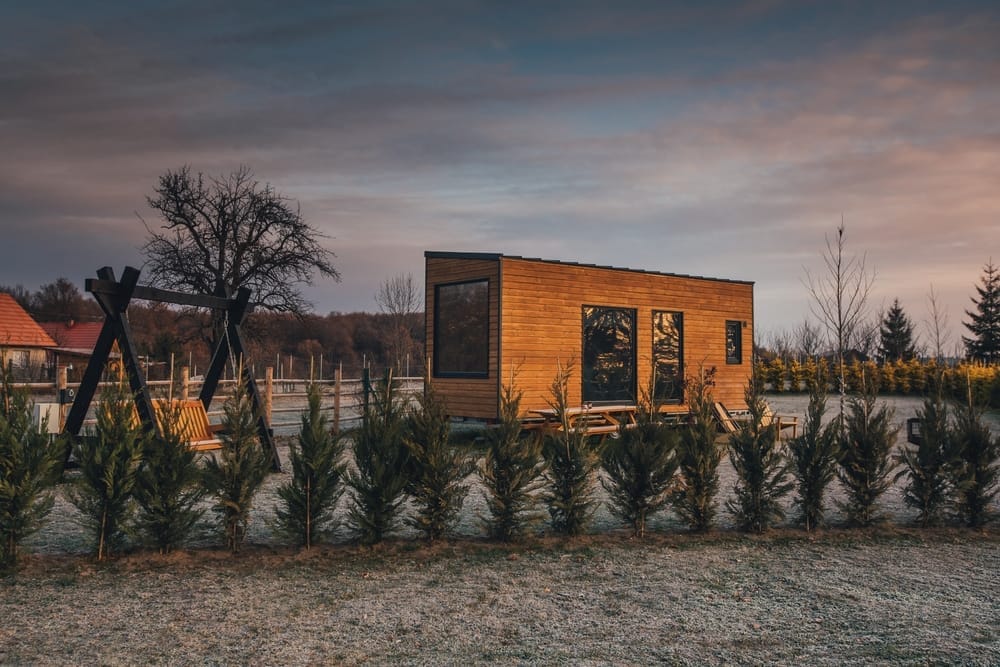
Tiny homes have moved from novelty to a serious housing option. Built on wheels or foundations, these compact spaces emphasize minimalism and smart design. The average tiny home costs a fraction of a traditional house, and upkeep is simple. Many people choose them to cut debt and live more intentionally. They’re also ideal for those who crave mobility without giving up the comforts of home.

Communities dedicated to tiny living are popping up across the country, offering shared amenities and a sense of belonging. It’s a creative way to live lean while still owning something tangible.

2. Houseboats

For those drawn to water, a houseboat can be both home and escape. Docked in marinas or anchored in calm bays, houseboats give residents a lifestyle that’s equal parts peaceful and unconventional. Costs vary depending on size and location, but they’re often cheaper than waterfront real estate. Maintenance can be tricky, yet many boat dwellers say the trade-off—waking up to rippling water and sunset views—is worth it.

Some cities even have floating neighborhoods with postal services and strong communities. Living on a boat isn’t for everyone, but it’s one of the boldest alternatives to buying a home you’ll find.

3. Co-Housing Communities

Co-housing combines private living spaces with shared resources. Residents own or rent individual units but share gardens, kitchens, or workshops. It’s a model rooted in collaboration and sustainability. These communities can lower costs by pooling expenses for maintenance and utilities. They also combat one of the most common modern problems—loneliness.

Many co-housing projects are designed with green building principles, appealing to those who value eco-friendly living. It’s a blend of independence and togetherness that can redefine what homeownership looks like in the future.

4. Converted Shipping Containers

Shipping container homes have exploded in popularity for their affordability and industrial style. They can be stacked, combined, or customized into sleek modern spaces. Builders often use recycled containers, making them an environmentally friendly choice. The cost savings are substantial, and the construction time is significantly shorter compared to traditional houses.

Some cities have even approved container developments as part of affordable housing solutions. If you’re handy or have a creative vision, these units let you design something unique without breaking the bank.

5. Living in a Van or RV

Van life isn’t just a social media trend—it’s a lifestyle that prioritizes freedom over square footage. Modern vans and RVs can be fully outfitted with kitchens, bathrooms, and solar panels. They’re a way to live debt-free and mobile, especially appealing to remote workers. Insurance and maintenance are ongoing costs, but there’s no property tax or fixed location to worry about.

Many people find the simplicity liberating. Others use it as a temporary solution while saving for their next move. Either way, it’s one of the most flexible alternatives to buying a home available today.

6. Rent-to-Own Agreements

For those not ready—or able—to buy outright, rent-to-own can bridge the gap. Tenants pay rent with an option to purchase later, often applying a portion of payments toward the eventual price. It’s a way to build equity while living in the property, without committing to a mortgage immediately.

However, it’s essential to read the fine print. Terms vary widely, and not every deal benefits the renter. Still, for many families, this approach provides a realistic path toward ownership when traditional financing feels out of reach.

7. Barndominiums

Barndominiums—barns converted into living spaces—blend rustic charm with modern comfort. They’re often built with metal frames, making them durable and cost-effective. The open floor plans allow for creative layouts, from minimalist studios to spacious family homes. Because they can be built on rural land, they’re appealing to those seeking privacy and space.

In many areas, barndominiums are eligible for standard mortgages, although some lenders still consider them unconventional. The design freedom and lower cost per square foot make them a standout option among alternatives to buying a home.

8. Cooperative Housing

Cooperative housing, also known as a co-op, allows residents to collectively own a property through shares rather than individual deeds. Members vote on maintenance, budgets, and rules. This model can lower monthly costs and foster a strong sense of community. It’s common in urban areas where traditional ownership is expensive.

Co-ops require teamwork and transparency, but they can offer long-term stability. They’re also a smart way to control housing costs without the volatility of the open market.

Rethinking What “Home” Means

The white picket fence, together with thirty years of mortgage payments, does not establish what home means to all people. Home ownership solutions exist through innovative approaches that unite practical needs with advanced solutions. Your lifestyle needs can be fulfilled through various housing choices, which help you achieve your financial goals and maintain your personal values beyond just buying a house.

Which of these housing options do you find most suitable for your current way of life?

What to Read Next…

  • 9 Times It’s Smarter to Rent Than Buy Even Long Term
  • 5 Home Investment Plans That Legal Experts Say to Avoid
  • How a Rental Property in the Wrong State Can Wreck Your Tax Bracket
  • 8 Real Estate Mistakes That Erode Wealth Before Retirement Ever Starts
  • Can You Really Lose Your House Over One Missed HOA Payment?
Travis Campbell
Travis Campbell

Travis Campbell is a digital marketer/developer with over 10 years of experience and a writer for over 6 years. He holds a degree in E-commerce and likes to share life advice he’s learned over the years. Travis loves spending time on the golf course or at the gym when he’s not working.

Filed Under: Home Hacks Tagged With: alternative living, cohousing, homeownership, housing, Personal Finance, Real estate, tiny homes

Why More Americans Are Moving Into Converted School Buses

July 21, 2025 by Travis Campbell Leave a Comment

school bus

Image Source: pexels.com

Living in a converted school bus might sound unusual, but more Americans are making this choice every year. The reasons go beyond just saving money. People want more control over their lives, and a bus can offer that. Some are tired of high rent and mortgages. Others want to travel or live closer to nature. This trend matters because it shows how people are rethinking what “home” means. If you’re curious about why so many are choosing this path, here’s what’s driving the move into converted school buses.

1. Housing Costs Keep Rising

The price of traditional homes keeps going up. Rent is high in most cities, and buying a house is out of reach for many. A converted school bus, often called a “skoolie,” costs much less than a house or even a new car. People can buy an old bus for a few thousand dollars and spend another $10,000 to $30,000 fixing it up. That’s still far less than a down payment on a house in most places. For many, this is the only way to own a home without taking on huge debt. The Pew Research Center reports that rising housing costs are a top concern for Americans, making alternatives like skoolies more appealing.

2. Freedom to Travel

A big reason people move into converted school buses is the freedom to travel. You can wake up in the mountains one week and by the beach the next. There’s no need to book hotels or worry about finding a place to stay. Your home goes with you. This lifestyle appeals to people who work remotely or want to see more of the country. It’s also a way to visit family and friends without the hassle of packing and unpacking. The bus becomes both your home and your vehicle, making travel simple and flexible.

3. Downsizing and Simplicity

Many people are tired of clutter and want a simpler life. Living in a bus means you have to downsize. There’s only so much space, so you keep what matters and let go of the rest. This can be freeing. You spend less time cleaning and organizing. You also buy less stuff because there’s nowhere to put it. For some, this shift leads to less stress and more focus on what’s important. The move to a skoolie is often about more than just saving money—it’s about living with intention.

4. Customization and Creativity

A converted school bus is a blank canvas. You can design the space to fit your needs. Some people build full kitchens, others add bunk beds or workspaces. You choose the colors, the layout, and the features. This level of customization is rare in traditional housing unless you build from scratch. People enjoy the process of turning an old bus into a cozy, functional home. It’s a chance to be creative and make something unique. The result is a space that feels personal and reflects your style.

5. Closer Connection to Nature

Living in a skoolie often means spending more time outdoors. You can park near lakes, forests, or national parks. Many people who choose this lifestyle want to be closer to nature. They enjoy hiking, fishing, or just sitting outside. The bus gives you the freedom to move with the seasons or find quiet spots away from crowds. This connection to nature can improve mental health and well-being. It’s a big reason why more Americans are moving into converted school buses.

6. Building Community

The skoolie community is growing. There are online groups, meetups, and gatherings where people share tips and stories. Living in a bus can feel lonely at first, but many find a sense of belonging with others who have made the same choice. People help each other with repairs, share places to park, and offer advice. This support network makes the transition easier and adds value to the lifestyle. It’s not just about the bus—it’s about the people you meet along the way.

7. Environmental Impact

A converted school bus can be more eco-friendly than a traditional home. Many people use solar panels, composting toilets, and energy-efficient appliances. The smaller space means you use less energy and water. Some even use recycled materials for the build. This lifestyle encourages mindful consumption and waste reduction. For those who care about the environment, moving into a skoolie is a practical way to lower their footprint. The U.S. Environmental Protection Agency highlights the benefits of reducing waste and reusing materials, which fits with the skoolie approach.

8. Flexibility in Uncertain Times

Life can change fast. Jobs come and go, relationships shift, and the economy is unpredictable. A converted school bus offers flexibility. If you need to move for work or family, you can. If you want to try a new city, you just drive there. This flexibility is valuable, especially when the future feels uncertain. More Americans are moving into converted school buses because it gives them options and control over where and how they live.

Rethinking What Home Means

The rise in people moving into converted school buses shows a shift in how Americans think about home. It’s not just about four walls and a roof. It’s about freedom, flexibility, and living on your own terms. A skoolie isn’t for everyone, but it’s a real solution for those who want something different. As more people look for ways to escape high costs and live with purpose, the skoolie movement will likely keep growing.

Have you ever thought about living in a converted school bus, or do you know someone who has? Share your thoughts in the comments.

Read More

8 Reasons You Should Be Starting Your Own Business Right Now

8 Reasons Every Small Business Needs An Attorney On Speed Dial

Travis Campbell
Travis Campbell

Travis Campbell is a digital marketer/developer with over 10 years of experience and a writer for over 6 years. He holds a degree in E-commerce and likes to share life advice he’s learned over the years. Travis loves spending time on the golf course or at the gym when he’s not working.

Filed Under: Lifestyle Tagged With: alternative housing, bus conversion, Housing Costs, minimalism, skoolie, sustainable living, tiny homes, travel, van life

The “Tiny House” Movement’s Hidden Expenses

July 14, 2025 by Travis Campbell Leave a Comment

tiny home

Image Source: pexels.com

Thinking about joining the tiny house movement? You’re not alone. The idea of living simply, saving money, and reducing your footprint is appealing. Tiny homes look affordable and easy to maintain. But there’s more to the story. Many people jump in, only to find costs they didn’t expect. If you’re considering a tiny house, it’s important to know what you’re really signing up for. Here’s what you need to watch out for before you downsize.

1. Land Isn’t Free

You need somewhere to put your tiny house. That sounds obvious, but it’s a big deal. Many people think they can just park their home anywhere. In reality, zoning laws and land prices can make this tricky. Some cities don’t allow tiny homes at all. Others require you to buy land, which can cost as much as a regular house lot. Even if you find a spot, you might have to pay for utilities, permits, or even special insurance. If you plan to move your tiny house, you’ll need to pay for parking or storage. These costs add up fast and can be a shock if you’re not ready for them.

2. Utility Hookups and Off-Grid Costs

Tiny houses need water, electricity, and sewage solutions. Hooking up to city utilities isn’t always possible or cheap. You might need to pay for a septic system, well, or solar panels. These systems can cost thousands of dollars. Off-grid living sounds simple, but it takes planning and money. Solar panels, batteries, composting toilets, and water tanks all have upfront costs. And they need regular maintenance. If you’re not careful, you could spend more on utilities than you expected. The tiny house movement often skips over these details, but they matter.

3. Building Codes and Permits

Building a tiny house isn’t as simple as building a shed. Most places have strict building codes. You’ll need permits, inspections, and sometimes even a licensed contractor. These rules protect you, but they also cost money. Permits can run from a few hundred to several thousand dollars. If your house doesn’t meet code, you might have to pay to fix it or even move it. Some people try to skip permits, but that can lead to fines or legal trouble. It’s better to plan for these costs up front.

4. Quality Materials and Custom Work

Tiny houses use less material, but they need to be built well. Cheap materials won’t last. You need insulation, strong framing, and weatherproofing. Many tiny homes are custom-built, which means higher labor costs. You might want built-in furniture or clever storage. These features look great, but they aren’t cheap. If you cut corners, you’ll pay for it later in repairs. Quality matters more in a small space because every inch counts. The tiny house movement often shows beautiful interiors, but those finishes come at a price.

5. Moving and Transportation Fees

One of the big draws of the tiny house movement is mobility. But moving a tiny house isn’t like towing a camper. You need a heavy-duty truck or a professional mover. Transporting a tiny house can cost thousands of dollars, especially if you’re crossing state lines. You might need special permits or escorts for wide loads. And every move puts stress on your house, which can lead to repairs. If you plan to move often, budget for these costs. They’re easy to overlook but hard to avoid.

6. Insurance Surprises

Insuring a tiny house isn’t always easy. Many insurance companies don’t know how to classify them. Are they homes, RVs, or something else? You might need a special policy, which can be expensive. If your house is on wheels, you’ll need RV insurance. If it’s on a foundation, you might need homeowners’ insurance. Some companies won’t cover tiny homes at all. It’s important to shop around and get quotes before you buy. Otherwise, you could end up uninsured or paying more than you planned.

7. Storage and Downsizing Costs

Living in a tiny house means getting rid of stuff. That sounds simple, but it can be hard. You might need to rent a storage unit for things you can’t part with. Storage fees add up over time. You might also need to buy new, smaller furniture or appliances. Downsizing takes time and sometimes money. If you rush, you could end up regretting what you gave away or spending more to replace things later. The tiny house movement celebrates minimalism but getting there isn’t always free.

8. Resale Value and Market Risks

Tiny houses are still new in the real estate world. That means resale can be tough. There’s no guarantee you’ll get your money back if you decide to sell. The market for tiny homes is small and can change quickly. Some people find it hard to sell their tiny house at all. If you finance your home, you might owe more than it’s worth. This is a risk that’s easy to miss when you’re excited about the tiny house movement. Think about your long-term plans before you buy.

9. Lifestyle Adjustments and Hidden Costs

Tiny living isn’t for everyone. You might need to pay for gym memberships, storage, or even hotel stays if you have guests. Entertaining is harder in a small space. You might eat out more or spend money on activities outside the home. These lifestyle changes can add up. The tiny house movement focuses on freedom, but it also means giving up some comforts. Be honest about what you need to be happy.

Think Before You Downsize

The tiny house movement offers a lot, but it’s not always as cheap as it looks. Hidden expenses can turn a dream into a headache. If you’re serious about tiny living, do your homework. Talk to people who’ve done it. Make a budget that includes land, utilities, permits, and all the extras. Tiny living can work, but only if you know what you’re getting into.

Have you thought about joining the tiny house movement? What hidden costs surprised you? Share your thoughts in the comments.

Read More

5 Biggest Refinance Concerns

Why Junior’s Education Might Be Less Expensive Than Expected

Travis Campbell
Travis Campbell

Travis Campbell is a digital marketer/developer with over 10 years of experience and a writer for over 6 years. He holds a degree in E-commerce and likes to share life advice he’s learned over the years. Travis loves spending time on the golf course or at the gym when he’s not working.

Filed Under: Smart Spending Tagged With: budgeting, downsizing, hidden costs, homeownership, Personal Finance, Real estate, tiny homes, tiny house movement

Tiny Home Features That Quietly Lower Your Resale Value

July 5, 2025 by Travis Campbell Leave a Comment

tiny home

Image Source: pexels.com

Tiny homes have captured the imagination of minimalists, adventurers, and budget-conscious buyers alike. The promise of a simpler life, lower costs, and a smaller environmental footprint is undeniably appealing. But if you’re thinking about building or buying a tiny home, it’s easy to overlook how certain features can quietly chip away at your small home’s resale value. Not every clever design or quirky addition will pay off when it’s time to sell. Understanding which features can hurt your investment is crucial, especially in a market where buyers are already selective. Let’s break down the most common tiny home features that can quietly lower your resale value—and what you can do instead.

1. Highly Customized Built-Ins

Built-in furniture and storage solutions are a hallmark of tiny home design. While custom nooks, hidden drawers, and fold-out desks can maximize space, overdoing it with highly personalized built-ins can actually harm your tiny home’s resale value. Buyers want flexibility to make the space their own. If your built-ins are too specific—like a desk sized for your laptop or a closet designed for your exact wardrobe—they may not suit the next owner’s needs. Instead, opt for modular or removable furniture that offers adaptability. This way, your tiny home appeals to a broader range of buyers, making it easier to sell.

2. Loft-Only Sleeping Arrangements

Lofts are a popular way to save space in tiny homes, but relying solely on a loft for sleeping can be a dealbreaker for many buyers. Climbing a ladder every night isn’t practical for everyone, especially older adults, families with young children, or anyone with mobility issues. A tiny home’s resale value can take a hit if buyers see the sleeping setup as inconvenient or unsafe. If you love the idea of a loft, consider also including a main-floor sleeping option, like a convertible sofa or Murphy bed. This small change can make your home more accessible and attractive to a wider audience.

3. Composting Toilets Only

Composting toilets are eco-friendly and conserve water, but they may not be suitable for everyone. Many buyers are unfamiliar with how they work or simply prefer a traditional flush toilet. If your tiny home only has a composting toilet, you may limit your pool of potential buyers and reduce the resale value of your tiny home. If possible, design your bathroom to accommodate a standard toilet or, at the very least, provide the plumbing hookups for one. This gives future owners the flexibility to choose what works best for them, making your home more marketable.

4. Overly Bold or Niche Decor

Personal style is important, but going too bold or niche with your decor can turn off buyers. Bright colors, unusual wallpaper, or themed interiors (think “beach shack” or “retro diner”) might reflect your personality, but they can make it harder for buyers to envision themselves living there. Neutral colors and simple finishes tend to have broader appeal and can help maintain your tiny home’s resale value. If you want to add personality, do it with easily changeable items like throw pillows or artwork, rather than permanent fixtures.

5. Lack of Standard Utilities

Some tiny homes are designed to be completely off-grid, featuring solar panels, rainwater collection systems, and propane appliances. While this appeals to a certain segment of buyers, most people want the option to connect to standard utilities. A lack of hookups for water, electricity, or sewage can significantly lower your tiny home’s resale value. Even if you love living off the grid, consider installing the infrastructure for standard utilities. This small investment can make your home more attractive to a larger group of buyers and increase your chances of a quick sale.

6. Poor Insulation and Climate Control

Tiny homes are often built with cost savings in mind, but skimping on insulation or climate control can be a costly mistake. Poor insulation means higher energy bills and uncomfortable living conditions, which can be a red flag for buyers. If your tiny home is drafty in winter or sweltering in summer, expect its resale value to drop. Invest in quality insulation and consider adding features like mini-split HVAC systems or energy-efficient windows. These upgrades not only make your home more comfortable but also more appealing to future buyers.

7. Limited Storage Space

Storage is always at a premium in tiny homes, but too little can be a dealbreaker. If buyers can’t see where they’ll put their clothes, kitchenware, or outdoor gear, they may walk away. While it’s tempting to maximize living space at the expense of storage, a lack of practical storage solutions can quietly lower your tiny home’s resale value. Think about adding under-bed drawers, overhead cabinets, or even a small outdoor shed. The more versatile your storage, the more attractive your home will be to buyers who want to downsize without sacrificing organization.

8. Unpermitted Additions or DIY Work

Many tiny home owners love to tinker and customize, but unpermitted additions or obvious DIY work can deter buyers and lower the resale value of your tiny home. Potential buyers worry about safety, code compliance, and future headaches. Always check local regulations before making changes, and keep documentation for any permitted work. If you’re not confident in your skills, hire a professional for major projects. A well-documented, code-compliant tiny home is much easier to sell and commands a higher price.

Smart Choices for a Stronger Tiny Home Resale Value

Every design decision you make in your tiny home can impact its resale value, sometimes in ways you might not expect. By focusing on flexibility, accessibility, and broad appeal, you can protect your investment and make your home more attractive to future buyers. Avoiding overly personal touches, ensuring standard utilities, and investing in quality construction are all smart moves. Remember, the goal is to create a space that feels like home to you—without closing the door on potential buyers down the road.

What tiny home features have you seen that helped or hurt resale value? Share your thoughts in the comments!

Read More

The Definition of Irony (or Why You Should Know What You’re Doing)

5 Biggest Refinance Concerns

Travis Campbell
Travis Campbell

Travis Campbell is a digital marketer/developer with over 10 years of experience and a writer for over 6 years. He holds a degree in E-commerce and likes to share life advice he’s learned over the years. Travis loves spending time on the golf course or at the gym when he’s not working.

Filed Under: Home Hacks Tagged With: downsizing, home design, Home Improvement, home resale, home value, property investment, Real estate, tiny homes

FOLLOW US

Search this site:

Recent Posts

  • Can My Savings Account Affect My Financial Aid? by Tamila McDonald
  • 12 Ways Gen X’s Views Clash with Millennials… by Tamila McDonald
  • What Advantages and Disadvantages Are There To… by Jacob Sensiba
  • Call 911: Go To the Emergency Room Immediately If… by Stephen Kanaval
  • 10 Tactics for Building an Emergency Fund from Scratch by Vanessa Bermudez
  • 7 Weird Things You Can Sell Online by Tamila McDonald
  • 10 Scary Facts About DriveTime by Tamila McDonald

Copyright © 2026 · News Pro Theme on Genesis Framework