• Home
  • About Us
  • Toolkit
  • Getting Finances Done
    • Hiring Advisors
    • Debt Management
    • Spending Plan
  • Insurance
    • Life Insurance
    • Health Insurance
    • Disability Insurance
    • Homeowners/Renters Insurance
  • Contact Us
  • Privacy Policy
  • Risk Tolerance Quiz

The Free Financial Advisor

You are here: Home / Archives for homeowners insurance

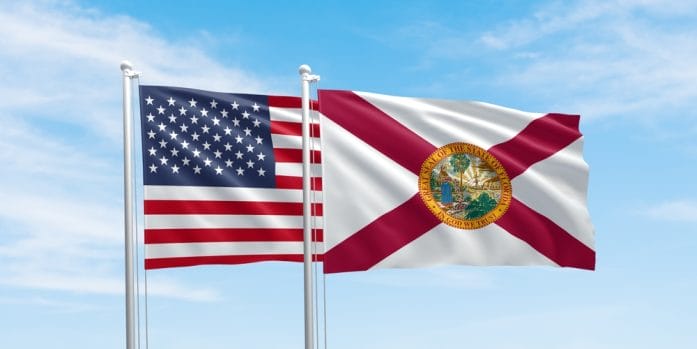
State Farm Files for 10% Rate Reduction in Florida After Years of Increases

February 10, 2026 by Brandon Marcus Leave a Comment

State Farm Files for 10% Rate Reduction in Florida After Years of Increases

Image source: shutterstock.com

Florida’s insurance market has spent years feeling like one of those rides that climbs slowly, drops suddenly, and leaves you wondering why you ever got on in the first place. But for once, the latest twist is actually good news.

State Farm, one of the largest insurers in the country, has filed for a 10% rate reduction for Florida homeowners. Yes, you read that correctly: a reduction, not another increase. After years of rising premiums, shrinking options, and policyholders bracing for the next round of bad news, this filing feels like someone finally cracked open a window in a very stuffy room.

Why a Rate Reduction Is Even on the Table

For years, Florida’s insurance market has been defined by rising costs, insurer exits, and a steady stream of premium hikes. So why would State Farm suddenly decide it’s time to lower rates? The answer lies in a combination of improving financial conditions and recent legislative reforms aimed at stabilizing the market.

Over the past few years, Florida has implemented changes designed to reduce litigation, curb fraudulent claims, and create a more predictable environment for insurers. These reforms are starting to show results, and some companies—State Farm included—are seeing fewer losses and more stability. When an insurer’s financial outlook improves, rate reductions become possible. It’s a sign that the market may finally be inching toward balance after a long stretch of turbulence.

What a 10% Reduction Really Means for Homeowners

A 10% reduction may not sound dramatic at first glance, but in a state where premiums have climbed faster than almost anywhere else, even a modest decrease can feel like a breath of fresh air. For many homeowners, insurance costs have become one of the most unpredictable parts of their budget.

A reduction signals not just lower bills, but a potential shift in momentum. State Farm’s change could encourage other insurers to reevaluate their own rates, especially if they’re experiencing similar improvements in their financial performance. While no one should expect a sudden wave of dramatic cuts, even incremental relief can help homeowners regain a sense of control.

State Farm Files for 10% Rate Reduction in Florida After Years of Increases

Image source: shutterstock.com

The Role of Legislative Reforms in Shaping the Market

Florida’s insurance challenges didn’t appear overnight, and neither did the solutions. Over the past several years, lawmakers have passed reforms aimed at reducing excessive litigation, limiting assignment‑of‑benefits abuses, and encouraging insurers to remain in the state. These changes were designed to address long‑standing issues that contributed to rising premiums and insurer instability.

While the full impact of these reforms will take time to unfold, early indicators suggest they’re helping reduce losses and create a more sustainable environment. State Farm’s rate filing is one of the first major signs that the reforms may be working. For homeowners, this is a reminder that policy changes can have real, tangible effects on their monthly expenses.

Why State Farm’s Move Matters Beyond Its Own Customers

Even if you’re not insured with State Farm, this filing could still affect you. When a major insurer signals confidence in the market by lowering rates, it sends a message to competitors and regulators alike. Other companies may feel pressure to reassess their pricing, especially if they’ve been holding onto higher rates as a precaution.

A healthier market also attracts new insurers, which increases competition and gives homeowners more options. While no one should expect an overnight transformation, State Farm’s decision could be the first domino in a slow but meaningful shift toward a more stable and affordable insurance landscape.

What Homeowners Should Do While Waiting for Approval

Rate filings don’t take effect immediately. While the process unfolds, homeowners can take steps to position themselves for potential savings. Start by reviewing your current policy and checking whether you’re receiving all available discounts, such as wind mitigation credits or home safety upgrades.

It’s also a good time to compare quotes from multiple insurers, especially if you haven’t shopped around in a while. Even if State Farm’s reduction is approved, the best deal for your home may come from another company. Staying proactive ensures you’re ready to take advantage of any positive changes in the market.

A Glimpse of Relief in a Long Journey

A 10% rate reduction won’t solve every problem, but it represents something Florida homeowners haven’t seen in a long time: movement in the right direction. It’s a reminder that markets can recover, reforms can work, and insurers can shift from survival mode to stability. Whether you’re a State Farm customer or simply watching the market from the sidelines, this filing is worth keeping on your radar. It may be the first sign of a more balanced future—one where homeowners can breathe a little easier when renewal season rolls around.

What do you think this rate reduction signals for Florida’s insurance future? How are you feeling about your home insurance options in the Sunshine State?

You May Also Like…

Florida Homeowners Are Seeing Insurance Rates Decreasing In 2026

The Roof Age That Automatically Disqualifies Florida Homes From Coverage

Florida Homeowners See First Rate Decrease in 10 Years — Citizens Property Insurance Dropping Premiums 2.6%

The Home Insurance Review Clause That’s Triggering Surprise Policy Cancellations in 2026

Home Insurance: The Smart Way to Protect Your Home and Finances

Insurance Just Stopped Paying for These Routine Health Supplies — Check Your Plan Immediately

Brandon Marcus
Brandon Marcus

Brandon Marcus is a writer who has been sharing the written word since a very young age. His interests include sports, history, pop culture, and so much more. When he isn’t writing, he spends his time jogging, drinking coffee, or attempting to read a long book he may never complete.


Filed Under: Insurance Industry Tagged With: consumer finance, financial relief, Florida insurance, homeowners insurance, insurance market, insurance trends, property coverage, rate reduction, Real estate, State Farm, storm risk

The 60-Day Window to Contest Homeowner Cancellation Based on Satellite Images

February 9, 2026 by Brandon Marcus Leave a Comment

The 60-Day Window to Contest Homeowner Cancellation Based on Satellite Images

Image source: shutterstock.com

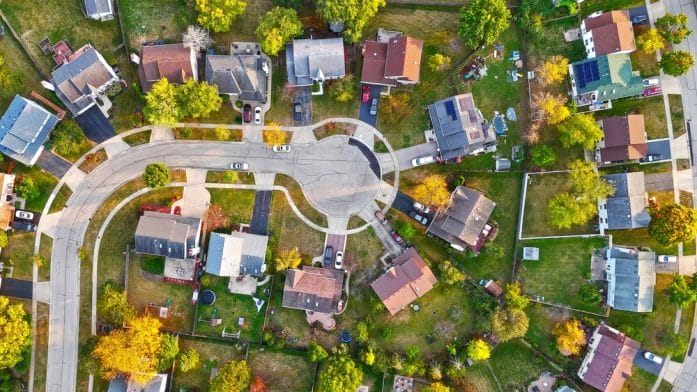
Homeowners insurance has always been a world of fine print, renewal notices, and the occasional surprise premium increase. But in recent years, a new twist has entered the picture — literally. Insurers are increasingly using satellite and aerial imagery to evaluate properties, sometimes without ever stepping foot on the ground.

These images can reveal roof wear, overgrown vegetation, debris, or structural concerns, and insurers are acting on them quickly. For many homeowners, the first sign of trouble is a cancellation or nonrenewal notice that seems to come out of nowhere. What most people don’t realize is that they have a powerful but time‑sensitive tool at their disposal: a 60‑day window to contest the decision. This is your tool, and weapon, to fight back.

When the Sky Becomes the Inspector

Satellite imagery has become one of the insurance industry’s favorite tools because it’s fast, inexpensive, and incredibly detailed. Instead of scheduling an in‑person inspection, insurers can review a property from above and flag anything that looks like a potential risk. This includes roof discoloration, missing shingles, moss growth, tree limbs hanging over the house, or even debris that suggests poor maintenance.

While the technology is impressive, it’s far from perfect. Shadows, seasonal changes, and image quality can all distort what’s actually happening on the ground. That’s why cancellation notices based on aerial photos often feel so shocking — homeowners may have no idea that something on their roof or property was flagged as a hazard. The good news is that insurers are required to give advance notice, and that notice triggers your opportunity to push back.

The 60-Day Countdown Starts With the Notice

There are many reasons why insurers may cancel a plan, but whenever they do so based on property condition, they must send a written notice explaining the reason. This notice typically arrives 30 to 60 days before the policy ends, depending on state regulations. The moment you receive it, the clock starts ticking.

Most states give homeowners a 60‑day window to contest the decision, provide evidence, or complete repairs that address the insurer’s concerns. This window is crucial because once it closes, the cancellation becomes final, and reinstating coverage becomes significantly harder. Acting quickly is essential. The sooner you gather information, schedule inspections, or document the true condition of your property, the stronger your case will be. Waiting until the last week rarely ends well, especially if repairs or professional evaluations are needed.

Understanding What the Insurer Saw

Before contesting a cancellation, you need to know exactly what triggered it. Insurers must provide a reason, but the explanation is often vague — something like “roof condition” or “vegetation hazard.”

You have the right to request the specific images or reports used to make the decision. This step is important because aerial photos can be misleading. Moss may look like structural damage, shadows may resemble missing shingles, and tree branches may appear closer to the roof than they actually are.

Once you have the images, compare them to the real‑world condition of your property. If the photos are outdated, unclear, or simply inaccurate, you have a strong basis for contesting the cancellation. Even if the issue is legitimate, understanding the insurer’s perspective helps you address it effectively.

The 60-Day Window to Contest Homeowner Cancellation Based on Satellite Images

Image source: shutterstock.com

How to Build a Strong Case Within the Window

Contesting a cancellation isn’t just about disagreeing with the insurer — it’s about presenting clear, credible evidence. Start by taking your own photos from multiple angles, including close‑ups of the areas in question. If the issue involves the roof, consider hiring a licensed roofer to perform an inspection and provide a written report. Professional documentation carries significant weight and can counteract assumptions made from aerial images.

If repairs are needed, schedule them immediately and keep receipts, invoices, and before‑and‑after photos. Many insurers will reinstate coverage if the homeowner demonstrates prompt action and provides proof that the issue has been resolved. The key is to communicate clearly, respond quickly, and provide organized documentation. Insurers are far more likely to reconsider when homeowners show initiative and evidence.

When the Insurer Won’t Budge

Even with strong evidence, some insurers may refuse to reverse a cancellation. In these cases, homeowners still have options. Many states allow consumers to file complaints with their insurance department, which can trigger a review of the insurer’s decision. Regulators may request additional information, evaluate whether the cancellation was justified, or require the insurer to reconsider if the decision violated state rules.

While this process doesn’t guarantee reinstatement, it can slow down the cancellation timeline and give homeowners more time to secure alternative coverage. If you must switch insurers, acting early gives you a better chance of finding a standard policy rather than relying on a last‑resort plan.

Staying Ahead of Future Aerial Reviews

The rise of satellite‑based inspections means homeowners need to think differently about property maintenance. Issues that once went unnoticed until an in‑person inspection may now be flagged months earlier from the sky. Regular roof cleaning, trimming overhanging branches, clearing debris, and documenting repairs can help you stay ahead of potential problems.

It’s also wise to keep records of any professional work done on your home, as this documentation can be invaluable if an insurer questions your property’s condition. While you can’t control when or how insurers use aerial imagery, you can control how prepared you are when they do.

Your Window of Opportunity Matters More Than Ever

The 60‑day window to contest a cancellation isn’t just a bureaucratic formality — it’s your chance to correct errors, provide evidence, and keep your insurance intact. As insurers rely more heavily on satellite images, misunderstandings and misinterpretations are becoming more common. Acting quickly, gathering documentation, and understanding your rights can make all the difference. Homeowners who respond promptly often succeed in reversing cancellations or securing better coverage. Those who wait risk losing their policy and facing higher costs or limited options.

What steps would you take if your insurer tried to cancel your policy based on aerial photos? Make sure that you share your tales and successes in the comments below.

You May Also Like…

Heritage Insurance Approved: 9.6% Premium Drop for Seminole County Homeowners

Top 3 Water Damage Claims Home Insurance Actually Covers

Florida Homeowners Are Seeing Insurance Rates Decreasing In 2026

The $2,000 Average National Homeowner Premium — Highest Share of Mortgage Payment Ever

Citizens Property Insurance Sees Sharp Drop in Policies — What It Means for Homeowners in 2026

Brandon Marcus
Brandon Marcus

Brandon Marcus is a writer who has been sharing the written word since a very young age. His interests include sports, history, pop culture, and so much more. When he isn’t writing, he spends his time jogging, drinking coffee, or attempting to read a long book he may never complete.

Filed Under: Insurance Tagged With: aerial imagery, Consumer Protection, home maintenance, homeowners insurance, insurance appeals, insurance cancellation, insurance rights, policy nonrenewal, property inspections, Real estate, satellite photos

8 Homeowner Insurance Denials Based on Aerial Photos

February 9, 2026 by Brandon Marcus Leave a Comment

These Are 8 Homeowner Insurance Denials Based on Aerial Photos

Image source: shutterstock.com

Homeowners have always known that insurance companies keep a close eye on risk, but the definition of “close” has changed dramatically in recent years. Instead of sending inspectors to climb ladders or walk roofs, many insurers now rely on aerial imagery to evaluate properties — sometimes without the homeowner ever knowing their house was being examined.

These high‑resolution photos can spot everything from missing shingles to overgrown trees, but they’ve also led to a wave of surprising coverage denials. One of the most common culprits? Moss. Yes, the green fuzz that grows on damp shingles has become a trigger for non‑renewals and policy cancellations across the country. But there are far more, and it’s becoming clear that aerial photos may be homeowners’ new worst enemy.

1. Moss Has Launched a Thousand Letters

Moss may look harmless, but insurers see it as a sign of moisture retention, shingle deterioration, and potential roof failure. Aerial photos can easily detect patches of moss, especially on north‑facing slopes where sunlight is limited. When insurers spot it, they often flag the roof as “poor condition,” even if the homeowner hasn’t noticed any issues.

This can lead to a warning letter, a demand for roof-cleaning, or a flat‑out non‑renewal. The frustrating part for homeowners is that moss doesn’t always indicate structural damage — sometimes it’s just cosmetic. But insurers aren’t taking chances, and aerial imagery gives them a fast, inexpensive way to identify anything that might increase risk. If you live in a damp or shaded area, regular roof cleaning can help you avoid being caught off guard by a photo you never knew was taken.

2. The “Dark Streaks” That Look Worse From Above

Many homeowners are surprised to learn that dark streaks on shingles — often caused by algae — can be mistaken for roof deterioration in aerial images. From the ground, these streaks may look minor, but from above, they can appear as large discolored patches that insurers interpret as aging or damaged roofing. This can trigger a demand for replacement even when the roof is structurally sound.

The challenge is that aerial photos don’t always capture texture or depth, so insurers rely on color patterns to make decisions. If your roof has algae streaks, a professional cleaning can make a big difference in how it appears in aerial assessments. It’s a small step that can prevent a big headache.

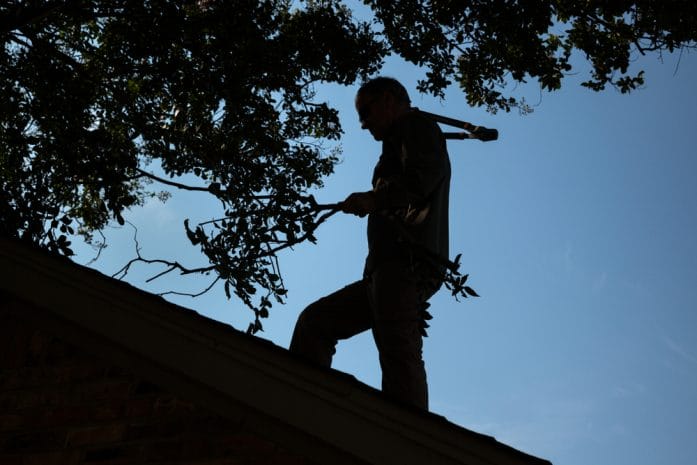
3. The Overhanging Tree Limbs That Signal Risk

Aerial imagery makes it easy for insurers to spot tree limbs hanging over roofs, and this has become a major reason for coverage denials. Overhanging branches increase the risk of roof damage, clogged gutters, and debris buildup, all of which can lead to costly claims.

Even if the trees are healthy and well‑maintained, insurers may still classify them as hazards. Homeowners often don’t realize how dramatic these branches look from above, where shadows and angles can exaggerate their reach. Trimming trees regularly is one of the simplest ways to avoid being flagged by aerial inspections.

These Are 8 Homeowner Insurance Denials Based on Aerial Photos

Image source: shutterstock.com

4. The Patchwork Roof Repairs That Raise Red Flags

Aerial photos can reveal mismatched shingles or patchwork repairs that aren’t visible from the street. Insurers sometimes interpret these repairs as signs of underlying structural issues or past damage that wasn’t fully addressed.

It often doesn’t matter if the repairs were done professionally; the visual inconsistency can trigger concerns about the roof’s overall condition. This is especially common with older homes where repairs have been made over time. If you’ve had roof work done, keeping documentation and photos can help you dispute any inaccurate assumptions made by insurers.

5. The Debris That Suggests Neglect

Leaves, branches, and other debris may seem harmless, but insurers often view them as indicators of poor maintenance. Aerial images can capture debris accumulation on roofs, in gutters, or around chimneys, and insurers may interpret this as a sign that the homeowner isn’t keeping up with necessary upkeep.

This can lead to warnings or non‑renewals, even if the debris is seasonal or temporary. Regular cleaning — especially after storms — can help ensure your home looks well‑maintained from every angle, including the sky.

6. The Ponding Water That Signals Roof Trouble

Flat or low‑slope roofs are particularly vulnerable to ponding water, which aerial photos can detect with surprising accuracy. Standing water is a major red flag for insurers because it can lead to leaks, mold, and structural damage.

Even small puddles can trigger concerns if they appear consistently in aerial images. Homeowners with flat roofs should ensure proper drainage and consider periodic inspections to prevent water accumulation. Addressing ponding early can save you from both roof damage and insurance complications.

7. The Missing Shingles You Didn’t Know Were Missing

Aerial imagery can reveal missing or lifted shingles that homeowners may not notice from the ground. These small issues can be interpreted as signs of wind damage or aging, prompting insurers to demand repairs or deny coverage.

Sometimes the shingles aren’t actually missing — they may simply appear that way due to shadows or lighting in the photo. Still, insurers often err on the side of caution. Regular roof inspections can help you catch and document these issues before they become grounds for denial.

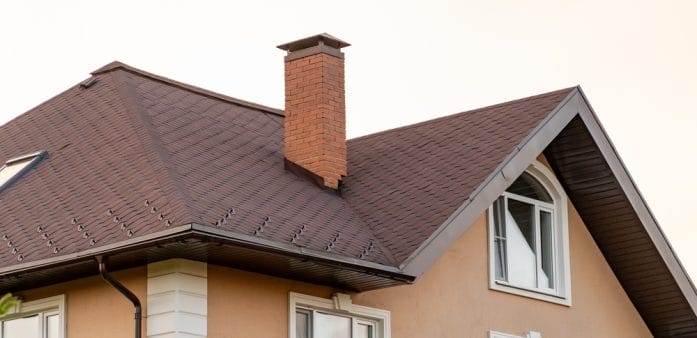
8. The Chimney and Flashing Issues That Stand Out From Above

Aerial photos can highlight gaps, cracks, or discoloration around chimneys and flashing, which insurers may interpret as potential leak points. Even minor wear can look significant from above, especially if the photo captures shadows or debris.

Insurers often flag these areas as high‑risk, leading to repair demands or non‑renewals. Having a professional inspect and maintain your chimney and flashing can help prevent misunderstandings and ensure your home passes aerial scrutiny.

The Sky Isn’t Falling — But Your Coverage Might Be

Aerial imagery has transformed the way insurers evaluate homes, and while it offers efficiency and accuracy, it also introduces new challenges for homeowners. Moss on shingles, overhanging branches, algae streaks, and other seemingly minor issues can now be detected instantly and used as grounds for denial. The key to staying protected is staying proactive. Regular maintenance, documentation, and awareness of how your home appears from above can help you avoid unpleasant surprises. Insurance companies may be watching from the sky, but with the right preparation, you can stay one step ahead.

What surprising issues have you encountered with homeowners’ insurance inspections? Have you seen drones flying around your home and reporting on you? Tell us everything you know about this new insurance phenomenon in the comments section.

You May Also Like…

The Drone Inspection Finding That’s Triggering Homeowner Policy Cancellations

The Roof Age That Automatically Disqualifies Florida Homes From Coverage

Crisis Proof: 10 Buffer Strategies Advisors Use to Protect Clients From Market Shock

The $2,000 Average National Homeowner Premium — Highest Share of Mortgage Payment Ever

Heritage Insurance Approved: 9.6% Premium Drop for Seminole County Homeowners

Brandon Marcus
Brandon Marcus

Brandon Marcus is a writer who has been sharing the written word since a very young age. His interests include sports, history, pop culture, and so much more. When he isn’t writing, he spends his time jogging, drinking coffee, or attempting to read a long book he may never complete.
Filed Under: Insurance Tagged With: aerial imagery, home maintenance, homeowners insurance, homeownership, insurance denials, insurance industry, moss on shingles, property insurance, Real estate, risk assessment, roof inspections

California Insurance Crisis: 13% of Home Sales Failed Due to No Coverage Available

February 9, 2026 by Brandon Marcus Leave a Comment

California Insurance Crisis: 13% of Home Sales Failed Due to No Coverage Available

Image source: shutterstock.com

California’s housing market has always been dramatic, but the newest twist isn’t coming from bidding wars, interest rates, or inventory shortages. It’s coming from something far more fundamental: the ability to insure a home at all.

In a state where wildfire seasons have grown longer and more destructive, and where insurers are reassessing risk at a scale never seen before, the simple act of securing homeowners insurance has become a make‑or‑break moment in the homebuying process. According to the California Association of Realtors, 13 percent of real estate agents reported a sale falling out of escrow because the buyer could not obtain insurance. That number is staggering, not only because it represents more than one in eight transactions, but because it signals a shift in how fragile the path to homeownership has become.

When Insurance Becomes the Dealbreaker

For decades, homeowners’ insurance was a predictable, almost routine part of buying a home. You found a carrier, got a quote, and checked the box. But in today’s California, that box has turned into a flashing warning sign. The 13 percent failure rate reported by the California Association of Realtors reflects a growing reality: buyers are discovering that insurers are declining applications outright, especially in areas with elevated wildfire risk.

This isn’t about high premiums or tough underwriting; it’s about the complete absence of available coverage from major carriers. When a buyer can’t secure insurance, lenders won’t finalize the mortgage, and the deal collapses, no matter how perfect the home may be. The fallout is immediate and costly, leaving buyers devastated, sellers scrambling, and agents navigating a landscape where insurance is now one of the biggest wildcards in a transaction.

Why Insurers Are Pulling Back So Dramatically

The roots of California’s insurance crisis run deep, shaped by a combination of climate‑driven disasters, financial pressures, and regulatory constraints. Wildfires have grown more destructive, fueled by hotter temperatures, drier landscapes, and longer fire seasons. Insurers have absorbed billions in losses, and many have concluded that the risk in certain regions is simply too high to sustain.

At the same time, California’s regulatory framework limits how quickly insurers can raise premiums, making it difficult for companies to adjust rates in line with rising risk and soaring reinsurance costs. Reinsurance—the insurance that insurance companies buy to protect themselves—has become significantly more expensive worldwide.

When insurers can’t price policies to match the risk or the cost of protecting themselves, they retreat. That retreat has taken the form of paused applications, reduced coverage areas, and non‑renewals that leave homeowners scrambling for alternatives.

The Ripple Effects Hitting Buyers, Sellers, and Entire Communities

A failed home sale is more than a disappointing phone call; it’s a disruption that reverberates through the entire housing ecosystem. Buyers who lose a deal due to insurance often face emotional and financial setbacks, especially if they’ve already invested in inspections, appraisals, or moving plans. Sellers may see their property return to the market with a stigma attached, as future buyers wonder whether they’ll face the same insurance roadblock.

In high‑risk areas, the pool of eligible buyers shrinks, potentially softening home values and slowing local market activity. Communities feel the strain as well. When insurance becomes scarce, it discourages new residents, complicates development, and creates a divide between areas that insurers still consider viable and those they no longer will touch.

California Insurance Crisis: 13% of Home Sales Failed Due to No Coverage Available

Image source: shutterstock.com

How Homebuyers Can Protect Themselves in This New Reality

In a market where insurance availability can make or break a deal, buyers need to approach the process with a new level of strategy. One of the smartest moves is to involve an independent insurance broker early—ideally before making an offer. Brokers have access to multiple carriers and can quickly assess whether a property is insurable and at what cost.

Buyers should also research a home’s wildfire risk score, defensible space requirements, and local mitigation efforts. Properties with fire‑resistant roofs, cleared vegetation, and hardened structures may be more appealing to insurers. For those already insured, maintaining a strong relationship with your current carrier is essential. Avoid lapses in coverage, keep your home well‑maintained, and document any mitigation work you complete.

A Market Redefined by Risk and Resilience

California’s insurance crisis is more than a temporary disruption; it’s a sign of how climate risk is reshaping the financial foundations of homeownership. The 13 percent failure rate reported by the California Association of Realtors is not an isolated statistic—it’s a warning about the fragility of a system that depends on insurability to function.

Addressing this challenge will require coordinated efforts from homeowners, insurers, regulators, and communities. Hardening homes, improving local infrastructure, modernizing risk models, and updating regulatory frameworks are all part of the long‑term solution. For now, buyers and homeowners must navigate a landscape where insurance is no longer a formality but a central factor in every real estate decision.

What challenges have you faced when trying to secure homeowners’ insurance in today’s market? Are you a California homeowner with stories to share? Make sure to do so in the comments below.

You May Also Like…

13% of California Realtors Report Sales Falling Through Due to Insurance Issues

Buddhism in California: 10 Interesting Facts About The City of Ten Thousand Buddhas

California’s Insurance Cancellation Crisis: 3.18% of Homeowners Lost Coverage in 2024

Florida Homeowners Are Seeing Insurance Rates Decreasing In 2026

The $2,000 Average National Homeowner Premium — Highest Share of Mortgage Payment Ever

Brandon Marcus
Brandon Marcus

Brandon Marcus is a writer who has been sharing the written word since a very young age. His interests include sports, history, pop culture, and so much more. When he isn’t writing, he spends his time jogging, drinking coffee, or attempting to read a long book he may never complete.

Filed Under: Insurance Tagged With: California Association of Realtors, California housing market, climate change, FAIR Plan, home buying, homeowners insurance, insurance crisis, market analysis, property insurance, real estate trends, wildfire risk

Florida Homeowners Are Seeing Insurance Rates Decreasing In 2026

February 7, 2026 by Brandon Marcus Leave a Comment

Florida Homeowners Are Seeing Insurance Rates Decreasing In 2026

Image source: shutterstock.com

If you’re a Florida homeowner, you’ve probably spent the last few years opening your insurance renewal notices with the same energy you’d reserve for a horror movie. Premium hikes became so routine that many people stopped asking “if” rates would rise and started asking “by how much.”

But as 2026 begins, something genuinely surprising is happening: multiple insurers have filed for rate decreases with the Florida Office of Insurance Regulation (OIR). After years of market instability, litigation costs, and reinsurance spikes, the tide is finally shifting — and homeowners are more than ready for the relief. These filings aren’t rumors or wishful thinking; they’re part of a real, documented trend showing that Florida’s insurance market is stabilizing in ways many thought impossible just a few years ago.

Several Private Insurers Have Filed for Rate Decreases With the Florida OIR

Florida’s OIR has confirmed that multiple private insurers have submitted filings requesting rate decreases for 2026. These filings reflect improved financial performance, better loss ratios, and a more predictable claims environment.

While each company’s filing varies, the overall direction is unmistakable. Insurers are confident enough in the market to reduce rates rather than raise them, something that hasn’t been common in Florida for quite some time. For homeowners, this means 2026 is shaping up to be one of the most promising years in recent memory for potential savings.

Some Insurers Are Lowering Rates in Counties With Improved Loss Histories

Not all rate decreases apply statewide. Several insurers have filed for reductions in counties where claims have been lower or where storm activity has been less severe in recent years. This targeted approach allows insurers to pass savings on to homeowners in areas where risk has genuinely declined. It also reflects a more nuanced understanding of Florida’s diverse risk landscape, where one county may experience repeated storm losses while another remains relatively stable.

If you live in a region that hasn’t seen major storm damage recently, you may be among the homeowners who benefit the most from these filings.

Legislative Reforms Are Finally Producing Measurable Results

Florida’s insurance reforms are beginning to show tangible effects. Insurers have publicly stated that these reforms have reduced legal expenses and improved predictability in the claims process. Lower operating costs mean some companies can now justify rate decreases, something that would have been nearly impossible just a few years ago.

For homeowners, this is proof that policy changes can eventually translate into real‑world financial relief, even if the improvements take time to materialize.

Reinsurance Stabilization Is Helping Insurers Lower Premiums

Reinsurance — the insurance that insurance companies buy — has been one of the biggest drivers of Florida’s premium increases. When reinsurance prices spike, insurers have little choice but to pass those costs on to policyholders. But as the reinsurance market stabilizes and pricing becomes more predictable, insurers are gaining breathing room. Several companies have cited improved reinsurance conditions as a key reason they can file for rate decreases heading into 2026.

This is a promising sign for long‑term market health and a major factor behind the shift toward lower premiums.

Some Insurers Are Offering Decreases for Homes With Strong Mitigation Features

Homes with hurricane‑resistant features are becoming increasingly attractive to insurers. As a result, some companies have filed for rate decreases specifically for homeowners who meet certain mitigation standards. These reductions reward homeowners who invest in strengthening their properties and help reduce overall risk in the market.

If you’ve made improvements to your home, it’s worth checking whether you qualify for additional savings in 2026.

Florida Homeowners Are Seeing Insurance Rates Decreasing In 2026

Image source: shutterstock.com

Competitive Pressure Is Encouraging More Insurers to Adjust Rates

As more insurers file for decreases, others may follow suit to remain competitive. Florida’s insurance market has been gradually attracting new companies and encouraging existing ones to expand their offerings.

When one insurer lowers rates, others often respond to avoid losing customers — especially in regions where homeowners finally have multiple options again. This competitive environment is one of the reasons 2026 is shaping up to be a turning point for Florida homeowners.

Citizens’ Market Changes Are Influencing Private Insurer Pricing

Citizens Property Insurance, the state‑backed insurer, plays a major role in Florida’s insurance landscape. As Citizens adjusts its own rates and continues efforts to shift homeowners back into the private market, private insurers are responding with more competitive pricing.

While Citizens’ rates are regulated differently, its market influence is significant — and its actions often encourage private insurers to adjust their filings accordingly. For homeowners, this means more opportunities to compare quotes and potentially save money.

Florida Homeowners Finally Have a Reason to Feel Hopeful

After years of skyrocketing premiums and shrinking options, Florida’s homeowners insurance market is showing real signs of recovery. Rate decrease filings from multiple insurers — combined with legislative reforms, improved reinsurance conditions, and increased competition — are creating a more stable environment for 2026.

While not every homeowner will see a decrease, the overall trend is undeniably positive. This year, take the time to review your policy, compare quotes, and ask your insurer whether you qualify for any new reductions. Even a small decrease can make a meaningful difference.

Are you a Florida homeowner? Has your insurer mentioned any rate changes for 2026? Give us your stories in the comments section.

You May Also Like…

The Roof Age That Automatically Disqualifies Florida Homes From Coverage

Florida Homeowners See First Rate Decrease in 10 Years — Citizens Property Insurance Dropping Premiums 2.6%

6 States Where Homeownership Is Getting More Expensive in 2026 — Here’s Why

The Credit Score That Adds $2,000/Year to Florida Homeowner’s Insurance Premiums

The Sunshine State Squeeze: Why Florida Retirees are Seeing Smaller Social Security Checks This Week


Brandon Marcus
Brandon Marcus

Brandon Marcus is a writer who has been sharing the written word since a very young age. His interests include sports, history, pop culture, and so much more. When he isn’t writing, he spends his time jogging, drinking coffee, or attempting to read a long book he may never complete.
Filed Under: Insurance Tagged With: 2026 trends, Citizens Property Insurance, Consumer Protection, financial news, Florida homeowners, Florida insurance, homeowners insurance, insurance rates, insurance reforms, property insurance, State Farm

California’s Insurance Cancellation Crisis: 3.18% of Homeowners Lost Coverage in 2024

February 3, 2026 by Brandon Marcus Leave a Comment

California's Insurance Cancellation Crisis: 3.18% of Homeowners Lost Coverage in 2024

Image source: shutterstock.com

If you thought your auto insurance drama was wild, wait until you hear what’s happening with California’s homeowners insurance. In 2024, a staggering 3.18% of homeowners in the Golden State saw their policies canceled or not renewed—one of the highest rates in the entire country.

That might sound like just another number, but when you imagine roughly one in every 30 homeowners losing coverage, the reality hits like a surprise wildfire drill in your living room.

Why 3.18% Matters: The Numbers Behind the Crisis

Numbers on their own can feel dry, but this 3.18% figure tells a bigger story. According to industry data, California recorded the second-highest rate of homeowners’ insurance policy cancellations and non-renewals in the United States in 2024. More than three out of every hundred homes statewide suddenly found themselves without the basic financial protection most lenders require to secure a mortgage.

And that’s not because they were not paying their bills. In fact, many had solid histories. Some were canceled simply because insurers reevaluated risk in high-hazard areas or decided the math no longer added up. That’s a sobering thought for anyone who owns—or hopes to own—a home in fire-prone California.

What’s Driving Insurers Away? Wildfires, Risk, and Regulation

So why the sharp uptick in cancellations? It’s not one single villain, but a perfect storm of factors that have made writing homeowner policies a headache for insurance companies.

First and foremost, California is wildfire country. The state has endured some of the most destructive fire seasons in U.S. history over the past decade. These blazes have forced insurers to pay out record-setting claims and rethink their exposure to loss. Unlike smaller risks that can be predicted with some confidence, wildfire behavior can turn on a dime—leaving insurers with catastrophic bills and little appetite for more.

Now, combine that with regulatory rules in California that limit how much insurers can raise premiums to adapt to rising risk. It means companies are often required to hold rates lower than what their models might demand, squeezing profitability. Facing this squeeze, many insurers have chosen to shrink their footprint or exit altogether rather than continue writing policies they see as financially unsustainable.

The Stories Behind the Statistics

Statistics are one thing, but what about the people behind them? Imagine retiring to a lifelong dream home, only to get a letter saying your insurer won’t renew your coverage. Or picture trying to sell a property and watching deals fall through because potential buyers can’t find any insurer willing to touch certain ZIP codes.

That’s the reality for many Californians. In some communities, especially near fire-prone wildland areas, non-renewal rates soared. Homeowners in places like the Pacific Palisades saw insurers pull out en masse, leaving families scrambling to find alternatives.

What California Is Trying (and What Homeowners Can Do)

Is California just destined for insurance doom? Not quite. The state’s Department of Insurance has undertaken a suite of reforms aimed at stabilizing the market and encouraging insurers to write more policies—especially in high-risk areas. These measures include allowing insurers to incorporate catastrophe modeling into rate decisions and incentivizing coverage expansion across wildfire-distressed regions.

For homeowners themselves, preparedness is key. Mitigating risk by creating defensible space around your home, investing in fire-resistant upgrades, and understanding your insurance options can all improve your odds of staying covered.

California's Insurance Cancellation Crisis: 3.18% of Homeowners Lost Coverage in 2024

Image source: shutterstock.com

What This Means for Homeownership in the Golden State

California’s homeowners insurance crisis isn’t just a headline—it’s a shifting landscape that affects property values, mortgage approvals, and the peace of mind of millions. When 3.18% of homeowners lose coverage in a single year, it signals more than just a statistic. It points to broader systemic challenges that touch everything from climate change and market economics to public policy and personal financial planning.

The coming years will be critical. Will the reforms encourage insurers to return? Can communities adapt to an era of heightened wildfire risk? And perhaps most importantly, will everyday homeowners be able to protect their most valuable asset without breaking the bank?

A New Chapter in California Homeownership

California’s home insurance landscape is changing fast, maybe faster than many anticipated. With significant numbers of policies canceled, rising premiums, and evolving regulations, this isn’t just a temporary blip. It’s a structural shift that homeowners, prospective buyers, policymakers, and insurers all have to reckon with.

Are you surprised by how deep this insurance crisis runs? What do you think California should do next to protect homeowners and keep the market alive? Let us know your take in the comments.

You May Also Like…

FireAid Concert Raises a Staggering $100 Million for LA Wildfire Relief—Here’s How It Happened

California FAIR Plan Exposure Doubles to $650 Billion — 35.8% Rate Hike Requested

The Hidden Cost of Rent Control in California

The Credit Score That Adds $2,000/Year to Florida Homeowner’s Insurance Premiums

The Florida Insurance Trap: Why “Safe” Neighborhoods Are Facing a $500 Monthly Payment Hike This Week

Brandon Marcus
Brandon Marcus

Brandon Marcus is a writer who has been sharing the written word since a very young age. His interests include sports, history, pop culture, and so much more. When he isn’t writing, he spends his time jogging, drinking coffee, or attempting to read a long book he may never complete.
Filed Under: Insurance Tagged With: California insurance crisis, FAIR Plan, home insurance cancellations, homeowner challenges, homeowners insurance, insurance market trends, insurance non-renewals, insurance reform, NAIC data, Ricardo Lara, Weiss Ratings, wildfire risk

The Roof Age That Automatically Disqualifies Florida Homes From Coverage

February 3, 2026 by Brandon Marcus Leave a Comment

The Roof Age That Automatically Disqualifies Florida Homes From Coverage

Image source: shutterstock.com

In Florida, your roof isn’t just a roof—it’s basically your insurance passport. You can have the perfect paint job, a gorgeous kitchen remodel, and the best landscaping on the block, but if your roof is “too old,” insurance companies may shut the door on coverage faster than a thunderstorm rolls in off the Gulf.

For thousands of homeowners, this isn’t theoretical—it’s happening in real time, often with shocking denial letters and non-renewal notices that seem to come out of nowhere. Roof age has quietly become one of the most powerful gatekeepers in Florida’s insurance market, and many homeowners don’t realize it until they’re already in trouble.

Why Florida Insurers Obsess Over Roof Age More Than Almost Anything Else

Florida’s insurance market isn’t just strict—it’s uniquely high-risk. Hurricanes, tropical storms, heavy rains, high humidity, and intense sun exposure all shorten the life expectancy of roofing materials compared to other parts of the country. Insurers look at roofs not as cosmetic features, but as frontline defense systems against catastrophic losses.

When a roof fails in a storm, the damage isn’t limited to shingles—it means water intrusion, mold, electrical damage, ruined interiors, and massive claims. That’s why roof age has become one of the easiest risk indicators for insurers to assess. From their perspective, an older roof isn’t just old—it’s statistically more likely to fail when Florida weather shows up uninvited and unannounced.

The “Magic Number” That Gets Homes Disqualified From Coverage

Here’s the truth most homeowners don’t hear clearly enough: many Florida insurance companies will not insure homes with roofs older than 15 years, regardless of visible condition. Some carriers allow up to 20 years, but that’s increasingly rare in today’s market. For tile, metal, and other specialty roofs, the acceptable age range is often longer—sometimes 25 to 40 years—but even those materials can face restrictions depending on inspection reports and underwriting guidelines.

This isn’t a statewide law, and it’s not a government rule—it’s underwriting policy, meaning private insurers set their own limits. But functionally, it acts like a hard stop for many homeowners. Once your roof crosses that age threshold, your options shrink fast, your premiums spike, and in many cases, you’re left scrambling for last-resort coverage or taking the first steps to replacing your roof.

Citizens Insurance and the “Last Resort” Reality

When private insurers say no, many Florida homeowners turn to Citizens Property Insurance Corporation, the state-backed insurer of last resort. But even Citizens has roof-age rules. For asphalt shingle roofs, Citizens generally requires the roof to be 15 years old or newer, unless a certified roof inspection proves it has at least five years of useful life remaining.

That means homeowners often have to pay for professional inspections just to stay insured—and even then, approval isn’t guaranteed. This creates a brutal cycle where homeowners are forced into either replacing a roof earlier than financially planned or risking being uninsured. It’s not about whether your roof looks fine—it’s about whether it fits the insurer’s risk model.

Why “It Looks Fine” Doesn’t Matter to Insurance Companies

A roof can look perfectly functional and still be rejected. Insurance underwriting isn’t based on visual appeal—it’s based on probability. Insurers use actuarial data, storm loss models, and historical claims trends to predict risk, not homeowner opinions or surface-level inspections. A 17-year-old asphalt shingle roof might look decent, but statistically, it’s far more likely to fail under hurricane-force winds than a newer one.

That’s why age becomes the deciding factor instead of condition alone. The system isn’t emotional—it’s mathematical, and Florida’s storm history has made those math models brutally conservative.

What Florida Homeowners Can Do Before Insurance Becomes a Crisis

The smartest move is planning ahead instead of reacting in panic. If your roof is approaching 15 years old, start budgeting and exploring options now—not when your renewal notice arrives. A professional roof inspection can sometimes buy you time, especially if the roof is in strong condition and properly maintained.

Keeping documentation, maintenance records, and inspection reports can also help when negotiating with insurers. If replacement is inevitable, choosing hurricane-rated materials and impact-resistant shingles can improve insurability and sometimes reduce premiums. Most importantly, talk to an independent insurance agent who understands Florida’s market—they often know which carriers are stricter and which ones still allow flexibility.

The Roof Age That Automatically Disqualifies Florida Homes From Coverage

Image source: shutterstock.com

Why This Problem Isn’t Going Away

Florida’s roof-age insurance issue isn’t a temporary trend—it’s part of a larger structural shift in the state’s insurance market. Rising reinsurance costs, climate risk modeling, litigation expenses, and repeated storm losses have reshaped how insurers operate.

Roof age is one of the easiest risk filters they can enforce without complex inspections or long underwriting processes. That means homeowners will likely see these age limits become more rigid, not more relaxed. For Florida homeowners, roof replacement is no longer just a maintenance decision—it’s an insurance survival strategy. The roof has become the gatekeeper to affordability, coverage access, and long-term financial stability.

The Real Wake-Up Call Florida Homeowners Can’t Ignore

Your roof is protecting your ability to stay insured in Florida’s increasingly unforgiving insurance market. Once it hits certain age thresholds, especially with asphalt shingles, it can quietly disqualify your home from coverage options you didn’t even realize were fragile. This isn’t fear-based hype—it’s the reality thousands of Florida homeowners are navigating every year. The earlier you understand it, the more control you have over your choices, your budget, and your future coverage options. In Florida, roof age isn’t just a number—it’s leverage, power, and access to insurance itself.

What’s the age of your roof right now, and have you had any surprises from your insurance company because of it? Drop your thoughts in the comments—we’d love to hear your story.

You May Also Like…

Florida Homeowners See First Rate Decrease in 10 Years — Citizens Property Insurance Dropping Premiums 2.6%

The Home Insurance Review Clause That’s Triggering Surprise Policy Cancellations in 2026

The Credit Score That Adds $2,000/Year to Florida Homeowner’s Insurance Premiums

The Sunshine State Squeeze: Why Florida Retirees are Seeing Smaller Social Security Checks This Week

The One Household Appliance That Will Spike Your Insurance Premiums if Discovered During Inspection

Brandon Marcus
Brandon Marcus

Brandon Marcus is a writer who has been sharing the written word since a very young age. His interests include sports, history, pop culture, and so much more. When he isn’t writing, he spends his time jogging, drinking coffee, or attempting to read a long book he may never complete.

Filed Under: Insurance Tagged With: Citizens Insurance, Florida homes, Florida housing, Florida insurance, homeowners insurance, homeownership tips, hurricane risk, insurance coverage, property insurance crisis, roof age, roof replacement

Florida Homeowners See First Rate Decrease in 10 Years — Citizens Property Insurance Dropping Premiums 2.6%

February 2, 2026 by Brandon Marcus Leave a Comment

Florida Homeowners See First Rate Decrease in 10 Years — Citizens Property Insurance Dropping Premiums 2.6%

Image source: shutterstock.com

If you’ve owned a home in Florida for more than a minute, you’ve probably felt like property insurance was a sneaky, ever-climbing cost that showed up on your bills just when you thought you could breathe. For years, homeowners across the Sunshine State watched premiums rise — sometimes dramatically — and wondered whether relief would ever come. Now, in a twist that feels almost unbelievable after a decade of increases, Florida homeowners who carry coverage through Citizens Property Insurance are poised to see premiums drop.

This marks the first rate decrease from the state’s insurer of last resort in roughly 10 years, and it’s a significant development that homeowners and potential buyers alike need to understand. As insurance markets stabilize and reforms bite, this isn’t just good news — it’s reshaping how families budget for housing costs heading into 2026 and beyond.

What Exactly Is Happening With Citizens Property Insurance

Citizens Property Insurance Corporation isn’t your average insurer — it’s Florida’s insurer of last resort, covering homes that private companies won’t touch because of risk or location. After years of skyrocketing premiums driven by litigation, extreme weather risk, and market volatility, Citizens has recommended a rate decrease of about 2.6% statewide.

This news is historic because it’s the first rate drop from Citizens since roughly 2015, a period that saw relentless increases for many policyholders. What makes this shift possible isn’t magic — it’s a combination of Florida’s insurance reforms, declining litigation costs, and a shrinking policy base as more homeowners move back into the private market.

How Florida Insurance Reform Helped Make This Rate Drop Possible

If it feels like Florida has been talking about insurance reform forever, that’s because it has and you’re now starting to see the results. Major legislative changes tackled some of the biggest cost drivers in the state market, especially frivolous litigation and abusive claims practices that clogged courts and drove up insurer losses.

Those reforms made it less expensive and less risky for companies to write policies again, which brought competition back into the market. When there’s real competition, prices tend to soften, and that’s exactly what’s happening as private insurers file their own alongside Citizens’ move.

Homeowners in many parts of the state may now see meaningful savings as insurers recalibrate their costs and compete for business. So yes, policy changes in Tallahassee are now doing more than just talk — they’re showing up in your insurance bill.

What This Means For Homeowners Across The State

If you live anywhere from the Gulf Coast to Miami, a rate decrease — even a modest one like 2.6% — can free up real money in your monthly budget. The exact savings differ by county and by carrier, but officials say a large chunk of Citizens customers could see even bigger cuts in some areas.

Homeowners could see reductions when private market adjustments are factored in. Those aren’t just nice round numbers on paper — they add up to hundreds of dollars per household every year, dollars you could redirect toward roofing improvements, emergency savings, or family outings. But remember: not everyone will see the same decrease, and some may see their coverage shift entirely to private insurers with different rate structures.

Why You Should Still Shop for Your Insurance Policy

Even with a Citizens rate drop on the table, now is a strategic moment to go shopping for insurance rather than automatically sticking with whatever company you have. Competition is returning, and that means options. Agents recommend comparing quotes and policies from multiple carriers, because in a shifting market you might find a private insurer willing to offer broader coverage and a lower price. And if your home is currently insured through Citizens, you may be eligible for what’s known as a “take-out offer” from private companies willing to cover you for less, depending on your location and home profile.

Before you assume dropping is going to be simpler or cheaper, make sure you fully understand the coverages, deductibles, and rules — especially hurricane coverage, which is a big deal in Florida.

What Homeowners Can Do Right Now To Maximize Savings

First, read your renewal notice carefully. If Citizens or your current carrier offers a rate decrease, make sure you understand exactly how much you’ll save and whether coverage limits change. Second, get at least two or three competing quotes from private insurers to see if you can beat that price.

Third, consider home improvements that insurers reward — such as fortified roofing, impact-resistant windows, and updated electrical systems — because many companies offer discounts when you reduce known risks.

Finally, don’t ignore your agent’s advice; a good agent can help you navigate not just price but coverage quality, exclusions, and storm season readiness. When insurance costs are finally bending downward, being proactive can help you turn that change into real savings in your pocket.

What This Really Means For Florida Homeowners

This isn’t just a temporary blip or a minor adjustment — Florida’s first homeowners insurance rate decrease from Citizens in over a decade signals a deeper shift in a market that for years left families frustrated and financially squeezed. It reflects improved industry health, better regulatory balance, and expanding competition that puts money back into people’s budgets at a time when the cost-of-living pressures are everywhere. Homeowners should welcome the relief but treat it as a starting point to take control of their insurance strategy, not as a finish line they’ve crossed forever.

How much has your homeowners’ insurance cost changed over the last five years — and would a rate decrease like this make a real difference in your household budget? Tell your tales in the comments below.

You May Also Like…

The Home Insurance Review Clause That’s Triggering Surprise Policy Cancellations in 2026

The Sunshine State Squeeze: Why Florida Retirees are Seeing Smaller Social Security Checks This Week

Top 3 Water Damage Claims Home Insurance Actually Covers

Top 10 Reasons Boomers Were Right About Homeownership: Is It Too Late for Millennials?

The Tax Document Most Homeowners Fail to Update That Triggers Surprise Liens

Brandon Marcus
Brandon Marcus

Brandon Marcus is a writer who has been sharing the written word since a very young age. His interests include sports, history, pop culture, and so much more. When he isn’t writing, he spends his time jogging, drinking coffee, or attempting to read a long book he may never complete.
Filed Under: Insurance Tagged With: Citizens Property Insurance, Cost of living, Florida insurance, Florida reforms, homeowners insurance, homeownership, insurance rates 2026, insurance savings, property insurance tips

Why Major Insurers Are Quietly Canceling 2026 Policies Using Satellite Photos

February 1, 2026 by Brandon Marcus Leave a Comment

Why Major Insurers Are Quietly Canceling 2026 Policies Using Satellite Photos

Image source: shutterstock.com

One day, you may open your mailbox expecting junk mail and maybe a coupon for pizza, and instead find a crisp, official letter from your insurance company saying they’re ending your policy. No claim. No accident. Just a snapshot taken from space—or so they say.

It sounds like the setup to a pulp thriller where Big Brother has upgraded from street cameras to satellites, but this is the real world of home insurance in 2026. Nobody wants their roof to be judged by a fly‑over photo, yet that’s exactly the high‑tech twist unfolding in the market right now.

When Underwriting Goes Up… Literally

You might have heard insurance companies send inspectors for a property visit back in the day—someone with a clipboard driving up your driveway, taking pictures of the roof, the siding, and maybe complimenting your landscaping.

Well, those days are fading fast. Today, insurers are tapping aerial imagery sourced from satellites, drones, and AI‑analyzed photos to evaluate risk and make decisions about your policy without ever stepping foot on your lawn. It’s faster, cheaper, and increasingly common—but also controversial.

Instead of a local adjuster inspecting one house at a time, companies can scan thousands of rooftops in minutes. But like any technology, it has limitations—and that’s where things get messy for homeowners.

The “Satellite Snapshot” That Can Sink Your Policy

Companies are sometimes basing non‑renewals, cancellations, or rate hikes on what they see from above. If a roof looks discolored, shadows make it appear damaged, or nearby trees cast ominous silhouettes, algorithms might flag those as risk factors. In some cases, insurers have even issued letters demanding repairs based on these aerial images—or sent non‑renewal notices without any physical inspection.

To be clear, aerial imagery can be a valid tool for assessing property condition, and many insurers pair it with additional checks before making a final call. But rapid data processing and AI scoring systems have, in some instances, triggered policy actions before a human reviews the case—which leaves homeowners scrambling for answers.

Why Major Insurers Are Quietly Canceling 2026 Policies Using Satellite Photos

Image source: shutterstock.com

The Invisible Premium Pressure Pump

It’s not just about cancellations. Insurance costs have been climbing for years, and the trend is continuing into 2026. Some data suggests average policies are still rising significantly, putting pressure on homeowners’ wallets. While not every insurer is dropping policies en masse, this combination of rising costs and tighter underwriting can feel like a “trap” when you get hit with a surprise non‑renewal or hefty price jump at renewal time.

This pressure is partly driven by higher claim costs nationwide and the need for insurers to rebalance their portfolios. By focusing on micro‑risks at the ZIP‑code or even property level, companies are making decisions in what feels like hyper‑local detail—sometimes with minimal explanation.

What Rights You Have (And What You Don’t)

So what happens when you get one of these letters? First, it’s important to know that insurers can non‑renew policies at the end of a term for many reasons, but they usually give notice.

Some states and regulators have issued guidelines urging carriers to use aerial photos responsibly and to share them with policyholders, allowing homeowners to contest inaccuracies. These measures stem from documented cases where outdated or misleading images led to erroneous policy actions.

But for now, your rights vary depending on where you live, and many homeowners find themselves in unfamiliar territory when contesting a non‑renewal. That makes being proactive—and informed—all the more important.

How You Can Fight Back (And Stay Insured)

Don’t panic, but do pay attention. If you receive a non‑renewal or an unexpected rate hike, there’s a strategy that can help.

If your insurer used an aerial photo to make a decision, request to see it. Knowing the exact image and timestamp gives you a fighting chance to correct errors or explain changes. Many insurers will comply if asked—even if they aren’t required to.

Keep up‑to‑date photographs, repair receipts, and professional inspection reports. If an aerial image looks misleading, your own documentation can counter it. It’s like having your own high‑def rebuttal ready.

If you can’t convince one insurer to renew, start shopping for others before your policy expires. A gap in coverage can be costly and make future coverage harder to find.

Understanding the New High‑Tech Insurance Reality

Home insurance in 2026 isn’t your parents’ old policy anymore. With satellites, drones, and AI tightening the underwriting microscope, the industry has entered a new era where a pixel in the sky can influence your financial security. But armed with knowledge, documentation, and a proactive mindset, you don’t have to be at the mercy of unseen eyes.

What’s the craziest insurance letter you’ve ever received? Have you ever been hit with a non‑renewal or rate hike based on imagery you thought was unfair? Share your story below.

You May Also Like…

The Tax Document Most Homeowners Fail to Update That Triggers Surprise Liens

How to File an Insurance Claim After a Car Accident (Step-by-Step Guide to Maximizing Your Payout)

The Home Insurance Review Clause That’s Triggering Surprise Policy Cancellations in 2026

7 Fine-Print Exclusions in Your Homeowner’s Policy That Could Cost You Everything

The Florida Insurance Trap: Why “Safe” Neighborhoods Are Facing a $500 Monthly Payment Hike This Week

Brandon Marcus
Brandon Marcus

Brandon Marcus is a writer who has been sharing the written word since a very young age. His interests include sports, history, pop culture, and so much more. When he isn’t writing, he spends his time jogging, drinking coffee, or attempting to read a long book he may never complete.

Filed Under: Lifestyle Tagged With: 2026 insurance trends, aerial imagery, Consumer Protection, drone inspections, Home, homeowner, homeowners, homeowners insurance, homeownership, homeownership tips, insurance premiums, Life, Lifestyle, policy cancellation, satellite photos, underwriting technology

14 Costly Disasters That Happen When You Renovate Without a Permit

November 3, 2025 by Travis Campbell Leave a Comment

renovate

Image source: shutterstock.com

Homeowners who want to renovate their property should assess the risks of performing work without obtaining the necessary permits. The practice of bypassing permits during renovation work appears to save time and money but results in costly problems. Building codes at the local level serve multiple purposes, including maintaining safety standards, protecting property values, and preventing legal issues. The costs of non-compliance with regulations will exceed the amount you paid for the permit. The following section examines 14 potential disasters that can occur when homeowners undertake renovations without obtaining proper permits.

1. Failed Home Inspections

If you renovate without a permit, your home might not pass future inspections. This can happen when you sell or refinance. Inspectors will spot unpermitted work, leading to delays, fines, or even demands to tear out the changes. The cost and hassle of fixing these issues can be significant.

2. Voided Homeowners Insurance

Insurance companies expect you to follow building codes. If you file a claim related to unpermitted work, your insurer might deny it. This could leave you paying out of pocket for repairs after a fire, flood, or accident. Renovating without a permit can put your financial safety net at risk.

3. Steep Fines and Penalties

When the city discovers that you skipped a permit, you may face fines. These penalties often cost more than the original permit. Some municipalities charge double or triple fees as punishment for illegal work. In extreme cases, legal action can follow, adding to your stress and expense.

4. Forced Removal of Improvements

Imagine building your dream addition, only to be told you must tear it down. Cities can require you to remove any changes made without a permit. The demolition and restoration costs can be crushing. All your hard work could vanish, along with your investment.

5. Difficulty Selling Your Home

Unpermitted renovations make selling tricky. Buyers often want assurance that everything is up to code. If they learn you renovated without a permit, they might walk away or demand a lower price. Some lenders won’t approve mortgages on homes with unpermitted work.

6. Reduced Home Value

Your home’s value depends on its legal status. Renovations without permits don’t count toward official square footage or features. Appraisers may ignore these improvements, meaning you won’t get credit for them when you sell or refinance.

7. Unsafe Living Conditions

Permits ensure renovations meet safety standards. Without oversight, mistakes can go unnoticed, such as faulty wiring, poor plumbing, or unstable structures. This puts your family at risk. Renovating without a permit can lead to dangerous living conditions.

8. Problems With Future Renovations

In the future, you may want to take on more responsibilities. If inspectors find unpermitted changes, they may halt your new project until you resolve old issues. This can delay your plans and add unexpected costs.

9. Complications With Neighbors

Neighbors sometimes report work they suspect is unpermitted, especially if it affects them. Renovating without a permit can spark disputes, complaints, or even lawsuits. Good fences may make good neighbors—but so do proper permits.

10. Tax Assessment Surprises

Unpermitted improvements can still catch the eye of tax assessors. If they discover your upgrades, your property taxes may rise unexpectedly. However, you may not fully realize the value of the renovation if it’s not officially recognized.

11. Legal Liability for Injuries

If someone gets hurt because of faulty work, you could be sued. Without a permit, it’s harder to prove the work was done safely. Renovating without a permit increases your legal risk if an accident happens on your property.

12. Poor Workmanship and Lack of Oversight

Permits require inspections at key stages. Skipping them often results in lower-quality work, especially when hiring unlicensed contractors. Mistakes may not become apparent until years later, resulting in costly repairs.

13. Difficulty Getting Future Permits

Once you’re caught renovating without a permit, the city may scrutinize you more closely. Obtaining approval for future projects may become more challenging, time-consuming, or costly.

14. Problems With Insurance Claims When Selling

Even after you sell, if problems arise from your unpermitted work, the buyer’s insurance company may pursue you legally. This can lead to ongoing legal and financial headaches long after you thought the project was complete.

How to Avoid the Pitfalls of Renovating Without a Permit

The urge to begin a project or save money on costs might lead people to start renovations without obtaining proper permits. The dangers of unauthorized renovation work create major threats to your financial stability, personal safety, and mental comfort. Always verify with your local building department before beginning any modifications to your property. Most urban areas provide accessible resources and hotline services that enable residents to identify which construction work needs official authorization.

You can find the necessary information about permit requirements through your city website or by contacting a reliable source. Your contractor should obtain all required permits for your project when you work with them.

Have you encountered any issues during your renovation project? Please share your renovation experiences through the comment section.

What to Read Next…

  • Why Are So Many DIY Projects Actually Illegal In Your County?
  • 9 Renovation Grants That Can Backfire On Your Estate
  • 5 Home Investment Plans That Legal Experts Say To Avoid
  • 10 Items That Could Void Your Homeowners Insurance Instantly
  • 5 Emergency Repairs That Could Force You Into Debt Overnight
Travis Campbell
Travis Campbell

Travis Campbell is a digital marketer/developer with over 10 years of experience and a writer for over 6 years. He holds a degree in E-commerce and likes to share life advice he’s learned over the years. Travis loves spending time on the golf course or at the gym when he’s not working.

Filed Under: Home Improvement Tagged With: building codes, DIY, home renovation, homeowners insurance, legal issues, permits, property value

  • « Previous Page
  • 1
  • 2
  • 3
  • Next Page »

FOLLOW US

Search this site:

Recent Posts

  • Can My Savings Account Affect My Financial Aid? by Tamila McDonald
  • 12 Ways Gen X’s Views Clash with Millennials… by Tamila McDonald
  • What Advantages and Disadvantages Are There To… by Jacob Sensiba
  • 10 Tactics for Building an Emergency Fund from Scratch by Vanessa Bermudez
  • Call 911: Go To the Emergency Room Immediately If… by Stephen Kanaval
  • 7 Weird Things You Can Sell Online by Tamila McDonald
  • 10 Scary Facts About DriveTime by Tamila McDonald

Copyright © 2026 · News Pro Theme on Genesis Framework