• Home
  • About Us
  • Toolkit
  • Getting Finances Done
    • Hiring Advisors
    • Debt Management
    • Spending Plan
  • Insurance
    • Life Insurance
    • Health Insurance
    • Disability Insurance
    • Homeowners/Renters Insurance
  • Contact Us
  • Privacy Policy
  • Risk Tolerance Quiz

The Free Financial Advisor

You are here: Home / Archives for homeowners insurance

The “Act of God” Clause Insurance Companies Are Using to Reject Storm Damage Claims

October 28, 2025 by Travis Campbell Leave a Comment

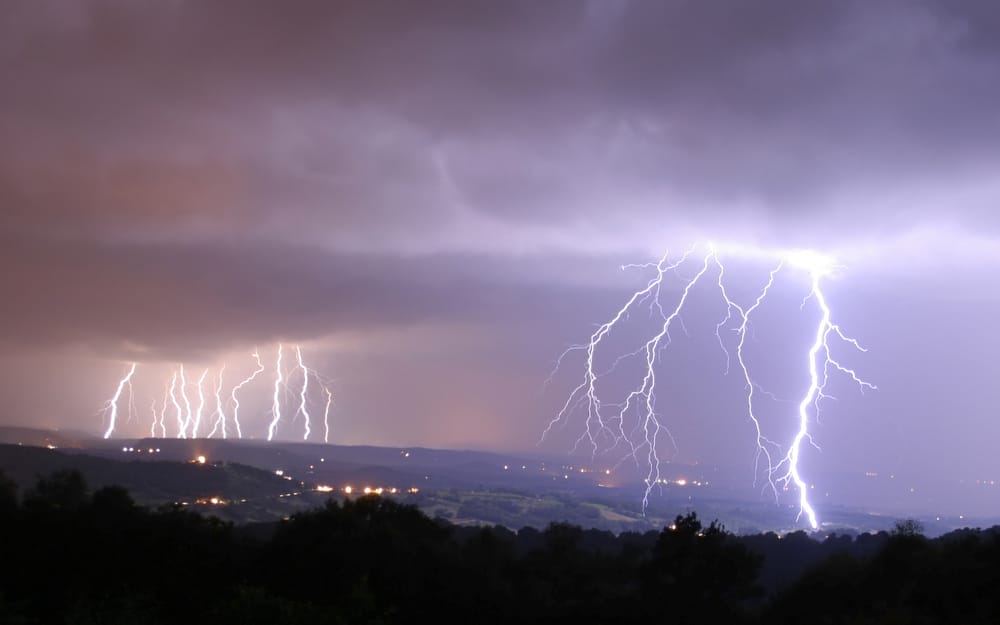
Lightning

Image source: shutterstock.com

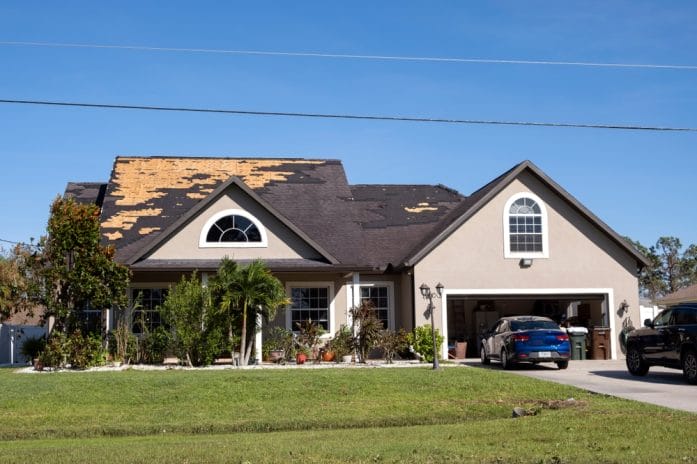
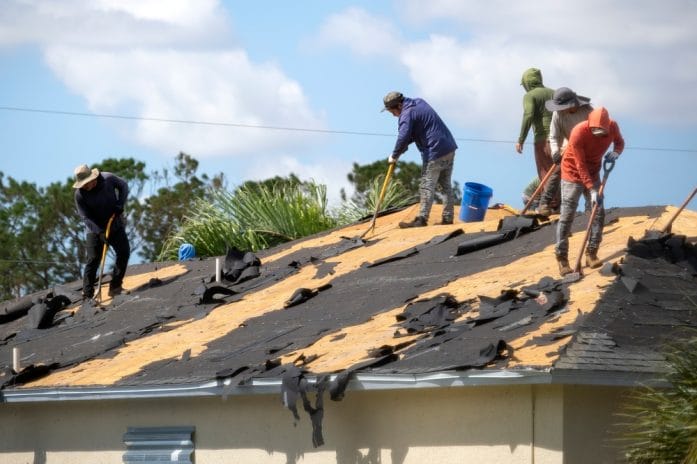
People seek assistance from their insurance providers after severe storms destroy their residential buildings and personal belongings. However, lately, more homeowners are having their claims denied because of a term hidden in their policy: the “Act of God” clause. Storm damage claimants who received a denial after their submission can find support in their situation. Insurance companies now use this clause to deny claims, resulting in financial difficulties for policyholders and dissatisfaction with insurance policies. The “Act of God” clause operates in a specific way, which you need to understand to manage your claims process better. To protect your home and finances, it’s essential to know what to look for and how to respond.

1. What Is the “Act of God” Clause?

The “Act of God” clause is a provision in many insurance policies that excludes coverage for events considered outside human control. Think earthquakes, hurricanes, tornadoes, or floods. These are natural disasters that insurers argue can’t be prevented or predicted. The primary SEO keyword for this article, “Act of God clause,” refers to these very situations.

Insurance companies include this language to limit their exposure to massive losses from catastrophic events. If a storm damages your roof, for example, your insurer might claim the damage was caused by an “Act of God” and deny your claim, even if you thought you were covered. The definition of what qualifies as an “Act of God” can be vague, and that’s where many disputes begin.

2. How Insurers Use the Act of God Clause to Deny Claims

Insurance companies are becoming more aggressive in using the Act of God clause to reject storm damage claims. After a major weather event, adjusters may inspect your property and decide the damage was caused by forces beyond anyone’s control. This gives them an opening to deny your claim, even if your policy includes coverage for wind or hail damage.

In some cases, insurers may argue that only certain types of storm damage are covered, while others fall under the Act of God clause. For example, they might cover wind damage but not flooding—even if both happened during the same storm. Policyholders are often left confused and frustrated, unsure of how to challenge the decision. If you find yourself in this situation, it’s important to review your policy and consider seeking help from a public adjuster.

3. The Fine Print: What Your Policy Really Says

Many people don’t read the details of their homeowners’ insurance policy until something goes wrong. The Act of God clause is often hidden in the exclusions or limitations section. It’s written in legal language that can be hard to interpret. Insurers rely on this confusion to limit payouts.

Take the time to review your policy’s definitions and exclusions. Some policies specifically name the events that are not covered. Others leave it open-ended, saying only that “unforeseeable acts of nature” are excluded. If the Act of God clause is vague, you may have room to argue your case. Keep copies of all correspondence with your insurer and document the damage thoroughly.

4. What Homeowners Can Do to Protect Themselves

Just because your claim was denied under the Act of God clause doesn’t mean you’re out of options. Start by asking your insurer for a detailed explanation of the denial. Request a copy of the adjuster’s report and compare it to your policy. Sometimes, claims are denied in error or because the insurer is betting you won’t push back.

If you believe your damage should be covered, consider filing an appeal. You can also contact your state’s insurance regulator to file a complaint. Some homeowners hire an independent adjuster to get a second opinion. In some cases, legal action may be necessary, but this should be a last resort. The key is to stay organized and persistent. Document every interaction, keep records, and don’t accept a denial without a fight.

5. Why the Act of God Clause Is Becoming More Common

Severe weather events are on the rise, and so are insurance claims. To limit losses, insurers are tightening policy language and relying more heavily on the Act of God clause. This shift helps them manage risk but puts more responsibility on homeowners to understand their coverage.

Some industry experts predict that as storms become more frequent, the use of the Act of God clause will continue to grow. This means more homeowners may face denied claims unless they take steps to protect themselves. If you live in an area prone to severe weather, review your policy every year and talk to your agent about what’s covered—and what isn’t.

Take Charge of Your Insurance Coverage

The Act of God clause serves as a significant obstacle for storm damage insurance claims but understanding it can help you defend your position. Don’t wait for a disaster to strike before familiarizing yourself with your policy. Review all the details and ask questions until you fully understand your insurance coverage for upcoming storms. If your claim is denied, don’t lose hope; there are ways to appeal and pursue a proper resolution.

Have you ever had a storm damage claim denied because of the Act of God clause? Share your experience or questions below. Your story could help others facing the same challenge.

What to Read Next…

  • What Insurance Fine Print Could Void Your Entire Claim
  • Top 3 Water Damage Claims Home Insurance Actually Covers
  • 7 Homeowner Insurance Exclusions That Void Entire Policies
  • The Insurance Clause That Could Nullify Your Entire Estate Plan
  • 8 Insurance Riders That Sound Helpful But Add No Value
Travis Campbell
Travis Campbell

Travis Campbell is a digital marketer/developer with over 10 years of experience and a writer for over 6 years. He holds a degree in E-commerce and likes to share life advice he’s learned over the years. Travis loves spending time on the golf course or at the gym when he’s not working.

Filed Under: Insurance Tagged With: Act of God clause, claims denial, Consumer Protection, homeowners insurance, Insurance, policy exclusions, storm damage

Your Ring Doorbell Is Recording Evidence That Could Void Your Homeowner’s Claim

October 20, 2025 by Travis Campbell Leave a Comment

rind doorbell

Image source: shutterstock.com

Smart home devices like the Ring doorbell have become a staple for homeowners seeking added security. These gadgets offer peace of mind, letting you see who’s at your door and monitor your property from anywhere. But what many people don’t realize is that your Ring doorbell could be quietly recording evidence that could void your homeowner’s claim. Insurance companies are increasingly turning to video footage as part of their investigation process. This means your own device might provide information that works against you if you ever need to file a claim.

Understanding how your Ring doorbell impacts your home insurance is more important than ever. There are real risks if you’re not careful about how you use and manage your video footage. Here’s what you need to know to protect yourself and your claim.

1. Your Ring Footage May Contradict Your Claim

Insurance companies look for inconsistencies when reviewing homeowner’s claims. If you say your house was broken into at 2 a.m., but your Ring doorbell evidence shows nothing happened during that time, your claim could be denied. In some cases, even small differences between your statement and what’s on video can raise red flags.

It’s not uncommon for adjusters to ask if you have security cameras or doorbell footage. If you provide it—or if they obtain it through other means—any discrepancies can be used against you. This is especially true if the footage shows someone entering your home with your permission, or if it captures you leaving a window unlocked. The details captured by your Ring doorbell can be more revealing than you realize.

2. Insurance Companies Can Request or Subpoena Footage

You might think your Ring recordings are private. However, insurance companies have the right to request evidence that’s relevant to your claim. In some situations, they may even subpoena your video footage. If you refuse to provide it, they could argue you’re not cooperating with the investigation, which may also void your claim.

This means you can’t assume your Ring doorbell evidence will stay private if you file a homeowner’s claim. Even if you delete footage, cloud backups, or shared access, it could still put it within reach of investigators. It’s important to know what’s being recorded and stored, just in case you need to hand it over.

3. Footage Can Reveal Policy Violations

Insurance policies often contain requirements about how you must maintain and secure your home. For example, you might be required to keep doors and windows locked, or to use certain types of locks. If your Ring doorbell evidence shows you leaving your door unlocked, or propping it open, your insurer could argue you failed to follow policy rules.

The same applies to claims involving accidents or injuries on your property. If footage shows you neglected basic maintenance or created a hazard, your insurer could use that as a reason to deny your claim. Video evidence is objective and hard to dispute, which makes it a powerful tool for insurance investigators.

4. Misinterpretation of Events Is Common

Ring doorbell cameras don’t capture everything, and sometimes what they record is open to interpretation. A shadow, a passing animal, or a glitch in the recording could be misread by an insurance adjuster. If your Ring doorbell evidence is unclear or doesn’t fully support your version of events, your claim might still be put at risk.

This is especially concerning if your footage is incomplete or missing key moments. Gaps in your recordings can raise suspicion, even if you had nothing to hide. It’s a good idea to regularly check that your Ring camera is functioning correctly and storing footage as expected.

5. Sharing Footage Online Can Backfire

Many people like to share interesting or suspicious activity from their Ring doorbells on social media or neighborhood apps. While this can help alert neighbors, it also creates a permanent record of events that insurers can find. If you post something publicly that contradicts your claim, or if comments reveal details you left out of your report, your insurer may use this information to deny your claim.

Think twice before sharing any Ring doorbell evidence online. Even seemingly harmless posts can be used out of context. Make sure you understand your insurance company’s policies and how they might interpret your online activity.

How to Protect Your Homeowner’s Claim When Using a Ring Doorbell

Awareness is the first step in protecting yourself. If you use a Ring doorbell, take the time to review what your device records and how long footage is stored. Make sure your camera is working properly and that you understand your insurance policy’s requirements for home security. If you’re involved in a claim, be honest and consistent in your statements, and consult with a professional if you’re unsure about sharing video evidence.

It’s also wise to read up on the latest privacy and insurance trends. Remember, your Ring doorbell evidence can be both a help and a hindrance. Use it thoughtfully to keep your home—and your insurance claim—safe.

Have you ever had to use Ring doorbell footage as part of a homeowner’s claim? Share your experience in the comments below!

What to Read Next…

  • 7 Ways Your Neighbor Could Be Spying On You Without Breaking The Law
  • 8 Common Home Security Features That Aren’t As Safe As You Think
  • 7 Homeowner Insurance Exclusions That Void Entire Policies
  • What Insurance Fine Print Could Void Your Entire Claim
  • How Your Wi-Fi Router Placement Might Be Sharing Personal Info
Travis Campbell
Travis Campbell

Travis Campbell is a digital marketer/developer with over 10 years of experience and a writer for over 6 years. He holds a degree in E-commerce and likes to share life advice he’s learned over the years. Travis loves spending time on the golf course or at the gym when he’s not working.

Filed Under: Home Improvement Tagged With: evidence, home security, homeowners insurance, insurance claims, privacy, Ring doorbell, smart home

10 Items That Could Void Your Homeowner’s Insurance Instantly

July 26, 2025 by Travis Campbell Leave a Comment

home insurance

Image Source: unsplash.com

Homeowner’s insurance is supposed to be your safety net. You pay your premiums, you expect coverage when things go wrong. But what if you accidentally do something that makes your policy worthless? Many people don’t realize that certain actions—or even simple oversights—can void their homeowner’s insurance instantly. That means if disaster strikes, you could be left paying out of pocket. Knowing what can trigger this is key. It’s not just about reading the fine print; it’s about protecting your home, your finances, and your peace of mind. Here are ten things that could void your homeowner’s insurance instantly.

1. Not Telling Your Insurer About Major Renovations

If you remodel your kitchen, add a room, or finish your basement, you need to tell your insurance company. Big changes can increase the value of your home or change its risk profile. If you don’t update your policy, your insurer might refuse to pay for damages related to those renovations. Even something as simple as installing a pool or a wood stove can change your coverage needs. Always call your agent before you start a major project.

2. Running a Business From Home Without Notifying Your Insurer

Many people work from home now, but running a business out of your house is different. If you store inventory, see clients, or use special equipment, your standard homeowner’s insurance probably won’t cover business-related losses. If you don’t tell your insurer, you risk voiding your policy. Some companies offer special endorsements for home businesses. It’s worth asking about if you’re making money from home.

3. Having Certain Dog Breeds or Exotic Pets

Some insurance companies have lists of dog breeds or exotic animals they won’t cover. If you own a breed considered “high risk,” like a pit bull or Rottweiler, and don’t tell your insurer, you could lose your coverage. The same goes for snakes, monkeys, or other unusual pets. If your pet bites someone or causes damage, your insurer might deny your claim. Always check your policy and be honest about your pets.

4. Leaving Your Home Vacant for Too Long

If you leave your home empty for more than 30 or 60 days (the exact time varies by policy), your coverage could lapse. Vacant homes are at higher risk for theft, vandalism, and damage. If you need to be away for an extended period, ask your insurer about a vacancy endorsement or special coverage. Don’t assume your regular policy will protect an empty house.

5. Failing to Maintain Your Property

Insurance is not a maintenance plan. If you let your roof leak, ignore plumbing problems, or let your yard become a hazard, your insurer can deny claims. They expect you to keep your home in good shape. If damage happens because of neglect, you might be on your own. Regular maintenance isn’t just about comfort—it’s about keeping your insurance valid.

6. Installing a Trampoline or Pool Without Notifying Your Insurer

Trampolines and pools are fun, but they’re also risky. Many insurers require you to report these additions. Some may even exclude them from coverage or raise their premiums. If you don’t tell your insurer and someone gets hurt, your claim could be denied. Always check before you install anything that could increase the risk of injury on your property.

7. Using Your Home for Illegal Activities

This one seems obvious, but it happens. If you use your home for illegal activities—like growing marijuana where it’s not legal, running an unlicensed daycare, or other prohibited uses—your insurance is at risk. If your insurer finds out, they can cancel your policy on the spot. And if you file a claim related to illegal activity, it will almost always be denied.

8. Lying on Your Application

Honesty matters. If you lie about the age of your roof, the number of people living in your home, or anything else on your application, your insurer can void your policy. Even small omissions can be a problem. If the company finds out after you file a claim, they can deny it and cancel your coverage. Always answer questions truthfully, even if you think the answer might raise your rates.

9. Not Having Working Smoke Detectors or Security Systems

Some policies require you to have working smoke detectors, carbon monoxide alarms, or security systems. If you remove them, let the batteries die, or don’t fix them when they break, you could lose your coverage. If a fire or break-in happens and you didn’t have the required safety devices, your insurer might not pay. Test your alarms regularly and keep your security systems up to date.

10. Renting Out Your Home Without Proper Coverage

If you rent out your home or even a room, your standard homeowner’s insurance may not cover rental activities. Short-term rentals through platforms like Airbnb are especially risky. If you don’t tell your insurer, you could void your policy. There are special policies for landlords and short-term rentals. Make sure you have the right coverage before you hand over the keys.

Protecting Your Homeowner’s Insurance: Stay Informed, Stay Covered

Homeowner’s insurance is there to protect you, but only if you follow the rules. Many people lose coverage because they don’t know what can void their policy. The best way to keep your homeowner’s insurance valid is to read your policy, ask questions, and keep your insurer informed about any changes. Don’t assume you’re covered—check and double-check. Your home is too important to risk.

Have you ever had a claim denied or run into trouble with your homeowner’s insurance? Share your story or tips in the comments.

Read More

A Beginner’s Guide to Specialty Vehicle Insurance

Insurance Loopholes That Could Bankrupt You During a Natural Disaster

Travis Campbell
Travis Campbell

Travis Campbell is a digital marketer/developer with over 10 years of experience and a writer for over 6 years. He holds a degree in E-commerce and likes to share life advice he’s learned over the years. Travis loves spending time on the golf course or at the gym when he’s not working.

Filed Under: Insurance Tagged With: home maintenance, home safety, homeowners insurance, Insurance policy, insurance tips, Personal Finance, Risk management

DIY Projects That Can Void Your Homeowner’s Insurance

July 6, 2025 by Travis Campbell Leave a Comment

paint brush

Image Source: pexels.com

Thinking about tackling a few DIY projects around the house? You’re not alone—DIY home improvements are more popular than ever, thanks to endless online tutorials and the promise of saving money. But before you grab your toolbox, there’s something you need to know: some DIY projects can actually void your homeowner’s insurance. That means if something goes wrong, your insurance company might refuse to pay for damages, leaving you with a hefty bill. Understanding which projects put your coverage at risk is crucial for protecting your home and your wallet. Let’s break down the most common DIY mistakes that could cost you big time.

1. Electrical Work Without a Licensed Electrician

It’s tempting to swap out a light fixture or add an outlet yourself, but electrical work is one of the riskiest DIY projects when it comes to your homeowner’s insurance. Most policies require that electrical work be performed by a licensed professional. If you attempt wiring or panel upgrades on your own and something goes wrong—like a fire—your insurer may deny your claim. Even if the work seems minor, improper installation can lead to serious hazards. Always check your policy and local regulations before touching any electrical systems.

2. Plumbing Projects Gone Wrong

Replacing a faucet or fixing a leaky pipe might seem simple, but plumbing mistakes can cause extensive water damage. Insurance companies often require that major plumbing work, such as installing new pipes or water heaters, be done by a licensed plumber. If you attempt a DIY fix and it results in flooding or mold, your claim could be denied. Water damage is one of the most common and expensive home insurance claims, so it’s not worth the risk. Always consult your policy before starting any plumbing project.

3. Roof Repairs and Replacements

Your roof is your home’s first line of defense against the elements, and insurance companies take its condition seriously. DIY roof repairs or replacements can void your homeowner’s insurance if the work isn’t up to code or causes further damage. Insurers may require proof that a licensed contractor performed the work, especially after a claim. Improperly installed shingles or flashing can lead to leaks, structural damage, and denied claims. When it comes to your roof, it’s best to leave it to the pros.

4. Structural Changes Without Permits

Knocking down a wall to create an open floor plan or finishing your basement might seem like a great way to add value, but making structural changes without the proper permits is a major red flag for insurers. Homeowner’s insurance policies typically require that all renovations comply with local building codes and permitting requirements. If you skip the permit process and something goes wrong—like a collapse or injury—your insurance may not cover the damages. Always check with your local building department before starting any major renovation.

5. Installing Pools or Trampolines

Adding a pool or trampoline to your backyard can be a fun upgrade, but these features come with significant liability risks. Many insurance policies have strict requirements for pools and trampolines, including fencing, safety covers, and sometimes even higher premiums. If you install one without notifying your insurer or following their guidelines, you could void your coverage. Accidents involving pools and trampolines are common, and without proper insurance, you could be on the hook for medical bills or lawsuits. For more on pool safety and insurance, visit the Insurance Information Institute.

6. DIY HVAC Installations

Heating, ventilation, and air conditioning systems are complex and require specialized knowledge to install safely. DIY HVAC projects can lead to fire hazards, carbon monoxide leaks, and system failures. Most homeowners’ insurance policies require that licensed professionals perform HVAC work. If you install or repair your own system and it causes damage, your claim may be denied. Always hire a certified technician for HVAC work to keep your home safe and your insurance valid.

7. Unapproved Additions or Conversions

Building a new room, converting a garage, or adding a rental unit can increase your home’s value, but only if done legally and with your insurer’s knowledge. Unapproved additions or conversions that aren’t reported to your insurance company can void your policy. If you make changes that increase the risk of damage or liability, your insurer needs to know so they can adjust your coverage. Failing to disclose these changes can result in denied claims or even policy cancellation.

Protect Your Home and Your Coverage

DIY projects can be rewarding, but they come with serious risks if you’re not careful. The most important thing to remember is that your homeowner’s insurance is there to protect you—if you follow the rules. Before starting any major project, review your policy, check local regulations, and consider hiring a licensed professional for anything beyond basic repairs. Taking shortcuts might save you money upfront, but it could cost you much more in the long run if your insurance doesn’t cover a claim. Protect your investment by making smart, informed decisions about DIY home improvements.

Have you ever taken on a DIY project that made you reconsider your insurance coverage? Share your stories or questions in the comments below!

Read More

Is Disability Insurance Optional? I Think Not – Our Boner of the Week

Find the Right Amount of Life Insurance in 10 Minutes

Travis Campbell
Travis Campbell

Travis Campbell is a digital marketer/developer with over 10 years of experience and a writer for over 6 years. He holds a degree in E-commerce and likes to share life advice he’s learned over the years. Travis loves spending time on the golf course or at the gym when he’s not working.

Filed Under: Insurance Tagged With: DIY, Home Improvement, home repairs, home safety, homeowners insurance, insurance claims, Risk management

Insurance Loopholes That Could Bankrupt You During a Natural Disaster

July 5, 2025 by Travis Campbell Leave a Comment

bankrupt

Image Source: pexels.com

Natural disasters strike with little warning, leaving families scrambling to pick up the pieces, both emotionally and financially. You might think your insurance policy has you covered, but hidden loopholes can turn a safety net into a trap. When a hurricane, wildfire, or flood hits, the last thing you want is to find out your insurance won’t pay out when you need it most. Understanding these insurance loopholes is crucial for protecting your home, savings, and peace of mind. Let’s break down the most common pitfalls that could leave you financially exposed during a natural disaster, and what you can do to avoid them.

1. Exclusions for Specific Natural Disasters

Many homeowners assume their standard insurance policy covers all types of natural disasters, but that’s rarely the case. Most policies specifically exclude certain events, such as floods and earthquakes. For example, flood damage is seldom covered by a standard homeowners policy; you need separate flood insurance for that. The same goes for earthquakes in many regions. If you live in an area prone to these disasters and don’t have the right coverage, you could be left footing the entire bill for repairs or even a total rebuild. Always read the exclusions section of your policy and consider supplemental insurance if you’re at risk.

2. The Fine Print on Deductibles

Deductibles can be tricky, especially when it comes to natural disasters. Some policies have special deductibles for hurricanes, windstorms, or earthquakes that are much higher than your standard deductible. Instead of a flat dollar amount, these deductibles are often a percentage of your home’s insured value. For instance, a 5% hurricane deductible on a $300,000 home means you’d pay $15,000 out of pocket before insurance kicks in. This can be a devastating surprise if you’re not prepared. Review your policy’s deductible structure and ensure you have sufficient savings to cover it in the event of a disaster.

3. Actual Cash Value vs. Replacement Cost

How your insurance calculates payouts can significantly impact your recovery. Some policies pay out the “actual cash value” of your damaged property, which factors in depreciation. That means you’ll get less money for older items or structures. In contrast, “replacement cost” coverage pays what it would cost to replace the item at today’s prices, without deducting for age or wear. If your policy only covers actual cash value, you might not have enough to rebuild or replace your belongings after a disaster. Check your policy and consider upgrading to replacement cost coverage for better protection.

4. Coverage Limits That Don’t Match Your Needs

Insurance policies set maximum limits on how much they’ll pay for different types of losses. If your coverage limits are too low, you could be left with a huge financial gap after a natural disaster. This is especially common if you haven’t updated your policy in years or if you’ve made improvements to your home. Rising construction costs can also mean your coverage is outdated. Review your policy limits annually and adjust them to reflect your home’s current value and any major upgrades. This simple step can prevent a major financial shortfall when you need help the most.

5. Delays and Denials Due to Documentation

After a natural disaster, insurance companies require detailed documentation to process your claim. If you can’t provide proof of ownership or a home inventory, your claim could be delayed or even denied. Many people don’t realize how important it is to keep receipts, photos, and records of their belongings until it’s too late. Start a digital inventory of your home and update it regularly. Store copies of important documents in a secure, cloud-based location so you can access them even if your home is damaged. This preparation can make the claims process smoother and faster.

6. Mold, Sewage, and Secondary Damage Exclusions

Natural disasters often cause secondary damage, like mold growth or sewage backups, which many policies exclude or limit. For example, after a flood, mold can develop quickly, but your insurance might not cover the cleanup unless you have a specific rider. The same goes for water damage from backed-up sewers or drains. These repairs can be extremely costly and aren’t always obvious in your policy. Ask your insurer about endorsements or riders that cover these risks, especially if you live in a flood-prone area.

7. Underestimating the Need for Temporary Living Expenses

If your home is uninhabitable after a disaster, you’ll need somewhere to stay. Most policies include “loss of use” or additional living expenses (ALE) coverage, but the limits may not be enough for an extended displacement. Some policies cap ALE at a percentage of your dwelling coverage or set a strict time limit. If rebuilding takes longer than expected, you could run out of funds for rent, food, and other essentials. Review your ALE coverage and consider increasing it if you live in an area where rebuilding can be a slow process.

Protecting Your Financial Future Starts With Reading the Fine Print

Insurance loopholes can turn a natural disaster from a temporary setback into a financial catastrophe. The key to avoiding these pitfalls is understanding your policy, asking questions, and updating your coverage as your needs change. Don’t wait until after disaster strikes to find out what’s not covered. Take the time now to review your insurance, fill any gaps, and make sure you’re truly protected. Your financial future—and your peace of mind—depend on it.

What insurance surprises have you faced after a natural disaster? Share your story or tips in the comments below.

Read More

Find the Right Amount of Life Insurance in 10 Minutes

What’s the Right Type of Life Insurance?

Travis Campbell
Travis Campbell

Travis Campbell is a digital marketer/developer with over 10 years of experience and a writer for over 6 years. He holds a degree in E-commerce and likes to share life advice he’s learned over the years. Travis loves spending time on the golf course or at the gym when he’s not working.

Filed Under: Finance Tagged With: disaster preparedness, financial protection, homeowners insurance, Insurance, insurance loopholes, natural disaster, Personal Finance

8 Reasons Not To Use Your Homeowner’s Insurance

April 22, 2025 by Travis Campbell Leave a Comment

house

Image Source: unsplash.com

Homeowner’s insurance protects your most significant investment, but filing claims isn’t always the best course of action. Many homeowners mistakenly believe their insurance is there for any mishap, large or small. However, using your homeowner’s insurance too frequently or for minor issues can lead to serious financial consequences. Understanding when to pay out-of-pocket versus filing a claim can save you thousands in the long run and protect your insurability status. Let’s explore eight compelling reasons to think twice before submitting that homeowner’s insurance claim.

1. Premium Increases After Claims

Filing a homeowner’s insurance claim almost inevitably leads to premium increases. Insurance companies view claims as indicators of future risk. According to the Insurance Information Institute, a single claim can increase your premiums by 20-40%, depending on the type and severity of the claim. These increases typically last for three to five years, meaning that a $2,000 claim could cost you an additional $3,000 or more in premium hikes over time. Before filing, calculate whether the claim amount justifies the long-term premium increase you will likely face.

2. Deductible Considerations Make Small Claims Impractical

Most homeowners’ insurance policies come with deductibles ranging from $500 to $2,500 or higher. This means you’ll pay this amount out-of-pocket before your insurance covers anything. Filing a claim for $1,200 in damage when your deductible is $1,000 nets you only $200 in coverage while potentially triggering those substantial premium increases. The math doesn’t work in your favor for claims that hover near your deductible amount. Reserve your insurance for significant losses that substantially exceed your deductible.

3. Claims History Affects Your Insurability

Insurance companies maintain detailed records of your claims history through the Comprehensive Loss Underwriting Exchange (CLUE) database. This information stays on your record for seven years and is accessible to all insurance providers. Multiple claims within a short period can lead to non-renewal of your policy or difficulty obtaining coverage from other insurers. Some companies automatically flag accounts with two claims in three years as high-risk, making you potentially uninsurable or subject to significantly higher rates with specialty insurers.

4. Water Damage Claims Can Be Particularly Problematic

Water damage claims are among the most concerning to insurance companies because they often indicate ongoing issues or potential for mold. Water damage claims are the second most common type but raise particular red flags for insurers. Even a single water damage claim can dramatically impact your insurability and premiums. Some insurers may even exclude future water damage coverage after a claim, leaving you vulnerable to similar incidents down the road.

5. Maintenance Issues Aren’t Covered Anyway

Homeowner’s insurance is designed to cover sudden, accidental damage, not wear and tear or maintenance issues. Filing claims for problems that developed gradually (like a leaky roof that eventually caused ceiling damage) often results in denial. Worse, you’ve documented the problem with your insurer, who might require proof of repair before continuing coverage. According to Consumer Reports, many homeowners waste time filing claims for issues that policies explicitly exclude.

6. Claims Can Complicate Home Sales

When selling your home, prospective buyers’ insurance companies will assess your property’s claims history. A record of multiple claims can raise red flags for buyers and their insurers, potentially complicating or even derailing your sale. Insurance issues discovered late in the transaction process can lead to financing problems, as mortgage lenders require adequate insurance coverage. Some buyers may request concessions or walk away entirely if they discover the property has an extensive claims history that might affect their future premiums.

7. Claim-Free Discounts Are Substantial

Most insurance companies offer significant discounts for homeowners who remain claim-free. These discounts typically range from 10% to 20% and increase the longer you go without filing a claim. Over a decade, these savings can amount to thousands of dollars. Filing a small claim sacrifices these discounts and resets your claim-free status, often requiring another three to five years to rebuild. The financial incentive to maintain a claim-free record can outweigh the benefit of filing smaller claims.

8. Self-Insurance Makes Financial Sense for Smaller Losses

Creating an emergency fund specifically for home repairs—essentially self-insuring for more minor incidents—is often more economical than filing claims. Setting aside 1-2% of your home’s value annually in a dedicated account provides a cushion for those $1,000-$5,000 repairs that fall in the gray area between your deductible and truly catastrophic damage. This approach preserves your formal insurance for major disasters while protecting you from premium increases and insurability issues for more modest repairs.

The True Purpose of Homeowner’s Insurance: Catastrophic Protection

Homeowner’s insurance is best viewed as protection against financial catastrophe—major fires, extensive storm damage, liability lawsuits—not as a maintenance plan or reimbursement program for every mishap. The ideal use of your policy is for those rare but devastating events that would otherwise cause financial ruin. By reserving your insurance for truly significant losses, you maintain affordable premiums, protect your insurability, and ultimately get the most value from your coverage. Remember that the best insurance claim is often the one you never have to file.

Have you ever filed a homeowner’s insurance claim and regretted it later? Or have you chosen to handle repairs out-of-pocket instead? Share your experience in the comments below!

Read More

How to Manage Your Finances with Peace of Mind and Being Happy

Investment Property Insurance: 5 Things to Know

Travis Campbell
Travis Campbell

Travis Campbell is a digital marketer/developer with over 10 years of experience and a writer for over 6 years. He holds a degree in E-commerce and likes to share life advice he’s learned over the years. Travis loves spending time on the golf course or at the gym when he’s not working.

Filed Under: Insurance Tagged With: claim-free discounts, home insurance tips, homeowners insurance, insurance claims, insurance deductibles, premium increases, property insurance

Think You’re Safe Without Flood Insurance? 7 Dangerous Lies Insurance Companies Tell

March 17, 2025 by Latrice Perez Leave a Comment

Flood

Image Source: 123rf.com

Insurance is supposed to provide peace of mind, but what if the company you trust to protect you is actually leaving you exposed? Many homeowners assume they are covered against natural disasters, accidents, and unexpected losses—only to find out the hard way that their policy has major gaps.

Insurance companies are in the business of making money, and sometimes that means downplaying risks, misleading policyholders, and using technical loopholes to avoid paying claims. One of the biggest lies they tell? That flood insurance isn’t necessary. But that’s just the beginning.

Here are seven dangerous lies insurance companies tell that could leave you financially devastated when disaster strikes.

You Don’t Need Flood Insurance If You’re Not in a Flood Zone

One of the most common and costly lies insurance companies tell homeowners is that flood insurance is only necessary for those living in designated flood zones. While it’s true that homes in high-risk areas are required to carry flood insurance by mortgage lenders, the reality is that flooding can happen anywhere.

According to FEMA, more than 20 percent of all flood claims come from properties outside of high-risk flood zones. Heavy rainfall, storm surges, and even poor drainage systems can lead to flooding, and most standard homeowners insurance policies do not cover it. Waiting until after a flood to realize you need coverage can be a financial disaster, as government assistance is often limited and slow to arrive.

Your Homeowners Insurance Covers All Natural Disasters

Many people believe that their standard homeowners insurance policy covers all natural disasters, but that’s far from the truth. Floods, earthquakes, mudslides, and certain types of storm damage often require separate policies.

For example, while your policy may cover damage from strong winds, it might exclude water damage from storm surge or flooding. If a hurricane strikes, you could be left paying out of pocket for thousands—or even hundreds of thousands—of dollars in repairs. Always read the fine print and ask specifically about coverage for major disasters in your area.

Water Damage and Flood Damage Are the Same Thing

Insurance companies often use confusing language to make policyholders think they are covered for certain types of water damage when they actually aren’t. Water damage from a burst pipe or a leaking roof may be covered under your homeowners policy, but flood damage—defined as rising water from an external source—is almost always excluded unless you have separate flood insurance.

This technical distinction means that if heavy rain causes a river to overflow into your home, your insurance company can deny your claim. Understanding the difference between water damage and flood damage can help you avoid costly surprises when filing a claim.

Your Car Insurance Will Cover Flood Damage to Your Vehicle

flooded vehicle

Image Source: 123rf.com

Many drivers assume that their auto insurance will protect them if their car is damaged by a flood. However, if you only have liability or collision coverage, flood damage will not be covered.

Comprehensive coverage is the only type of car insurance that protects against flooding, hurricanes, and other natural disasters. Without it, you could be left paying for repairs or replacing your vehicle entirely. If you live in an area prone to flooding, making sure your policy includes comprehensive coverage is a must.

Filing a Claim Will Only Affect Your Rates If You’re at Fault

Insurance companies often encourage policyholders to file claims when disasters strike, but they don’t always disclose the long-term consequences. Even if you file a claim for something that wasn’t your fault—like storm damage or theft—your rates could still go up.

Many insurers use a database called the Comprehensive Loss Underwriting Exchange (CLUE) to track claims. Even inquiries about damage that don’t result in a claim can sometimes be recorded, leading to higher premiums in the future. Before filing a claim, it’s important to weigh the long-term costs and benefits.

You Have Plenty of Time to Get Coverage Before Disaster Strikes

Many people assume they can wait until a storm is approaching before purchasing flood insurance or adding additional coverage. The reality is that most insurance policies have waiting periods that prevent last-minute sign-ups.

For example, flood insurance policies through the National Flood Insurance Program (NFIP) typically have a 30-day waiting period before coverage takes effect. Some private insurers may offer shorter waiting periods, but they still won’t provide immediate coverage when a storm is already on the horizon. If you wait too long, you could be left completely unprotected when disaster hits.

You’ll Get the Full Replacement Cost for Your Losses

One of the most misleading assumptions homeowners have is that their insurance will pay the full cost to rebuild their home or replace lost belongings. In reality, many policies only cover the actual cash value of items, which takes depreciation into account.

For example, if your five-year-old TV is destroyed in a flood and your policy only covers actual cash value, you’ll only be reimbursed for what it’s worth today—not what it costs to buy a new one. To avoid this, homeowners should look for policies that include replacement cost coverage rather than actual cash value. This ensures that you receive enough money to rebuild or replace your lost items at current market prices.

Don’t Let These Lies Cost You Everything

Insurance companies rely on policyholders assuming they are covered for all disasters, but as these seven lies show, that’s not always the case. Believing these myths could leave you financially devastated when the unexpected happens.

To protect yourself, review your policies carefully, ask direct questions about exclusions, and consider additional coverage where needed. The best time to prepare is before disaster strikes—not after it’s too late.

Have you ever had an insurance claim denied due to one of these myths? Share your experience in the comments below.

Read More:

7 Ridiculous Reasons Your Liability Insurance Isn’t Protecting You

The Top Benefits of Having Condo Insurance for Homeowners

Latrice Perez

Latrice is a dedicated professional with a rich background in social work, complemented by an Associate Degree in the field. Her journey has been uniquely shaped by the rewarding experience of being a stay-at-home mom to her two children, aged 13 and 5. This role has not only been a testament to her commitment to family but has also provided her with invaluable life lessons and insights.

As a mother, Latrice has embraced the opportunity to educate her children on essential life skills, with a special focus on financial literacy, the nuances of life, and the importance of inner peace.

Filed Under: Insurance Tagged With: car insurance, filing insurance claims, financial protection, flood insurance, homeowners insurance, insurance companies secrets, insurance loopholes, insurance myths, natural disaster coverage, protecting your home

How Much Income Do I Need For a 300k Mortgage in 2025?

January 3, 2025 by Latrice Perez Leave a Comment

income needed for 300k mortgage

Image Source: 123rf.com

Navigating the home buying process can be complex, especially when it comes to understanding the financial aspects. One common question many prospective homeowners have is about the income needed for a 300k mortgage. This article breaks down the necessary income levels and factors that influence your mortgage affordability in 2025.

Understanding Mortgage Basics

To determine the income needed for a 300k mortgage, it’s crucial to understand how lenders calculate your borrowing limit. Typically, lenders use a debt-to-income (DTI) ratio, which should not exceed 36% of your gross monthly income. For a $300,000 mortgage, you would ideally need a monthly income that supports not only the mortgage payment but also other debt obligations. This fundamental requirement ensures that you are not financially overstretched by your new home purchase.

The Role of Interest Rates

Interest rates significantly affect the monthly payment on a mortgage, thus influencing the income needed to qualify. In 2025, if interest rates rise, the monthly payment on a 300k mortgage will increase, requiring a higher income to maintain the same DTI ratio. Conversely, lower interest rates can make more expensive homes more accessible as they decrease the monthly payment. It’s essential to monitor interest rate trends when planning to apply for a mortgage.

Additional Financial Considerations

Apart from the principal and interest payments, owning a home comes with additional financial responsibilities that impact the overall income needed. Property taxes, homeowner’s insurance, and possibly private mortgage insurance (PMI) if your down payment is less than 20%, all add to the monthly cost. Therefore, when calculating the income needed for a 300k mortgage, these costs must be factored into your budget to ensure financial stability.

Strategies to Boost Mortgage Affordability

If the required income for a 300k mortgage seems out of reach, there are strategies to make homeownership more accessible. Increasing your down payment can reduce the loan amount and thus the required income. Additionally, improving your credit score can help secure lower interest rates, reducing the monthly payments. Finally, considering a longer-term mortgage or exploring different types of loans might also make the payments more manageable.

By understanding these key elements, you can better prepare for the financial requirements of buying a home in 2025. Whether you’re buying your first home or upgrading, knowing the income needed for a 300k mortgage is the first step toward making an informed decision.

Read More

  • New Year, New Credit Score: Tips to Improve Your Financial Health
  • The Ultimate End-of-Year Financial Checklist to Prepare for Next Year
Latrice Perez

Latrice is a dedicated professional with a rich background in social work, complemented by an Associate Degree in the field. Her journey has been uniquely shaped by the rewarding experience of being a stay-at-home mom to her two children, aged 13 and 5. This role has not only been a testament to her commitment to family but has also provided her with invaluable life lessons and insights.

As a mother, Latrice has embraced the opportunity to educate her children on essential life skills, with a special focus on financial literacy, the nuances of life, and the importance of inner peace.

Filed Under: money management Tagged With: down payment strategies, home buying income requirements, homeowners insurance, income needed for 300k mortgage, mortgage affordability 2025, mortgage interest rates, mortgage qualification

Hurricane Season-Here’s What Your Insurance Won’t Cover for Hurricanes

August 2, 2021 by Tamila McDonald Leave a Comment

Homeowners Insurance Won't Cover for Hurricanes


Hurricane season is currently well underway. While most people don’t want to think about a hurricane hitting their home.  If you live in certain areas of the country, the possibility certainly exists. That’s why having the right kind of insurance coverage is so critical. Without it, you may not have the proper level of protection if your house ends up in the path of a hurricane. If you are wondering what your homeowners insurance won’t cover for hurricanes. Here’s a breakdown based on insurance type.

What Typical Homeowners Insurance Won’t Cover For Hurricanes

While homeowners insurance can be fairly comprehensive, it does have limits. Certain types of damage are often excluded if you have a traditional homeowners insurance policy.

In many cases, hurricanes aren’t explicitly listed as non-covered events. However, the kinds of damage hurricanes often cause normally are listed as excluded.

For example, water damage caused by storm surges and floods isn’t covered by the vast majority of traditional policies. If you live in a hurricane-prone area, some forms of wind damage might also be excluded. In both of those cases, you may need supplemental policies for flood and wind damage to secure the proper coverage.

Additionally, sewer backups related to a hurricane aren’t usually covered events. In fact, you may have to have both flood insurance and sewer backup coverage to ensure you have all of the protection you need.

Finally, if you incur expenses during an evacuation, such as costs associated with temporary lodging, that isn’t covered by most traditional homeowners insurance policies. However, if you come back to find that your house is now unlivable. You may have some coverage that can offset any temporary housing costs.

Dealing with Hurricane Deductibles

It’s important to note that if you do have a policy that covers hurricane-related damage.  You may be subject to a hurricane deductible. A hurricane deductible is similar to a typical one. Since it outlines the amount you are responsible for paying to address the resulting damage.

However, hurricane deductibles are higher than your typical deductible. Additionally, they only apply under specific circumstances. Usually, a triggering event has to occur. For example, if a hurricane warning is issued by the National Weather Service, that may enable insurers to require hurricane deductibles.

Whether you may be subject to a hurricane deductible depends on where you live. They are only a factor if you reside in one of the areas that allow them. Currently, those locations include:

  • Alabama
  • Connecticut
  • Delaware
  • Florida
  • Georgia
  • Hawaii
  • Louisiana
  • Maine
  • Maryland
  • Massachusetts
  • Mississippi
  • New Jersey
  • New York
  • North Carolina
  • Pennsylvania
  • Rhode Island
  • South Carolina
  • Texas
  • Virginia
  • Washington, DC

Additionally, the amount of a hurricane deductible can vary. Typically, it’s based both on state law and the value of your covered property. It could be as little as 1 percent of your home’s value. On the other hand, it could be as high as 10 percent. This depends on applicable laws and what’s in your policy.

Addressing Supplemental Coverage

As mentioned above, certain kinds of hurricane-related damage aren’t usually covered by basic homeowners insurance policies. However, if you have the right supplemental policies or riders. You may have all of the coverage you need.

If you want reasonably comprehensive coverage for all kinds of damage a hurricane can cause. You may need the following extra policies:

  • Flood Insurance
  • Wind Insurance
  • Sewer Backup Insurance

Typically, by adding those three kinds of coverage, you can address most hurricane-related damage. However, as with all insurance policies. You’ll need to review the details to confirm what is and isn’t covered. Even those policies or riders can have exclusions. So you want to read through the policy carefully to make sure you have everything you need.

What Typical Renters Insurance Doesn’t Cover

Renters have a different kind of insurance coverage than homeowners. With a renters insurance policy, there’s never any coverage for the building’s physical structure. That’s because the renter doesn’t own the building.

However, like homeowners insurance policies, renters insurance coverage does have limitations. In most cases, damage caused by floods created by hurricanes isn’t a part of a typical renters insurance policy. Instead, the renter would need a separate flood insurance policy or a rider that addresses that type of water-related damage.

If you have a basic renters policy. Adding flood insurance or an appropriate rider may be enough. However, you’ll want to review the policy details to confirm.

Additionally, it’s important to note that renters aren’t typically subject to hurricane deductibles. As a result, if you owe a deductible. It’s typically the standard one in the policy.

What Vehicle Insurance Doesn’t Cover

Both homeowners and renters insurance policies don’t extend coverage to your vehicle. Regardless of whether the damage is related to a hurricane. As a result, you need a separate auto policy.

Unlike homeowners and renters insurance, comprehensive vehicle policies do provide hurricane-related coverage. With comprehensive coverage, damage that isn’t related to a collision is covered. Which includes damage caused by severe weather.

However, if you only have liability coverage on your vehicle. Damage related to a hurricane isn’t a part of it. In that case, you would have to handle any related expenses yourself.

Can you think of anything your homeowners insurance won’t cover for hurricanes? Share your thoughts in the comments below.

Read More:

  • Every Homeowner Should Have Flood Insurance-Here’s Why!
  • Which Life Insurance Fits Your Needs Best
  • 5 Things to Keep in Mind While Buying Auto Insurance


Tamila McDonald
Tamila McDonald

Tamila McDonald is a U.S. Army veteran with 20 years of service, including five years as a military financial advisor. After retiring from the Army, she spent eight years as an AFCPE-certified personal financial advisor for wounded warriors and their families. Now she writes about personal finance and benefits programs for numerous financial websites.

Filed Under: Insurance Tagged With: homeowners insurance, hurricane insurance

5 Surprising Things Not Covered By Homeowners Insurance

June 29, 2020 by Tamila McDonald Leave a Comment


5 Surprising Things Not Covered By Homeowners Insurance

Overall, homeowner’s insurance is fairly comprehensive. It financially protects you from the burden associated with a variety of potential events. This ensures that you can move forward with repairs or replace stolen or damaged belongings. However, homeowners insurance doesn’t cover everything. In fact, there are some gaps that many don’t expect. These gaps can lead to a rude awakening if certain kinds of events occur. If you are wondering what is not covered by homeowners insurance. Here are five things that usually aren’t.

[Read more…]

Tamila McDonald
Tamila McDonald

Tamila McDonald is a U.S. Army veteran with 20 years of service, including five years as a military financial advisor. After retiring from the Army, she spent eight years as an AFCPE-certified personal financial advisor for wounded warriors and their families. Now she writes about personal finance and benefits programs for numerous financial websites.

Filed Under: Personal Finance, Real Estate Tagged With: Home insurance, homeowners insurance

  • « Previous Page
  • 1
  • 2
  • 3

FOLLOW US

Search this site:

Recent Posts

  • Can My Savings Account Affect My Financial Aid? by Tamila McDonald
  • 12 Ways Gen X’s Views Clash with Millennials… by Tamila McDonald
  • What Advantages and Disadvantages Are There To… by Jacob Sensiba
  • 10 Tactics for Building an Emergency Fund from Scratch by Vanessa Bermudez
  • Call 911: Go To the Emergency Room Immediately If… by Stephen Kanaval
  • 7 Weird Things You Can Sell Online by Tamila McDonald
  • 10 Scary Facts About DriveTime by Tamila McDonald

Copyright © 2026 · News Pro Theme on Genesis Framework