• Home
  • About Us
  • Toolkit
  • Getting Finances Done
    • Hiring Advisors
    • Debt Management
    • Spending Plan
  • Insurance
    • Life Insurance
    • Health Insurance
    • Disability Insurance
    • Homeowners/Renters Insurance
  • Contact Us
  • Risk Tolerance Quiz
  • Our Editorial Commitment

The Free Financial Advisor

You are here: Home / Archives for DIY

14 Costly Disasters That Happen When You Renovate Without a Permit

November 3, 2025 by Travis Campbell Leave a Comment

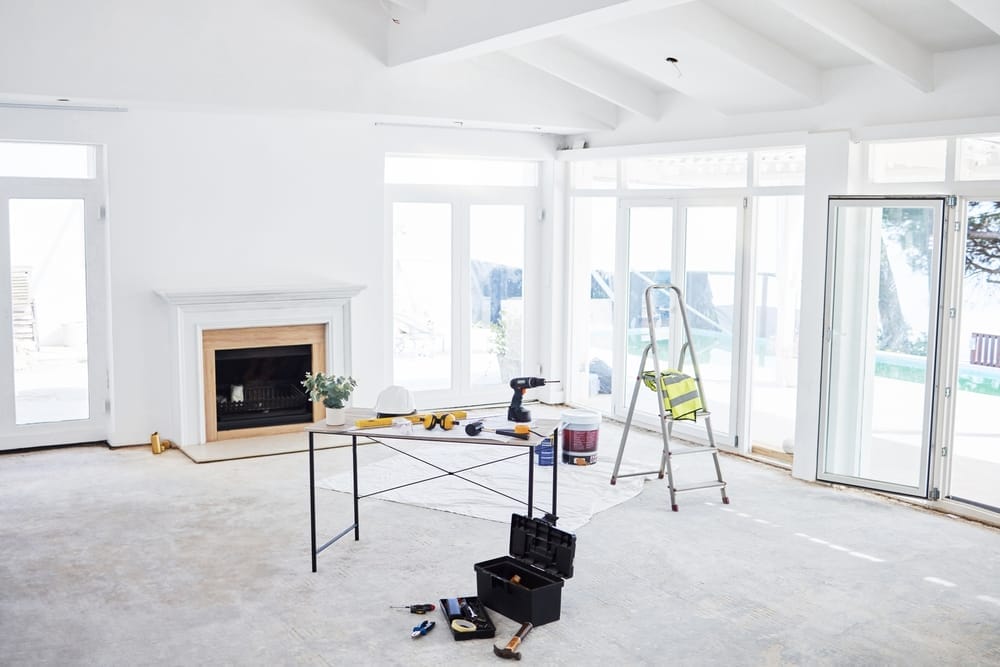
renovate
Image source: shutterstock.com

Homeowners who want to renovate their property should assess the risks of performing work without obtaining the necessary permits. The practice of bypassing permits during renovation work appears to save time and money but results in costly problems. Building codes at the local level serve multiple purposes, including maintaining safety standards, protecting property values, and preventing legal issues. The costs of non-compliance with regulations will exceed the amount you paid for the permit. The following section examines 14 potential disasters that can occur when homeowners undertake renovations without obtaining proper permits.

1. Failed Home Inspections

If you renovate without a permit, your home might not pass future inspections. This can happen when you sell or refinance. Inspectors will spot unpermitted work, leading to delays, fines, or even demands to tear out the changes. The cost and hassle of fixing these issues can be significant.

2. Voided Homeowners Insurance

Insurance companies expect you to follow building codes. If you file a claim related to unpermitted work, your insurer might deny it. This could leave you paying out of pocket for repairs after a fire, flood, or accident. Renovating without a permit can put your financial safety net at risk.

3. Steep Fines and Penalties

When the city discovers that you skipped a permit, you may face fines. These penalties often cost more than the original permit. Some municipalities charge double or triple fees as punishment for illegal work. In extreme cases, legal action can follow, adding to your stress and expense.

4. Forced Removal of Improvements

Imagine building your dream addition, only to be told you must tear it down. Cities can require you to remove any changes made without a permit. The demolition and restoration costs can be crushing. All your hard work could vanish, along with your investment.

5. Difficulty Selling Your Home

Unpermitted renovations make selling tricky. Buyers often want assurance that everything is up to code. If they learn you renovated without a permit, they might walk away or demand a lower price. Some lenders won’t approve mortgages on homes with unpermitted work.

6. Reduced Home Value

Your home’s value depends on its legal status. Renovations without permits don’t count toward official square footage or features. Appraisers may ignore these improvements, meaning you won’t get credit for them when you sell or refinance.

7. Unsafe Living Conditions

Permits ensure renovations meet safety standards. Without oversight, mistakes can go unnoticed, such as faulty wiring, poor plumbing, or unstable structures. This puts your family at risk. Renovating without a permit can lead to dangerous living conditions.

8. Problems With Future Renovations

In the future, you may want to take on more responsibilities. If inspectors find unpermitted changes, they may halt your new project until you resolve old issues. This can delay your plans and add unexpected costs.

9. Complications With Neighbors

Neighbors sometimes report work they suspect is unpermitted, especially if it affects them. Renovating without a permit can spark disputes, complaints, or even lawsuits. Good fences may make good neighbors—but so do proper permits.

10. Tax Assessment Surprises

Unpermitted improvements can still catch the eye of tax assessors. If they discover your upgrades, your property taxes may rise unexpectedly. However, you may not fully realize the value of the renovation if it’s not officially recognized.

11. Legal Liability for Injuries

If someone gets hurt because of faulty work, you could be sued. Without a permit, it’s harder to prove the work was done safely. Renovating without a permit increases your legal risk if an accident happens on your property.

12. Poor Workmanship and Lack of Oversight

Permits require inspections at key stages. Skipping them often results in lower-quality work, especially when hiring unlicensed contractors. Mistakes may not become apparent until years later, resulting in costly repairs.

13. Difficulty Getting Future Permits

Once you’re caught renovating without a permit, the city may scrutinize you more closely. Obtaining approval for future projects may become more challenging, time-consuming, or costly.

14. Problems With Insurance Claims When Selling

Even after you sell, if problems arise from your unpermitted work, the buyer’s insurance company may pursue you legally. This can lead to ongoing legal and financial headaches long after you thought the project was complete.

How to Avoid the Pitfalls of Renovating Without a Permit

The urge to begin a project or save money on costs might lead people to start renovations without obtaining proper permits. The dangers of unauthorized renovation work create major threats to your financial stability, personal safety, and mental comfort. Always verify with your local building department before beginning any modifications to your property. Most urban areas provide accessible resources and hotline services that enable residents to identify which construction work needs official authorization.

You can find the necessary information about permit requirements through your city website or by contacting a reliable source. Your contractor should obtain all required permits for your project when you work with them.

Have you encountered any issues during your renovation project? Please share your renovation experiences through the comment section.

What to Read Next…

  • Why Are So Many DIY Projects Actually Illegal In Your County?
  • 9 Renovation Grants That Can Backfire On Your Estate
  • 5 Home Investment Plans That Legal Experts Say To Avoid
  • 10 Items That Could Void Your Homeowners Insurance Instantly
  • 5 Emergency Repairs That Could Force You Into Debt Overnight
Travis Campbell
Travis Campbell

Travis Campbell is a digital marketer/developer with over 10 years of experience and a writer for over 6 years. He holds a degree in E-commerce and likes to share life advice he’s learned over the years. Travis loves spending time on the golf course or at the gym when he’s not working.

Filed Under: Home Improvement Tagged With: building codes, DIY, home renovation, homeowners insurance, legal issues, permits, property value

7 Popular Cleaning Products That Can Destroy Your Plumbing

July 28, 2025 by Travis Campbell Leave a Comment

cleaning
Image Source: pexels.com

Keeping your home clean feels good. But some cleaning products can do more harm than good, especially when it comes to your plumbing. Many people don’t realize that what goes down the drain can come back to haunt them. Pipes aren’t built to handle every chemical or cleaner you pour in. To avoid expensive repairs, it’s wise to know which cleaning products can damage your plumbing. Here’s what you need to watch out for and why it matters for your home and your wallet.

1. Bleach

Bleach is a go-to for many people. It kills germs and makes things look bright. But bleach is harsh on pipes, especially if you use it often. It can eat away at older metal pipes and even damage some types of plastic pipes. When bleach mixes with other cleaners, it can create toxic fumes or even cause a reaction that damages your plumbing. If you pour bleach down the drain to clear clogs, you’re not fixing the problem—you’re making it worse. Instead, use hot water or a drain snake for clogs. Save bleach for surfaces, not your pipes.

2. Chemical Drain Cleaners

Chemical drain cleaners promise quick results. They bubble, fizz, and seem to clear clogs fast. But these cleaning products that can destroy your plumbing are some of the worst offenders. The chemicals are strong enough to eat through hair and grease, but they can also eat through your pipes. Over time, repeated use can cause pipes to crack or corrode. This is especially true for older homes with metal plumbing. If you have a stubborn clog, try a plunger or a plumber’s snake first. If that doesn’t work, call a professional. Using chemical drain cleaners can turn a small clog into a big plumbing bill.

3. Antibacterial Cleaners

Antibacterial cleaners are everywhere. They promise to kill germs and keep your home safe. But when you rinse them down the drain, they can harm the good bacteria in your septic system. Septic systems rely on bacteria to break down waste. If you kill off those bacteria, your system can back up or fail. Even if you’re on city sewer, these cleaners can still cause problems. They can react with other chemicals in the pipes and create blockages or even toxic fumes. Use antibacterial cleaners sparingly and never pour large amounts down the drain.

4. Powdered Cleaners

Powdered cleaners seem harmless. You sprinkle, scrub, and rinse. But these cleaning products that can destroy your plumbing don’t always dissolve fully. The leftover powder can clump together in your pipes, especially if you have older plumbing or low water pressure. Over time, this buildup can cause blockages. If you use powdered cleaners, make sure to rinse with plenty of water. Better yet, switch to liquid cleaners that are less likely to cause clogs.

5. Toilet Tablets

Toilet cleaning tablets are easy. Drop one in the tank, and your toilet stays blue and fresh. But these tablets can break down slowly, leaving behind chunks that get stuck in your pipes. Some tablets contain bleach or other harsh chemicals that can wear out the rubber and plastic parts inside your toilet. This can lead to leaks or even a broken toilet. If you want to keep your toilet clean, use a brush and a gentle cleaner instead. Avoid anything that sits in the tank for weeks at a time.

6. Grease-Fighting Dish Soaps

Dish soaps that cut grease are great for your pans, but not for your pipes. These soaps break down grease in your sink, but the grease doesn’t just disappear. It can move further down the pipes and then solidify, causing a clog. Over time, this can lead to slow drains or even a complete blockage. Instead of pouring greasy water down the drain, wipe pans with a paper towel first. Throw the towel in the trash. This simple step can save your plumbing.

7. Vinegar and Baking Soda (in Large Amounts)

Vinegar and baking soda are popular for DIY cleaning. They fizz and bubble, and many people use them to clear drains. But using large amounts of these cleaning products that can destroy your plumbing can backfire. The reaction can loosen debris, but it can also push it deeper into your pipes, causing a bigger clog. If you use this method, stick to small amounts and follow with plenty of hot water. For tough clogs, mechanical methods work better.

Protecting Your Pipes Means Protecting Your Home

Your plumbing is easy to forget—until something goes wrong. Using the wrong cleaning products can destroy your plumbing and lead to expensive repairs. The best way to keep your pipes safe is to use gentle cleaners, avoid harsh chemicals, and never pour anything down the drain unless you’re sure it’s safe. Small changes in your cleaning routine can make a big difference. Take care of your pipes, and they’ll take care of you.

Have you ever had a plumbing problem caused by a cleaning product? Share your story or tips in the comments below.

Read More

10 Items That Could Void Your Homeowner’s Insurance Instantly

Signs Your Home Has Become a Financial Liability

Travis Campbell
Travis Campbell

Travis Campbell is a digital marketer/developer with over 10 years of experience and a writer for over 6 years. He holds a degree in E-commerce and likes to share life advice he’s learned over the years. Travis loves spending time on the golf course or at the gym when he’s not working.

Filed Under: safety Tagged With: cleaning products, DIY, drain safety, home maintenance, household tips, pipe care, plumbing

Why Are So Many DIY Projects Actually Illegal in Your County?

July 28, 2025 by Travis Campbell Leave a Comment

DIY
Image Source: pexels.com

Ever started a DIY project at home and wondered if you were breaking the law? You’re not alone. Many people think fixing up their own house is simple. But in reality, a lot of DIY projects are actually illegal in many counties. This isn’t just about big renovations. Even small changes can land you in trouble. Understanding why these rules exist can save you money, time, and a lot of stress. Here’s what you need to know about why so many DIY projects are actually illegal in your county.

1. Building Codes Are Strict for a Reason

Building codes exist to keep people safe. They set the minimum standards for construction, electrical work, plumbing, and more. If you don’t follow these codes, you could create a dangerous situation. For example, faulty wiring can cause fires. Bad plumbing can lead to leaks and mold. Counties enforce these codes to protect everyone, not just the person doing the work. If you skip permits or ignore the rules, you risk fines and even having to tear out your work. The main reason many DIY projects are illegal is that most people are unaware of all the relevant codes. And even if you do, you might not have the skills to meet them.

2. Permits Are Required for Many Projects

Most counties require permits for more than you think. Adding a deck, finishing a basement, or even replacing a water heater often needs a permit. The permit process makes sure your project meets safety standards. If you skip this step, your project will be considered illegal. Some people think they can save money by not getting a permit. But if the county finds out, you could face hefty fines. You might even have to undo your work. Permits also protect you if you sell your house. Buyers and lenders want to see that all work was done legally. If you can’t show permits, you could lose a sale or have to pay for expensive fixes.

3. Zoning Laws Limit What You Can Do

Zoning laws control how land is used in your area. They decide what kind of buildings can go where, how tall they can be, and even what colors you can paint your house. If you build a shed, add a fence, or convert your garage without checking zoning rules, you could be breaking the law. Some counties are very strict about what you can do on your property. Zoning laws are there to keep neighborhoods organized and property values stable. But they can make even simple DIY projects illegal if you don’t follow the rules. Always check your county’s zoning laws before starting any project.

4. Homeowner Associations Have Their Own Rules

If you live in a neighborhood with a homeowner association (HOA), you have another set of rules to follow. HOAs can be even stricter than the county. They might ban certain types of fences, limit what you can plant, or require approval for any changes to your home’s exterior. If you ignore these rules, you could face fines or even legal action. Many people are unaware that HOA rules can render a legal project illegal in their neighborhood. Always check with your HOA before starting any DIY work.

5. Environmental Regulations Are Getting Tougher

Counties are paying more attention to environmental issues. There are rules about what you can do near wetlands, how you handle waste, and even what materials you use. For example, you might need a special permit to cut down a tree or build near a stream. If you ignore these rules, you could face significant penalties. Environmental regulations are there to protect natural resources, but they can make DIY projects more complicated. It’s important to know if your project could impact the environment and what rules apply.

6. Licensed Professionals Are Often Required

Some projects are just too risky for amateurs. Electrical work, gas lines, and major plumbing jobs often require a licensed professional. Counties make these rules to keep people safe. If you try to do this work yourself, you could be breaking the law. Even if you think you know what you’re doing, mistakes can be dangerous. Insurance companies may also refuse to cover damage from unlicensed work. If something goes wrong, you could be on the hook for repairs or injuries.

7. Insurance and Liability Issues

Doing illegal DIY work can mess with your insurance. If you have a fire or flood caused by unpermitted work, your insurance company might not pay. This can leave you with huge bills. Also, if someone gets hurt because of your project, you could be sued. Legal DIY projects protect you from these risks. Always check with your insurance company before starting a big project. Make sure you’re covered and that you’re following all the rules.

8. Unpermitted Work Can Hurt Your Home’s Value

If you do work without the right permits, it can hurt your home’s value. When you sell, buyers will want to see that everything was done legally and properly. If you can’t show permits, they might walk away or ask for a lower price. Some lenders won’t approve a mortgage on a home with unpermitted work. This can make it hard to sell your house. Legal DIY projects add value, but illegal ones can ultimately cost you.

9. Counties Are Cracking Down

Counties are getting stricter about enforcing rules. They use satellite images, drones, and even neighbors’ complaints to find illegal projects. If you get caught, you could face fines, legal fees, and have to undo your work. It’s not worth the risk. Always check the rules before you start. It’s easier to do things right from the beginning than to fix problems later.

The Real Cost of Skipping the Rules

DIY projects can save money and feel rewarding. But skipping the legal steps can cost you more in the end. Counties have rules for a reason. They protect you, your neighbors, and your investment. Before you start your next project, take the time to learn what’s legal in your county. It’s the best way to avoid headaches and keep your home safe.

Have you ever run into trouble with a DIY project in your county? Share your story or advice in the comments.

Read More

5 Great DIY Investor Apps You Need to Know About

Why Certain Zip Codes Are No Longer Being Serviced by Major Insurers

Travis Campbell
Travis Campbell

Travis Campbell is a digital marketer/developer with over 10 years of experience and a writer for over 6 years. He holds a degree in E-commerce and likes to share life advice he’s learned over the years. Travis loves spending time on the golf course or at the gym when he’s not working.

Filed Under: Law Tagged With: building codes, DIY, Home Improvement, home value, homeowner association, Insurance, legal issues, permits, zoning laws

DIY Fixes That Could Be Violating Local Building Codes

July 9, 2025 by Travis Campbell Leave a Comment

DIY
Image Source: pexels.com

Tackling home repairs yourself can be empowering and cost-effective, but not every project is as simple as it seems. Many homeowners dive into DIY fixes without realizing that some repairs could actually violate local building codes. These codes exist to keep you, your family, and your neighbors safe, and ignoring them can lead to fines, failed inspections, or even insurance headaches. Whether you’re planning to sell your home or just want peace of mind, understanding the risks of DIY work is crucial. Before you pick up that hammer or paintbrush, let’s explore some common fixes that might land you in hot water with your local building department.

1. Electrical Work Without a Permit

It’s tempting to swap out a light fixture or add an outlet on your own, but electrical work is one of the most heavily regulated areas in local building codes. Even seemingly minor changes can create fire hazards or shock risks if not done correctly. Many municipalities require permits for any electrical modifications, and unpermitted work can void your homeowner’s insurance. If you’re not a licensed electrician, it’s best to check with your local building office before making any changes.

2. Removing or Modifying Load-Bearing Walls

Open concept living spaces are all the rage, but knocking down a wall isn’t as simple as swinging a sledgehammer. Load-bearing walls support the structure of your home, and removing or altering them without proper planning can compromise the entire building. Local building codes require permits and inspections for this type of work to ensure your home remains safe and stable. If you’re unsure whether a wall is load bearing, consult a structural engineer or your local building department before making any changes.

3. Plumbing Changes and Bathroom Remodels

Replacing a faucet or showerhead is usually safe, but rerouting pipes or installing new plumbing fixtures often requires a permit. Local building codes are strict about plumbing to prevent leaks, water damage, and contamination. DIY plumbing mistakes can lead to costly repairs and even health hazards if wastewater mixes with clean water. Always check your city’s requirements before starting a bathroom or kitchen remodel.

4. Installing New Windows or Doors

Upgrading your windows or doors can improve energy efficiency and curb appeal, but improper installation can violate local building codes. Codes often specify the type of glass, egress requirements for bedrooms, and even the placement of locks and latches. Failing to follow these rules can affect your home’s safety in emergencies and may cause problems during a home sale. Always research your area’s requirements or hire a professional for major window and door projects.

5. Building Decks or Outdoor Structures

A new deck or shed can transform your backyard, but these projects almost always require permits and must meet local building codes. Codes cover everything from the depth of footings to railing heights and stair construction. Failing to obtain permits or disregarding code requirements can result in fines or the forced removal of the structure. Before you begin building, contact your local building office to determine the requirements for your project.

6. Finishing Basements Without Egress

Converting your basement into a living space is a popular DIY project, but local building codes require proper egress—meaning a safe way to exit in the event of a fire. This usually means installing windows or doors that meet specific size and accessibility standards. Without proper egress, your finished basement may not be considered a legal living space, which can affect your home’s value and safety. Always include egress in your basement plans and get the necessary permits.

7. Adding or Modifying HVAC Systems

Installing a new furnace, air conditioner, or even a vent might seem straightforward, but HVAC work is closely regulated by local building codes. Improper installation can lead to carbon monoxide leaks, poor air quality, or fire hazards. Permits and inspections ensure that your system is safe and efficient. If you’re not a licensed HVAC technician, it’s wise to leave these projects to the pros or at least consult your local building department before starting.

8. Roofing Repairs and Replacements

Replacing a few shingles might not raise eyebrows, but full roof replacements or structural repairs often require permits. Local building codes dictate materials, installation methods, and even ventilation requirements. Unpermitted roofing work can lead to insurance issues and problems when selling your home. Always check with your city or county before starting major roofing projects.

Why Following Local Building Codes Protects Your Investment

DIY projects can be rewarding, but cutting corners or skipping permits can have serious consequences. Local building codes aren’t just bureaucratic red tape—they’re designed to protect your safety, your investment, and your community. Violating these codes can lead to fines, insurance problems, and even legal action. Before starting any major home improvement, take the time to research your local building codes, pull the necessary permits, and consider consulting a professional. It’s a small step that can save you big headaches down the road.

Have you ever run into trouble with a DIY project and local building codes? Share your story or tips in the comments below!

Read More

The Definition of Irony, or Why You Should Know What You’re Doing

Is Disability Insurance Optional? I Think Not – Our Boner of the Week

Travis Campbell
Travis Campbell

Travis Campbell is a digital marketer/developer with over 10 years of experience and a writer for over 6 years. He holds a degree in E-commerce and likes to share life advice he’s learned over the years. Travis loves spending time on the golf course or at the gym when he’s not working.

Filed Under: Home Improvement Tagged With: building codes, DIY, Home Improvement, home safety, homeowner tips, legal issues, property value, renovations

DIY Projects That Can Void Your Homeowner’s Insurance

July 6, 2025 by Travis Campbell Leave a Comment

paint brush
Image Source: pexels.com

Thinking about tackling a few DIY projects around the house? You’re not alone—DIY home improvements are more popular than ever, thanks to endless online tutorials and the promise of saving money. But before you grab your toolbox, there’s something you need to know: some DIY projects can actually void your homeowner’s insurance. That means if something goes wrong, your insurance company might refuse to pay for damages, leaving you with a hefty bill. Understanding which projects put your coverage at risk is crucial for protecting your home and your wallet. Let’s break down the most common DIY mistakes that could cost you big time.

1. Electrical Work Without a Licensed Electrician

It’s tempting to swap out a light fixture or add an outlet yourself, but electrical work is one of the riskiest DIY projects when it comes to your homeowner’s insurance. Most policies require that electrical work be performed by a licensed professional. If you attempt wiring or panel upgrades on your own and something goes wrong—like a fire—your insurer may deny your claim. Even if the work seems minor, improper installation can lead to serious hazards. Always check your policy and local regulations before touching any electrical systems.

2. Plumbing Projects Gone Wrong

Replacing a faucet or fixing a leaky pipe might seem simple, but plumbing mistakes can cause extensive water damage. Insurance companies often require that major plumbing work, such as installing new pipes or water heaters, be done by a licensed plumber. If you attempt a DIY fix and it results in flooding or mold, your claim could be denied. Water damage is one of the most common and expensive home insurance claims, so it’s not worth the risk. Always consult your policy before starting any plumbing project.

3. Roof Repairs and Replacements

Your roof is your home’s first line of defense against the elements, and insurance companies take its condition seriously. DIY roof repairs or replacements can void your homeowner’s insurance if the work isn’t up to code or causes further damage. Insurers may require proof that a licensed contractor performed the work, especially after a claim. Improperly installed shingles or flashing can lead to leaks, structural damage, and denied claims. When it comes to your roof, it’s best to leave it to the pros.

4. Structural Changes Without Permits

Knocking down a wall to create an open floor plan or finishing your basement might seem like a great way to add value, but making structural changes without the proper permits is a major red flag for insurers. Homeowner’s insurance policies typically require that all renovations comply with local building codes and permitting requirements. If you skip the permit process and something goes wrong—like a collapse or injury—your insurance may not cover the damages. Always check with your local building department before starting any major renovation.

5. Installing Pools or Trampolines

Adding a pool or trampoline to your backyard can be a fun upgrade, but these features come with significant liability risks. Many insurance policies have strict requirements for pools and trampolines, including fencing, safety covers, and sometimes even higher premiums. If you install one without notifying your insurer or following their guidelines, you could void your coverage. Accidents involving pools and trampolines are common, and without proper insurance, you could be on the hook for medical bills or lawsuits. For more on pool safety and insurance, visit the Insurance Information Institute.

6. DIY HVAC Installations

Heating, ventilation, and air conditioning systems are complex and require specialized knowledge to install safely. DIY HVAC projects can lead to fire hazards, carbon monoxide leaks, and system failures. Most homeowners’ insurance policies require that licensed professionals perform HVAC work. If you install or repair your own system and it causes damage, your claim may be denied. Always hire a certified technician for HVAC work to keep your home safe and your insurance valid.

7. Unapproved Additions or Conversions

Building a new room, converting a garage, or adding a rental unit can increase your home’s value, but only if done legally and with your insurer’s knowledge. Unapproved additions or conversions that aren’t reported to your insurance company can void your policy. If you make changes that increase the risk of damage or liability, your insurer needs to know so they can adjust your coverage. Failing to disclose these changes can result in denied claims or even policy cancellation.

Protect Your Home and Your Coverage

DIY projects can be rewarding, but they come with serious risks if you’re not careful. The most important thing to remember is that your homeowner’s insurance is there to protect you—if you follow the rules. Before starting any major project, review your policy, check local regulations, and consider hiring a licensed professional for anything beyond basic repairs. Taking shortcuts might save you money upfront, but it could cost you much more in the long run if your insurance doesn’t cover a claim. Protect your investment by making smart, informed decisions about DIY home improvements.

Have you ever taken on a DIY project that made you reconsider your insurance coverage? Share your stories or questions in the comments below!

Read More

Is Disability Insurance Optional? I Think Not – Our Boner of the Week

Find the Right Amount of Life Insurance in 10 Minutes

Travis Campbell
Travis Campbell

Travis Campbell is a digital marketer/developer with over 10 years of experience and a writer for over 6 years. He holds a degree in E-commerce and likes to share life advice he’s learned over the years. Travis loves spending time on the golf course or at the gym when he’s not working.

Filed Under: Insurance Tagged With: DIY, Home Improvement, home repairs, home safety, homeowners insurance, insurance claims, Risk management

FOLLOW US

Search this site:

Recent Posts

  • Can My Savings Account Affect My Financial Aid? by Tamila McDonald
  • 12 Ways Gen X’s Views Clash with Millennials… by Tamila McDonald
  • What Advantages and Disadvantages Are There To… by Jacob Sensiba
  • 10 Tactics for Building an Emergency Fund from Scratch by Vanessa Bermudez
  • Call 911: Go To the Emergency Room Immediately If… by Stephen Kanaval
  • 7 Weird Things You Can Sell Online by Tamila McDonald
  • 10 Scary Facts About DriveTime by Tamila McDonald

Copyright © 2026 · News Pro Theme on Genesis Framework